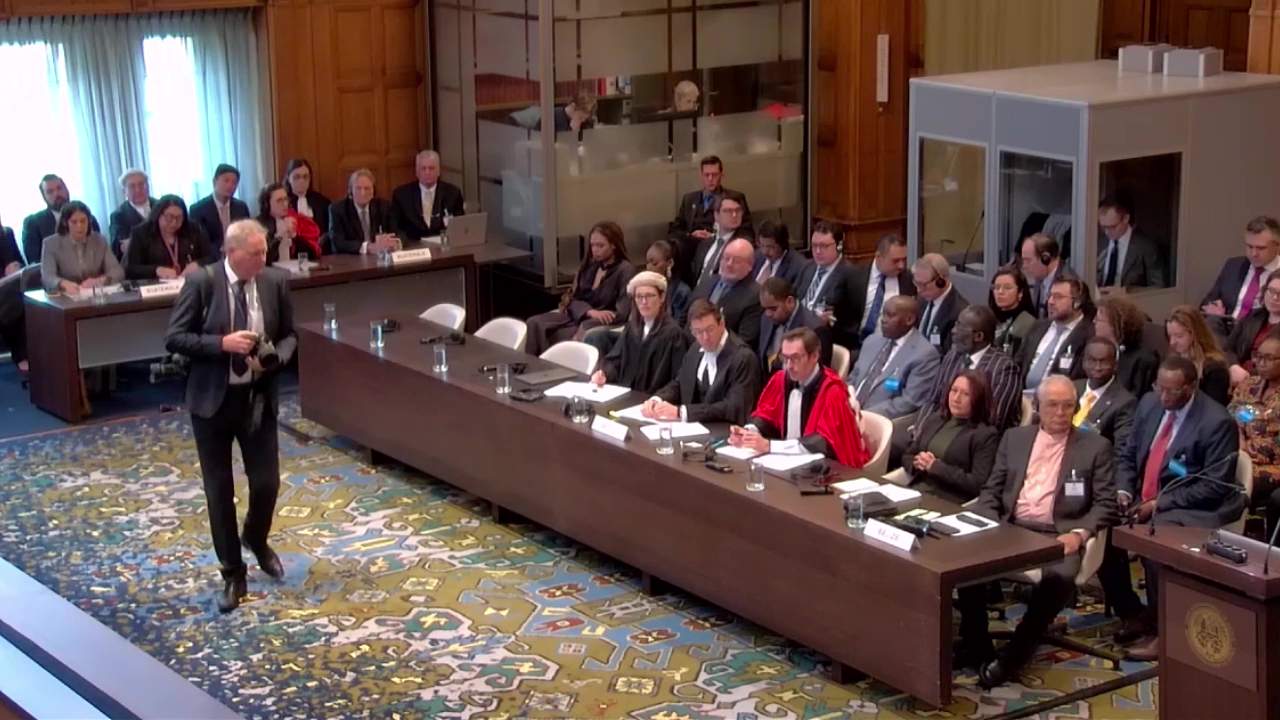
The International Court of Justice (ICJ) in The Hague commenced a pivotal hearing today, November 24, 2025, addressing the long-standing territorial dispute over the Sapodilla Cayes, a group of islands claimed by both Belize and Honduras. In a significant development, Guatemala has formally requested permission to intervene in the case, adding a new dimension to the decades-old conflict. The hearing marks the latest phase in a legal battle that reignited in 2022 when Belize filed its case against Honduras. The Sapodilla Cayes, referred to as Cayos Zapotillos by Honduras, are at the heart of this sovereignty dispute. ICJ President Iwasawa Yuji outlined the procedural timeline, noting that Belize’s application was based on the 1948 Pact of Bogotá, which provides a framework for peaceful dispute resolution in the Americas. The court has set deadlines for the submission of legal documents, with Belize’s memorial due by May 2, 2023, and Honduras’s counter-memorial by December 4, 2023. This case underscores the complexities of territorial claims in the region and the role of international law in resolving such disputes.
分类: world
-
Guatemala Flags Overlap in Belize/Honduras Claim
The longstanding territorial dispute between Guatemala and Belize has taken a new turn with Belize’s recent claim against Honduras, adding complexity to an already intricate legal battle. The International Court of Justice (ICJ) in The Hague is now faced with the challenge of addressing two overlapping cases concerning sovereignty over key islands in the southern waters of Belize. Guatemala has emphasized that this is not the first time these islands have been at the center of a legal showdown, as the country and Belize have been engaged in a separate case since 2019 over the same territory. Belize’s new claim against Honduras, filed just days before Guatemala was due to submit its reply in the ongoing Guatemala/Belize case, has created a procedural dilemma for the court. Guatemalan Ambassador Ana Cristina Rodriguez Pineda highlighted the interconnectedness of the two cases, noting that Belize has acknowledged this overlap in its correspondence with Honduras. She suggested that hearing the merits of both cases consecutively could ensure consistency and efficiency, particularly if Guatemala is allowed to intervene. The outcome of these disputes holds significant implications for regional sovereignty and international legal precedents.
-
Paradise at the Heart of a High-Stakes Territorial Tug-of-War
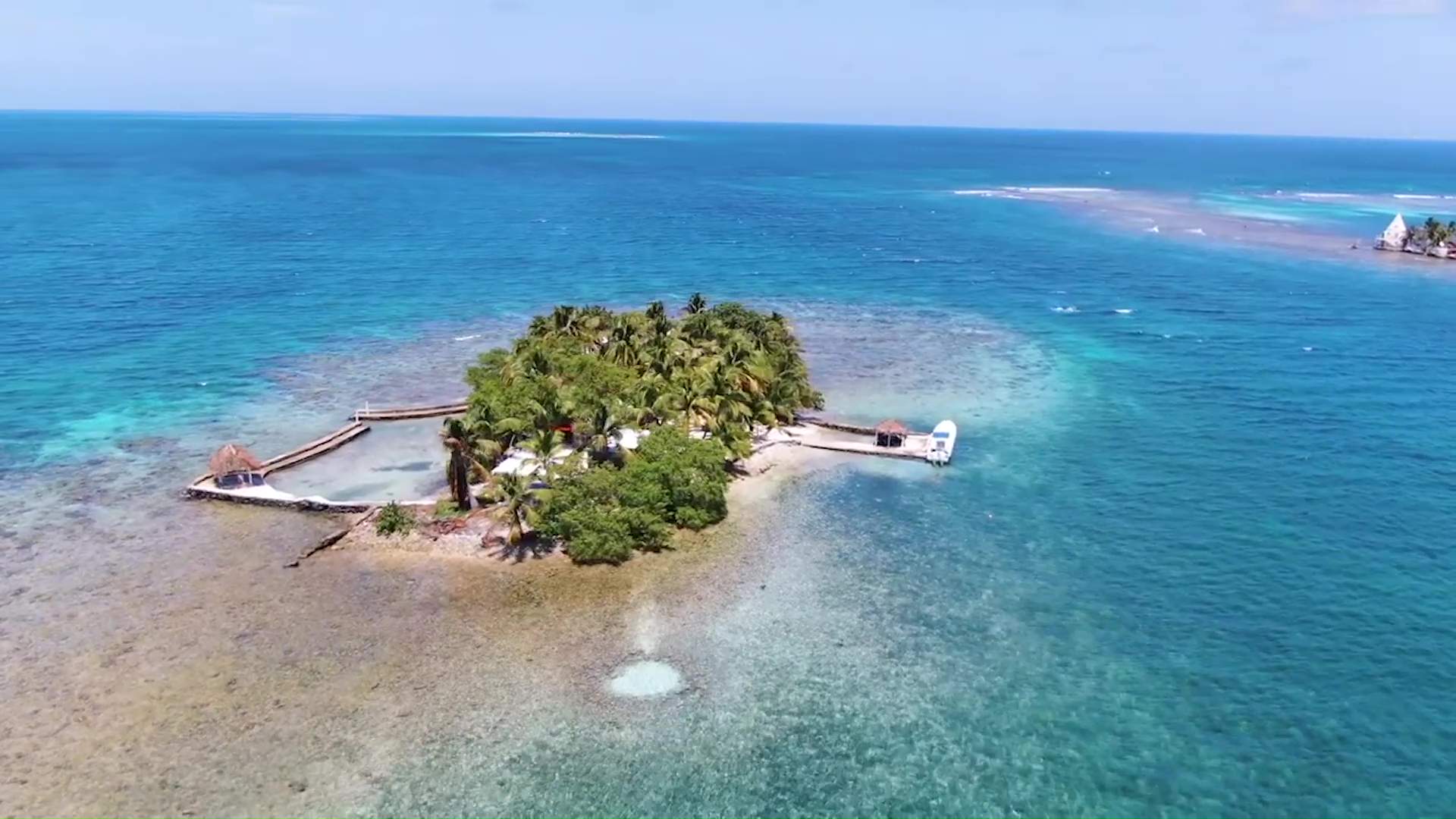
The Sapodilla Cayes, a pristine cluster of fourteen islands nestled where the Caribbean meets the Gulf of Honduras, are at the heart of a high-stakes territorial dispute. Renowned for their turquoise waters, vibrant coral gardens, and rich biodiversity, these islands are more than a marine sanctuary—they are a geopolitical flashpoint. For decades, Guatemala and Honduras have laid competing claims to the cayes, turning this remote paradise into a battleground for sovereignty and security. The International Court of Justice (ICJ) is now tasked with determining the rightful owner of this strategic and ecologically vital region, a decision that could reshape the geopolitical landscape of Central America.
The Sapodilla Cayes Marine Reserve, which has expanded eightfold to over 300,000 acres since 2021, is a testament to Belize’s commitment to conservation. Managed by the Toledo Institute for Development and Environment (TIDE) with just seven rangers, the reserve faces significant challenges, including illegal fishing by Guatemalan and Honduran fishers. Armed and often resistant to arrest, these fishers employ destructive methods such as gill nets and longlines, threatening the fragile ecosystem. Joint patrols by TIDE and the Belize Coast Guard, including operations like Lighthouse and Corona Reef Patrols, aim to safeguard the area’s biodiversity and enforce fisheries guidelines.
As the ICJ hears arguments on Guatemala’s intervention in the Belize-Honduras dispute, the stakes are immense. A ruling could either resolve the long-standing territorial claims or leave the issue unresolved, jeopardizing Belize’s maritime entitlements. Meanwhile, the broader case of Guatemala’s claim to Belizean land and maritime areas remains pending, with oral hearings yet to commence. The Sapodilla Cayes, a symbol of natural beauty and geopolitical tension, stand at the crossroads of conservation and conflict, their fate hanging in the balance.
-
Dissecting Belize’s Environmental Commitments and its Territorial Integrity
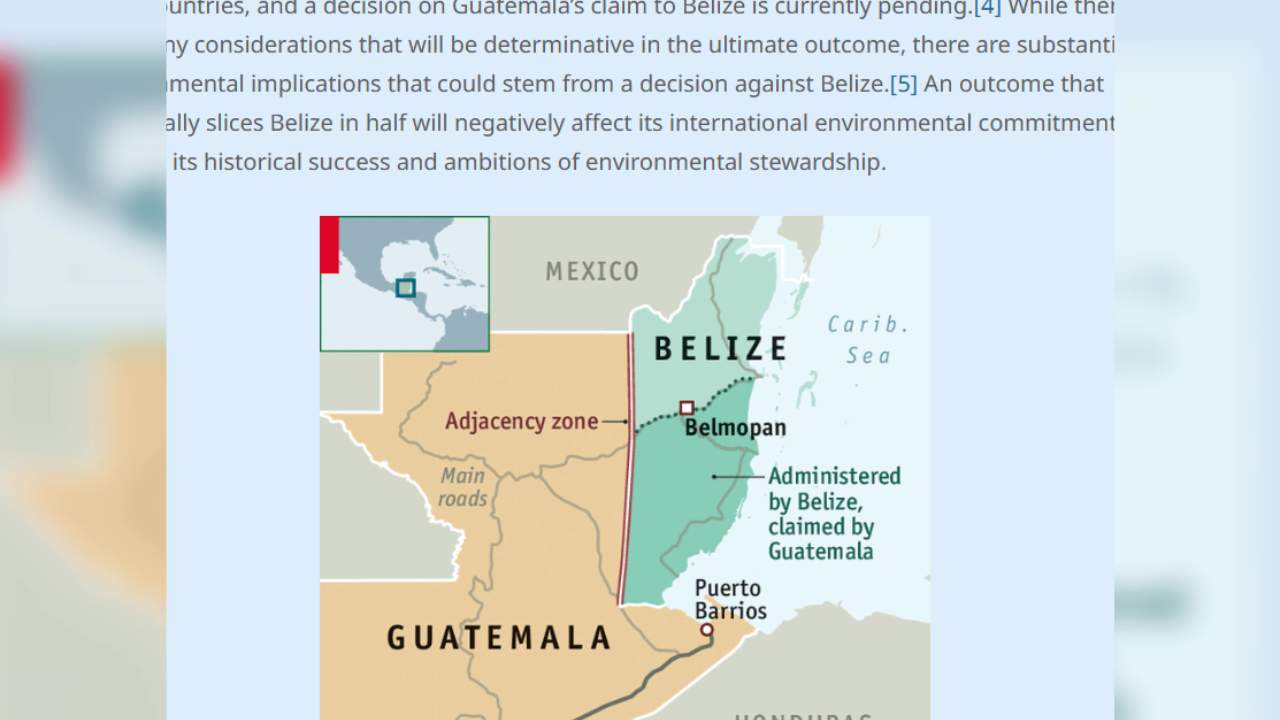
In a recent development, Guatemala has sought to intervene in Belize’s legal case against Honduras concerning the Sapodilla Cayes, asserting that the islands overlap with its own territorial claims. This move reignites a decades-long dispute, despite previous assurances of peaceful resolutions. Beyond the geopolitical implications, Belizean law student Ethan Singh has drawn a compelling connection between sovereignty and environmental stewardship. In a detailed blog post, Singh, a student at Washington College of Law, examined Belize’s adherence to international environmental treaties and its impact on the nation’s territorial integrity. Singh traced Belize’s environmental commitments back to the 1992 United Nations Framework Convention on Climate Change, followed by the 2015 Paris Agreement, and the recent Biodiversity Beyond National Jurisdiction Treaty, which Belize was among the first to endorse. He emphasized the principle of precaution in international environmental law, advocating for proactive measures to prevent environmental degradation. Singh highlighted Belize’s dedication to preserving its forested lands, contrasting sharply with neighboring Guatemala. This commitment, he argued, underscores Belize’s role as a leader in environmental advocacy, particularly for small island nations. As tensions over territorial claims persist, Singh’s analysis offers a fresh perspective on the intersection of environmental policy and national sovereignty.
-
Belize Coast Guard Saves Four Near Gladden Spit
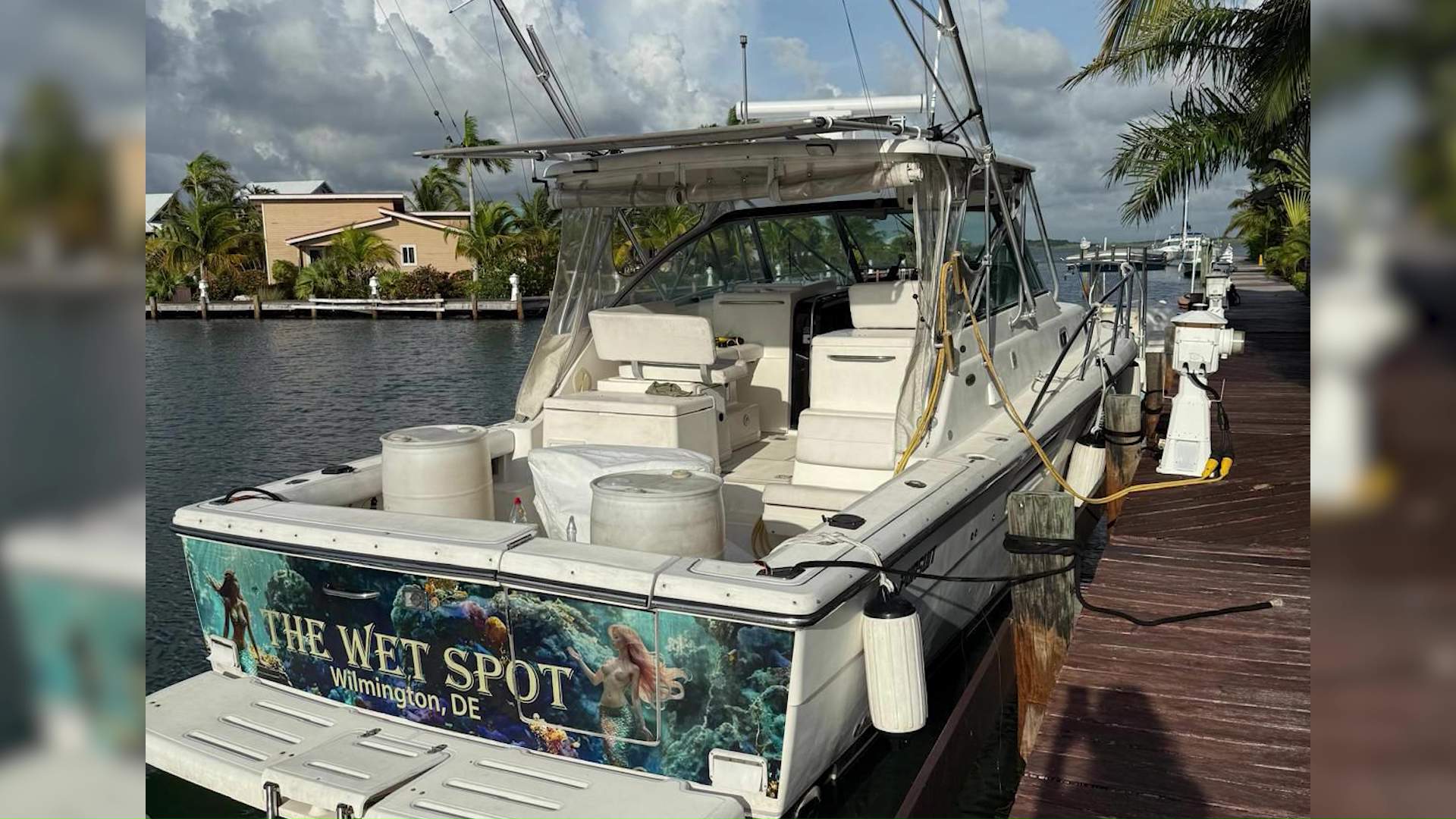
In a remarkable display of international cooperation and swift action, the Belize Coast Guard successfully rescued four individuals from a distressed vessel near Gladden Spit over the weekend. The operation, initiated after a distress signal was relayed by the Honduran Navy, saved three U.S. nationals and one Mexican citizen who had embarked from Placencia on November 21, bound for Roatán. The vessel, named The Wet Spot, was discovered grounded on the reef, prompting an immediate response from Belizean authorities. Rear Admiral Elton Bennett, Commandant of the Belize Coast Guard, provided insights into the rescue, highlighting the challenges of navigation in the area and the seamless coordination between Belize and Honduras. All individuals were evacuated safely, with three transported to Placencia and the captain remaining aboard during the grounding. A comprehensive marine investigation led by the Police Port Authority will determine the cause of the incident, while the Department of Environment will assess the damage to the reef. The rescue underscores the importance of international collaboration in maritime emergencies and the prioritization of human safety in such operations.
-

First Dominican extradited from the Netherlands faces charges in La Vega
In a landmark legal development, the Netherlands has extradited Luis Adonis Suárez Estévez, a 41-year-old Dominican national, to face charges related to the June 2025 murder of Amín Alfonso Peña Soriano in La Vega. This marks the first extradition of a Dominican citizen from the Netherlands, facilitated by the collaborative efforts of the Public Prosecutor’s Office and authorities in both countries. Suárez Estévez arrived at Las Américas International Airport after Dutch officials meticulously verified all necessary documentation.
-

Delegates from Canadian and Australian governments, and California Agriculture officials, toured IICA booth emphasizing soil vitality’s importance in shaping COP30 agenda
At the 30th Conference of the Parties (COP30) in Belém do Pará, Brazil, delegates from Canada, Australia, and California’s Department of Food and Agriculture gathered at the Inter-American Institute for Cooperation on Agriculture (IICA) pavilion to emphasize the pivotal role of soil health in achieving sustainable development. The event, which drew significant attention, highlighted the urgent need to integrate soil preservation into national climate strategies to ensure resilient food and agricultural systems.
-
COP30 Concludes in Belém With Mixed Results on Climate Action
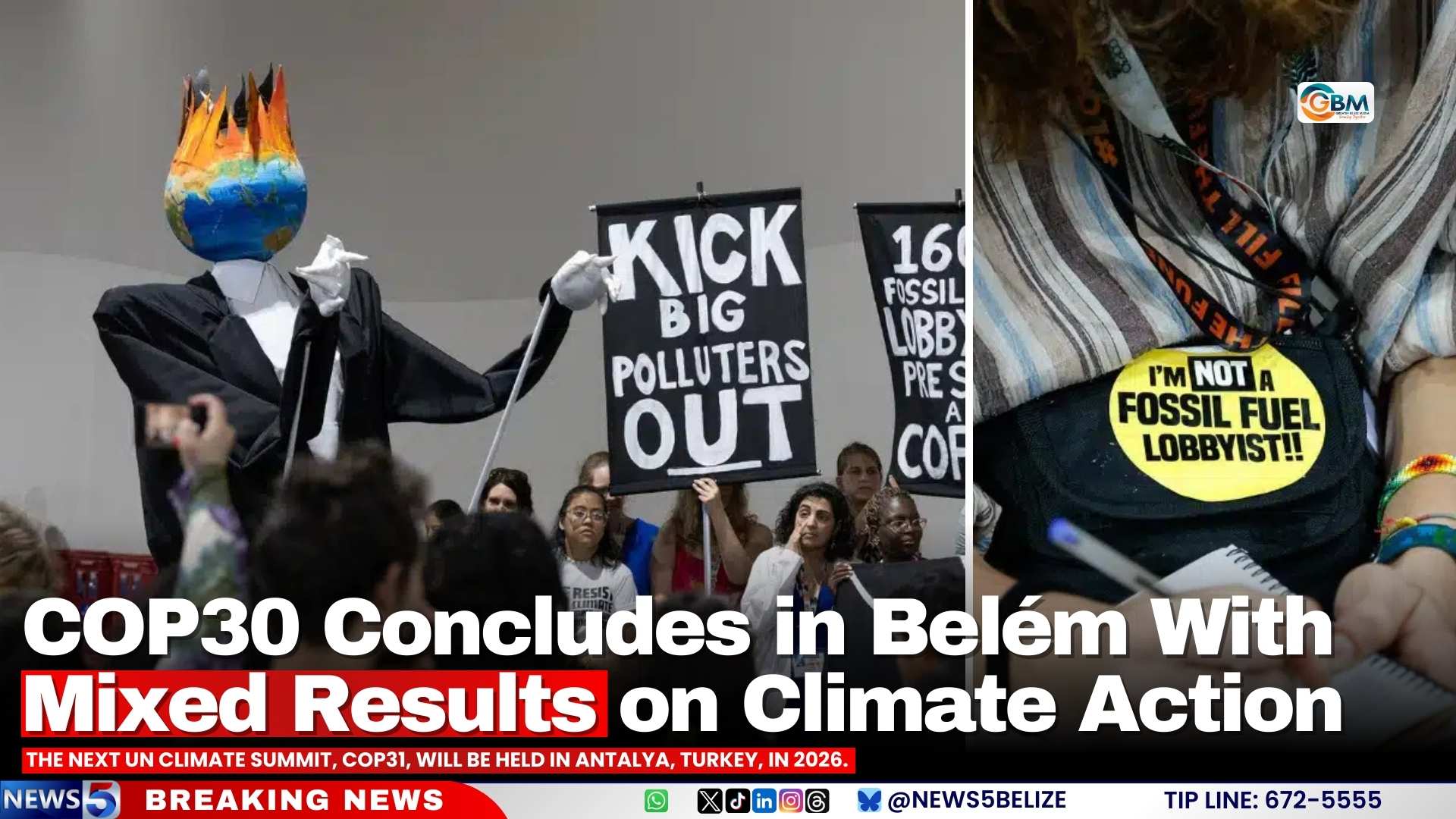
The 30th United Nations Climate Summit, COP30, concluded on November 24, 2025, in Belém, Brazil, after two weeks of intense negotiations. With over 55,000 participants, including 2,500 Indigenous representatives and approximately 1,600 fossil fuel lobbyists, the summit was the second-largest in UN history. Dubbed the “COP of Truth,” it aimed to address critical issues such as climate finance, deforestation, and Indigenous rights. However, the outcomes were mixed, reflecting both progress and significant setbacks.
-
Guatemala Seeks to Join Belize-Honduras Case Over Sapodilla Cayes at ICJ
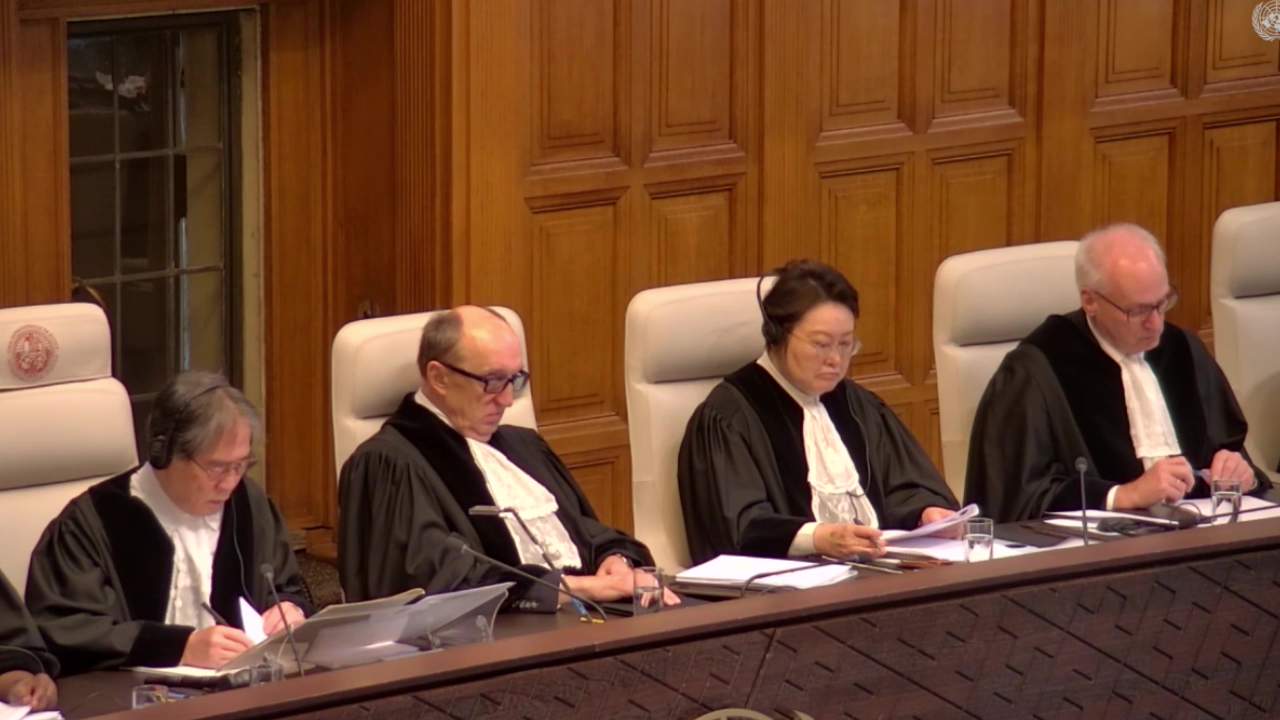
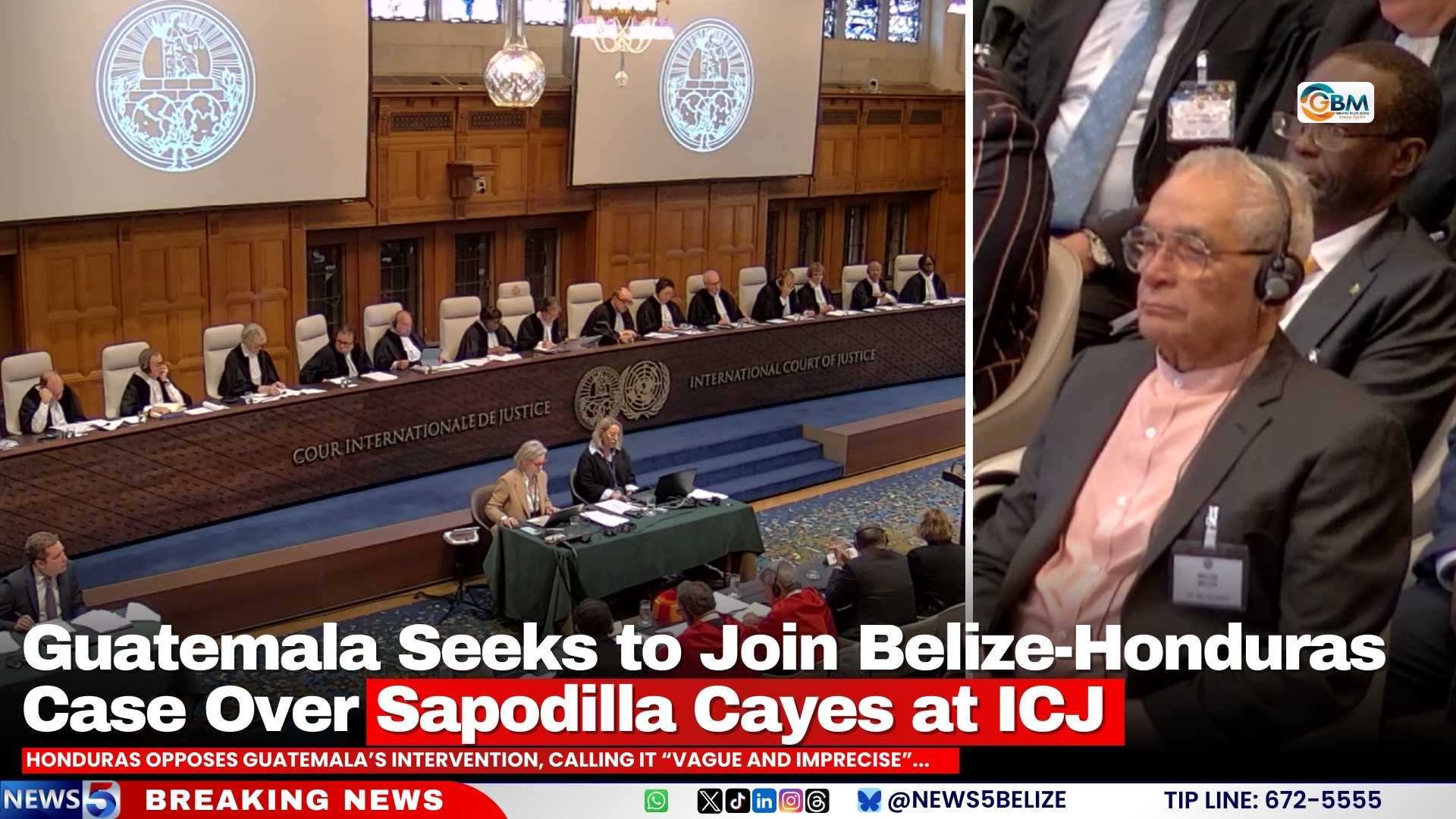
The International Court of Justice (ICJ) has commenced hearings on Guatemala’s request to intervene in the ongoing sovereignty dispute between Belize and Honduras over the Sapodilla Cayes, known as Cayos Zapotillos in Spanish. The hearings, presided over by Judge Iwasawa at the Peace Palace, mark a significant development in this complex territorial conflict. Guatemala’s application, filed on December 1, 2023, under Article 62 of the ICJ Statute, seeks to protect its interests in the disputed islands, which it also claims as sovereign territory. Ana Cristina Rodríguez Pineda, Guatemala’s Agent, emphasized that the intervention aims to ensure Guatemala’s rights are not overlooked in the Court’s decision. The dispute dates back to Belize’s 2022 filing under the Pact of Bogotá, which sought to resolve the sovereignty issue with Honduras. Guatemala argues that the islands are already part of a separate, long-standing case between Guatemala and Belize, filed in 2019. Guatemala contends that Belize’s unilateral action against Honduras has created procedural complications and risks prejudicing Guatemala’s rights. Honduras, however, opposes Guatemala’s intervention, calling it vague and citing Article 59 of the ICJ Statute, which limits judgments to the parties involved. Guatemala counters that Article 59 does not sufficiently protect third-party interests. The ICJ will continue hearings with oral arguments from Belize and Honduras, followed by Guatemala’s second round of arguments on November 26.
-
UN Secretary-General comments on closing of COP30: multilateral efforts must continue
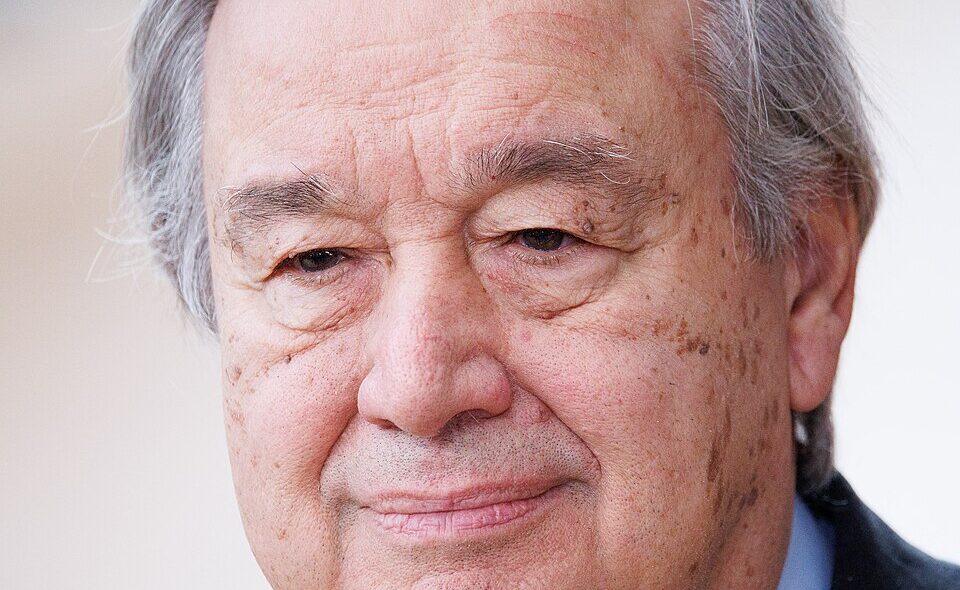
At the close of COP30, held from November 10-21, 2025, in Belém, Brazil, United Nations Secretary-General António Guterres commended the significant strides made during the conference, underscoring the critical role of multilateral cooperation in tackling global climate challenges. Guterres extended his gratitude to Brazilian President Luiz Inácio Lula da Silva, COP30 President André de Largo, the Brazilian government, the people of Belém, and the UNFCCC Secretariat for their exceptional hospitality and tireless efforts in organizing the event.
Guterres emphasized that the conference, held at the gateway to the Amazon rainforest, showcased the enduring power of multilateralism. Nations united to address the pressing issue of climate change, demonstrating that collective action is essential in solving challenges that transcend borders.
Key achievements at COP30 included a commitment to triple adaptation finance by 2035, the establishment of a Just Transition Mechanism to support workers and communities transitioning to renewable energy, and the launch of a new dialogue to enhance international trade cooperation. Additionally, participants acknowledged the likelihood of temporarily exceeding the 1.5°C temperature rise limit, prompting the introduction of a Global Implementation Accelerator to expedite the fulfillment of Nationally Determined Contributions (NDCs).
Despite these advancements, Guterres acknowledged the limitations of COP30, noting that consensus-driven negotiations in an era of geopolitical fragmentation made comprehensive agreements increasingly difficult. He admitted that the conference fell short of addressing all necessary measures, leaving some stakeholders, particularly youth, Indigenous communities, and climate-affected populations, disappointed.
Guterres warned of the dangers of overshooting the 1.5°C threshold, urging humanity to treat it as an inviolable red line. He called for rapid emissions reductions, credible plans to transition from fossil fuels to clean energy, and enhanced climate justice, adaptation, and resilience efforts. He also stressed the urgent need for increased climate finance to support developing nations in mitigating emissions and addressing loss and damage.
While COP30 has concluded, Guterres emphasized that the global fight against climate change must continue. He pledged to advocate for higher ambitions and greater international solidarity, urging all participants to remain steadfast in their efforts. ‘History is on your side, and so is the United Nations,’ he concluded.