
BELMOPAN, Belize – In a significant move toward sustainable ocean governance, the Belizean government has been awarded a US$300,000 grant from the World Trade Organization’s (WTO) Fish Fund. The funding, announced Thursday, is earmarked for enhancing the nation’s legal and institutional frameworks to responsibly manage emerging fisheries subsidy programs. This strategic initiative aims to balance economic support for local livelihoods with the critical need to prevent subsidies that could inadvertently promote overfishing and other detrimental practices. The approved project, titled ‘Building Legal Understanding and Enforcement Capacity for Fisheries Subsidies Reform in Belize’ (BLUE-CAP), is designed to integrate seamlessly with the country’s existing Blue Economy agenda. This includes a complementary program backed by the Inter-American Development Bank (IDB) focused on expanding artisanal fisheries, as well as the national Blue Economy Development Policy and Strategy. Government officials highlighted that the grant application’s success was a direct result of a cohesive inter-agency collaboration. Key contributors included the Directorate General for Foreign Trade, the Ministry of Blue Economy and Marine Conservation, the Fisheries Department, and the High Seas Fisheries Unit, working in concert with the Caribbean Regional Fisheries Mechanism (CRFM). This partnership underscores a regional commitment to shared marine resource challenges. With the new funding secured, Belize anticipates strengthened collaboration with both national and regional partners. The overarching goal is to implement robust management practices that ensure the long-term health and sustainability of marine ecosystems, safeguarding them for future generations while fostering an economically empowering blue economy.
分类: world
-
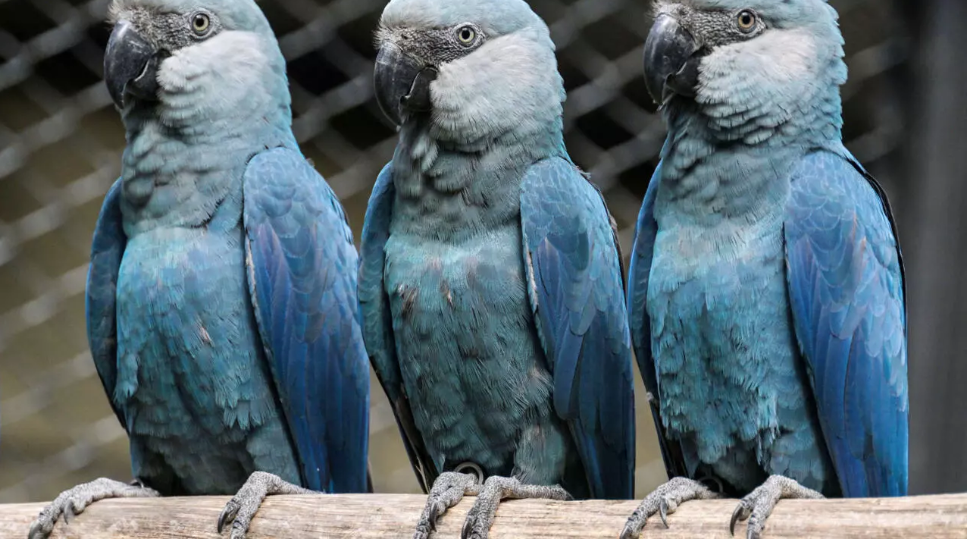
Lethal virus hits Brazil’s last wild blue macaws featured in film ‘Rio’
A devastating viral outbreak has struck the world’s only reintroduced population of wild Spix’s macaws in Brazil, threatening to derail decades of conservation efforts for the critically endangered species. Brazilian conservation authorities confirmed Thursday that all surviving members of the recently reintroduced blue parrot population have tested positive for a lethal and incurable circovirus.
The outbreak represents a catastrophic setback for the ambitious rewilding program that returned the iconic birds to their native Caatinga habitat in northeastern Brazil—25 years after they were declared extinct in the wild. The species, immortalized in the 2011 animated film ‘Rio,’ is considered one of the planet’s rarest avian species.
According to Brazil’s Chico Mendes Institute for Biodiversity Conservation (ICMBio), approximately 20 Spix’s macaws imported from Germany in 2020 had been released into their natural habitat, with only 11 surviving until recent weeks. All remaining birds in the wild population have now contracted beak and feather disease, a fatal condition caused by circovirus that typically proves lethal in psittacine birds.
Additionally, 21 birds still housed at the BlueSky breeding center in Bahia state have tested positive for the virus. Investigations are ongoing to determine the origin of the outbreak, though authorities confirm the pathogen poses no risk to human health.
The conservation effort has been fraught with international controversy. Brazil terminated its partnership with the German Association for the Conservation of Threatened Parrots (ACTP) in 2024 after the organization sold 26 birds to a private Indian zoo without authorization. Brazil has repeatedly raised concerns at CITES meetings about regulatory loopholes enabling the sale of captive-bred Spix’s macaws, which fuels demand that originally drove the species to extinction through habitat loss and collector trafficking.
ICMBio has levied a 1.8 million reais ($336,000) fine against the BlueSky breeding center for biosafety protocol failures. Inspectors documented severely contaminated bird feeders encrusted with feces and inadequate protective measures among staff handling the endangered birds.
-

Jamaica to get healthcare boost with arrival of Chinese naval hospital ship — Tufton
KINGSTON, Jamaica — In a significant development for hurricane-stricken Jamaica, the Chinese naval hospital ship Silk Road Ark has arrived in Jamaican waters, bringing substantial medical reinforcement to the Caribbean nation. The vessel, carrying 104 specialized medical personnel, represents a major international effort to support Jamaica’s healthcare system following the devastation of Hurricane Melissa.
Jamaica’s Minister of Health and Wellness, Dr. Christopher Tufton, confirmed the ship’s arrival during a Thursday press briefing, noting that the medical vessel reached Jamaican territorial waters on November 22 and is currently stationed at Pedro Keys. The ship is scheduled to relocate to Falmouth Pier during the upcoming weekend, where it will begin operations.
The medical contingent aboard includes 60 physicians, 32 nursing professionals, pharmaceutical experts, and technical staff, creating a comprehensive healthcare delivery capability. Dr. Tufton emphasized that this infusion of medical expertise will significantly enhance Jamaica’s capacity to provide critical healthcare services during the recovery period.
Minister Tufton expressed profound gratitude to the Chinese government for their timely assistance, stating: “This medical floating vessel, complete with personnel and equipment, represents exactly the type of support we need as we work to rebuild our healthcare infrastructure. The Office of the Chief Medical Officer is coordinating with the Chinese medical team to develop the most effective approach for patient treatment and clinical support.”
The Chinese medical mission joins similar efforts from multiple nations including the United Kingdom, United States, India, Spain, and Israel, all of which have dispatched medical teams to assist Jamaica in its post-hurricane recovery. This collective international response highlights the global solidarity in addressing the healthcare challenges posed by natural disasters in the Caribbean region.
-

Excessive heat predicted for upcoming dry season in Barbados
BASSETERRE, St Kitts – Climate scientists are issuing urgent warnings about the Caribbean’s upcoming dry season, projecting unprecedented heat stress that will severely test the region’s infrastructure and population. Dr. Cedric Van Meerbeeck, a prominent climatologist at the Caribbean Institute for Meteorology and Hydrology, presented a sobering assessment during the 2025 Dry Season Caribbean Climate Outlook Forum, indicating that the period from December 2025 through May 2026 will create substantial challenges across multiple sectors.
The forecast indicates that the traditional dry season will be characterized by excessive heat with limited cooling periods, creating conditions that will significantly impact agricultural productivity, public health systems, and tourism operations. The most critical period is expected during April and May 2026, when temperatures are projected to reach their peak intensity.
A significant complicating factor involves Sahara dust patterns, which scientists cannot yet accurately predict. This atmospheric dust absorbs moisture and creates stable inversion layers that suppress rainfall, potentially exacerbating drought conditions throughout the region. Particular concern exists for the Windward Islands, including Dominica, Grenada, St. Lucia, and St. Vincent and the Grenadines, where drought-like conditions are anticipated.
The health implications are particularly alarming, with projections indicating increased hospital visits due to heat-related illnesses, water-borne diseases, and respiratory conditions. The absence of nighttime cooling will prevent natural temperature recovery, leading to cumulative physical fatigue and heightened vulnerability among populations with pre-existing health conditions.
While December 2025 through February 2026 may offer some respite with relatively comfortable temperatures, this period will still be warmer than historical averages. The transition into April and May will feature rapid warming trends, making heat waves increasingly probable. Vulnerable populations and livestock will face escalating risks as the season progresses, with heat stress episodes expected to become more frequent and intense toward the season’s conclusion.
-
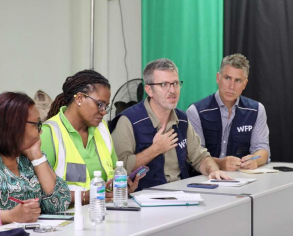
MLSS deepens partnership with World Food Programme to boost post-Hurricane relief
KINGSTON, Jamaica — In a significant escalation of disaster response capabilities, Jamaica’s Ministry of Labour and Social Security (MLSS) has deepened its strategic partnership with the World Food Programme (WFP) to address widespread devastation caused by Hurricane Melissa. This reinforced collaboration marks a critical phase in the nation’s recovery trajectory.
The revitalized alliance features a comprehensive WFP proposal to deliver essential support to approximately 200,000 Jamaican citizens over a three-month duration. This ambitious initiative, valued at an estimated US$30 million, encompasses multi-faceted assistance including nutritional aid, financial support, logistical coordination, and emergency telecommunications infrastructure.
Current distribution efforts have successfully delivered 24,500 specialized food kits across severely impacted parishes including St Elizabeth, St James, Trelawny, and Westmoreland. Each nutritionally balanced kit provides sustenance for a three-person household throughout one week. With operational capabilities expanding, the WFP has outlined plans to reach an additional 46,000 beneficiaries in the immediate future.
Minister of Labour and Social Security Pearnel Charles Jr emphasized the transformative impact of this partnership, noting substantially enhanced capabilities for real-time needs assessment and rapid response coordination. The integration with Jamaica’s advanced Household Disaster Impact and Needs Assessment (JHDINA) digital platform has been particularly instrumental, facilitating 22,340 detailed household evaluations to guide data-driven resource allocation.
The collaboration has additionally enabled comprehensive evaluation of the MLSS Community Feedback Mechanism, identifying operational gaps and implementing improvements to better serve hurricane-affected communities. This systematic approach has strengthened government-led accountability frameworks, ensuring transparent assistance distribution to the most vulnerable populations.
Substantial material support has been provided through the WFP’s contribution of critical operational assets including transport trucks, power generators, forklifts, modular storage units, pallet systems, and specialized sector equipment. Strategic establishment of seven emergency staging areas in key locations such as Montego Bay, Kingston, and Black River has created a network for rapid deployment of relief supplies to affected regions.
Brian Bogart, Representative for the WFP Caribbean Office, confirmed the organization’s sustained engagement throughout the crisis timeline. “The WFP maintained full commitment to supporting national emergency response protocols even prior to Hurricane Melissa’s landfall. Our operations are fully embedded within national systems to ensure multilateral support aligns precisely with Government of Jamaica priorities,” Bogart stated.
Current achievements include emergency food kit distribution to over 35,000 vulnerable individuals, with preparations underway to double this reach within coming days. Collective efforts between MLSS, WFP, and the Jamaica Defence Force have distributed 59,320 food packages nationwide, leveraging WFP’s logistical expertise, supply chain management, and digital assessment technologies.
Both organizations have formally reaffirmed their commitment to sustaining support throughout Jamaica’s ongoing recovery process, demonstrating unprecedented cooperation in post-disaster rehabilitation efforts.
-
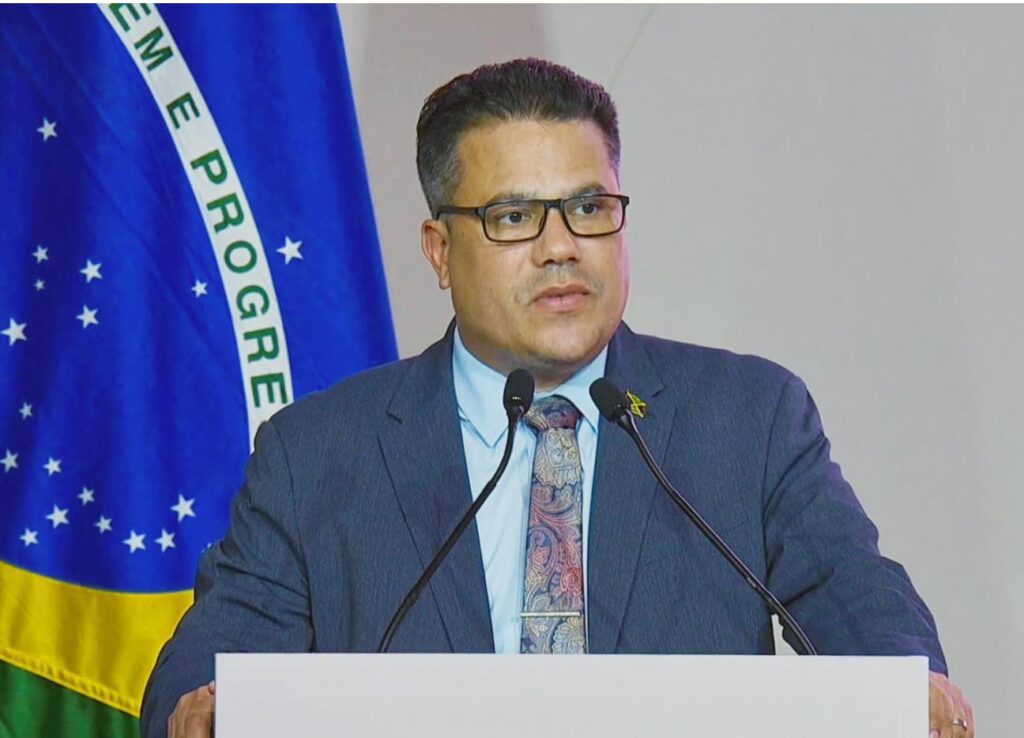
COP30 a mixed bag, says Samuda
Matthew Samuda, Jamaica’s Minister of Water, Environment and Climate Change, has voiced profound disappointment with the results of the 30th Conference of the Parties to the United Nations Framework Convention on Climate Change (COP30), held in Belém, Brazil. Leading Jamaica’s delegation, Samuda criticized the conference for failing to address the escalating global climate crisis with the urgency it demands. Speaking at a virtual press conference titled ‘Islands, the climate finance gap, and COP30 reflections,’ Samuda highlighted the severe impact of Hurricane Melissa, which struck Jamaica on October 28, as a stark reminder of the devastation caused by extreme weather events. He emphasized that the lack of commitment from major global carbon-emitting nations has exacerbated the challenges faced by vulnerable countries like Jamaica. Samuda pointed out that Jamaica has endured record-breaking heatwaves, droughts, and storms in recent years, underscoring the tangible effects of climate change. While he acknowledged some positive developments at COP30, such as the progress on the Loss and Damage Fund and Brazil’s Tropical Forest Forever initiative, Samuda stressed that these efforts fall short of the transformative action needed. He expressed hope that Jamaica would receive targeted funding to rebuild with greater resilience, but reiterated that the global community must take the plight of small island nations more seriously.
-

Uniek eerbetoon in New Delhi: Surinaamse vlag schittert op de Qutub Minar
In a remarkable diplomatic gesture, the Surinamese Embassy in New Delhi commemorated 50 years of Suriname’s independence by illuminating the iconic Qutub Minar in the colors of the Surinamese flag. This rare honor, granted only to a select few countries and special international occasions, underscores the strong diplomatic ties between Suriname and India. The event took place on the evening of November 25, 2025, and was witnessed by thousands of onlookers and tourists, with images widely shared across social media platforms. The Qutub Minar, a UNESCO World Heritage Site located in South Delhi, stands as one of India’s most impressive historical structures. At 73 meters tall, it is the world’s tallest brick minaret, renowned for its intricate red sandstone architecture and marble detailing. Surinamese Ambassador Arunkoemar Hardien described the illumination as ‘an honorable recognition,’ highlighting its significance in the long-standing friendship between the two nations. India and Suriname have maintained close diplomatic relations for decades, rooted in historical migration connections and ongoing collaboration in areas such as culture, education, health, agriculture, and technology. The illumination of the Qutub Minar not only serves as a visual tribute but also symbolizes respect for Suriname as a democratic nation celebrating its 50th anniversary. This event marks a significant milestone in Suriname’s international Srefidensi celebrations of 2025.
-
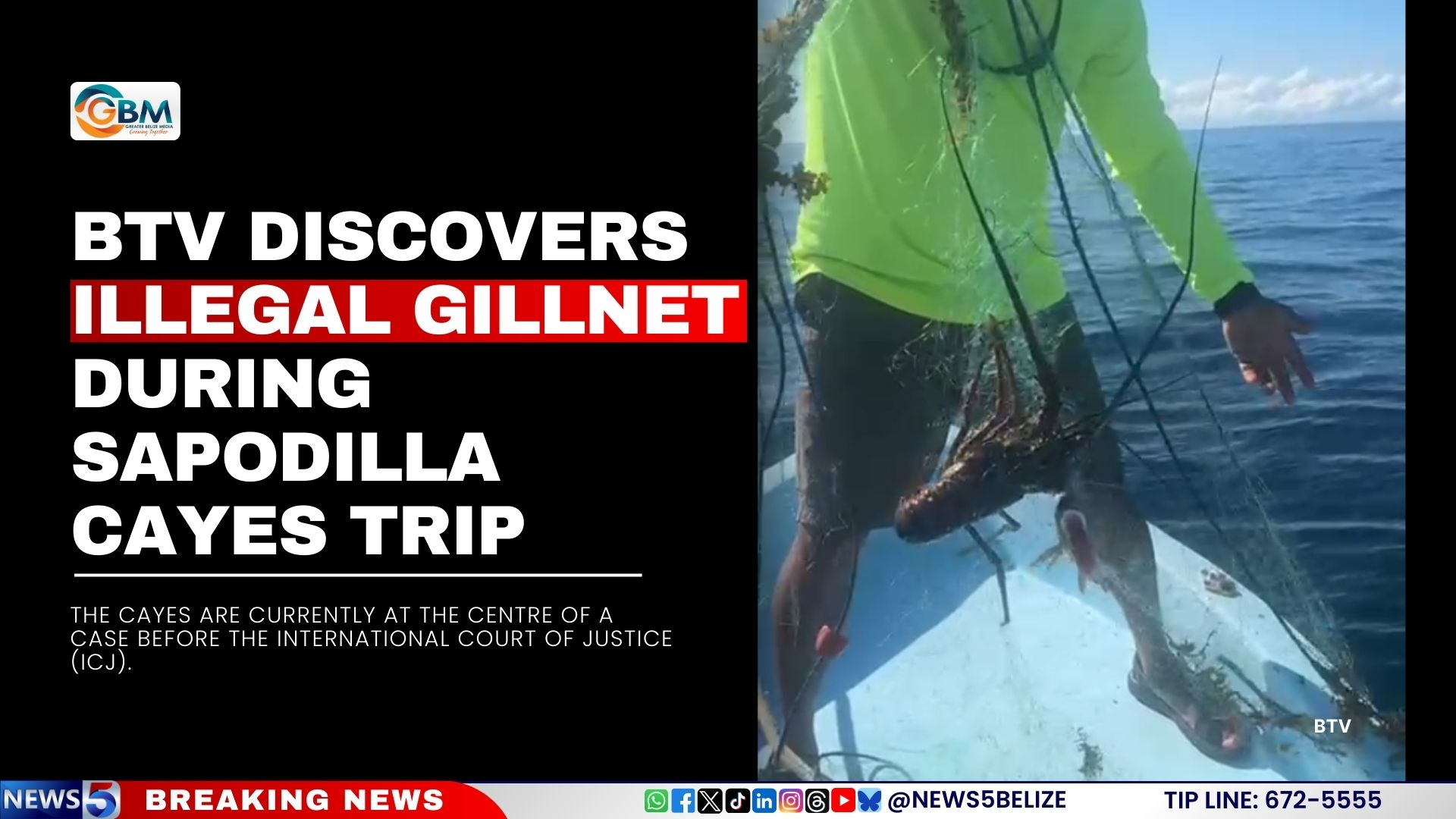
BTV Discovers Illegal Gillnet During Sapodilla Cayes Trip
On November 26, 2025, the Belize Territorial Volunteers (BTV) set out on a mission to the Sapodilla Cayes, a region of significant national importance currently under scrutiny at the International Court of Justice (ICJ). The group’s objective was to educate Belizeans about the ecological and cultural value of these cayes. However, their journey took an unexpected turn when they stumbled upon an illegal Guatemalan gillnet in Belizean waters. The discovery was prompted by a suspicious bottle floating in the area, which led the team to the nearly 400-foot-long net. The BTV promptly retrieved and destroyed the gillnet, which was located approximately four miles west of Hunting Caye, an area that includes a Belize Coast Guard base and a ranger station. Unconfirmed reports suggest that enforcement patrols in the region may have been reduced to avoid escalating tensions with Guatemalan fishers, especially as ICJ hearings are ongoing this week. This incident highlights the ongoing challenges in protecting Belize’s maritime boundaries and resources.
-
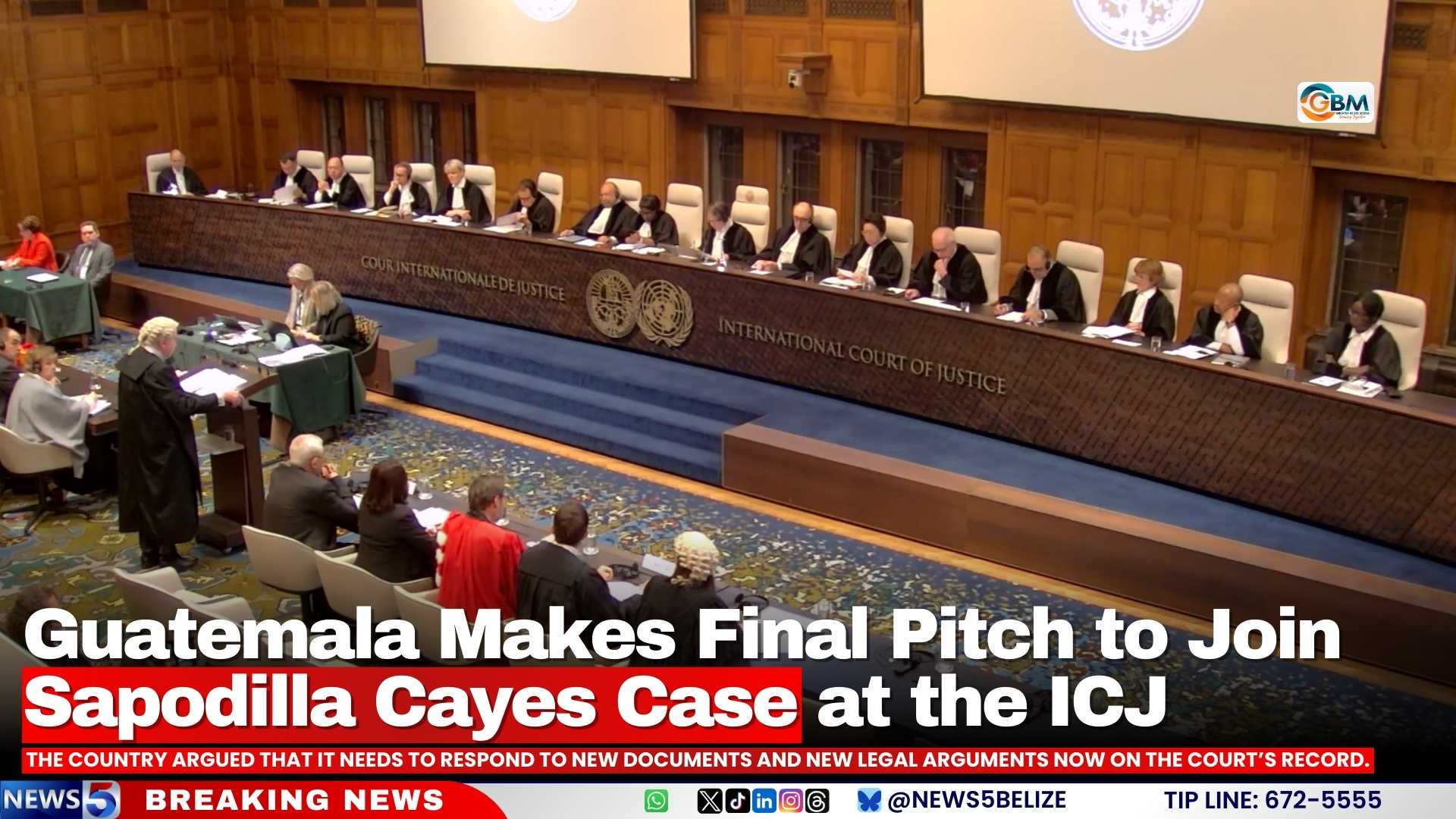
Guatemala Makes Final Pitch to Join Sapodilla Cayes Case at the ICJ
Guatemala has made a final appeal to the International Court of Justice (ICJ) to intervene in the ongoing sovereignty dispute between Belize and Honduras over the Sapodilla Cayes. The Central American nation argues that its long-standing territorial claim could be significantly impacted by the Court’s eventual ruling. The request was presented during a morning session at the Peace Palace in The Hague, presided over by ICJ President Judge Iwasawa. This marks Guatemala’s second round of oral arguments under Article 62 of the ICJ Statute. Representing Guatemala, Sir Michael Wood emphasized that the country’s legal interests are at stake, as a ruling favoring either Belize or Honduras could prejudice Guatemala’s claim. Wood dismissed Honduras’s objections as lacking legal reasoning and being repetitive, asserting that the case is a clear example of when Article 62 applies. Guatemala clarified that it is not seeking to introduce a new dispute with Honduras or reopen its existing case with Belize but aims to protect its legal claim over the cays. Honduras had previously argued that Guatemala’s intervention is unnecessary, given the ongoing Belize-Guatemala case. However, Wood countered that this is irrelevant, as the focus should be on whether Article 62’s conditions are met. Guatemala also refuted Honduras’s reliance on Article 59, which prevents ICJ rulings from binding third states, stating that a judgment can still affect a state’s legal interests without being binding. The country highlighted that the Belize-Honduras case introduces a new dimension to the territorial dispute, necessitating its intervention to address new legal arguments and documents. Guatemala’s Agent, Ambassador Ana Cristina Rodríguez Pineda, concluded by stressing that intervention would not only safeguard Guatemala’s interests but also assist the Court in reaching a more informed decision. The Court will continue hearings with Belize and Honduras presenting their arguments on Guatemala’s request.
-

Operation Kraken exposes drug trafficking network
In a groundbreaking revelation, Operation Kraken has dismantled one of the most intricate criminal networks operating within the Dominican Republic’s port logistics system. This syndicate, active since 2015, facilitated the export of drug shipments to Puerto Rico, the United States, Canada, and Europe. The investigation, spearheaded by the Specialized Anti–Money Laundering Prosecutor’s Office, DNCD, and the DEA, uncovered the group’s operations primarily in the eastern and southern regions of the country. Large cocaine shipments arrived through remote coastal areas of Barahona, transported by road to Boca Chica, where the network utilized port employees, security personnel, transporters, and crane operators to conceal and load the drugs into containers at the Caucedo Multimodal Port. The network provided ‘logistics services’ for other drug trafficking organizations, moving South American cocaine through a heavily militarized Caribbean route. Profits were laundered through luxury vehicles, properties, farms, and businesses tied to commerce and tourism. Court documents reveal a methodical system involving insiders across port security and logistics. Security personnel with lax inspections smuggled drugs in their vehicles, while trucks with hidden compartments evaded controls, sometimes aided by X-ray machine operators. Unauthorized individuals entered the port hidden in containers or cargo trucks, exploiting areas without cameras. Inside the port, contraband was moved to the ’empty depot,’ known as ‘the desert,’ where workers discreetly inserted drugs into selected containers. The organization cloned container seals to avoid detection, and contaminated containers were shipped to destinations like Puerto Rico, Miami, New York, Halifax, Antwerp, and Rotterdam.