分类: world

  • Air France to suspend Cuba service over fuel shortage

    Air France to suspend Cuba service over fuel shortage

    PARIS — Air France has announced the suspension of all flights between Paris-Charles de Gaulle Airport and Havana, effective March 29th, with service not expected to resume until at least June 15th. The decision, confirmed to AFP on Wednesday, stems directly from a severe jet fuel shortage currently crippling Cuba.

    The airline stated that the ongoing fuel crisis has significantly disrupted economic and tourist operations across the island, making regular flight operations untenable. In response to the suspension, Air France has committed to providing affected passengers with a range of options, including rebooking on alternative dates, travel vouchers, or a full refund.

    This operational pause is set against a backdrop of intensified geopolitical pressure. The United States, under the Trump administration, effectively imposed an energy embargo on Cuba in January. This followed the U.S. military’s seizure of Venezuelan President Nicolás Maduro, a critical oil ally for Havana. Subsequently, President Trump escalated the pressure by threatening Mexico, another vital fuel supplier to Cuba, with punitive tariffs should it continue energy exports to the island nation.

    The ramifications are widespread. Multiple international carriers have already ceased operations to Cuba, while those maintaining service have been forced to alter flight paths to refuel in third countries. Cuban aviation authorities recently informed airlines that the jet fuel shortage is projected to persist until at least April 10th, citing the enduring U.S. blockade as the primary cause.

    Cuba’s economy, already strained under a U.S. trade embargo that has been in place since 1962, is facing a profound crisis. The latest energy restrictions are delivering a devastating blow to the nation’s tourism sector, which ranks as the country’s second-largest source of foreign currency, trailing only behind the export of medical services. President Trump has openly expressed his objective of instigating a ‘regime change’ in Cuba, asserting that the nation is ‘ready to fall’ and vowing to levy tariffs on any country that provides it with oil.

  • New flights evacuate travellers stranded by Middle East war

    New flights evacuate travellers stranded by Middle East war

    PARIS – A significant international evacuation operation is underway as nations worldwide scramble to repatriate citizens stranded across the Middle East following the outbreak of hostilities triggered by U.S.-Israeli military strikes against Iran. The conflict, now entering its fifth day, has created unprecedented aviation disruptions with tens of thousands of travelers facing extended ordeals to reach safety.

    According to aviation analytics firm Cirium, the regional air travel network has been severely compromised with over 20,000 of the scheduled 36,000 flights to and from the Middle East cancelled since Saturday. While limited commercial operations have cautiously resumed from major hubs including Dubai and Riyadh, governments have simultaneously deployed charter flights to extract their nationals from the turmoil.

    The human dimension of the crisis emerged at airports globally as evacuated passengers shared harrowing accounts of their experiences. Max Lin, a Taiwanese student, described the moment his travel plans unraveled during a layover in Dubai. ‘My friend messaged me asking if anything had happened where I was,’ Lin recounted after arriving on the first direct Emirates flight from Dubai to Taiwan since the conflict began. ‘I looked it up and realized there seemed to be a war.’

    Fanny Wu, who was visiting Dubai with her two children, provided a chilling testimony: ‘Bombs were going off right next to us. Although Taiwan has always been close to war, we had never experienced anything like this.’

    The multinational evacuation effort has seen remarkable coordination. Russia evacuated 117 citizens, including 54 children, from Azerbaijan after they crossed overland from Iran. France, Germany, the Netherlands, Spain, and the United States have organized special flights from Jordan, Saudi Arabia, and the United Arab Emirates.

    Eighteen-year-old Emmy Coutelier described the surreal experience of hearing alarms in Dubai: ‘An alarm sounded in the middle of the night telling us not to stay near the windows. We went down to the basement.’ She characterized her evacuation flight as ‘fleeing danger, even though it’s a relatively safe country.’

    French government minister Eleonore Caroit acknowledged the complexity of the operation, noting it involves ‘constant uncertainty because we are in a very fluid situation.’

    The United States reported that more than 9,000 Americans had returned from the region since Saturday, with the State Department urging citizens throughout the eastern Middle East to depart for their safety.

    Aviation data reveals the extent of the disruption: air traffic remains virtually grounded in Qatar and Bahrain, while Israel and the UAE have cancelled approximately 75% and 68% of flights respectively. In a developing development, Israel announced it would gradually reopen its airspace overnight Wednesday, initially permitting one narrow-body aircraft per hour exclusively for repatriation flights.

    The situation remains highly volatile with transport officials emphasizing that all measures remain ‘subject to security developments’ as the conflict continues to evolve.

  • Caribbean officials to attend summit in Canary Islands on climate, energy and development finance

    Caribbean officials to attend summit in Canary Islands on climate, energy and development finance

    Gran Canaria prepares to host the pivotal Global Sustainable Islands Summit (GSIS) from April 20-22, 2026, gathering governmental leaders and sustainability experts from island territories across Europe, the Caribbean, the Pacific, and Latin America. This international convening represents a critical juncture for addressing shared challenges in energy security, climate resilience, and sustainable economic transition.

    The summit has evolved into a premier platform for policy exchange and implementation strategies since its inception, having previously convened in locations including Madeira, Prince Edward Island, and St. Kitts & Nevis. The 2026 edition signals expanding global engagement with confirmed participation from over ten national ministers alongside senior officials from the United Kingdom and Ireland, reflecting the growing strategic importance of island territories in global sustainability dialogues.

    A central focus will address the implementation gap between ambitious renewable energy targets and tangible project execution. Disparate efforts among energy ministries, regulatory bodies, financial institutions, and technical partners have frequently hindered progress in project financing, permitting, and grid integration. GSIS 2026 aims to bridge these operational divides through coordinated dialogue among key stakeholders.

    The summit will feature high-level speakers including Antonio Morales (President of Cabildo de Gran Canaria), Gene Leon (Executive Director, Development Bank for Resilient Prosperity), Ambassador Liz Thompson (Deputy President, Barbados Senate), and environment ministers from Mauritius, Cayman Islands, St Kitts and Nevis, alongside leadership from Montserrat, British Virgin Islands, and Greece’s Aegean policy sector.

    Technical sessions will spotlight Gran Canaria’s pioneering geothermal exploration project, involving a 2,700-meter deep well supported by €15 million from Spain’s national energy program (IDAE) and technical expertise from New Zealand’s JRG Energy. This initiative exemplifies both the complex challenges and transformative potential of achieving energy independence in island systems.

    Island nations operate at the forefront of energy transformation and climate adaptation due to their unique vulnerabilities and governance structures. Their innovative approaches to renewable energy deployment, adaptation funding mechanisms, and sustainable tourism models offer valuable lessons for larger nations. GSIS 2026 aims to transform these experiences into actionable strategies that move beyond discussion toward concrete implementation.

  • Rishano Santokhi op Zanderij aangehouden na uitzetting uit de VS

    Rishano Santokhi op Zanderij aangehouden na uitzetting uit de VS

    Surinamese law enforcement officials apprehended Rishano Santokhi during late-night hours at Johan Adolf Pengel International Airport near Paramaribo. The detention occurred immediately following his arrival in the South American nation after being deported from the United States to Curaçao earlier.

    According to judicial authorities, Santokhi’s arrest stems from prior allegations that emerged from controversial statements made during a widely circulated online interview. The Public Prosecutor’s Office (Openbaar Ministerie) had previously filed an official complaint against Santokhi based on these statements, which gained significant traction across social media platforms and prompted an official investigation.

    The suspect had been expelled from United States territory and initially transferred to Curaçao, a Dutch Caribbean island, before subsequently traveling to Suriname. Upon his arrival at Zanderij airport, Surinamese police executed the arrest warrant pending against him.

    Judicial authorities have maintained ambiguity regarding the specific criminal charges Santokhi faces. The Public Prosecutor’s Office has declined to disclose detailed information about the nature of the allegations or the anticipated timeline for judicial proceedings. It remains uncertain when the detainee will be formally presented before a magistrate for arraignment, as investigators continue examining the case.

  • Energiecrisis drukt op India en Europa door conflict in Midden-Oosten

    Energiecrisis drukt op India en Europa door conflict in Midden-Oosten

    The escalating military confrontation between the United States, Israel, and Iran has triggered significant disruptions in global energy markets, with Qatar—the world’s largest liquefied natural gas exporter—suspending its LNG operations. This development has created immediate supply challenges for major energy-importing regions including India and Europe, where prices have surged dramatically.

    QatarEnergy, Qatar’s state-owned energy corporation, announced Monday the suspension of LNG production following drone attacks on critical energy infrastructure. The assaults targeted a water tank at a power plant in Mesaieed Industrial City and an energy facility in Ras Laffan, prompting the company to declare ‘force majeure’—a legal provision that releases companies from contractual obligations during extraordinary circumstances.

    The impacts are being felt across global markets. India, ranking as the world’s fourth-largest LNG importer, faces substantial reductions in gas deliveries. Leading importer Petronet LNG notified major Indian gas suppliers GAIL and Indian Oil Corporation of supply cuts ranging between 10-30 percent, forcing Indian industry to prepare for tightening Middle Eastern supplies. European gas prices soared by over 33% on Tuesday, building on a nearly 40% increase the previous day.

    The expanding Middle Eastern conflict now threatens critical energy infrastructure and transit points, including the Strait of Hormuz—a vital passageway for approximately 20% of global oil and gas exports. Uncertainty surrounding this crucial shipping route has added further pressure to already volatile energy markets.

    Former US President Donald Trump stated that American military operations against Iran could continue ‘much longer’ than initially projected four-to-five week timeframe. Meanwhile, Tehran and its allies have launched retaliatory strikes against Israel, Gulf states hosting US military bases, and other strategic oil and gas facilities.

    With military actions intensifying and diplomatic solutions remaining elusive, analysts warn the conflict may prolong indefinitely. This scenario presents substantial risks to global energy market stability and the economic outlook of energy-dependent economies worldwide.

  • Thousands of wealthy families are moving to St. Kitts and Nevis – WIC News

    Thousands of wealthy families are moving to St. Kitts and Nevis – WIC News

    Mounting geopolitical instability in the Middle East has triggered a significant redistribution of global wealth, with St. Kitts and Nevis emerging as the primary beneficiary. The Caribbean federation is experiencing unprecedented demand for its citizenship-by-investment program as affluent families seek refuge from regional conflicts threatening oil supplies and economic stability.

    The current crisis has activated previously dormant contingency plans among wealthy Middle Eastern citizens who had strategically acquired alternative citizenship. These individuals are now executing their relocation strategies, transferring both families and assets to the safer jurisdiction. Concurrently, a new wave of applicants previously attracted to Middle Eastern luxury and tax benefits are seeking comparable advantages without the associated geopolitical risks.

    Strategic positioning has proven crucial in this migration pattern. St. Kitts and Nevis’ proximity to the United States and strong diplomatic ties have earned it the designation ‘backyard of the USA,’ providing geographical security that has gained substantial value during global uncertainties. This strategic importance was highlighted by US Secretary of State Marco Rubio’s recent state visit for the CARICOM conference, where security cooperation and economic development topped the agenda.

    A significant milestone in the federation’s credibility came with the US Financial Crimes Enforcement Network’s February decision to rescind its 2014 advisory against the citizenship program. This formal endorsement followed comprehensive reforms strengthening due diligence and compliance frameworks, effectively removing long-standing concerns about the program’s integrity.

    The program’s evolution toward emphasizing genuine connections through upcoming 2026 changes has attracted committed families seeking lasting value rather than mere transactional benefits. Participants gain access to a diversified economy driven by tourism, agriculture, and emerging renewable energy sectors, while real estate investments offer both returns and contribution to sustainable development.

    Notably, the trend includes returning Kittitian families strengthening ties amid these global shifts, reflecting renewed local optimism supported by international endorsements. As millionaire migration accelerates globally, St. Kitts and Nevis positions itself at the forefront of wealth sanctuary destinations, offering stability where wealth can thrive amid international upheaval.

  • This Day in History: Fédon’s Rebellion began 3 March 1795

    This Day in History: Fédon’s Rebellion began 3 March 1795

    On March 3, 1795, Grenada became the stage for one of the Caribbean’s most significant colonial uprisings when French inhabitants—comprising free people of color, white settlers, and enslaved Africans—initiated a violent rebellion against British colonial authority. The revolt, masterminded by Julien Fédon, erupted following years of religious, social, and political oppression under British rule, intensified by revolutionary ideals emanating from France.

    The rebellion commenced with coordinated nighttime assaults on Grenville (La Baye) and Gouyave, where insurgents captured and executed British residents, including prominent figures such as Dr. John Hay and Reverend Francis McMahon. Rallying under the banner ‘Liberté, égalité ou la mort!’ (Liberty, equality, or death!), Fédon’s forces established a strategic stronghold at Belvidere, attracting widespread support from French planters, free Black communities, and enslaved individuals seeking liberation from British domination.

    British attempts to suppress the rebellion faced significant challenges. An April 8 military offensive against rebel positions failed catastrophically, prompting Fédon to execute 47 hostages in retaliation. The colonial government subsequently implemented a new strategy involving coastal blockades to disrupt rebel supply lines and the formation of armed Loyal Black Rangers from enslaved populations.

    The conflict persisted for over fifteen months, with rebels controlling most of the island by early 1796. The tide turned in March when British reinforcements captured critical positions at Post Royal and Pilot Hill, severing the insurgents’ supply routes. The final blow came on June 19 with the arrival of General Abercromby’s forces, which systematically dismantled rebel defenses and forced survivors to retreat to Fédon’s mountain camp.

    The aftermath was brutal: approximately fifty rebels were convicted of high treason, with fourteen publicly executed in St. George’s Market Square. Many victims were decapitated, their heads displayed as warnings, while surviving rebels and their families were deported to Honduras. The rebellion resulted in devastating economic losses estimated between £2.5-4.5 million, the destruction of agricultural infrastructure, and approximately 7,000 enslaved Africans killed alongside hundreds of British soldiers.

    Historically complex in its objectives, Fédon’s Rebellion initially sought to replace British authority with French governance and secure civil rights for free people of color rather than universal emancipation. Nonetheless, it effectively terminated French influence in Grenada, cementing British colonial control and leaving an indelible mark on the island’s historical trajectory.

  • Ben Loria Caught in U.S., Mexican Cartel Links Alleged

    Ben Loria Caught in U.S., Mexican Cartel Links Alleged

    A significant transnational law enforcement development has emerged with the apprehension of Benigno Loria, a long-sought Belizean national, by U.S. immigration authorities in Houston. The arrest, executed under a 2024 removal order, has unveiled deeper criminal dimensions extending beyond Central America.

    Federal investigations subsequent to his detention have allegedly documented substantive connections between Loria and the Jalisco New Generation Cartel (CJNG), recognized as one of Mexico’s most notoriously violent and rapidly expanding criminal syndicates. This revelation provides crucial context to years of suspicion held by Belizean law enforcement.

    Commissioner Dr. Richard Rosado of the Belize Police Department had previously identified Loria as a persistent ‘person of interest’ in multiple northern district investigations. While domestic authorities consistently monitored his activities, building prosecutable cases proved challenging during his residence in Belize. Commissioner Rosado’s statements indicated ongoing efforts to establish concrete legal grounds for prosecution, acknowledging Loria’s involvement in ‘several questionable activities.’

    The apprehension has triggered bilateral judicial considerations regarding potential extradition. Belizean authorities are now evaluating existing evidence to determine whether sufficient grounds exist to formally charge Loria and initiate repatriation proceedings. This case highlights increasing international cooperation in combating transnational organized crime networks operating across North and Central American corridors.

  • FLASH : Qatar Diaspora, Security Advice

    FLASH : Qatar Diaspora, Security Advice

    In response to heightened military tensions across the Middle East following recent U.S. offensive operations against Iran and subsequent Iranian retaliatory strikes on American bases, the Haitian Embassy in Doha has issued critical security guidance for its expatriate community. The diplomatic mission emphasized the imperative for Haitian nationals residing in Qatar and surrounding regions to exercise extreme caution and adhere to stringent safety protocols during this period of regional instability.

    The embassy’s comprehensive advisory outlines several key protective measures. Citizens are instructed to maintain heightened situational awareness regarding evolving security developments while obtaining information exclusively through official channels—specifically Qatari government announcements and embassy communications. Strict compliance with all local security directives is mandated, particularly emphasizing adherence to official ‘shelter in place’ orders when issued by Qatari authorities.

    Additionally, the consular notice advises Haitian citizens to ensure immediate accessibility of personal identification and residency documentation at all times. The embassy further urges prompt reporting of any security concerns or unusual circumstances through designated channels.

    Critical emergency contact information has been provided, including Qatar’s universal emergency number (999) for police, medical, and fire services, alongside dedicated consular assistance available at +974 31 33 22 15. The Haitian Embassy reaffirmed its unwavering commitment to citizen protection through continuous coordination with Qatari host authorities and ongoing monitoring of the security situation.

  • IICA and the Japanese Cooperation Agency to advance a proven global methodology aimed at enhancing the market integration of family farmers across the Americas.

    IICA and the Japanese Cooperation Agency to advance a proven global methodology aimed at enhancing the market integration of family farmers across the Americas.

    A transformative agricultural initiative is sweeping across Latin America and the Caribbean through a strategic partnership between the Inter-American Institute for Cooperation on Agriculture (IICA) and the Japan International Cooperation Agency (JICA). The collaboration officially launched the Smallholder Horticulture Empowerment and Promotion (SHEP) strategy, a market-driven approach designed to elevate small-scale farmers from subsistence producers to agricultural entrepreneurs.

    The innovative methodology, originally developed in Kenya through Japanese technical assistance, represents a paradigm shift in agricultural extension services. Rather than following traditional “produce then sell” models, SHEP trains farmers in market analysis, demand-based crop planning, and business management before planting begins. This proactive approach has demonstrated remarkable success across 60 countries, delivering average income increases exceeding 70% within two-year implementation periods.

    Keisuke Ito, Director General of JICA’s Latin America and Caribbean Department, emphasized the partnership’s practical ambitions: “This marks the beginning of a fruitful relationship that will translate into concrete actions to improve the lives of small-scale farmers.” His counterpart, IICA Deputy Director General Lloyd Day, added that the approach “offers significant opportunities for family farmers to become true managers of their production systems.”

    The five-year cooperation agreement commenced in March 2026 with a flagship project in Bolivia titled “Operationalizing climate-resilient agriculture as a business.” This two-year initiative combines climate adaptation strategies with business-oriented farming through a strategic alliance of government, academic, and international institutions. The project aims to institutionalize a model that enhances both financial security and adaptive capacity among rural communities facing climate shocks.

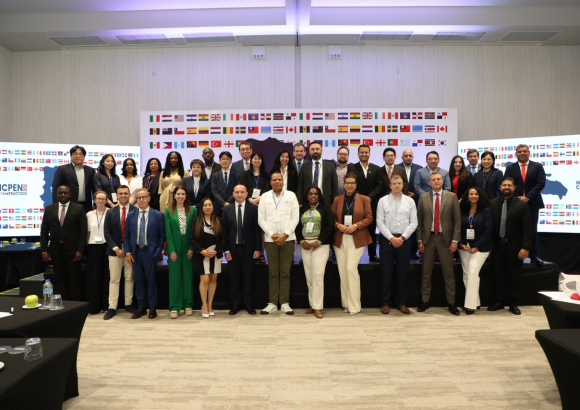
    The partnership was formally introduced at a major seminar in San José that convened over 250 representatives from international organizations, cooperation agencies, and stakeholders across 20 Latin American and Caribbean countries. The gathering addressed critical challenges facing family farmers, who constitute 80% of regional agricultural holdings, employ 60 million people, and produce half of the local food supply.

    Mario León, IICA’s Manager of Territorial Development and Family Farming, identified structural barriers including low productivity, climate vulnerability, limited market access, and land tenure issues. “Overcoming these barriers requires differentiated policies, stronger organizational capacity and increased investment in innovation and digitalization,” he stated.

    Jiro Aikawa, JICA Senior Advisor, explained the core philosophy: “The SHEP motto is clear: agriculture is a business. When producers study the market before planting and understand buyer preferences, they can significantly improve their income.”

    The seminar concluded with consensus on prioritizing market-oriented production decisions. Luis Pocasangre, Director General of the Tropical Agricultural Research and Higher Education Center, asserted: “We should not speak of subsistence agriculture, but of producers with business potential.” Yumara Soria, Regional Coordinator of the Central American Agricultural Council, emphasized the need to “treat small farmers as agricultural entrepreneurs, providing them with information, financing, and real market access.”

    With expansion plans already underway for Paraguay, Central America, and the Caribbean, this partnership represents a significant step toward transforming agricultural practices across the hemisphere while addressing both economic sustainability and climate resilience.