分类: world

  • Suriname en UNIDO gaan vijfjarig partnerschap aan voor industriële ontwikkeling

    Suriname en UNIDO gaan vijfjarig partnerschap aan voor industriële ontwikkeling

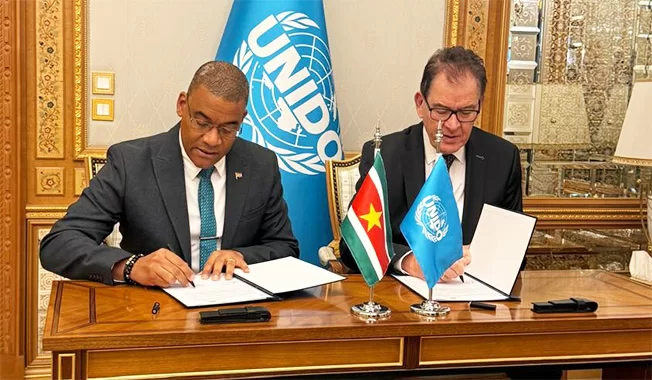
    In a significant move toward economic transformation, Suriname has formally requested the development of a Programme for Country Partnership (PCP) with the United Nations Industrial Development Organization (UNIDO) during the UNIDO conference in Riyadh, Saudi Arabia. The partnership, covering the period 2026–2031, was ceremonially confirmed through the signing of a Joint Declaration by UNIDO Director General Gerd Müller and Suriname’s Minister of Economic Affairs, Entrepreneurship and Technological Innovation, Andrew Baasaron.

    The comprehensive partnership framework aims to drive substantial modernization of Suriname’s industrial sector while promoting economic diversification beyond mining. Key focus areas include strengthening micro, small and medium-sized enterprises (MSMEs), developing agricultural food chains, establishing sustainable economic zones, and fostering innovation and skills development. The program explicitly supports Suriname’s commitment to green growth initiatives and maintaining its High Forest Cover with Low Deforestation (HFLD) status.

    The Ministry of Economic Affairs will coordinate the multi-stakeholder implementation process involving various government departments, private sector representatives, and civil society organizations. The collaboration will feature extensive knowledge exchange, joint participation in technical meetings, and systematic progress monitoring mechanisms.

    This strategic alignment between Suriname and UNIDO underscores their shared ambition to build a more resilient and sustainably modernized economy, positioning the South American nation for long-term industrial development and environmental stewardship.

  • Dominican authorities burn over 1.4 tons of cocaine

    Dominican authorities burn over 1.4 tons of cocaine

    SANTO DOMINGO – In a significant display of bilateral anti-narcotics cooperation, Dominican authorities have destroyed 1,450 kilograms of cocaine seized in three separate coastal interdictions this month. The operations were conducted as part of Operation Southern Spear, a U.S.-led multinational initiative designed to combat maritime drug trafficking routes throughout Latin America.

    The incineration ceremony, which also included other recently confiscated substances, was carried out at the Army’s First Infantry Brigade facility. The event held symbolic timing, coinciding with the regional visit of U.S. Secretary of War Pete Hegseth, underscoring the Trump administration’s intensified focus on intercepting South American speedboats suspected of transporting narcotics toward United States shores.

    Sonia Elizabeth Lebrón, Director of the National Institute of Forensic Sciences (INACIF), presided over the destruction process, emphasizing that the permanent elimination of seized drugs is critical to preventing their re-circulation into illicit markets. She praised the ‘phenomenal’ collaborative efforts between the National Drug Control Directorate (DNCD) and the Public Prosecutor’s Office, noting that each seizure directly mitigates the devastating social harm inflicted by narcotics, particularly among youth populations.

    This latest incineration brings the total volume of narcotics destroyed by INACIF so far this year to 28,452 kilograms, with cocaine constituting the majority of eliminated substances. The operation highlights growing international coordination against transnational drug cartels exploiting Caribbean maritime corridors.

  • 2025 Hurricane Season Brings Fewer Storms, Fiercer Impact

    2025 Hurricane Season Brings Fewer Storms, Fiercer Impact

    As the 2025 Atlantic hurricane season approaches its official conclusion, meteorological data reveals a paradoxical trend that has characterized this year’s cyclonic activity. While the total number of named storms fell slightly below historical averages, the season produced an alarming concentration of exceptionally powerful hurricanes that caused catastrophic damage across the Caribbean region.

    According to Ronald Gordon, Chief Meteorologist at Belize’s National Meteorological Service, the 2025 season generated thirteen named storms compared to the typical fourteen. Hurricane formation also decreased significantly, with only five systems reaching hurricane status versus the normal seven. However, the most striking statistic emerges from the intensity metrics: four of these five hurricanes intensified into major hurricanes (Category 3 or higher), with three reaching the maximum Category 5 classification.

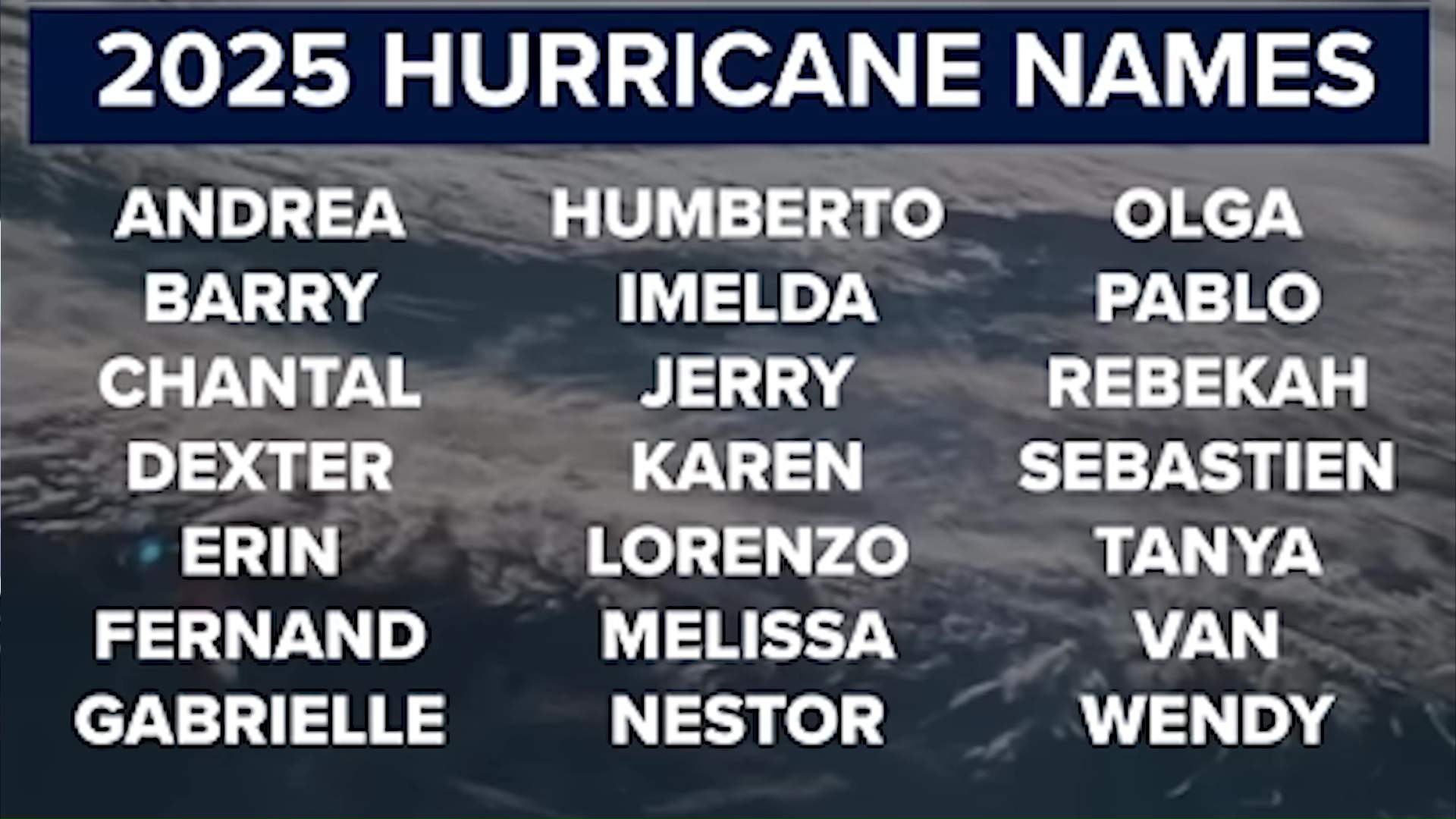
    The most devastating event was Hurricane Melissa, which made landfall in Jamaica during the season’s final weeks as a Category 5 monster. The storm inflicted catastrophic damage estimated at over eight billion dollars, making it one of the most financially destructive hurricanes in Caribbean history.

    Meteorological analysis confirms these patterns align with long-term climate projections. Although the total number of storms may not increase, climate models consistently predict that tropical systems will demonstrate more rapid intensification and achieve greater peak intensities. This season’s data provides compelling evidence supporting these projections, with several hurricanes undergoing explosive development.

    Gordon emphasized that weather vigilance remains crucial beyond the traditional hurricane season. The region now faces other climate hazards including potential December and January flooding events, followed by drought conditions and heightened wildfire risks during the February-April dry season. Meteorological authorities continue to advise Caribbean nations to maintain emergency preparedness protocols throughout the year, recognizing that climate change has fundamentally altered traditional weather patterns and associated risks.

  • Captain America Anchors Briefly in Belizean Waters

    Captain America Anchors Briefly in Belizean Waters

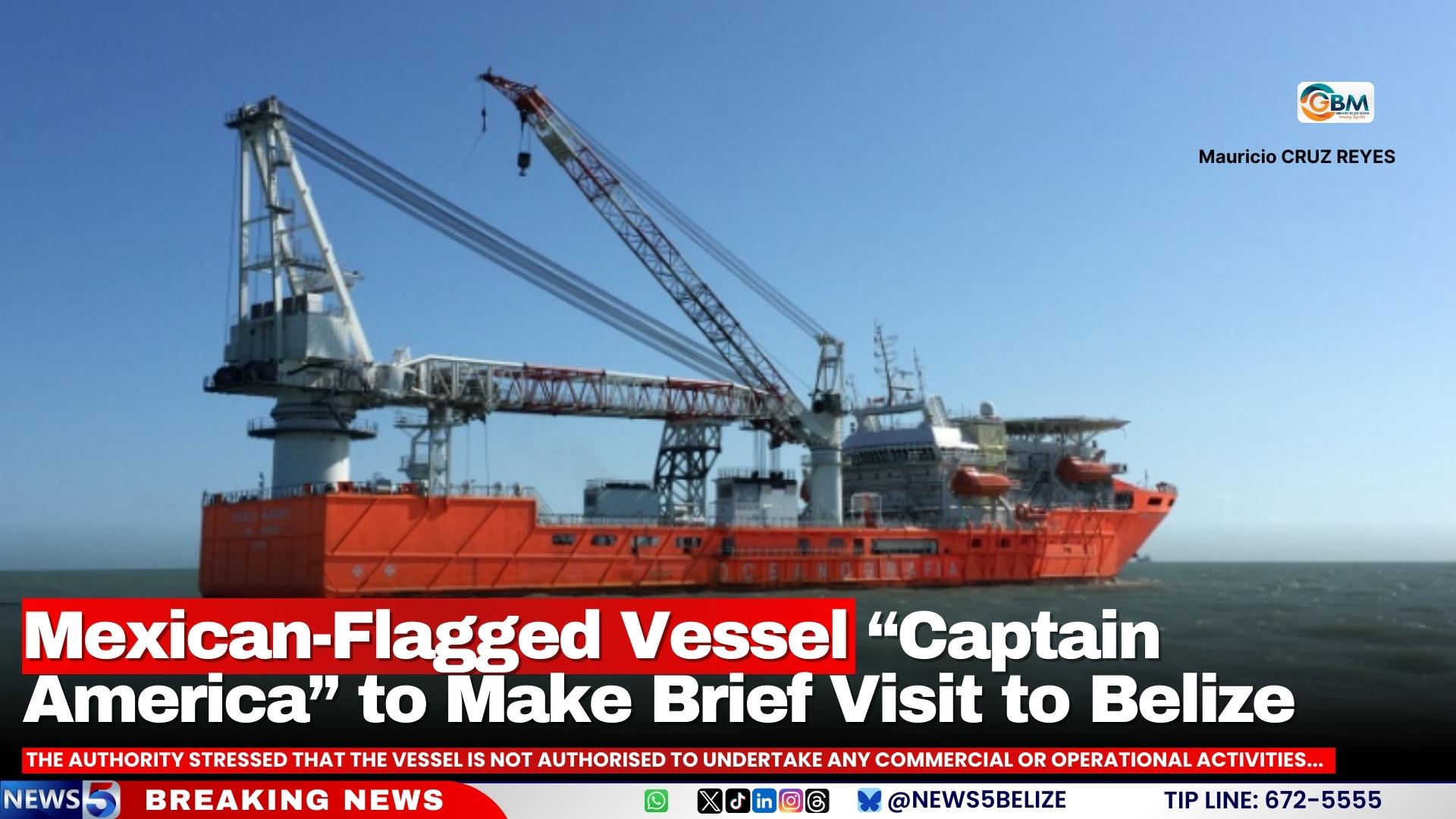
    In a routine maritime procedure, the Mexican-flagged offshore supply vessel ‘Captain America’ has entered Belizean waters for a brief regulatory stopover. According to the Belize Port Authority, the unusual visit stems from Mexican maritime regulations requiring vessels to depart national waters and register at a foreign port before returning home.

    The distinctive vessel, whose name references the popular Marvel superhero, anchored temporarily in Belize on November 27, 2025. Belizean authorities confirmed they would conduct standard boarding procedures for inspection before granting clearance for the ship’s return journey to Mexico.

    This operation represents standard international maritime practice rather than commercial activity. The Belize Port Authority emphasized that the visit poses no concerns, serving purely as a legal formality under maritime regulations. Such administrative stops are common in global shipping operations, though rarely attract public attention unless vessels bear distinctive names like ‘Captain America.’

    The incident highlights how international maritime regulations occasionally bring foreign vessels to unexpected locations for brief technical stops, demonstrating the complex administrative framework governing modern shipping operations.

  • Mexican-Flagged Vessel “Captain America” to Make Brief Visit to Belize

    Mexican-Flagged Vessel “Captain America” to Make Brief Visit to Belize

    In a routine maritime procedure, the Mexican-flagged offshore supply vessel ‘Captain America’ is scheduled for a brief regulatory stop within Belizean territorial waters. The Belize Port Authority (BPA) confirmed the vessel’s temporary presence stems from compliance requirements under Mexican maritime regulations, which mandate that vessels periodically exit and re-enter national jurisdiction.

    The vessel, identified by IMO number 9526382, primarily operates within Mexico’s offshore sector. According to the BPA’s official statement, this visit represents a standard administrative formality rather than a commercial operation. During its stay, the ship will remain anchored in a pre-designated zone while Belizean authorities conduct mandatory verification and clearance protocols.

    The Port Authority emphasized that the ‘Captain America’ remains prohibited from engaging in any commercial activities, cargo operations, or crew changes during its Belizean stopover. This procedural visit follows established international maritime practices and will not disrupt regular port operations or maritime traffic. Upon completing the necessary clearance procedures, the vessel will immediately depart for Mexican waters.

    This incident highlights the complex regulatory framework governing international maritime operations, where vessels must occasionally make foreign port calls solely for administrative compliance purposes rather than commercial objectives.

  • ICJ to Decide Guatemala Bid in Sapodilla Case

    ICJ to Decide Guatemala Bid in Sapodilla Case

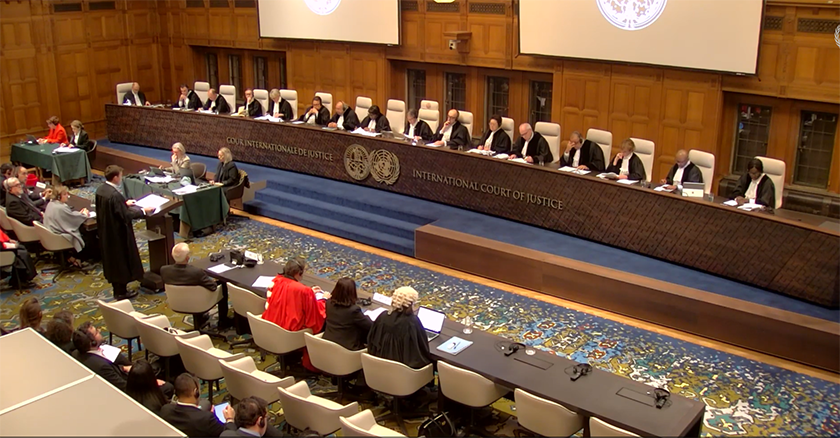
    The International Court of Justice (ICJ) has concluded three days of landmark hearings examining Guatemala’s unprecedented request to intervene in the separate maritime sovereignty case between Belize and Honduras concerning the disputed Sapodilla Cayes archipelago. Held from November 24-26 at the Peace Palace in The Hague, these proceedings could establish significant precedents for how the world court manages interconnected territorial disputes.

    Guatemala’s legal representatives petitioned the Court for non-party intervenor status, asserting that their nation’s longstanding territorial claim against Belize creates a substantive legal interest in the outcome of the Belize v. Honduras proceedings. They contended that participation is essential to safeguard what Guatemala characterizes as protected legal rights pertaining to the Sapodilla Islands.

    Honduras mounted a vigorous challenge to this proposition, maintaining that neither the ICJ Statute nor established procedural norms authorize such intervention in a distinctly separate case. Honduran delegates warned that admitting Guatemala would effectively introduce an entirely new dispute into the proceedings and represent an improper utilization of the intervention mechanism. They emphasized that Guatemala retains full opportunity to present Sapodilla-related arguments within its own ongoing case against Belize.

    Belize adopted a judicially strategic position, focusing arguments on the Court’s fundamental duty to ensure orderly and expeditious administration of justice. Belizean representatives advocated for coordinated management of the two parallel cases—Guatemala v. Belize and Belize v. Honduras—to facilitate comprehensive resolution of all outstanding regional territorial issues. They underscored that intervention remains discretionary rather than automatic, requiring strict adherence to procedural rules and prudent exercise of judicial authority to prevent unnecessary delays.

    The Court has now entered private deliberations ahead of issuing its ruling on Guatemala’s application. The Sapodilla Cayes case originated with Belize’s filing on November 16, 2022, addressing sovereignty over the small island chain persistently administered by Belizean authorities. Guatemala submitted its intervention petition nearly one year later on December 1, 2023. Simultaneously, both nations continue litigating the broader territorial, insular, and maritime dispute initiated through their Special Agreement—ratified by popular referenda and formally lodged with the ICJ in June 2019.

    Belize’s delegation featured ICJ Agent His Excellency Assad Shoman, accompanied by members of Belize’s international legal consortium and officials from the Office of the Agent.

  • Suriname zoekt nieuwe economische koers op zee tijdens UNIDO-top

    Suriname zoekt nieuwe economische koers op zee tijdens UNIDO-top

    At the UNIDO General Conference in Riyadh, Suriname’s Minister of Economic Affairs, Entrepreneurship and Technological Innovation Andrew Baasaron presented his nation as an emerging strategic partner for countries and corporations investing in sustainable maritime development. Rather than focusing on national policy measures, Minister Baasaron emphasized Suriname’s blue economy as a collaborative zone where foreign expertise, regional innovation, and local entrepreneurship could mutually reinforce one another.

    The minister extended formal invitations to businesses, research centers, and multilateral institutions to establish partnerships with Suriname that combine economic growth with environmental conservation. He specifically highlighted opportunities in marine and riverine biodiversity applications, noting potential in novel biotechnological concepts ranging from pharmaceutical extracts to sustainable biomaterials.

    Suriname seeks to modernize its fisheries sector through partners who can introduce advanced systems, traceability technologies, and international best practices. This modernization effort aims to meet global sustainability standards while maintaining market access. Similarly, the aquaculture sector welcomes joint ventures developing innovative, environmentally friendly production models focused on high-value species with low ecosystem impact.

    The minister also outlined ambitions for eco- and river-tourism, inviting investment in nature-friendly tourist infrastructure that positions local communities—including Indigenous and Tribal peoples—as full economic participants rather than mere stakeholders.

    Infrastructure modernization formed another key pillar, with Suriname seeking technical and financial partners for digitalization, climate-resilient port facilities, and restoration of natural defenses like mangroves. Minister Baasaron concluded by framing Suriname’s blue economy as an international agenda—a framework for partnerships that help build a carbon-neutral, resilient economy while establishing Suriname as a proactive regional player connecting innovation, sustainability, and economic progress through oceanic and riverine resources.

  • Syria Highlights Fidel’s legacy

    Syria Highlights Fidel’s legacy

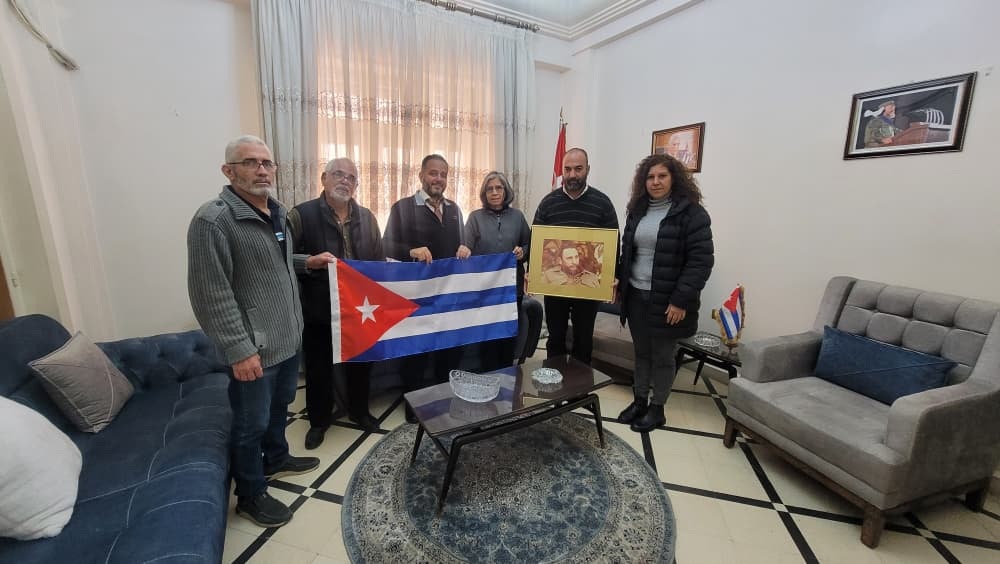
    In a significant diplomatic gathering, Syrian and Cuban representatives convened to commemorate the profound legacy of the late Cuban revolutionary leader Fidel Castro, focusing on his pivotal role in fostering bilateral relations and advancing Global South solidarity.

    The assembly highlighted the remarkable outpouring of admiration from the Syrian populace following Castro’s passing, noting how his visionary leadership continues to resonate across international boundaries. Participants examined Castro’s strategic diplomacy that significantly strengthened Cuban-Syrian ties while simultaneously reshaping the Caribbean nation’s relationships with developing countries worldwide.

    A particularly poignant moment came with the reading of an official statement from the Association of Syrian Graduates of Cuban Universities, which delivered an emotional tribute to the Commander’s enduring influence. The document emphasized how Castro’s principles of social justice, equality, and international cooperation left an indelible mark on generations of Syrian professionals educated in Cuba.

    The declaration recalled Cuba’s steadfast support for Syria and other Global South nations during their most challenging historical periods, asserting that Castro’s ideological framework remains vibrantly alive among Syrian professionals who studied on the island. The Association further reaffirmed its commitment to perpetuating Castro’s vision by continuing to strengthen fraternal bonds between the two nations, inspired by the leader’s conviction that global justice, peace, and human dignity can only be achieved through international unity and mutual solidarity.

  • Diaz-Canel sends condolences to China for death toll on a fire

    Diaz-Canel sends condolences to China for death toll on a fire

    Cuban President Miguel Díaz-Canel has publicly expressed his nation’s solidarity with China following a devastating residential fire in Hong Kong that has resulted in massive casualties. Through his official X (formerly Twitter) account, the Caribbean leader conveyed profound sorrow regarding the tragic incident.

    Díaz-Canel’s message specifically extended heartfelt condolences to the families and friends of those who perished in the blaze. This diplomatic gesture follows similar sentiments expressed by Cuban Foreign Minister Bruno Rodríguez, who earlier communicated messages of support and encouragement to both Chinese authorities and citizens.

    The fire erupted at a high-rise residential building in Hong Kong’s Tai Po district, culminating in one of the territory’s most severe fire disasters in recent history. According to the latest statistics released by the Hong Kong Fire Services Department on Thursday, the catastrophe has claimed 65 lives with approximately 70 individuals sustaining injuries. Rescue operations continue as hundreds remain unaccounted for, suggesting the death toll may further escalate.

    Emergency response teams have been working tirelessly at the disaster site since the fire broke out, facing challenging conditions to extinguish flames and locate survivors. The incident has prompted preliminary investigations into building safety standards and emergency response protocols within Hong Kong’s densely populated urban areas.

  • COP30 again sounds climate alarm

    COP30 again sounds climate alarm

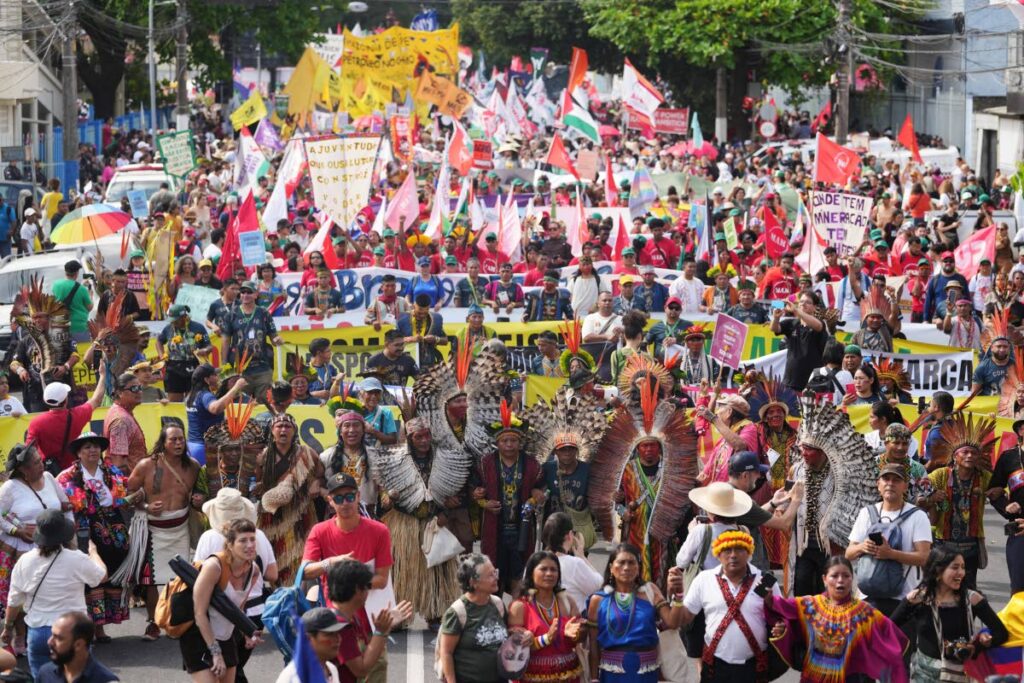
    BELEM, BRAZIL – The recently concluded COP30 United Nations Climate Summit has reignited global concerns about the accelerating pace of environmental degradation, with small island developing states (SIDS) including Trinidad and Tobago expressing particular alarm about climate impacts. Delegates from vulnerable nations highlighted the interconnected crises of ocean system disruption, biodiversity collapse, increasing natural disasters, and food insecurity that collectively threaten human welfare worldwide.

    Despite decades of international environmental conferences dating back to the 1992 Rio Earth Summit, global responses remain critically inadequate. Observers consistently identify insufficient funding and lack of political commitment as primary obstacles to implementing meaningful climate action.

    Trinidad and Tobago’s delegation, led by the Minister of Planning, Economic Affairs and Development, emphasized the necessity for coordinated action across all levels, with particular focus on climate financing mechanisms. The minister outlined national mitigation efforts including electric vehicle promotion, residential solar water heater installation, transition to green hydrogen energy, and implementation of a National Adaptation Plan.

    A compelling case was made for accelerated forest development as a cost-effective climate strategy. Forests serve as the planet’s primary terrestrial carbon sinks, working in tandem with oceanic systems to maintain atmospheric balance through carbon sequestration. Trinidad and Tobago maintains significant forest coverage spanning approximately 25% of its land area, providing critical ecosystem services including watershed protection, wildlife conservation, ecotourism opportunities, rural employment, and public health benefits.

    However, these vital ecosystems face persistent threats from unauthorized development, illegal squatting, and unregulated quarrying activities that have left thousands of hectares degraded and abandoned without restoration efforts.

    Global reforestation initiatives offer promising models for emulation, including Africa’s Great Green Wall project aiming to restore 100 million hectares across 11 nations, Brazil’s Amazon rainforest restoration efforts, and similar programs in Australia and India. Such investments in preventive conservation rather than costly recovery represent economically prudent pathways, with potential carbon credit revenues providing additional financial incentives for developed nations to support these initiatives.

    Collaboration between governmental forestry agencies, civil society organizations, and private sector stakeholders will prove essential to preserving Trinidad and Tobago’s environmental legacy for future generations.