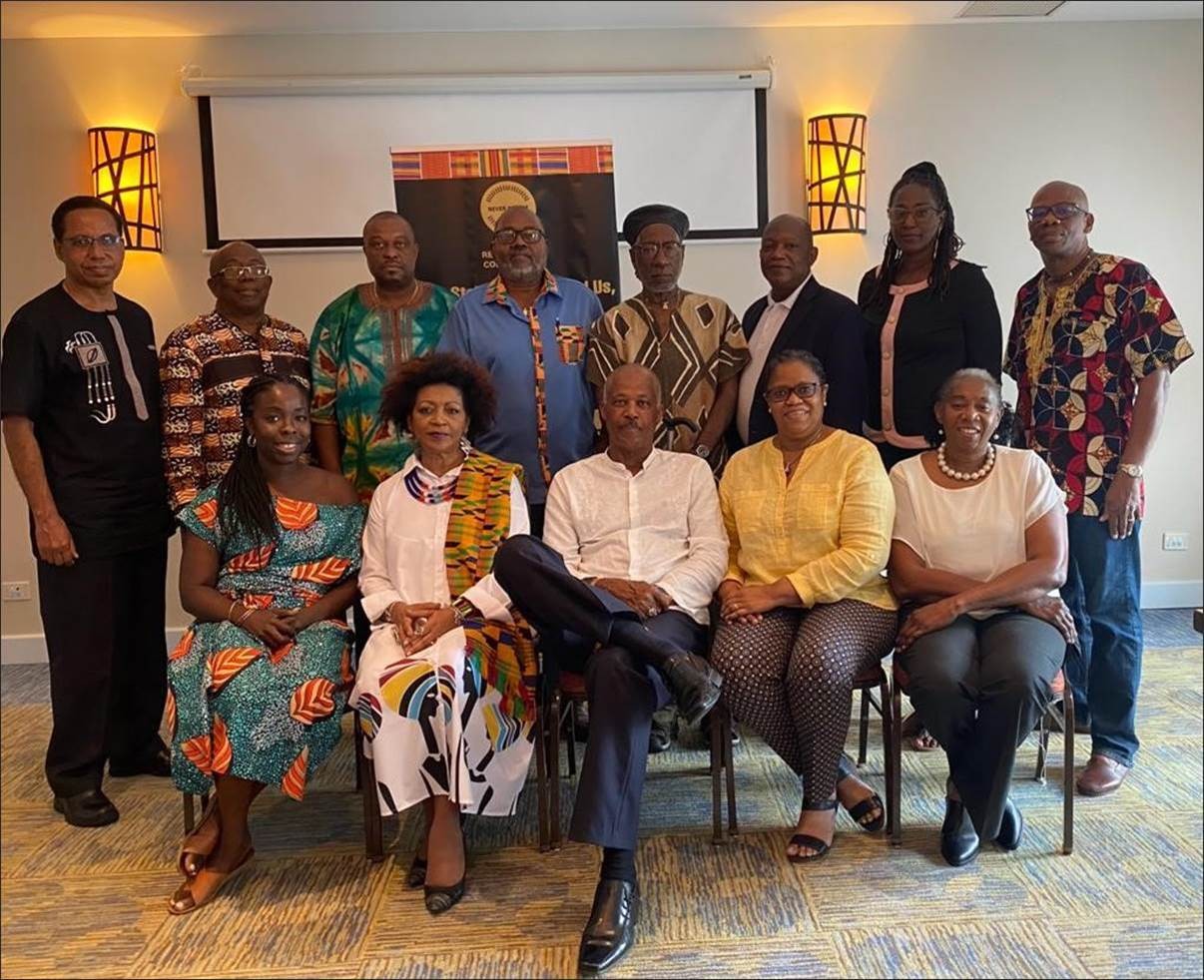
On the International Day of Remembrance for the Victims of Slavery and the Trans-Atlantic Slave Trade, the Caricom Reparations Commission issued a powerful declaration honoring the approximately 15 million African men, women, and children who suffered through centuries of chattel enslavement in the Americas. The commission memorialized both the profound suffering inflicted during the Middle Passage and the systemic brutality that denied basic humanity, while simultaneously celebrating the courageous resistance and defiance that ultimately challenged this racialized system of European domination. The commission framed its contemporary advocacy within the Caricom Ten Point Plan for Reparations, presenting it as the continuation of historical freedom struggles. It explicitly characterized transatlantic slavery as crimes against humanity—comprising racialized enslavement, human trafficking, and genocide—that were deliberately engineered to fuel European economic expansion while systematically underdeveloping Africa and the Caribbean. The commission welcomed the African Union’s declaration of a Decade for Reparations (2026–2035) as a pivotal framework for enhanced collaboration between Africa, the Caribbean, and the global diaspora. This announcement signals a strategic unification of the global reparations movement around principles of historical truth, moral accountability, and legal rights. The commission concluded by urging the international community to take concrete action toward repairing enduring legacies of exploitation, asserting that justice for victims of African enslavement constitutes justice for all humanity.
分类: society
-
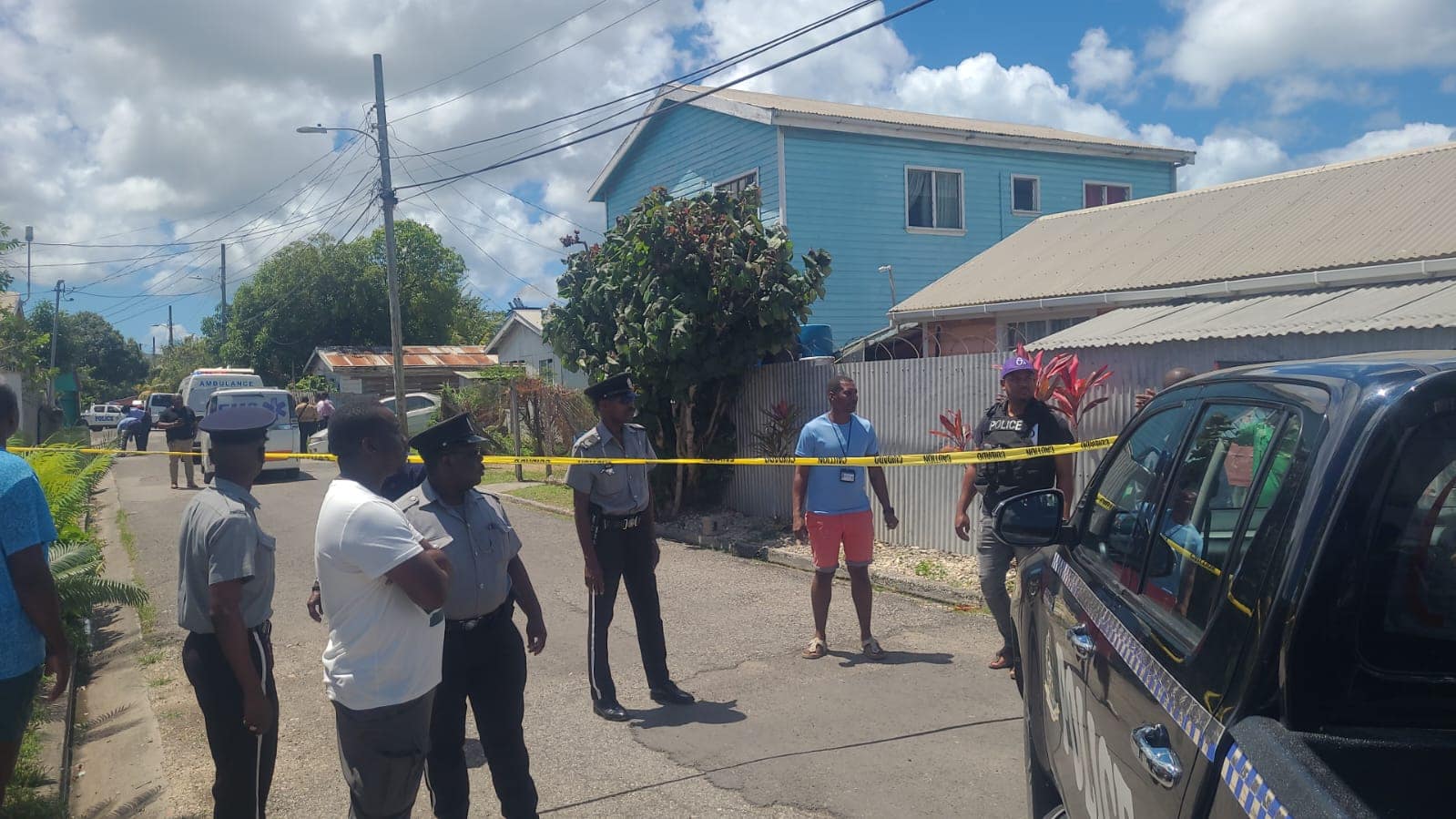
UPDATED: Man and Woman Killed in Villa Shooting as Police Investigate Double Homicide
Law enforcement authorities have launched a comprehensive investigation into a tragic double homicide that occurred in Villa, where a man and woman lost their lives in a fatal shooting incident. Police units swiftly cordoned off the crime scene as forensic specialists began gathering evidence to determine the circumstances surrounding the violent attack.
According to preliminary information from local sources, the female victim is believed to have been in a romantic relationship with the deceased male. The identities of both individuals remain undisclosed pending formal notification of next of kin and complete verification procedures. Official authorities have maintained caution in releasing specific details while the investigation remains in its critical early stages.
The shocking incident has drawn significant community attention, with residents gathering near the perimeter as police established security protocols. The gathering crowd reflected the community’s concern as investigators meticulously documented the scene and interviewed potential witnesses.
This tragic event marks a somber milestone, representing the seventh recorded homicide nationwide since the beginning of the year. Law enforcement officials have emphasized their commitment to pursuing all investigative avenues to establish the facts surrounding this case. The investigation continues to develop as authorities work to reconstruct the events leading to this fatal outcome.
-

LETTER: A Troubling Appointment That Undermines National Integrity
A significant controversy has emerged in Antigua and Barbuda following the government’s decision to appoint Jamaican dancehall artist Masicka as a Cultural Ambassador. The appointment has drawn sharp criticism from citizens who question the selection criteria and the message it sends about national values.
The controversy centers on whether celebrity status should outweigh character considerations for diplomatic roles. Critics argue that ambassadorial positions demand individuals with impeccable professional conduct and judgment, not merely popular figures. Masicka’s career has been marked by ongoing copyright disputes and public feuds within the dancehall industry, raising concerns about his suitability for representing national interests.
A particularly compelling aspect of the debate questions why Jamaica itself—despite being a global cultural powerhouse—has never deemed the artist suitable for similar diplomatic responsibilities. This discrepancy suggests either that Antigua has identified qualities overlooked by his homeland or that proper vetting procedures were not followed.
Citizens are demanding transparency regarding the due diligence process preceding the appointment. Many speculate the decision may represent a calculated political maneuver aimed at generating positive headlines, attracting youth voters during election season, or appealing to the Jamaican community without proper consideration for national reputation.
While acknowledging Masicka’s musical influence and talent, critics emphasize that cultural impact alone cannot qualify someone for diplomatic representation. The fundamental requirements of character, credibility, and institutional integrity must remain paramount, especially when such appointments reflect national standards internationally.
This decision arrives at a time when Antigua and Barbuda should ideally elevate individuals embodying discipline, unity, and unquestionable ethical standards. Instead, the government appears to have lowered the bar for ambassadorial roles, potentially undermining public trust in national institutions.
The growing dissent signals a broader demand for accountability and higher standards in governmental appointments, with citizens calling for immediate explanations regarding the selection process and its implications for national dignity.
-

GNTA partners with GHTA to launch Hospitality Apprenticeship Programme
Grenada’s vocational training landscape is set for a significant transformation with the launch of the Work and Learn: Hospitality Apprenticeship Programme, a collaborative initiative between the Grenada National Training Agency (GNTA) and the Grenada Hotel and Tourism Association (GHTA). Funded by Canada’s Local Engagement and Action Fund (LEAF), this pioneering program represents a strategic investment in human capital development within the nation’s crucial tourism sector.
The comprehensive training framework will certify 45 hospitality professionals across three specialized disciplines: 8 pastry chefs, 17 bartenders and mixologists, and 20 housekeeping supervisors. The program combines theoretical instruction at either T A Marryshow Community College or the Point Salines Hotel with practical, hands-on training at participating hospitality establishments. Upon successful completion, participants will receive a Level 3 Caribbean Vocational Qualification (CVQ), a regionally recognized credential that enhances both employability and career advancement prospects.
Arlene Friday, CEO of GHTA, emphasized the program’s transformative potential: “This apprenticeship program represents a quantum leap in our commitment to cultivating a skilled workforce for Grenada’s hospitality sector. By equipping our employees with industry-recognized certifications, we are simultaneously creating pathways for personal advancement while elevating service standards across our tourism industry.”
Dr. Kemoy Edwards, CEO of GNTA, highlighted the collaborative nature of the initiative: “Our partnership with GHTA, bolstered by Canada’s support through LEAF, demonstrates the powerful synergy that emerges when institutions unite to address skills gaps. This program establishes a replicable model for sector-wide workforce development that can drive sustainable economic growth.”
Abebech Assefa, Head of Cooperation at the High Commission of Canada to Barbados and the Eastern Caribbean, stated: “Canada takes pride in supporting this initiative through LEAF, reflecting our dedication to inclusive economic growth through strategic investments in human capital development. This partnership with Grenadian institutions and private sector stakeholders strengthens hospitality workforce capabilities while creating meaningful opportunities that foster long-term resilience and shared prosperity.”
The nine-month program, scheduled to commence in April 2026, incorporates principles of environmental sustainability within hospitality operations and prioritizes inclusion by targeting underemployed youth aged 18-35, with particular emphasis on women and marginalized communities.
-

Antigua and Barbuda Signals Shift Toward ‘Common Sense’ Dress Code in Public Offices
In a significant policy shift, national authorities are moving to relax stringent dress code regulations across public offices following multiple reports of citizens being denied essential services due to clothing violations. Cabinet officials have formally acknowledged that existing attire policies have created unnecessary barriers for individuals attempting to conduct official business.
Maurice Merchant, Director General for Communications, revealed that Cabinet has recognized the impractical nature of current dress standards after documenting numerous instances where citizens were turned away from government facilities. ‘We have received concerning reports of individuals being denied entry solely based on apparel considerations,’ Merchant stated, emphasizing that some citizens had undertaken considerable travel only to be refused service.
The new approach prioritizes practicality and human dignity over rigid enforcement. ‘Clothing should never prevent anyone from accessing government services,’ Merchant asserted, indicating that future policies would be guided by ‘common sense principles rather than inflexible rules.’ This policy reassessment particularly affects vulnerable populations who may lack alternative clothing options.
The dress code issue has notably impacted critical services including voter registration, where applicants have been rejected for wearing attire deemed inappropriate by officials. While maintaining basic decency standards, the government now emphasizes that service accessibility must take precedence over strict clothing requirements.
Cabinet has instructed agencies to exercise greater discretion, especially in borderline cases where attire questions arise. Merchant suggested practical compromises: ‘If concerns about appropriateness emerge, officials could meet individuals in building foyers rather than denying service entirely.’
Although formal guidelines haven’t been published, the directive encourages management to apply flexible interpretation of dress standards. This reform initiative represents the government’s effort to balance public decorum expectations with equitable access to essential services for all citizens.
-

BREAKING: Antigua and Barbuda Appoints Jamaican Dancehall Artist Masicka as Cultural Ambassador (+VIDEO)
In a strategic move to bolster its creative sector and empower younger generations, the Caribbean nation of Antigua and Barbuda has officially appointed acclaimed Jamaican dancehall artist Masicka as its newest cultural ambassador. The landmark decision was formally ratified by the Cabinet following a proposal submitted by Foreign Affairs Minister E.P. Chet Greene, as disclosed by Director of Communications Maurice Merchant during a recent post-Cabinet media briefing.
This diplomatic-cultural initiative is designed to achieve multiple objectives: enhancing youth engagement across the region, fostering artistic talent development, and strengthening intercultural connections between Caribbean nations. The government envisions this partnership as a catalyst for transforming the nation’s creative economy while providing tangible opportunities for young artists.
Central to this collaboration is an immersive exchange program that will select three promising Antiguan and Barbudan musicians for professional training in Jamaica. The comprehensive curriculum encompasses studio recording techniques, advanced songwriting workshops, vocal coaching, live performance preparation, and direct networking opportunities with established music producers and record label executives. Beyond artistic development, participants will receive crucial business education covering music industry entrepreneurship, tour management, and commercial strategy.
Complementing the exchange program, Masicka will spearhead a national youth music intervention initiative featuring structured mentorship sessions and a series of creative empowerment forums. These platforms aim to stimulate meaningful dialogue about career pathways in the arts while encouraging active youth participation in cultural development.
Masicka (born Javaun Nicholas Fearon in Portmore, Jamaica) brings substantial credibility to this role as one of dancehall’s most influential contemporary figures. His distinctive lyrical craftsmanship and narrative artistry have garnered international acclaim, with projects like ‘438’ and ‘Generation of Kings’ achieving remarkable success on Billboard’s Reggae Albums chart.
Government officials indicate that immediate next steps involve selecting the three beneficiary artists through a transparent process, followed by phased implementation of the mentorship and forum components. The administration has committed to ongoing assessment of the initiative’s effectiveness in advancing youth development goals and stimulating growth within the creative industries.
-

Pensioners to Receive 5% Increase as Government Expands Wage Relief
The government of Antigua and Barbuda has announced a significant expansion of its economic relief measures, approving a 5% increase in pension payments to address mounting cost-of-living pressures affecting elderly citizens. This decision, ratified during the latest Cabinet session, represents the second phase of the administration’s comprehensive welfare enhancement initiative following last week’s salary adjustments for public servants.
Maurice Merchant, Director General for Communications, confirmed the policy expansion that now incorporates previously excluded categories of workers, including government contract employees and participants in the government work scheme program. The pension increase specifically targets retirees who have been particularly vulnerable to inflationary pressures and global economic disruptions.
“This deliberate intervention demonstrates our administration’s commitment to providing tangible financial relief and elevating living standards for all citizens,” Merchant stated. He emphasized that the measure forms part of a strategic approach to reinforce social protection frameworks while fostering inclusive economic growth.
The newly approved increases, originally outlined in the 2026 national budget, derive sustainability from projected economic growth indicators that support continued targeted relief distribution. Government officials have characterized these actions as responsive measures to international economic pressures that have disproportionately affected household economies throughout the nation.
This pension enhancement integrates retirees into the expanding beneficiary network of the government’s social support program, systematically addressing countrywide escalations in living expenses through methodical economic management policies.
-
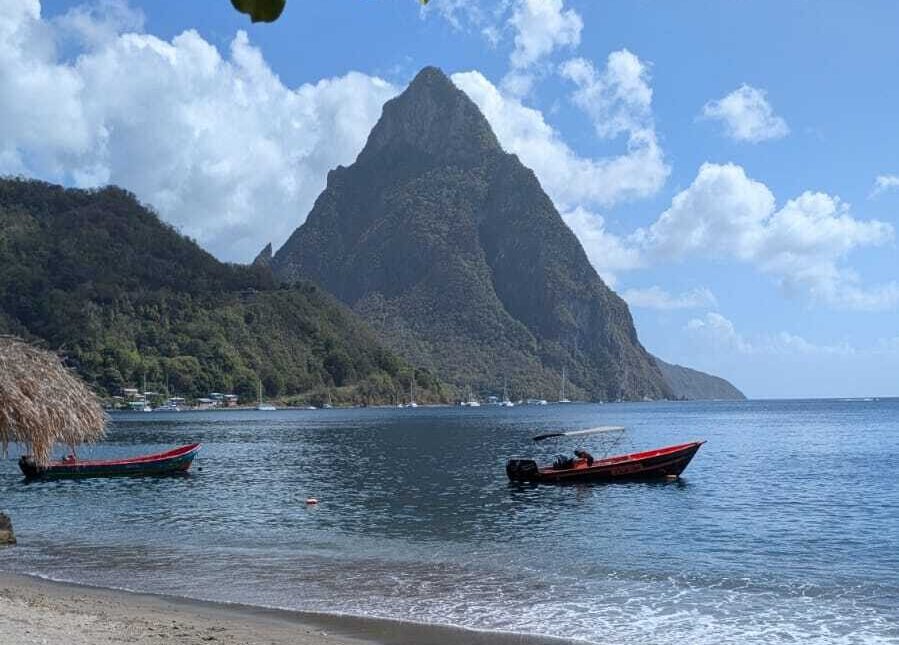
Stakeholders discuss management of Soufriere coastal waters
The picturesque town of Soufriere, celebrated as Saint Lucia’s tourism capital with iconic attractions including the Pitons and Sulphur Springs, is implementing enhanced maritime management strategies to address growing visitor traffic. The Soufriere Regional Development Foundation (SRDF) recently convened a pivotal multi-stakeholder meeting to address coastal water management challenges arising from increasing maritime activity.
Key representatives from law enforcement agencies, maritime sector organizations, tourism stakeholders, and regulatory bodies participated in comprehensive consultations focused on improving oversight, safety protocols, and coordination across Soufriere’s marine space. A central proposal emerged for establishing a dedicated police marine unit specifically tailored to serve the coastal community’s unique needs.
Christopher Alexander, Director of Maritime Affairs at Saint Lucia Air and Sea Ports Authority (SLASPA), emphasized the timely nature of these discussions, noting that upcoming developments by GPH and anticipated increases in maritime traffic made coordination essential. “We found the timing was opportune for us to discuss concerns that have been plaguing the Soufriere maritime sector,” Alexander stated, praising SRDF’s initiative in organizing the stakeholder meeting.
Maritime consultant Cuthbert Didier commended the solutions-oriented approach of the engagement, acknowledging that while resource limitations exist, the focused dialogue created “greater synergy” for comprehensive results. Didier expressed specific concerns regarding certain boating activities along the west coast approaching Soufriere but expressed confidence that collaborative efforts between SLASPA, marine police, and SRDF would effectively address these challenges.
Inspector Reece Auguste of the Saint Lucia Marine Police Unit reinforced the commitment to maritime security, recognizing the critical importance of Safeguarding Soufriere’s tourism product and ensuring safe transportation for visitors experiencing the region’s offerings. Stakeholders universally emphasized that strengthened maritime security measures would directly support local livelihoods, protect marine resources, and maintain Soufriere’s reputation as a premier Caribbean destination.
According to SRDF’s Corporate Communications and Marketing Manager Lovely Saint Aime Joseph, the consultation successfully created a platform for diverse ideas to converge, enabling all parties to align on a coordinated path forward for sustainable marine management.
-
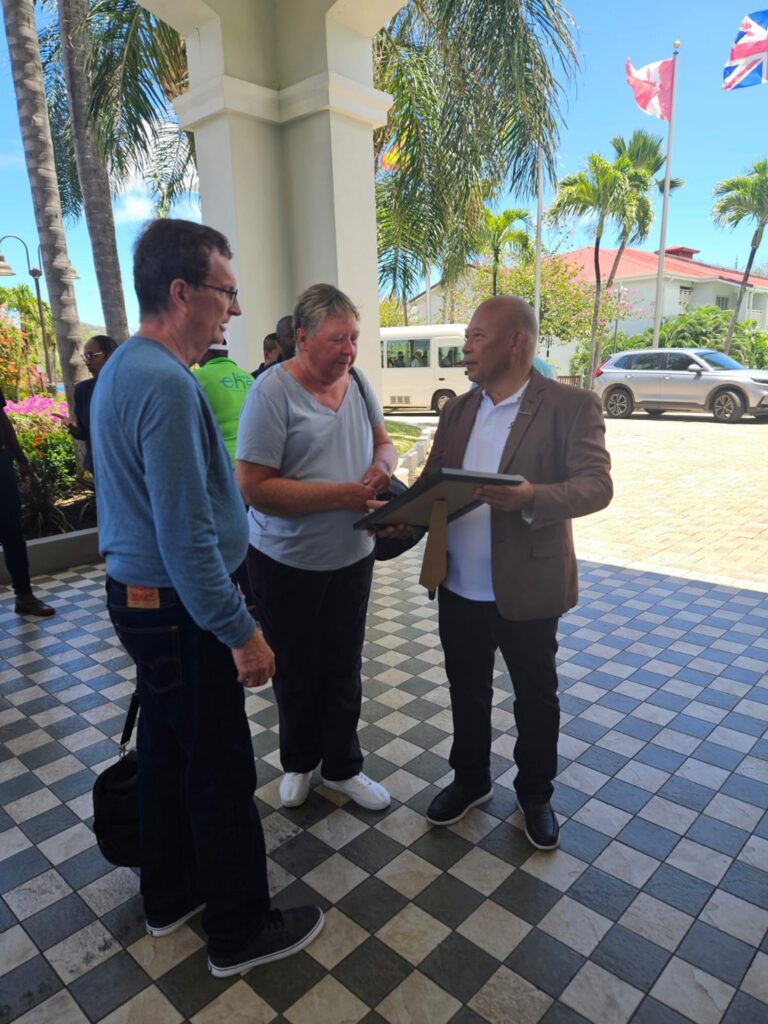
Loyal Sandals guests share why they keep coming back
While Saint Lucia maintains its global reputation as a premier tropical paradise, for countless repeat visitors this Caribbean nation has evolved beyond mere holiday destination into a second home. The remarkable story of one Canadian couple exemplifies this profound connection, demonstrating how seasonal tourism can blossom into meaningful cross-cultural relationships and sustained community philanthropy.
For over twenty years, the Dorans from Canada have established an annual pilgrimage to Sandals Grande Saint Lucian, transforming what began as a conventional vacation into a deeply personal commitment to the island and its people. Their journey commenced in 1997 during Saint Lucia’s tourism infancy, with a stay at Sandals Halcyon that planted seeds of affection that would fully blossom upon their return in 2002.
The exceptional hospitality extended by resort staff ignited the couple’s curiosity about local communities beyond the resort boundaries. As genuine friendships developed with team members who shared stories of their lives and families, the Dorans felt compelled to reciprocate the kindness they’d received. This evolving relationship sparked what would become a sustained philanthropic mission focused on educational support.
Their initiatives have transported substantial quantities of school supplies to students across geographical spans from Castries to Roblot Combined School in the island’s southern region. The couple’s retirement in 2012 enabled extended seasonal residencies, stretching from brief winter escapes to prolonged stays of 12-18 weeks annually.
Even the global COVID-19 pandemic that suspended international travel only temporarily interrupted their tradition. The Dorans promptly returned when restrictions lifted, eager to reconnect with the community they had grown to cherish. Their loyalty is quantified by over 1,000 nights spent with Sandals properties throughout the Caribbean, yet they maintain that Saint Lucia provides uniquely fulfilling experiences unmatched by other winter destinations.
Between exploratory island excursions, the couple treasures the tranquility and security of their Sandals environment, savoring tropical climates and marine surroundings while appreciating the familiar care from staff who have become extended family. This profound satisfaction has inspired them to introduce relatives to their beloved sanctuary, sharing the euphoric escape from harsh Canadian winters while simultaneously contributing to Saint Lucian community development.
-
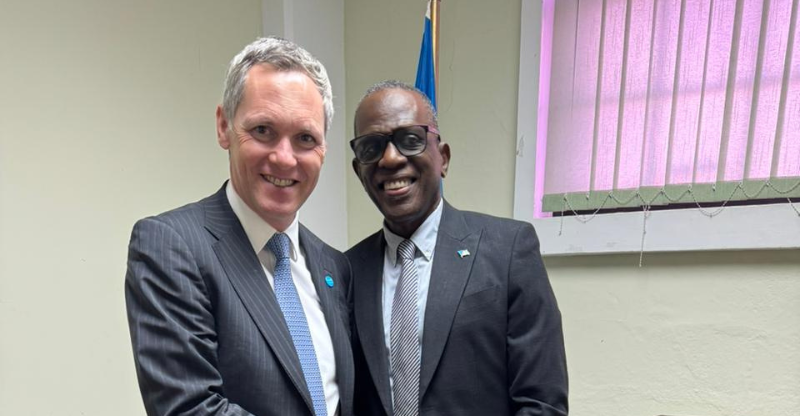
Pierre welcomes UNICEF regional director on first official visit
In a significant demonstration of governmental commitment to youth development, Saint Lucia’s Prime Minister Philip J. Pierre hosted UNICEF Regional Director Roberto Benes for his inaugural official visit to the Caribbean nation on Wednesday. The high-level meeting marked a pivotal moment in bilateral cooperation focused on child welfare initiatives.
During the extensive discussions, Prime Minister Pierre articulated a comprehensive framework for advancing early childhood development programs across the island nation. The strategic priorities encompass implementing universal free preschool education, modernizing educational infrastructure, enhancing nutritional standards in educational institutions, and revolutionizing the national curriculum through standardization and technological integration.
These ambitious initiatives represent an expansion of existing governmental programs launched during the previous term. Notable achievements include substantial financial subventions to privately operated preschools, with allocations rising from EC$2,500 in 2024 to EC$3,000 in 2025. Additionally, the government has implemented direct financial support systems for families, increasing preschool fee assistance from EC$50 to EC$100 monthly. The partnership has also secured significant international funding, including a EC$1.35 million contribution from Taiwan specifically earmarked for early childhood education development.
Prime Minister Pierre emphasized Saint Lucia’s emerging leadership role in advocating for increased investment in early childhood development, highlighting the demonstrated long-term advantages for national economic growth and social cohesion. The discussions also addressed critical environmental concerns, with particular focus on climate change’s disproportionate impact on children within Small Island Developing States.
The Prime Minister formally endorsed UNICEF’s operational framework for the region, acknowledging the organization’s ongoing technical expertise and collaborative partnership in developing child-centered policies. Mr. Benes reciprocated by applauding the Saint Lucian government’s visionary leadership and strategic alignment with international standards in child protection and development.
This diplomatic engagement establishes a strengthened collaborative framework between the Saint Lucian government and UNICEF, creating synergistic pathways to ensure all children can realize their potential within secure, nurturing, and developmentally appropriate environments.