分类: society

  • Four more charges for Kaia Sealy

    Four more charges for Kaia Sealy

    A developing legal case in Trinidad and Tobago has taken a new turn, as authorities have announced four additional criminal charges against 24-year-old Kaia Sealy, who is already facing multiple allegations connected to a January police-involved shooting that left her common-law husband Joshua Samaroo dead.

    The new charges laid by the Trinidad and Tobago Police Service (TTPS) include possession of a firearm, possession of ammunition, possession of a firearm with intent to endanger life, and discharging a firearm within 40 meters of a public place. Once the associated warrants are officially issued, they will be served to Sealy immediately upon her re-entry to the country. Sealy is currently receiving medical care in the United States for injuries she sustained during the January 20 incident.

    These four new charges bring the total number of accusations Sealy faces to eight. Just last week, TTPS already confirmed three charges of shooting with intent to cause grievous bodily harm against serving police officers, filed under Section 12 of the country’s Offences Against the Person Act. Authorities have also previously issued a manslaughter warrant, alleging Sealy unlawfully caused Samaroo’s death.

    The fatal encounter dates back to January 20, when both Samaroo and Sealy were shot during a confrontation with police following a high-speed pursuit. According to the official police account, the pair traveled to Maloney in a white Toyota Aqua that day to arrange the sale of a firearm and an unspecified quantity of narcotics to a man working as a police informant. The informant has already given a formal statement to investigators, and his mobile phone has been transferred to the TTPS Cyber Crime Unit for forensic analysis.

    Police allege that when Samaroo and Sealy arrived at the meeting location, Sealy concealed a firearm in her bra before Samaroo removed it to show the informant. When officers from the Maloney Police Station moved in to approach the vehicle, Samaroo allegedly accelerated away, sparking a lengthy high-speed chase that saw police activate emergency lights and sirens. The National Operations and Dispatch Centre was quickly alerted to the possibility that the vehicle was carrying illegal weapons and ammunition, and additional units from the North Central Task Force Area West joined the pursuit after the vehicle was identified via radio dispatch.

    Investigators say multiple attempts to force the vehicle to stop were ignored by Samaroo. The chase finally came to an end when the Toyota Aqua crashed into a roadside drain on Bassie Street Extension in St Augustine, a moment that was captured on video and circulated widely across social media platforms.

    Moments after the crash, officers opened fire, after Samaroo raised his hands out of the driver’s side window. Participating officers have defended their use of force, stating they perceived an immediate threat from the vehicle and that Sealy was armed. One officer involved in the shooting reported seeing Sealy, who was in the front passenger seat, point a gun in his direction. He told investigators he returned fire after hearing what he described as muffled explosions and seeing the vehicle’s rear windscreen shatter. He added that other officers surrounded the crashed car and repeatedly ordered the occupants to drop their weapon before more shots were fired. According to evidence police submitted to the Director of Public Prosecutions (DPP), one officer recovered a firearm from the driver’s side of the vehicle after the shooting stopped.

    Both injured parties were transported to the Eric Williams Medical Sciences Complex in Mt Hope for emergency care, and forensic investigators processed the crash and shooting scene thoroughly after the incident.

    Sealy’s account of the events contradicts the narrative laid out by police. In a statement included in the evidence submitted to the DPP, Sealy says she was running routine errands with Samaroo when he received an unexpected phone call asking him to meet someone in the Maloney area. After the pair arrived and Samaroo spoke briefly with the man, she heard him change his tone and say “Don’t bother,” before he began reversing the car. Moments later, a marked police vehicle pulled up with an officer exiting the car holding a drawn weapon, prompting Samaroo to reverse and flee the area. Sealy also says she observed the man who had been speaking with Samaroo get into the police vehicle after the chase began.

    Sealy states that she repeatedly begged Samaroo to stop the car during the pursuit, but he refused. After the crash, she says she saw Samaroo raise both of his hands out the open window before multiple gunshots rang out. She has repeatedly maintained that neither she nor Samaroo was in possession of a firearm at any point during the encounter. In a formal written statement released through her legal representative last Saturday, Sealy reaffirmed her innocence, questioned key elements of the police investigation, and claimed she has never handled a gun at any point in her life.

  • Union Island mourns beloved educator, historian, and lawyer

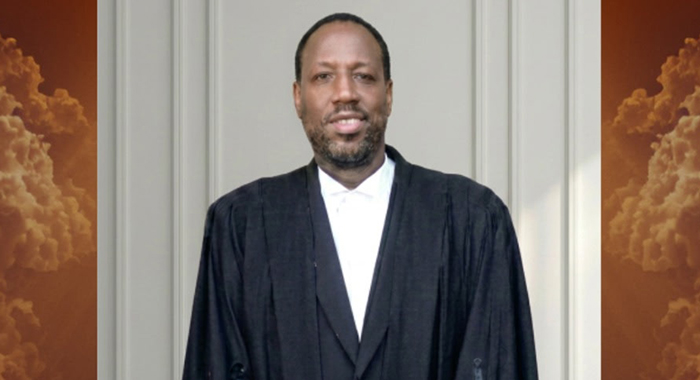
    Union Island mourns beloved educator, historian, and lawyer

    In the mid-1990s, decades after Category 5 Hurricane Janet devastated Union Island in 1955, a visionary secondary school teacher named Steve Eugene Stewart gave his students at Union Island Secondary School an unusual research assignment that would leave a lasting mark on both the students and the small island community. Instead of asking them to flip through textbook pages or dig through static encyclopedia entries to study the historic storm, Stewart tasked his class with a far more meaningful project: seek out the island’s oldest residents, visit them in their homes, and record their first-hand memories of the catastrophic 1955 hurricane.

    What many students discovered through the project surprised them. Unlike modern natural disaster early warning systems that rely on televised alerts, radio broadcasts and mobile phone notifications, the only warning Union Island residents received before Janet hit came from leaflets dropped by a low-flying aircraft. Beyond that key historical fact, the interviews exposed young people to far more than just stories of destruction. They heard accounts of extraordinary neighborly solidarity in the aftermath of the storm, and quiet tales of courage from residents who had rebuilt their lives and their home from scratch.

    For Stewart, the project was never just about collecting historical data. It was a deliberate lesson designed to nurture an appreciation for living history, preserve the island’s fading oral storytelling traditions, teach young people to respect their elders, and foster intentional knowledge transfer between generations. The project also benefited the elderly participants: many had not received such focused attention from younger people in years, and the interviews gave them a renewed sense of purpose, showing that their experiences and wisdom still mattered to the island community. Many enjoyed connecting with young people, even walking them through generations of their family bloodlines to strengthen intergenerational ties.

    This project was just one small example of Stewart’s lifelong legacy as an educator and community leader on Union Island. His core mission as a teacher was always to root young people in their local history, connect them to experienced community leaders, and grow a deep, abiding love for their island home. His commitment to his students went far beyond standard lesson plans: on one occasion, he even sat the Caribbean Examinations Council (CXC) exam alongside his students for a subject he had been teaching for years — surprising them all when it was revealed he never held formal certification in the subject himself, choosing to learn alongside his students to better serve them.

    Stewart’s drive to lift up others extended well beyond his own classroom. When other local teachers risked losing their jobs because they lacked required subject certifications, Stewart organized free evening classes to help them pass their mandatory exams. He was also a passionate advocate for local cultural heritage, and a founding member of the Union Island Museum Society, where he led efforts to reclaim historical artifacts from Union Island’s early settler communities that were being held in museums across Europe.

    His influence stretched across nearly every corner of Union Island’s public life. He contributed to the island’s sports, recreation and cultural sectors as a key member of the Easterval festival committee, local NGO O.S.D.E.R., May Day celebration organizing teams, and community drama and arts programs. He dedicated himself to advancing youth opportunities, regularly supporting Union Island students who moved to the mainland for higher education — helping them secure affordable housing during their studies and connecting them to job placements after they graduated.

    An avid writer and public commentator, Stewart penned dozens of articles highlighting influential local figures, little-known historical events, and ongoing policy debates affecting his homeland. He led campaigns to grant official historical heritage status to important older landmarks across the island, including Union Island’s first concrete home near Cross Road, the colonial-era cotton industry old post office building, the historic overseer’s house on Health Centre Hill, and dozens of other culturally significant relics. He even integrated tours of these sites into his teaching to help students connect with their local history firsthand.

    One of Stewart’s final community projects was the restoration of Society Hall, transforming the historic building into a living museum that preserves the story of financial organizing by Union Island’s community of formerly enslaved people. A lifelong advocate for continuous learning, Stewart even began studying law decades into his career as an educator, always reminding his students: “to never stop dreaming, never stop learning, and never stop selling opportunities.”

    An extensive traveler and widely respected thought leader on issues of sustainable island development, efficient governance, and educational reform, Stewart spent his entire life as a champion for positive change on Union Island. From his early days selling newspapers to local residents to representing his country at international forums in Switzerland, he never missed an opportunity to improve life for his fellow islanders. Above all else, Stewart was a man of deep faith, who prioritized sharing the importance of personal spiritual life, led regular Bible study classes at his church, and encouraged everyone he met to build a personal relationship with Jesus.

    This op-ed is written by Nkarlo Alexander, a former student of Stewart’s at Union Island Secondary School, and reflects the personal views of the author, not the official editorial stance of iWitness News.

  • Hopeful Hearts Foundation Donates Examination Kits to Pares Primary Grade 6 Students

    Hopeful Hearts Foundation Donates Examination Kits to Pares Primary Grade 6 Students

    A community-focused charitable organization, Hopeful Hearts Foundation, has launched a new initiative to support graduating elementary students at Pares Primary by donating specially prepared examination kits to all Grade 6 learners. The contribution comes ahead of critical national standardized assessments that will shape students’ next steps in their academic journey, addressing a gap where many low-income families struggle to afford necessary testing supplies.

    Local education representatives have praised the foundation’s effort, noting that the donation does more than just provide physical materials: it also boosts students’ confidence and reduces financial stress for working-class households enrolled at the school. Foundation organizers shared that they developed the project after hearing from Pares Primary teachers about the unmet needs of Grade 6 families, and they hope to expand similar support programs to other neighboring primary schools in the coming academic year.

  • Calls grow for Saint Lucia to enforce death penalty following killing of young mother

    Calls grow for Saint Lucia to enforce death penalty following killing of young mother

    A brutal fatal shooting that claimed the life of a 24-year-old mother in Saint Lucia has sent shockwaves through the Caribbean nation, reopening long-simmering public divisions over the reinstatement and active use of capital punishment for violent crime.

    The victim, identified by authorities as Joy St. Omer, was discovered dead early this week slumped in the driver’s seat of her vehicle, left with multiple gunshot wounds. Investigators and local reports confirm that the prime suspect in the killing is Omer’s estranged husband, Primus Toussaint, who later turned himself in to officers at the Royal Saint Lucia Police Force’s Criminal Investigations Department following Wednesday night’s emergency response to the shooting.

    Court and police records reveal a troubling pattern of escalating abuse prior to the killing: at the time of the shooting, a formal protection order was already in effect barring Toussaint from contacting Omer. The suspect had been arrested just three days before the fatal incident at the Anse La Raye Police Station on allegations of assault, and was formally charged with assault causing harm, making criminal threats, and violating the existing protection order. Though bail was initially denied during his first appearance at the First District Court, he was subsequently released on bail by the High Court – a detail that has added to public outrage over the case.

    In the wake of Omer’s killing, an online petition launched on Change.org calling for the full reinstatement and active enforcement of capital punishment has rapidly gained public support, amassing more than 5,000 signatures in just days. The petition notes that while capital punishment remains technically encoded in Saint Lucia’s Criminal Code, it has not been applied for decades, a shift driven by successive judicial rulings and sustained international pressure. Supporters argue that actively enforcing the death penalty for convicted murderers and other violent offenders would act as a meaningful deterrent against the island’s growing tide of violent crime, including widespread gang-related killings, while delivering tangible closure and justice for grieving families affected by such violence. “We do not make this request lightly. We make it out of love for Saint Lucia and a desire to see our communities thrive in peace once again. By signing this petition, we declare that enough is enough,” the petition reads.

    Top political leaders across Saint Lucia have formally condemned the brutal killing, while offering differing perspectives on the broader systemic issues it exposes. Prime Minister Philip J. Pierre expressed deep sorrow and distress over Omer’s senseless death in an official public statement, noting that far too many interpersonal conflicts end in brutal violence when they should be resolved through dialogue, mutual understanding and peaceful intervention. “No disagreement should ever end in violence. We must learn to talk to each other, seek help, walk away when necessary, and resolve conflict without violence,” Pierre said. He also urged public commentators and social media influencers to avoid leaning into sensationalism and inflammatory emotional rhetoric around the case. Reaffirming the government’s commitment to public safety, Pierre emphasized that “Every woman, every person deserves to feel safe in their country. Every family deserves peace. Acts of violence must be met with accountability and justice, because no family should have to endure this kind of pain.” While the government respects the independence of the judiciary, Pierre added, officials hope judicial decision-makers remain attuned to growing public concerns over rising violent crime, and the government will continue to strengthen its frameworks for violence prevention, criminal justice and offender rehabilitation.

    Opposition Leader Allen Chastanet also joined in condemning the killing, highlighting that a widely circulated voice note predating the shooting contained explicit death threats against Omer. “We cannot continue to dismiss threats, intimidation, and emotional abuse as ‘relationship problems’ or private matters. Too often, the warning signs are there, and too often, we wait until it is too late,” Chastanet said in a social media statement. Directing his message to young men across the island, he pushed back against harmful cultural narratives that tie masculinity to control and violence: “strength is not found in control, anger, or violence. Real strength is found in discipline, respect, patience and the ability to walk away when emotions become dangerous. No woman belongs to you. No disagreement, heartbreak, or rejection justifies violence.”

    As the nation mourns Omer’s death and grapples with calls for systemic change, the debate over capital punishment continues to gain momentum, with residents divided over whether resuming executions will address the root causes of violent crime or simply mark a retreat from the human rights progress the island has made in recent decades.

  • Sticker Shock at the Meter: What’s Driving Higher Bills?

    Sticker Shock at the Meter: What’s Driving Higher Bills?

    Across Belize, thousands of households are opening their monthly electricity statements to jaw-dropping numbers that have left many reeling financially and frustrated with the national utility provider. Starting in early 2026, widespread reports of bills doubling and even tripling compared to previous months have spread across social media, uniting residents in shared anger and confusion over the unanticipated price surge. For working families already navigating broader cost-of-living pressures, the unexpected jump in energy costs has stretched already tight budgets to breaking point, leaving many questioning what is actually driving the sudden increases.

    The national utility provider, Belize Electricity Limited (BEL), has publicly addressed the outcry, attributing the higher bills entirely to unseasonably warm seasonal temperatures. In an official statement released in response to public inquiries, the company noted that warmer weather forces cooling systems – from ceiling fans to central air conditioning units – to run far more frequently and work harder to maintain comfortable indoor temperatures, which directly increases total energy consumption and final billing totals. BEL added that it prioritizes customer well-being and offered small, actionable energy-saving tips for residents, such as using circulating fans to reduce AC reliance and closing window blinds during the hottest peak daytime hours to block solar heat.

    But this explanation has failed to satisfy thousands of angry customers, many of whom point out that their energy use habits have not changed, even as their bills have skyrocketed. A resident of San Pedro shared her statement with local outlet News Five, showing that her bill has more than doubled over just three months, despite only running a single refrigerator and keeping her daily energy routine unchanged. A second resident from Orange Walk reported a $167 jump in her monthly bill, also noting that the only major appliance in her home is a single refrigerator. Even a Belize City resident who occasionally runs an AC for short periods reported a more than $105 increase, a jump far out of line with his minimal additional usage.

    A number of customers have also raised questions about BEL’s recent shift to digital metering, claiming that their bills began climbing immediately after the new meters were installed. When pressed on this claim, BEL denied that any changes have been made to billing calculation systems, maintaining that its metering and billing processes remain unchanged.

    In on-the-record interviews with News Five reporter Britney Gordon, multiple customers emphasized that they already practice strict energy conservation, yet are still facing crippling increases. “I don’t consume that amount of electricity. You understand? Because once I go into one room, I put on that light. Once I’m not in the room I turn off the light,” one BEL customer told Gordon. When asked if she had noticed a dramatic change in bills since April, the customer responded that costs have climbed across the board: “Right now. It’s going up. Everything’s going up. Whenever gas goes up, everything goes up.”

    As of May 26, 2026, BEL continues to stand by its temperature-driven explanation and has urged residents to adjust their energy habits to lower costs. News Five has reached out to BEL for additional comment and further clarification on customer concerns, but has not yet received a formal response. The public outcry continues to build, with growing calls for an independent audit of the utility’s billing practices to resolve the conflicting claims.

  • Squeezed by Fuel and Competition, Dollar Van Drivers Raise Fare

    Squeezed by Fuel and Competition, Dollar Van Drivers Raise Fare

    Belize City’s iconic dollar van service, long a staple of affordable local public transit, is set to implement a steep fare hike starting June 1, pushing the standard adult ride from $2 to $3. The price adjustment, which drivers and association leaders frame as an unavoidable financial necessity, comes as two mounting pressures—skyrocketing fuel costs and cutthroat competition from unregulated private ride services—continue to erode operator profit margins.

    Fuel prices in the region now approach $15 per gallon, a sharp increase that has transformed daily operations for dollar van drivers, most of whom must refill their vehicles every single operating day. Paul Nwuaobi, Vice President of the Belize Dollar Van Association, outlined the crippling new cost structure facing drivers: Where operators previously spent between $100 and $110 on daily fuel, that figure has now jumped to nearly $160. “We basically end up working just for the gas station,” Nwuaobi explained, noting that many drivers go home at the end of the day with no tangible profit left after covering fuel and overhead. Beyond fuel, he added, rising costs for routine vehicle maintenance have also put greater strain on operators. To keep vans safe, roadworthy, and up to regulatory standards, drivers must cover increasingly expensive repair costs, making a fare adjustment critical to keeping the service operational. “Any business needs to turn a small profit to survive,” Nwuaobi emphasized.

    The fare hike is not the first to hit Belize City’s public transit sector in recent weeks: Independent bus operators already raised their fares at the start of May, leaving daily commuters facing a cumulative hit to their household budgets. For residents who rely on dollar vans to get to work, school, and daily errands, the extra $1 per ride adds up quickly. Many local residents shared that the increase will force difficult budget trade-offs as the overall cost of living continues to climb across Belize. “For people who travel to work every day, you end up having to cut back on groceries just to afford bus fare,” one long-time daily commuter told News Five reporter Britney Gordon. Another local resident, who has two daughters commuting to work in the city daily, noted that working households will feel the impact almost immediately. Even as many residents acknowledge the pressure drivers face, the added cost remains a heavy burden, particularly for low-income families already struggling to make ends meet. One resident pointed out that the $3 fare only covers short trips, making the increase even more disproportionate for everyday riders.

    In a decision designed to ease the burden on family commuters, the association has chosen to leave children’s fares unchanged at $1, a move meant to avoid compounding costs for parents traveling with multiple kids. “We know how hard it is,” Nwuaobi said of the choice. “If we raised kids’ fares too, parents traveling with multiple children would face an overwhelming extra cost, so we decided to leave that rate as it is.”

    Beyond fuel and maintenance costs, the association is also grappling with ongoing competition from unregulated private pick-up services that operate along the same routes as dollar vans, undercutting regulated operators and pulling away riders, further cutting into driver earnings. The association confirmed it remains in active dialogue with the Belize City Council to address this issue and find a balanced solution for all transit providers. For now, drivers are holding out hope that the fare hike will keep their service afloat until broader economic relief brings down fuel costs, allowing fares to be adjusted downward again in the future. Even as the service outgrows its original “dollar van” name, operators remain committed to continuing their core role as an accessible transit option for Belize City residents.

  • Family Alleges Cover-Up After Brutal Machete Assault in San Marcos Village

    Family Alleges Cover-Up After Brutal Machete Assault in San Marcos Village

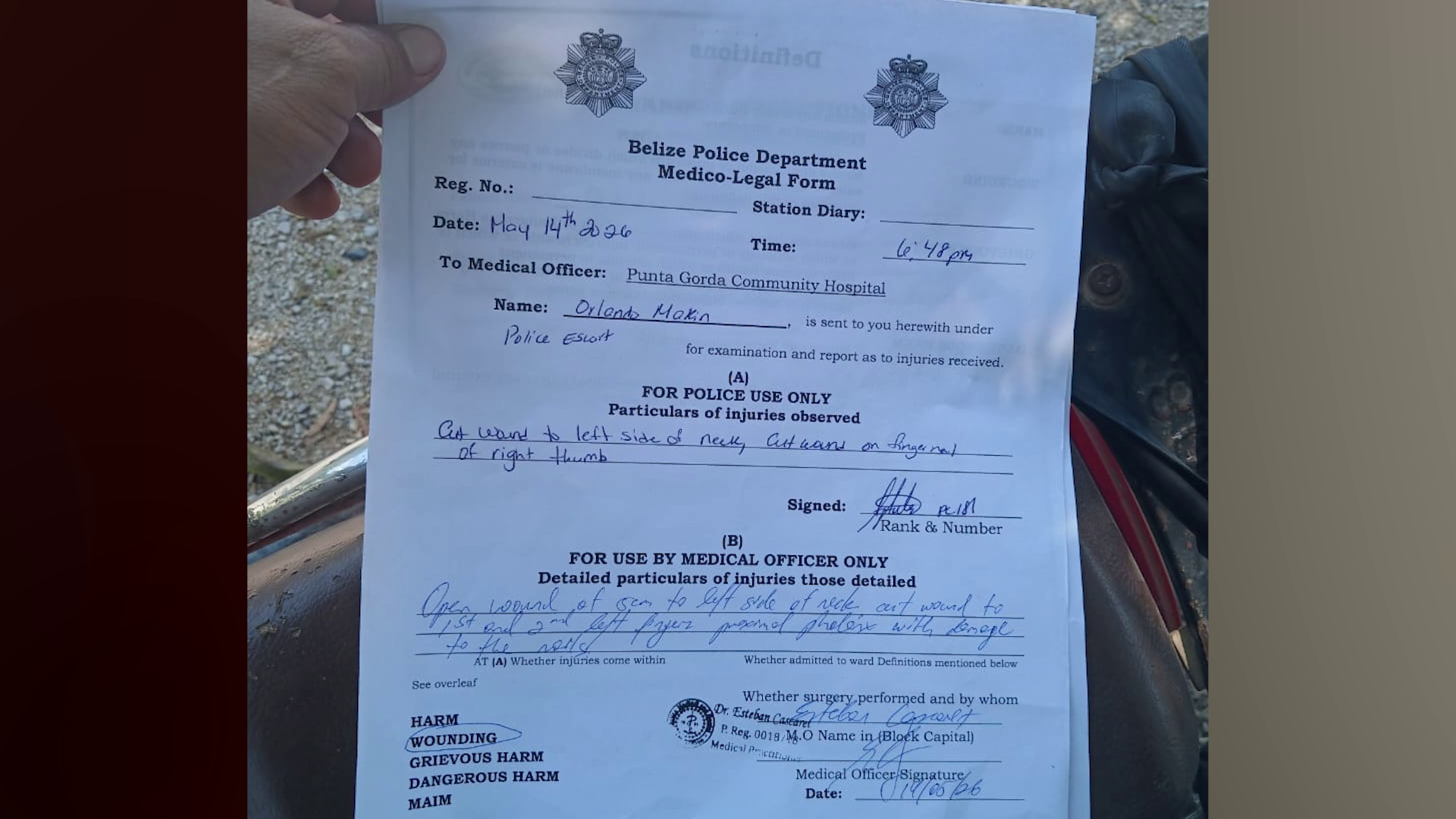
    A brutal machete attack in the quiet community of San Marcos Village has sparked explosive accusations of official influence and a deliberate cover-up, leaving a victim’s family living in daily fear more than a week after the assault. What began as a residential invasion on May 14 has devolved into a clash over conflicting narratives, with the victim’s relatives and local village leadership offering starkly different accounts of how the attack unfolded—and why no suspects have been taken into custody.

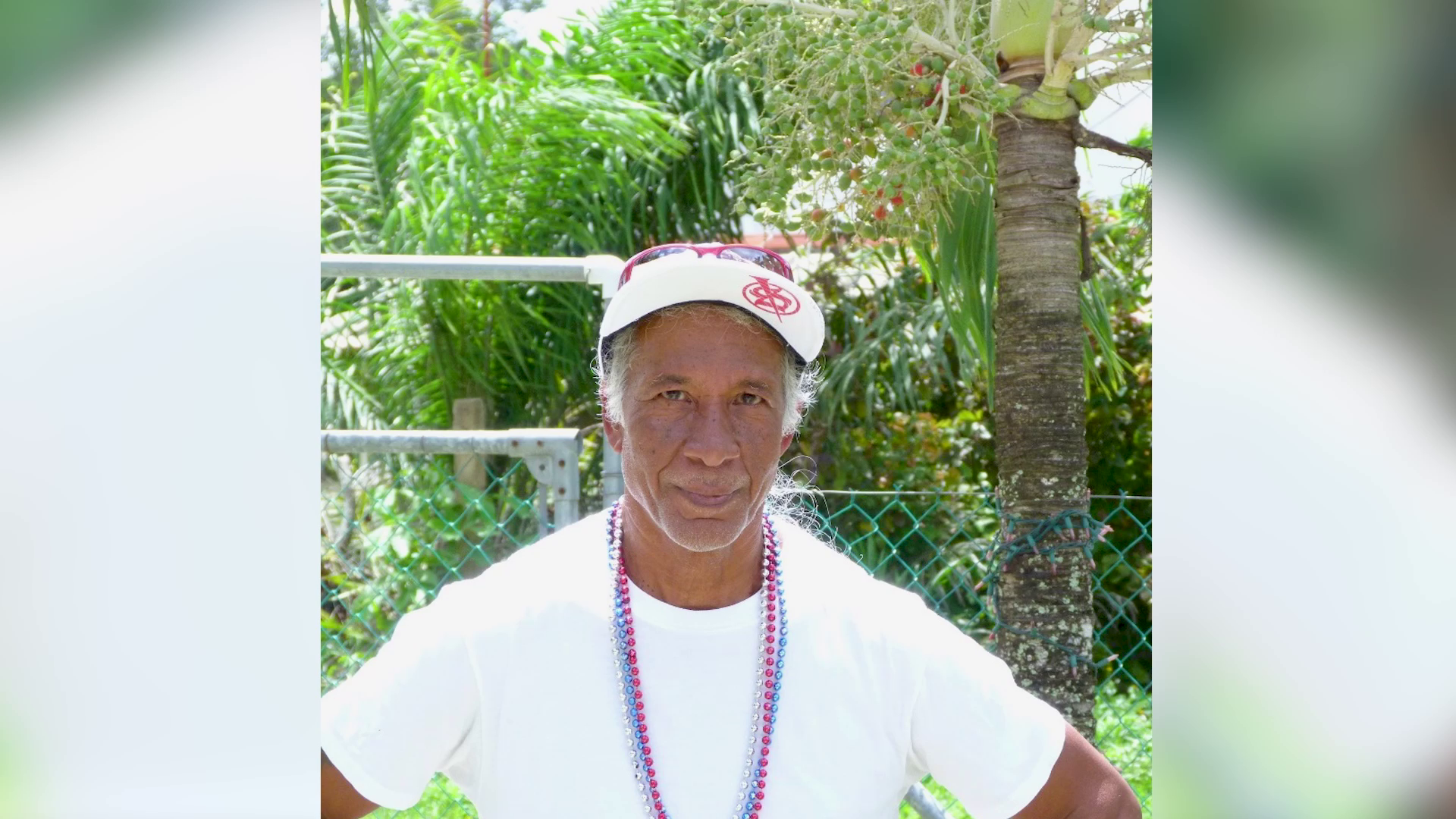
    Orlando Makin was the primary target of the assault, according to his family, which says a long-running dispute erupted into violence when a group of men forced their way into the Makin family home. In the chaotic confrontation, Orlando was hacked with a machete, and the attackers turned their weapons on Orlando’s mother before fleeing the scene. What has compounded the family’s trauma is the complete lack of law enforcement action in the days since the attack: the suspects remain free in the community, openly carrying machetes in public, and police have yet to make any arrests.

    In an exclusive phone interview, Mario Makin, Orlando’s brother, detailed the family’s frustration with the slow-moving investigation. “From the 16th, the police came and they didn’t arrest those guys. They only took my brother to the hospital,” Makin explained. After the attack, Orlando’s mother formally filed a police report and requested court intervention, but law enforcement has not moved forward with apprehending the suspects. “Up to now, the people that did all those and people that did the chopping, they’re still walking free on the road with the machete in their hand. We still see them around, walking with machetes,” Makin said. The family claims one of the main accused attackers has close personal ties to San Marcos’ top village leadership, and that this connection is why authorities have failed to act. The ongoing presence of the suspects has left Orlando’s mother, who stays alone at the family home while her grandchildren attend school, in constant danger. “When I just went to check to the police station again, they told me that they will look into it again, but only like that, they’re saying they’re still investigating,” Makin added.

    Attempts to reach San Marcos Chairman Alberto Muku and Village Alcalde Marcos Choc for comment on the accusations went unanswered, as both leaders were unavailable for interviews. But Juan Caal, secretary to the alcalde, offered a counter-narrative that completely contradicts the Makin family’s version of events.

    Caal told reporters that on the afternoon of May 14, while village leadership was attending an off-site meeting, authorities received word of an altercation involving two attackers and the chairman’s brother on a residential backstreet. According to Caal’s account, the clash was initiated by the Makin side, with Orlando Makin acting as the initial aggressor who attempted to attack the chairman’s brother. The injuries Orlando sustained, Caal claimed, came during a struggle for control of Makin’s own machete, when Makin accidentally cut himself while the chairman’s brother acted in self-defense. Caal said village police under the alcalde’s command attempted to arrest the attackers immediately, but all suspects managed to escape. Local leadership then called in the Punta Gorda Police Department to take over the investigation and coordinate efforts to apprehend the fugitives. Caal emphasized that both the alcalde and the chairman are committed to upholding equal justice for all residents and have no bias in the case, confirming only that no arrests have been completed to date.

    As the competing accounts stand, the Makin family continues to wait for justice, while questions persist about whether political connections are undermining law enforcement efforts in the small rural community. This report is a transcript of a televised evening newscast, with Indigenous Kriol speech transcribed to standard English spelling for accessibility.

  • Cop vs Cop Clash at Gas Station Ends in Court

    Cop vs Cop Clash at Gas Station Ends in Court

    A routine traffic enforcement interaction between two serving Belizean police officers erupted into a violent physical confrontation at a popular gas station in Belize City earlier this year, bringing the case and its implications for local law enforcement under public scrutiny following the suspect’s first court appearance.

    The confrontation stemmed from a traffic violation on May 26, 2026: 31-year-old Police Constable Louis Pascascio is alleged to have run a red light at the intersection of Saint Thomas Street before driving to the Puma gas station located on Freetown Road. On-duty Police Constable Jose Mejia observed the violation, followed Pascascio to the station, and initiated a standard traffic stop.

    What was expected to be a routine interaction quickly turned violent, according to official statements from Mejia. He told investigators that Pascascio refused to comply with repeated verbal commands to stop, moved aggressively toward Mejia, and slapped him in the face, which left a visible cut on Mejia’s lower lip. In response, Mejia acted to subdue Pascascio and took him into custody at the scene. It was only after the detainment was complete that Mejia confirmed the individual he had stopped was a fellow member of the Belize Police Department.

    Pascascio was formally charged with aggravated assault following the incident. He made his first court appearance this week, where a judge granted him bail. As a condition of his release, Pascascio is required to stay at least 100 feet away from Mejia at all times until the case concludes. He is scheduled to return to court on July 30 for the formal evidence disclosure hearing.

    This is not the first time Pascascio has faced criminal legal proceedings. In 2024, he was charged with firearm assault in an incident involving well-known Belizean athlete Shaun Gill. That case was ultimately withdrawn by prosecutors before it went to trial, leaving no conviction on Pascascio’s record from that incident.

    The unusual inter-officer clash has drawn local attention, raising questions about protocol for off-duty officer interactions and accountability within the Belize Police Department as the court process moves forward.

  • Morning Commute Chaos After Bus Crash on Philip Goldson Highway

    Morning Commute Chaos After Bus Crash on Philip Goldson Highway

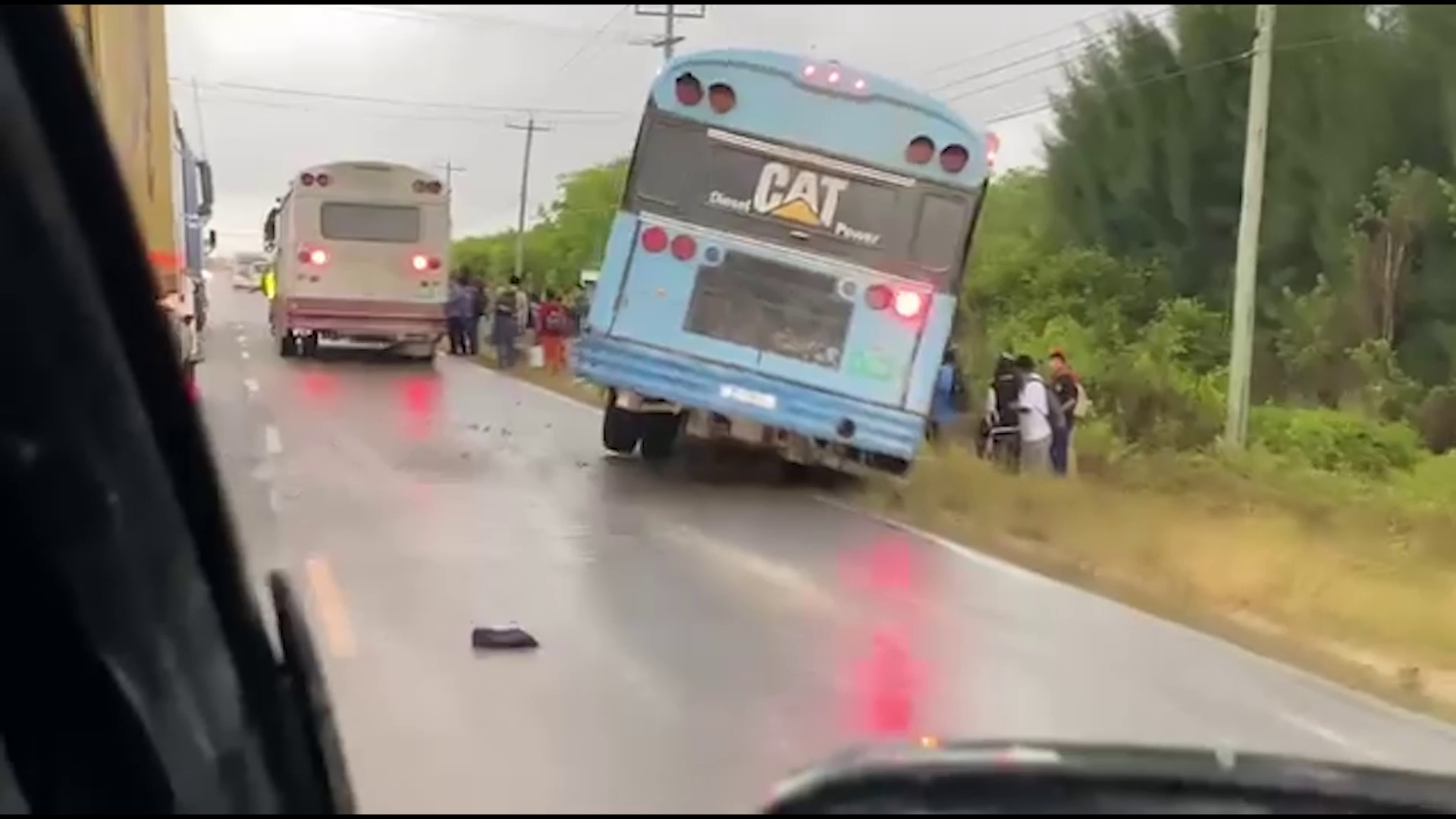
    On the morning of May 26, 2026, a sudden bus collision upended the daily rush-hour commute for hundreds of motorists traveling along Belize’s Philip Goldson Highway, bringing widespread traffic chaos to the corridor near the Los Lagos Community. The incident unfolded at the 12.5-mile marker, just outside the Friends of Friends entrance, leaving the Sarteneja passenger bus damaged and stranded on the side of the roadway amid wet weather conditions.

    Footage shared widely across local social media platforms captures the immediate aftermath of the crash: the damaged commuter bus pulled off the main travel lane, with disembarked passengers and local bystanders huddled nearby as steady rain falls across the scene. First responders, including local law enforcement and emergency medical teams, were dispatched rapidly to the site to manage the incident and assist anyone affected.

    As of the publication of this report, official authorities have not yet released formal details confirming either the root cause of the collision or the full scope of injuries sustained by people on board the bus. Compounding travel disruptions, ongoing road construction work is already active along sections of the highway, creating extra hazards for drivers navigating the area. Transportation officials have issued an advisory urging all motorists planning to travel the Philip Goldson Highway to allow extra time for their trips, reduce speed in construction and incident zones, and remain alert for sudden changes in traffic flow.

    This report is adapted from a televised evening news broadcast, transcribed for online distribution.

  • Belizean-Born Man Killed in Bus Tragedy in New York

    Belizean-Born Man Killed in Bus Tragedy in New York

    A devastating traffic incident on Staten Island, New York, has left a close-knit family reeling in grief and pushing for answers after a 72-year-old immigrant from Belize lost his life in a collision with a public transit bus on May 15. Leton Meyers, a long-time Staten Island resident originally from Burrell Boom, Belize, died after he fell into the roadway as an MTA bus pulled away from a scheduled stop, and was run over by the vehicle’s rear tires. Official preliminary investigators have outlined this basic sequence of events, but Meyers’ relatives say critical context and undisclosed details about the fatal incident remain out of public view. They are now calling on the Metropolitan Transportation Authority, the state agency that oversees New York’s public bus and rail network, to deliver full transparency and answer pressing questions about how the tragedy was allowed to happen. Those who knew Meyers describe him as a warm, generous and skilled technician who built a meaningful life in New York after relocating from his Central American hometown. A well-respected figure in his local community, he made a habit of opening his home to anyone in need of shelter or support. His death has completely upended his family, relatives said in a statement shared following the incident. “His death has shattered our family,” they shared, asking for support as they grieve and push for accountability. Meyers is survived by his wife, two adult children, and one granddaughter. His granddaughter has spoken publicly about her desire to see her grandfather remembered for the full, kind life he lived, rather than the tragic circumstances of his passing. To cover mounting funeral expenses and allow the family to lay Meyers to rest with the dignity he deserves, relatives have launched a public crowdfunding campaign on the GoFundMe platform. As the family navigates the overwhelming pain of their unexpected loss, their call for transparency remains the core of their effort to honor Meyers’ legacy.