分类: society

  • UWI Five Islands Campus to Present Annual Report at Council Meeting Today

    UWI Five Islands Campus to Present Annual Report at Council Meeting Today

    The University of the West Indies (UWI) Five Islands Campus is poised to host its significant annual council gathering this Thursday, featuring a comprehensive review of institutional performance and future directions. The proceedings will commence at 10 a.m. Eastern Caribbean Time, with real-time broadcasting available for global viewership.

    Under the leadership of Council Chairman Sir Aziz Hadeed, the event will highlight the formal presentation of the campus’s 2024/2025 annual report by Principal Professor C. Justin Robinson. The document, bearing the thematic title ‘Building Beyond Borders: Expanding Our Regional Reach,’ will provide detailed insights into operational developments, fiscal management outcomes, and strategic initiatives undertaken throughout the academic year.

    The report is anticipated to showcase a compilation of the institution’s most notable accomplishments, reflecting its commitment to academic excellence and regional development. Subsequent to the principal’s address, Vice-Chancellor Professor Sir Hilary Beckles will contribute formal observations, followed by an interactive question-and-answer session open to public participation.

    UWItv’s digital platform will facilitate live streaming services, enabling widespread accessibility for international stakeholders and members of the Caribbean community interested in the university’s progressive trajectory and educational contributions.

  • Antigua and Barbuda to Mark Alma Mater Day on March 27

    Antigua and Barbuda to Mark Alma Mater Day on March 27

    The Ministry of Education of Antigua and Barbuda has officially proclaimed Friday, March 27, 2026, as Alma Mater Day, initiating a nationwide call for citizens to participate in commemorating their educational foundations. This distinctive observance, operating under the thematic banner “Reflecting with Pride,” encourages alumni across the nation to demonstrate their enduring school spirit through wearing institutional uniforms, displaying school crests, or adorning themselves in their alma mater’s colors.

    Educational authorities emphasize that this initiative provides a structured platform for graduates to acknowledge the fundamental role their educational institutions played in shaping their professional trajectories and personal development. The celebration simultaneously aims to create inspirational connections between successful alumni and current students, fostering intergenerational dialogue about educational achievement.

    This commemorative day represents a strategic component within the government’s broader educational campaign designed to reinforce community-institutional bonds and elevate public appreciation for academic investment. By facilitating tangible expressions of institutional pride, the ministry seeks to strengthen the cultural significance of educational establishments throughout Antigua and Barbuda, ultimately promoting sustained engagement between schools and their surrounding communities.

  • Road Works Expand Across Multiple Communities as Concrete Paving Continues

    Road Works Expand Across Multiple Communities as Concrete Paving Continues

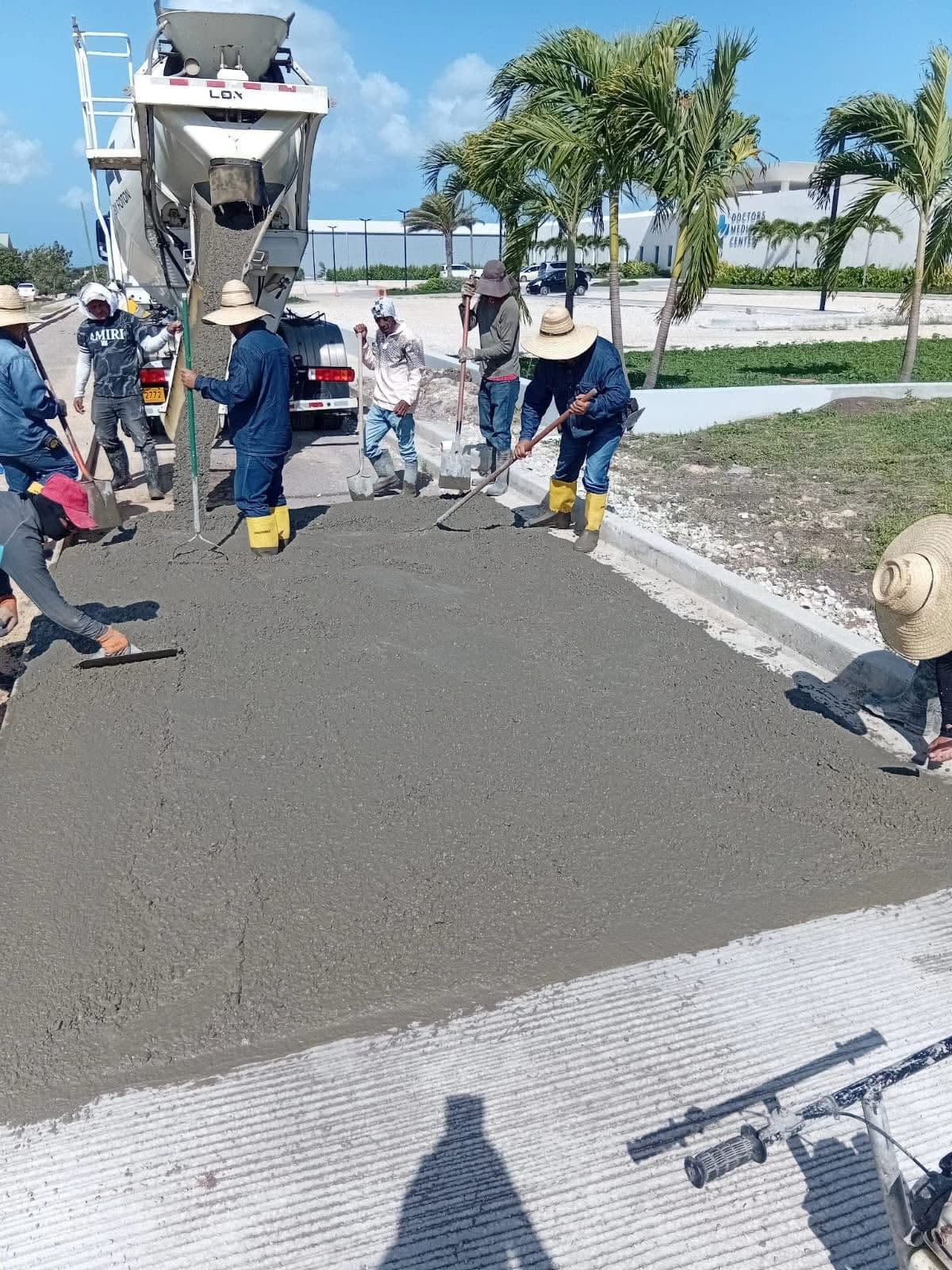
    The Ministry of Works has launched an extensive infrastructure enhancement initiative this week, deploying construction crews to execute comprehensive concrete road paving operations across eight strategically selected communities. The ambitious project encompasses Seatons, Friars Hill, Villa, Follies, Bendals, Mac Pond, Glanvilles, and Paradise View, representing one of the most significant infrastructure modernization efforts undertaken this year.

    This large-scale paving operation forms part of a broader governmental strategy to upgrade transportation networks and improve urban mobility. The transition to concrete surfacing offers substantial advantages over traditional asphalt, including enhanced durability, reduced maintenance requirements, and improved resistance to extreme weather conditions. The selected communities, which have historically experienced transportation challenges during inclement weather, stand to benefit significantly from these infrastructure improvements.

    Ministry officials have coordinated closely with local authorities to minimize disruption to residents during the construction phase. The project timeline incorporates phased implementation to ensure efficient progress while maintaining accessibility to essential services. Engineers supervising the project emphasize that the new concrete roads will substantially improve vehicular safety, reduce long-term maintenance costs, and enhance overall transportation efficiency throughout the region.

    The infrastructure initiative reflects the government’s commitment to sustainable urban development and improved quality of life for residents. Future phases of the infrastructure improvement program are already in planning stages, with additional communities scheduled for similar upgrades in the coming fiscal year.

  • Rural East Derelict Vehicle Cleanup Enters Another Day

    Rural East Derelict Vehicle Cleanup Enters Another Day

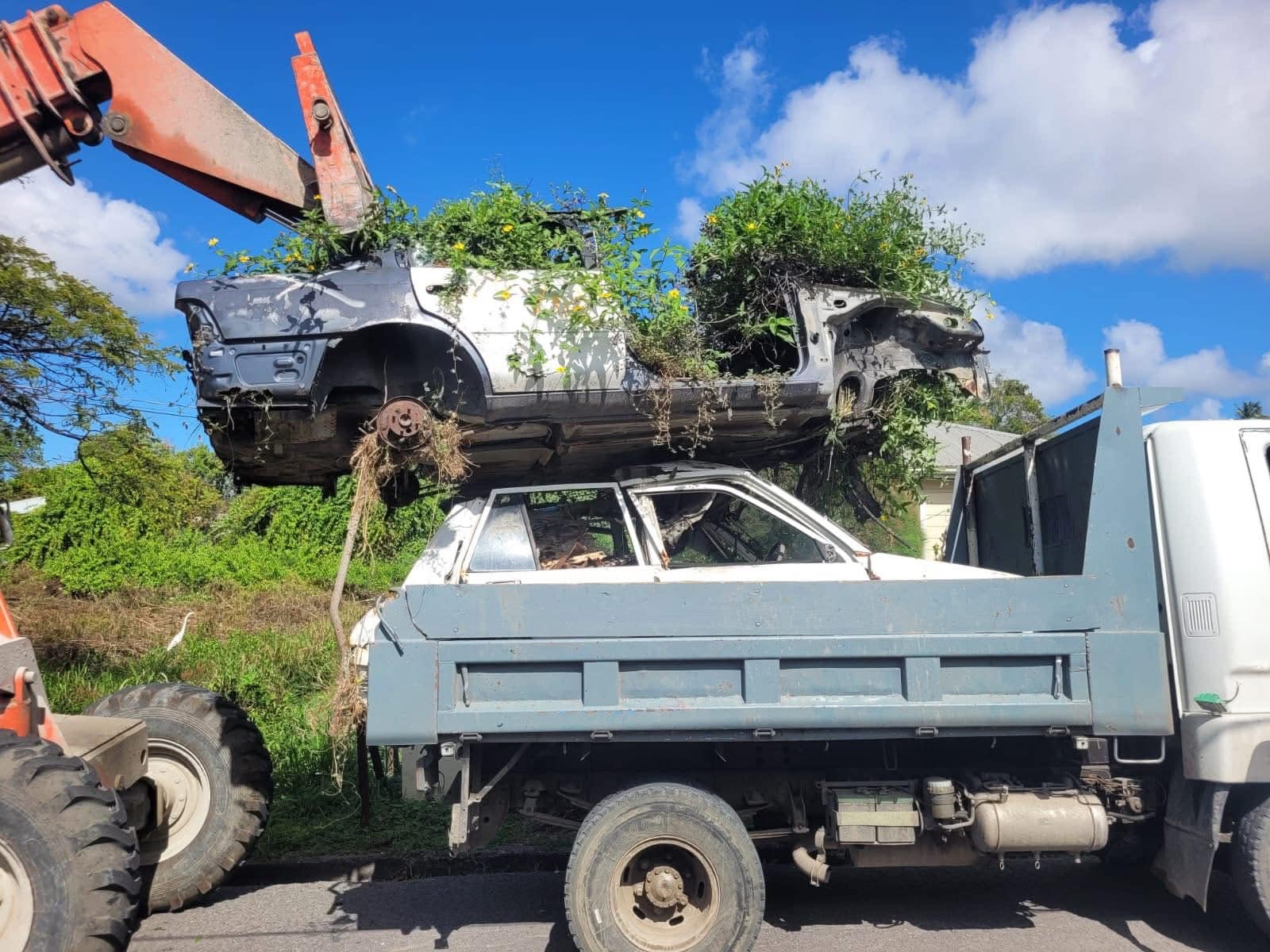
    A significant urban renewal operation entered its third consecutive day in St. John’s Rural East, where municipal crews have been systematically removing abandoned and inoperative vehicles from residential zones. The ongoing initiative has successfully extracted numerous derelict cars from neighborhoods, addressing long-standing concerns among the community.

    Local authorities have launched this targeted cleanup campaign with multiple objectives: enhancing public safety protocols, mitigating potential environmental contaminants from deteriorating vehicles, and revitalizing the visual landscape of the community. The operation has received substantial backing from area residents who have expressed support for the municipality’s efforts to improve living conditions.

    The removal process involves specialized equipment and trained personnel carefully extracting vehicles from private properties and public spaces alike. This coordinated effort represents a collaborative approach between city officials and the community to address urban blight and promote sustainable neighborhood development.

    Organizers indicate the cleanup initiative will continue through scheduled phases, with additional community enhancement projects planned following the successful vehicle removal campaign. The project demonstrates how municipal-community partnerships can effectively address local environmental and aesthetic concerns while fostering civic pride.

  • Recensie: Democratische leeservaring

    Recensie: Democratische leeservaring

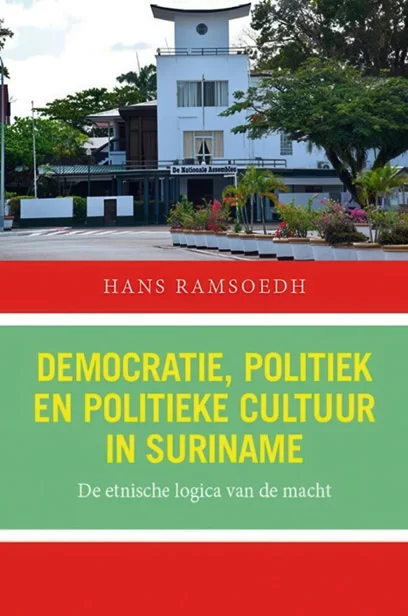
    A groundbreaking historical analysis has revealed disturbing details of institutional racism within Dutch colonial policy during World War II, drawing powerful connections to contemporary democratic challenges worldwide. The revelations come from Dr. Hans Ramsoedh’s newly published work “Democracy, Politics and Political Culture in Suriname – The Ethnic Logic of Power,” which examines Suriname’s complex democratic journey from 1866 to the present.

    The research documents how Dutch authorities in London systematically rejected military reinforcement requests from Surinamese Governor Kielstra, despite growing security concerns. Shockingly, the Dutch cabinet dismissed the necessity of military conscription for Surinamese men based on explicit racial prejudice. Government officials expressed that ‘little negroes’ would fail to impress Americans with their racial segregation policies, consequently maintaining Suriname’s troop composition as ‘white as possible.’

    In 1941, when approximately 500 Surinamese volunteers enlisted for the Princess Irene Brigade in Canada, all but a few dozen were rejected by the Dutch government-in-exile. Prime Minister Gerbrandy allegedly feared their presence would cause racial tensions among Dutch conscripts from South Africa—prioritizing white sensibilities over liberating the Netherlands with colored troops.

    Dr. Ramsoedh’s comprehensive 317-page study, complete with extensive notes and references, provides a chronological examination of Suriname’s democratic development through distinct historical periods: colonial guardianship (1866-1945), post-colonial awakening (1945-1975), failing democracy after independence (1975-1987), and democratic transition with ongoing fragility (1987-present).

    The work gains particular relevance through its exploration of endemic problems including ethnic fragmentation, clientelism, corruption, and organized crime that continue to undermine democratic institutions. The author emphasizes democracy as a ‘way of life’ in the spirit of philosopher John Dewey, highlighting citizenship education’s crucial role in cultivating democratic attitudes and societal engagement.

    Notably, the study examines how poverty, social inequality, and criminal capital influence political parties, while addressing the psychological impact of chronic stress on ethical behavior. The author argues that without discretionary time for recovery and reflection—impossible when working multiple jobs merely to survive—self-control diminishes and indifference becomes the human condition.

    The work concludes that emotional self-regulation and humanization of society are essential for integrity under pressure, ultimately reminding readers that it is people who shape democracy, politics, and political culture.

  • In defence of Dr. Kishore Shallow — leadership beyond optics

    In defence of Dr. Kishore Shallow — leadership beyond optics

    A robust defense has emerged challenging recent criticisms against Dr. Kishore Shallow, who simultaneously serves as President of Cricket West Indies and Minister of Tourism and Maritime Affairs for St. Vincent and the Grenadines. The rebuttal, authored by Brenton Smith, former Secretary General of the New Democratic Party, contends that allegations of conflict of interest lack substantive evidence and are primarily based on optical perceptions rather than documented misconduct.

    Smith emphasizes that Dr. Shallow retains his elected position through the continued confidence of CWI’s shareholders—the territorial cricket boards across the Caribbean—who possess both the authority and awareness to challenge leadership if warranted. This retention, Smith argues, represents informed endorsement rather than organizational oversight.

    The complexity of regional cricket governance forms a central pillar of the defense. Smith notes that Cricket West Indies operates as a coalition of diverse territorial interests rather than a unified entity, making immediate transformational change impractical. Incremental progress, though less dramatic, often proves more sustainable in such multifaceted environments.

    Regarding dual role concerns, Smith acknowledges the need for vigilance but rejects automatic condemnation. He maintains that simultaneous public service and sports administration roles are not inherently unethical when managed with proper transparency systems, disclosure protocols, and recusal mechanisms. The absence of demonstrated misconduct makes dismissal calls premature and potentially damaging to governance principles.

    Smith reframes Shallow’s dual responsibilities as a potential strategic advantage, particularly in leveraging cricket for sports tourism development. As Tourism Minister, Shallow can facilitate economic growth through cricket-related initiatives that benefit both his nation and the wider Caribbean region.

    The defense concludes that leadership evaluation should prioritize measurable outcomes and integrity of conduct over speculative concerns, noting that Shallow assumed leadership during a challenging period marked by financial constraints and performance inconsistencies. Without evidence of ethical breaches or duty failures, Smith argues, removal from either position remains unjustified.

  • Rescue at sea: pensioner saved before being taken to Venezuela

    Rescue at sea: pensioner saved before being taken to Venezuela

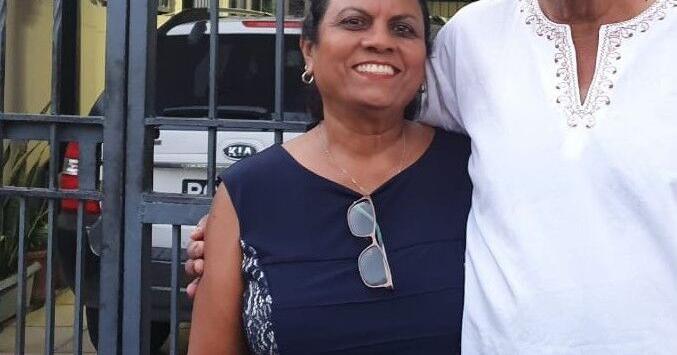
    A multi-agency law enforcement operation has successfully rescued a 73-year-old woman following her violent abduction from a San Juan residence, resulting in the arrest of seven suspected migrants allegedly connected to an international kidnapping network. The incident, which transpired on Wednesday evening, culminated in a dramatic Coast Guard interception off Trinidad’s northern coastline. Senior officials from the North Eastern Division confirmed the safe recovery of Tara Poliah, who was forcibly taken from her Don Miguel Road home around 7:30 p.m. Commissioner of Police Allister Gueverro revealed that the criminal investigation triggered an immediate coordinated response across multiple security agencies. According to official statements, the perpetrators transported Poliah via a Nissan AD Wagon before transferring her to a marine vessel approximately at midnight, intending to transport her to Venezuelan waters. Their plans were thwarted when Coast Guard units intervened, securing the victim’s release and detaining all seven suspects aboard the vessel. Security footage obtained from Poliah’s residential garage documented the harrowing initial assault, showing one assailant in a black hat approaching from behind to cover her mouth while another, wearing a red hoodie, pressed an object resembling a weapon against her neck before forcing her into a waiting vehicle. Commissioner Gueverro emphasized that this operation has effectively disrupted a sophisticated cross-border criminal network, noting that Trinidad and Tobago police have been actively monitoring Venezuela-linked criminal operations. While investigation details regarding the tactical rescue remain classified, authorities continue searching for Cody Narine, another kidnapping victim from the Tyrico Bay area who remains missing since his abduction last week.

  • Government awards RD$29B Monorail contract in Santo Domingo

    Government awards RD$29B Monorail contract in Santo Domingo

    Santo Domingo has reached a monumental infrastructure milestone with the official selection of the National Consortium for Integrated Mobility (CNMI) as the lead contractor for Phase One of the city’s transformative monorail system. The Trust for the Development of the Mass Transit System (FITRAM) confirmed the award following an exhaustive bidding process characterized by unprecedented transparency measures.

    The competitive tender, initiated in September 2025, incorporated multiple safeguards to ensure integrity throughout the evaluation. Notably, authorities established a Citizen Observation Committee while engaging independent academic experts from the Technological Institute of Santo Domingo and Pontifical Catholic University Madre y Maestra to provide external validation of proposal assessments.

    Two competing consortia participated in the final bidding stage, with CNMI emerging victorious through a combination of technical excellence and financial competitiveness. The consortium achieved the highest evaluation score while presenting the most advantageous economic proposal valued at approximately RD$29 billion. The rigorous selection process included comprehensive technical reviews, multiple site inspections, and continuous monitoring by specialized independent auditors to guarantee strict adherence to procurement regulations.

    FITRAM officials emphasized that every procedural phase complied with principles of transparency, legality, and equitable competition. The contract execution will commence immediately upon receipt of required financial guarantees, paving the way for actual construction to begin on this landmark urban mobility project that promises to revolutionize transportation in the Dominican capital.

  • Residents & Stakeholders to Join Consultation on Natural Resources and Marine Spatial Plans for the Nelson’s Dockyard National Park

    Residents & Stakeholders to Join Consultation on Natural Resources and Marine Spatial Plans for the Nelson’s Dockyard National Park

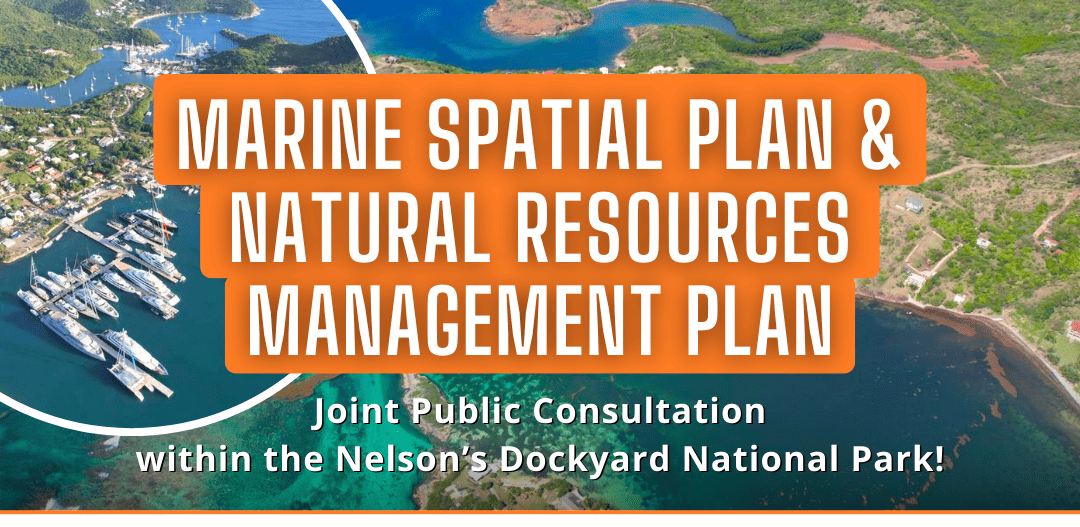
    The Nelson’s Dockyard National Park (NDNP) is set to host a pivotal public consultation this Wednesday evening, bringing together local residents and key stakeholders to deliberate on two comprehensive strategic plans. The dual-focused meeting will address both the newly drafted Natural Resources Management Plan and the NDNP Marine Spatial Plan, marking a significant step in the region’s climate adaptation efforts.

    Scheduled for March 25th at Cobbs Cross Primary School from 5:30 pm to 8:30 pm, this joint consultation represents the latest in a series of engagement initiatives forming part of the broader Ecosystem-based Adaptation (EbA) Caribbean Project. This multinational climate resilience program is currently active across three Caribbean nations: Antigua and Barbuda, Jamaica, and the Dominican Republic.

    In Antigua and Barbuda, the nonprofit organization Integrated Health Outreach (IHO) is spearheading project implementation within the NDNP in collaboration with the National Parks Authority (NPA). Technical expertise is provided by a specialist team from the Centre of Excellence of Oceanography and the Blue Economy (COBE) at the University of the West Indies, Five Islands campus, which has been commissioned to develop both strategic plans.

    The Natural Resources Management Plan will establish critical priorities for managing terrestrial, coastal, and marine ecosystems while formulating an updated governance framework. Concurrently, the Marine Spatial Plan will address pressing issues including pollution control, waste management strategies, designation of specific marine zones, and the balancing of conservation areas with fishing priorities and other marine activities.

    This week’s consultation follows previous stakeholder engagements, including February’s Sustainable Fisheries and Land Management Workshop, which featured two community consultations. Kieron Murdoch, Communications Officer with IHO, emphasized the fundamental importance of community involvement: “Engaging the community continues to be an extremely important part of the work being done by everyone attached to this project. It’s vital to ensure that the results are informed by the experiences of those who live, work and operate within the National Park.”

    The EbA Caribbean Project operates under the official title “Strengthening regional climate resilience and supporting green economic recovery through ecosystem-based adaptation (EbA) and sustainable livelihoods in the Dominican Republic, Antigua and Barbuda, and Jamaica.” Funded by the Caribbean Biodiversity Fund with co-financing from Germany’s International Climate Initiative (IKI) through KfW Development Bank, the project is implemented through a consortium including the UN Environment Programme’s World Conservation Monitoring Centre, Oracabessa Marine Trust, and several regional conservation organizations.

  • ESFN Weaves Threads of Creativity through Creative Expression Workshop

    ESFN Weaves Threads of Creativity through Creative Expression Workshop

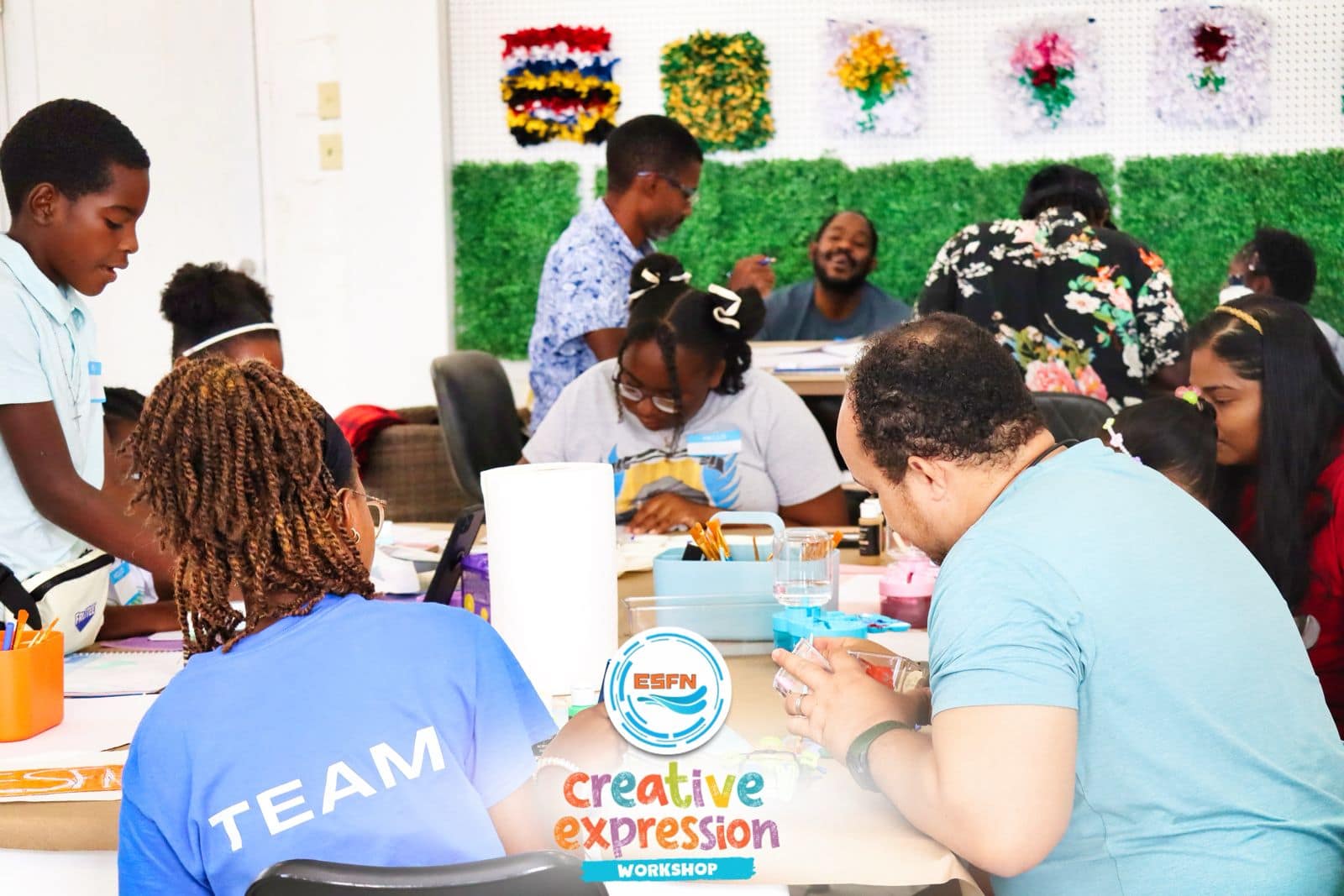
    The EcoShores Sustainable Futures Network (ESFN) convened an innovative Creative Expression Workshop on March 21st, 2026, at Wadadli Spaces, gathering participants across generations from ages 5 to 35 for a dynamic exploration of artistry and environmental consciousness. The event fostered a unique convergence of imaginative expression and community engagement through diverse artistic mediums.

    Centered around the thematic prompt “Threads,” participants interpreted this concept through writing, drawing, painting, and experimental art forms including puzzle design and mixed media creations. This single-word inspiration yielded a remarkable spectrum of cultural and creative interpretations, demonstrating how minimal guidance can generate expansive artistic diversity reflecting heritage and identity.

    The workshop strategically aligned with two significant global observances. It preceded World Water Day (March 22nd, 2026) and its theme “Water and Gender: Where water flows, equality grows,” prompting participants to contribute to a collective board expressing personal connections to water. This collaborative artwork emerged as a powerful symbol bridging environmental awareness with cultural expression.

    A notable segment featured recognition ceremonies for winners of ESFN’s Creative Young Voices for Wetlands Competition, originally held in February 2026 for World Wetlands Day. This initiative, developed in partnership with the IUCN Wise Use of Caribbean Wetlands Project, highlighted youth perspectives on wetland conservation through creative media.

    Britney McDonald, ESFN Portfolio Manager, emphasized the organization’s mission: “We are thrilled to open this space where art and environmental equity meet. This workshop was about building community, valuing creatives, and sharing together in imagination and heritage while celebrating youth voices.”

    Given overwhelming participant response, ESFN is collaborating with partners to schedule additional creative workshops throughout 2026, responding to demonstrated community need for continued artistic engagement opportunities.

    ESFN operates as a registered non-profit organization focused on sustainability, environmental conservation, and community empowerment across Small Island Developing States (SIDS) and the Southern United States. Their initiatives address climate justice, biodiversity, youth development, technological innovation, and education through programs including the Volunteer Explorer Program, World Wetlands Day Awareness campaigns, and community development projects.