分类: society

  • Youth violence in SVG giving COP ‘headache’

    Youth violence in SVG giving COP ‘headache’

    During a joint press briefing with Minister of National Security St. Clair Leacock, St. Vincent and the Grenadines Commissioner of Police Enville Williams has identified youth violence as the most pressing public safety challenge currently facing the Caribbean nation, pushing law enforcement to pivot beyond traditional arrest-focused strategies toward community-centered prevention.

    The remarks from Williams came shortly after he and Leacock returned from a four-day regional security gathering in Castries, St. Lucia, where Leacock formally assumed the one-year rotating chairmanship of the Regional Security System (RSS), a bloc of eight Caribbean nations focused on cross-border security coordination. At the meeting, member states prioritized developing tailored, jurisdiction-appropriate responses to the growing crisis of youth involvement in violent and antisocial behavior, a concern shared across the entire region.

    Williams explained that in line with National Security Ministry policy that favors preventive “soft force” engagement over reactive enforcement, local law enforcement has already held internal consultations to design alternative strategies that intervene before young people commit crimes. He argued that early community outreach delivers far greater long-term benefits for the entire nation than mass incarceration of youth offenders. “If we engage young people from a community standpoint before they commit a crime, that the outcome is far greater for us as a country as a whole, as opposed to sending a young person to prison,” Williams said, outlining the core philosophy behind the new approach.

    Regional security leaders have collectively restarted their strategic planning process to develop community-focused engagement tactics that go beyond routine arrest and prosecution. Williams outlined that these strategies range from having officers participate in local youth sports activities to deploying police and military bands for casual community performances, all aimed at building positive connections between law enforcement and young residents. The overarching goal, he emphasized, is to shift police-youth interactions away from purely punitive encounters, to help marginalized young people develop a sense of belonging in broader society — a factor Williams says is often missing for young people who turn to antisocial behavior.

    As a successful existing model, Williams highlighted the mentorship program run by the Stubbs Police Youth Club, and called for expanding the initiative to reach young people who are not currently part of the club’s membership, noting that many at-risk youth simply need consistent guidance and a trusted person to talk to. Since taking office as police commissioner in 2023, Williams has also actively reached out to local media outlets, particularly morning radio talk show hosts, to partner on prevention efforts.

    A key point of collaboration Williams is pushing for is changes to radio programming, arguing that the constant stream of violent lyrical content and gang-glorifying music played on popular stations has a measurable subconscious impact on impressionable young people. He noted that regional security leaders have specifically observed that youth involved with two prominent gangs, Sixx and 7even, repeatedly consume music and music videos that glorify gang violence, normalizing harmful behavior before they ever engage in criminal activity. If media outlets agree to reduce the circulation of this harmful content, Williams argued, law enforcement will be far more successful at reaching at-risk youth with positive messaging.

    Williams stressed that while the crisis is urgent, it is not irreversible — but collective, immediate action from all sectors of society is non-negotiable. “I don’t think we have gone too far, but I think we need to step in now. Now is the appropriate time for us to rub shoulders together as a nation and do something for our young people,” he said. As a small island nation, St. Vincent and the Grenadines cannot afford to lose an entire generation to violence, Williams warned, emphasizing that continued inaction would lead to devastating long-term consequences for the country.

  • Holy Week 2026 sets record vehicular flow on Dominican highways

    Holy Week 2026 sets record vehicular flow on Dominican highways

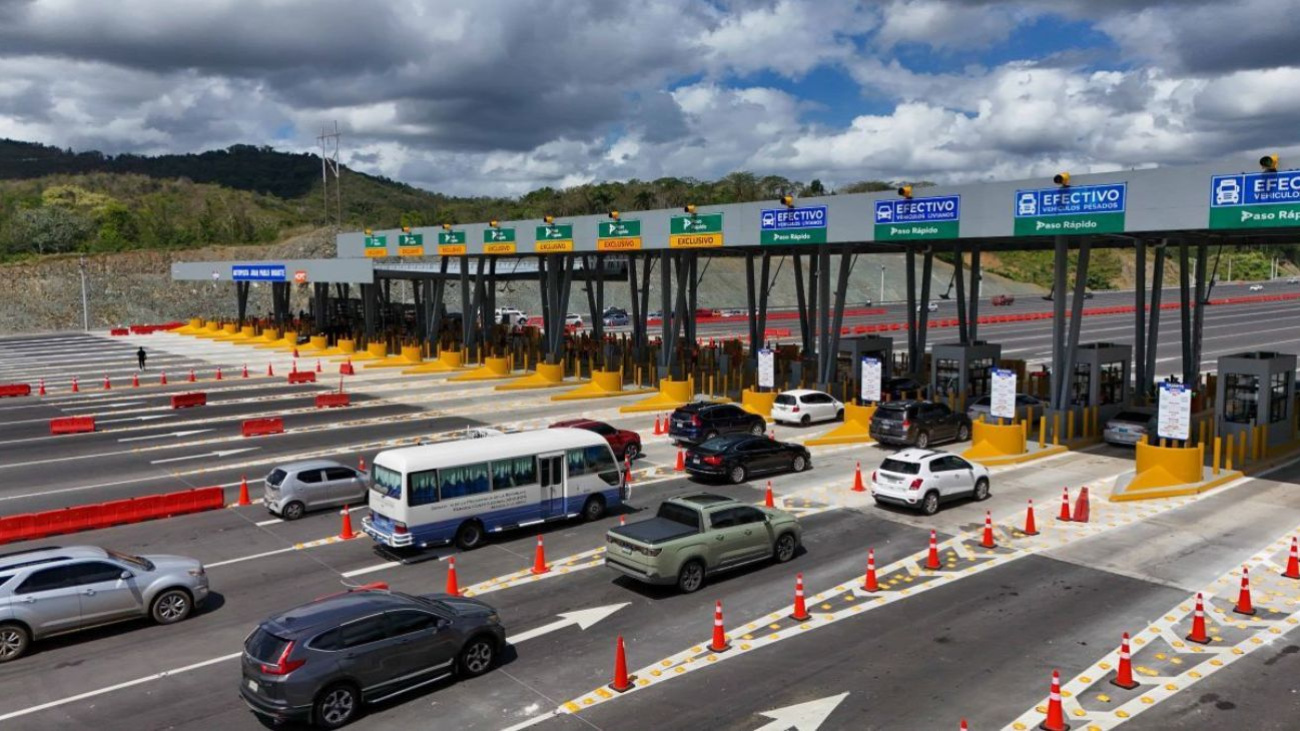
    Santo Domingo – The 2026 Holy Week travel season has cemented its place in Dominican transportation history, after the RD Vial Trust reported a landmark surge in vehicle traffic across all toll roads under its management. From April 1 to April 3 alone, official counts logged 891,601 vehicles passing through toll plazas, marking a dramatic 32.8% jump compared to the same three-day period in 2025. This double-digit growth aligns with a years-long upward trend in domestic mobility across the Dominican Republic’s primary highway network, signaling steadily rising demand for road travel across the country.

    Traffic volumes climbed rapidly in the opening 48 hours of the tracking period, setting the tone for the record-breaking weekend. The first day, Wednesday, saw 357,862 vehicles traverse the network, with volumes climbing even higher to a single-day peak of 366,871 vehicles on Thursday. Combined, these two days already pushed the total to 724,733 vehicles, a figure that outpaced the full three-day totals from every previous Holy Week season. On the third day, Good Friday, national policy waived all toll fees for the holiday, drawing an additional 166,868 vehicles and pushing the final total to the unprecedented historic high.

    RD Vial Trust director Hostos Rizik Lugo explained that the record-breaking traffic flow was managed smoothly thanks to expanded operational capacity rolled out as part of Operation Awareness for Life 2026, a national safety initiative coordinated by the country’s Emergency Operations Center. To prepare for the seasonal travel boom, authorities deployed more than 3,600 trained personnel across 3,200 kilometers of national highways, supported by hundreds of patrol units, ambulances, tow trucks, and mobile maintenance workshops to respond quickly to incidents and keep traffic moving.

    The Paso Rápido electronic toll collection system also emerged as a critical contributor to managing the unprecedented volume, operating across all toll plazas with a 96% operational efficiency rate. The system’s reliable performance cut down on wait times and prevented widespread gridlock, even as traffic volumes far exceeded initial projections. Officials emphasized that the sharp year-over-year increase in traffic is not just a reflection of typical seasonal holiday travel demand. Instead, they noted, it points to a structural, long-term increase in road usage across the country, alongside growing public confidence in the quality and reliability of the Dominican Republic’s national highway infrastructure.

  • Air Force rescues two tourists in emergency evacuation near Pico Duarte

    Air Force rescues two tourists in emergency evacuation near Pico Duarte

    In a display of coordinated emergency response, the Dominican Republic Air Force has pulled off a high-stakes aeromedical evacuation in the rugged terrain near Pico Duarte, successfully extracting two tourists facing life-threatening medical emergencies. The mission was not a solo effort: air force units worked in lockstep with the national Emergency Operations Center and the Directorate of Out-of-Hospital Emergency Services, turning separate institutional capabilities into a unified, effective response that underscores the country’s investment in inter-agency emergency preparedness.

    The rescue operation was launched from a UH1H 3074 military aircraft, with a carefully assembled four-person crew leading the risky mission. At the helm were Captain Pilot Juan Vásquez Ávila and First Lieutenant Pilot Martín Soto Quezada, who navigated the unforgiving mountain topography to reach the stranded tourists. They were backed by Aviation Technical Sergeant Yesther Ciprian Paredes, who managed critical aircraft systems throughout the flight, and aeromedic Second Lieutenant Thomas Camacho Moronta, who provided on-site urgent care to stabilize the injured patients before extraction. Working against challenging geographic conditions that demand extreme precision, the team completed the extraction without further incident, getting the two tourists to care far faster than a ground evacuation could have achieved.

    Once extracted, the patients were flown directly to Professor Juan Bosch Regional Traumatological and Surgical Hospital, a leading facility equipped to handle complex trauma and urgent surgical care, where they immediately began receiving specialized treatment from experienced medical teams. Beyond the successful rescue of two individuals, the operation serves as a public demonstration of the Dominican Republic Air Force’s constant operational readiness. It proves the branch can deploy rapidly and effectively to respond to crises across every region of the country, even in the most hard-to-reach landscapes, protecting both residents and visitors through coordinated, quick action.

  • Autism association strengthens services with new centre

    Autism association strengthens services with new centre

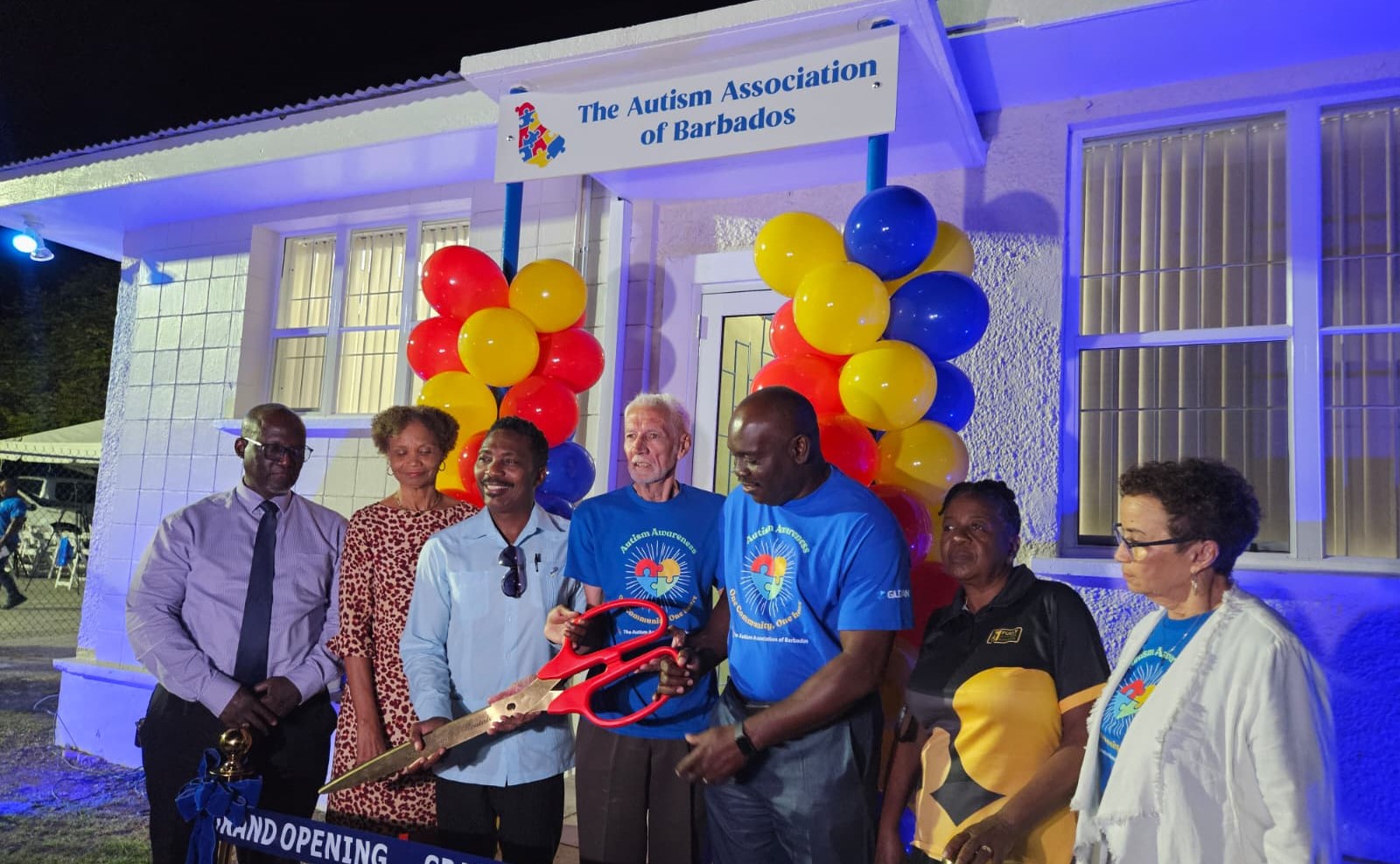
    After more than two decades of operating without a fixed base, the Barbados Autism Association (BAA) has finally opened the doors to its permanent headquarters and training center, marking a transformative milestone for autism support services across the Caribbean nation.

    The new multi-purpose facility, strategically located at the intersection of Dayrells Road and Garrison Road in St. Michael, celebrated its official opening on Thursday evening. Designed to serve dual purposes, the space will house the association’s administrative operations while also functioning as a dedicated life skills training hub, with a core mission of boosting independent living capabilities for autistic people of all ages.

    BAA President Frederick Johnson framed the milestone as the product of 21 years of relentless advocacy, made possible by consistent backing from the national government, community partners, private donors, and autistic people’s families. “This building is far more than concrete and walls. It is a sanctuary where autistic children, teens, and adults can feel safe, seen, and valued for their authentic selves,” Johnson shared in his opening address.

    Johnson emphasized a core shift in the association’s philosophy: autism is a neurodivergence to be understood, not a condition to be corrected. “Our role as a community and as family members is not to change autistic people. It is to build accessible spaces and equip them with the tools they need to contribute fully to society, alongside their loved ones,” he explained. He also acknowledged the longstanding fear shared by many parents of autistic children about their kids’ long-term future, noting that the new facility is the critical first step toward building a more robust system of lifelong care and independent support.

    Minister of People Empowerment and Elder Affairs Adrian Forde called the achievement a national win, forged through years of sustained collaborative advocacy. Echoing Johnson’s framing, Forde noted that autism should never be treated as an inherent limitation, arguing that autistic people can thrive when given the right support systems. “Autism is not a barrier to contribution. When we open the door to equal opportunity, the unique gifts of autistic people will shine through,” he said, reaffirming that access to quality care and support is a fundamental human right for all disabled Barbadians.

    Finance Minister Ryan Straughn added that the new center is part of a wider national policy shift toward integrated, family-centered support for disabled communities. He highlighted the Social Empowerment Agency’s ongoing work to deliver more cohesive, needs-aligned services, and revealed upcoming government plans to develop specialized trusts that will help families secure long-term care for their autistic children, with officials set to work with local stakeholders to finalize the framework in the coming months.

    Roseanne Tudor, Operations Manager of the Barbados Council for the Disabled, walked attendees through the BAA’s 21-year history, from its founding in 2004 through periods of uneven progress and inactivity, to its major revitalization in 2017. Tudor called the new center a testament to the community’s unwavering persistence, noting that “it is far more than a building – it represents stability, it represents new opportunity, and it represents dignity for autistic Barbadians.”

    Even amid the celebration, Tudor urged stakeholders not to mistake progress for completion. “Our work is far from done,” she said, calling for sustained advocacy to embed disability inclusion as a non-negotiable principle across every sector of Barbadian society.

    Looking ahead, the BAA will launch its first life skills pilot programme later this year, serving six autistic adults transitioning out of the formal school system. The programme will focus on building practical, daily living skills to support independent living, with plans to expand access to more participants based on community demand as the association continues scaling its support for autistic people and their families across Barbados.

  • Government moves to reform care system for at-risk youth

    Government moves to reform care system for at-risk youth

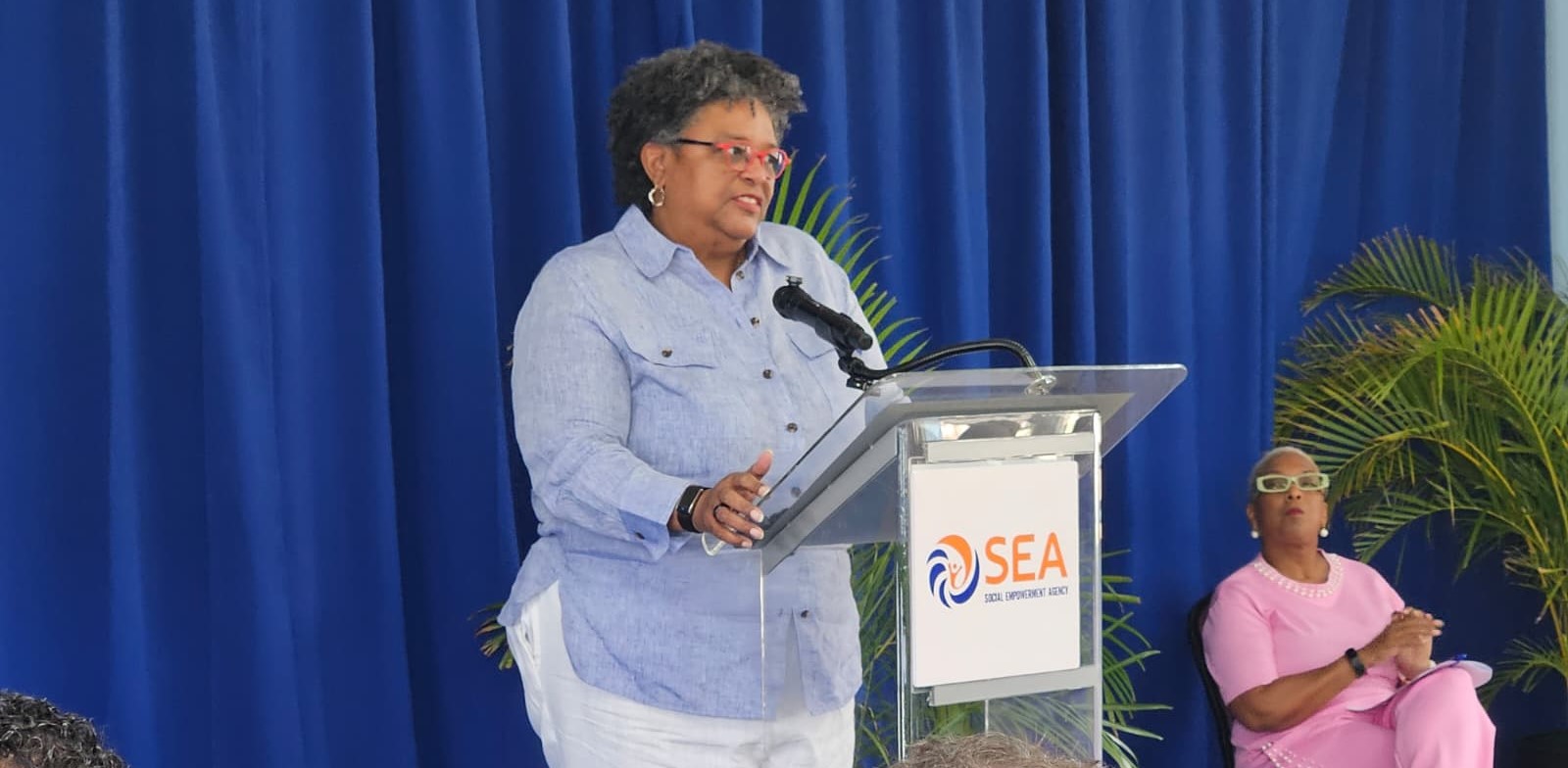
    On Saturday, Barbadian Prime Minister Mia Mottley announced a landmark shift in the nation’s approach to supporting vulnerable youth, moving away from century-old rigid institutional care frameworks in favor of home-like, community-focused residential settings. The announcement came during the official opening of the new Young People’s Village, a 12-to-18-year-old residential facility located in Holders Hill, St. James, a project framed as a cornerstone of the government’s sweeping national childcare system reform.

    Developed through a collaborative partnership between the Barbados Children’s Trust and the country’s Social Empowerment Agency, the new Holders Hill facility is designed to gradually transition young people from the highly structured, institutional environment of the existing Nightingale Children’s Village into a space that prioritizes independent living, practical life skill building, and healthy emotional growth. This transition aligns with the government’s core goal of replacing inflexible institutional care with stable, nurturing environments that better meet the developmental needs of at-risk youth.

    Speaking to facility staff and participating stakeholders, Mottley rejected outdated, rigid approaches to social care, noting that traditional Victorian-era care models have long failed vulnerable populations. “We have a duty, and we don’t want to use a Victorian approach to the delivery of social care services because that didn’t work either,” she stated, emphasizing the government’s commitment to stripping away the impersonal, institutional feel of traditional youth care as much as possible.

    Mottley went on to redefine the role of care staff, explaining that their work extends far beyond routine daily duties to shaping the long-term trajectories of the young people in their care. “You are not just doing a job, you are raising citizens and children to become adults,” she said, stressing that meaningful youth guidance must be rooted in shared values and positive personal example.

    The Prime Minister outlined three overarching national priorities guiding the country’s social policy agenda: cutting systemic poverty, dismantling structural injustice, and expanding life-changing opportunities, with a specific focus on vulnerable children and youth. She also issued a warning against rising culture of entitlement, arguing that individual personal responsibility remains a non-negotiable pillar of sustained national development. “Nobody owes us a living,” Mottley said, urging all Barbadians to take an active, hands-on role in supporting the nation’s young people.

    Echoing the well-known proverb that “it takes a village to raise a child,” Mottley emphasized that youth development and effective parenting require collective effort across communities, calling on local residents to invest time in mentoring and supporting at-risk young people. She also highlighted the urgent need to strengthen conflict resolution skills among youth, linking poor communication and lack of dialogue to rising incidents of violence, and encouraged more open, respectful conversation across age groups.

    While Mottley acknowledged that Barbados maintains one of the highest quality of life rankings in the Caribbean, she cautioned that widespread societal complacency, paired with a lack of shared responsibility for collective well-being, could erode hard-won progress and undermine future growth. The new youth facility is just one component of a broader, nationwide expansion of social care infrastructure that includes new residential and support services for elderly Barbadians and differently-abled adults, all developed through cross-sector partnerships with nonprofits like the Barbados Children’s Trust.

    Mottley stressed that ongoing collaboration between government, the private sector, and civil society is essential to building a resilient, effective social care system. She also noted that the new Young People’s Village incorporates renewable energy infrastructure, including on-site solar installations, as part of broader national efforts to reduce the country’s vulnerability to global energy and economic shocks.

    In additional policy announcements, Mottley disclosed that the Barbadian government has allocated $5 million in funding to faith-based organizations across the country to support local youth programmes and community development initiatives, framing these community-led projects as critical to strengthening grassroots support systems for vulnerable populations.

    Closing her remarks to the young residents of the new facility, Mottley framed the Holders Hill site as more than just a residential centre: it is a second chance and a clear pathway to a more prosperous future. “This is to make you a believer again in the possibilities of life… it is possible to achieve greatness, it is possible to be a good citizen, it is possible to be a good human being,” she told residents.

  • Flood waters affect residents in Amity Hall

    Flood waters affect residents in Amity Hall

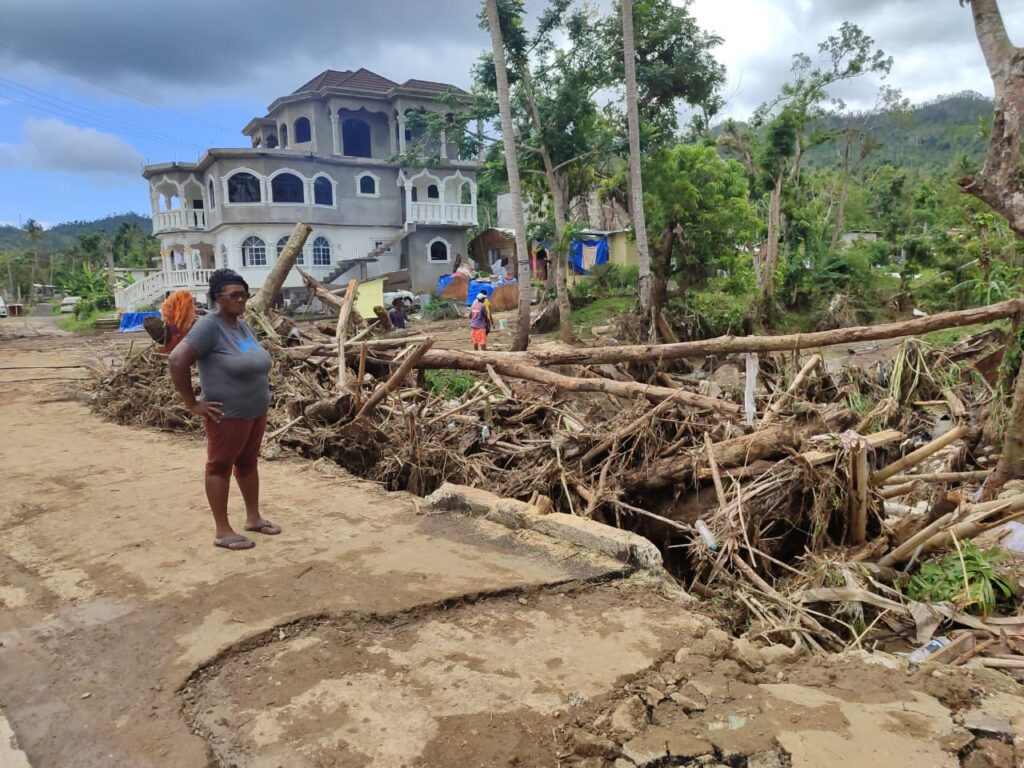
    On Sunday, intense heavy rainfall swept across the parish of St James, Jamaica, unleashing destructive flash floods that left multiple low-lying and river-adjacent communities completely submerged. Among the hardest-hit neighborhoods was Amity Hall in the wider Lottery district, where surging floodwaters forced their way into dozens of residential properties, leaving behind trails of thick mud and scattered debris that have ruined personal belongings and damaged home infrastructure. For local residents, this sudden disaster is far more than an unexpected inconvenience – it is a terrifying replay of the trauma they endured just 10 months ago, when Hurricane Melissa battered the region in October last year. Many families are still in the slow process of rebuilding their lives and homes after that powerful storm, and this new flood has wiped out months of hard-won recovery progress. Local residents have pointed to a blocked section of the Montego River as the root cause of the worst overflow. Fallen tree trunks washed down by the rain and accumulated waste debris have clogged a key stretch of the waterway, preventing normal water flow and forcing the river to burst past its banks and spill into surrounding residential areas. Now, community leaders and local residents are issuing urgent appeals to municipal authorities and disaster management agencies to step in immediately, both to clean up the current damage and clear the blocked river to prevent similar catastrophic flooding from happening again in future rain events.

  • LEGACY OF CARE

    LEGACY OF CARE

    On March 29, the recipients of the newly launched 2026 Legacy of Care Awards were officially announced, with the recognition program held in partnership with the High Commission of Canada — a long-term strategic partner and supporter of the HerFlow Foundation’s mission-driven work across Jamaica.

    The Legacy of Care Award is a central addition to the HerFlow Foundation’s annual Celebrate Her 2026 awards initiative, which was created to shine a long-overdue spotlight on women whose extraordinary community service often flies under the public radar. The event brought together a cross-section of civil society leaders, gender equity advocates, and local community members to celebrate the awardees, whose cumulative efforts have been instrumental in building more connected, stronger and resilient communities across the island nation.

    Unlike many awards that highlight recent achievements, the Legacy of Care Award fills a critical gap in community recognition by specifically honoring decades of sustained service and long-term, transformative impact that has changed local trajectories for the better.

    At the award ceremony, Senator Allan Bernard accepted the honor on behalf of Dr. Janice Johnson-Dias, president of the GrassROOTS Community Foundation, who was selected as one of this year’s recipients. Joining Johnson-Dias as awardees were Michelle “D’Angel” Downer of the Angels Foundation and Joy Crawford from Eve for Life. Also in attendance marking the occasion were Shelly-Ann Weeks, founder of the HerFlow Foundation, and Tanesha Dixon-Gayle, senior political and economic officer at the Canadian High Commission.

  • NO TB OUTBREAK

    NO TB OUTBREAK

    A recent investigation by Jamaica’s Police Civilian Oversight Authority (PCOA) has debunked widespread reports of a major tuberculosis (TB) outbreak at three Corporate Area police detention facilities, contradicting earlier claims that multiple defendants in the high-profile Klansman gang trial linked to the Tesha Miller faction had contracted the disease.

    The initial TB exposure fears created significant disruption to the ongoing trial, leading to early adjournment of proceedings shortly after concerns were first raised during the case’s second court sitting on February 5. Presiding Justice Dale Palmer took the allegations seriously, ordering mandatory medical evaluations for all 25 co-defendants in the matter and approving the transfer of all inmates held at the three facilities flagged for potential exposure to alternative detention sites for the duration of the trial.

    Following the emergence of media reports of a TB “flare-up” on February 6, 2026, PCOA inspection teams carried out two rounds of on-site assessments at the targeted lock-ups: Half-Way-Tree in the St Andrew Central Division, Hunt’s Bay in the St Andrew North Division, and Greater Portmore in the St Catherine South Division, on February 10 and 27 respectively. In an official public statement released Thursday, the authority confirmed its final findings show just one confirmed active TB case across all three facilities, located exclusively at the Hunt’s Bay lock-up.

    PCOA’s investigation cross-checked facility medical logs, which documented that a licensed physician had already initiated treatment for the confirmed case and collected diagnostic samples from five additional inmates for TB testing. Local lock-up staff also reported to investigators that 10 more inmates were being monitored for possible infection, per the statement.

    No evidence of TB transmission or confirmed cases was identified at the Half-Way-Tree facility, the authority confirmed. A full review of the site’s medical records turned up no documentation of TB-related patient consultations, nor any transfers of inmates to external medical providers for respiratory symptom evaluation. At the Greater Portmore lock-up, inspections also found no confirmed TB diagnoses, though medical records note one inmate received care for TB-compatible symptoms, with final test results still pending.

    In a surprising secondary finding, inspectors did document that five inmates across the facilities were being treated for scabies, a contagious parasitic skin condition marked by severe itching and bumpy rashes. The PCOA also noted that Hunt’s Bay correctional staff already had access to sufficient personal protective equipment, including procedural masks, disposable gloves, and hand sanitizer, to mitigate infection risk for frontline personnel.

    Beyond the TB investigation, the inspection once again shone a light on longstanding systemic issues plaguing Jamaican police lock-ups. Two of the three facilities assessed – Hunt’s Bay and Greater Portmore – were found to be operating well above their official designated capacity, with the overcapacity population made up mostly of remand prisoners awaiting trial. The PCOA has instructed local station commanders to implement immediate mitigation measures for overcrowding, and to coordinate with area commanders and court authorities to relocate excess inmates to appropriate facilities.

    This is not the first time the oversight body has raised the alarm about unsafe conditions in Jamaican detention facilities. Last year, a special PCOA audit of five large lock-ups in the Area Four policing region revealed widespread overcapacity alongside major deficiencies including crumbling infrastructure, unresolved safety hazards, and ongoing public health risks. Those findings were published in the authority’s quarterly newsletter. A chicken pox outbreak was also reported at the Hunt’s Bay facility in December of the previous year, highlighting the repeated risk of infectious disease spread in overcrowded settings.

    Established under the Police Civilian Oversight Authority Act of 2005, the organization holds statutory responsibility for regular inspections of police stations, lock-ups and all operational sites run by the Jamaica Constabulary Force. Routine inspections of police custody facilities are built into the authority’s annual work plan, conducted on a recurring basis to monitor conditions for inmates and staff.

  • Families in western Jamaica set to get 200 new homes after Hurricane Melissa

    Families in western Jamaica set to get 200 new homes after Hurricane Melissa

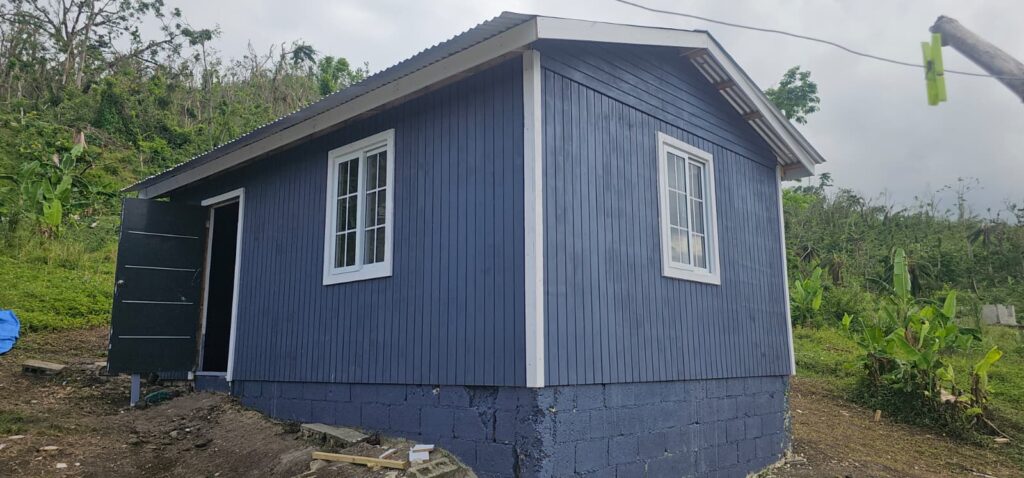
    In the coastal parish of St James, Jamaica, hundreds of families displaced by Hurricane Melissa are finally getting a second chance at stable living, thanks to a collaborative humanitarian initiative that is building 200 permanent two-bedroom homes in Montego Bay.

    Laura Butler, founder and director of strategic partnerships at the BridgePoint Foundation, publicly confirmed the landmark progress of the long-term relief and reconstruction effort this week. The ambitious housing commitment came together through coordinated collaboration between three leading organizations: BridgePoint Foundation, Operation Blessings led by Director Diego Traverso, and WhyNot International, headed by president Felipe Gonzales.

    “This milestone proves just how much we can accomplish when mission-aligned organizations put shared goals above individual interests,” Butler shared in an interview. “From the start, our approach has centered on sustainable recovery. We aren’t just building four walls and a roof—we are helping families rebuild their sense of stability, reclaim their dignity, and renew hope for the future.”

    Each unit carries an estimated price tag of between $6,000 and $8,000 U.S. dollars, a cost structure that organizers say makes the project both highly impactful for recipients and fiscally responsible for donor funding. To date, 20 homes have been fully completed and turned over to families who lost all of their possessions and shelter when Hurricane Melissa made landfall.

    Currently, BridgePoint Foundation maintains close working partnerships with local non-governmental organizations and the Jamaica Defence Force to speed up construction timelines, secure additional material and funding resources, and ensure that the remaining 180 homes are delivered to recipients efficiently and in line with strict quality standards.

    As the project moves through its construction phase, foundation leadership stressed that ongoing support from individual donors, institutional partners and community volunteers remains critical to meeting the 200-home target and building long-term climate resilience for the vulnerable storm-affected communities across St James.

  • ‘I’m no snitch’

    ‘I’m no snitch’

    MONTEGO BAY, St James — A New York man charged with smuggling a large shipment of cannabis into Jamaica via Sangster International Airport has been ordered to pay thousands in fines by the St James Parish Court this Wednesday, closing a high-profile border contraband case that exposes gaps in cross-border cannabis movement amid partial legalization in both the U.S. and the Caribbean nation.

    Shaquel Morales, a resident of Queens, New York, faced four criminal charges: possession of cannabis (ganja), trafficking in ganja, illegal importation of ganja, and making a false declaration on immigration documentation. A separate conspiracy charge was ultimately dropped after prosecutors presented no supporting evidence. Morales was represented by local Jamaican defense attorney Martyn Thomas.

    Court documents and law enforcement reports outline the timeline of the incident, which unfolded around 10:30 a.m. on March 26. Acting on a tip, members of Jamaica’s law enforcement command were waiting in the Customs contraband search area when Morales exited an incoming flight from Miami, Florida, to undergo routine screening by a Jamaica Customs Agency contraband enforcement officer.

    During a preliminary search of Morales’ checked grey hard-shell suitcase, officers detected multiple tightly wrapped packages that field testing confirmed were cannabis. After being formally cautioned that unlicensed cannabis importation is a criminal offense under Jamaican law, Morales was moved to a secured secondary search facility for full evidence processing.

    At the secondary facility, Morales first told investigators he resided in Queens, New York, and provided the name of a local Jamaican hotel as his intended accommodation. When investigators cross-checked the information, they discovered the hotel he named had not operated in Jamaica for a number of years, and Morales could not produce any proof of a reservation. Further review of his mandatory C5 immigration declaration form showed he had listed the same defunct hotel as his Jamaican address, plus an Atlanta, Georgia residential address that did not match the Queens address he provided to officers — flags that confirmed investigators’ suspicions of a false declaration.

    When investigators confronted Morales about the non-existent hotel, he changed his account to claim a cousin would send someone to meet him at the airport, but he refused to provide his cousin’s full name or contact information. When pressed about who the shipment of cannabis was intended for, Morales famously told investigators, “I’m no snitch.” When asked who was scheduled to take him from the airport to his accommodation, he deflected again, responding, “It is mine, why you need to get a cab driver?” After that exchange, Morales declined to answer any additional questioning and invoked his right to have legal counsel present for further interrogation.

    A full forensic search of the suitcase uncovered 12 vacuum-sealed packages of cannabis, totaling approximately 14 pounds of the controlled substance, which were logged into evidence by investigators. Morales was taken into custody and transferred to the Montego Bay Police Station to await processing. During a formal interview on March 28 held with his defense attorney present, Morales entered a plea of not guilty to all charges laid against him.

    In his mitigation argument to the court, defense attorney Martyn Thomas painted Morales as a first-time offender who was misled by his family member. Thomas told the court that Morales traveled to Jamaica for a planned spring break trip, and his cousin — who operates a licensed cannabis dispensary in Jamaica and does business with a second dispensary based in Atlanta — asked Morales to transport the cannabis shipment from Atlanta to Jamaica for sale at the cousin’s dispensary. Thomas argued that Morales believed all required import permits had been secured by his cousin, and he was told clearing Jamaican customs with the cannabis would not present any problems.

    Thomas also addressed the false declaration charge, explaining that Morales completed his electronic C5 declaration mid-flight after realizing he had forgotten to fill it out ahead of time. With no confirmed accommodation arranged (his cousin was supposed to handle that, Thomas said), Morales entered the address of a Jamaican resort he had stayed at during a previous visit, with no intent to actually stay there. It was an impulsive, careless mistake, not a deliberate attempt to deceive, Thomas argued.

    On the claim that Morales entered the customs red channel (for travelers declaring goods), court clerks confirmed there was no record of Morales declaring the cannabis on any of his entry documentation. Thomas further emphasized that his client admitted he made a mistake, had no prior criminal convictions in either the U.S. or Jamaica, and posed no public safety risk to Jamaican communities. He requested the court hand down a non-custodial sentence rather than prison time.

    Before announcing sentencing, Parish Court Judge acknowledged that both the United States and Jamaica allow licensed medical and recreational cannabis dispensaries, but reminded Morales that cross-border importation still requires formal approval, regardless of domestic legal status. The judge also called out Morales’ “I’m no snitch” comment, noting that the phrase is widely associated with organized criminal activity and that Morales could have simply invoked his right to legal counsel instead of making the provocative statement.

    In the final sentencing, the court handed down four cumulative fines: $56,000 Jamaican dollars for possession of ganja (with 30 days prison in default of payment), $112,000 Jamaican dollars for dealing in ganja (30 days default), $112,000 Jamaican dollars for illegal importation of ganja (three months default), and $20,000 Jamaican dollars for making a false declaration (30 days default). The conspiracy charge against Morales was dismissed for lack of evidence.