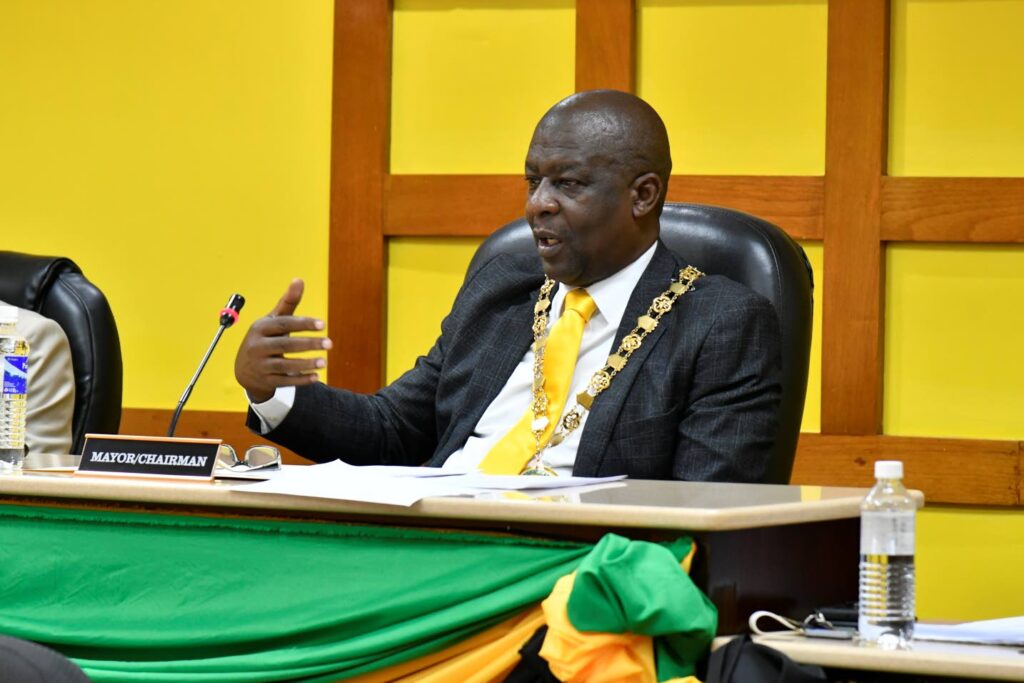
MANDEVILLE, Manchester — Seven months after Category 5 Hurricane Melissa left significant damage across the northern portion of the Jamaican parish of Manchester, local municipal leaders have confirmed that pre-season mitigation work is well underway to ready the region for the 2026 Atlantic hurricane season, which officially kicked off this Monday.
Donovan Mitchell, chairman of the Manchester Municipal Corporation and mayor of Mandeville, shared updates on preparedness efforts in an interview with the Jamaica Observer, emphasizing that the local government has taken a proactive approach to risk reduction ahead of the season’s historically most active late period.
“We know the first two to three months of hurricane season are typically not very active, but activity picks up sharply as we move into the later months. Our goal is to have every measure in place long before a storm threat arrives, so we are fully ready for any outcome,” Mitchell explained. “Right now, Manchester is roughly 80 percent prepared. We are confident we can respond effectively if any storm impacts our parish this year.”
Mitchell recalled that while the municipality had preparation measures in place ahead of last year’s storm, Melissa, which made landfall on October 28, brought unprecedented, unexpected damage that tested local response capacity.
In this year’s preparedness push, the municipal government has prioritized inspecting and repairing emergency public shelters across the parish. Of the original 86 shelters the parish once maintained, 55 are now certified ready for use, while the remaining 31 sustained irreversible or complex damage during Melissa and have not yet been restored. All active shelters now feature accessible ramps to accommodate people with physical disabilities, and a specialized shelter for vulnerable people with mental health conditions will be hosted at Mandeville Primary School, which has been fully retrofitted for this purpose. Administrators are also updating the roster of shelter managers, noting that while some long-serving managers have retired, replacement staff have already been lined up to fill any gaps ahead of a storm event.
The parish’s central warehouse for pre-positioned hurricane relief supplies has also been fully repaired following damage from last year’s storm. Mitchell noted that this storage facility is critical to the local response, as municipal teams act as first responders in the immediate aftermath of a storm. Having emergency supplies on site ensures the parish can support residents even if national government agencies are delayed in reaching Manchester due to widespread damage across other regions of the country.
Later this week, on Thursday, the municipality will host a meeting of its Disaster Preparedness and Mitigation Committee, with all key local disaster response stakeholders invited to attend to align coordination plans ahead of the season. Specialized response equipment is already on standby for rapid deployment if needed.
Funding from the Ministry of Local Government has allowed the parish to ramp up drain cleaning work across Manchester, with a major push scheduled to begin across the parish in June. The municipality has also prioritized repairs to parochial roads, which fall under its jurisdiction (main national roads are managed by the National Works Agency and national government lawmakers).
Currently, repair work is ongoing on Mollison Road near Christiana, which collapsed during last year’s hurricane. Restoring this road is a top priority, as it would cut off access to roughly 1,000 local residents if left unrepaired ahead of the new season. Mitchell added that most other parochial roads are already in good condition, following recently completed repairs on high-traffic routes including McKinley Road, Brumalia Road, Wint Road, and Ward Avenue, all of which are heavily used by motorists traveling to and from Mandeville. Local city councilors are conducting individual assessments of roads in their districts to address any remaining hazards.
The municipality is currently in discussions with Desmond McKenzie, Minister of Local Government and Community Development, to secure additional funding for remaining repair and preparedness projects, and is awaiting a response on further support.
Beyond municipal-led work, Mitchell is calling on local residents to take personal responsibility for maintaining clear drains near their homes after municipal crews complete cleaning. The municipal government enforces a zero-tolerance policy for blocked drains, which are a major cause of preventable flooding during hurricane events. Crews are already conducting inspections of drains that cross private property to address illegal encroachment or blockages, and Mitchell urged residents to avoid dumping plastic, garbage, or other debris in drainage infrastructure.
Mitchell also highlighted specific ongoing risks from roadside garages and active construction sites, where operators frequently dump building materials including sand and marl along road shoulders. Heavy rain can wash these materials into drains, causing widespread blockages. Under the Parochial Roads Act, the municipal council has the authority to set time limits for temporary placement of construction materials on public roads. If operators fail to remove materials after receiving official notice, the council will remove the materials at the operator’s expense. The mayor also issued a warning for residents to remove derelict vehicles that block drainage pathways, particularly along roads used for informal garages, noting that unclaimed vehicles will be removed by the council ahead of the storm season.