分类: society

  • BLA expanding fully online services to cut wait times

    BLA expanding fully online services to cut wait times

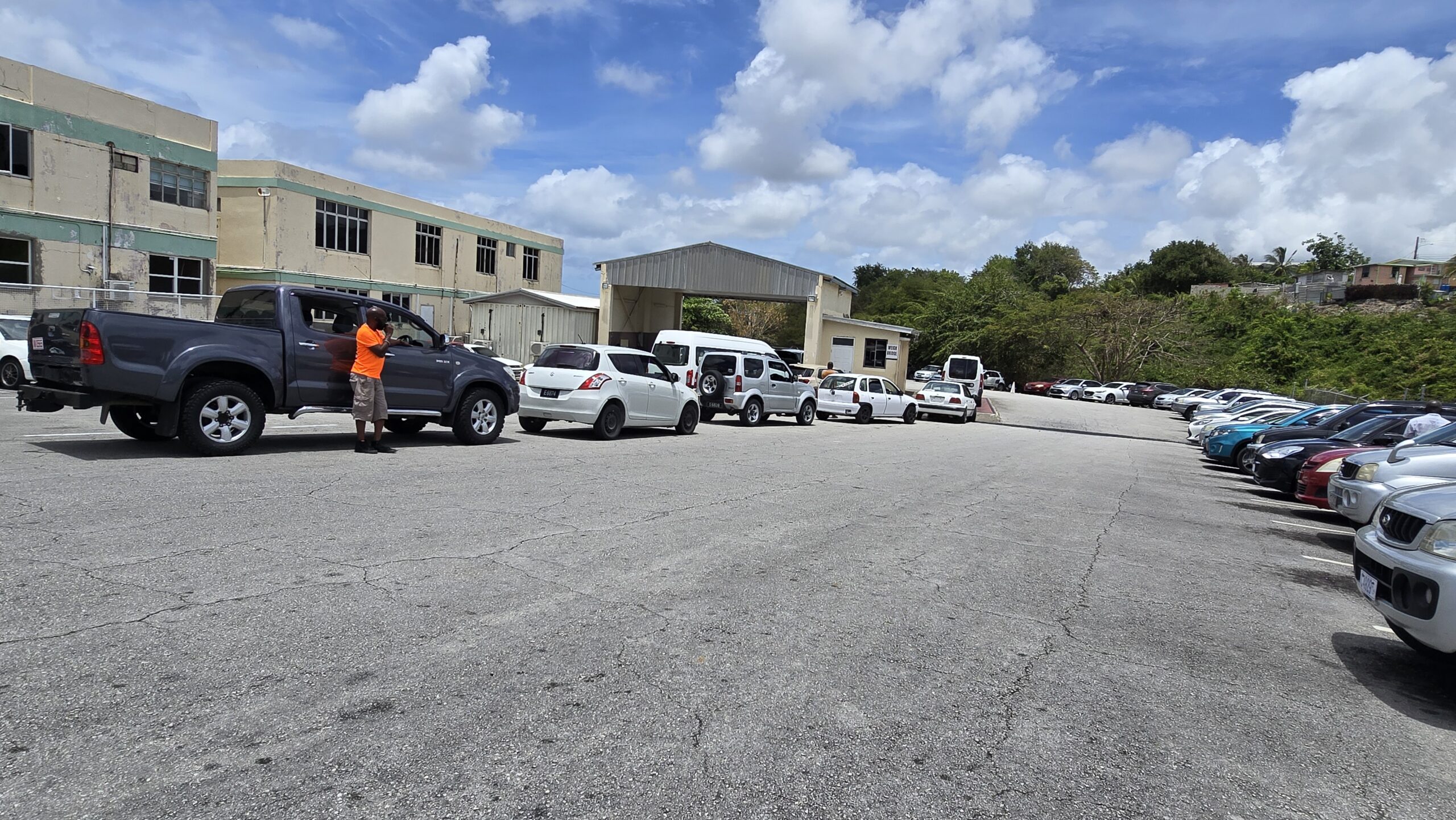
    Drivers and vehicle fleet operators across Barbados are set for a major reduction in bureaucratic red tape, after the island’s top licensing official announced a sweeping rollout of fully digital vehicle registration and end-to-end online payment services for all authority offerings. Chief Licensing Officer Treca McCarthy Broomes made the announcement Thursday, responding to longstanding public complaints about extended wait times at the BLA’s busy Pine, St. Michael location.

    McCarthy Broomes confirmed that the full digital shift for vehicle registration is already on the authority’s 2024 work plan, marking one of the most significant updates to Barbados’ vehicle licensing system in recent years. The digital overhaul will extend far beyond first-time or renewal vehicle registration, she added: nearly all transactional services offered by the BLA will move to online payment portals, including fees for weight certificates, mandatory vehicle inspections, road worthiness certifications, and driver’s license processing.

    The rollout of one key digital offering – digital driver’s licenses – is already live, the chief officer confirmed, just one week after her initial public announcement of the program. Currently, drivers can visit the official BLA.gov.bb website to complete driver’s license transactions from start to finish: this includes first-time license applications, as well as renewals for drivers aged 16 through 84. The new online system also includes an automatic reminder feature to alert drivers of upcoming renewal deadlines, eliminating a common source of missed deadlines and late fees.

    To support the expanded digital service lineup, the BLA is working in partnership with the Ministry of Innovation, Science and Technology to upgrade its official website and backend digital infrastructure. Crucially, the shift to digital services will not phase out in-person service for Barbadians who prefer face-to-face interactions, McCarthy Broomes emphasized. The authority will maintain a dual service model, giving customers the flexibility to complete their transactions either in person at a local branch or fully online according to their personal preference.

    Despite the streamlined online process, McCarthy Broomes stressed that rigorous identity and documentation verification will remain a non-negotiable core requirement for all registration and licensing transactions. Before any application is finalized, BLA staff will conduct thorough cross-checks to confirm applicant identity, verify vehicle ownership, cross-reference customs documentation for imported vehicles, confirm that all fee payments are accurate, and rule out issues such as stolen vehicle claims.

    This mandatory validation step is applied uniformly across all BLA branch locations, including the high-volume Pine office, even as minor procedural variations exist between sites. The ongoing digital upgrades and consistent verification protocols are part of the authority’s broader push to boost public accountability, cut wait times, and improve overall service delivery for all Barbadian motorists.


  • Officials report over 200 new appointments in teaching positions over past year, challenge salary disparity

    Officials report over 200 new appointments in teaching positions over past year, challenge salary disparity

    At the 18th Biennial Convention of the Dominica Association of Teachers (DAT) held Wednesday, Ministry of Education Permanent Secretary Robert Guiste announced a historic milestone for the island nation’s education workforce: more than 200 educators have been granted permanent employment contracts over the 2024-2025 academic year.

    For decades, Guiste noted, the job security and professional standing of Dominica’s teachers failed to align with the outsized impact of their work to shape the nation’s future. The Ministry of Education has prioritized correcting this imbalance, he said, making deliberate, significant progress to formalize and stabilize educators’ career trajectories across the country.

    “We have moved decisively to create permanent appointments for qualified educators across numerous critical roles,” Guiste told convention attendees. “Today, I can confirm that we have secured permanent roles for all deputy and assistant principals, most heads of department, and the majority of senior graduate teachers, senior qualified teachers, graduate teachers, and qualified teachers across the system.”

    He emphasized that the 200+ permanent appointments issued in the last academic year represent the largest single batch of permanent hires across Dominica’s entire public service. The ministry is also moving forward with a full reclassification of roles for primary school educators, adding deputy principal positions where needed and updating rankings for graduate and senior qualified teacher posts. Guiste shared that ministry leadership has already held collaborative discussions with the teachers’ union to move this reclassification process forward.

    Beyond primary education, the ministry is working to formalize positions in the Early Childhood Development sector, which currently relies entirely on contracted educators. The long-term goal is to integrate early childhood education fully into the mainstream public education system, bringing permanent job security to educators in that critical segment.

    Guiste stressed that this push for permanent appointments is far more than a routine administrative adjustment. For educators, permanent status delivers more than steady employment: it unlocks access to full employment benefits, pension-eligible service, and above all, professional dignity. “It means you can plan your future, plan your family’s future and your career without the cloud of uncertainty hanging over you,” he said. The ministry has also addressed the unstable employment status of educators working on temporary program-based contracts, he added.

    While welcoming the progress on permanent appointments for public school teachers, newly re-elected DAT President Mervin Alexander drew attention to a lingering equity gap that undermines fairness and unity across the teaching profession: the divide between directly employed government teachers and educators working at government-assisted private institutions.

    Alexander questioned why educators and principals at government-assisted private schools earn consistently lower salaries than their counterparts at directly operated public schools, despite carrying identical responsibilities teaching Dominican students and serving the national education mission. “Aren’t we all teaching children of the Commonwealth of Dominica? Aren’t we all serving the same nation? Aren’t we all carrying the same responsibilities? If that is so, why the disparity? Why?” he asked.

    Alexander argued that the current pay gap is unfair to educators in assisted institutions. While the government provides some funding support to these schools, he noted, that support has not closed the salary gap, and the DAT remains unsatisfied with the status quo. “Fairness matters, and this is an issue we must confront to unify our profession,” he added.

  • Church leaders back call for ‘month of prayer, action’

    Church leaders back call for ‘month of prayer, action’

    Amid a deepening wave of violent crime that has left 18 people murdered across Barbados in the first months of the year, senior Christian leaders across the island have launched a coordinated call for a national Month of Prayer in April, paired with urgent demands for targeted social action to address the root causes of the country’s growing insecurity.

    The latest killing, which came at the close of the four-day Easter holiday weekend, broke a period of relative calm and renewed public urgency around the crisis, prompting faith leaders to formally announce their collective response on Thursday. At the forefront of the initiative is Reverend David Durant, founder and senior pastor of Restoration Ministries, who has called on all Barbadian citizens to set aside five minutes for focused prayer three times daily—at 6 a.m., 12 noon, and 6 p.m.—throughout the month of April. The campaign will culminate in a large national interfaith gathering at Golden Square Freedom Park on April 23, designed to bring communities together in a collective moment of reflection and spiritual renewal.

    In outlining the motivation for the campaign, Durant argued that the current crime surge is rooted in a rapid erosion of shared moral values across Barbadian society. “Let us come together as citizens of Barbados, seize this moment, and turn it into a time of national repentance by calling upon Almighty God, seeking spiritual renewal, and embracing hope,” he said. He noted that persistent violent crime has left residents of high-risk neighborhoods trapped in cycles of fear, hopelessness, and daily uncertainty, tracing much of the instability to a widespread turn away from faith in favor of self-serving individualism.

    Reverend Durant called for divine intervention to purge communities of the forces driving violence: “We pray for God’s intervention to remove spirits of crime, violence, murder, illegal guns, and dangerous mind-altering narcotics from our communities, and to spread His peace across the nation. We pray for Almighty God to guard our island, shield and protect our families and our youths, and to ensure the safety and peace of our parishes and communities.”

    While fully supporting the call for national prayer, other prominent faith leaders emphasized that spiritual action alone cannot resolve Barbados’ crime crisis, and stressed the need for concrete, practical reforms to address systemic drivers of violence. Reverend Dr Cicely Athill-Horsford, a leader of the Moravian Church, voiced clear outrage at the ongoing loss of life, pointing to the prevalence of reckless, indiscriminate violence that often claims innocent bystanders as victims.

    She highlighted the urgent need for accessible, non-violent conflict resolution support, particularly for young people who often turn to deadly weapons to settle disputes. “There must be some place where we can help people to resolve conflict rather than resolving it with a gun. We needed to find a way to help these persons, in particular young people, to resolve their conflicts other than picking up a gun and shooting,” she said, warning that cycles of revenge killing have amplified the island’s murder rate.

    “It is important that we help persons to understand that life is precious and sacred, and they cannot just go around taking people’s lives, and sometimes some of them are innocent people, like one that would exit from a car, see a crowd of people, and fire indiscriminately. That we cannot live with,” Athill-Horsford said. “Just calling for a day of prayer is good, but what else? As religious leaders, we have to say our outrage, not quietly go and say we are saying prayers for the nation only, but loudly demonstrate that enough is enough.”

    Pastor Anthony Hall, president of the East Caribbean Conference of Seventh-day Adventists, echoed this perspective, outlining a multi-pronged strategy that combines spiritual action with targeted social interventions. Hall identified unaddressed parenting gaps as a foundational contributor to youth involvement in crime, noting that many caregivers lack the resources and training to raise children effectively, especially for boys growing up in high-need communities.

    Alongside parenting support, Hall named systemic poverty and widespread substance abuse as two other core drivers of criminal activity. “We also have to do what we can to alleviate poverty, because some people turn to crime because of poverty. A third step would be combating the scourge of drug usage, because many authorities are claiming that drug usage and drug-related situations are fueling criminal behaviour,” he explained.

    Hall proposed a whole-of-society response that brings together all relevant social agencies to tackle the interconnected challenges: “Prayer; parenting intervention, training and nurturing of parents; poverty alleviation; and addressing the scourge of drug usage and drug-related issues. These are the things that are fueling the bad behaviour, the deviant behaviour, and all social agencies have to be engaged in order to solve that. It is not a quick fix.”

    He emphasized that prayer can only deliver lasting change when paired with intentional action to reform individual behavior and structural social inequities. “Prayer alone wouldn’t do it. It needs to be something actively done in practical means. You can pray for people, but if people do not take upon themselves the value system to correct stuff in their lives, prayer may not be efficacious because people’s choices at the end of the day is what will carry them.”

  • Lashley has plans to honour Pinelands’ outstanding athletes

    Lashley has plans to honour Pinelands’ outstanding athletes

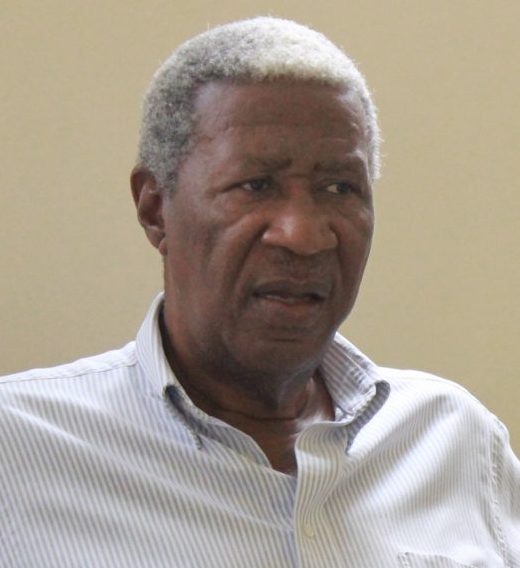
    A decades-old unfair negative reputation of the Pinelands neighborhood in St Michael, Barbados, is being targeted for reform through a community-led initiative focused on celebrating the area’s outsized contributions to local sports. Hamilton Lashley, a well-known community activist and former Member of Parliament, is heading up a special committee that is turning the spotlight on the talented athletes and administrators who have called Pinelands home, while working to rewrite the community’s harmful narrative.

    Lashley, speaking in an exclusive interview with Barbados TODAY, explained that the campaign builds on decades of work by local organizers who have long used sports as a tool to reshape public perception of Pinelands. The effort traces its urgency back to a damaging phrase coined by a former judge generations ago: “P for Perry, P for Pine and P for Prison.” This offhand comment cemented a widespread unfair stigma that has clung to the community, even as it produced dozens of standout sporting figures who have shaped Barbadian athletics at every level.

    At the core of the committee’s plans is the creation of the Pinelands Community Hall of Fame, which will induct local sports icons who have left a lasting mark on both their neighborhood and the broader national sporting landscape. The first figure slated for honors is Rawle Clarke, a beloved former national athlete and sports administrator who resided in Pinelands’ Regent Hill neighborhood and passed away in 2023. To honor Clarke’s decades of work organizing everything from community-level competitions to Barbados’ National Industrial Games and Senior Games, the committee is launching the Rawle Clarke Memorial Community Athletic Meet. The one-day event will bring together residents from Pinelands, St Barnabas and other surrounding neighborhoods, as well as local schools from the St Michael East constituency, to celebrate Clarke’s legacy and unite the broader local community.

    The committee has also submitted a formal proposal to Barbados’ National Sports Council to rename the public pasture adjacent to Parkinson Memorial School in honor of the Forde brothers — Ivan, Colin, and Mark Forde — all three of whom are alumni of the school and have had transformative impacts on Barbadian football at local, regional, and international levels. Ivan “Speed” Forde is a legendary former player and longstanding popular football commentator, Colin “Potato” Forde enjoyed a career as a national team player before moving into coaching, and Mark “Bob” Forde is one of Barbados’ most prominent FIFA-certified referees, with a decades-long tenure as an administrator for the Barbados Football Association. All three are still active in their 50s and 60s, and Lashley says their contributions deserve permanent public recognition.

    As the government moves forward with plans to develop new mini-stadia across the island and install new lighting at the Pinelands pasture, the committee hopes the renaming ceremony can coincide with the inaugural Rawle Clarke Memorial Athletic Meet for a major combined celebration. The initiative does not stop there: Lashley’s committee also plans to rename the hard court adjacent to the main playing field to honor outstanding Pinelands netball players, turning the day into a broad rebranding event that centers the community’s positive contributions.

    The ultimate goal of the entire project, Lashley emphasized, is to lift up the Pinelands community, celebrate the deep sporting legacy its residents have built, and finally erase the unfair stigma that has defined the neighborhood for far too long.

  • Thieves Undo 10 Years of Hard Work in Two Hours, Leaving Small Business Owner Devastated

    Thieves Undo 10 Years of Hard Work in Two Hours, Leaving Small Business Owner Devastated

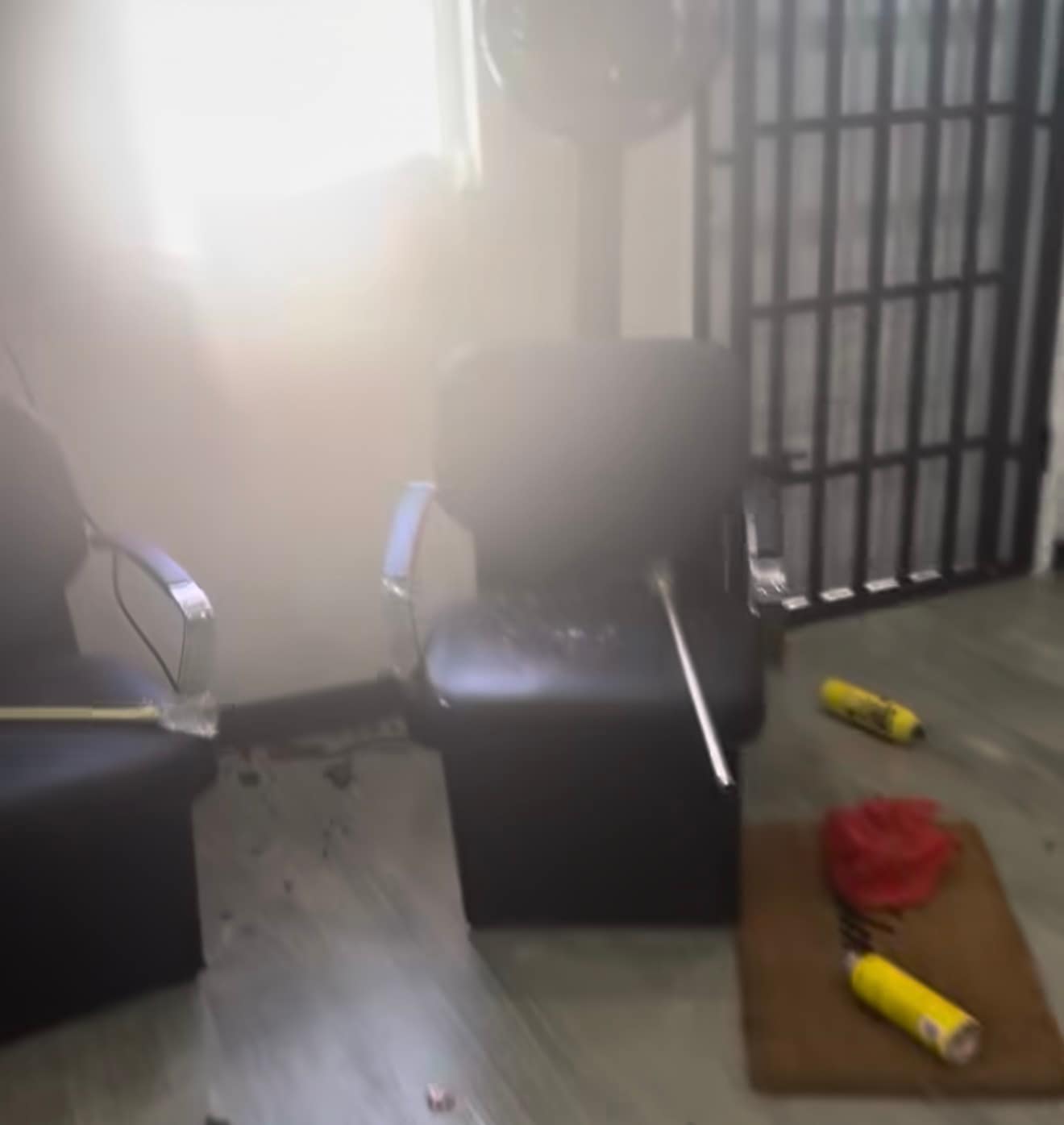
    For small business owners, years of relentless effort can be undone in a single window of vulnerability. That harsh reality hit local entrepreneur Tamisha Paul earlier this week, when burglars broke into her hair business space and stole critical assets in just two hours, wiping out a decade of hard-won progress in one shocking strike. Paul, who spent 10 years carefully building her brand from the ground up, shared that the break-in did far more than cause immediate financial damage. Beyond the tangible losses, the incident has left her navigating severe emotional distress, watching years of personal sacrifice and late nights put her entire livelihood at risk overnight. Among the property stolen were custom wigs and the core salon tools she relies on every single day to serve her clients and generate income. Without this equipment, she cannot operate her business normally, leaving her income stream uncertain as she works to assess the damage and recover what was taken. In a heartfelt, urgent public appeal, Paul called on local community members to stay alert for any suspicious activity related to her stolen goods. She asked that anyone who spots individuals attempting to sell wigs or professional salon equipment matching the description of her stolen property reach out either to her directly or to local law enforcement immediately. The entrepreneur also issued a direct message to the thieves responsible, making clear that investigations are already ongoing to identify the perpetrators and recover all stolen property. This incident shines a sharp light on a widespread, often overlooked challenge facing small independent business owners around the world. Unlike large corporate operations that can absorb sudden losses with insurance or backup resources, most small entrepreneurs pour every spare resource, year of their time, and piece of their personal energy into growing their ventures, leaving them with little safety net when crisis strikes. For Paul, this theft is not just a loss of inventory or equipment—it is a major blow to a dream she built one customer, one wig, one service at a time over 10 years. As the community rallys around her, she remains focused on tracking down her property and holding those responsible accountable, even as she processes the devastating impact of the break-in on her decade of work.

  • Prescod calls for rethink of Holetown Festival

    Prescod calls for rethink of Holetown Festival

    For nearly five decades, Barbados’ annual Holetown Festival has stood as a cornerstone of the island’s national calendar, drawing visitors and locals each February to mark the 1627 arrival of the first English settlement at the site of Holetown. But a senior Barbadian official is now pressing for a sweeping re-evaluation of the iconic event, arguing that its current framing erases critical layers of the nation’s history and sidelined the grassroots communities that gave the festival its origin.

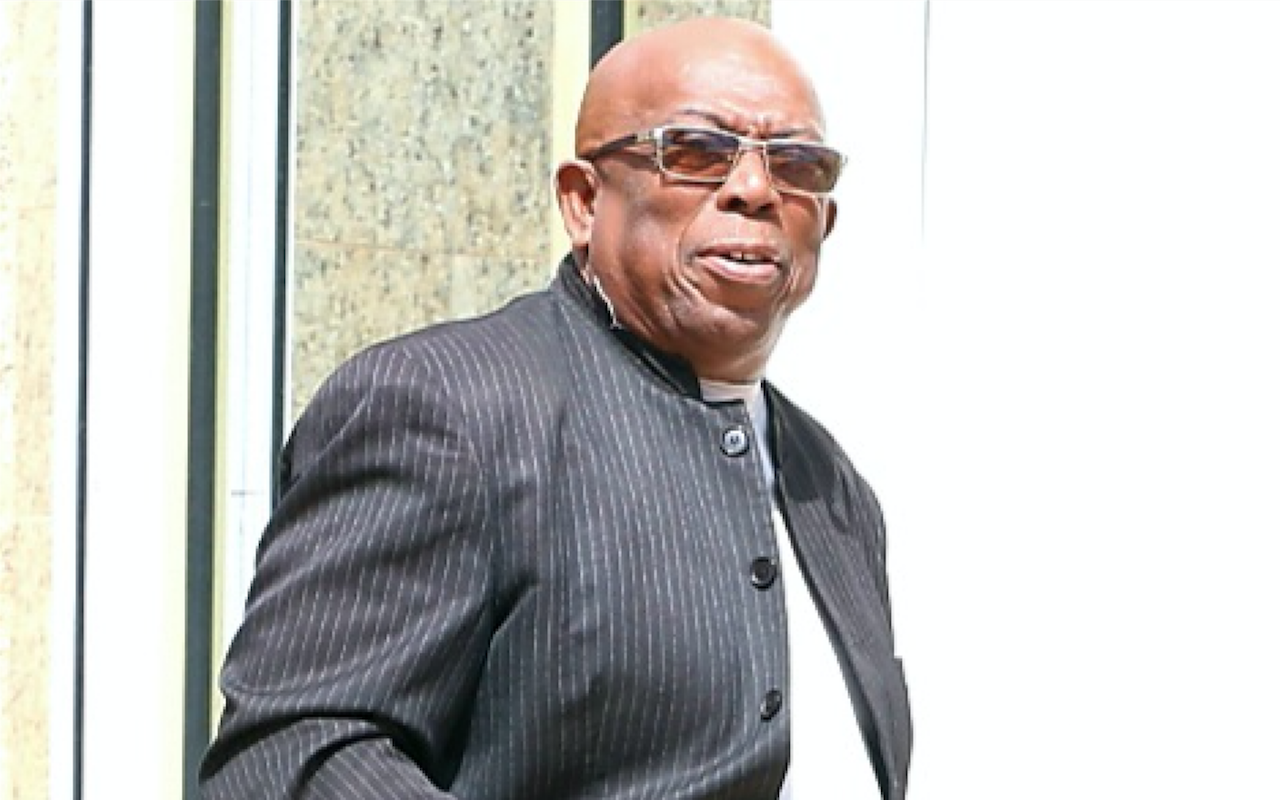
    Trevor Prescod, Barbados’ Minister for Pan-African Affairs and Heritage, laid out his concerns in detailed remarks during a recent cultural heritage workshop, followed by an interview with local outlet Barbados TODAY. Prescod told attendees he has long questioned the narrow narrative the festival currently centers on, which frames the event exclusively around the 17th-century English settlement of Holetown.

    Founded in 1977 by the late broadcaster Alfred Pragnell, former St James parliamentarian Keith Simmons, and the Trents Northern Youth Group, the eight-day celebration blends cultural education activities, street parties, and formal ceremonial events. But Prescod argues that the core narrative of the festival leaves out a vital, often overlooked part of the 1627 arrival: it was not only English people who landed on Barbadian shores that year. “The ships that arrived had African people too, whether enslaved or not enslaved,” he explained, adding that a modern, inclusive festival must reflect this full historical reality instead of relying on a restrictive, incomplete reading of the past.

    Beyond the historical narrative, Prescod also raised sharp concerns about shifting priorities that have pushed community involvement to the margins in favor of commercial gain and tourism growth. He noted that in recent years, the festival’s focus has increasingly centered on drawing large visitor crowds and generating profit, rather than centering the participation of ordinary Barbadians. Much of the organized participation, he claimed, is now driven by state-led structures, while local community members face barriers to accessing space to take part in the event.

    Prescod also called out the growing influence of the local hotel industry, which he says has come to monopolize festival space and shape the event’s experience at the expense of public access. “The hotels kind of monopolize the space, but you got to keep the festival in the road and then you got to keep it on the interior,” he said. “Why hotels become so important?”

    To remedy these issues, Prescod is pushing for broad reforms that would return the Holetown Festival to its community-rooted origins. He argued that regulators should widen access to stall space for all interested participants once basic health and safety requirements are met, creating more room for ordinary Barbadians to claim ownership of the national event. “You want a people’s festival… everybody got to get stall space,” he said. While he acknowledged that some level of regulation is necessary to keep the event running smoothly, Prescod emphasized that the festival must remain rooted in full national inclusion and community participation, calling for opening the event to the entire country to enjoy on equal footing. Additionally, he pushed for the inclusion of working people who have long been central to Holetown’s identity, noting that a evolved festival cannot leave out fishermen and other ordinary residents who form the backbone of the local community.

  • Mervin Alexander re-elected as president of Dominica Association of Teachers

    Mervin Alexander re-elected as president of Dominica Association of Teachers

    Mervin Alexander has won a fourth straight term as President of the Dominica Association of Teachers (DAT), following voting conducted during the organization’s 18th Biennial Convention. The three-day gathering wrapped up its election proceedings on Wednesday at the St. Alphonsus Parish Hall, bringing together educators from across the island to chart the union’s next two-year course and select new leadership.

    This year’s convention centered on a theme that highlights the critical role of education professionals in national progress: “Teachers: The Foundation For National Development-Value Us.” The messaging underscores widespread advocacy among Dominican educators for greater recognition of their contributions to the country’s long-term growth and social stability.

    Alongside Alexander’s re-election, the convention finalized the full roster of DAT’s new executive committee that will guide the union through 2028. Julian L Benjamin takes on the role of First Vice President, while Carla Douglas will serve as Second Vice President. Francis JnoLewis retains the position of General Secretary, with Nara Winston stepping in as Assistant General Secretary. Kathleen Cornelius was elected Treasurer, and Jerry Coipel will support her as Assistant Treasurer. Juanita Carbon will fill the role of Public Relations Officer, and Catherine Robinson and Gezel Mondesire-Charles have been named Trustees of the organization.

    As the leading professional body for teachers in Dominica, DAT advocates for improved working conditions, competitive compensation, and professional development opportunities for its members, while also partnering with the national government to advance education policy reforms across the country. Alexander’s fourth consecutive term signals broad member confidence in his leadership to continue advancing those priorities in the years ahead.

  • GOB Rolls Out Education Plan with $300 Million Budget Commitment

    GOB Rolls Out Education Plan with $300 Million Budget Commitment

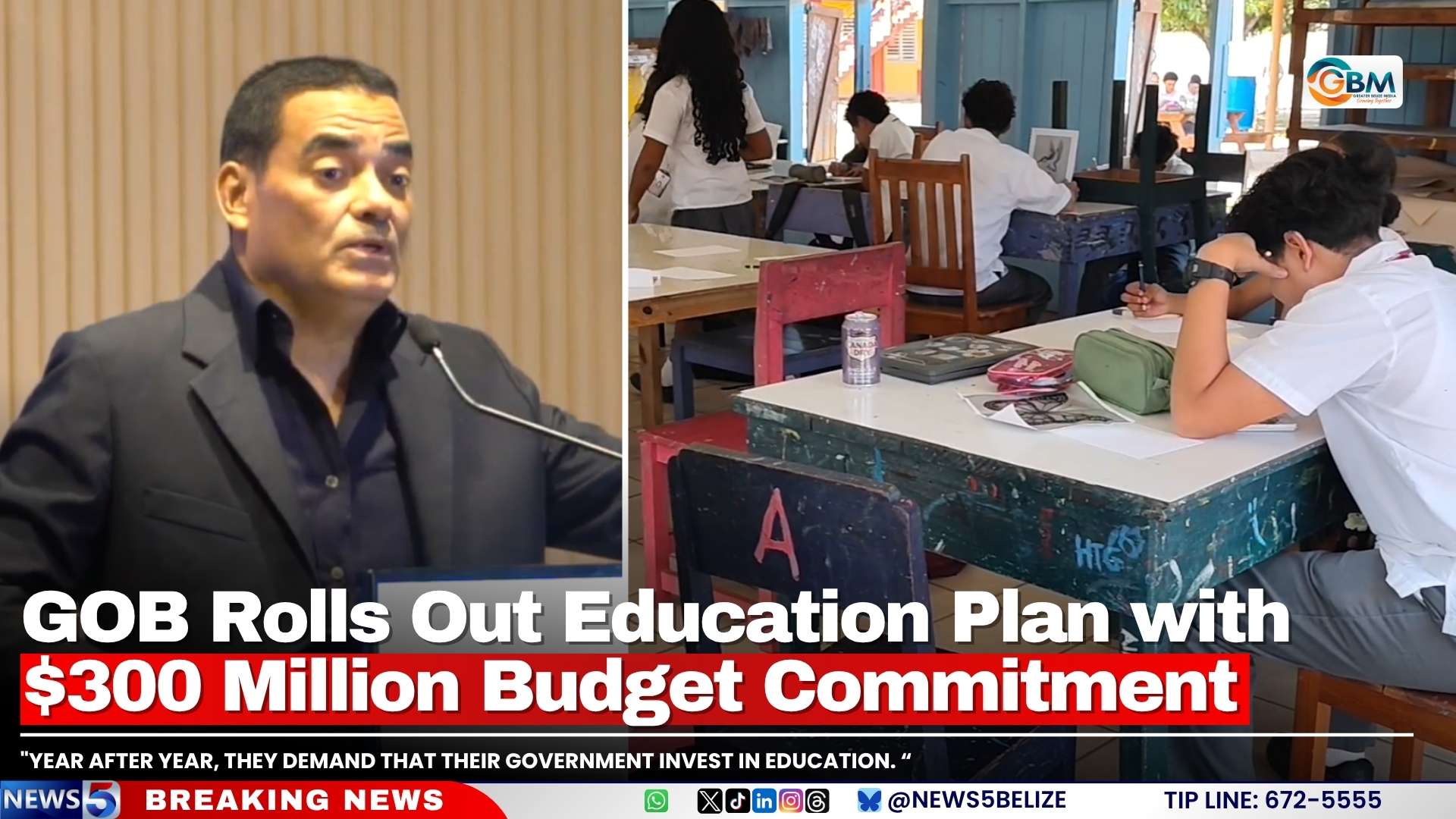
    As the 2026 fiscal year kicks off, Belize’s Ministry of Education, Culture, Science and Technology has officially unveiled its ambitious Education Sector Plan 2.0, a four-year initiative designed to reshape learning outcomes across the entire education spectrum—from primary campuses to tertiary institutions, running from 2026 through 2030. Backing the far-reaching reforms is a $300 million budget allocation earmarked specifically for the education sector in the government’s latest national spending plan, cementing the country’s long-held dedication to advancing learning opportunities for all Belizeans.

    At the official launch ceremony, Education Minister Francis Fonseca emphasized that the substantial budget commitment aligns with the priorities of the Belizean public, who have consistently pushed for greater governmental investment in education. “The Belizean people have always attached great importance to education,” Fonseca told attendees. “Year after year, they demand that their government invest in education. So we have a proud history in this country of investing in education.”

    Crucially, Fonseca noted that financial resourcing alone is not sufficient to deliver meaningful change. Echoing widespread public scrutiny of public spending, he pointed out that questions around the real impact of education investment on both the schooling system and broader national development are not just valid—they are essential to holding policymakers accountable. “We have often asked, quite rightly… What impact is this investment having on our education system, on the development of our country? These are questions that are important,” he said.

    The new four-year plan builds directly on the framework of its 2021–2025 predecessor, which the ministry credits with guiding the education sector through the widespread disruptions caused by the COVID-19 pandemic. Building on that foundation, Plan 2.0 includes three key, immediate priorities: extending free education coverage to more learners, integrating greater digital and technological resources into everyday classrooms, and carrying out much-needed structural upgrades to school facilities across the country.

    Fonseca laid out five core objectives that anchor the entire plan, with equitable access and successful program completion at every education level topping the list. “We want to make sure that when our students enter the education system, they don’t only access it, but they complete it successfully,” he explained. Reaffirming the plan’s commitment to closing geographic and socioeconomic gaps, he added: “Every child in this country, every student in this country, wherever they live, Belize City or in the most remote rural communities of our country, should have equal access to quality education.”

  • Geen gastekort, nieuwe lading cilinders verwacht in mei

    Geen gastekort, nieuwe lading cilinders verwacht in mei

    Published on April 9 at 14:15, a recent update from Surinamese gas provider OGANE has clarified ongoing supply concerns that have sparked consumer complaints in recent weeks. The subsidiary of N.V. Energiebedrijven Suriname (EBS) confirmed Wednesday that the country currently faces no shortage of cooking gas, with production and distribution operations running at normal capacity.

    In response to rising consumer demand that has put mild pressure on supply chains in recent weeks, OGANE has already stepped up its daily production output to keep pace. The company also emphasized that all authorized gas sales points across the country receive daily restocks, ensuring that consumers are able to access the gas they need without disruption.

    The only ongoing challenge identified by the firm is a temporary shortage of new empty gas cylinders, a gap that has triggered widespread complaints from households that need to replace old or damaged units. OGANE moved to reassure the public that this bottleneck will be resolved next month, when a new bulk shipment of empty cylinders is scheduled to arrive in Suriname. Once the shipment comes in, stock levels will return to normal and the shortage will be eliminated.

    For consumers looking to locate their nearest authorized OGANE reseller, a full, updated directory of all sales points is available on the official EBS website.

  • 21-year-old charged in Conway homicide

    21-year-old charged in Conway homicide

    A weeks-long homicide investigation in Saint Lucia has resulted in a second murder charge being laid against a 21-year-old man in the killing of 29-year-old Michael Zacchaeus Charlery, who was fatally shot in the Conway neighborhood of Castries last March.

    According to an official announcement released by the Royal Saint Lucia Police Force (RSLPF) on April 9, 2026, Jeanclaude Regobert was formally processed on April 7 on charges of both murder and attempted murder connected to the shooting. He becomes the second individual to face criminal charges over the incident; 35-year-old Bertwin Eugene was first arrested and arraigned on the same pair of charges on March 31, 2026, shortly after the killing.

    Both Regobert and Eugene appeared for bail hearings at the First District Court following their arrests. Following the proceedings, both suspects were denied bail and remanded into custody at the Bordelais Correctional Facility to await further legal action.

    The timeline of the incident dates back to the evening of March 18, when first responders from the Saint Lucia Fire Service arrived at the Conway scene to find Charlery suffering from multiple gunshot wounds. Emergency personnel transported him to the Owen King European Union Hospital for urgent care, but he was pronounced dead by attending medical staff shortly after arrival.

    As the investigation into the circumstances of Charlery’s death remains ongoing, the RSLPF is calling on members of the public with any relevant information about the shooting to come forward to assist with the case. Tips can be submitted directly to the RSLPF Major Crimes Unit by calling 456-3754. Those who wish to remain anonymous can share information via the dedicated Crime Hotline at 555, or through the official RSLPF Crime Hotline mobile application, which is currently available for download on the Google Play Store.