分类: society

  • Kenyatta Benjamin to Be Arraigned June 30 in Fatal Andre Simon Crash Case

    Kenyatta Benjamin to Be Arraigned June 30 in Fatal Andre Simon Crash Case

    Nearly two years after a devastating Mother’s Day road collision claimed the life of elite national cyclist Andre Simon, the man charged in connection with the fatal crash is set to make his next court appearance for formal arraignment next month. Kenyatta Benjamin, a resident of Hatton, appeared before High Court Justice Ann Marie Smith this Monday, where the judicial schedule for the next procedural step was officially set. On June 30, Benjamin will formally answer the charge of dangerous driving brought against him, which stems from the 2022 incident that left Simon critically injured and ultimately dead. If Benjamin enters a plea of not guilty during the upcoming arraignment, court officials will move forward with setting a date for a full public trial.

    The tragic incident unfolded in May 2022 along the Sir George Walter Highway, during a scheduled training ride for a group of four competitive cyclists. Prosecutors’ case rests on the allegation that Benjamin’s vehicle collided with all four cyclists who were on the road that day. The cyclists involved were Andre Simon, Sean Weathered, Ghere Coates, and Tiziano Rosignoli, all of whom were rushed to a local medical facility immediately after the crash for emergency care.

    Three of the four riders — Weathered, Coates, and Rosignoli — eventually made full recoveries from their injuries and were released from care within a short period. Simon, however, was not as fortunate. The 36-year-old competitor, who left behind one child, suffered catastrophic, life-altering damage in the impact, including severe traumatic brain injury and life-threatening internal bleeding. He spent multiple weeks in the Intensive Care Unit at the Sir Lester Bird Medical Centre as medical teams worked to stabilize his condition. Due to the severity of his injuries, Simon was airlifted to the TIRR Memorial Hermann specialized trauma care facility in Houston, Texas on July 2, 2022, to access advanced treatment that was not available locally.

    Despite months of intensive medical intervention in the United States, Simon succumbed to his injuries roughly 13 months after the initial collision, becoming the fatal fatality of the crash. Now, after nearly two years of procedural progress, Benjamin is scheduled to return to the High Court for his long-awaited arraignment on the charge connected to Simon’s death.


  • Ministry of Equity, Cacoa Sainte Lucie honour 20 Canaries fathers

    Ministry of Equity, Cacoa Sainte Lucie honour 20 Canaries fathers

    In a heartfelt Father’s Day celebration centered on unsung community contributions, a Saint Lucian government department has highlighted the critical role fathers play in family and societal development by recognizing 20 committed men from the Canaries region.

    The special recognition event was a collaborative effort between the Community Services Unit under the Department of Equity, Social Justice, Gender and Older Persons, and Cacoa Sainte Lucie, a prominent local chocolate producer based in Belvedere Canaries. Unlike generic Father’s Day observances, this initiative intentionally spotlighted working-class fathers from diverse everyday professions, including fishermen, small-scale farmers, bus drivers, and other laborers who form the backbone of local communities.

    Each of the 20 honored fathers left the celebration with a curated gift box of handcrafted local chocolate, and all attendees were treated to a complimentary three-course Father’s Day lunch, fully sponsored by partnering company Cacoa Sainte Lucie.

    Lyncia Antoine, social transformation officer covering the Anse La Raye and Canaries districts, explained that the event was designed to draw attention to contributions that frequently go unacknowledged. Too often, the consistent, tireless work of fathers and male community role models flies under the radar, she noted, making targeted recognition a necessary priority.

    “This initiative is about showing appreciation to the men who work tirelessly to support their families and contribute to the development of their communities,” Antoine stated in remarks during the event. “Fathers play a vital role in building strong families and vibrant communities, and it is important that we take the time to celebrate their efforts.”

    Department officials emphasized that the gathering reflects the Ministry of Equity’s core commitment to fostering connected, resilient communities, strengthening family structures, and centering inclusive recognition for all groups within Saint Lucian society. Beyond a single day of celebration, the event also reinforces the widespread, foundational impact fathers have on shaping the fabric of the island nation’s social development.

    The Ministry of Equity extended formal gratitude to Cacoa Sainte Lucie for its partnership and sponsorship, noting that the company’s support turned the initiative into a meaningful, memorable experience for the fathers who were nominated for the honor.

  • Man acquitted of crash that killed police officer

    Man acquitted of crash that killed police officer

    A 39-year-old Bahamian man has been cleared of vehicular manslaughter charges connected to the 2024 death of Inspector Tomas McIntosh, a serving police officer whose posthumous organ donation saved multiple lives and sparked a national conversation on end-of-life giving in The Bahamas. The 7-to-1 not-guilty verdict delivered before Justice Renae McKay saw Raymond Rolle, the defendant, walk free from court yesterday, with visible relief marking his reaction to the verdict.

    The tragic chain of events began on January 31, 2024, when 33-year-old Inspector McIntosh was conducting a routine traffic stop on the Sir Milo Butler Highway. Prosecutors had claimed that Rolle, who was operating a garbage truck at the time, struck the officer, leaving him with catastrophic, life-ending injuries. Following the collision, medical teams confirmed McIntosh was brain dead, and his family made the difficult, compassionate decision to honor his legacy by consenting to donate his usable organs.

    In the moments before McIntosh was transported to the operating room for organ procurement, the community gathered for an emotional Hero’s Walk at Doctor’s Hospital, the facility where he received care. Grieving relatives, uniformed police colleagues, and hospital medical staff lined the facility’s hallway to pay their final respects: family members wept, serving officers saluted their fallen comrade, and the crowd joined in a rendition of “The Wind Beneath My Wings” as McIntosh’s processional moved through the building.

    Speaking to McIntosh’s character in the wake of his death, Deputy Police Commissioner Leamond Deleveaux emphasized that organ donation aligned perfectly with the officer’s lifelong values. “He’s always been a caring person who always looked out for others,” Deleveaux noted. “He went beyond the call of duty of looking out for his colleagues and anyone he came into contact with so he would not have any issue” with the decision to donate.

    Medical leaders across The Bahamas have framed McIntosh’s donation as a milestone for organ donation efforts in the country. Medical teams confirmed that the donation would save the lives of multiple patients waiting for transplants. Dr. Sheena Antonio-Collie, chief medical officer at Doctor’s Hospital, used the moment to encourage other families facing similar end-of-life circumstances to consider organ donation, noting that it not only transforms the lives of recipients but also reduces reliance on costly long-term treatments such as kidney dialysis. Dr. Rhea Thurston-Carroll, a specialist in kidney transplantation, added that McIntosh’s case has provided momentum for expanding national transplant programming, with a goal of building a robust registry that includes both living and deceased donors.

    Rolle was represented in court by defense attorneys Tai Pinder and Lilnique Murphy-Grant, while the prosecution was led by Kalnan Kelly and Erica Duncombe.

  • Viral gas station worker overcomes physical disability

    Viral gas station worker overcomes physical disability

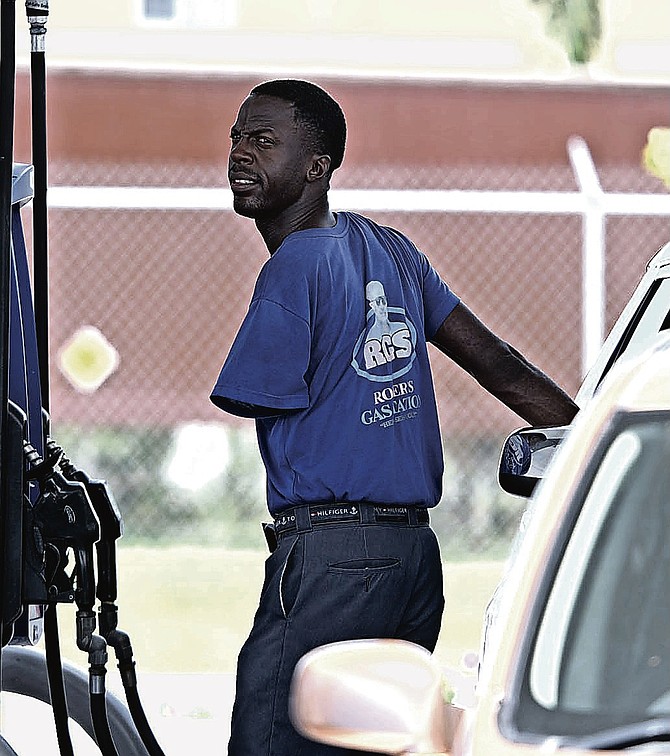
    For 29-year-old Francent Yoth, life has never handed him an easy path. Born with a congenital limb difference that left him with only one functional arm, he has spent his entire adulthood carving out stability through relentless hard work, bouncing between entry-level roles since graduating high school. Today, he serves customers daily as a pump attendant at Roker’s Gas Station, located on Nassau’s Faith Avenue in The Bahamas.

    Last week, a candid photo of Yoth going about his shift captured the hearts of social media users across the region, quickly going viral. Thousands of commenters flooded the original post to praise his quiet resilience, friendly customer service, and unwavering commitment to earning an honest living.

    When a Tribune reporter visited the gas station earlier this week, Yoth moved efficiently between fuel pumps, greeting every customer with a warm smile. At first glance, he blends seamlessly into the rhythm of the busy refueling stop, just like any other member of the local workforce. It is only when he turns that the empty pinned sleeve on his right shoulder reveals the lifelong set of challenges he has learned to overcome.

    Born in Haiti, Yoth relocated to The Bahamas with his family when he was 8 years old, entering a new school system already grappling with how to navigate being visibly different from societal norms. While most new students only worried about making friends, Yoth learned early how to respond to insensitive comments and bullying from peers.

    A graduate of CC Sweeting Senior High School, Yoth described his school years as a mix of highs and lows. “Like every place, you meet people who are kind,” he shared, noting that other peers often chose to make unkind remarks about his disability. He credits his close friends and supportive teachers for stepping in to defend him from bullies during those formative years.

    After graduating high school, Yoth held a string of entry-level jobs, including a role at a local auto parts retail shop. Over the years, he has faced repeated employment discrimination, with multiple employers turning him away based on his disability. Rather than growing bitter, Yoth chooses to focus on the employers who saw his determination instead of his difference. “I’ve had people that give me the job due to my determination and their compassion of seeing me trying to persevere,” he explained. “They were kind enough to give me a chance to do better for myself.”

    Yoth landed his current role in December 2025, after a close friend sent him an email alerting him to the open position. Today, he counts daily interaction with customers as one of his favorite parts of the job, and says many regulars have gone out of their way to encourage him. He calls last week’s unexpected viral social media attention one of the biggest highlights of his career.

    “It’s a positive thing to see yourself out there — not putting yourself out there, but someone saw me and they were compassionate and thoughtful to write something positive,” he said. “I didn’t know the person but thank God that they saw me doing my job, and they wrote it about me. The thing about social media, it can make or break you, and this time it turned into something good.”

    For other disabled people struggling to secure stable employment, Yoth has a simple message: every job comes with hurdles, and the hard work will pay off eventually. He urged people facing similar barriers to stay encouraged, emphasizing that “there is light at the end of the tunnel.”

    For Yoth, his disability has shaped his perspective rather than defined his potential. “There’s beauty in diversity, so in some ways, it helped me to persevere more because of my disability,” he said. “Some days I feel like, what if I had been born with two hands. But I can’t change it, that’s the way God intended for it to be done. So, I have to get through life.” He closed by expressing deep gratitude to the management of Roker’s Gas Station for trusting him with the role and giving him the opportunity to build a better life for himself.

  • Family of Abaco man missing two weeks appeal to the public for help

    Family of Abaco man missing two weeks appeal to the public for help

    For nearly a month, the relatives of a missing Abaco native have turned to the local community and social media for answers, after the 60-something truck driver vanished without a trace following a routine workday. Jean Honoret, an experienced truck driver in his early 60s, was last spotted on June 9, when he checked in for his scheduled shift but never made it back to his residence, according to close family members.

    Wilfred Toussaint, Honoret’s cousin who has shared an unusually close bond with him for years, described their daily routine of checking in with one another, multiple times a day in most cases. The pair spoke the day before Honoret disappeared, and Toussaint said nothing seemed off or alarming during their casual conversation, which unfolded just like any other. “We live like brothers,” Toussaint shared in an interview. “Every morning we check in, ask how the other is doing, what’s going on. We even crack a few jokes. By 5:30 every day, one of us always calls the other to make sure everything is okay.”

    It was that broken routine that first raised Toussaint’s alarm: when he did not hear from Honoret at their usual time the next day, he knew something was wrong. Toussaint, who currently resides in New Providence, told reporters he has no clear idea what could have happened to his cousin. “I don’t know if he’s still alive, or if someone hurt him. I really don’t have any answers,” he said, but added that the entire family is still clinging to hope that Honoret will be found safe.

    As the search drags on without official updates, local residents have taken to sharing posts across social media platforms, asking anyone with even small scraps of information about Honoret’s whereabouts to come forward. Toussaint also shared one key detail that has added to the family’s uncertainty: he later learned that a woman who claims Honoret owes her money showed up at his home looking for him shortly after he went missing.

    Toussaint confirmed he is making plans to travel to Abaco in the coming days to join the search for answers personally. When contacted by The Tribune, Chief Superintendent Michael Thurston, the top-ranking police official overseeing Abaco, confirmed that as of the outlet’s latest inquiry, Honoret’s family had not yet filed an official missing person report with local law enforcement.

  • Comments

    Comments

    Amid growing public calls for greater transparency around convicted sex offenders in The Bahamas, the leader of the country’s leading anti-violence advocacy organization is pushing back against opening the national Sexual Offenders Register to general public access, warning that such a move in this small island nation would backfire, fuel violent vigilante action, undermine official monitoring efforts, and ultimately fail to deliver on its core goal of protecting children.

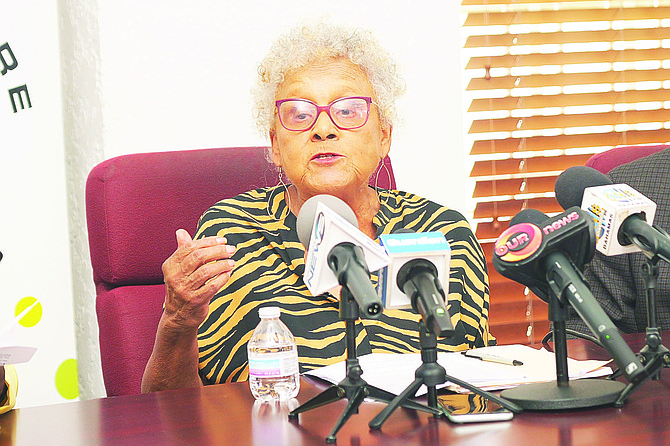
    Sandra Dean-Patterson, director of the Crisis Centre – one of the earliest and most vocal supporters of creating the registry – made her position clear in new comments responding to a recent public incident that reignited debate over access rules. The debate flared after an Eyewitness News report featured a local mother who claimed a convicted paedophile was targeting her 10-year-old child. The mother said she had reported her concerns to police, only to be told that officers could not take action because she had not caught the suspect acting illegally.

    Dean-Patterson emphasized that her organization has long advocated for the creation of a formal sexual offenders registry, driven by alarming rises in reported child sexual abuse and exploitation across The Bahamas. The Crisis Centre’s core priority, she said, has always been to gain clear insight into the scope of child victimization and build a structured framework to address the crisis. Established under the 2014 Sexual Offenders Amendment Act and officially brought into force in July 2019, the registry represented a long-sought policy win for the advocacy group. In 2022, the government advanced the system further by digitizing records, launching a dedicated access kiosk at the Wulff Road Police Station, and activating a fully staffed management unit within the Bahamas Department of Correctional Services, which has overseen the registry since July 2021. Under current rules, all offenders sentenced after the 2019 enforcement date are required to register their residential address within 72 hours of release, and notify authorities immediately of any changes of address or travel lasting more than seven days.

    Despite the Crisis Centre’s full support for the registry itself, Dean-Patterson said the organization remains firmly opposed to opening the database to the general public. She stressed that The Bahamas’ small population and geographic size sets it apart from larger nations with public registries such as the United States and the United Kingdom, where public identification does not always produce the desired protective outcomes. Instead, access should be strictly limited to official agencies with a direct mandate for child protection and offender monitoring: the national police force, social services, and the correctional and prison system.

    Drawing on case studies from larger jurisdictions, Dean-Patterson noted that public access has repeatedly led to unintended harmful consequences. In parts of the U.S. such as Miami, for example, strict residency restrictions barring registered sex offenders from living near schools, parks, and other public spaces have pushed offenders into unregulated, isolated areas that make consistent monitoring far harder for authorities. Dean-Patterson also highlighted that vigilante violence and retaliation against offenders are well-documented outcomes of public registries in other countries, outcomes that she said would disrupt rehabilitation and monitoring work in The Bahamas. National Security Minister Wayne Munroe echoed this risk in 2022, noting that courts in some jurisdictions have removed offenders from registries entirely when public retaliation has been documented, eroding the system’s overall effectiveness.

    Under the current restricted model, Dean-Patterson explained, the burden of monitoring released offenders falls directly to trained, mandated officials, who are tasked with implementing appropriate public safety measures as soon as an offender is released from custody. She acknowledged, however, that this framework relies on one critical factor: public trust in the government agencies tasked with managing the system. Dean-Patterson admitted that public confidence in the ability of authorities to protect children from repeat offenders is not as strong as it needs to be, and that the debate over access rules will need to continue as the country works to address child sexual violence. She ended by reaffirming the Crisis Centre’s unwavering opposition to all forms of child violation, saying the organization will remain vocal and firm in its commitment to ending child abuse across the archipelago.

  • Police disperse ANPA protest with tear gas near National Palace

    Police disperse ANPA protest with tear gas near National Palace

    On Wednesday in Santo Domingo, a peaceful demonstration organized by agricultural workers seeking improved working conditions for the nation’s rural sector ended in chaos when the Dominican National Police deployed tear gas to break up the crowd before it reached the National Palace.

    The mobilization was coordinated by the National Association of Agricultural Professionals (ANPA), which had planned a deliberate, orderly route starting at Independence Park and ending at the seat of government to deliver their demands to national authorities. What was intended as a peaceful expression of long-unmet grievances was cut short when security forces intervened with chemical irritants, scattering the assembled crowd before it could complete its journey.

    ANPA’s members have spent years pushing for three core changes: meaningful salary increases, enhanced pension benefits, and updated labor protections that reflect the critical contribution agricultural professionals make to the Dominican economy. Association leaders say none of these long-standing requests have received a formal, adequate response from the government. During the police intervention, Tito Hernández, the president of ANPA, was directly exposed to tear gas, requiring emergency assistance from fellow demonstrators before being transported to a local medical facility for evaluation and care.

    Protest participants voiced deep anger and alarm over the law enforcement response, noting that a large share of ANPA’s membership consists of veteran professionals, many of whom are over the age of 60 and live with pre-existing chronic health conditions. For this vulnerable group, exposure to tear gas poses far more severe health risks than it would for younger demonstrators. Organizers also emphasized that they had properly notified the Ministry of Interior and Police of the march’s route and peaceful intent ahead of time, maintaining that Dominican law only requires notification rather than formal government permission for public demonstrations.

    Despite the aggressive police response and Wednesday’s disruption, ANPA leaders have made clear their campaign is far from over. The association has warned that protests will resume in the coming days, and could ramp up in intensity if the government continues to ignore their demands. Leaders stressed that they are fully prepared to hold daily mobilizations across the country if that is what it takes to secure long-overdue improvements for agricultural professionals nationwide.

  • Dominican Republic to have more seniors than children by 2050, ONE projects

    Dominican Republic to have more seniors than children by 2050, ONE projects

    New long-term demographic projections released by the Dominican Republic’s National Statistics Office (ONE) paint a clear picture of sweeping population transformation underway in the Caribbean nation, driven by rising life expectancy, plummeting birth rates, and rapid population aging over the coming decades.

    Developed in partnership with the Latin American and Caribbean Demographic Centre (CELADE), which provided specialized technical support for the analysis, the projections outline dramatic shifts in key demographic indicators through the end of the 21st century. According to the study, average life expectancy at birth is on track to jump from 75.7 years in 2026 to 91.5 years by 2100, a gain of more than 15 years that reflects improvements in public health, medical care, and quality of life across the country.

    At the same time, fertility rates will remain well below the 2.1 replacement level required to sustain a stable population without immigration. The report projects that the average number of children per woman will fall from 1.97 in 2026 to roughly 1.7 in the coming decades, a decline that will reshape the country’s age structure dramatically. The national average age is expected to climb from 32.9 years in 2026 to 51.6 years by 2100, making the Dominican Republic’s population one of the oldest in the Latin American and Caribbean region by the end of the century.

    One of the most notable milestones highlighted in the analysis is set to arrive mid-century: by 2050, the Dominican Republic will record more residents aged 65 and older than people under 15, marking the first time this demographic shift has occurred in the nation’s history. The share of seniors in the total population is projected to triple over the next 77 years, rising from 9% today to 17% in 2050 and hitting 36% by 2100. Meanwhile, the proportion of children and young adolescents will continue a steady decline that has been underway for the past two decades.

    Total population size will follow a different trajectory: growth is expected to continue through the 2070s, when the national population will hit a peak before entering a gradual decline that brings it down to roughly 11.9 million inhabitants by 2100. Beyond the core trends of aging and falling fertility, the projections also point to other positive demographic shifts, including a continued drop in adolescent fertility rates and slowing overall population growth.

    Notably, the analysis identifies an ongoing “demographic window of opportunity” that will remain open through roughly 2065, driven by a relatively low dependency ratio – the proportion of non-working age residents that working-age populations must support. ONE officials emphasized that the new projections are far more than an academic exercise: the data will serve as a critical foundation for shaping long-term public policy across sectors, from healthcare and pension systems to housing and education, as the country prepares to address the far-reaching economic and social impacts of its rapidly aging population.

  • Dominicans among 13 sentenced for international dog-fighting ring in Colombia

    Dominicans among 13 sentenced for international dog-fighting ring in Colombia

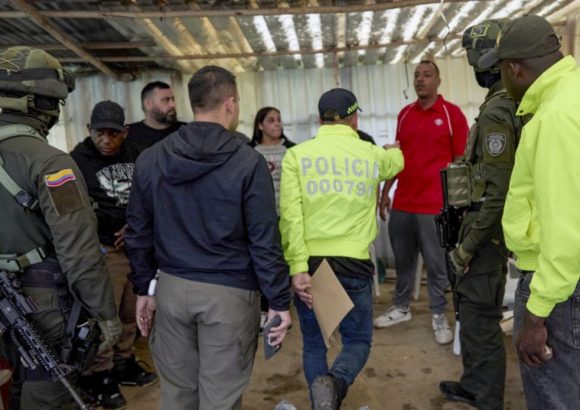
    Colombian law enforcement officials have announced significant convictions in a high-profile cross-border animal cruelty case, with 13 people — including foreign citizens from the Dominican Republic, Ecuador and Venezuela — sentenced to more than two years in federal prison for orchestrating and participating in an unauthorized international dog-fighting tournament on a private farm outside Bogotá.

    Officials from Colombia’s Attorney General’s Office confirmed that all defendants have formally pled guilty to charges of aggravated animal abuse, which includes the intentional killing of animals and infliction of severe bodily harm carried out for financial profit. Investigative records show the brutal event was held on March 14 at a secluded rural estate in the municipality of La Calera, where organizers had pre-constructed a purpose-built fighting ring and set up a dedicated spectator zone complete with food and beverage concessions for paying attendees.

    When law enforcement executed a raid on the property following an anonymous tip, officers recovered the bodies of two dogs that had died from extreme traumatic injuries consistent with dog fighting, and safely removed 12 additional live canines from the site. A post-rescue veterinary assessment found six of the surviving animals suffered lasting physical and psychological trauma linked to long-term abuse and repeated forced participation in organized fights.

    Prosecutors detailed that nine foreign nationals, a majority of whom were from the Dominican Republic, provided the bulk of funding for the event and traveled specifically to Colombia to attend the illegal tournament. Four Colombian citizens were also convicted alongside their foreign co-conspirators, including the ring’s suspected primary organizer and a local veterinarian who facilitated the operation.

    Each defendant received an identical custodial sentence of 31 months and 15 days, ordered to pay a collective fine totaling nearly 50 million Colombian pesos, equal to roughly $14,500 USD, and received a permanent ban on owning or caring for any animals that remains in effect for the full duration of their prison sentences. The convictions mark one of the first high-profile applications of Colombia’s strict new 2025 animal welfare legislation, known as the Ángel Law, which formally banned all organized animal fighting across the country and dramatically increased criminal penalties for all forms of animal cruelty and abuse.

  • Dominican Ministry of Women calls for helpline information in violence reports

    Dominican Ministry of Women calls for helpline information in violence reports

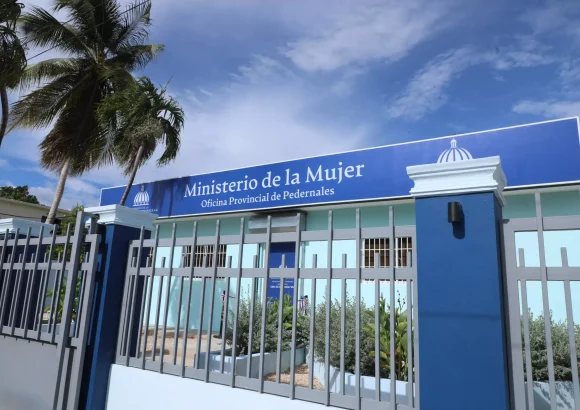
    In a new push to combat gender-based violence, domestic abuse, and femicide across the Dominican Republic, the national Ministry of Women has issued a formal call for all domestic media outlets to embed critical helpline information and support service details into every piece of coverage related to these violent incidents. The initiative frames the inclusion of this information as a core life-saving strategy that extends far beyond basic public awareness.

    Ministry officials argue that traditional journalistic practice, which typically focuses on documenting violent events after they occur, misses a key opportunity to support at-risk people and victims who are actively seeking escape from abusive situations. To address this gap, the institution is urging all forms of gender-based violence related content—from breaking news reports and investigative features to press briefings and broadcast interviews—to prominently display contact information for national support channels that are available to people in need across every region of the country.

    Three core support services have been highlighted for inclusion in media coverage. The first is the Ministry of Women’s own 212 helpline, which operates around the clock to provide free psychological support, legal guidance, and personalized counseling for people affected by abuse. For situations where victims face immediate, life-threatening danger, media are asked to direct audiences to the National Emergency and Security System 9-1-1, which can dispatch rapid intervention. The third key resource is the Public Ministry’s 211 Life Line, a dedicated service that accepts formal complaints of gender-based violence and connects complainants with ongoing assistance throughout the legal and support process.

    Authorities reaffirmed that the Dominican media holds a uniquely powerful social role in addressing violence against women: beyond informing the general public about the scope of the crisis, news organizations can act as a critical bridge between vulnerable people and the life-saving protection services they need to exit abusive situations. The Ministry also extended public gratitude to journalists and media organizations across the country that have already partnered with the initiative, and reiterated its long-term commitment to co-developing new collaborative strategies to tackle gender-based and domestic violence as a shared, cross-societal public priority.