分类: society

  • UWI to Host Vice-Chancellor’s Forum on Cuba’s Current Crisis

    UWI to Host Vice-Chancellor’s Forum on Cuba’s Current Crisis

    As Cuba grapples with deepening socio-economic instability that has drawn regional and international scrutiny, the Caribbean’s leading higher education institution, The University of the West Indies (UWI), is stepping forward to foster constructive dialogue and deliver tangible support to its neighboring island nation.

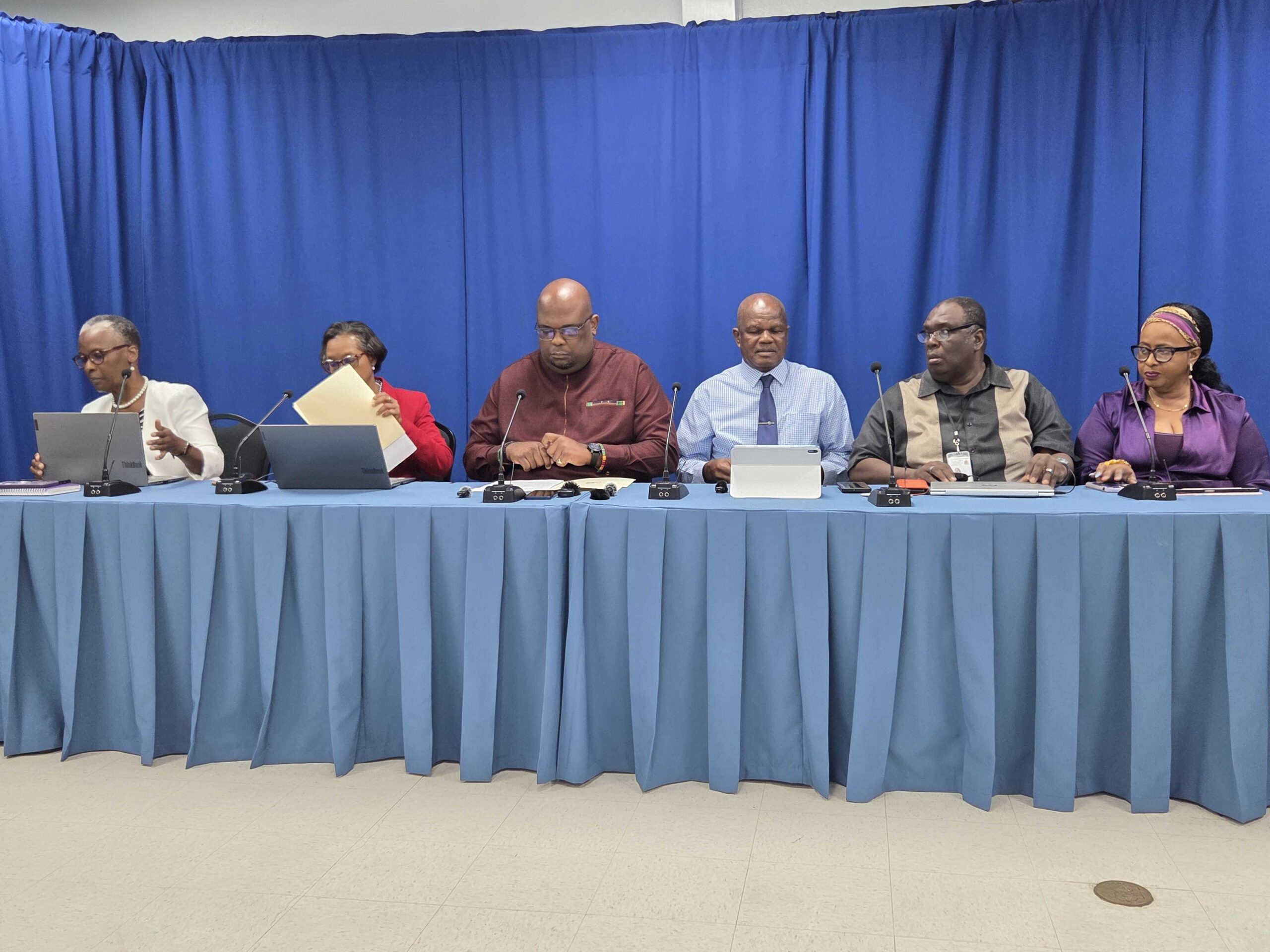
    On Thursday, June 25, 2026, UWI will convene a special Vice-Chancellor’s Forum, branded “Perspectives on the Current Cuban Crisis: Issues, Impact, and Imperatives.” The hybrid event will kick off at 11:00 a.m. Atlantic Standard Time (Eastern Caribbean) and 10:00 a.m. Jamaica Time, hosting in-person attendees at the Eon Nigel Harris Council Room in UWI’s Regional Headquarters in Kingston, Jamaica, while opening global access via a free live stream on UWI TV.

    Cuba’s current challenges extend far beyond its borders, creating ripple effects that touch the entire Caribbean community. The country is currently confronting cascading crises: widespread shortages of life-sustaining essential goods, persistent energy sector disruptions that cripple daily life and economic activity, and mounting systemic economic pressures. Compounding these domestic strains are long-running external headwinds, including decades-old international trade restrictions, volatile fluctuations in tourism revenue—Cuba’s largest foreign exchange earner—and growing migration pressures that strain regional stability. As global geopolitical and economic dynamics continue to shift, Cuba’s situation has become an urgent priority for coordinated regional dialogue and collective action.

    Recognizing its unique mandate as the Caribbean’s preeminent thought leader, UWI has paired its convening role with a concrete humanitarian commitment. Throughout the month of June, the university is running the “One-UWI Humanitarian Effort,” a campus-wide initiative that mobilizes staff, students, alumni, and institutional partners across all five of UWI’s physical campuses to raise monetary donations for critical essential supplies for the Cuban people. The campaign frames support as a collective regional responsibility, turning institutional solidarity into direct, on-the-ground assistance.

    The upcoming forum will bring together a diverse, globally recognized panel of experts, diplomats, and academic leaders to unpack the multifaceted dimensions of Cuba’s crisis. Opening remarks will be delivered by UWI Vice-Chancellor Professor Sir Hilary Beckles and Her Excellency Tania López Larroque, Cuba’s Ambassador to Jamaica. Confirmed panelists include Professor Emerita Jessica Byron-Reid, former head of UWI’s Institute of International Relations; Professor Bert Hoffmann, Lead Researcher at the German Institute for Global and Area Studies (GIGA); Professor Andy Knight, Distinguished University Professor at the University of Alberta; Dr. Miriam Nicado, Rector of the University of Havana; and Dr. Indira Rampersad, Head of the Department of Political Science at UWI St. Augustine. The discussion will be co-moderated by Professor Canute S. Thompson, UWI Pro Vice-Chancellor for Undergraduate Studies, and Professor Don D. Marshall, Director of UWI’s Sir Arthur Lewis Institute of Social and Economic Studies (SALISES), with Ambassador Gillian Bristol, Director of UWI’s Latin American-Caribbean Centre (LACC), serving as chair of the in-person event.

    The Vice-Chancellor’s Forum series, a flagship UWI public engagement platform that has operated for more than a decade under Beckles’ leadership, is designed to bring cross-sector expertise to bear on the most pressing challenges facing the Caribbean and the broader global community. The series regularly convenes leading academics, policymakers, and frontline practitioners to unpack complex socio-economic, political, and developmental issues, translating expert analysis into actionable insight for regional stakeholders.

    Members of the public worldwide are invited to join the discussion for free via UWI TV’s official website, www.uwitv.global, or through the platform’s regional Flow cable channels, offering anyone the chance to engage with the critical conversation around Cuba’s future.

    Donations to the One-UWI Humanitarian Effort can be made at any time through June via the official campaign portal: https://bit.ly/ONEUWI4CUBA.

    Founded in 1948 as a small medical college affiliated with the University of London, UWI has grown over 75 years into a globally recognized, comprehensive public research university serving the entire Caribbean. Today, the institution counts nearly 50,000 students across five core campuses: Mona in Jamaica, St. Augustine in Trinidad and Tobago, Cave Hill in Barbados, Five Islands in Antigua and Barbuda, and its fully remote Global Campus, alongside partnership research and study centers across North America, Latin America, Asia, Africa, and Europe. UWI offers more than 1,000 academic programs spanning certificate, undergraduate, and postgraduate levels across 10 broad disciplinary areas, holding the distinction of being the only English-speaking Caribbean university featured in four of the Times Higher Education (THE) prestigious global ranking lists, including the World University Rankings, Golden Age University Rankings, Latin America Rankings, and Impact Rankings, which assess institutional contributions to the United Nations Sustainable Development Goals.


  • Column: Rij voor Tulip een spiegel voor het land

    Column: Rij voor Tulip een spiegel voor het land

    In Suriname, there is a common saying that a single supermarket reveals more about a nation’s true condition than any formal budget debate. That saying has been put into stark relief over the past week, after dozens of job seekers lined up Saturday to apply for openings at a brand-new Tulip Supermarket branch located on Verlengde Gemenelandsweg. The overwhelming public interest in these entry-level retail positions was so pronounced that photos and videos of the long queue quickly spread virally across social media platforms, sparking a national conversation that has even reached the country’s parliament.

    On first glance, the opening of a new business and the creation of new jobs looks like unqualified good news for any economy. What made this queue newsworthy was not the vacancies themselves, but the extraordinary scale of the response: within days, the viral hiring call became a core topic of debate in Suriname’s National Assembly, with multiple cabinet ministers referencing the long line of applicants in official proceedings.

    Among those ministers was Dirk Currie, the country’s Minister of Education, Science and Culture, who called the situation “sad” after confirming that practicing, active schoolteachers were among the job seekers lining up for retail work at the supermarket. Currie’s comment struck a raw, sensitive nerve across Surinamese society, because the queue ultimately is not a story about Tulip Supermarket—it is a story about purchasing power, public sector worker appreciation, and how Suriname supports the professionals that fill its most critical social roles.

    To put the situation in context, Tulip Supermarket is offering new hires net monthly salaries that range between 19,800 Surinamese dollars (SRD) and 21,600 SRD. This is by no means an exploitative pay range; on the contrary, any private employer that offers staff a decent living wage deserves public recognition. The issue that the queue brought into sharp focus is that most active teachers in Suriname earn barely 15,000 SRD per month in their full-time public roles. The problem is not that retail workers are paid too well—it is that the educators shaping the nation’s children are paid far too little.

    This reality is not new for Suriname’s teaching workforce. Many educators have not worked exclusively as teachers for years: most hold their daytime classroom positions, then take second shifts in call centers, retail shops, or other informal sectors to top up their insufficient salaries. Many are forced to juggle multiple jobs just to cover basic household expenses for their families. This has been a quiet alarm bell for Surinamese society for far too long.

    A teacher who puts in a full day of instruction then reports to a second job for extra income cannot show up rested and prepared to lead a classroom the next morning. This is not a failure of the teacher’s commitment to their work—it is a failure of policy that leaves educators with no other viable financial option. Even so, public officials routinely repeat the empty mantra that education is the key to national development.

    During recent parliamentary budget debates, officials again highlighted the urgent need for education reform, workforce capacity building, and preparation for future economic opportunities from the country’s emerging oil and gas sector. But words alone cannot educate a generation of young people. Meaningful education reform requires motivated, supported teachers—and teachers must be able to earn a living wage from their core profession.

    A closer look at the 2026 national budget underscores the scale of the underinvestment. Suriname has allocated roughly 7.48 billion SRD to education out of a total national budget of 77.4 billion SRD. That adds up to just 9.7% of total government spending, a share far lower than most peer nations in the Caribbean region. Across neighboring Caribbean countries, public education investment accounts for between 15% and 21% of total government expenditure, meaning Suriname lags far behind regional benchmarks.

    This conversation around resource allocation does not exist in a vacuum. During the same budget debates, Minister of Home Affairs Marinus Bee noted that Suriname currently employs around 51,000 civil servants, warning that the long-standing practice of hiring new political supporters after every change in government is no longer fiscally sustainable. Bee called for an end to this patronage system and a push to restructure the public sector to be more efficient.

    Bee’s comment is directly connected to the viral queue for the Tulip Supermarket. Both debates circle back to the same core question: how should Suriname use its limited public resources? Will the country continue to allocate funding to a bloated, expanding public bureaucracy, or will it redirect more investment to the educators, healthcare workers, and other frontline professionals who lay the foundational groundwork for long-term national development?

    The long line of job seekers at the new supermarket has forced a hard, unflinching truth into public view: the issue is not that there are too few jobs in Suriname. It is that a growing share of Surinamese citizens feel that hard work alone is no longer enough to make a decent living. That may be the most important lesson to emerge from this hiring round. A nation that pins its economic hopes on future oil revenue, but watches its most critical public workers leave for higher-paying entry-level retail and call center jobs, must stop and ask itself: where does a nation’s true wealth really lie?

  • Pregnant Woman and Unborn Child Gunned Down After Prison Visit

    Pregnant Woman and Unborn Child Gunned Down After Prison Visit

    A quiet wait for public transportation at a roadside bus stop near Hattieville, Belize, became the site of an unthinkable act of violence on an unspecified date in June 2026, leaving a young expectant mother and her unborn son dead, and a community and nation reeling from grief and anger.

    Twenty-three-year-old Jane Urbina, a resident of Santa Elena in the Cayo District, had just celebrated her birthday and was just two months away from welcoming her first child, a boy she had spent years dreaming of raising. She had traveled that day to Belize Central Prison to visit her brother, PC Lionel Urbina, who is currently held on remand awaiting trial for a 2025 murder that left 19-year-old Kevin De Paz dead on Caye Caulker. What should have been a routine family visit ended in cold-blooded killing, cutting short a life full of anticipation for the future.

    Senior law enforcement officials with Belize’s National Crimes Investigation Branch have outlined the details of the brazen attack. According to ACP Hilberto Romero, the branch’s head, two male suspects arrived at the bus stop on a motorcycle immediately after Urbina left the prison. One suspect dismounted, walked directly toward Urbina, and fired multiple shots, striking her with fatal injuries. The attackers then fled the scene on the motorcycle, heading in the direction of Belize City.

    A passing civilian motorist pursued the fleeing suspects, forcing the motorcycle off the road roughly a quarter mile from the attack site. The pair abandoned the vehicle and fled into nearby dense brush, and extensive searches conducted by law enforcement in the immediate aftermath failed to locate them. Investigators have confirmed the two suspects are believed to be residents of Belize City, and a manhunt is ongoing.

    For Urbina’s family, the killing is the latest in a string of devastating violent tragedies that have stretched over years, reopening old wounds that never fully healed. After De Paz’s 2025 killing, Lionel Urbina reported receiving repeated threats against his life. Just weeks after the arrest, the family’s Santa Elena home came under gunfire; during the attack, Lionel Urbina fatally shot the alleged attacker, Darnell Arnold, a Hattieville resident. The home was already the site of a prior killing: in 2024, Urbina’s grandmother, Miriam Castellanos, was stabbed to death at the property. Years before that, another cousin was killed, and no one has ever been prosecuted for that crime, the family says.

    Urbina’s family told reporters that the young mother had received direct threats on her mobile phone in the lead-up to the attack, but she maintained her innocence, insisting she had no connection to the ongoing legal case against her brother. “She was innocent, she had nothing to do with this,” a cousin of the deceased told reporters in an emotional interview. “Why would anyone hurt her? She didn’t owe anybody anything. She was just happy, waiting for her baby. All we want is justice this time, after all we’ve been through.”

    Friends remember Urbina as a joyful young woman overjoyed at the prospect of starting her own family. Whitney Hyde, a close friend, recalled the excitement Urbina felt when she shared her pregnancy news. “She had been waiting so long for this,” Hyde said in a phone interview. “She told me, ‘I’m finally having a baby,’ and we were going to be mothers together. She never even got to have her baby shower.”

    Investigators have not yet ruled out any potential motives, but the leading line of inquiry is whether the attack is connected to the pending murder case against Lionel Urbina. Law enforcement officials confirmed they will be conducting additional interviews inside the prison as part of the investigation to gather new details that could help identify the killers and uncover the motive for the attack.

    The brutality of the attack, carried out in broad daylight against an unarmed pregnant woman, has sparked widespread public outrage across Belize, with growing calls for law enforcement to move quickly to arrest the suspects and deliver accountability. Urbina’s family has also echoed longstanding demands for increased security in the region, noting they have lived in constant fear for months amid the string of violence targeting their household.

  • Haïti – Baccalauréat : Inscriptions des élèves HPI (surdoués)

    Haïti – Baccalauréat : Inscriptions des élèves HPI (surdoués)

    In a move aimed at building a more inclusive, responsive national education system that accommodates the unique needs of all learners, Haiti’s Minister of National Education Vijonet Déméro has formally announced new, structured procedures for early baccalauréat registration for high-potential intellectually gifted (HPI) students, ahead of the 2026-2027 academic year’s first permanent baccalauréat session.

    Gifted students, who exhibit far faster learning paces than their peer group, often require targeted support to reach their full potential—most commonly through grade acceleration that allows them to advance through the education system at a rate matching their abilities. Until now, however, formal pathways to clear these accelerated tracks for official national examination eligibility have been inconsistent. Déméro’s new circular, labeled C-11 / 1137, formalizes eligibility requirements and institutional roles to regularize these exceptional students’ academic journeys and guarantee them legitimate access to the baccalauréat, Haiti’s key secondary school completion and university entrance examination.

    To qualify for early examination access as a gifted candidate, student’s original schools must submit a complete, verified application package that meets four core requirements. First, applications must include a psycho-pedagogical evaluation report completed by a licensed school psychologist, which has been validated by the ministry’s own School and Professional Orientation Unit (UNOSP). This report must confirm both the student’s intellectual giftedness and sufficient socio-emotional maturity to handle advanced academic work and early examination. Second, candidates must provide graded academic transcripts demonstrating sustained academic excellence and an exceptional overall grade average. Third, applications require a formally justified recommendation letter from the director of the student’s original school, which explains and validates any grade skips the student has already completed. Finally, written, signed consent from the student’s parents, legal guardian or social worker is required to move forward with the application.

    The circular also outlines clear, segmented responsibilities for the four national education bodies involved in the process to ensure accountability and transparency. Departmental Education Directorates (DDE) are tasked with receiving, reviewing, and validating individual student applications. After confirming that grade acceleration procedures are compliant with national rules, DDEs will send a certified additional candidate list to either the Directorate of Fundamental Education (DEF) or the Directorate of Secondary Education (DES), depending on the student’s track. The DEF and DES, in turn, are responsible for centralizing all incoming requests, issuing final rulings on the equivalence of accelerated academic pathways, and issuing a formal technical compliance statement for eligible candidates. Finally, the National Bureau of State Examinations (BUNEXE), which administers the baccalauréat, is authorized to bypass standard age and curriculum track restrictions in the national online registration system once it receives a compliance notice validated by the Directorate General, allowing the bureau to generate official examination access cards for these gifted candidates.

    All heads of the involved institutions are required to enforce the new rules strictly and transparently, with the policy taking effect immediately upon publication of the circular. The Ministry of National Education emphasized that it relies on the proactive, diligent collaboration of all actors across Haiti’s education ecosystem to implement the new framework effectively. The policy is rooted in a core goal: to celebrate academic excellence, and give young Haitian gifted talents the structured opportunity to fully develop their skills and advance their education on a timeline that fits their unique abilities.

  • Police And BDF Involved in Lemonal Chopping/Shooting

    Police And BDF Involved in Lemonal Chopping/Shooting

    In the early hours of June 22, 2026, a peaceful late-night communal gathering in Belize’s Lemonal Village devolved into shocking violence, leaving a serving police officer and a Belize Defence Force (BDF) soldier hospitalized with severe injuries. The confrontation, which unfolded at a post-funeral repast shortly after midnight, began as a verbal altercation between Police Constable Pharon Muslar and Lance Corporal Alexander Reynolds before escalating into a brutal physical attack.

    According to official statements from ACP Hilberto Romero, head of Belize’s National Crimes Investigation Branch, the sequence of violence began when Muslar inflicted a life-threatening chop wound to Reynolds’ head, prompting the BDF soldier to draw a personal weapon and fire multiple shots into Muslar. Both men were rushed rapidly to the country’s main Karl Heusner Memorial Hospital (KHMH) for emergency care, where they remain in stable condition as investigators work to untangle the full context of the fight.

    Initial accounts from both law enforcement and military leadership have already uncovered conflicting details around the key piece of evidence: the firearm used in the shooting. Belize Police have formally confirmed to reporters that the weapon was a 9-millimeter pistol personally licensed to Reynolds, matching Romero’s on-the-record confirmation to local reporters. However, an ongoing internal probe launched by the BDF has pointed to an alternate weapon: a .38 caliber revolver that is officially registered to an unrelated woman, creating a critical discrepancy that investigators are now working to resolve.

    Romero emphasized that both men had been consuming alcohol at the gathering before the argument began, adding that while the Lemonal Village area falls within a river valley region that has seen a history of prolonged inter-group violent feuds, the clash between the two service members appears to be an isolated, individual incident. Authorities have launched a full, thorough investigation to map out the exact chain of events, identify what triggered the sudden escalation of violence, and determine whether formal criminal charges will be filed against either party once the probe concludes.

  • Aurelio “Jack Sparrow” Bonell Dies in Cristo Rey Accident

    Aurelio “Jack Sparrow” Bonell Dies in Cristo Rey Accident

    A devastating traffic incident has plunged a tight-knit community in Cayo District, Belize into deep grief, after a well-known local resident lost his life in a violent head-on motorcycle collision over the weekend.

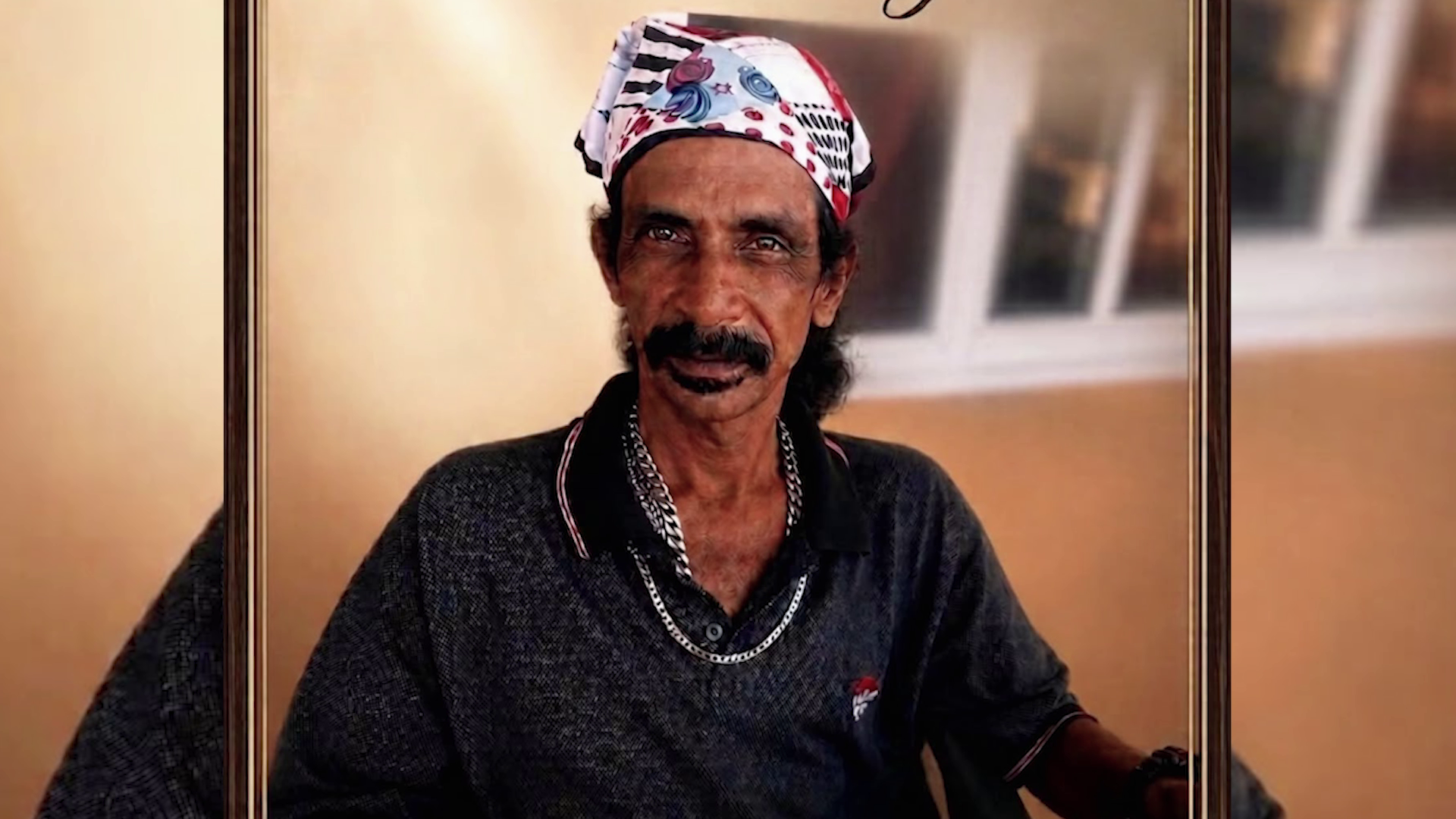
    Fifty-five-year-old Aurelio Bonell, who was widely known to community members by his nickname “Jack Sparrow”, died at the scene of the crash that unfolded along Cristo Rey Road Saturday. Two other people, identified as Kevin Miranda and Kristali Miranda, were also injured in the collision, leaving local residents who had long known Bonell reeling from the sudden tragedy.

    Law enforcement and investigative authorities were dispatched to the crash site immediately after the incident was reported. When officers arrived, they found two heavily damaged motorcycles and three individuals affected by the crash. According to preliminary on-site assessments, the two motorcycles were traveling in opposite directions when the impact occurred, according to Assistant Commissioner of Police Hilberto Romero, head of the National Crime Investigation Branch.

    “On Saturday there was a fatal RTA in the Cayo District. Police responded to an area on the Cristo Rey Road. Upon their arrival, they saw two motorcycles that had been damaged. Found at the scene were three persons: Aurelio Bonell, Kevin Miranda and Kristali Miranda. Information is that motorcycles were traveling in the opposite direction where they collided. As a result, Aurelio Bonell succumbed to his injuries. Investigation is being carried out. Thereafter, we’ll determine if any charges are to be levied,” Romero stated in an official briefing on the ongoing probe.

    As of Monday, investigative teams are still working to piece together the full sequence of events that led to the fatal crash, examining factors including speed, road conditions, and potential driver error to identify the root cause of the collision. The entire San Ignacio community has entered a period of mourning for Bonell, a beloved local figure whose sudden passing has left many residents shocked.

    This report is adapted from a transcript of a televised evening newscast, with all official statements retained in their original context for accuracy.

  • Truck Driver Charged for Triple Fatality Sarteneja Accident

    Truck Driver Charged for Triple Fatality Sarteneja Accident

    A weeks-long wait for official legal action has concluded in the devastating Sarteneja traffic collision that claimed three lives earlier this month, with Belizean law enforcement officially filing multiple criminal charges against the driver allegedly responsible for the June 8 tragedy.

    The accused, identified as Amadi Gongora, is now facing four distinct traffic-related offenses connected to the crash that killed brothers Godwin and Ignacio Sealy, alongside 58-year-old Israel Chacon, who was out cycling near the incident site. The most severe charges include three counts of manslaughter by negligence, supplemented by additional accusations of causing death by careless conduct, driving without due care and attention, and driving with a blood alcohol concentration exceeding the legal limit.

    Local community accounts have painted a clearer picture of the moments leading up to the fatal crash. According to resident reports, Gongora was in pursuit of a group of people riding a three-wheel motorcycle when he lost control of his Ford pickup truck. The vehicle struck and killed the Sealy brothers instantly before veering off course and hitting Chacon, who was not part of the preceding conflict between the two parties.

    Preliminary police investigations have also confirmed that both Gongora and the victims had been socializing at a local drinking establishment before the deadly collision unfolded. As the legal process moves forward, the bereaved Sealy family has publicly pushed for more severe charges, arguing that the deaths were not an accidental result of negligence but an intentional act that warrants murder charges. The case is set to move through the court system in the coming weeks as the community of Sarteneja continues to mourn the loss of three local residents.

  • Thousands Missing: Ministry Investigating Louisiana Government School

    Thousands Missing: Ministry Investigating Louisiana Government School

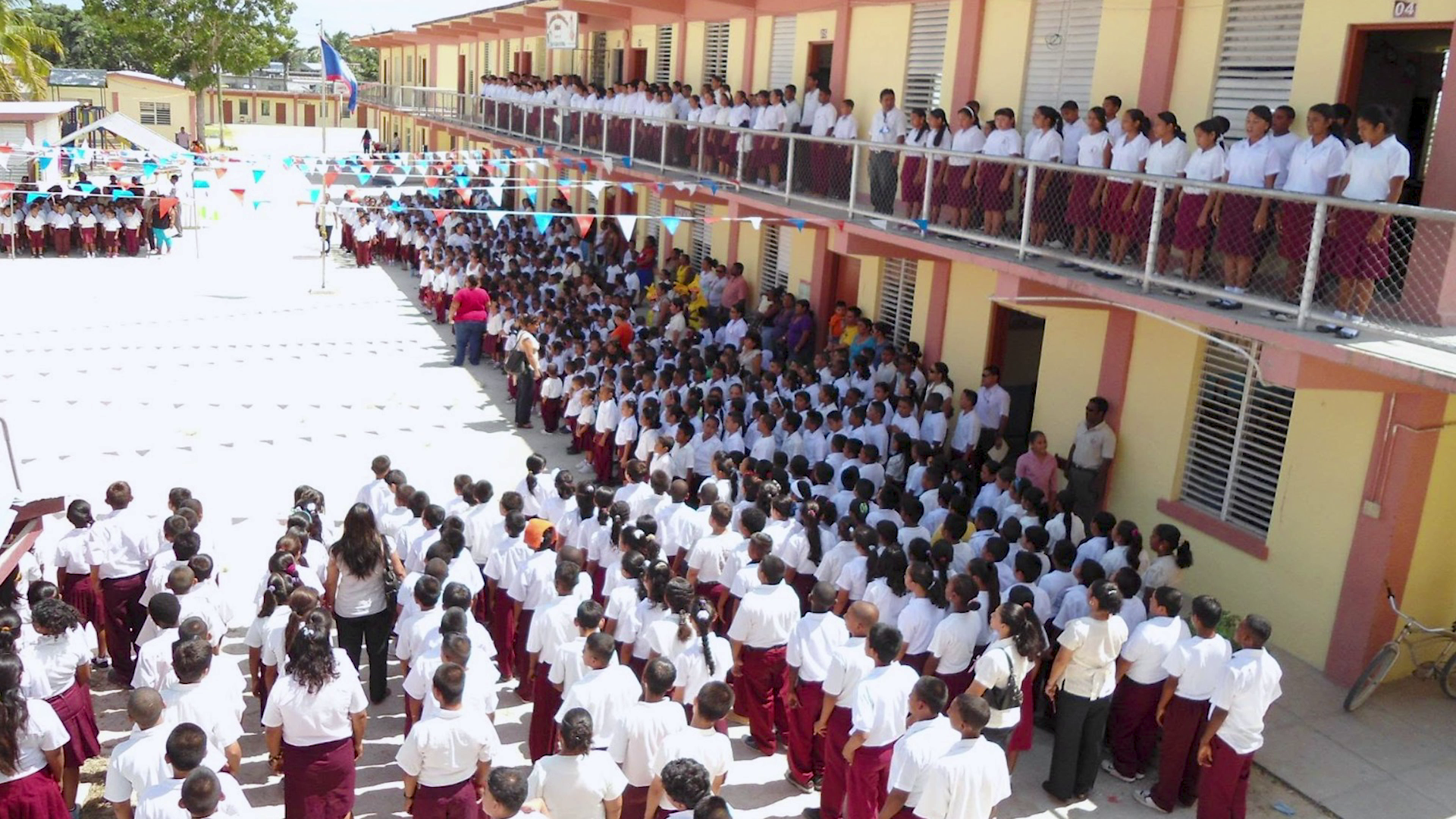
    An official investigation has been launched into reports of unaccounted public funds at Louisiana Government School, a public education facility located in Orange Walk Town. Local news outlet News Five has verified that the probe was initiated after credible allegations of long-running financial irregularities at the institution surfaced.

    According to anonymous sources familiar with the matter, large sums of government-allocated funds cannot be traced, with the questionable financial activity suspected to have stretched across multiple years. As of the June 22, 2026 reporting date, the exact total value of missing monies has not been released to the public, but the severity of the allegations prompted immediate intervention from the country’s Ministry of Education.

    News Five has learned that the Ministry has already deployed a specialized team including a senior financial officer and a certified auditor to conduct a line-by-line review of the school’s full financial records. The review is intended to map out all transactions, confirm the scope of any documented discrepancies, and identify the parties responsible for the irregularities.

    When reached for comment by the outlet, a senior official with the Ministry of Education did not deny the ongoing investigation. “Your reports are correct. The Ministry did receive reports of some financial irregularities and the ministry is investigating,” the official confirmed in an on-the-record statement.

    This report is a transcribed version of an evening television newscast produced by the outlet, with Kriol language segments converted to standard spelling for clarity in the published text.

  • Belize Steps Up to Guide Regional Education Agenda

    Belize Steps Up to Guide Regional Education Agenda

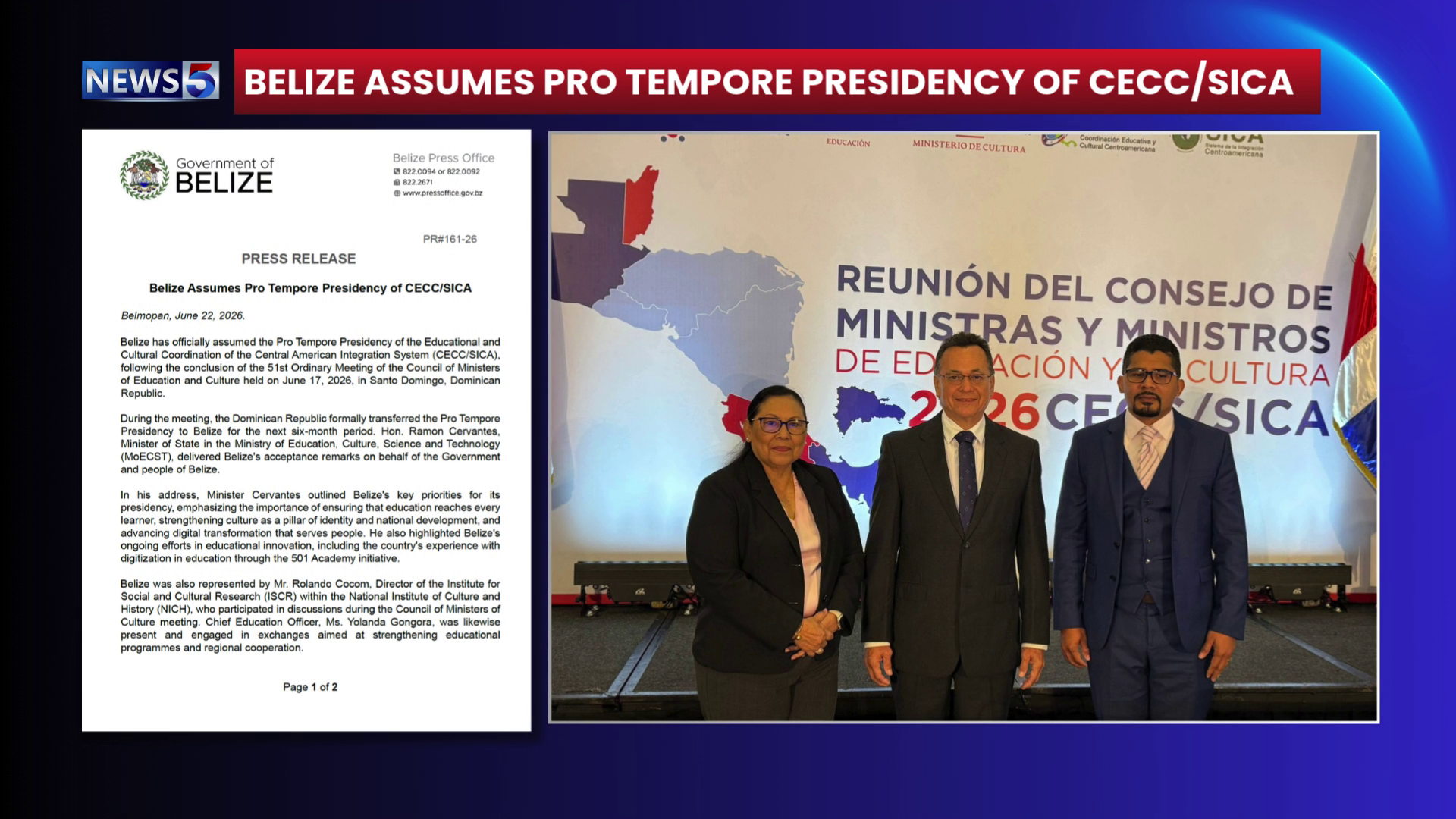
    In a significant shift for regional educational and cultural cooperation across Central America, Belize has stepped into a pivotal leadership role that promises to reshape learning frameworks and cultural preservation strategies across the region. As of June 2026, the small Central American nation has taken over the rotating presidency of the Coordinating Committee of Educational and Cultural Cooperation of the Central American Integration System (CECC/SICA), positioning it at the center of high-stakes regional decision-making for education and cultural development.

    This new position brings both expanded regional influence and heightened responsibility, and Belize has already signaled it plans to move quickly to advance its priorities. Speaking on behalf of the nation at the leadership transition meeting, Belize’s Minister of State for Education Ramon Cervantes outlined a clear, people-centered policy agenda for the country’s six-month term. The three core pillars of Belize’s leadership plan are expanding universal access to education for all learners across the region, positioning cultural heritage as a core engine of national and regional development, and speeding up the adoption of digital transformation in educational institutions.

    Cervantes highlighted that Belize already has hands-on experience implementing innovative digital learning models that it can bring to the regional table. He pointed to the country’s ongoing 501 Academy initiative as a tangible example of the nation’s work to reimagine digital education, noting that the lessons learned from this local program can now be shared with neighboring countries to support their own digital transitions.

    Prior to assuming the presidency, Belize participated as a member in CECC/SICA’s collaborative processes. Now, its role has evolved from contributing member to lead coordinator, tasked with shepherding existing regional agreements into active implementation. Over the next six months, Belize will steer the bloc’s work to improve overall education quality across Central America, advance inclusive cultural development initiatives, and deepen cross-border collaboration between all member nations. Observers of regional integration note that this leadership turn offers Belize an opportunity to bring localized, community-focused priorities to the forefront of Central American public policy.

  • Candidate numbers decline continues as access accommodations reach record high

    Candidate numbers decline continues as access accommodations reach record high

    Barbados’ Ministry of Education Transformation has confirmed a landmark shift in the nation’s primary to secondary school transition system, officially announcing that the traditional Common Entrance Examination will be phased out starting this September, replaced by a two-year continuous assessment framework designed to prioritize holistic student development over a single high-stakes test.

    Minister of Education Transformation Chad Blackman made the announcement official Monday alongside the release of 2026’s final Common Entrance Examination results, framing the policy change as the cornerstone of a multi-year national education overhaul focused on advancing equity, fairness, and a purpose-driven national curriculum. The change is timed to coincide with two major national milestones: the 60th anniversary of Barbados’ independence and the fifth anniversary of its transition to a republic, making the 2026 academic year a symbolic turning point for the country’s education system.

    Blackman acknowledged the deep historical roots of the Common Entrance Examination in Barbados’ education landscape, but argued that the one-day, high-stakes model no longer serves the nation’s students. “I understand the historical significance that a Common Entrance [Exam] has played in Barbados, and this is no different today,” he said. “But it must not determine how people are viewed; it must not determine a person’s self-worth. It must determine, however, your ability to move forward and to help build and shape this nation.”

    Under the new continuous assessment model, student progress will be tracked over two full years of primary school, measuring both core academic performance and a range of non-traditional soft and practical skills that the old exam failed to capture. The core goal of the restructuring is to shift the primary to secondary transition focus from a single day’s performance to long-term holistic student growth. All secondary school principals and senior leadership teams have been ordered to fully restructure their incoming student entry and orientation programs to align with the new framework, with Blackman calling on education leaders to reimagine what a supportive, student-centered transition looks like.

    “Every child going into secondary school from September must feel that I am going to a school that understands my purpose, understands where I want to go in life,” Blackman said, adding that the changes will also standardize education quality across all Barbadian secondary schools, mandating a consistent high baseline for school morale, learning environment, and teaching capacity regardless of a school’s historical reputation or prestige.

    Alongside the policy announcement, the ministry released full statistical data for the 2026 Common Entrance Examination, the last cohort to sit the traditional test. Administered on May 5 across 21 public secondary schools, the 2026 exam drew 2,764 registered candidates from 67 public primary schools, 28 private primary schools, and seven homeschooled students. The data confirms a continuing trend of declining student enrollment across Barbados: this year’s candidate total is 60 students lower than 2025, and a 6.1 percent drop (169 fewer candidates) from 2024’s total of 2,933.

    Despite falling overall candidate numbers, the ministry reported a record high in accessibility accommodations for students with learning and physical needs, marking a steady upward trend in inclusive access provisions. A total of 240 special accommodation requests were approved this year, up from 194 in 2025 and 183 in 2024. Accommodations include large-print test booklets, assigned scribes, and dedicated readers to support eligible students. The ministry also approved 15 early sitting candidates – 11 male and four female – students under the age of 11 who hold a minimum 85 percent average in both mathematics and language arts across Classes Two and Three, as required by the Education Act. Blackman framed the expanded accommodations and early sitting approvals as “inclusion in practice.”

    To support the phased rollout of the new continuous assessment model, the ministry has already rolled out a series of infrastructure, technology, and training upgrades across the nation’s primary schools. All students in Infants B and Class One have been issued dedicated learning tablets, while teachers have received targeted training and additional device allocations to integrate digital learning tools into daily instruction. A nationwide school refurbishment drive led to the temporary closure of 13 primary schools on June 12 to complete structural extensions and facility upgrades, which Blackman defended as a necessary short-term disruption to build the infrastructure required for modern, student-centered learning.

    “As we move forward, we must ensure that we have the ability not just to have training for our teachers, but the infrastructure is the place of course that serves to allow our children, our teachers, our principals to be in an environment where they can thrive,” he explained.

    The resource upgrades are paired with new external quality assurance measures, launched after a successful pilot in May 2025. Panels of education officers, principals, and specialist trainers now conduct structured, formal school visits to set and enforce consistent national benchmarks for classroom instruction and institutional leadership. To support families navigating the education system changes, the ministry also launched a national parent education program on May 4, offering workshops on positive parenting, caregiver-student communication, and behavioral management strategies.

    Closing his address, Blackman congratulated the 2026 candidate cohort and sought to reassure parents and educators that the ministry remains fully committed to building a modern, inclusive education system that recognizes the full spectrum of student achievement. “The ministry is preparing to usher in a system which better recognises and facilitates the achievements and progress of all of our students,” he said. “I offer congratulations to all students who sat the examination this year, and this is, of course, only another leg in your life’s journey. You will have many other opportunities to achieve on this road of success.”