分类: society

  • Coast Guard Details Search and Recovery of Man at Pigeon Point Beach

    Coast Guard Details Search and Recovery of Man at Pigeon Point Beach

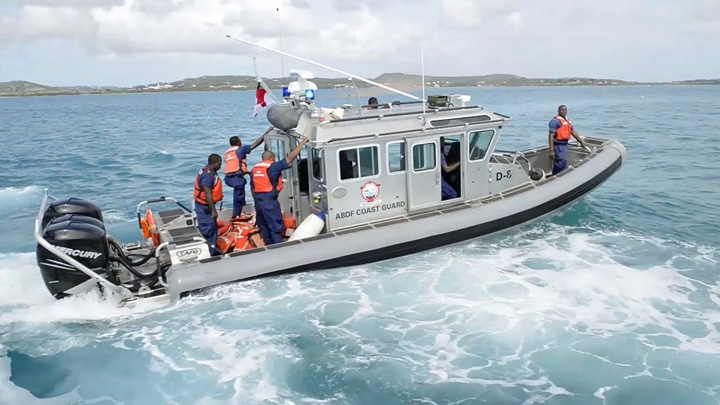
    A multi-agency search operation carried out by Antigua and Barbuda’s maritime law enforcement teams ended in tragedy Thursday morning, when divers recovered the body of a 56-year-old male swimmer from the waters off Pigeon Point Beach. According to official timelines, the incident began on the afternoon of Wednesday, June 24, when the victim entered the marked swim area for a recreational swim.

    Witnesses on the shore told first responders that they spotted the man struggling in the water close to the edge of the designated swimming zone before he vanished beneath the surface, with no further sightings after that point. Immediately after receiving the missing person report, the Antigua and Barbuda Defence Force Coast Guard mobilized its search and rescue assets, launching a coordinated operation with three partner groups: the Antigua Barbuda Search and Rescue unit, the Royal Police Force of Antigua and Barbuda, and experienced local recreational divers based in the surrounding area.

    Search teams carried out an extensive sweep of the seabed near the last reported location of the swimmer, but progress was severely hampered by extremely low underwater visibility. With conditions making it impossible to safely continue the operation on Wednesday afternoon, rescue commanders made the call to suspend the search, scheduling it to resume at first light the next day.

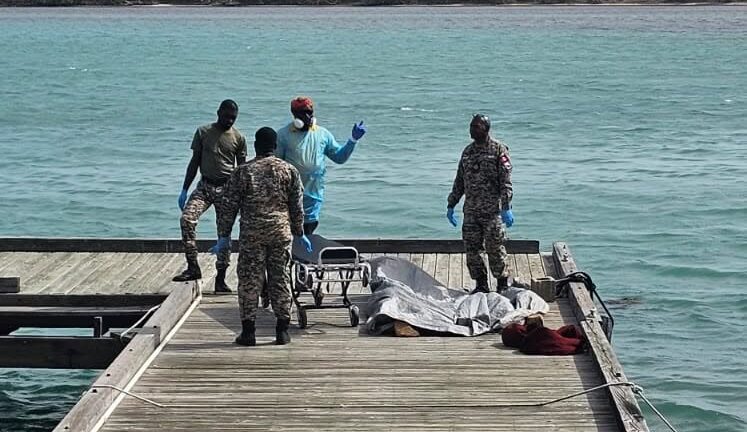
    When divers returned to the site shortly after 6:00 a.m. on Thursday, June 25, they quickly located and recovered the victim’s body. The remains were transferred to the Coast Guard’s main headquarters at Deep Water Harbour, where a district medical official officially pronounced the man dead at 8:22 a.m. In the aftermath of the recovery, senior leadership of the ABDF Coast Guard released a statement offering heartfelt condolences to the victim’s family and loved ones, expressing the service’s hope that the family would find the resilience and comfort needed to navigate this devastating loss.

  • St. Eustatius reimagines Emancipation Day with focus on history, education and community dialogue

    St. Eustatius reimagines Emancipation Day with focus on history, education and community dialogue

    For decades, Emancipation Day, locally known as July Day, on the Caribbean island of St. Eustatius has followed a traditional celebratory framework. This year, however, a coalition of local cultural and historical organizations is reinventing the annual commemoration, shifting priorities from surface-level festivities to deep community engagement, critical historical education, and intentional collective reflection on the island’s fraught legacy of chattel slavery.

    For the first time in the island’s history, this year’s July 1 activities are being led by the St. Eustatius African Burial Ground Alliance, in partnership with multiple local non-governmental organizations. The new steering group has designed the full schedule of events to upend long-standing dominant narratives about emancipation, pushing attendees to develop a more nuanced understanding of the generations of struggle that forged freedom for enslaved people on the island. At the core of the initiative is a goal to build sustainable, community-centered learning opportunities and leave behind permanent educational resources that centering local ancestral history for future generations.

    A key ideological shift framing this year’s observance is a rejection of the common myth that emancipation was simply granted to enslaved people by Dutch colonial powers on July 1, 1863. Instead, organizers are centering the active resistance, repeated uprisings, and unyielding determination of generations of enslaved Africans and their descendants as the true driving force behind the end of chattel slavery on the island.

    The full day of programming will kick off with a spiritual procession across the island, a quiet tribute to the ancestors who were enslaved and died on St. Eustatius. After the opening procession, a full slate of afternoon and evening educational and cultural events will unfold across the island. The centerpiece of the educational programming will be presentations from two prominent Caribbean scholars: Guyana-born Afrikologist Professor Kimani Nehusi, based in Philadelphia, and Dr. Artwell Cain, a cultural anthropologist from St. Vincent and the Grenadines who resides in Aruba. The pair will tackle critical topics including the enduring historical and cultural connections between the Caribbean and West Africa, and the urgent importance of preserving and honoring collective cultural memory of slavery. Dr. Cain will also celebrate the official launch of his latest book, *St. Eustatius: Restoring Our Ties. The Voices of Statians Making A Difference*, scheduled for June 30, just ahead of the main Emancipation Day events.

    Additional featured contributors to the day’s programming include acclaimed St. Maarten storyteller Papa Umpo (born Garfield Young), and Derrick Simmons, an Island Council member, anthropologist, and Alliance steering member who will lead a discussion on the underrecognized role of music as a tool of resistance for enslaved ancestors on St. Eustatius. The evening will close with a community cultural showcase directed by Taro Merkman of the Statia Roots Festival, featuring live performances from local favorites including the Statia String Band, Rebel Band HD, Encore Band, Statia Roots Band, spoken word artists, DJ Sense, and multiple local dance collectives: the Aloei Dancers, Inspired Dancers, and Perlies Dancegroup.

    This year’s reimagined observance is also deeply tied to a long-planced landmark cultural event: the upcoming reburial of 69 sets of ancestral African remains, excavated by an international archaeological team from the Golden Rock burial ground in 2021. The formal reburial ceremony is scheduled for November 13, 2026, and organizers are using Emancipation Day to update the community on plans for the historic occasion. As part of the morning’s activities, attendees will visit three key African burial sites across the island: Godet, Congo, and Golden Rock. During the visit, Xiomara Balentina, chairperson of the Statia Cultural Heritage and Implementation Committee (SCHIC), will walk attendees through the finalized logistics and community input process for the upcoming reburial.

    Kenneth Cuvalay, president of the St. Eustatius African Burial Ground Alliance and moderator for this year’s Emancipation Day program, shared that additional community-focused events with Professor Nehusi and Dr. Cain will be held in the weeks before and after July 1 to extend the educational reach of the initiative. Two educators from the Broos Institute, an Afrocentric academic organization focused on Black Caribbean history, will also travel to the island to support the educational programming.

    “Our shared history remains incomplete and distorted, and we want to center what the community actually wants to learn about their own ancestry,” Cuvalay explained in a press statement. “Our goal is to turn this year’s July Day conversations into long-lasting educational resources that belong to the people of St. Eustatius.” Cuvalay added that he encourages all island residents to participate actively in on-site discussions during the observance, or share their perspectives with organizers via phone, email, or social media if they cannot attend in person.

    The 2026 reimagined Emancipation Day programming is funded through partnerships with the St. Eustatius Government and the Slavery Memorial Committee. Organizers have confirmed that all future updates to the event schedule will be posted to the Alliance’s official website and social media channels for public access.

  • Beyond academics: Students urged to master life skills

    Beyond academics: Students urged to master life skills

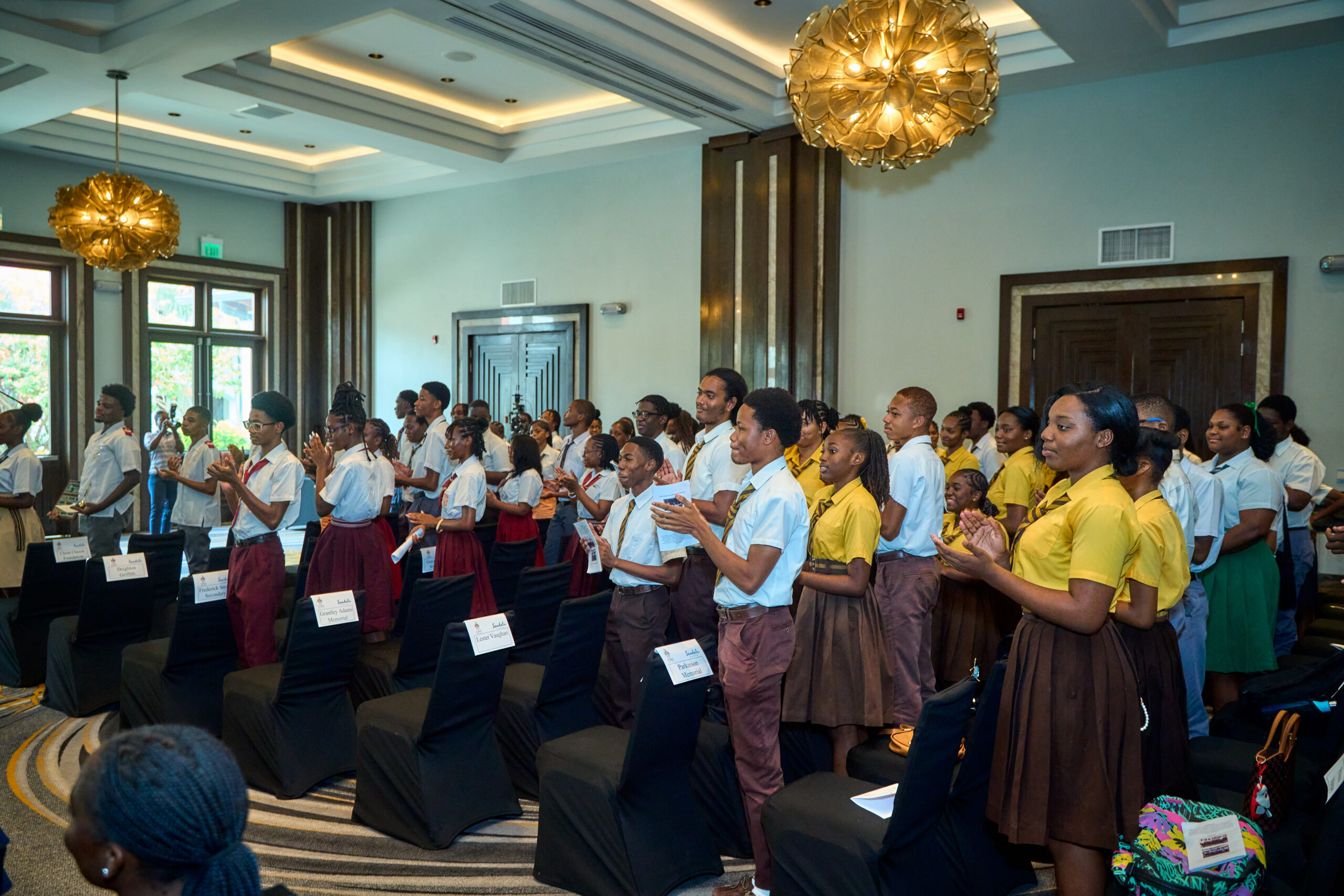
    A decade-old youth workforce development initiative in Barbados has celebrated its latest milestone, with more than 300 secondary school students from 16 institutions successfully completing the transformative Preparing Today for Tomorrow’s Challenges – Transforming Children’s Lives (PTFTC-TCL) programme at a recent graduation ceremony.

    Hosted at Sandals Royal Barbados on Wednesday, the event recognized the six-month skills training effort, a collaborative venture between the University of the West Indies (UWI) Global Campus and Barbados’ Ministry of Education, with core financial backing from the Sandals Foundation. This year’s graduation marks the programme’s tenth year of operation, a milestone that education leaders say reflects the long-standing shared commitment to equipping young people for a shifting global job market.

    Speaking at the ceremony, Acting Chief Education Officer Julia Beckles emphasized that academic excellence alone is no longer sufficient to prepare young people for successful careers. “Across industries, employers and community leaders consistently prioritize candidates who can communicate with clarity, collaborate effectively in teams, resolve conflict constructively, maintain professional standards, and build lasting positive connections with others. That is exactly the competency set this programme has cultivated for participants over the past six months,” Beckles explained.

    Beckles framed the initiative as a critical investment that aligns with Barbados’ current national development trajectory, noting that preparing the next generation for 21st century challenges requires coordinated effort across government, academia, and private sector partners. “We have reached a pivotal juncture in our national growth that demands a whole-of-nation approach to youth development. The fact that this partnership has sustained this work for a full decade is clear proof that all stakeholders understand how critical investing in our young people is to our collective future,” she said.

    To guide students as they advance their personal and professional goals, Beckles outlined the Ministry’s SAVE framework, which centers four core principles: skills, attitudes, values, and excellence. She pushed back on the common label of these competencies as “soft skills”, arguing that their growing importance in a changing labor market makes them far more critical than the name implies. “There is ongoing debate about whether we should even call these soft skills, because many observers correctly note they are far more important than many traditional hard skills in the long run. Even as the job market transforms rapidly with new technologies, the value of these core interpersonal and professional competencies will not fade – it will only grow,” she added.

    Beckles also previewed a major new education initiative from the Ministry’s Education Transformation division: a national Community Service Learning Programme set to launch in September 2026. The new programme will encourage students to engage with extracurricular opportunities including school organizations, community service groups, athletic teams, and special interest clubs to build practical experience and social connection.

    Dr. Francis Severin, Pro Vice-Chancellor and Principal of the UWI Global Campus, used a powerful metaphor to encourage graduates to prioritize character development alongside academic and professional growth. He urged students to “build dignity in the bank” the same way they would build financial savings, arguing that long-term personal and professional success depends on consistent, ethical choices that preserve self-worth.

    “Dignity – the quality of being worthy of honor and respect, rooted in self-respect, self-esteem, and self-control – is something you build over time, just like a savings account. If you have a ‘balance of dignity’ that you’ve nurtured through consistent good choices, you can enter job interviews and professional spaces without fear that past poor decisions or compromising content will derail your progress. You can have a full bank account financially, but if you have no dignity to draw on, you will struggle to succeed,” Severin explained. He added that no academic degree or material possession can repair damage to a person’s character caused by reckless or unethical choices, and that a strong sense of self-worth is the foundation for making good life decisions.

    The PTFTC-TCL programme’s expansion over the past decade has been supported by additional investment from the Rock Hard Foundation, which has contributed more than $130,000 to support programme delivery. Patrick Drake, Resort Manager of Sandals Barbados, told graduates that the skills they gained through the programme prepare them for more than just careers – they prepare them for all of life. He encouraged students to leverage digital technology to access opportunities far beyond Barbados’ borders.

    “Barbados may be a small island, but modern technology has opened up the entire world to young people today. The world really is your oyster if you are willing to seize the opportunities available,” Drake said. Echoing Beckles, he emphasized that the core soft skills graduates mastered will remain irreplaceable even as technology reshapes the global economy. “No matter how much technology changes how we work, your skills in communication, collaboration, negotiation, teamwork, and self-confidence will always be central to your success,” he added.

    In closing, Beckles challenged graduates to continue nurturing the skills and values they gained through the programme, urging them to act as ambassadors for the initiative’s mission and embrace a lifelong commitment to growth. “Continue to strive for excellence, embrace lifelong learning, and carry forward the values this programme has instilled. Remember that ‘tomorrow’ is just the day after today – you will need these skills much sooner than you might expect,” she told the graduating cohort.

  • APUA Head Office Temporarily Closed Due to Emergency

    APUA Head Office Temporarily Closed Due to Emergency

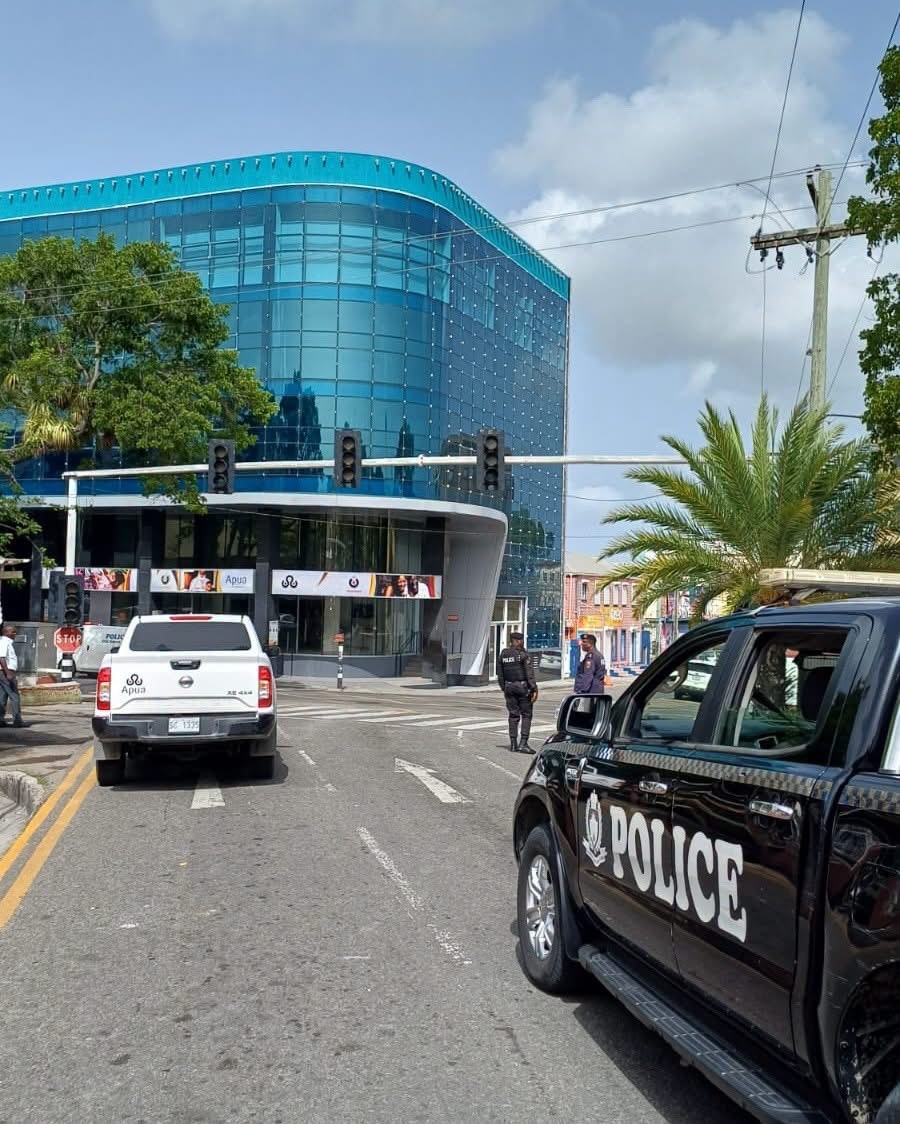
    The Antigua Public Utilities Authority (APUA) has issued a formal public apology to its customer base after unforeseen emergency conditions forced the immediate closure of its core administrative hub, the ABC Centre Head Office.

    This sudden shutdown has triggered cascading disruptions to key public services that the authority provides. Both in-person customer support operations and on-site bill payment facilities are currently out of service, with no immediate timeline for their full restoration. Compounding the inconvenience for consumers, the authority’s centralized Information Centre is also grappling with overlapping technical and operational disruptions that have taken popular consumer hotlines offline. The widely used 211, 311, and 411 consumer assistance lines are currently inaccessible, leaving consumers with limited options to get answers to urgent queries during the outage.

    APUA’s technical and operations teams have been mobilized to address the emergency circumstances that caused the shutdown and resolve associated issues as expediently as possible. In its public statement, the authority repeated its sincere regret over the disruption to daily consumer access to critical services, noting that it will release timely follow-up updates to the public as more details about the restoration timeline become available.

  • Missing Swimmer Terry Tonge Found Dead at Pigeon Point

    Missing Swimmer Terry Tonge Found Dead at Pigeon Point

    On the morning of June 25, 2026, law enforcement and defense teams in Antigua and Barbuda recovered the remains of a man who had been reported missing during a recreational swim at Pigeon Point Beach, according to an official media release from the Strategic Communications Office of the Royal Police Force of Antigua and Barbuda.

    At roughly 6:55 a.m. that same Thursday, crews from the Antigua and Barbuda Defence Force Coast Guard spotted the 56-year-old victim’s body floating in near-shore waters. The man was formally identified as Terry Tonge, a resident of the Antiguan community of Swetes.

    Just over an hour and a quarter after the discovery, at approximately 8:22 a.m., a licensed medical doctor officially pronounced Tonge dead at the recovery site.

    As of the release of the public announcement, official investigations are still ongoing to determine the full sequence of events and exact circumstances that led to the incident. The Royal Police Force of Antigua and Barbuda has issued a statement of heartfelt sympathy to Tonge’s family and close friends, acknowledging the profound loss they are navigating in this challenging period.

  • Antigua and Barbuda WiMAC President Calls for Safer Maritime Workplaces

    Antigua and Barbuda WiMAC President Calls for Safer Maritime Workplaces

    On June 25, maritime communities across the globe come together to observe the annual Day of the Seafarer, a moment dedicated to recognizing the irreplaceable contributions of the men and women who keep international supply chains moving. For the Antigua and Barbuda Chapter of the Women in Maritime Association Caribbean (WiMAC), this day is far more than a symbolic observance: it is a chance to amplify the urgent need for safer, fairer workplaces for seafarers worldwide.

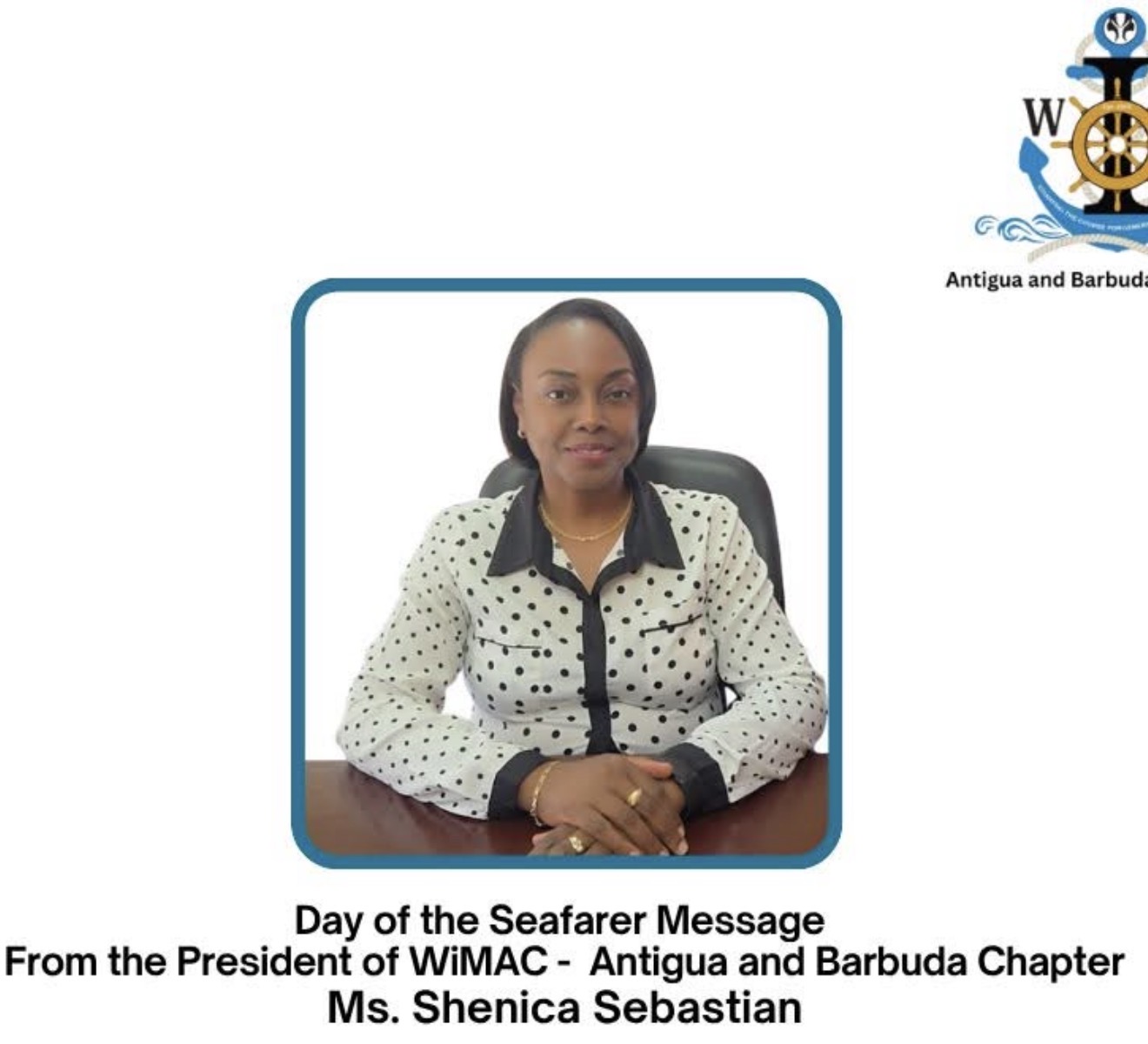
    In her official message for the 2024 Day of the Seafarer, Shenica Sebastian, President of WiMAC’s Antigua and Barbuda Chapter, emphasized the foundational role seafarers play in the global economy. Statistics confirm that these skilled maritime professionals enable approximately 90 percent of all international trade, moving goods, resources, and essential supplies from producing nations to consumer markets across every continent. Without their consistent service, the interconnected global economy that billions rely on would grind to a halt.

    This year’s official Day of the Seafarer theme, “Carrying world trade. Carrying the risks,” shines a light on a longstanding inequity in the maritime sector: while seafarers bear the responsibility of keeping global commerce afloat, they too often work in unsafe conditions that put their physical and mental health at risk. Sebastian stressed that this unfair burden is unacceptable, noting that the critical work seafarers perform demands equal commitment from global industry and regulatory bodies to protect their well-being.

    Sebastian opened her message by extending profound gratitude to seafarers for their extraordinary resilience in the face of persistent challenges, from long periods away from home to unregulated workplace hazards. The Antigua and Barbuda WiMAC chapter stands in solidarity with the International Maritime Organization (IMO) and the global network of Women in Maritime Association chapters around the world in a shared mission to protect these essential frontline workers.

    Moving beyond recognition, the organization has outlined clear priorities to drive systemic change in the maritime sector. These include advocating for strict zero-tolerance policies against workplace harassment, expanding opportunities for inclusive leadership that elevates women and underrepresented groups in maritime careers, and establishing secure, confidential reporting mechanisms that allow seafarers to raise concerns without fear of retaliation. Through collaborative action across national and international maritime bodies, Sebastian says WiMAC remains fully committed to building a maritime sector that is safe, equitable, and exemplary for all workers, regardless of rank or gender.

  • St George Primary Head Boy, in 11-plus top ten, earns QC place

    St George Primary Head Boy, in 11-plus top ten, earns QC place

    Eleven-year-old Tyriq Goddard, head boy of St George Primary School, has cemented his status as one of Barbados’ top emerging young scholars after ranking 10th overall in the 2026 Barbados Secondary Schools’ Entrance Examination, earning a coveted spot at his first-choice institution, Queen’s College. What makes Tyriq’s achievement even more notable is the steady, disciplined approach that carried him to success, with no costly extra tutoring or last-minute cramming required to reach his goal.

    Tyriq’s mother, Karen Goddard, told reporters her son’s strong work ethic was established from his earliest years of primary school, and he never deviated from that consistent routine. “From Class One, he was always a very diligent child. I didn’t put him in anything extra in terms of lessons. He would have just gone to school, paid attention in class, came home, did his homework, done any assignments that he needed to do, and that was basically it,” she explained.

    This consistent track record of solid performance left the whole family confident heading into exam day, with far more excitement than nervous energy surrounding the test. “I always had confidence that Tyriq would have done well because he has been doing well throughout his school life. I know that the outcome would not have been anything too far away from what he has been doing all along,” Karen added.

    That confidence was vindicated when results were released, and Tyriq learned he had earned a place at Queen’s College, a decision the 11-year-old made entirely on his own after researching all of Barbados’ top secondary institutions. “He looked at the booklet with the schools and what all of them offered. He browsed through the booklet and saw what each of the schools had to offer and which one resonated best with him,” Karen said. “It was more his decision rather than me putting something on him… even in terms of the sixth form, he even looked at that.”

    For Tyriq, Queen’s College stood out from other options because it balances rigorous academic programming with robust opportunities in his two favorite sports: volleyball and basketball. He added that having cousins already enrolled at the school was a nice bonus, but the strength of the school’s overall education program was the biggest draw.

    Unlike many students who face national entrance exams with overwhelming anxiety, Tyriq approached test day with a quiet, grounded calm. “I didn’t really feel anxious or excited. I just felt like I made it,” he recalled. When his top-10 result landed in his inbox, however, that calm quickly shifted to unbridled joy. “At first I had to let it process. It was a lot. Then after I just smiled and I was rejoicing and celebrating and everything,” he said. When asked about his first reaction after learning he earned a spot at Queen’s College, he laughed: “I ran up and down the house and screamed, telling everybody.”

    The family celebrated the milestone the same evening with a special dinner out, and Tyriq’s success comes as no surprise to anyone who knows the young scholar. Beyond his role as head boy, he has compiled an impressive record of academic and extracurricular achievement throughout his primary school career: he placed first in an inter-primary school diabetes education competition, claimed a board prize at a regional chess tournament after winning all five of his matches, finished fourth in a national mental mathematics competition, and took first place in the Lions language arts competition.

    Karen Goddard credits not just her son’s hard work, but also the consistent support he received from the entire staff at St George Primary School. “The teachers at the school, they’re very good and supportive. I must commend them as well,” she said.

    As Tyriq prepares to start his secondary education at Queen’s College this coming September, he said he will miss the close community of his primary school, but is eager to start the next chapter of his academic journey. A number of his close primary school classmates will be joining him at Queen’s College, and he has plans to stay connected to the peers and teachers he is leaving behind. “The teachers and the principals and the helpers, I would always come back to school and see them. So it’s not really devastating to me. I’m so happy I made the most of them,” he said.

    Reflecting on her son’s success, Karen noted that Tyriq’s achievement is proof that consistent hard work over time pays off, saying: “A number of these children have been consistently doing well and the results at the end of the day really show, they show.”

  • Notities uit de behandelkamer: De regen kwam onverwacht

    Notities uit de behandelkamer: De regen kwam onverwacht

    The annual rainy season in Suriname is no unforeseen event. Every student learns about the country’s distinct seasonal patterns in school, the national Meteorological Service issues advance warnings, and even long-time residents mentally prepare for wet conditions months ahead. Yet year after year, when the heavy downpours arrive, the widespread chaos they trigger still catches communities off guard. As a healthcare worker working in a local clinic, these disruptions are visible from the very start of the rainy season. Patients cancel appointments or fail to show up entirely because their yards and homes are submerged under floodwater. Others arrive hours late after impassable roads forced them to abandon their vehicles halfway to the facility. Temporary parking lots turn into makeshift ponds, turning what should be a quick trip to the hospital into an unexpected, logistically challenging expedition. Even routine procedures such as blood draws become unnecessarily complicated. Access roads to off-site testing laboratories are frequently rendered unusable, and some collection sites face flooding themselves. What was supposed to be a standard check-up gets pushed back not out of patient negligence, but simply because reaching the care facility has become impossible. The impact of unmanaged flooding stretches far beyond the healthcare sector, however. Flooded homes leave residents with water-damaged furniture, destroyed electrical appliances, and the unplanned burden of cleaning and rebuilding. For households already struggling to make ends meet, these unexpected repair costs push budgets even further out of balance, leaving a costly bill the rainy season leaves behind that many cannot afford. Food prices for fresh vegetables and other staple groceries have also spiked in the wake of repeated flooding. For many Surinamese families, accessing affordable nutritious food was already a major challenge; seasonal flooding only makes that burden much heavier. On top of economic strains, flood conditions create ideal breeding grounds for a range of health hazards. Standing water is the perfect environment for mosquito breeding, driving up the risk of mosquito-borne diseases across affected communities. Floodwater also increases exposure to dangerous infections such as Weil’s disease, which spreads when people come into contact with water contaminated by rat urine. To add to the list of problems, the rising floodwaters drive unwanted wildlife — including rats, cockroaches, and even snakes — out of their natural habitats and into dry residential homes, turning living spaces into unexpected refuges for displaced wildlife. It is important to acknowledge that individual residents bear some responsibility for reducing flood risk. Improper disposal of waste in drainage trenches and canals is a common contributor to blockages, and unkempt residential yards can make flooding worse. A clogged drainage system can often trace its origin back to a single plastic bottle or plastic bag discarded carelessly. But individual responsibility is only one piece of the puzzle. Building and maintaining a flood-resilient Suriname is first and foremost a public responsibility. The government bears the core duty of ensuring routine maintenance of drainage canals, sewer systems, and other flood management infrastructure. This work should not wait until streets are already submerged; it needs to happen long before the first heavy rains of the season arrive. As the old saying goes, an ounce of prevention is worth a pound of cure — and this principle applies as much to public governance as it does to healthcare. As a physician, I would far rather prevent high blood pressure than treat the life-threatening complications that result from uncontrolled disease. I would rather manage diabetes early to prevent kidney failure than intervene after irreversible damage has been done. Prevention requires advance planning, consistent ongoing maintenance, and sometimes upfront investments whose benefits only become visible years down the line. Flood management works exactly the same way. A well-maintained, fully functional drainage system rarely makes headline news. But a flooded residential neighborhood does. This may be the core challenge we face. Too often, governments and communities only invest in infrastructure after a crisis has already developed and become visible to the public. But effective governance, just like effective healthcare, centers on stopping problems before they ever start. The rainy season was never unexpected. Only our preparation for it was.

  • TAG Building Men Session – July 05, 2026

    TAG Building Men Session – July 05, 2026

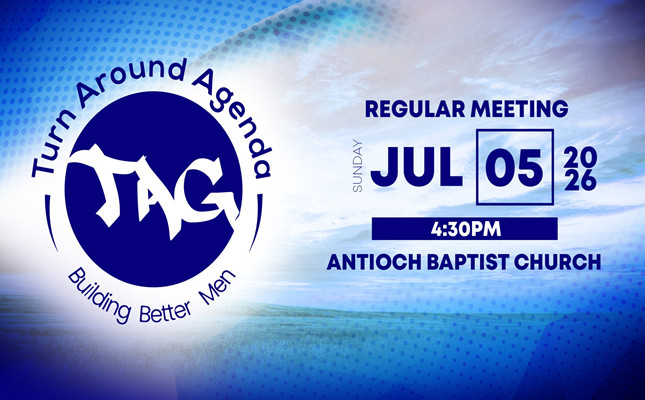
    A new community development initiative aimed at supporting young male growth has announced its upcoming session, open to adolescents and young adults across the region. Organized by the Turn Around Agenda (TAG) under its Building Men program, the event is scheduled to take place on Sunday, July 5, 2026, kicking off at 4:30 p.m. local time.

    The session, which targets young people between the ages of 11 and 21, will be hosted at Antioch Baptist Church, located within the Lime Kiln Commercial Development area. Organizers confirmed that all eligible young men within the target age range are welcome to attend the session, which is designed to foster personal development, skill-building, and community connection for participants. The official notice of the event was first published on Thursday, June 25, 2026 at 7:48 p.m., giving interested attendees and their families more than a week to plan for participation.

  • Policeman used teddy bear in killing of Cuban woman

    Policeman used teddy bear in killing of Cuban woman

    On Thursday, June 25, 2026, senior law enforcement investigators in Guyana confirmed that a serving Guyana Police Force constable has admitted to carrying out the premeditated killing of a 26-year-old Cuban national working in the country’s public health sector.

    Twenty-year-old Randy Thomas, the suspect in the case, laid out a detailed timeline of his actions to investigators, confirming the killing was planned in advance ahead of the fatal encounter. According to Thomas’s confession, he purchased rope from a local Chinese-run supermarket in his home village of Mahaica, located on Guyana’s East Coast Demerara, days before the planned meeting with the victim, Dailen Paneque Gómez.

    The pair arranged to meet on June 18, 2026, the same day Gómez disappeared while en route to her scheduled shift at the Mon Repos Health Centre. After meeting in the community of Enmore, the pair traveled together in Thomas’s personal vehicle to the remote Enmore Backdam area. Thomas told investigators that a casual discussion in the car quickly escalated into a heated argument, claiming Gómez became furious and attacked him before he killed her.

    In his confession, Thomas described the chilling details of the murder: he placed a teddy bear against Gómez’s head before firing an unlicensed firearm to kill her. After the shooting, he used the pre-purchased rope to bind her body, dragged the remains into a dense thicket of bushes in the backdam, and left the corpse hidden there. Following the murder, Thomas systematically disposed of all evidence linking him to the crime:

    He threw the murder weapon, an unregistered gun, into separate bushes near the backdam, discarded the teddy bear along the access road leading to the remote area, tossed Gómez’s mobile phone and the spent bullet casing over a bridge in the Unity community on East Coast Demerara, and returned to his Mahaica residence to clean every trace of evidence from his vehicle using hand sanitizer.

    Gómez was officially reported missing to authorities on June 19, one day after her disappearance. Following Thomas’s arrest and confession, he led law enforcement officers directly to the thicket where he had dumped her body, closing a key gap in the missing person investigation that quickly turned into a homicide probe.

    The case has sent shockwaves through Guyana, drawing attention to the safety of foreign healthcare workers serving in local public health facilities and raising questions about oversight of serving police personnel accused of violent crime.