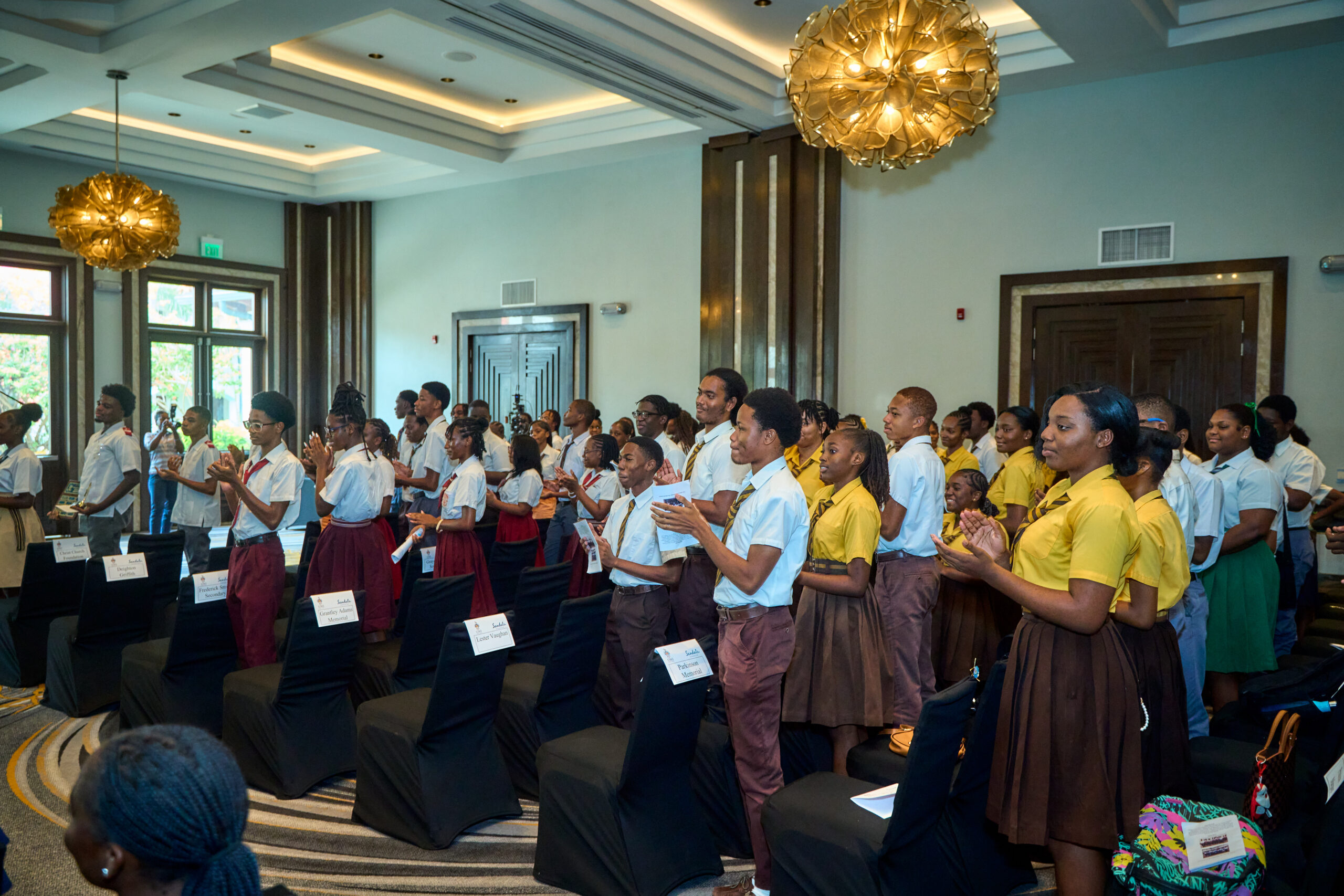
A decade-old youth workforce development initiative in Barbados has celebrated its latest milestone, with more than 300 secondary school students from 16 institutions successfully completing the transformative Preparing Today for Tomorrow’s Challenges – Transforming Children’s Lives (PTFTC-TCL) programme at a recent graduation ceremony.
Hosted at Sandals Royal Barbados on Wednesday, the event recognized the six-month skills training effort, a collaborative venture between the University of the West Indies (UWI) Global Campus and Barbados’ Ministry of Education, with core financial backing from the Sandals Foundation. This year’s graduation marks the programme’s tenth year of operation, a milestone that education leaders say reflects the long-standing shared commitment to equipping young people for a shifting global job market.
Speaking at the ceremony, Acting Chief Education Officer Julia Beckles emphasized that academic excellence alone is no longer sufficient to prepare young people for successful careers. “Across industries, employers and community leaders consistently prioritize candidates who can communicate with clarity, collaborate effectively in teams, resolve conflict constructively, maintain professional standards, and build lasting positive connections with others. That is exactly the competency set this programme has cultivated for participants over the past six months,” Beckles explained.
Beckles framed the initiative as a critical investment that aligns with Barbados’ current national development trajectory, noting that preparing the next generation for 21st century challenges requires coordinated effort across government, academia, and private sector partners. “We have reached a pivotal juncture in our national growth that demands a whole-of-nation approach to youth development. The fact that this partnership has sustained this work for a full decade is clear proof that all stakeholders understand how critical investing in our young people is to our collective future,” she said.
To guide students as they advance their personal and professional goals, Beckles outlined the Ministry’s SAVE framework, which centers four core principles: skills, attitudes, values, and excellence. She pushed back on the common label of these competencies as “soft skills”, arguing that their growing importance in a changing labor market makes them far more critical than the name implies. “There is ongoing debate about whether we should even call these soft skills, because many observers correctly note they are far more important than many traditional hard skills in the long run. Even as the job market transforms rapidly with new technologies, the value of these core interpersonal and professional competencies will not fade – it will only grow,” she added.
Beckles also previewed a major new education initiative from the Ministry’s Education Transformation division: a national Community Service Learning Programme set to launch in September 2026. The new programme will encourage students to engage with extracurricular opportunities including school organizations, community service groups, athletic teams, and special interest clubs to build practical experience and social connection.
Dr. Francis Severin, Pro Vice-Chancellor and Principal of the UWI Global Campus, used a powerful metaphor to encourage graduates to prioritize character development alongside academic and professional growth. He urged students to “build dignity in the bank” the same way they would build financial savings, arguing that long-term personal and professional success depends on consistent, ethical choices that preserve self-worth.
“Dignity – the quality of being worthy of honor and respect, rooted in self-respect, self-esteem, and self-control – is something you build over time, just like a savings account. If you have a ‘balance of dignity’ that you’ve nurtured through consistent good choices, you can enter job interviews and professional spaces without fear that past poor decisions or compromising content will derail your progress. You can have a full bank account financially, but if you have no dignity to draw on, you will struggle to succeed,” Severin explained. He added that no academic degree or material possession can repair damage to a person’s character caused by reckless or unethical choices, and that a strong sense of self-worth is the foundation for making good life decisions.
The PTFTC-TCL programme’s expansion over the past decade has been supported by additional investment from the Rock Hard Foundation, which has contributed more than $130,000 to support programme delivery. Patrick Drake, Resort Manager of Sandals Barbados, told graduates that the skills they gained through the programme prepare them for more than just careers – they prepare them for all of life. He encouraged students to leverage digital technology to access opportunities far beyond Barbados’ borders.
“Barbados may be a small island, but modern technology has opened up the entire world to young people today. The world really is your oyster if you are willing to seize the opportunities available,” Drake said. Echoing Beckles, he emphasized that the core soft skills graduates mastered will remain irreplaceable even as technology reshapes the global economy. “No matter how much technology changes how we work, your skills in communication, collaboration, negotiation, teamwork, and self-confidence will always be central to your success,” he added.
In closing, Beckles challenged graduates to continue nurturing the skills and values they gained through the programme, urging them to act as ambassadors for the initiative’s mission and embrace a lifelong commitment to growth. “Continue to strive for excellence, embrace lifelong learning, and carry forward the values this programme has instilled. Remember that ‘tomorrow’ is just the day after today – you will need these skills much sooner than you might expect,” she told the graduating cohort.