On the annual International Day of the World’s Indigenous Peoples, observed every August 9, the global community is turning its attention to the long-standing systemic injustices facing Indigenous communities worldwide, while centering the 2025 theme that honors a little-recognized pillar of Indigenous well-being: Indigenous midwives.
United Nations Secretary-General António Guterres opened this year’s observance with a stark assessment of the systemic barriers that continue to shape Indigenous life. “Indigenous Peoples around the world continue to face overwhelming marginalization, discrimination and exclusion,” Guterres said. “Rooted in colonialism and patriarchy, these profound disparities are sustained by a deeply held resistance to recognizing and respecting the rights, dignity, and freedoms of indigenous peoples.” He traced these harms back centuries, noting that colonial systems robbed Indigenous communities of their ancestral lands, political and economic self-determination, cultural heritage, and even separated Indigenous children from their families to forcibly assimilate them into dominant societies.
These historical harms have translated into stark modern inequities. Global demographic data from the United Nations estimates that 476 million Indigenous people reside across 90 countries, accounting for less than 6% of the world’s total population. Yet this small demographic group makes up at least 15% of the global population living in extreme poverty. Beyond their social and economic marginalization, Indigenous communities hold a disproportionate responsibility for global ecological health: their traditional territories cover 28% of the world’s land surface, hold 11% of the planet’s total forest reserves, and contain the vast majority of the world’s remaining intact biodiversity. Culturally, they are also the primary stewards of global linguistic diversity: Indigenous communities speak the overwhelming majority of the world’s roughly 7,000 distinct languages and represent more than 5,000 unique cultural identities.
In the Caribbean region, the story of Indigenous survival mirrors this global experience. Before European colonization began in 1492, the Caribbean was home to a diversity of Indigenous nations, including the Taino — who occupied the Greater Antilles and Bahamas, with the Lucayan people as a distinct regional branch — the Kalinago (also called Island Caribs) of the Lesser Antilles, and earlier archaic groups including the Ciboney and Guanahatabey. The Kalinago, who originally named the island of Dominica Waitukubuli, meaning “tall is her body,” remain the resident Indigenous nation of Dominica today. After Christopher Columbus’ 1492 voyage that opened the era of European colonization, successive waves of Spanish, Portuguese, English, Dutch and French settlers displaced and decimated Indigenous populations across the region. Today, descendants of these original Indigenous nations, alongside other Caribbean Indigenous groups including the Maya, Garifuna and Surinen, still maintain their cultural identities and communities across the region.
The International Day of the World’s Indigenous Peoples was formally established by the UN General Assembly in December 1994, with the August 9 date chosen to mark the first meeting of the UN Working Group on Indigenous Populations held in 1982. Each year, the day adopts a targeted theme to draw attention to underrecognized issues facing Indigenous communities; the 2026 theme, “Honouring Indigenous Midwives: Safeguarding Life and Well-being,” centers the critical role of Indigenous midwifery in cultural survival and community health.
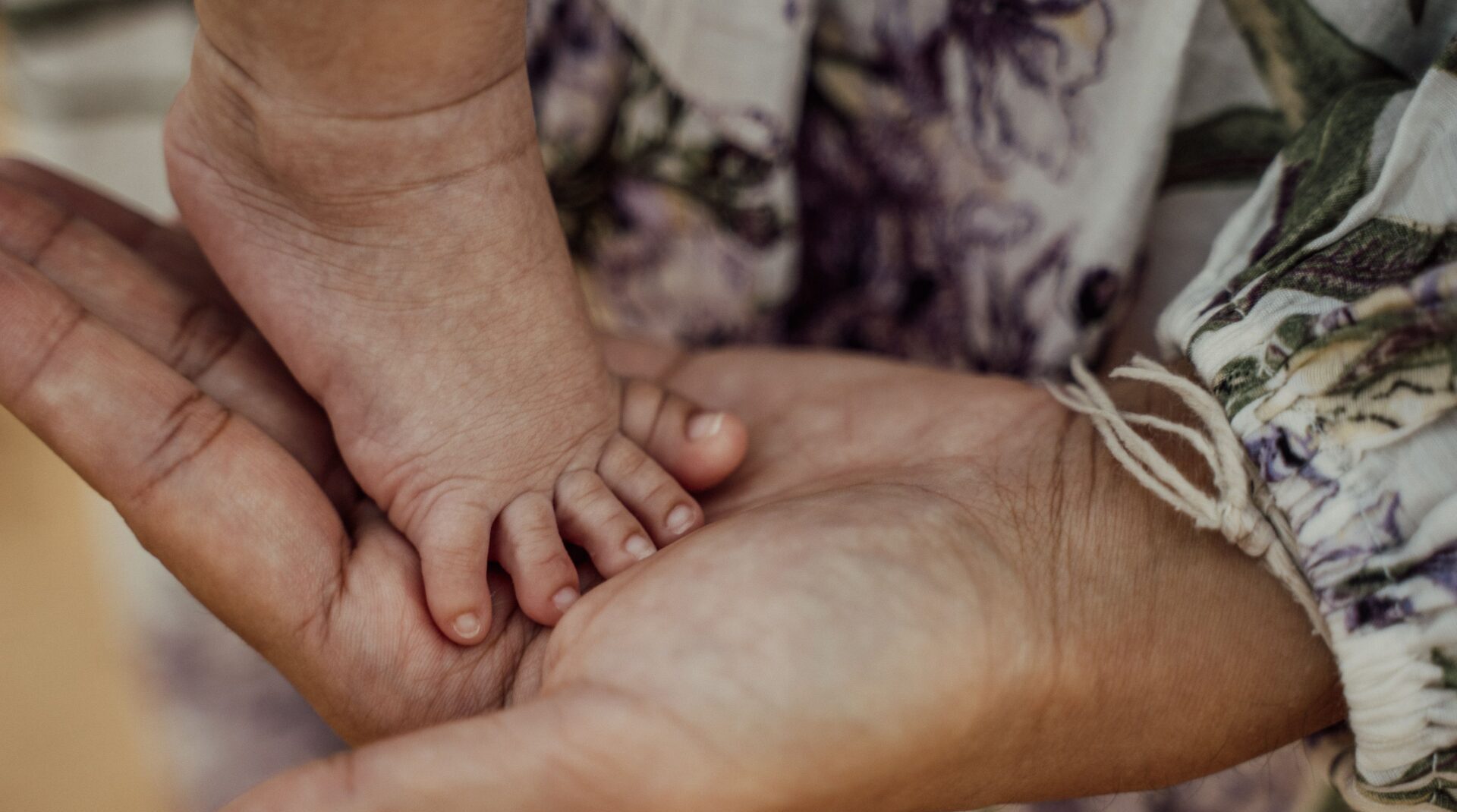
UN officials emphasize that honoring Indigenous midwives is far more than a symbolic gesture: it is an opportunity to recognize these women and knowledge keepers as core caregivers to Indigenous communities, reaffirm the enduring value of Indigenous knowledge systems, and advance culturally centered health care that meets the needs of current and future Indigenous generations. Indigenous knowledge systems are rooted in holistic worldviews that tie together land, spirituality, community and daily life, developing intergenerational practices of care that have sustained Indigenous well-being for millennia.
Indigenous midwifery is one of the most vital expressions of these knowledge systems. It supports the intergenerational transmission of cultural knowledge, strengthens collective Indigenous identity, and ensures the continuity of Indigenous ways of life. Yet the practice continues to face deep structural barriers and systemic discrimination that excludes Indigenous knowledge from formal national health frameworks, limiting Indigenous communities’ access to culturally appropriate maternal care.
Across the globe, Indigenous peoples maintain unique cultural traditions, social structures, and relationships to the natural world that remain distinct from the dominant societies surrounding them. Despite their diverse cultural contexts, Indigenous communities worldwide share a common struggle to protect their inherent rights as distinct peoples. For centuries, Indigenous nations have fought for formal recognition of their identities, traditional ways of life, and inherent rights to their ancestral lands, territories and natural resources. Still, systemic violations of Indigenous rights persist, leaving Indigenous communities among the most disadvantaged and vulnerable populations globally.
In recent decades, the international community has increasingly acknowledged that targeted special measures are required to protect Indigenous rights, preserve their distinct cultures and ways of life, and redress historical harms. On this 2026 International Day of the World’s Indigenous Peoples, the article’s author, educator and social commentator Wayne Campbell — who focuses on how development policy shapes cultural and gender equity — calls on the global community to unite to raise awareness of the day’s core mission. The observance serves a critical purpose: advancing Indigenous rights, celebrating Indigenous traditional knowledge, and addressing pressing shared challenges including land preservation and health equity. Today, the global community pauses to recognize and celebrate the extraordinary diversity of Indigenous cultures and their enduring contributions to global society and planetary health.