
Oliver Wendell Holmes Sr. once described language as “the blood of the soul into which thoughts run and out of which they grow.” This profound observation holds increasing urgency in modern discussions of gender relations, where widespread disrespect and implicit bias have normalized harmful rhetoric that erodes connection and equality across genders. Gender relations, defined as the interconnected social, cultural, economic and power dynamics that shape interactions between people of different gender identities, are deeply influenced by the everyday language we use. Today, one pervasive phrase — “man up” — stands as a striking example of how casual language perpetuates double standards and harms people of all genders.\n\nThe phrase “man up,” which is often deployed by women in positions of power and authority to criticize or dismiss men, has been allowed to spread through modern culture without meaningful pushback. What many dismiss as a harmless throwaway line actually carries layered harm that extends far beyond the immediate interaction. Fundamentally, the phrase operates on two damaging implicit assumptions: first, that traits like courage, emotional resilience, emotional regulation and strength are inherently masculine, and second, that women are inherently incapable of possessing these same qualities. This framing is exclusionary to non-binary people, unfair to men, and limiting to women, locking all genders into rigid, outdated stereotypes.\n\nIn hierarchical spaces like workplaces, the phrase is frequently used to belittle and emasculate men who deviate from narrow gender expectations, constituting a subtle but pervasive form of gender-based discrimination. For men already navigating crippling societal pressure to conform to traditional masculine norms, “man up” adds an additional layer of burden: it pressures men to suppress vulnerability, discourages healthy emotional expression, and dismisses the very real struggles men face by framing their emotions as a failure to be “masculine enough.” Even as some women who use the phrase are grappling with their own journeys of self-discovery, this does not excuse the harm that casual, gendered disrespect inflicts on broader gender relations.\n\nTo understand why a single phrase matters so much, it is critical to recognize the dual relationship between language and culture. As the late Nobel Prize-winning author Toni Morrison often noted, language is a double-edged sword: it can be oppressive, violent and censoring, or it can be liberating, life-affirming, and a tool to expand our shared understanding of humanity. Language both reflects and shapes the culture we live in; it acts as society’s operating system, influencing how we think, what we value, and how we perceive the world around us. This aligns with the theory of linguistic relativity, which holds that the structure and vocabulary of the language we use shapes our cognition, worldview, and understanding of abstract concepts — from concepts of time to core social values like equality.\n\nWhen we choose to move away from gendered idioms like “man up,” we take a concrete step to dismantle harmful stereotypes and create space for more inclusive, healthy expressions of strength and resilience. Phrases that reinforce rigid gender roles do not just harm individuals: they damage workplace dynamics, erode intimate relationships, and worsen negative mental health outcomes for people across the gender spectrum. Biased language can even drag down workplace productivity by creating uncomfortable, exclusionary environments that prevent all employees from bringing their full selves to work. To counter this, workplaces should prioritize expanding gender sensitivity training that helps employees recognize and avoid language that carries hidden gender bias.\n\nBuilding a truly equal society requires intentionality in how we speak to and about one another. Gender equality is not a one-sided project that benefits only one gender — it requires all people to reject biased language and center mutual respect and dignity as the foundation of a progressive, inclusive society. As Morrison put it: “Oppressive language does more than represent violence; it is violence; does more than represent the limits of knowledge; it limits knowledge.” By choosing our words intentionally, we can build a culture that celebrates strength and resilience in all people, regardless of gender.\n\nThis commentary is from Wayne Campbell, an educator and social commentator focused on how development policies shape cultural and gender issues.
分类: society
-
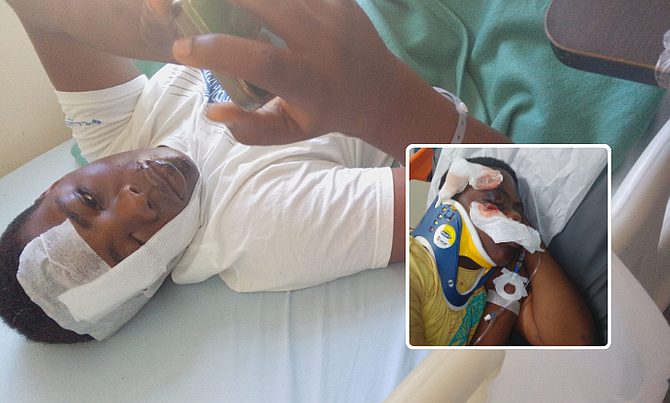
Teen hit by car while fleeing aggressive Robinson Road dogs
A promising 15-year-old top-performing high school student is recovering in hospital with life-altering injuries after being struck by a motor vehicle early Friday morning on Nassau’s Robinson Road. The incident unfolded as Dino Pinto Jr., a student at R M Bailey High School, was forced to flee into the roadway to escape two aggressive dogs that were charging him while he walked along the sidewalk on his way to work. Now, his mother is publicly calling for answers and accountability, saying she is devastated by the driver’s apparent lack of care for her injured son.
Dino, who was heading to a part-time shift at an electric store ahead of starting an official summer placement at the Ministry of Agriculture on Monday, recalled that multiple drivers had already stopped their cars to let him cross the two-lane street when the accident happened around 7 a.m. In an interview from his hospital bed, he explained that one vehicle failed to stop, instead overtaking one of the stationary cars and hitting him before he could get out of the way.
“I lost consciousness immediately after the impact, and the next thing I remember is waking up in a hospital bed,” Dino said. “I have no memory of anything that happened right after I was hit.”
The crash left the teen with severe soft tissue damage to his face, a fractured bone adjacent to his spine, a broken kneecap and a damaged ankle – injuries that have forced him to cancel his planned summer job and put his preparations for the upcoming school term in September in jeopardy. As he works through the pain of his recovery, Dino said he is relying on his religious faith to pull him through this difficult period and help him get back to his normal routine.
The teen’s mother, Nakaya Knowles, said she got the devastating news from a Good Samaritan motorist who witnessed the crash and stopped to help her son, calling her to share details of the incident. “When I got that call, my heart just sank. I went into complete shock – I threw on whatever clothes I could grab and rushed to the scene, praying the whole way that my son was still alive,” Ms Knowles recalled.
When she arrived, the driver had remained at the scene but stayed inside her vehicle. Ms Knowles said she walked over to the driver to politely request her name and contact information, to clarify how the crash had unfolded. However, she said the driver refused to share any personal details, claiming she did not want to be “harassed” and did not want her name shared publicly on social media, adding that all communication would go through her insurance provider. She told Ms Knowles she was in shock from the incident.
Police officers at the scene assured Ms Knowles they would collect the driver’s information and follow up on the incident. Still, she says the most hurtful part of the entire experience is that the driver has made no effort to reach out, check on Dino’s condition, or even visit him at the hospital.
Wiping away tears, Ms Knowles said: “This is not about money for me. My child is a human being, not a paycheck or an afterthought. You should at least reach out to me, or call the hospital to see if he’s okay. That’s the only thing that’s hurting me this much.”
Dino echoed his mother’s frustration, saying the driver could have avoided hitting him if she had been paying attention and slowed down. “She didn’t have to keep going when all the other cars stopped for me,” he said. “At the very least, she could have apologized. Right now, my eye is covered in bandages, I’m in a cast, and I have a broken bone right next to my spine that could have left me paralyzed.”
The teen added that he is deeply distressed about the impact the injury could have on his schooling when the new term starts in just a few months. “I don’t know when I’ll be able to get back to normal,” he said.
Ms Knowles’ decision to share her story in a live Facebook video has sparked widespread public attention and solidarity. By the time local media outlet The Tribune went to press, the video had already been shared more than 1,000 times, with hundreds of commenters expressing support for Dino and criticism of the driver’s actions.
-
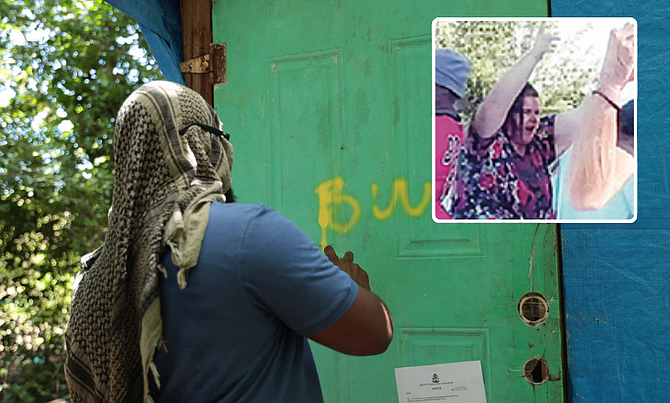
Viral Spanish Wells woman arrested over building new shanty structures
A Bahamas woman who captured international attention earlier this year for a fiery public confrontation with government officials during a demolition operation has been taken into custody once again, this time for allegedly erecting four new unauthorized structures on her land in Spanish Wells.
Dominique Pinder was taken into custody on August 4 by members of the Unregulated Communities Action Task Force, the interagency body leading the government’s crackdown on unpermitted development across the country’s major islands. Task force chairman Superintendent Stephen Carey confirmed the arrest in a press briefing, noting that the operation marked a return to Pinder’s property months after a high-profile January incident that drew widespread social media outrage.
In January, Pinder and her brother Blake Pinder became viral figures after cell phone footage captured their heated confrontation with task force personnel as crews carried out a scheduled demolition of unpermitted buildings on the Spanish Wells plot. That encounter led to immediate charges against both siblings: Dominique Pinder faces counts of disorderly conduct, obscene language, and abusive language, while Blake Pinder faces an additional obstruction charge. Both have pleaded not guilty to all allegations and their original case remains pending.
During the January operation, crews demolished 14 unregulated structures on the Pinder property. But when task force members returned last week to conduct routine follow-up checks, Carey said investigators discovered four completely new structures had been erected in the place of the demolished buildings, all without the mandatory government construction permits. Following her arrest on new unpermitted construction charges, Dominique Pinder was released on bail and is scheduled to make her first court appearance on the latest charges this Thursday.
In addition to Pinder’s arrest, six other individuals found on the property during the operation were taken into custody for immigration-related processing, Carey confirmed. The senior law enforcement official used the arrest to issue a sharp public warning to property owners across the country who host unauthorized construction on their land.
“To the landlords, we send out a stern warning that once we come and place 28 day notice on the structures, we will charge the landlords for allowing persons to build without a building permit,” Carey said.
The latest arrest comes as the task force ramps up its long-running enforcement of unregulated construction rules across Eleuthera, where authorities have issued a 28-day eviction notice campaign targeting illegal development. So far, 59 eviction notices have been delivered to landowners in Blackwood, a district where crews demolished roughly 60 unregulated structures earlier this year. Carey confirmed that multiple property owners in the area have already begun rebuilding illegal structures after the 2024 demolitions, mirroring the alleged actions of Pinder in Spanish Wells. Across the entire island of Eleuthera, the task force has issued 63 eviction notices to date.
Looking ahead, Carey confirmed that demolition operations will continue across three major Bahamian islands: Abaco, Eleuthera, and Andros, all of which have seen widespread unregulated construction in recent decades. A major demolition operation is already scheduled for Andros in early September, and Carey warned that there would be no last-minute reprieves for residents of unregulated structures who refuse to relocate ahead of scheduled enforcement actions.
He urged all residents currently occupying illegal, unpermitted structures to vacate their properties before official demolition teams arrive, emphasizing that the task force would not offer extensions or grace periods for non-compliant landowners and occupants.
-
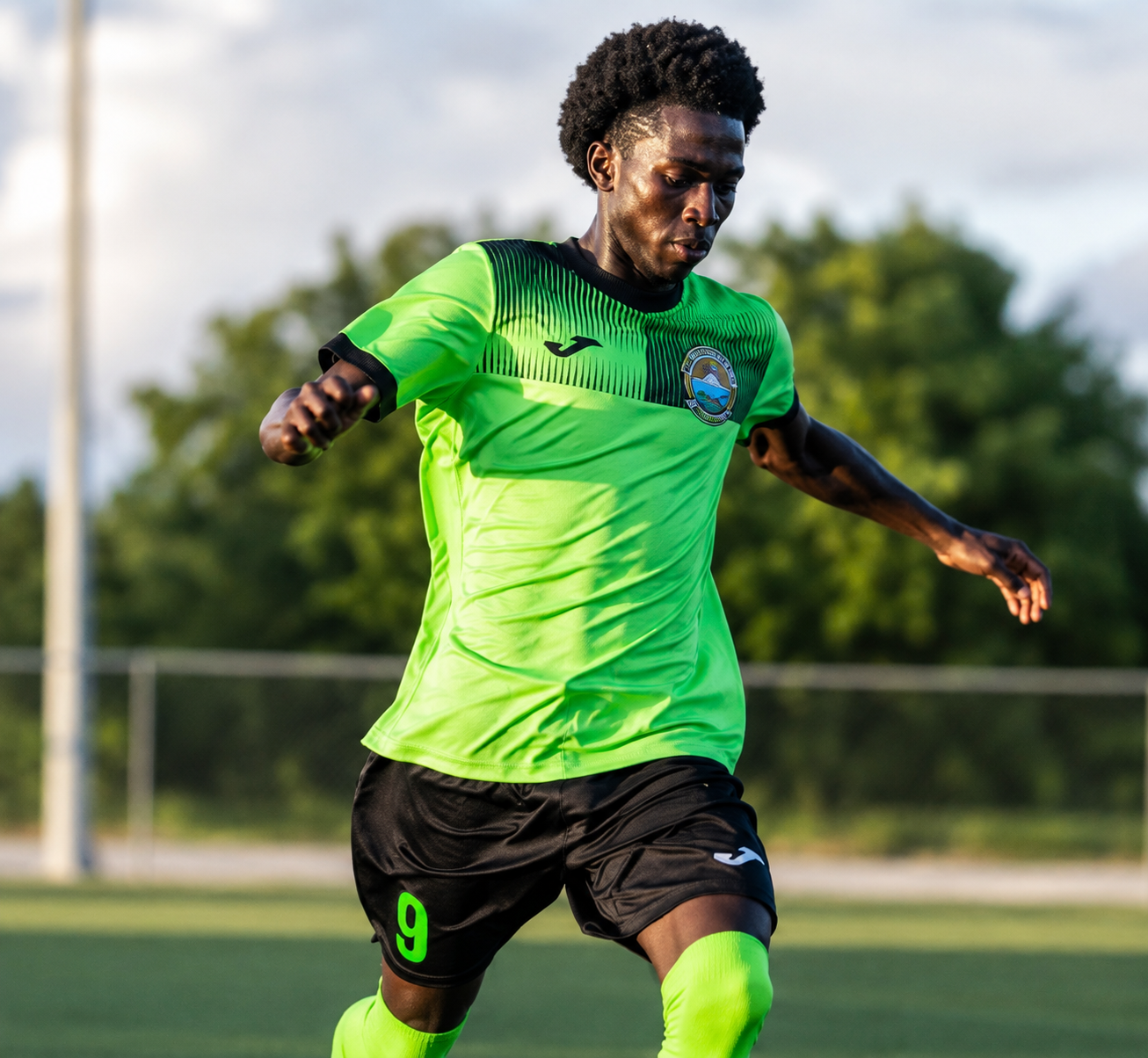
ABFA Wishes Jahlane Barzey and Josh Thomas Speedy Recovery, Condemns Gun Violence
The football community of Antigua and Barbuda has come together to show unwavering support for two professional players, Jahlane Barzey and Josh Thomas, following an incident involving gun violence that left the pair in recovery. The Antigua and Barbuda Football Association (ABFA) has publicly reaffirmed its solidarity with the athletes, using the moment to also sound the alarm on the growing crisis of gun-related harm across the twin-island nation.
In an official statement shared widely across the association’s communication channels, the ABFA extended heartfelt well wishes to Barzey and Thomas, emphasizing that the entire national football family stands shoulder to shoulder with them through their recovery process. “We stand with you both and wish you strength, healing and a full return to the pitch. Your football family is behind you all the way,” the statement read.
Beyond extending support to the injured players, the ABFA used the platform to launch a firm “Zero Tolerance for Gun Violence in Antigua & Barbuda” declaration. The association highlighted that gun violence does not just harm individual victims—it rips apart families, destabilizes local communities, and erodes the fabric of the nation as a whole.
“Enough is enough!” the declaration read. “Let’s choose peace over violence and protect the future of our nation.” The governing body went on to stress that meaningful progress on curbing gun violence requires collective action from all residents of Antigua and Barbuda. Only through unified effort, the ABFA argued, can the country build a safer, more resilient future for all its people, including the next generation of young athletes who will one day represent the nation on the pitch.
This public statement comes as the entire regional football ecosystem mobilizes to support the two players, aligning the push for the athletes’ full recovery with a broader national call to address the root causes and impacts of gun violence.
-
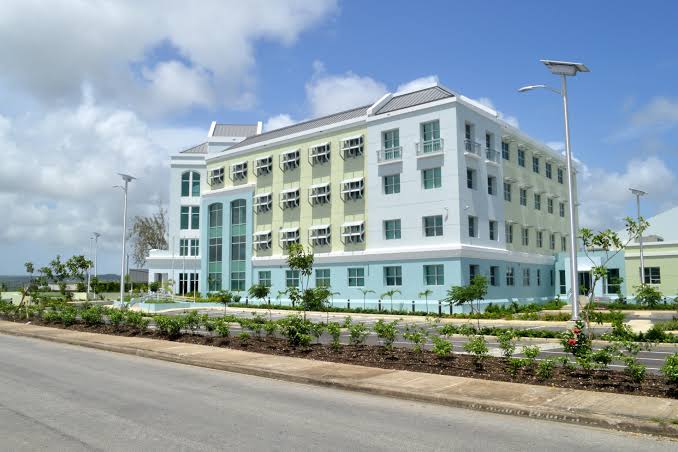
Water interruption in St Peter
Residents in multiple districts of northern Barbados’ St Peter parish are being put on early notice to prepare for potential water service disruptions next Monday, August 10, as the island’s national water utility carries out critical infrastructure upgrades. The Barbados Water Authority (BWA) announced that maintenance teams will be on site working on a new water connection in the Gibbs neighborhood, with all works scheduled to run between 9 a.m. and 8 p.m. that day. During the entire 11-hour work window, households and businesses across a wide affected area – encompassing Gibbs Glades, Gibbs Road, Piedmont Road, Ascot Avenue, and all smaller surrounding communities – can expect inconsistent service, ranging from sustained low water pressure to complete temporary outages. To minimize the disruption to daily routines, the BWA has issued a formal recommendation that all customers in the impacted zone store sufficient quantities of drinking and household water in advance of the scheduled work. The utility has also issued a public apology for the unavoidable inconvenience that the construction work will cause for local residents, noting that the connection project is necessary to improve long-term water service reliability for the area.
-

BHTA stages tournament to raise funds for schools
The Barbados Hotel and Tourism Association (BHTA) has launched an innovative community initiative that blends grassroots sports, corporate social responsibility, and cross-sector collaboration to address critical needs across the island nation’s primary and secondary education system. Titled the Adopt-A-School Futsal Tournament, the event kicked off earlier this Saturday with 24 competing teams, and will unfold over four consecutive weekends, wrapping up on August 30 just ahead of the start of the 2025 academic school term. The association has set an initial fundraising target of at least $50,000, with every dollar raised earmarked for direct investments in schools across the country.
Kelly-Ann Payne, BHTA’s chairman, explained that the tournament was conceptualized to do more than just raise funds. It is designed to forge stronger, mutually beneficial ties between Barbados’ two core national development pillars: the tourism sector, which drives a large share of the island’s economy, and the education sector, which shapes the country’s future workforce. The initiative also leverages the popularity of futsal – a condensed, fast-paced form of football – to create engaging opportunities for youth development across communities.
The allocated funds will address a broad spectrum of pressing school needs, ranging from upgrades to information technology programs and recreational facility improvements to expanded environmental initiatives, enhanced school food and nutrition programs, better sports and music resources, improved water storage infrastructure, and other critical capital upgrades. A core secondary goal of the tournament is to proactively identify schools with the greatest unmet needs, ensuring that resources reach the communities where they will create the most impact.
Sade Deane, tourism liaison officer at the BHTA, emphasized that the event is far more than a simple athletic competition. “It reflects our ongoing commitment to supporting education, building community, and promoting wellness,” Deane noted. Beyond supporting school improvements, the tournament also advances employee wellness and teamwork among BHTA member organizations, giving industry staff the chance to participate in healthy, collaborative competition while contributing to a national good.
Deane added that the unifying nature of football creates a unique foundation for community development, while encouraging BHTA member businesses to take an active role in advancing Barbados’ national growth. “Over the coming weeks, we will witness not only exciting competition on the court, but also the positive impact that sport can have in bringing people together for a meaningful cause,” she said.
Dr. Denise Charles, acting deputy chief education officer for Barbados, has publicly welcomed the cross-sector partnership, praising it as a model for what can be accomplished when private industry, local communities, and public education institutions align around a shared goal. She noted that the full amount raised will provide substantial, much-needed support to primary and secondary schools across the island, covering everything from expanded sports programs to critical technology upgrades that directly benefit student learning.
Charles echoed Payne’s framing of tourism and education as dual pillars of national progress, highlighting how targeted collaboration between the two sectors can unlock shared value. “By bringing these sectors together, this tournament demonstrates how corporate citizens can play a meaningful role in supporting our schools and investing in the future workforce of Barbados,” Charles said.
-
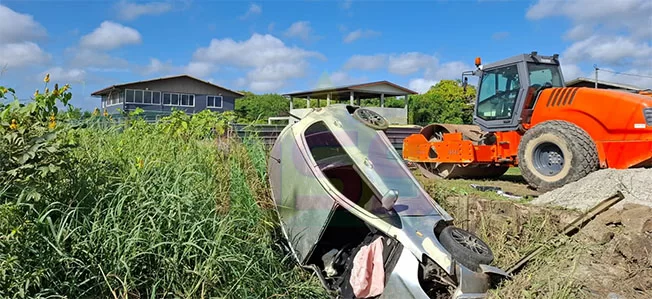
Bestuurder overleden na verkeersongeval aan Commissaris Weythingweg
In a tragic early morning traffic incident on Tuesday, a motorist has lost his life after losing control of his vehicle and crashing off the roadway in the Netherlands. The fatal collision took place at approximately 7:05 a.m. local time along the Commissaris Weythingweg, near the Leiding 10 location.
According to initial law enforcement and emergency response briefings, investigators believe the driver suffered a sudden loss of control over their vehicle. The car veered off the paved roadway before coming to rest in a roadside ditch. The impact of the crash left the driver with severe, life-threatening injuries, and first responders confirmed the individual died at the accident scene shortly after the incident.
Multiple emergency services, including local fire crews, medical personnel and law enforcement officers, were dispatched immediately to the site to provide on-site assistance and secure the area. As of Tuesday mid-morning, authorities have not yet confirmed the definitive root cause of the crash. Investigations are ongoing to determine whether factors such as vehicle mechanical failure, weather conditions, or driver health issues contributed to the fatal event.
-
Thousands answer call to join Police Service
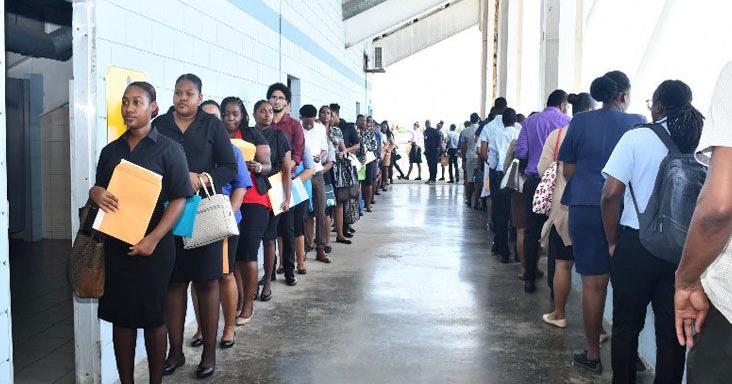
Against a backdrop of ongoing public scrutiny and criticism of the Trinidad and Tobago Police Service (TTPS) from multiple sectors, the organization’s most recent recruitment drive has defied expectations, drawing more than 5,000 eager young candidates seeking to join the national force. Senior TTPS leaders have framed this overwhelming turnout as clear proof that citizens across the country retain a strong desire to serve their communities through the police service.
On a single processing day at the St James Police Academy last week alone, officials logged roughly 1,950 completed applications, cementing the high level of public interest in the recruitment cycle. Deputy Commissioner of Police (Administration) Junior Benjamin shared his perspective on the strong response in an interview with the *Sunday Express*, noting that while critical conversations about the TTPS circulate in public discourse, young people in particular remain committed to joining the force and believe in its core mission.
Benjamin emphasized that the TTPS’s recruitment goal extends far beyond just growing the overall size of the service. Instead, the organization is focused on handpicking high-caliber candidates who can lift national policing standards and improve public outcomes. “We are putting structures in place to identify the cream of the crop, because our ultimate priority is upgrading the quality of service we deliver to the Trinidad and Tobago public,” he explained.
The rigorous selection process includes multiple screening stages, from written exams to in-depth interviews, that will eliminate a large share of applicants as the process moves forward. Benjamin acknowledged that many candidates will be weeded out through these checks, but expressed confidence that the most capable, motivated candidates will rise through the ranks to become officers who can drive meaningful change. He added that the successful new recruits will strengthen the TTPS’s operational capabilities and advance the service’s core mission of building safer, more secure communities across Trinidad and Tobago.
Drawing in skilled, committed new officers is especially critical as the TTPS works to rebuild public trust and modernize its practices, Benjamin noted. Modern policing requires far more than just enforcing laws, he explained: the service needs officers who prioritize public service and center community needs. “Competence is non-negotiable, but we also need officers who bring care and concern for the people they serve,” he said.
Benjamin outlined that the TTPS is seeking candidates who combine knowledge, compassion, and a dedication to delivering excellent public service, arguing that stronger, trust-based bonds between police and community members will create long-term benefits for the entire nation. He also encouraged prospective recruits to frame policing as a calling of public service, not just another professional job. “This is not just a role for steady employment. Being a police officer is far more than a career — it is a calling that requires commitment and sacrifice,” he said, noting that officers must be prepared to work long, demanding hours to meet the needs of the profession. Ultimately, the TTPS aims to cultivate a new generation of officers aligned with modern policing principles that center public service and meet evolving community expectations, he added.
Reacting to the high turnout, Benjamin said the TTPS executive team is elated to see so many young people stepping forward to answer the call to serve. He acknowledged that some applicants are drawn to the role for the stable employment it offers, particularly amid high youth unemployment in the country, but stressed that a large share of candidates also join out of a genuine desire to contribute to public good.
ASP Ishmael Pitt, president of the TTPS Social and Welfare Association, echoed Benjamin’s remarks and welcomed the strong response to the recruitment drive. Pitt noted that the large turnout proves that policing remains a magnet for motivated candidates, even amid the well-documented challenges that come with the profession. “Young people are coming out in droves to join the organization, and that is a very welcome development,” he said.
Pitt pointed out that the high applicant volume makes clear that many people still want to serve their country through the TTPS, despite the intense pressure, public criticism, and image challenges the profession sometimes faces. “It shows that regardless of the demands, the challenges, and the negative narratives that sometimes surround policing, people still want to serve their nation through this work,” he explained.
While Pitt could not confirm whether this year’s turnout is higher than previous recruitment cycles, he noted that police recruitment in Trinidad and Tobago has consistently drawn strong public interest, defying assumptions that criticism would dampen enthusiasm. The current recruitment cycle aligns with this long-running trend, he said, even as final official numbers are still being compiled.
For candidates hoping to succeed in the process, Pitt offered advice that aligns with the TTPS’s focus on public service: prospective officers must fully understand the heavy responsibilities that come with the role before joining. “This is an extremely demanding profession that requires you to give a lot of yourself,” he said. He also warned new recruits that they will face temptation throughout their careers, and urged them to hold fast to the core values of integrity, honesty, and respect for the law that they learn during their academy training.
At its core, Pitt said, policing is about serving the public, and all officers must prioritize integrity, decency, honesty, and professionalism in every part of their work.
-

Man found dead in Potters home
A death investigation has been launched by local authorities after a man’s remains were discovered inside a private residence in Potters on Saturday evening.
According to preliminary law enforcement updates, the grim discovery was made by a family member of the deceased, who had grown concerned after days without contact with the man. The relative traveled to the property, which is located close to the shuttered Obeez Supermarket, to check on his welfare and ultimately found the body inside the home.
Early investigative findings point to the body having been at the residence for an undetermined length of time. As of the latest updates, the exact cause of death remains unconfirmed, and officials have not yet made additional details surrounding the incident — including the identity of the deceased — available to the public. The investigation remains active and ongoing as authorities work to piece together the full circumstances of the death.
-
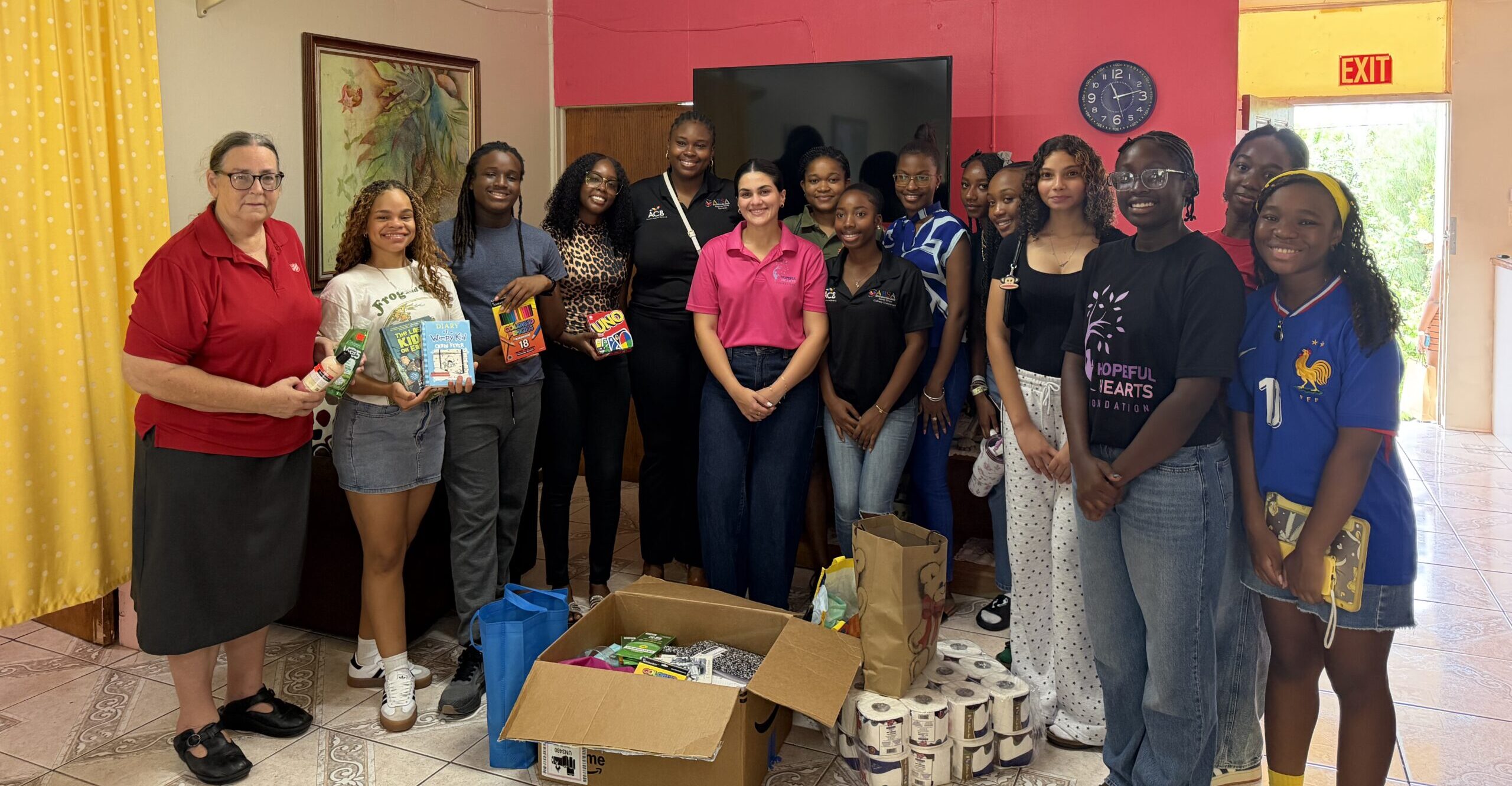
ABSA and Hopeful Hearts Foundation Partner for Outreach Visit to Sunshine Home for Girls
On August 8, 2026, two Antigua and Barbuda-based organizations partnered to bring joy, resources and connection to young residents of a local girls’ care facility. The Antigua and Barbuda Students’ Association (ABSA) from the Cave Hill Campus of The University of the West Indies joined forces with the Hopeful Hearts Foundation (HHF) for a community outreach visit to the Sunshine Home for Girls, located in Johnson’s Point, Antigua.
Unlike traditional one-off donation drops, this outing was designed to pair tangible charitable support with deep, personal engagement between visitors and residents. Beyond delivering a curated selection of critical daily items—including personal hygiene products, educational school supplies, hair-care goods and a new collection of reading books—the teams prioritized getting to know the girls who call the facility home. Members led open, non-judgmental dialogues about daily life, shared challenges and pressing issues affecting young people, setting aside dedicated time to learn about each girl’s unique personality, personal hobbies and lived experiences.
This intentional approach fostered a warm, trusting environment where residents felt comfortable asking questions, voicing their own perspectives, and building genuine connections with the visiting group. Many participants left the interaction noting that the mutual exchange had been just as meaningful for them as it was for the girls at the home.
Founded by Antigua and Barbuda’s National Youth Ambassador Kristine Louisa, the Hopeful Hearts Foundation has long centered its mission on lifting up young people across the twin-island nation. Its core work spans youth empowerment, expanded educational access, humanitarian relief and inclusive community development. To date, the organization has rolled out a wide range of impact-driven initiatives, from on-site school outreach and youth motivational programs to large-scale community donation drives and local service projects.
For ABSA, the partnership and visit marked an important step in fulfilling the organization’s core mission: extending its positive impact beyond the boundaries of the university campus to invest in the long-term development and overall well-being of young people across Antigua and Barbuda. The successful collaboration highlighted the power of cross-organizational cooperation, where pooling shared resources, institutional knowledge and mentorship experience can create far more meaningful, sustainable change for local communities than either group could achieve alone.
As the visit drew to a close, both organizations and the girls of Sunshine Home left with a unifying, empowering message: All young people deserve to recognize their inherent potential, intentionally surround themselves with supportive, positive influences, chase their personal and professional goals with courage, and understand that their current circumstances do not have to define or limit their future.