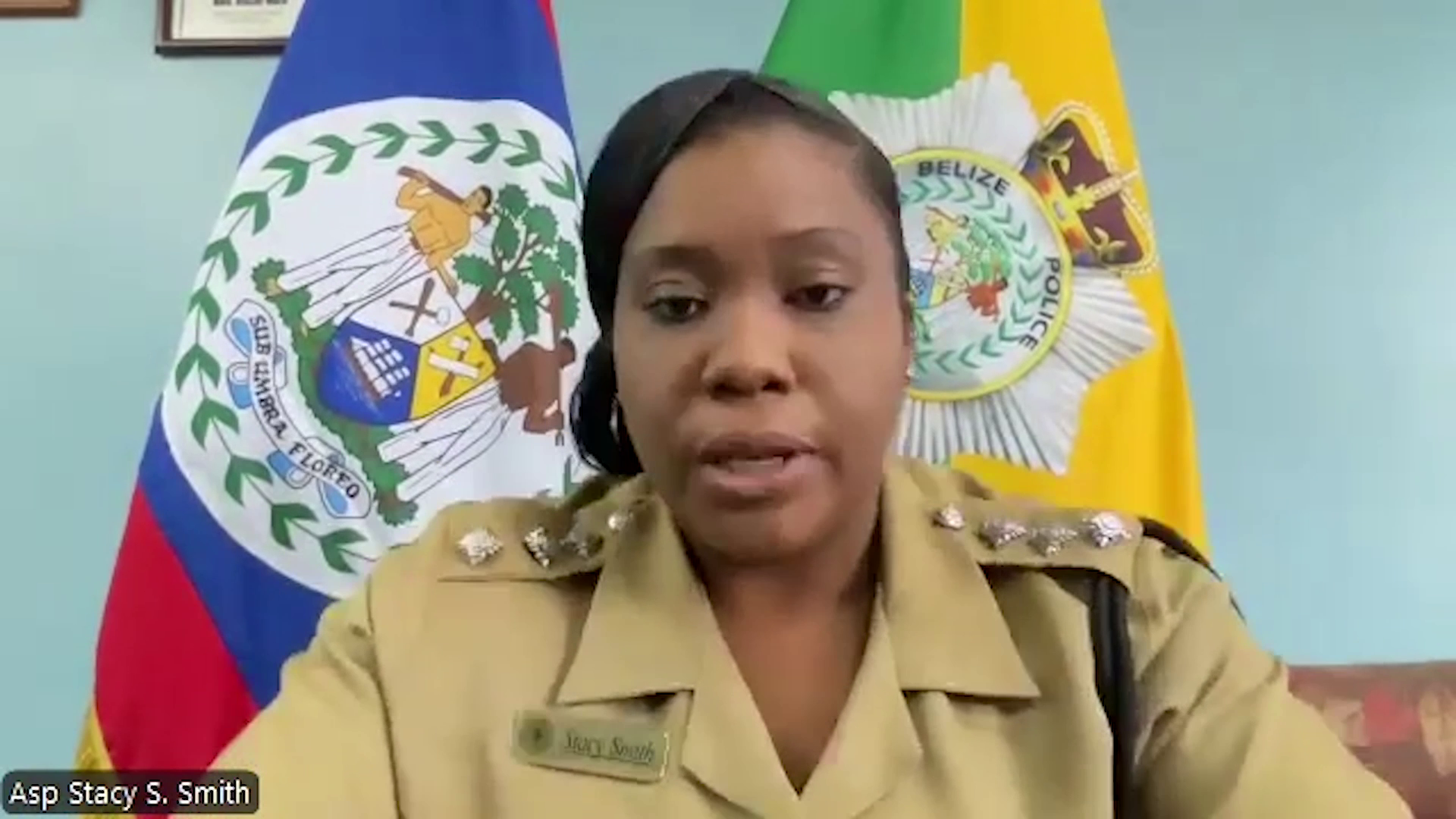
A targeted execution-style shooting in Unitedville Village has left a 43-year-old man dead and triggered a sweeping, coordinated law enforcement crackdown across Belize’s Cayo District, with investigators already pointing to a likely connection to illegal drug activity. On the evening of May 19, 2026, emergency dispatch received reports of gunfire ringing out in the quiet residential community just after 9 p.m. First responders rushed to the scene, where they found Allen Gongora unresponsive with multiple gunshot wounds, and he was pronounced dead at the site. While processing the scene, investigators made a key discovery: a stash of suspected illegal narcotics, including crack cocaine and cannabis, in Gongora’s possession. That find immediately led law enforcement to flag the killing as potentially tied to the regional drug trade. Witness accounts helped officers quickly identify a dark SUV fleeing the area as the suspect vehicle. Within minutes of getting the report, command staff disseminated the suspect description and vehicle details to multiple specialized units, including the department’s GI3 intelligence unit, Special Patrol Unit and Mobile Interdiction Unit, as well as patrol officers based in nearby Roaring Creek Village. The multi-unit response moved faster than the suspects could escape: law enforcement intercepted the vehicle of interest just outside the village, bringing the high-speed manhunt to a rapid close. As of Wednesday, May 20, police have taken seven people — six men and one woman — into custody in connection with the case. Along with detaining the suspects, law enforcement recovered two loaded 9-millimeter pistols and a quantity of live ammunition, which investigators confirm were in the suspects’ possession at the time of the interception. Forensics teams are now conducting ballistics testing to determine if either of the recovered firearms was used in Gongora’s killing. Assistant Superintendent Stacy Smith, a staff officer with the department, told reporters that the fast outcome of the operation was the result of pre-planned interagency coordination that allowed officers to lock down escape routes within minutes of the shooting. “This was a textbook coordinated response,” Smith outlined in an official briefing on the case. “As soon as we got the description of the suspect vehicle, every unit on duty in the district was locked in on intercepting them before they could get out of the area.” As the investigation moves forward, authorities are preparing to file criminal charges ranging from murder to illegal weapons possession and drug trafficking against the detained suspects. Gongora’s family, meanwhile, is left reeling from the sudden, violent loss of their loved one, with no further details released about the victim’s background or his potential connection to the drug activity found at the scene. This is an ongoing developing story, and law enforcement says more details will be released as the investigation progresses.
分类: society
-
Heartbreak in Indian Creek: A Father Runs Over His Child
A devastating fatal traffic accident has shaken the small community of Indian Creek Village in Belize’s Orange Walk District, where a one-year-old toddler died after being accidentally struck by his own father’s vehicle earlier this month. Law enforcement authorities have launched a full investigation into the May 18 incident, which marks the second child death from a run-over accident in the country within seven days.
According to official confirmation from Assistant Superintendent Stacy Smith, Staff Officer of Orange Walk Police, the tragedy unfolded shortly after 8:15 PM at the family’s residence in Camp 53, Indian Creek Village. The toddler, identified as Peter Wall, was behind the family vehicle when his father got in and began pulling out of their residential yard. Unaware that his young son had moved into the vehicle’s path, the father only stopped after being frantically alerted by his wife, who witnessed the accident unfold from nearby.
When the father exited the vehicle to check, he found that Peter had already sustained fatal injuries from the impact. Emergency responders were called to the scene, but the child could not be saved. By the time police officers received the report about the incident, Peter had already succumbed to his critical wounds.
Smith confirmed that law enforcement investigators have completed their initial case compilation, and the full case file has now been forwarded to the Office of the Director of Public Prosecutions. The office will issue formal legal guidance on how the case will proceed moving forward.
What makes this tragedy even more alarming for local communities is that it is not an isolated incident. Just one week prior to Peter Wall’s death, a nine-year-old girl named Vanessa Cal died in a separate run-over accident in Red Bank Village. Orange Walk Police confirm that investigations into that earlier fatality are still ongoing, as authorities work to unpack the circumstances of both deadly incidents.
Local residents have expressed widespread shock and grief over the back-to-back deaths of two young children in preventable traffic accidents, with many calling for greater public awareness about child safety around residential vehicles to prevent similar tragedies from occurring in the future.
-
High-Speed Motorcycle Crash Shuts Down Traffic in Teakettle
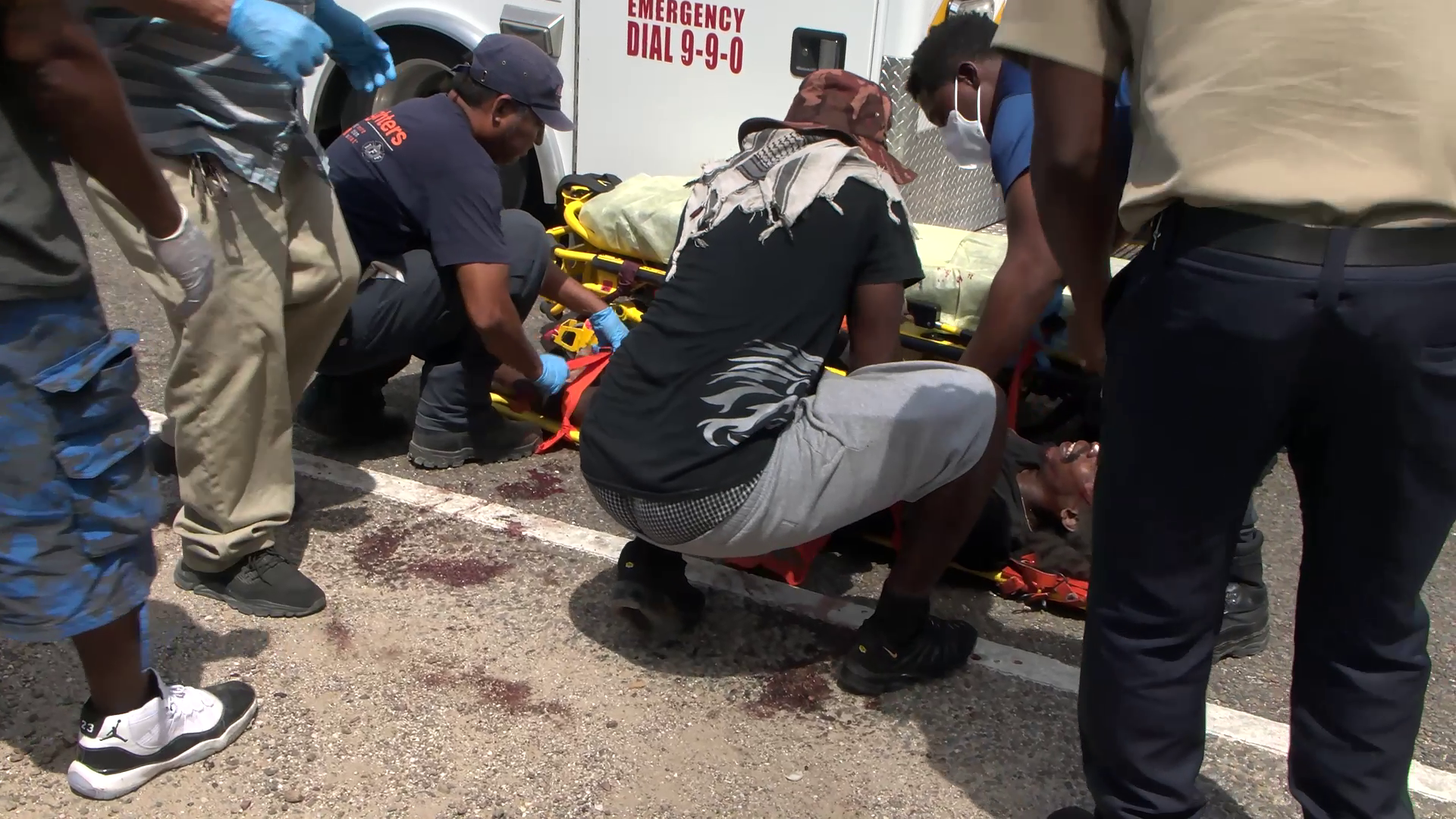
On the lunchtime of May 20, 2026, a serious single-vehicle motorcycle crash brought traffic to a complete standstill along a key stretch of the George Price Highway in Belize’s Teakettle Village. The incident unfolded between mile markers 52 and 53, at a sharp curve where the motorcyclist lost full control of his vehicle, according to initial on-scene reporting.
Assistant Commissioner of Police Hilberto Romero was among the first emergency responders to arrive at the crash site, having reached the area shortly after the collision. He immediately deployed his official police vehicle to block oncoming traffic from entering the crash zone, preventing the risk of secondary collisions and creating a safe space for emergency assistance. Other off-duty and traveling police officers passing through Teakettle Village also stopped at the scene to assist, administering immediate first aid to the injured rider and moving him to a safe location off the roadway.
Accounts from eyewitnesses at the scene confirm that the motorcyclist was navigating the curve at an excessively high speed when the crash occurred, and he was not wearing a protective helmet at the time of the incident. Emergency responders documented that the rider sustained life-altering catastrophic injuries to his right leg, alongside relatively minor lacerations and bruising to his head.
After approximately 30 minutes of waiting, an ambulance arrived at the remote stretch of highway and transported the injured motorcyclist urgently to Belize’s Western Regional Hospital for ongoing emergency treatment. As of initial reporting, no additional updates on the rider’s condition have been released by hospital officials.
This report is adapted from a transcript of an evening television newscast, with original Kriol language remarks standardized using official spelling conventions for written publication.
-
Helmet Crackdown Begins as Motorcycle Deaths Surge
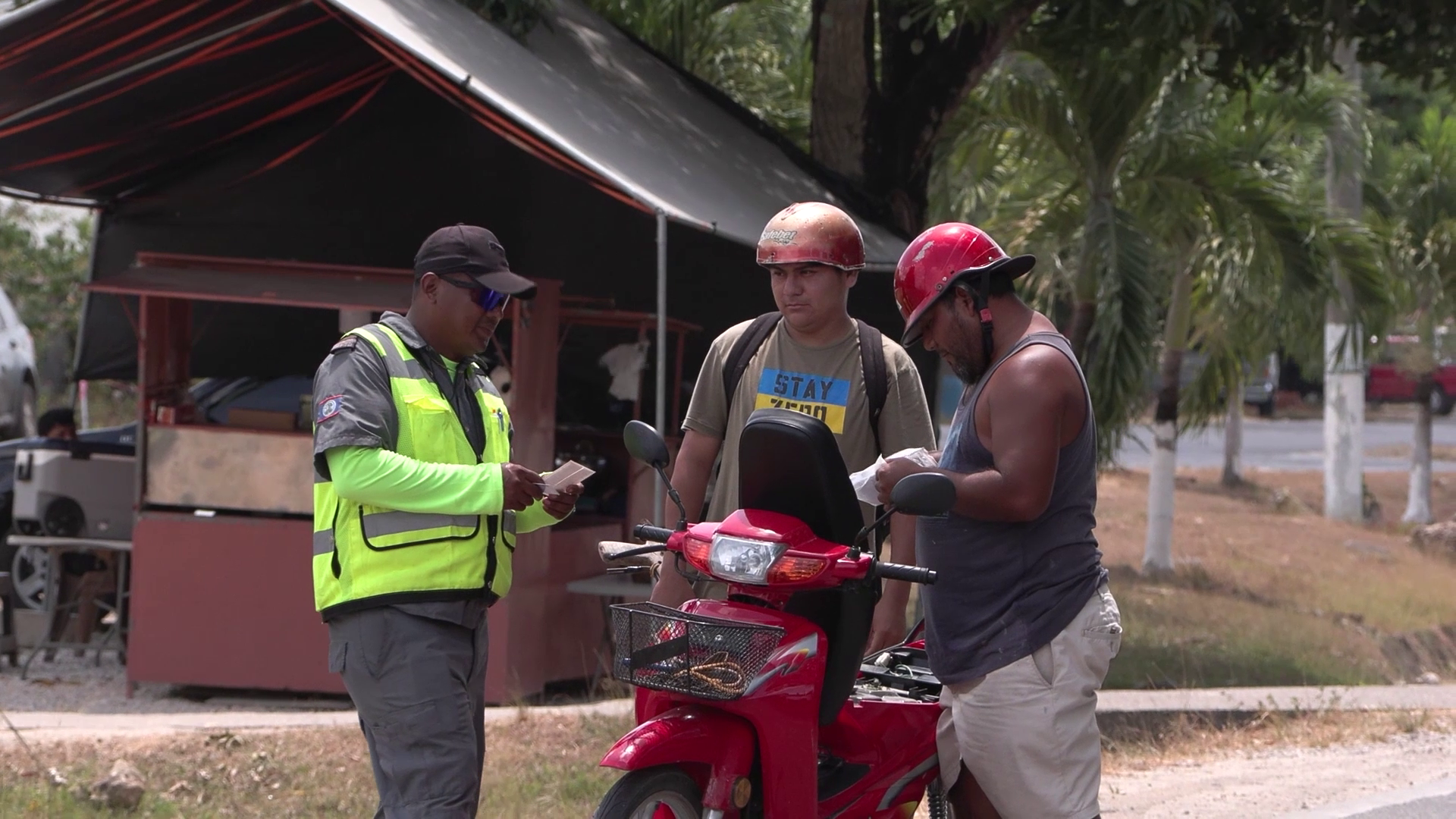
As motorcycle-related road deaths continue to climb at an alarming rate, Belize has launched a targeted national intervention to reverse the growing public safety crisis, kicking off the National Helmet Standards and Regulation Training Program in its capital city of Belmopan on May 20, 2026. This multi-stakeholder initiative, led by Belize’s Department of Transport in partnership with the UK-based FIA Foundation and the Belize Automobile Touring Association, brings together transport regulators and law enforcement officers for hands-on training to close critical gaps in existing helmet law enforcement and safety standards.
For years, Belizean law has required all motorcycle riders to wear helmets, but the legislation has long lacked clear specifications for what constitutes a safe, effective protective helmet. This loophole has left riders relying on inadequate gear: from flimsy half-helmets to helmets designed for bicycle use, which offer little to no protection against fatal head injuries in a crash. Local data underscores the urgency of the crackdown: motorcycles account for nearly 40% of all fatal road crashes in the country, with head injuries consistently cited as the leading cause of death for riders involved in collisions.
Chief Transport Officer Leon Gentle explained that the program was fast-tracked by transport officials in a race to curb rising fatalities, noting that the planning process began back in August 2025 when the Department of Transport first convened stakeholders with the Bureau of Standards to draft a formal national safety standard for motorcycle helmets, now referred to as Belize Standard 31: 2026. “We pushed our entire team to the limits to accelerate this process,” Gentle stated, emphasizing that the gap in existing safety regulations had created a preventable public hazard for the country’s growing motorcycle community.
Belmopan Mayor Pablo Cawich echoed this urgency, pointing out that the number of motorcycles on Belize’s roads has grown steadily in recent years, making targeted safety interventions more critical than ever. “Motorcycle riders are amongst the most vulnerable road users,” Cawich noted at the training launch. “A single accident can change or end a life within seconds. Proper helmet standards, public awareness, and effective enforcement are therefore not simply regulatory matters – they are life-saving measures.” Over the course of the two-day opening training session in Belmopan, participating officials will work through the full details of developing and rolling out the new Belize Standard 31: 2026, with future training sessions planned for regions across the country.
Beyond building enforcement capacity, the broader program also includes public outreach efforts to educate riders on three core priorities: why certified helmets are critical to survival, how to wear helmets correctly to maximize protection, and where to access affordable, certified safety gear that meets the new national standard.
Agnieszka Krasnolucka, program manager at the FIA Foundation, framed the initiative as part of a broader global push to address motorcycle road safety. Global data from the World Health Organization confirms that motorcycle fatalities represent a growing public health crisis: 30% of all global road deaths are motorcycle riders, a number that has increased by one third since 2013. While Southeast Asia bears the heaviest burden – with motorcycle fatalities accounting for 46% of all road deaths in the region – the Americas are not far behind, with a 25% fatality rate, and some countries in the region reporting even starker numbers. “Motorcycles are the riskiest mode of road travel today,” Krasnolucka noted. “Critical to note, motorcycle riders are most likely to die of head injuries, and this is frankly unacceptable because there are solutions to prevent that.”
Belizean officials say establishing and enforcing the new internationally aligned national helmet standard will not only reduce preventable fatalities but also strengthen the country’s overall road safety framework, moving the nation closer to its goal of cutting road deaths across all vehicle types.
-
Narcotics Haul Exposes Corozal as Major Drug Trafficking Route
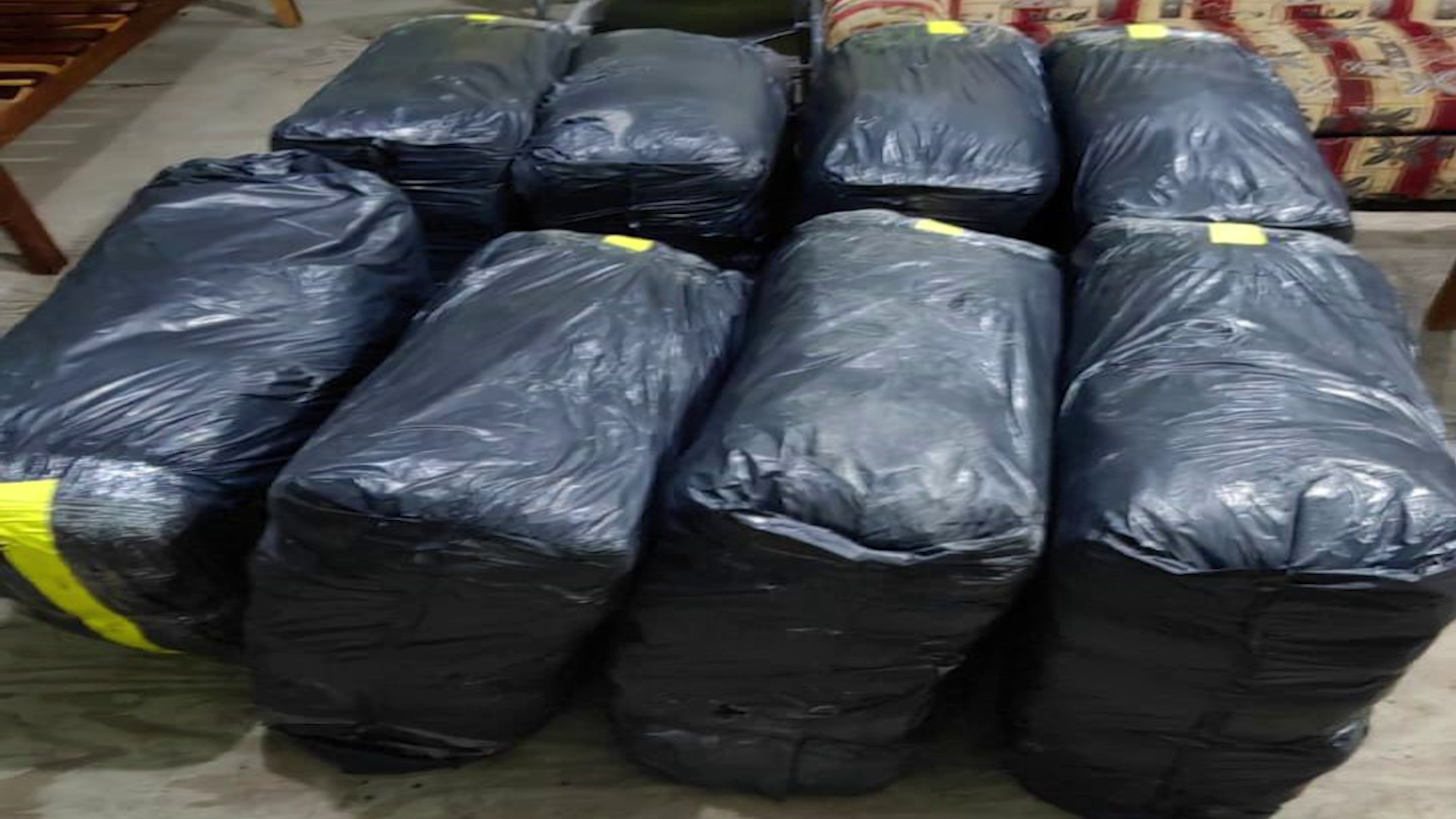
A large-scale narcotics seizure in northern Belize has reignited scrutiny of the Corozal District’s growing role as a critical transit route for cross-border drug trafficking, law enforcement officials confirmed this week. The breakthrough came on the evening of May 19, 2026, when a specialized team from the Belize Police Department’s Mobile Interdiction Unit carried out a targeted search rooted in developed intelligence, leading to the discovery of contraband in the Ramonal Landing area of Patchakan Village.
During the operation, which kicked off around 8:40 p.m., officers uncovered eight heavy black sacks filled entirely with suspected cannabis. After official weighing, the total seizure amounted to 382 pounds of the illegal drug, making it one of the largest single cannabis hauls in the region in recent months.
“Police have seized three hundred and eighty-two pounds of cannabis following an intelligence-led operation that was conducted by officers attached to the Mobile Interdiction Unit,” explained Assistant Superintendent of Police Stacy Smith, a staff officer with the department. Smith detailed that the search, centered in a high-traffic smuggling corridor along the Corozal coast, directly led to the find, adding that “the drugs have since been deposited as found property” pending further investigation into the smuggling network responsible.
Local law enforcement officials emphasize that this seizure is just one part of sustained, coordinated efforts to cut off the steady flow of illegal narcotics moving across the Belize-Mexico border. Corozal’s geographic location, shared with southern Mexico and positioned close to major drug distribution routes leading toward North America, has made it a persistent hotspot for traffickers for years. Repeat large hauls in the district have cemented its reputation as a key transit point for cannabis and other illegal drugs moving north, prompting authorities to ramp up intelligence-led operations and interdiction patrols in the area.
This report is adapted from a televised evening newscast, with original quotes preserved for accuracy.
-
Emergency agencies begin hurricane season planning
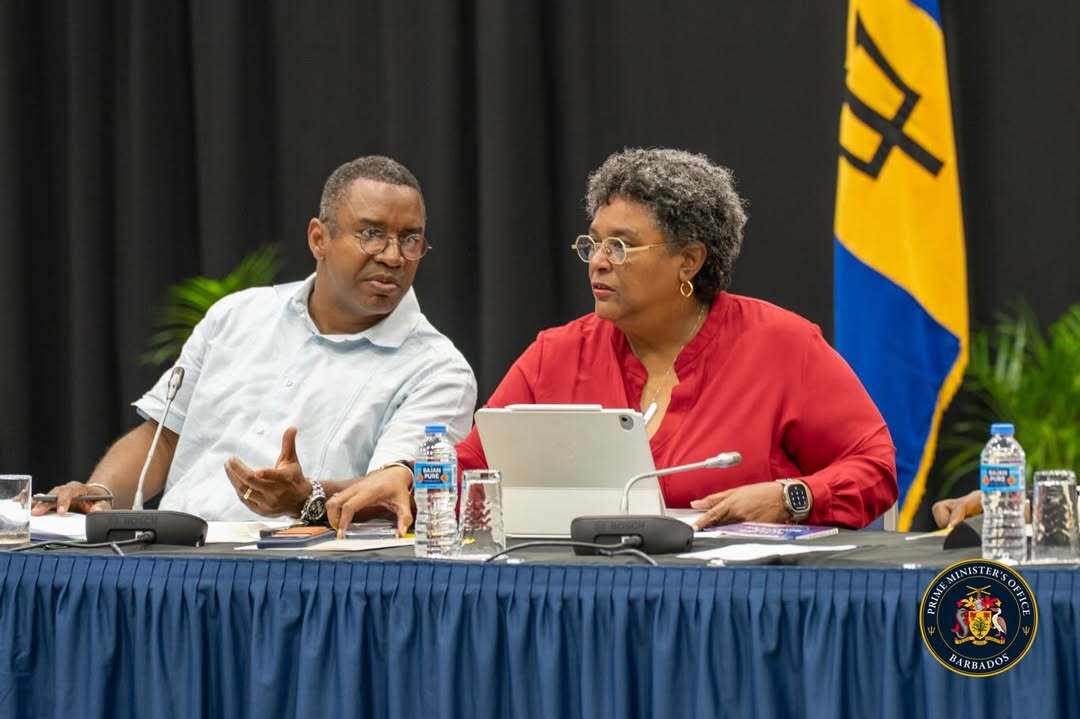
As the 2026 Atlantic hurricane season approaches, scheduled to kick off on June 1, the government of Barbados has launched a new series of high-level inter-agency emergency preparedness meetings less than two weeks out from the official start date. The cross-sectoral gathering brought together stakeholders from a wide range of fields including national security, public health, utility management, transportation, tourism, agriculture, and the private sector, reflecting the whole-of-society approach Barbados is taking to storm readiness.
Prime Minister Mia Mottley announced the ongoing preparedness efforts during a public statement shared to social media Wednesday, confirming that national response systems are being reinforced, existing readiness protocols are undergoing thorough review, and meteorological monitoring infrastructure is receiving critical updates to boost capacity ahead of the season.
“This level of preparation is deliberate. It is disciplined. It is how we must approach the protection of our people, our communities and our country,” Mottley emphasized. The planning push comes as climate change continues to drive growing regional and global alarm over Atlantic hurricane seasons that are growing more active and less predictable with each passing year, putting small island nations like Barbados at heightened risk of catastrophic damage.
Attendees at the high-level meeting included senior Cabinet ministers, leaders of national emergency response agencies, top meteorological officials, national security personnel, and key utility stakeholders. Among those in attendance were Brigadier Carlos Lovell, chief of staff of the Barbados Defence Force, and Sabu Best, director of the Barbados Meteorological Services.
Mottley stressed that in an era of shifting climate patterns, Barbados can no longer afford to treat hurricane preparedness as a low-priority, after-the-fact concern. “The climate is changing. The seasons are not what they used to be,” she said, noting that old expectations of storm frequency and intensity no longer apply. Beyond outlining government-led efforts, the prime minister issued a public call to action for all Barbadians to take responsibility for their own preparedness, rather than leaving all planning to state agencies.
“My message to Barbados is that government will do its part, and I ask every household, every business and every community to do the same,” Mottley said. She outlined key steps residents can take right away: auditing and restocking emergency supply kits, securing critical personal and legal documents, clearing debris and hazards from residential properties, and confirming the location of the nearest designated emergency shelter. She also urged community members to check on vulnerable residents, including elderly relatives, people living with disabilities, and any other groups that may require extra support during a storm emergency.
In closing, Mottley reminded the public to only trust official weather and emergency updates from authorized government sources, avoiding unconfirmed rumors that can create unnecessary panic. The entire preparedness effort, she explained, centers on one core goal: protecting human life and reducing the country’s vulnerability before a storm ever makes landfall. “We pray that Barbados is spared, and while we pray, we prepare,” she said. “Preparedness saves lives. Let us all do our part.”
-
Life-Saving Domestic Violence Law Still Not in Action
It has now been six months since Belizean lawmakers passed what was billed as urgent, life-saving reform to fill critical gaps in domestic violence protection, but the policy has yet to be implemented, leaving survivors still exposed to harm during after-hours periods when risk is highest. The stalled reform emerged directly from a national tragedy that shook the Central American nation in late 2025, when a brutal act of domestic violence claimed three innocent lives.
In October 2025, 35-year-old Angelita Magana, her 6-year-old son Tishan Godoy, and 17-year-old daughter Shadia Magana were killed when Magana’s former partner Francisco Godoy set their home ablaze. The attack came just days after Godoy was released on bail facing charges of rape and repeated domestic abuse against Magana. Magana, who had repeatedly expressed fear for her life, had attempted to secure an emergency restraining order to keep Godoy away, but the courts were closed for the weekend, leaving her with no immediate legal protection. All three victims died in the fire, along with Godoy.
In a moving tribute shared shortly after the tragedy, Magana’s cousin Britney Soliz remembered the family as loving and respectful. “She was always a good mom to her children; she gave them love and took care of them. Her children grew up with a lot of love. Her daughter Shadia was a girl who, likewise, received love from her mom, and she was very respectful. The boy was also very kind and respectful,” Soliz said in a 2025 interview. Soliz also recalled that Magana had repeatedly sought help to escape her abuser, but was turned away time and again when official services were closed outside regular court hours. “She tried everything to keep the man from approaching her, but well, they didn’t pay attention,” Soliz added.
The tragedy sparked immediate public outcry, and by November 2025, Belizean lawmakers fast-tracked two amendment bills — the Justices of the Peace (Amendment) Bill and the Domestic Violence (Amendment) Bill — designed to close this dangerous gap in protection. Under the new framework, trained senior Justices of the Peace (JPs) would be authorized to issue emergency 72-hour protection orders outside of court operating hours, granting survivors immediate legal safety when courts are closed for weekends, holidays, or after regular business hours. The legislation was widely hailed as a critical, practical reform that would prevent similar future tragedies.
But six months later, as of May 2026, the new system has yet to be activated. The rollout is stalled at the recruitment and training stage for eligible JPs, according to Adrian “Danny” Madrid, president of Belize’s Association of Justices of the Peace. Madrid explained that the strict eligibility requirements written into the new law have created an unexpected shortage of qualified candidates.
Currently, Belize has more than 3,000 active JPs nationwide, but only a small fraction qualify for the new emergency protection role. To be eligible, candidates must hold senior JP status — which itself requires 10 years of service as a regular JP — plus an additional five years of experience as a senior JP, bringing the total required experience to 15 years. Candidates must also hold a clean criminal record, requirements that officials say were put in place to reflect the sensitive nature of the work.
Madrid noted that the narrow eligibility pool has slowed recruitment dramatically. “We have over three thousand JPs in the country. We don’t have that much senior JPs, because you have to be a JP for ten years before you can be appointed a senior JP. And now this act is asking that you have to have five years’ experience as a senior justice of the peace. So it makes it even harder,” he said.
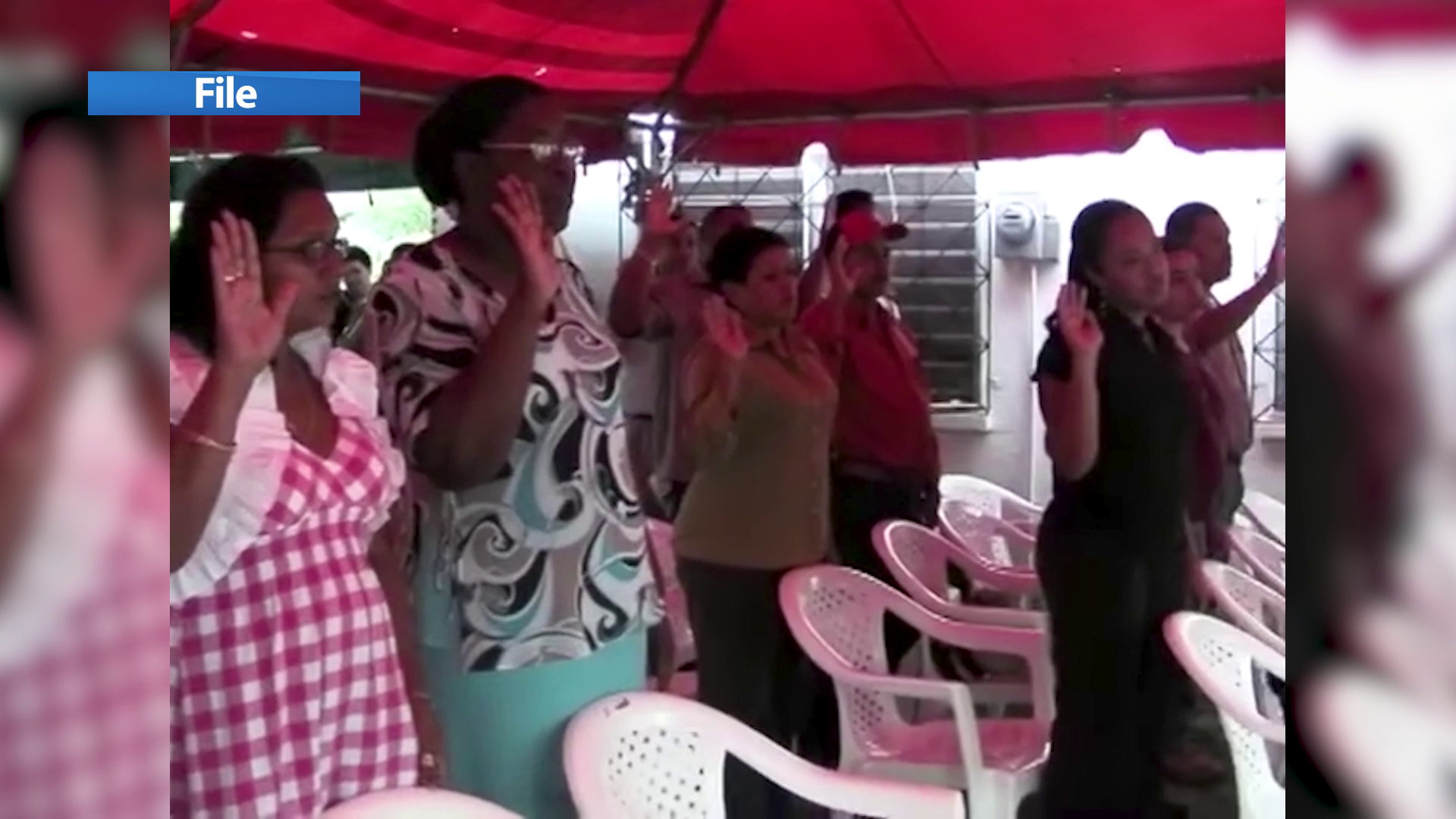
Once accepted, eligible candidates will complete specialized training led by the Ministry of Human Development and the Attorney General’s Ministry before they can begin issuing orders. Madrid has appealed to all qualified senior JPs to step forward to fill the gaps, emphasizing that the role is critical to saving lives, most often on weekends when magistrate courts are closed and risk of harm spikes. “We will be able to sign that document and arraign the person immediately. We don’t have to wait for the magistrate. We don’t have to wait until Monday,” Madrid said. “We’re trying our best to deal with it, to have it work. So we’re appealing to our senior JPs who have more than five years experience. Do not be afraid, because you have the protection from the police and from the law.”
Under the current rolling plan, officials aim to train 10 senior JPs for Belize district, and five additional JPs for each of the country’s remaining districts. If recruitment continues to fall short of the needed numbers, government officials are considering a policy adjustment to lower the required years of senior JP experience to expand the pool of eligible candidates. For now, however, survivors of domestic abuse across Belize remain without the promised after-hours emergency protection, leaving a life-saving reform unfulfilled six months after the tragedy that prompted its creation. Investigative reporter Britney Gordon contributed this report for News Five.
-
382 Pounds of Cannabis Seized in Corozal Drug Bust
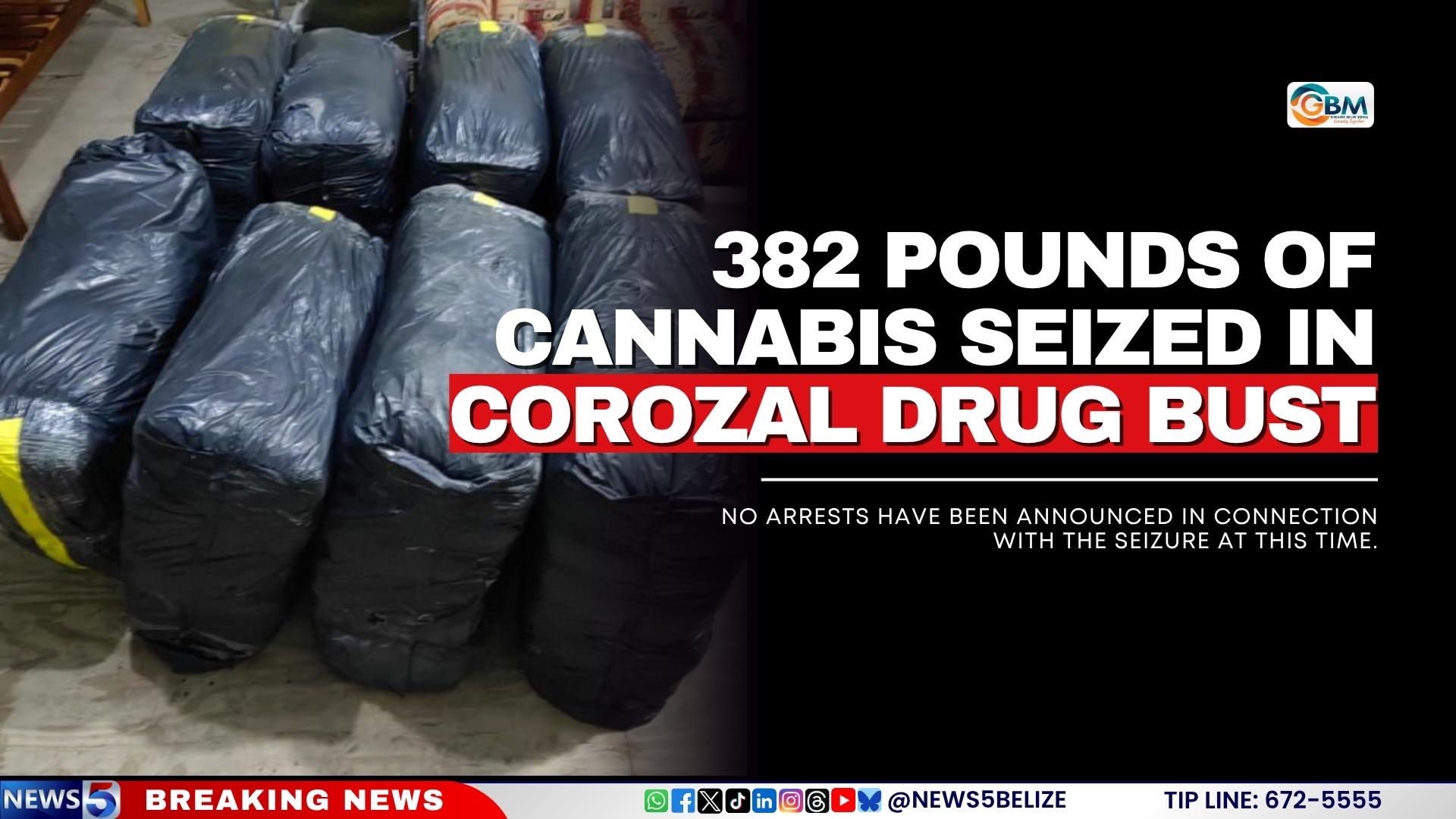
Law enforcement authorities in Belize have made a major drug seizure in the country’s northern Corozal District, pulling 382 pounds of suspected cannabis off the streets following a targeted investigation. The operation, which was guided by actionable intelligence, was executed by members of the Belize Police Department’s Mobile Interdiction Unit on the evening of Tuesday, May 19, 2026, according to Assistant Superintendent Stacy Smith.
Smith detailed that the search operation was centered on the Ramonal Landing area of Patchakan Village, a rural community located close to Belize’s northern border. It was during this systematic search that officers uncovered eight heavy black bags, all of which contained the suspected controlled substance.
Following the seizure, the entire cannabis haul has been formally logged and held as found property by police authorities. As of Thursday, May 20, 2026, no suspects have been taken into custody, and no arrests have been announced in connection with the recovered drugs. Investigations remain ongoing as authorities work to trace the origin of the cannabis and identify individuals linked to the stash.
-
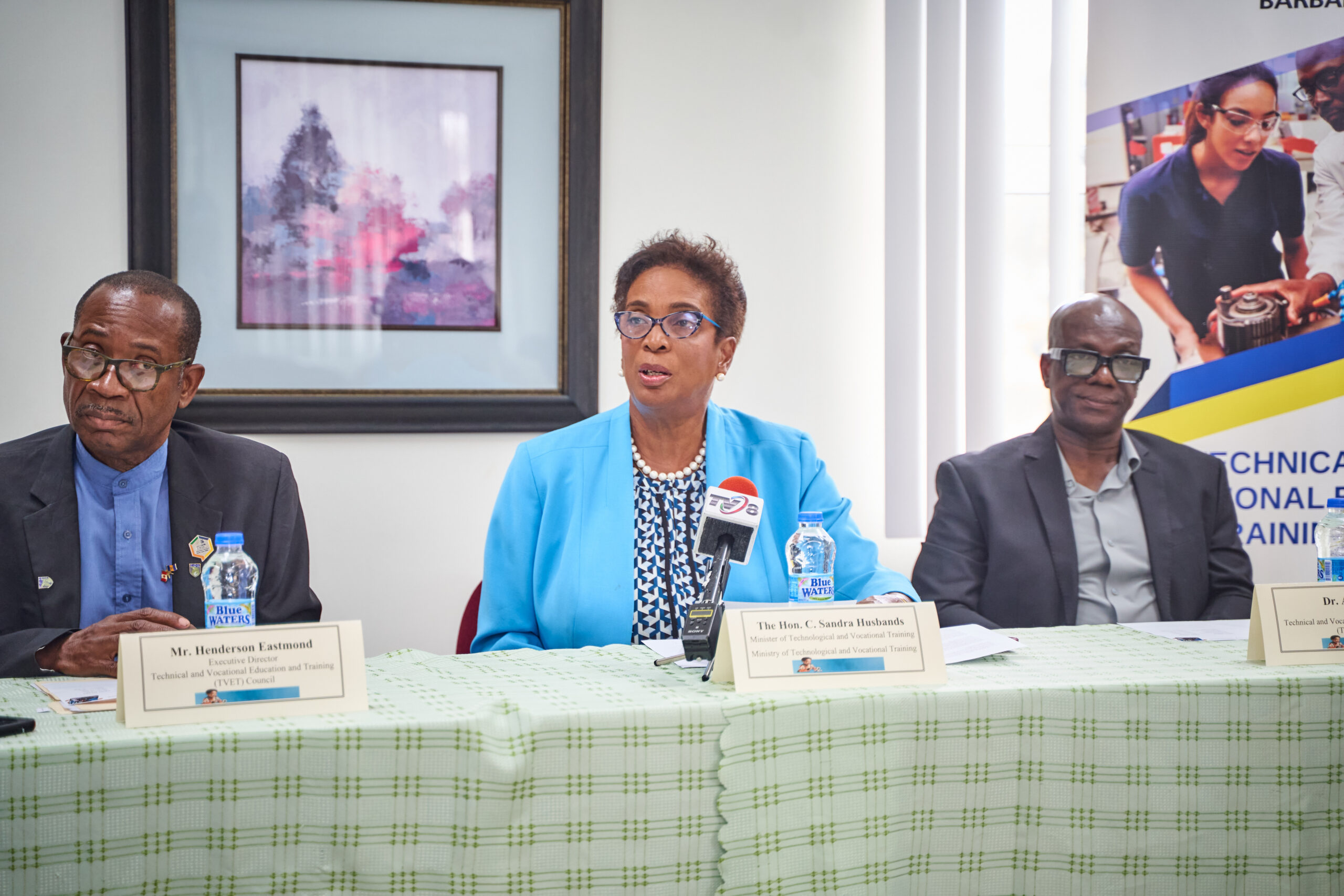
Husbands: We need skilled construction workers
Barbados is currently grappling with an acute shortage of skilled construction workers, a crisis that has been amplified by surging demand from two of the island nation’s key economic sectors: tourism and residential housing. During the launch event for the sixth annual World Skills Barbados Junior Future Skills Camp held Wednesday at the Technical and Vocational Education and Training (TVET) Council headquarters in Hastings, Christ Church, Sandra Husbands, the island’s Minister of Technological and Vocational Training, outlined the urgent need to add thousands of new trained professionals with up-to-date construction competencies to the local workforce.
Husbands explained that the labor challenge extends beyond just a simple headcount gap. The country also faces a critical need to update the technical abilities of construction workers already active in the industry. “In Barbados we have a severe shortage of artisans who possess the modern skills that are standard in contemporary construction,” she stated, confirming that shortages hit core trades including masons, electricians, plumbers, and carpenters particularly hard.
To align the local workforce with current industry needs, Husbands emphasized that widespread skills upgrades are essential. Key areas requiring additional training include advanced modern construction methodologies, sustainable green building practices, photovoltaic panel installation for renewable energy systems, smart building infrastructure, digital construction management tools, formal project management, and professional site supervision.
The Junior Future Skills Camp, the initiative launched this week, is designed to introduce young Barbadians to accessible career pathways in construction and other trade sectors, helping them build hands-on, employable skills early in their professional development. “This Future Skills Camp directly addresses our labor challenge by giving young people early, meaningful exposure to real-world industry skills and clear career trajectories,” Husbands explained. “It enables young participants to build foundational basic skills quickly, allowing them to entry the construction sector with a competitive advantage.”
Minister Husbands highlighted the track record of the government’s existing Construction Gateway Programme, which first launched in 2022 with the goal of upskilling the general population, certifying new artisans, and expanding the pool of qualified male and female workers for open construction roles. To date, the programme has already facilitated skills upgrades for roughly 3,000 young Barbadians. Even with this progress, however, Husbands stressed that current supply of trained labor still lags far behind industry demand.
“Right now in Barbados, we actually need approximately 4,500 additional skilled construction workers. Our local contractors reach out constantly looking for staff, but they specifically need skilled professionals,” Husbands said. “They don’t need general day laborers — they are searching for workers with specialized, certified construction skills.”
Beyond filling immediate open positions, the government’s workforce development strategy also aims to encourage young people to pursue advanced technical education and build long-term, sustainable careers in the construction sector. Husbands also provided context for the growing labor demand, revealing the full scope of upcoming construction activity across the island. In addition to the government’s large-scale public housing development initiative, a wave of new hotel construction is slated to begin in the coming months.
“There are around nine new hotels scheduled to be built in Barbados, and that doesn’t even account for the thousands of new homes the Barbados government is aiming to deliver, so this labor shortage is not a hypothetical — it’s a real, immediate crisis,” she noted. Despite the magnitude of the challenge, Husbands ended on a hopeful note, sharing that interest among young people in construction-focused training programmes remains encouragingly high.
-
Fatal stabbing tests purpose of Haynesville outpost
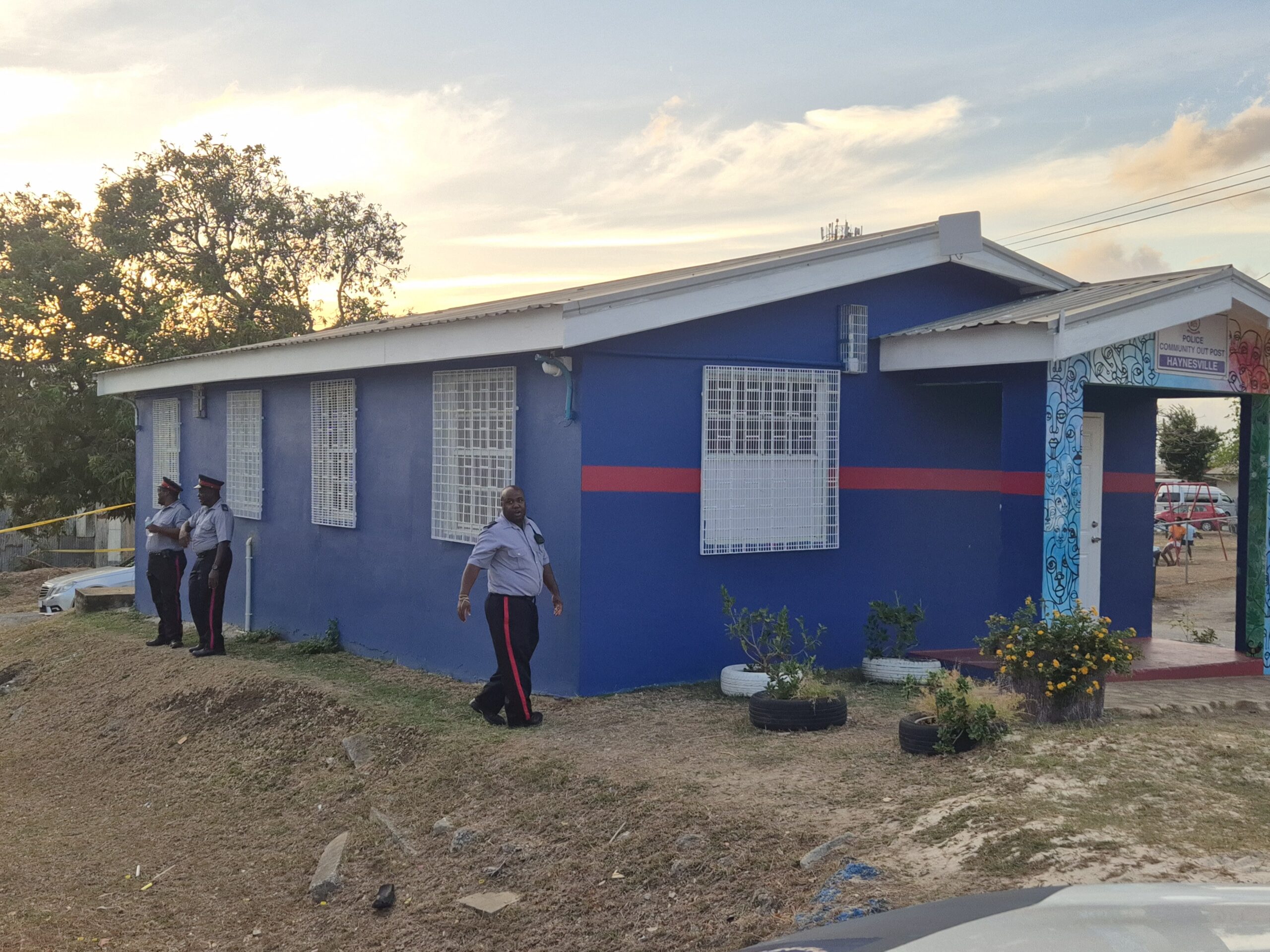
Just five weeks after officials cut the ribbon on the newly refurbished Haynesville police outpost, a facility billed as a cornerstone of enhanced community safety and proactive crime prevention, a brutal fatal stabbing has rocked the small Barbadian district, leaving locals questioning whether the tragedy could have been avoided.
On Tuesday afternoon, 38-year-old Andre Sylvester Maynard, a resident of Redmans Village, St Thomas, was killed mere steps from the reopened outpost. The killing pushed Barbados’ national murder toll for the current year to 25, amplifying already growing public anxiety over violent crime across the island.
By early evening, small clusters of local residents had gathered near the crime scene, their conversation centering on the jarring contrast between the outpost’s recent promise of safety and the violence that unfolded on its doorstep. Maynard’s family declined to speak with reporters, saying overwhelming grief and anger left them unable to comment.
Peter Skeete, founder and president of the local Haynesville Youth Club, called the incident deeply tragic but pushed back against widespread assumptions that the community is overrun by gang-related violence. “There is no ongoing gang activity here in Haynesville,” Skeete told local outlet Barbados TODAY. “What happened was an isolated act of retaliation between two men.” According to Skeete’s account, the conflict had simmered for days and originated from a long-running domestic dispute.
Even so, Skeete acknowledged that the killing’s proximity to the outpost left many residents unsettled. Just weeks before, local law enforcement had publicly pledged to reestablish a consistent, visible community presence out of the facility. “It’s just devastating that no officer was on site when this happened, right practically at the entrance to the outpost,” he said. While Skeete stopped short of blaming police directly for Maynard’s death, he noted that consistent, visible community policing often stops small conflicts from escalating into fatal violence. “That’s the whole point of having a presence here – you can catch these issues before they spiral out of control,” he added.
Not all residents share the view that a greater police presence would have changed the outcome. One local resident, who spoke on condition of anonymity, noted that once interpersonal conflicts escalate, even immediate police intervention is often too late. “When these men get angry, they’re not going to stop because they see a uniform,” the resident said. “I don’t think things would have ended any differently even if officers had been here at that exact moment.”
The disturbance that preceded the stabbing left one child injured as well: witnesses report that a bottle was thrown during an early altercation, shattered, and cut the child’s elbow and back. The young victim was transported to a local medical facility for treatment, and law enforcement deployed additional officers to the area to maintain order in the aftermath of the killing.
While he questioned whether on-site police could have prevented the tragedy, the anonymous resident agreed that far more targeted, systemic intervention is desperately needed to address the root causes of violence in the district. He linked the high rates of violence among at-risk young men in the area to a web of social issues: unstable home lives, a lack of consistent adult supervision, growing access to dangerous drugs, and the normalization of territorial block culture. “There’s only so much that community leaders like Peter Skeete can do on their own,” he noted.
The incident has reignited fierce debate over the actual function of the recently reopened outpost, with multiple residents claiming that the facility has remained largely unused and inactive in the weeks following its high-profile reopening ceremony. Senior Superintendent Lesteal Woodroffe, head of the police’s Northern Division, strongly denied those claims when contacted for comment.
Woodroffe explained that the outpost is designed to serve as a base for mobile patrols and community outreach work, not a stationary facility where officers are required to remain on site 24/7. “That claim is not true. I can confirm that the post is fully operational, and officers run all their local operations from this base,” he said. “The post is open every single day. Officers leave from here to patrol the community, then return to the base after their shifts.” He added that at the time of the stabbing, all officers assigned to the outpost were conducting scheduled patrols and outreach work elsewhere in the Haynesville district.
When asked whether having officers on site would have prevented the killing, Woodroffe said that view is rooted in public perception rather than the reality of how community policing works. When the outpost reopened a month ago, Minister of Legal Affairs and Criminal Justice Michael Lashley framed it as a beacon of public reassurance amid rising national concern over violent crime, and pledged sustained, immediate action to crack down on violence and criminal hotspots across Barbados.
Even as forensic investigators combed the crime scene for evidence on Tuesday evening, daily community life continued in Haynesville. Just hours after the stabbing, 25 local young people attended a scheduled dance class at the nearby community pavilion, and Skeete said his youth organization would not pause its work. “We have to keep showing up for our young people, keep engaging them in positive activities no matter what happens here,” he said.