分类: society

  • Family Appeals for Help Finding Missing Teen Caleb Auguste

    Family Appeals for Help Finding Missing Teen Caleb Auguste

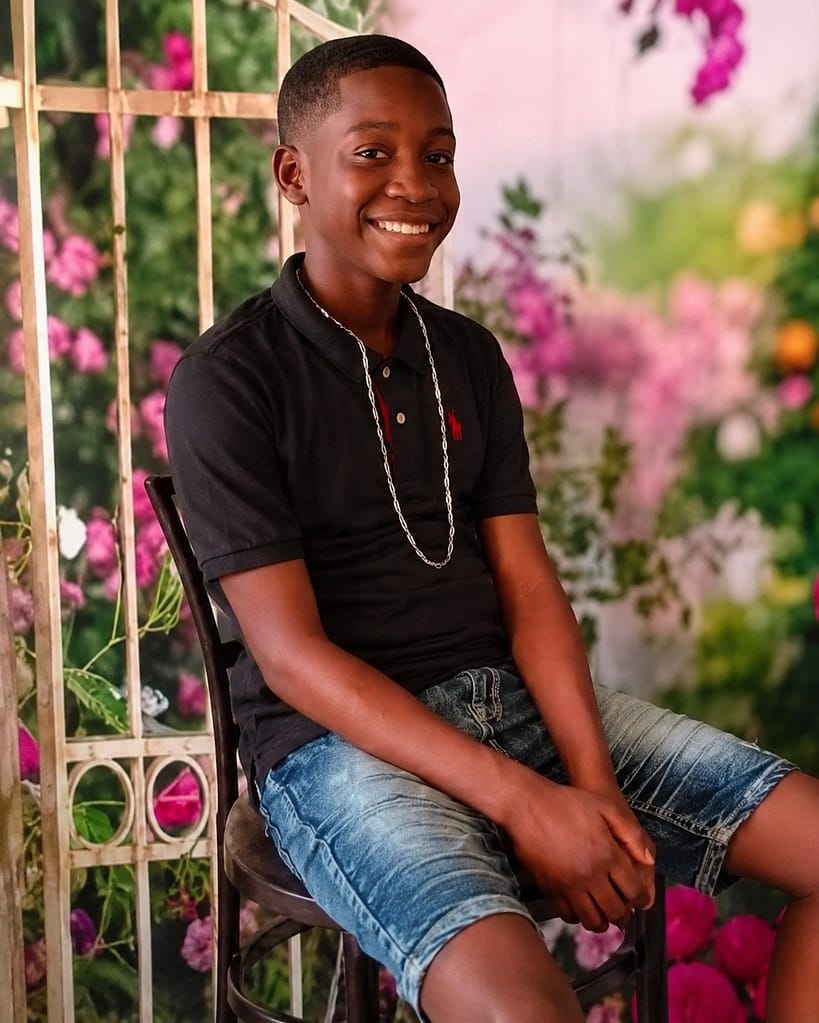
    Authorities have launched an active search operation for Caleb Auguste, an individual who has been officially reported missing to local law enforcement. As the investigation into his disappearance continues, police are reaching out to members of the public to request any information that could help locate Auguste and advance the case.

    People who may have seen Caleb Auguste recently, or hold any details about his current whereabouts that have not yet been shared with authorities, are strongly encouraged to reach out to law enforcement immediately. The simplest way to submit information is to visit the closest local police station in person, or contact investigators through the official designated phone lines set up for this case. Every small piece of information could prove critical to helping bring the search for Auguste to a safe conclusion, law enforcement representatives noted.

  • Nearly 800 students to sit grade six national assessment next week

    Nearly 800 students to sit grade six national assessment next week

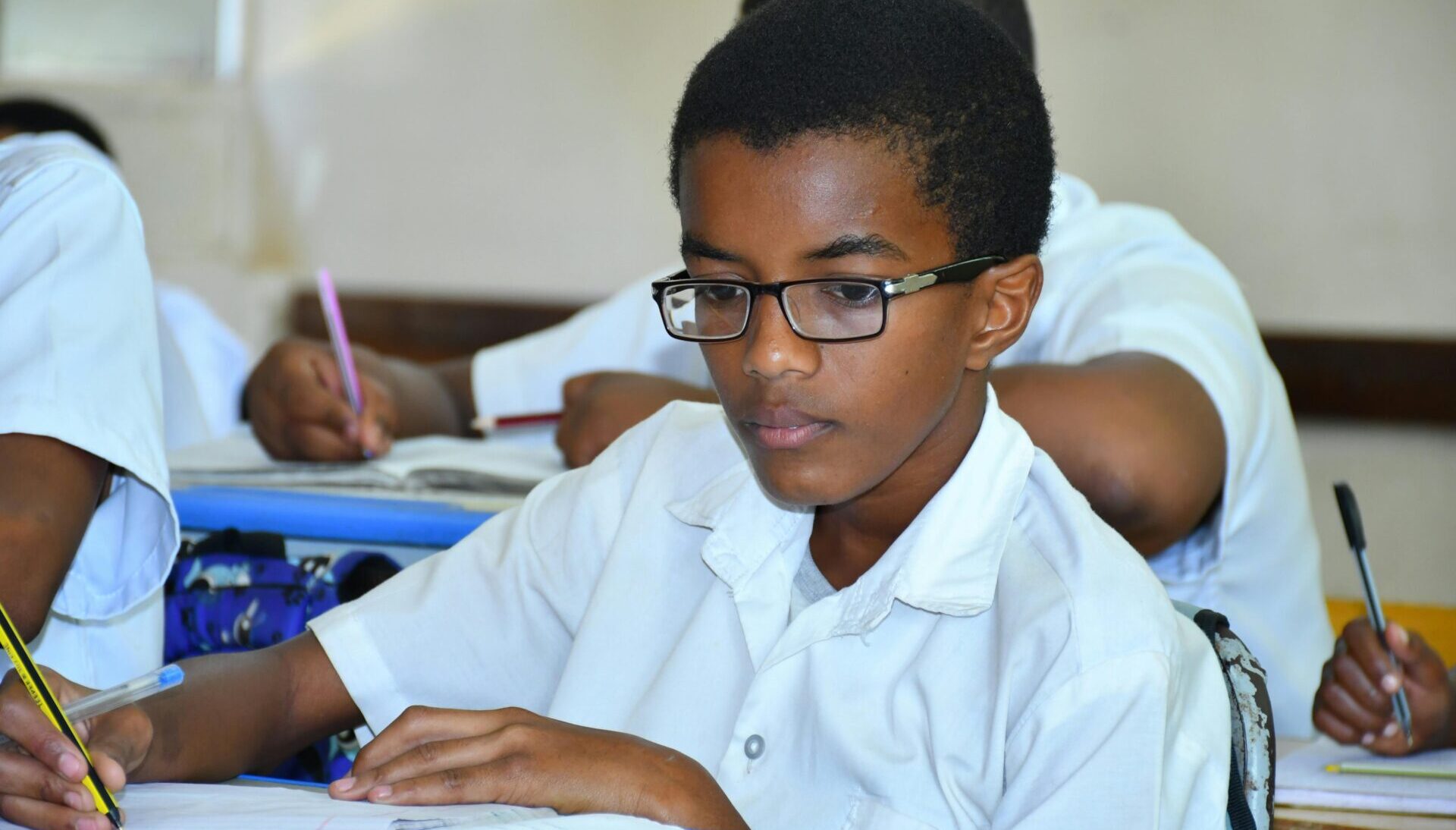
    The 2026 edition of Jamaica’s Grade Six National Assessment (G6NA) is slated to kick off later this month, with the island’s Ministry of Education, Human Resource Planning, Vocational Training and National Excellence confirming full logistics and scheduling for the nationwide exam cycle. Per the official announcement, the two-day assessment will run on Thursday, May 28 and Friday, May 29, hosted at 62 accredited examination centres distributed across the island.

    This year, a total cohort of 792 sixth-grade students are registered to participate in the assessments, broken down into 412 male and 380 female candidates. All testing sessions are scheduled to commence promptly at 7:45 a.m. on both days, and the entire assessment will be administered via a traditional paper-based format, consistent with previous cycles of the national evaluation.

    The exam schedule is structured to split assessments across the two testing days. On the opening day, candidates will complete three components: a multiple-choice Language Arts evaluation, a multiple-choice Social Studies assessment, and a standalone writing composition paper. The second day will be dedicated to STEM-focused evaluations, with a Mathematics assessment followed by a multiple-choice Science and Technology paper.

    Ministry officials confirmed that comprehensive pre-exam preparations have been completed in close partnership with classroom teachers and school administrators across the island to guarantee a seamless, low-disruption testing experience. Key preparatory steps included distributing detailed procedural guidelines to all education stakeholders and hosting mandatory training sessions for appointed examination supervisors to standardize testing protocols.

    The education ministry also publicly acknowledged the support of the Ministry of National Security, which has collaborated to secure the safe transportation and secure storage of confidential examination materials ahead of the testing window. To support students during the assessment period, education authorities are issuing a public request: parents, guardians, and all community members are asked to avoid school grounds where exams are being held over the two days, to preserve a quiet, distraction-free testing environment that lets students focus on their work.

    Beyond logistics, the ministry is offering guidance to families supporting participating students, encouraging caregivers to help students prioritize rest and stress reduction in the lead-up to the assessments. To close the official announcement, the Ministry of Education extended warm best wishes to every candidate sitting the 2026 G6NA, expressing confidence that students will put forward their best work and achieve successful, positive outcomes.

  • Suspect surrenders to police following killing of Joy St Omer

    Suspect surrenders to police following killing of Joy St Omer

    A grim case of fatal domestic violence has rocked Saint Lucia, after a 24-year-old mother was shot and killed by her estranged husband, who later turned himself in to law enforcement. What makes the tragedy all the more shocking is that a court-issued protection order barring the suspect from contacting the victim, Joy St Omer, was already active at the time of the shooting.

    The Royal Saint Lucia Police Force (RSLPF) confirmed that the unidentified suspect surrendered voluntarily to the force’s Criminal Investigations Department and is now formally in police custody as the investigation progresses.

    The incident unfolded on Wednesday evening, when first responders from the Marigot Police Station were dispatched to a homicide report in the Marigot community just after 6:30 p.m. When officers arrived at the scene, they found St Omer, a native of Anse La Raye and mother to one child, unresponsive in the driver’s seat of a parked vehicle. She was pronounced dead at the scene.

    Police records show that the victim had spent months reporting repeated threats and violations of the protection order from her estranged husband. The first formal assault complaint against the suspect was filed with the Anse La Raye Police Station on March 8, 2026. Investigations following that report led to the suspect’s arrest five days later, where he was charged with three offenses: inflicting harm, using threatening language, and violating the existing protection order that had been granted in St Omer’s favor.

    The suspect was first brought before the First District Court, where judges denied his request for bail. However, he subsequently appealed the decision to the High Court, which ultimately granted him bail ahead of his scheduled trial. St Omer filed her final complaint against the suspect at 8:30 a.m. on the very day she was killed. Law enforcement launched an immediate search for the man after that last report, but officers were unable to locate him before the shooting.

    The Major Crimes Unit of the RSLPF has now taken over the case to conduct a full investigation into the shooting and the circumstances that led to St Omer’s death. In an official statement following the tragedy, the RSLPF extended its deepest sympathies to St Omer’s family and loved ones. “The Royal Saint Lucia Police Force extends condolences to the family and loved ones of Joy St Omer during this difficult time,” the statement read.

    St Omer’s killing has sent shockwaves across the small Caribbean nation, sparking widespread public outrage and reigniting long-simmering national debates over systemic failures in addressing domestic violence, the effectiveness of court-ordered protection orders, and how law enforcement handles repeated complaints from at-risk women. Advocates for gender-based violence survivors are now calling for urgent policy and procedural reforms to prevent similar tragedies from occurring in the future.

  • ABCAS Advances School of Agriculture Transformation Ahead of September Opening

    ABCAS Advances School of Agriculture Transformation Ahead of September Opening

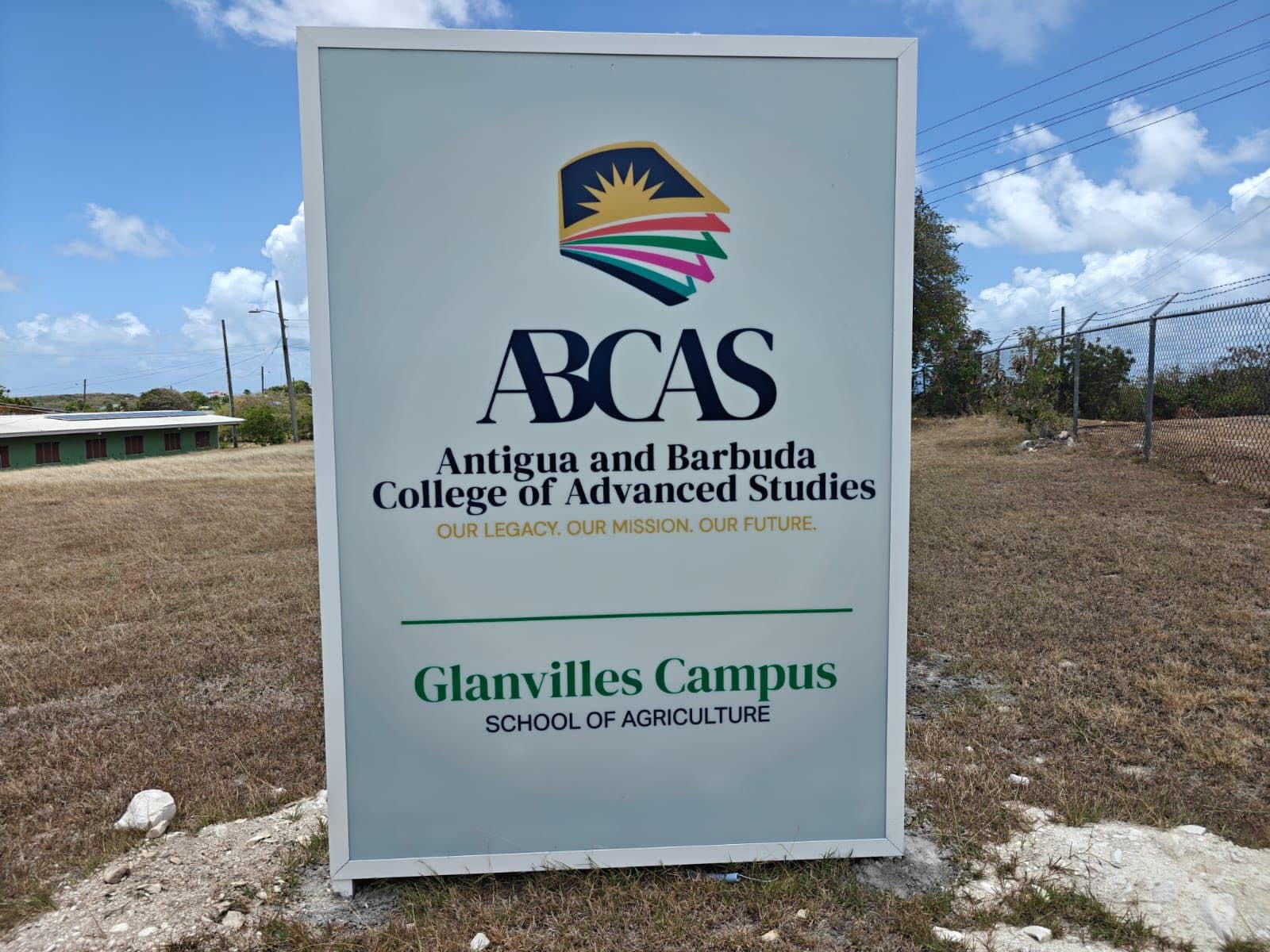
    In a scheduled Cabinet meeting held Wednesday, senior leadership from the Antigua and Barbuda College of Advanced Studies (ABCAS) delivered a detailed progress update to government officials on the multi-phase refurbishment and institutional restructuring of the country’s new School of Agriculture, being developed at the site of the decommissioned Glanvilles Secondary School.

    The initiative, which is on track to welcome its first cohort of students for the 2026 September academic term, aims to convert the underused former secondary campus into a fully modernized, industry-leading agricultural training hub that aligns with the nation’s long-term food security goals. ABCAS’s head outlined the full scope of infrastructure upgrades underway, covering core learning and operational spaces alongside specialized agricultural support facilities. Currently active construction and renovation work includes the refurbishment of six general classrooms and the campus auditorium, installation of impact-resistant security louvre windows, structural repairs to hurricane-rated shutters, application of durable epoxy flooring, and initial outfitting for a dedicated food science laboratory and on-site storage areas.

    Additional planned and ongoing upgrades go beyond basic infrastructure to support advanced scientific training: the project includes a full refurbishment of an existing chemistry laboratory and the construction of a new state-of-the-art biology laboratory, both fitted with upgraded water, gas, and electrical systems to meet modern research and teaching standards. Broader campus improvements include a full electrical system overhaul, installation of energy-efficient LED lighting across all buildings, repairs and upgrades to aging roofing and drainage systems, full exterior and interior painting, and the addition of extra air conditioning units and specialized ventilation infrastructure for laboratory spaces to ensure safety and functionality.

    Beyond classroom and lab upgrades, the project includes agricultural-specific external development: plans are in place to construct two purpose-built poultry demonstration pens to give students hands-on experience with commercial small livestock production. The master plan also calls for a full reconfiguration of several existing campus buildings to house dedicated student support services, additional research labs, modern conference facilities, improved staff amenities, a full student cafeteria, and expanded climate-controlled storage for agricultural supplies and research samples.

    Following the presentation, Cabinet members issued public commendation for the work completed to date, praising ABCAS leadership, faculty, technical construction teams, and participating students for their commitment to advancing accessible, high-quality agricultural education and strengthening national food sovereignty. Officials emphasized that the ongoing development of the School of Agriculture is a core component of the national government’s broader strategy to expand technical and vocational education opportunities across the country, encourage greater youth engagement in the agricultural sector, and boost national economic and climate resilience by increasing the volume of locally produced food. Cabinet also confirmed it is fully satisfied with the current pace of work and reaffirmed its unwavering financial and policy support for the project to ensure it is fully completed in advance of the first academic term in 2026.

  • Childbirth Services to Return to Barbuda After Nearly a Decade

    Childbirth Services to Return to Barbuda After Nearly a Decade

    Nearly a decade after Category 5 Hurricane Irma ripped through the Caribbean and upended everyday life on the small island of Barbuda, local officials are moving forward with long-awaited plans to bring critical maternity care back to the island’s Hannah Thomas Hospital. The policy initiative was formally announced this Thursday at a post-Cabinet press briefing by Maurice Merchant, Director General of Communications, following a detailed presentation to the government body from Health Minister Michael Joseph.

    When Irma made landfall in 2017, it flattened much of Barbuda’s critical infrastructure, including the island’s only public hospital’s maternity ward. In the years since the storm, all expectant residents of Barbuda have been required to travel across the water to Antigua, the larger sister island of the Antigua and Barbuda nation, to give birth at the Sir Lester Bird Medical Centre. For many low-income families and people without consistent access to cross-island transportation, this requirement has created significant financial, logistical and emotional barriers to prenatal and obstetric care.

    As Merchant explained, the move to rebuild and reopen the Hannah Thomas Hospital maternity department is a core component of the administration’s broader agenda to expand equitable access to essential healthcare for Barbudans. “The restoration of maternity services there forms part of government’s broader commitment to ensuring that residents of the sister island have greater access to essential healthcare services closer to home,” Merchant said during the briefing.

    Maternity care is not the only service set for an upgrade at the facility. Cabinet has also signed off on additional improvement projects, including the launch of on-site laboratory testing services. The new lab will boost the hospital’s diagnostic capacity and eliminate the current requirement for Barbudans to make the trip to Antigua for routine blood work and other common medical screenings.

    To further streamline care for island residents, the Ministry of Health will partner with the Ministry of Information Technology to roll out a new centralized pre-booking system. The platform will allow Barbuda residents to schedule appointments for specialized diagnostic services, including MRIs and X-rays, at Antiguan facilities before they travel, cutting down on wait times and logistical confusion for off-island care.

    When pressed about whether the long-term restoration plan includes capacity to treat high-risk pregnancies on Barbuda, Merchant confirmed that accommodating all types of childbirth is the ultimate end goal. “That is part of the plan to ensure that all matters in relation to childbirth can be dealt with on Barbuda,” he said.

  • Peace activist calls for more safe spaces for youths, open dialogue

    Peace activist calls for more safe spaces for youths, open dialogue

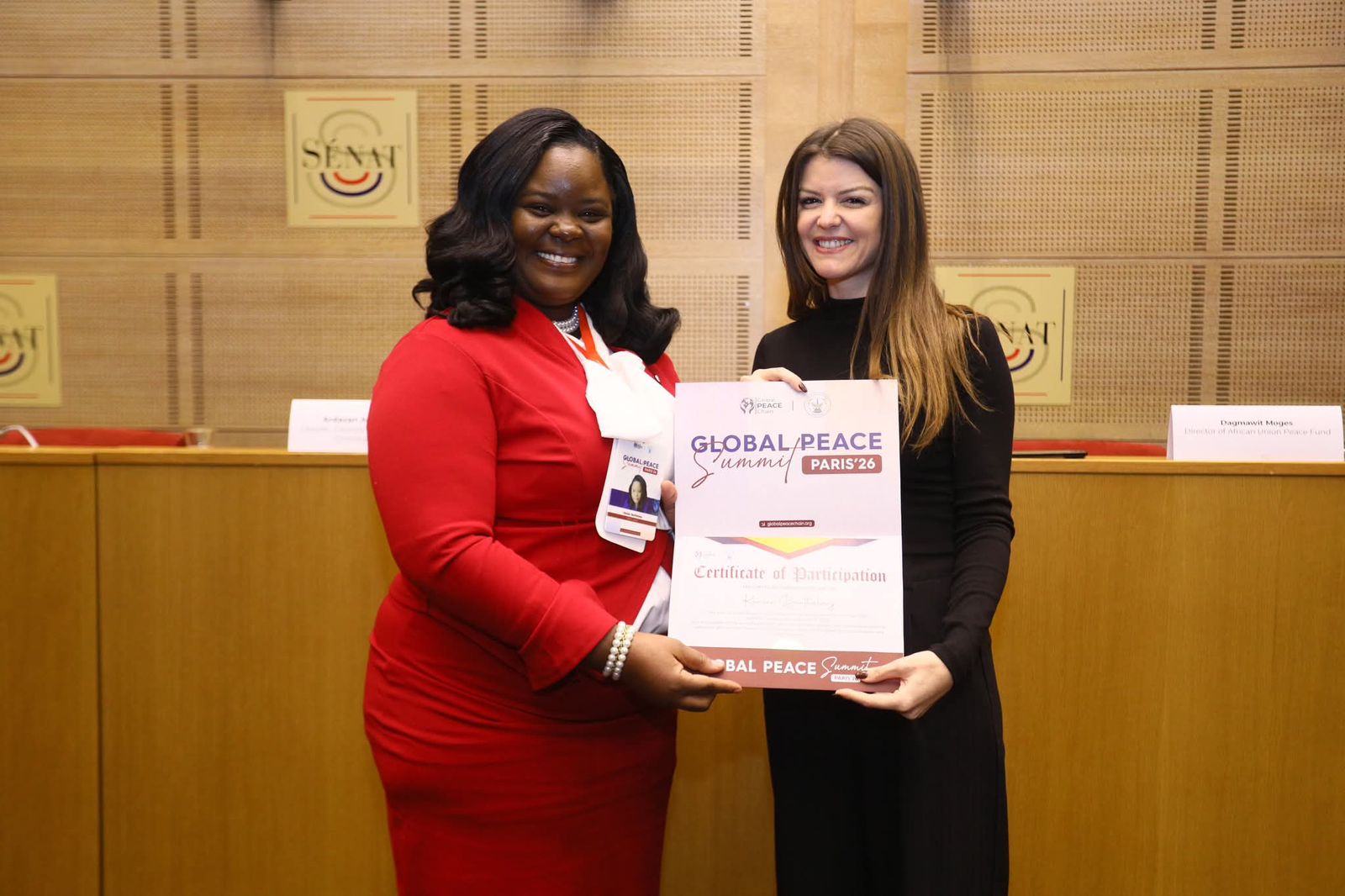
    Following a life-changing participation in the Paris Global Peace Summit, Saint Lucian peace advocate Kenier Barthelmy-Williams is championing a new, youth-first proactive strategy for peacebuilding in her home country, reshaping local approaches to conflict prevention and community empowerment.

    Barthelmy-Williams, who serves as a peace ambassador, says the international summit fundamentally shifted her understanding of what peacebuilding truly entails. Moving beyond the traditional reactive model that only intervenes after violence breaks out, she emphasizes that sustainable peace requires intentional, upstream work that addresses vulnerabilities before they escalate into conflict. “Peacebuilding is not only about bringing an end to violence or responding to conflict after it happens, but it is also about creating opportunities and environments that prevent young people from becoming vulnerable,” she explained.

    A key takeaway from the summit was the deep interconnectedness between global sustainable development and long-term peace. She says she left the gathering inspired by how nations around the world integrate United Nations Sustainable Development Goals into local peacebuilding work to cultivate more stable, inclusive communities.

    Guided by these new insights, Barthelmy-Williams has set a core goal to build formal, sustained support structures for young Saint Lucians. At the heart of her vision is the creation of intentional safe spaces that foster open dialogue, connect young people with trusted mentors, build critical leadership capacities, and encourage participation in positive, community-focused activities. This vision ultimately led her to found the Pathways to Peace Network, an initiative born from her years of on-the-ground work with Saint Lucian youth and her growing recognition of the unmet demand for accessible emotional and psychological support for the island’s young population.

    “Peace is the foundation of a successful life,” Barthelmy-Williams said. “We cannot truly empower young people if they do not first have peace within themselves.”

    The Pathways to Peace Network is designed to fill this gap by establishing community-centered safe spaces where young people can process trauma, feel their experiences validated, build self-confidence, and develop the leadership skills that will drive positive change for both their own lives and their neighborhoods. Meaningful, inclusive dialogue stands as a cornerstone of the network’s mission, something Barthelmy-Williams calls irreplaceable for rebuilding frayed trust in communities strained by division and conflict.

    She stresses that constructive dialogue extends far beyond rigid, formal public meetings. It requires active listening, empathetic understanding, and non-judgmental respect for all perspectives, whether that conversation happens in a structured group setting or in an informal one-on-one interaction that makes young people feel safe enough to share their authentic experiences.

    “Dialogue requires consistency, empathy, and genuine care,” she noted. “When young people feel understood, valued, and respected, they become more willing to share openly and reconnect with others.”

    Dialogue alone is not enough, Barthelmy-Williams adds: these conversations must translate into tangible action, clear accountability, and sustained support for young people. Even so, she believes large-scale community trust building starts small, with one honest, respectful interaction at a time.

    Turning to the most pressing challenges facing Saint Lucia’s youth today, Barthelmy-Williams identifies endemic crime and violence, harmful peer pressure, widespread unaddressed mental health struggles, and substance abuse as the most critical barriers to youth well-being and community peace. To effectively tackle these issues, she argues, interventions must target root causes rather than just reacting to visible symptoms.

    “To effectively address these issues, we must first get to the root of the problem,” she said.

    Through the Pathways to Peace Network, Barthelmy-Williams has rolled out a suite of practical, targeted programs to directly tackle these challenges. Current initiatives include one-on-one mentorship matching, interactive leadership development workshops, community peacebuilding education sessions, neighborhood-wide outreach campaigns, and a school-based Peace Ambassadors Program that empowers young people to lead peacebuilding work within their own campuses.
  • FCCA and Discover Dominica launch 2026 student competition focused on sustainable tourism

    FCCA and Discover Dominica launch 2026 student competition focused on sustainable tourism

    A new creative educational initiative focused on sustainable tourism and ocean conservation is now open to students across Dominica, launched in a collaborative effort between the Florida Caribbean Cruise Association (FCCA) Foundation and the Discover Dominica Authority.

    Now in its annual iteration, the dual-format 2026 FCCA Foundation Children’s Essay and Poster Competition is designed to engage young people in conversations about environmental stewardship and the future of cruise tourism, while providing a platform to showcase their creative, research and critical thinking capabilities. Unlike standard classroom assignments, the competition invites students to connect their local knowledge to global sustainability goals, bridging youth engagement and the Caribbean region’s vital tourism economy.

    This year’s competition splits creative expression across two distinct tracks with targeted themes. For essay participants, the prompt asks: “What are a few unique things a cruise passenger can enjoy only when visiting my destination?” Through this question, organizers encourage students to highlight Dominica’s one-of-a-kind natural attractions, cultural experiences and hidden gems, while also reflecting on how sustainable practices are essential to preserving these assets for future generations of both visitors and locals.

    The parallel poster competition carries a different focus, centered on the theme “Ocean Protection Starts with Us.” This track invites young artists to translate their understanding of marine conservation into visual storytelling, emphasizing the critical role that individual and community action plays in protecting Caribbean coastal and ocean ecosystems that underpin the island’s cruise tourism industry.

    To ensure fair judging across age groups, both competitions are segmented into two divisions: the Junior Division, open to students aged 12 and under, and the Senior Division, for participants aged 13 to 16. The prize structure rewards both individual achievement and school-wide impact, with identical rewards across both age categories. First-place individual winners take home a new laptop, while their respective schools receive a $3,000 grant. Second-place winners earn a touchscreen device, paired with a $1,500 award for their school, and third-place winners receive a touchscreen device and a $1,000 grant for their institution.

    All essay submissions are required to be 500 words in English, aligned to the competition theme, and submitted through participants’ schools. Hard copy entries must be delivered to the Discover Dominica Authority offices, located on the ground and first floors of Marpin House, 5–7 Great Marlborough Street in Roseau, by the submission deadline of Friday, October 23, 2026. Results will be notified to winners and their schools via the Discover Dominica Authority by Friday, December 4, 2026.

    A joint press release from the two organizing bodies notes that the competition is part of the FCCA Foundation’s longstanding commitment to supporting educational and environmental initiatives across the Caribbean. Beyond engaging youth, the program works to strengthen collaborative ties between regional tourism destinations and the global cruise sector, aligning industry growth with conservation and community development goals.

    Students, educators and parents seeking additional details, including full competition guidelines, can reach the Discover Dominica Authority by phone at 255-8221 or via email at [email protected].

  • Dominican scholar earns Doctorate in Health Administration

    Dominican scholar earns Doctorate in Health Administration

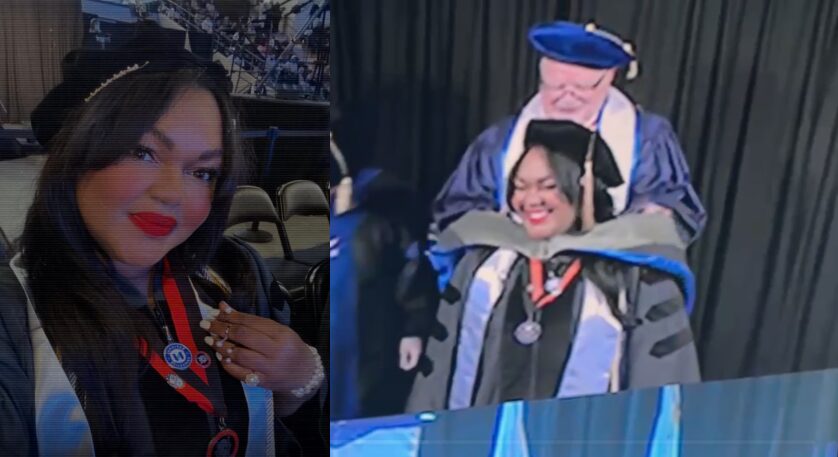
    For Dominican-born academic Dr. Renise De Armas, the path to earning a Doctorate in Health Administration from National University is far more than a personal career milestone—it is the culmination of a decades-long journey of intellectual curiosity, professional excellence, and extraordinary resilience that has shaped advancements in critical areas of modern medicine.

    Raised in a family with deep roots in public service, Dr. De Armas carries a legacy of commitment to public good from her upbringing. Born Renise Baptiste, she is the daughter of Margaret Roudette Baptiste of Coulibistrie, Dominica, and Thomas Baptiste Jr. of Harlem, Newtown. Her family’s tradition of service extends to prominent figures including her uncle, His Lordship The Hon. Justice Davidson Baptiste, and her late aunt Evelina Baptiste, who held roles as Chief Magistrate and Director of Public Prosecutions. This foundation of discipline and public dedication guided every step of her educational trajectory, which spans multiple specialized disciplines across leading institutions.

    Dr. De Armas’ academic journey began at Dominica State College, where she earned an Associate of Science in Biology and Psychology, building a cross-disciplinary base that would inform her later work. She went on to complete a Bachelor of Science in Forensic Science with a concentration in Molecular Biology at John Jay College of Criminal Justice, followed by a Master of Science in Public Health focused on Preventive Medicine at Southern New Hampshire University, before launching her doctoral studies in Health Administration. For her doctoral dissertation, she targeted a pressing gap in global biotech safety, researching strategies to strengthen Quality Risk Management frameworks across the biotech industry. Her work aims to boost three critical outcomes: patient safety, the consistency of pharmaceutical product quality, and the reliability of clinical supply chain logistics.

    Beyond academia, Dr. De Armas has built an impressive professional track record at the cutting edge of medical innovation, contributing to breakthrough treatments that have advanced global cancer care and HIV research. Early in her career, she joined The Rockefeller University, where she supported the development of groundbreaking broadly neutralizing HIV vaccine therapies under the leadership of leading immunologist Dr. Michel Nussenzweig. She later moved to the Cell Therapy and Cell Engineering Facility at Memorial Sloan Kettering Cancer Center, one of the world’s leading cancer research institutions, working alongside CAR-T cell therapy pioneers Dr. Michel Sadelain and Dr. Isabelle Rivière. In that role, she was responsible for ensuring genetically engineered CAR-T immune cell therapies met the strict safety and regulatory standards set by the U.S. Food and Drug Administration (FDA), and co-authored peer-reviewed validation studies for molecular assays used to monitor treatment progress in cancer patients. Most recently, she took on a strategic leadership role at a biotech startup, where she designed and built end-to-end quality management systems for commercial-scale manufacturing of cancer drug products, ensuring full compliance with global regulatory requirements ahead of market launch.

    Her trailblazing work and academic excellence have not gone unrecognized: National University has inducted her into its prestigious President’s Circle, a distinction reserved for the university’s most outstanding scholars. She has also been invited to join multiple leading academic honor societies, including the National Society of Leadership and Success and Omega Nu Lambda Honor Society, in recognition of her leadership and scholarly achievement.

    What makes Dr. De Armas’ achievement even more remarkable is the personal resilience she demonstrated while completing her doctorate. A devoted wife and mother, she successfully defended her doctoral dissertation when she was nine months pregnant, and welcomed her newborn son just one week after crossing the final academic threshold. The feat stands as a powerful testament to her extraordinary discipline, determination, and ability to balance personal and professional commitments.

    Today, Dr. De Armas’ career and academic journey stand as an inspiration for early-career scholars and women in STEM and healthcare worldwide, highlighting how perseverance, cross-disciplinary training, and a commitment to public good can drive meaningful progress in global healthcare.

  • Ground broken for $140m Stepney Rainwater Catchment Tank

    Ground broken for $140m Stepney Rainwater Catchment Tank

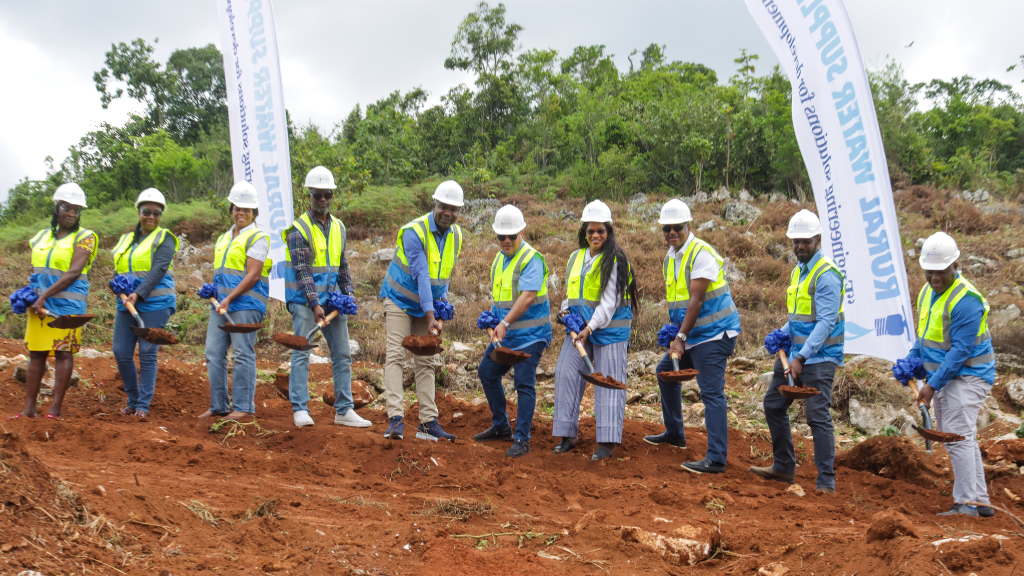
    ST ANN, Jamaica – After years of widespread water access challenges for households across Stepney and neighboring communities in St Ann parish, a transformative new rainwater catchment and treatment infrastructure project has officially moved forward, following a groundbreaking ceremony hosted Thursday by Matthew Samuda, Jamaica’s Minister of Water, Environment and Climate Change.

    Funded at a total cost of $140 million and scheduled to kick off construction on June 1, the initiative will be executed by Rural Water Supply Limited (RWSL), with the explicit goal of delivering consistent, regulated potable water supplies to more than 1,100 local residents who have long lived with debilitating water scarcity.

    At the ceremony, Samuda framed the public investment as far more than a standard infrastructure upgrade, positioning it as a targeted anti-poverty intervention that addresses hidden financial burdens carried by working-class households. “Every dollar residents pay for trucked water is money pulled away from investing in their children’s education, or diverted from other critical household needs that keep communities afloat,” he explained. “Every investment like this one in Stepney is an investment in cutting poverty and empowering local communities. We are making this investment to lift the heavy weight that local people have carried for far too long.”

    The 28-week construction timeline will deliver a fully integrated, modern water harvesting and purification system tailored to the region’s climate conditions. Core project elements include an 180,000-gallon reinforced concrete catchment tank, paired with a purpose-built surface collection area designed to capture large volumes of rain runoff. The development also adds a state-of-the-art chlorination treatment system, a purpose-built water management facility, and new localized distribution stands to formalize and regularize water access across all participating communities.

    Zavia Mayne, Member of Parliament for St Ann South Western and State Minister in the Ministry of Finance and the Public Service, welcomed the long-awaited investment, noting it represents the end of a years-long advocacy and planning process to ease the daily struggles of his constituents. “If you talk to any resident here, they will tell you straight that the water crisis is one of the worst problems they face. Access to clean water has been their top priority for years, and today we can tell them we are nearly across the finish line,” Mayne said. “We have secured the full funding, selected a qualified contractor, and we are ready to get to work to make daily life easier for every person in this community.”

    Samuda also placed the Stepney project within the context of Jamaica’s broader national climate resilience and recovery agenda, which gained new structure following the recent passage of the National Reconstruction and Resilience Authority (NaRRA) Act. He noted that Jamaica faces a range of climate-driven hazards, with forecasters predicting an extended period of extreme heat and dry conditions across the country over the coming three months. Building national resilience against unpredictable, intensifying climate volatility, he emphasized, requires investments across multiple sectors that address community needs at the local level.

    For Stepney and the wider parish of St Ann, the start of construction on the new water system marks the beginning of a new era, one that promises structural water security, new local employment opportunities during construction, and stronger climate resilience for generations to come.

  • Royal Caribbean backs new farm to boost food security

    Royal Caribbean backs new farm to boost food security

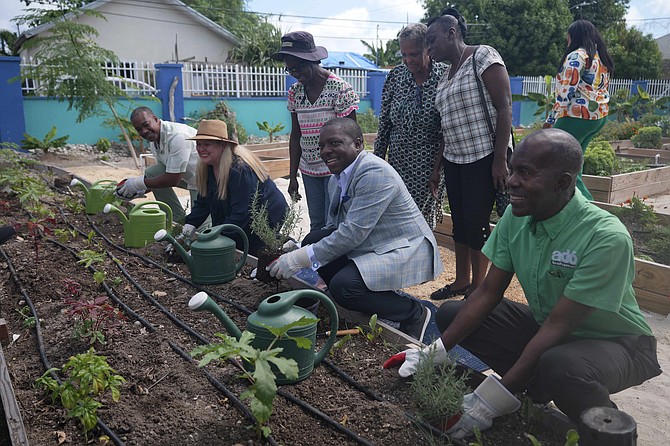
    A landmark community farming initiative, backed by major cruise line Royal Caribbean and the Bahamas Ministry of Agriculture, opened its doors to the public in Centreville on Wednesday, marking a key milestone in the country’s push to address local food insecurity and cut reliance on imported food products.

    The official launch was marked by a ceremonial ribbon-cutting, drawing a cross-section of attendees including senior government figures, local community organizers, and top executives from Royal Caribbean. The Royal Caribbean Group Foundation has anchored the project with a $75,000 total contribution, allocating $50,000 to cover initial site development and infrastructure costs, and an additional $25,000 earmarked for ongoing operational maintenance. Complementing this private sector support, Jomo Campbell, Minister of Agriculture and Marine Resources, announced the ministry would add a $10,000 cash grant alongside $5,000 in agricultural equipment vouchers redeemable through the ministry’s fish and farm store.

    Philip Smith, president of the Bahamas Agricultural Development Organization (ADO), explained that the Centreville site is the fifth community farm completed under a national strategic scheme that aims to roll out similar projects across all 41 of the country’s parliamentary constituencies. Under the initiative’s operational model, 70 percent of all fresh produce harvested from the farm will be distributed free of charge to low-income and food-insecure residents within the Centreville community. The remaining 30 percent will be sold to local restaurants, generating recurring revenue to cover long-term operating costs and keep the project self-sustaining.

    Smith’s vision for the project grew out of 15 years of experience leading the Bahamas Feeding Network, a regional hunger relief organization that distributes more than 5,000 prepared meals to vulnerable communities each week. Through that work, Smith has repeatedly witnessed the deep systemic gaps in local food access that leave thousands of Bahamians struggling to put nutritious food on the table. The community farm model, he says, is designed to transform the existing feeding network into a more self-sustaining system, while also shifting national consumption patterns toward locally grown agricultural products.

    Smith also highlighted Royal Caribbean’s long-standing commitment to hunger relief across the Bahamas, recalling past large-scale donations to the Bahamas Feeding Network, including a previous gift of two 40-foot shipping containers full of frozen meat that allowed the network to expand services to thousands of additional families. “It’s just been amazing,” Smith said of the company’s consistent support.

    Philip Simon, president of Royal Caribbean Bahamas, framed the farm project as a strategic investment in both community well-being and long-term national resilience. As global supply chain disruptions and climate change have pushed food security to the forefront of policy concerns for small island nations like the Bahamas, agricultural and sustainability projects have taken on new urgency, Simon explained. Beyond addressing immediate food access gaps, he noted the project also aims to reconnect young Bahamians to the country’s agricultural heritage and encourage the next generation to pursue careers in farming and community development.

    “At one point in our national story, farming and fishing were simply a way of life,” Simon said. “Families understood the value of working the land, growing food, and being able to provide not only for themselves but for others as well. So today we hope that we are planting seeds not only in the soil but in the minds of young people who may one day become farmers, entrepreneurs and leaders in our communities.”

    Minister Campbell echoed that sentiment, emphasizing that the new farm represents far more than a local food project—it is a critical step forward for national self-sufficiency, agricultural education, and inclusive economic development. “We are planting hope, self-sufficiency, education and sustainability for generations to come,” Campbell said. He added that the farm will serve as a hands-on educational space for local families and young people to learn core agricultural skills, while simultaneously expanding access to affordable fresh produce for all Centreville residents.