分类: society

  • UPDATE: APUA Confirms Fuel Leak at Former Friars Hill Facility

    UPDATE: APUA Confirms Fuel Leak at Former Friars Hill Facility

    A confirmed fuel leak from an abandoned storage tank at the former Friars Hill Facility in Antigua has triggered a coordinated multi-agency emergency response, led by the Antigua Public Utilities Authority (APUA).

    Once the leak was detected, APUA moved rapidly to activate internal emergency protocols and immediately notified a broad network of relevant government and regulatory bodies to join the assessment and mitigation effort. Partner agencies including the National Office of Disaster Services (NODS), Antigua and Barbuda Police Force, Central Board of Health, Development Control Authority (DCA), Antigua and Barbuda Fire Department, National Solid Waste Management Authority, West Indies Oil Company (WIOC), Department of Public Health, and Department of Environment have all deployed personnel to the site to support containment operations.

    Crews are currently working around the clock to install critical containment barriers designed to stop the spread of leaked fuel and reduce any potential harm to local ecosystems and nearby residential communities. As of the latest update, investigations into the root cause of the leak and full mapping of the spill’s total size remain ongoing, with no definitive conclusions released to the public.

    Local authorities have issued a public advisory urging motorists traveling along Friars Hill Road and residents living in adjacent neighborhoods to remain vigilant and follow all safety guidance posted by response teams throughout the duration of cleanup operations. APUA has reiterated its commitment to resolving the incident in full compliance with public safety and environmental protection standards, noting that it will continue to closely monitor site conditions and share new updates with the public as additional details are confirmed. The authority has also expressed gratitude for the public’s patience as response teams work to bring the situation under control.

  • LETTER: Urgent Need for Affordable Rental Housing Legislation for Working Citizens

    LETTER: Urgent Need for Affordable Rental Housing Legislation for Working Citizens

    A concerned citizen from Antigua and Barbuda has issued an open appeal to Prime Minister, the entire cabinet, and members of parliament, demanding urgent legislative intervention to tackle the country’s worsening affordable rental housing crisis. The appeal frames access to reasonably priced rental accommodation not as a privilege for high-income groups, but as a core basic necessity that all working citizens deserve regardless of their earnings.

    For a growing share of Antigua and Barbuda’s hardworking labor force, especially those earning the national minimum wage, market rental rates have slipped far out of reach in recent years, the petitioner argues. Safe, stable housing is universally recognized as a foundational requirement for human flourishing: it underpins personal dignity, keeps families intact, supports good physical and mental health, enables educational attainment, and sustains consistent economic productivity. When full-time workers cannot cover their rent, it undermines core principles of fairness and social equity, putting the overall well-being of national society at risk.

    Today, the problem hits low-wage workers in essential sectors the hardest. Employees in hospitality, retail, security, cleaning, caregiving and other frontline industries are routinely forced to allocate a disproportionate share of their limited earnings to housing costs. In a large number of cases, rent eats up more than 50% of a minimum wage worker’s monthly pay, leaving barely any funds left for other critical needs including groceries, transportation, utility bills, medical care, children’s education, or emergency savings.

    To address this systemic failure, the petitioner has laid out six targeted policy and legislative solutions for the government to adopt. First, develop new affordable rental housing projects through collaborative public-private partnerships. Second, offer financial or regulatory incentives to private property owners who rent units at below-market rates to low-income workers. Third, launch targeted rental assistance programs to support vulnerable working families that are struggling to cover housing costs. Fourth, implement rent stabilization policies in neighborhoods and regions that have seen uncontrolled, excessive rental price inflation. Fifth, update national housing regulations to mandate that all new residential developments set aside a share of units for affordable rental purposes. Sixth, introduce mandatory regular reviews of the national minimum wage to ensure it keeps pace with actual housing and living costs across the country.

    The appeal emphasizes that affordable rental housing is far more than just an economic policy issue: it is a question of social justice and long-term national development. A nation can only prosper when its core workforce can live with dignity, security, and confidence in the future. From teachers and nurses to hotel staff, cashiers, security guards and maintenance workers, low-wage essential workers form the backbone of Antigua and Barbuda’s economy. Their contributions to national prosperity deserve recognition through guaranteed access to housing they can afford, the petitioner argues.

    Concluding the appeal, the citizen urges the government to treat the ongoing affordability crisis with the urgent attention it demands. Current rental conditions are unsustainable for thousands of working people, and for minimum wage earners, the status quo is unnecessarily punitive and unreasonable. Deliberate, meaningful legislative action and practical, on-the-ground solutions are needed to turn affordable rental housing from an out-of-reach dream into a tangible reality for all working Antiguans and Barbudans. The petitioner closes by thanking officials for their time and expressing hope for decisive action to protect the welfare and dignity of working people across the twin-island nation.

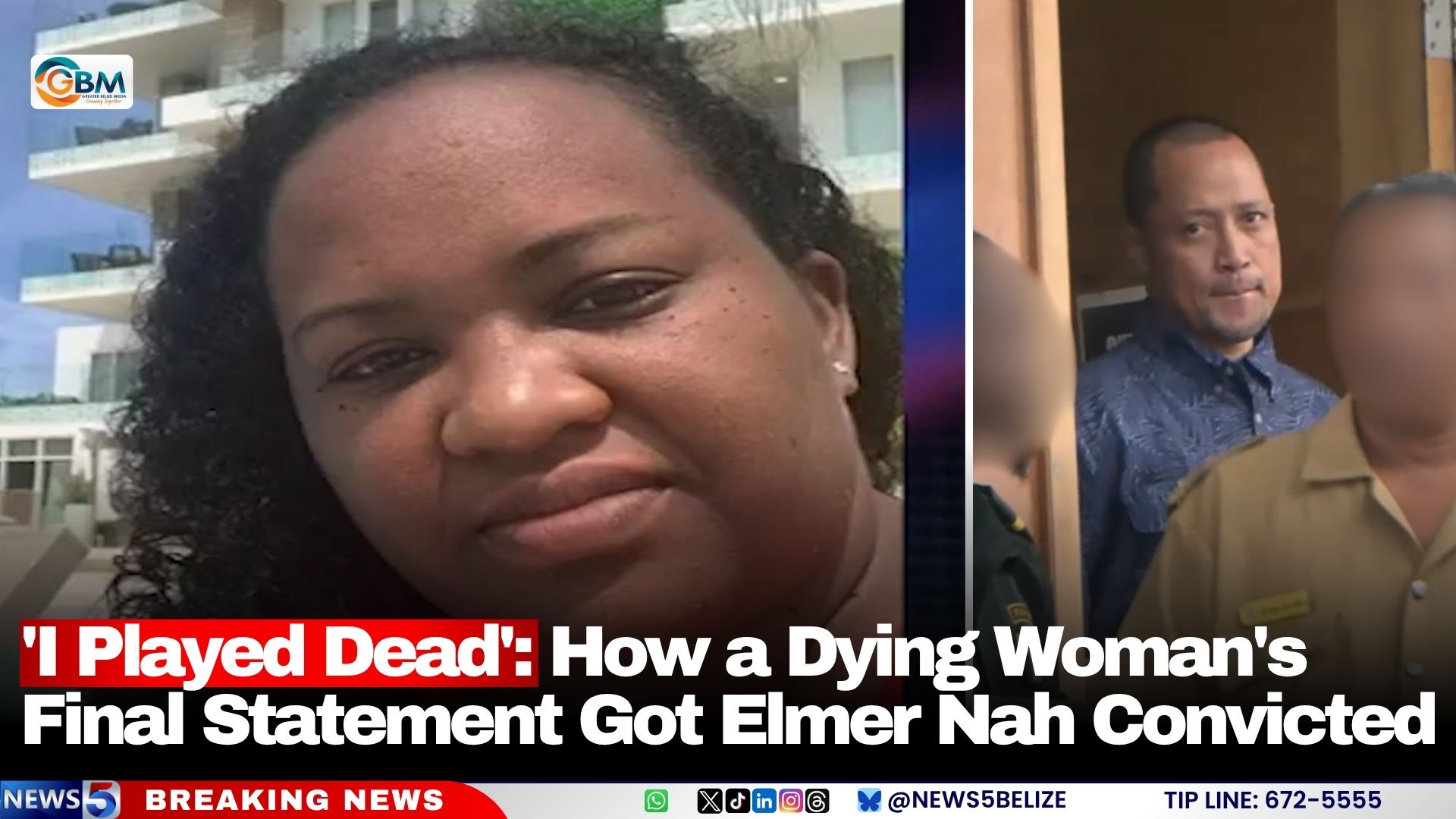
  • ‘I Played Dead’: How a Dying Woman’s Final Statement Got Elmer Nah Convicted

    ‘I Played Dead’: How a Dying Woman’s Final Statement Got Elmer Nah Convicted

    In a landmark murder trial that has gripped Belize, former Belize Police Department officer Elmer Nah has been found guilty of three counts of murder and one count of attempted murder, closing a more than three-year-long case built on extraordinary evidence from a fatally wounded victim. The convictions stem from a brutal New Year’s Eve 2022 attack in Belmopan that claimed the lives of Jon Ramnarace, David Ramnarace, and Vivian Ramnarace, and left a fourth victim, Yenie Alberto—David Ramnarace’s common-law partner—with life-altering injuries.

    The sequence of violence unfolded shortly after 7:30 p.m. on December 31, 2022, when the Ramnarace family’s dog began barking unexpectedly. Jon and David Ramnarace stepped outside to investigate the disturbance, followed by Vivian Ramnarace (Jon’s wife) and Alberto. A masked gunman never was in this case: the attacker, clad entirely in dark clothing, approached the home unmasked and opened fire in a 25-second assault captured entirely by the family’s home security system. Jon and David were killed instantly; Vivian was shot multiple times and Alberto, hit in the abdomen, managed to escape through the home’s back entrance to get help.

    Vivian Ramnarace survived the initial gunfire but ultimately died on January 15, 2023, from complications caused by her gunshot wounds. What made her survival between the attack and her death extraordinary, however, was the critical evidence she collected and shared with authorities before she died. Even with four life-ending gunshot wounds, she managed to retrieve her mobile phone, alert a neighbor, contact family via WhatsApp, and call emergency services before first responders arrived. Less than 48 hours after the attack, while recovering in intensive care at Belize City’s Karl Heusner Memorial Hospital, she gave a formal, detailed statement to police that would become the linchpin of the prosecution’s case.

    In her statement, which was admitted to court as hearsay evidence due to her passing before trial, Vivian recalled that she saw the attacker for a combined 8 to 10 seconds: first 15 feet away outside the home, illuminated by streetlamps and the family’s Christmas decorations, and again 8 feet away inside the home under kitchen lighting. She told investigators the gunman wore no mask, allowing her to see his face clearly. She described him as a 5’6” light-complexioned young man in full dark clothing, with a small light-emitting device mounted on his head. Most critically, she told police she recognized him from media coverage: he was the nephew of former senior police superintendent Marco Vidal, a former officer who had been publicly charged in a 2021 drug trafficking plane landing case. That description, the court ruled, was an unmistakable reference to Elmer Nah, who fit every detail of the account and had been widely featured in Belizean media and social media following his 2021 drug charge.

    Later that same day, still bedridden in her hospital room, Vivian participated in a photo array procedure. After reviewing 12 photos of men with similar physical characteristics, she immediately and without hesitation pointed to photo number 10: a photo of Elmer Nah.

    Nah’s defense team launched an aggressive challenge to the identification evidence, arguing that extreme duress had compromised Vivian’s ability to accurately identify her attacker, that her comment “it looked like Number 10” betrayed uncertainty, that the failure to conduct a formal in-person identification parade made the identification unreliable, and that no physical evidence—including DNA, fingerprints, or gunshot residue—linked Nah to the crime scene. The defense also noted that Nah has a prominent tattoo stretching from his wrist to his knuckles on one hand, which was not visible on the shooter in the grainy surveillance footage.

    Presiding Justice Nigel Pilgrim rejected every one of the defense’s arguments, upholding the conviction in a ruling that relied heavily on the consistency between Vivian’s account and the surveillance footage she had never seen before giving her statement. Justice Pilgrim identified nine specific points where Vivian’s written description matched the video record exactly: the timing of the dog’s barking, the order in which family members stepped outside, the attacker’s fast approach, the sequence in which victims were shot, the attacker forcing open the front door, the light on his head, the outdoor light sources she described, and the indoor kitchen lighting.

    On the question of her phrasing “it looked like Number 10”, Justice Pilgrim noted that this reflected common colloquial speech patterns in Belize, and came immediately after an unprompted, firm identification of the photo. On the tattoo, he ruled the surveillance footage was too grainy to confirm whether a tattoo was present or not. On the absence of a formal identification parade, he accepted the prosecution’s explanation that Vivian was bedridden in intensive care and physically incapable of attending, and cited binding judicial precedent holding that such parades are unnecessary when a witness has already provided a full, specific identification that allows police to apprehend a suspect.

    Even without additional circumstantial evidence, Justice Pilgrim ruled, the combination of Vivian’s hearsay statement and corroborating surveillance footage was enough to confirm Nah’s guilt beyond a reasonable doubt. That said, multiple pieces of circumstantial evidence further supported the conviction. When police arrived at Nah’s home on Messam Street—just five to seven minutes’ walking distance from the Ramnarace residence—shortly after the attack, they found him standing at his front door wearing a lit headlamp, exactly matching the light source Vivian described and visible on the attacker in the surveillance footage. The court also found Nah deliberately lied about his whereabouts during the critical 7 p.m. to 8 p.m. window when the killings occurred. Initially, Nah told police he was at the nearby Wei Li bar during that time, but bar surveillance footage showed no sign of him between 5 p.m. and 8:30 p.m. By the time of trial, Nah changed his account, claiming he visited the bar after 9 p.m., a shift the court ruled was a deliberate fabrication to create a false alibi.

    The defense called multiple witnesses to corroborate Nah’s alibi, including his cousin Amin Nah, his common-law wife Epifania Caliz, and former colleague Dervin Sambula. Justice Pilgrim rejected all alibi testimony, noting that Amin and Caliz are close family members with a clear incentive to lie for Nah, and that Nah’s proven lie about his whereabouts had already destroyed his credibility. Even if Sambula’s claim that Nah sounded calm during an 8:30 p.m. phone call was accepted at face value, the justice ruled, it could easily be explained by Nah’s confidence that his crime would not be discovered. The court declined to give weight to forensic evidence linking a pair of rubber boots seized from Nah’s pickup to a boot print found at the Ramnarace home, noting the forensic analysis only confirmed a class match, not a definitive individual match.

    Nah maintained his innocence throughout the trial, arguing in his dock statement that he was at home with family when the attack happened, that he had been washing tennis shoes in his yard and mistook the gunshots for New Year’s Eve firecrackers, and that he later went to collect his sheep on a dirt bike with his cousin. Those claims were entirely rejected by the court.

    A sentencing hearing is scheduled for June 18, 2026. Under Belizean law, a murder conviction carries a mandatory sentence, so Nah will face a fixed punishment for his crimes.

  • Wildlife Rescue Monkey Dies After Sudden Collapse in Rehabilitation

    Wildlife Rescue Monkey Dies After Sudden Collapse in Rehabilitation

    For wildlife conservation teams working to return injured native species to their natural habitats, every small victory is hard-won, and every loss cuts deep. That harsh reality was driven home in late May 2026, when a beloved rescued howler monkey named Georgie died suddenly during the final stages of his rehabilitation in Belize, just months after he beat overwhelming odds to survive a devastating parasitic infestation.

    Georgie’s journey to recovery began in 2025, when he was first brought to the Belize Wildlife & Referral Clinic. The young howler monkey had been infested by thousands of New World Screwworm maggots, the parasitic larvae of Cochliomyia hominivorax — a species that feeds on the living tissue of warm-blooded animals. Infestations as severe as Georgie’s are rarely survivable, and even animals that do pull through often face long-term, hidden health complications, including permanent vascular and neurological damage.

    Against all expectations, Georgie pulled through after nine months of round-the-clock intensive medical treatment at the clinic. His remarkable progress earned him a transfer to Wildtracks, a Belize-based rehabilitation organization that specializes in preparing the country’s two native howler monkey species for release into protected natural forests. For months, caretakers at the facility reported steady, encouraging improvement: Georgie was active, participated in the signature howling sessions that define howler monkey social life, and even engaged in social bonding with female monkeys at the sanctuary.

    “At that time, all looked well, he transferred into rehab, enjoyed howling sessions and flirting with the females at Wildtracks,” the Belize Wildlife & Referral Clinic shared in a social media post announcing Georgie’s death.

    But nearly 10 months into his rehabilitation, as teams were finalizing plans for his long-awaited release back to the wild, tragedy struck. Georgie collapsed suddenly and began experiencing severe seizures. Veterinary staff fought frantically to save him, but the monkey could not be resuscitated. Caretakers currently suspect that a stroke caused his sudden death, though official results from a necropsy are still pending to confirm the underlying cause.

    The loss has hit the conservation community in Belize hard. For many on the Wildtracks team, Georgie’s death ranks among the most difficult losses the rehabilitation program has ever faced. Even so, staff say they take small comfort in the knowledge that Georgie spent his final months surrounded by care.

    “Just as our hopes for an eventual return to the wild were growing, Georgie showed us the real risks of long-term consequences of severe injuries,” the clinic noted in its statement, echoing a quiet truth that all wildlife rehabilitation teams must confront: even after survival, recovery does not always erase the damage done by severe trauma and illness. “In a statement, staff said they took solace in knowing Georgie spent his final months surrounded by monkeys and people who cared.”

  • Two community-based groups raise concerns on behalf of Woodford residents

    Two community-based groups raise concerns on behalf of Woodford residents

    In the parish of St John, Grenada, a growing public debate over a large-scale industrial project in Woodford has put critical questions of planning governance, environmental stewardship, and community voice at the forefront of national discussion. Two grassroots community organizations have stepped forward to advocate on behalf of local residents, pushing for full compliance with existing laws and meaningful inclusion of local perspectives in development decision-making.

    The first organization, WE ACT — short for the Woodford Environmental Alliance for Community Transformation — was formed specifically in response to the proposed industrial development. The community-led group centers its work on upholding lawful development processes, protecting public health, and ensuring that national environmental and planning regulations are enforced consistently. Currently, WE ACT is pursuing legal action to challenge portions of the approvals and procedural steps granted to the project by Grenada’s Planning and Development Authority (PDA).

    The second group, the Future Builders Community Network, is a grassroots collective made up of young people and residents from Woodford and surrounding neighborhoods including Brooklyn, Concord, and Cotton Bailey. The organization’s broader mission focuses on building robust, inclusive community institutions, encouraging active civic engagement, amplifying youth participation, and guaranteeing that local input shapes long-term development outcomes for the region.

    Both groups have united to raise concerns over the ongoing industrial development, which is led by Rayneau Construction Group — a St. Lucia-based industrial and construction firm headed by prominent businessman Rayneau Gajadhar. The proposed project includes facilities for asphalt production, concrete batching, quarry-related operations, and supporting industrial infrastructure.

    Notably, residents are quick to clarify that their campaign is not a rejection of development entirely. Instead, their objections center on the procedural and regulatory approach taken by developers and regulatory bodies, particularly around compliance with planning legislation, the implementation of environmental safeguards, and the sequence of approvals relative to the start of construction work.

    Key among the community’s concerns are allegations that major construction activity began before full environmental assessments and regulatory reviews were completed. Residents have raised formal questions over whether the required Environmental Impact Assessment (EIA) and Environmental and Social Impact Assessment (ESIA) processes were fully finalized and approved before large-scale works commenced on the site.

    At its core, the dispute is a question of process and legal compliance: community organizers argue that planning and environmental laws are designed to govern development before construction breaks ground, not to be retroactively applied after significant, irreversible changes have already been made to the landscape. Additional concerns center on whether Woodford, a region characterized by residential neighborhoods and active agricultural land, is an appropriate location for heavy industrial activity that will bring increased heavy truck traffic, airborne emissions, dust pollution, and persistent noise pollution that disrupts daily life.

    As a small island developing state, Grenada’s economy is heavily dependent on tourism, agriculture, fisheries, and the ecological health of its natural environment. For residents, this means robust environmental protection is not just a quality-of-life issue — it is directly tied to the nation’s long-term economic survival and sustainable development. The debate has also been amplified by controversial comments made by Rayneau Gajadhar during a segment of the public broadcast *The Bubb Report*, appearing approximately two hours and 13 minutes into the program, where Gajadhar shared views on Caribbean labor history and development.

    Many listeners have characterized Gajadhar’s remarks as historically insensitive, particularly his framing of Caribbean labor and development narratives. Community leaders are calling for critical scrutiny of such perspectives when discussing development models for small island developing states, where the needs of local communities often take a backseat to large-scale industrial projects.

    Residents repeatedly emphasize that their concerns stem from a demand for better governance and greater accountability, not opposition to economic progress. They are calling for development that is transparent, fully compliant with national law, appropriately regulated, and inclusive of meaningful community consultation before permanent changes are made to residential landscapes. The groups also note that Grenada already faces multiple existing environmental pressures across the country, and adding heavy industrial activity near populated residential areas creates unacceptable cumulative risks to public health, community safety, and overall quality of life for local residents.

    WE ACT and the Future Builders Community Network stress that their stance is not anti-development — it is pro-process, pro-accountability under the law, and pro-meaningful community participation. Their core goal is development that strengthens local communities rather than displacing them, with a central argument that residential areas should never be treated as sacrifice zones for unregulated industrial expansion. Proper zoning and planning frameworks, they note, exist explicitly to prevent exactly this type of outcome.

    As small island states across the globe continue to navigate the delicate balance between pursuing economic growth and protecting environmental health and social stability, the controversy unfolding in Woodford serves as a high-profile example of why full legal compliance and meaningful public participation must be central to any development process.

  • 24-year-old killed man in shooting incident

    24-year-old killed man in shooting incident

    A deadly shooting incident in Barre St Joseph, a community within Castries, has left one young local man dead, and law enforcement in Saint Lucia has launched an official probe into the tragedy that unfolded on the evening of Friday, May 29 2026.

    According to official statements released by the Royal Saint Lucia Police Force (RSLPF), the first alert of the shooting reached emergency dispatch at approximately 8:40 p.m. local time. Following the report, patrol officers assigned to the Marigot Police Station were immediately dispatched to the scene to secure the area and launch initial on-site processing.

    Preliminary findings from early investigative work confirm that a single male individual sustained gunshot wounds during the altercation or attack. Local emergency medical response teams quickly arrived to provide on-site first aid, before transferring the injured man via ambulance to the Owen King EU Hospital, the island’s main healthcare facility for urgent care. Despite the full efforts of clinical teams to stabilize and treat his injuries, the victim was pronounced dead shortly after arrival.

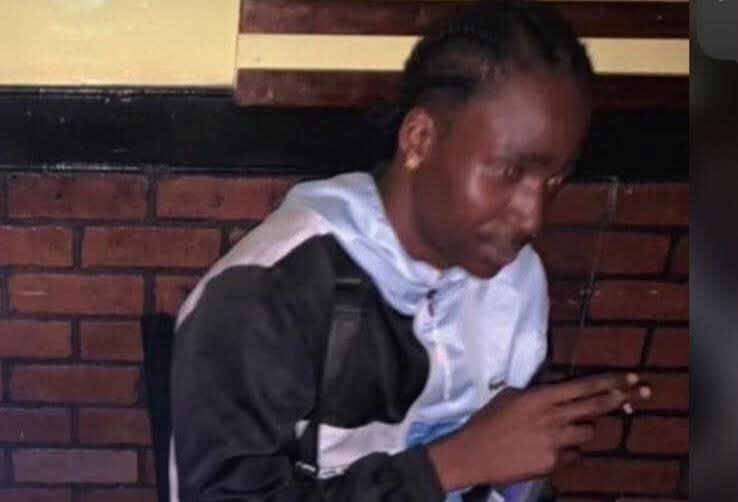
    In an update shared over the weekend, police have formally identified the deceased as Mitchel Jean, a 24-year-old resident of the same Barre St Joseph community where the shooting occurred. No further details about possible motives, suspects or the circumstances leading up to the incident have been released to the public at this early stage of the investigation.

    The RSLPF confirmed that the force’s Major Crimes Unit has now taken over lead responsibility for the case, with investigators working around the clock to piece together the sequence of events and identify any persons responsible for the attack. To advance the probe, law enforcement is issuing a public call for information from any community members who may have witnessed the incident, or hold details that could help move the case forward.

    Members of the public with relevant tips can contact the Major Crimes Unit directly at 456-3754. For those who wish to keep their identity protected, anonymous submissions can be made through two additional channels: calling the dedicated national Crime Hotline at 555, or submitting information securely via the official Crime Hotline mobile app.

  • Onderwijsbonden houden voet bij stuk: Zonder resultaat wordt beraad niet opgeheven

    Onderwijsbonden houden voet bij stuk: Zonder resultaat wordt beraad niet opgeheven

    In a historic show of unified action across the Netherlands’ entire education sector, major education trade unions have formally launched a nationwide industrial dispute, confirming that talks alone with the government will not be enough to suspend the protest action.

    Speaking at a joint press conference held earlier on 1 June, union leaders made clear they will only end the national consultation (industrial action) once concrete results and legally binding agreements are put on the negotiating table. Nearly every segment of the country’s education system—from primary and secondary education through to higher education institutions—has thrown its support behind the collective action. Union representatives describe the moment as unprecedented, marking the first time that diverse education organizations have aligned as a single front to draw urgent attention to the deep-seated challenges plaguing the sector.

    While unions confirmed they are scheduled to hold talks on Monday with representatives from the government, the presidential commission and the Ministry of Education, they stressed that previous negotiation rounds have delivered little to no tangible progress. According to the unions, long-standing grievances including back pay, bonus payments, pay grading, permanent employment contracts and other workplace benefits have gone unresolved for years.

    “We are willing to listen, but the industrial action will not be lifted without real results,” one senior union leader stated during the press conference. “We do not want to hear empty promises again—we want to see concrete agreements and immediate implementation.”

    Beyond the unresolved employment benefits, unions highlight that the education sector has grappled with a severe teacher shortage for an extended period, with fewer and fewer young people choosing to pursue careers in education. They attribute this crisis in part to stagnant low salaries and the repeated delay of entitled compensation for education workers. Union leaders emphasize that the deteriorating situation does not only harm teaching staff—it also undermines the quality of education across the country, putting the long-term future of students at risk.

    Despite launching the industrial action, unions stress they have not lost sight of the best interests of students. It is precisely because of their commitment to protecting students’ educational future that they are taking a stand now. “We are fighting for teachers, because without teachers, there is no education,” union representatives affirmed at the press conference.

    Unions are set to hold further talks with government representatives later the same day, and the outcome of these discussions will shape the next steps of the industrial action. For the time being, the protest remains in full effect, and teachers are still being called to stay away from work until there is clear progress on tangible solutions. Unions have also been in contact with the president, who is currently visiting the Dominican Republic, and the president has agreed to meet with union leaders promptly upon his return on 2 June.

  • Rose Hall baby killer said ‘demons deh in the baby’

    Rose Hall baby killer said ‘demons deh in the baby’

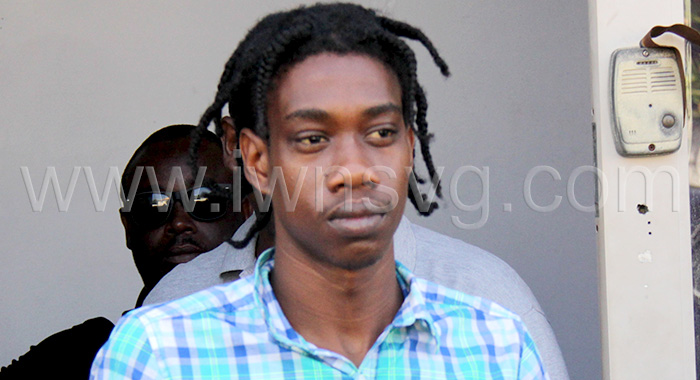
    On a quiet Saturday evening in February 2024, a senseless act of violence against a defenseless infant shattered the close-knit community of Rose Hall in St. Vincent and the Grenadines, leaving a young mother grieving and a nation confronting the intersection of mental illness, substance abuse, and violent crime. On May 22, 2026, Justice Rickie Burnett of the Eastern Caribbean Supreme Court handed down a final sentence of 19 years, nine months and six days behind bars to 25-year-old Jeremiah Samuel, also known locally as Mozique, who admitted to kidnapping and stabbing to death 14-month-old Janae Samuel-Wright, his cousin’s infant daughter.

    The timeline of the tragedy unfolded shortly after 6 p.m. on February 10, 2024, when Samuel left the grandmother’s home where he resided in Rose Hall’s Park neighborhood and traveled to his own mother’s residence in the nearby New Village section of the community. Samuel’s mother, Myrtle Samuel, was washing clothes in her yard when she spotted her son. She immediately walked 10 seconds away to her sister Joan Samuel’s home, where she asked her daughter Mazonya Samuel to prepare food for the unexpected visitor. When Mazonya retrieved a serving bowl from Janae’s mother Jonessa, who was in the bedroom, the 14-month-old girl was left unsupervised for just a few minutes, sitting laughing and playing in a living room armchair alongside three other young children. While Mazonya was in the adjacent kitchen portioning out food, Samuel—who had been waiting on the front porch—snatched the infant from her chair and fled into nearby dense shrubbery.

    Myrtle Samuel turned back from her washing just in time to see her son running with the baby clutched to his chest. She ran screaming into the house alerting Jonessa that Samuel had taken the child, triggering a frantic search across the community. Samuel jumped a perimeter wall with Janae, pulled a black-handled kitchen knife he had stolen from his grandmother’s home earlier that day, and stabbed the child multiple times in the neck before leaving her small body and the murder weapon hidden under a lemon tree in an overgrown patch of bushes. He then evaded searchers from the community for a period of time, until police were called to the scene. Lenroy Robertson, Jonessa’s ex-boyfriend, ultimately located Janae’s body just under two hours after the kidnapping. The infant was pronounced dead by a district medical officer later that night, and an autopsy conducted by pathologist Dr. Ronald Child confirmed the toddler died from multiple sharp force injuries, including fatal cuts to her external jugular vein.

    Samuel was arrested on suspicion of murder that same night. A psychiatric evaluation ordered the next day revealed a long and troubling history of substance abuse: the assessment confirmed Samuel had begun smoking marijuana while still in primary school, and by the time of the killing, he was consuming two marijuana cigarettes (known locally as spliffs) per day, starting before he turned 16. Toxicology testing and clinical assessment resulted in a formal diagnosis of psychosis, linked to chronic long-term marijuana abuse. A follow-up evaluation by psychiatrist Dr. Enyinne Williams completed in June 2025 further specified that Samuel was experiencing an acute brief psychotic disorder at the time of the killing, marked by delusional thinking, auditory hallucinations, and severely impaired judgment. Multiple community members told investigators they had observed Samuel exhibiting increasingly bizarre behavior in the days leading up to the murder: he was seen pacing roads talking to himself, screaming curses, and repeatedly telling neighbors that the 14-month-old baby was possessed by demons and “had to be gotten rid of.” He also claimed he could raise dead people back to life after the passing of a close friend, which friends and family said marked a clear shift in his already unstable behavior.

    Because his mental impairment satisfied the legal requirements for a partial defense of diminished responsibility, Samuel was not eligible to stand trial for murder. He instead pleaded guilty to the lesser charge of manslaughter, alongside a separate charge of kidnapping the victim. In handing down the sentence, Justice Burnett explained that the legal framework for diminished responsibility applies when a defendant’s mental abnormality substantially impairs their ability to exercise self-control, form rational judgments, or understand the nature of their violent acts. In this case, the court ruled that Samuel’s chronic marijuana use had triggered an untreated, undiagnosed psychotic disorder that met this legal standard.

    To craft the sentence, Justice Burnett started with a 30-year starting term, noting multiple aggravating factors: the victim was an utterly defenseless 14-month-old child, the attack was unprovoked, Samuel abused the trust of his own family to access the baby, he used a weapon, had premeditated the act (even if the planning stemmed from delusions), and concealed the child’s body after the killing. The judge added six years to the starting term due to these aggravating circumstances, bringing the total to 36 years. He then subtracted three years to account for mitigating factors, including Samuel’s previously non-violent criminal record, his youth (he was 22 at the time of the killing), his cooperation with law enforcement after his arrest, and his untreated mental illness at the time of the offense. Samuel received a further one-third sentence discount for his guilty plea, reducing the term to 22 years, before deducting the two years, two months and 24 days he had already spent in pre-trial detention. For the separate kidnapping charge, Samuel received a concurrent four-year, one-month and seven-day term, resulting in a final sentence of 19 years, nine months and six days additional time in custody. The judge also ordered that Samuel receive consistent, comprehensive psychiatric treatment throughout his incarceration.

    In her victim impact statement, Jonessa Samuel described Janae as a calm, loving, joyful baby who brought happiness to everyone who met her. The young mother said she is left permanently heartbroken, feels empty without her child, continues to cry on what would have been Janae’s birthdays, and feels deeply betrayed that the violence came from within her own family. She emphasized that the 14-month-old girl was completely innocent, had never harmed anyone, and could not possibly defend herself against the attack. Neighbors in Rose Hall, who had previously described Samuel as generally calm, quiet, and helpful to those around him, said they were left shocked and deeply saddened by the unthinkable act.

    Justice Burnett noted that there are no formal sentencing guidelines for manslaughter by diminished responsibility in the Eastern Caribbean Supreme Court, so the court relied on UK guidelines, existing case law, and legal submissions from both sides to craft the sentence. He explained that the sentence was structured to meet all four core goals of criminal sentencing: prevention of future harm, retribution for the victim, rehabilitation for the offender, and deterrence of similar crimes. The judge stated that “the court must bear in mind that crime is not only against the state but also against a specific person,” and urged Samuel to use the rehabilitation programs available at His Majesty’s Prison to address his mental illness and substance use disorder, so he can eventually reintegrate into society if he is released.

    The case has drawn attention to the devastating impacts of early-onset chronic marijuana abuse and gaps in access to mental healthcare in small Caribbean communities, where undiagnosed psychotic conditions can escalate into unthinkable acts of violence before intervention is possible.

  • Bahamas can shelter 14,000, but falls short of global mark

    Bahamas can shelter 14,000, but falls short of global mark

    As the 2026 Atlantic hurricane season officially gets underway, disaster management officials in The Bahamas have acknowledged that while the nation has made meaningful progress in preparedness, it still has not met the international benchmark for emergency shelter capacity to protect residents during major natural disasters. Currently, the country’s 144 public shelters can accommodate approximately 14,000 people, according to Aaron Sargent, Managing Director of the Bahamas Disaster Risk Management Authority (DRM).

    Speaking at a press briefing held to mark the start of the season, Sargent noted that 90 of these shelters have already completed mandatory safety inspections, with only three facilities in New Providence still awaiting evaluation. Against the global standard that requires shelter space for 10 percent of a country’s total population, The Bahamas currently falls well short of the target. Sargent emphasized that expanding shelter capacity – particularly in the country’s less developed southern island region – remains a top priority for the government, requiring ongoing infrastructure investment and new construction projects.

    The briefing came one day after senior DRM officials, along with Executive Chairman Alex Storr and representatives from multiple government agencies, presented the nation’s full preparedness plan to Prime Minister Philip “Brave” Davis and newly appointed Minister of State for Disaster Risk Management McKell Bonaby. Despite the unmet shelter target, Sargent said the work completed during the low-risk “blue sky” period between hurricane seasons has significantly boosted the country’s ability to mount an effective response to storm events.

    The Bahamas Department of Meteorology has forecast a below-average season for 2026, projecting roughly 11 named storms and just one to three hurricanes forming across the Atlantic basin. Sargent tied this milder outlook to the ongoing El Niño weather pattern, which has also driven record-breaking extreme heat across much of the globe this year. Even with the favorable forecast, however, he issued a sharp warning to residents against lowering their guard, stressing that the country’s location within the active Atlantic hurricane belt means a single devastating storm is all it takes to cause widespread destruction across the island chain.

    To strengthen local response capacity, the DRM Authority has already completed regional readiness exercises on eight of The Bahamas’ major islands, with a full national disaster drill scheduled for July. The agency is also putting the final touches on a new National Recovery Framework, a document designed to standardize post-disaster relief and reconstruction protocols across all levels of government. Once finalized, the framework will be submitted to the Inter-Ministerial Committee on Disaster Risk Management for formal review and approval.

    In addition to infrastructure and planning updates, the DRM Authority has invested heavily in workforce training and digital emergency management technology. Earlier this year, DRM officers completed a specialized training program alongside partners including the Rhode Island Emergency Management Agency, Rhode Island National Guard, and U.S. Northern Command, focused on mastering the WebEOC emergency coordination platform. Sargent explained that the system will dramatically improve cross-agency communication and shared situational awareness between the capital and outlying Family Islands during active disasters, with a full national deployment scheduled for the July readiness exercise.

    On the topic of shelter inspections, Sargent noted that the DRM Authority has tightened safety and operational standards since its establishment, and the vast majority of existing shelters already meet the new requirements. One notable milestone is the newly completed disaster shelter in Abaco, which is now fully operational and ready to accept evacuees. The facility already underwent an unplanned stress test during the recent electoral cycle, when local administrators used it as a polling and operations center, and it passed without any issues.

    Sargent emphasized that disaster preparedness is not a seasonal task, but a year-round priority, with the DRM Authority continuing to upgrade infrastructure, expand training, and integrate new technology to improve response outcomes. He urged all residents to take proactive steps before the next storm threat emerges: inspecting residential and commercial properties, securing storm shutters and plywood, organizing and protecting critical personal and legal documents, and formalizing family evacuation plans. Members of the public are also encouraged to learn the location of their nearest assigned shelter and take advantage of the resources available through the government’s national hurricane readiness campaign, including a free Hurricane Expo scheduled for June 20 at Marathon Mall, and downloadable preparedness materials available at getready.gov.bs.

    Bonaby, who was unable to attend the press briefing, is scheduled to deliver a formal preparedness address to the public across all national news platforms on the same day as the briefing.

  • Taxi operators beat Government to fare increase

    Taxi operators beat Government to fare increase

    Long-running pressure from Jamaica’s public passenger vehicle operators has finally resulted in an official staggered taxi fare increase, but a growing number of drivers in the Corporate Area had already begun charging elevated rates months ahead of government’s formal announcement, driven by skyrocketing operational expenses.

    Last week Tuesday, Transport Minister Daryl Vaz unveiled a phased plan to implement the long-overdue 16% fare increase that was promised to PPV operators back in 2023. The full adjustment will roll out in two separate 8% increments, one in June 2026 and the second in July 2026, marking the government’s delayed resolution to a years-long back-and-forth over fare adjustments.

    To understand the current divide among drivers, it is necessary to trace the history of fare negotiations in Jamaica. In 2023, the government initially signed off on a 35% total increase for taxi operators, but only the first 19% phase of that rise was ever put into effect before the plan stalled. The remaining 16% was originally scheduled to launch in April 2024, but the government requested additional time to review the proposal, leading to last week’s staggered 2026 rollout announcement.

    Long before the official greenlight, however, many drivers across popular routes including Half Way Tree to Spanish Town and Papine to Half Way Tree had already taken matters into their own hands, implementing unapproved fare hikes that vary by route. Operators defend these unregulated adjustments, arguing that the old capped fares had become completely unsustainable amid a broader economic climate defined by soaring fuel, auto part and maintenance costs.

    “We have already raised fares twice without any official approval,” explained Shortman, a hackney carriage driver on the busy Half Way Tree-Spanish Town route, echoing a sentiment shared by dozens of other operators interviewed by the Jamaica Observer. Fellow route driver Junior expanded on this frustration, noting: “When we were supposed to get the 16% increase, officials put it on pause, but drivers already moved ahead and added it to our fares.”

    The gap between official policy and on-the-ground practice has created deep division within Jamaica’s taxi industry, with operators split on whether they support the upcoming formal 16% increase.

    Many long-tenured drivers back the adjustment, pointing to years of frozen fares that have failed to keep pace with climbing input costs. “I would be happy for even this small increase, because bus and taxi fares have not been raised for so long in Jamaica, and when they are, many people push back against it,” said Dennis, a Papine-Half Way Tree driver with more than 27 years of experience. “But those people don’t understand how much it costs to maintain a vehicle these days. Even private vehicle owners who aren’t rich can’t afford to replace two tires at once anymore.”

    Lloyd, another driver on the same Papine-Half Way Tree corridor, tied the growing cost burden directly to recent global geopolitical unrest. “Obviously we need this 16% increase, because gas prices have been climbing nonstop since the conflict in Iran began,” he said. “Everything we need to operate has gotten more expensive: tires, motor oil, all car-related costs are up.”

    Even Richie, who shares this support for the formal increase, expressed solidarity with working-class commuters who are also grappling with widespread inflation. That empathy is echoed across the industry, even by drivers who oppose the upcoming formal hike.

    Shortman, who has already implemented an informal fare increase on his route, questions the need for an additional official adjustment at this stage. “Some drivers want the increase, but I don’t see what it’s for right now, because most of us are already collecting more than the old recommended fare,” he argued. “Everyone is already charging more, so what are they asking for an increase for?”

    Multiple drivers reported that on many routes served by route taxis and hackney carriages, commuters are already being charged fares well above the official rates published by the Transport Authority. Many of these drivers have already informally set fares at $200 Jamaican dollars, and note that passengers have been willing to pay that amount, leaving them uninterested in pursuing further increases right now.

    Junior, who also opposes the government’s planned increase at this time, warned that the formal 16% adjustment could lead to double-dipping by drivers who have already raised their own rates unofficially. “Based on what’s happening right now, that’s what’s going to happen: drivers who have already taken their own increase will just add the official 16% on top of that, which shouldn’t be allowed,” he explained.

    Across the board, whether drivers support or oppose the upcoming formal fare increase, the universal top concern remains the relentless rise of global fuel prices. Local fuel prices have jumped more than 25% since the start of 2024, driven by ongoing global geopolitical tensions, and the National Council of Taxi Associations estimates that operational costs now eat up 60% of the average driver’s gross income.

    “The small increase can go ahead if it has to, but what we really need is for gas prices to come back down. Gas goes up every single week,” Dennis said. “Everyone says taxi and bus drivers make so much money, but all of that money goes right back out — right into gas, right to auto parts sellers. That’s where all the money ends up.”

    Despite their own financial struggles, all drivers interviewed emphasized their empathy for commuters who are also facing widespread cost-of-living increases. Many noted that minimum wages have not kept pace with inflation, and said they often accommodate passengers who cannot afford the full increased fare.

    “I still have to remember that regular people haven’t gotten a minimum wage increase, they haven’t gotten any extra income to cover these higher costs,” Richie said. “Sometimes people get in the car and don’t have the full $200, so we don’t turn them away or disrespect them over it.”

    Howard Livingston, another driver on the Papine-Half Way Tree route, summed up the balancing act that operators face every day. “Things are very expensive right now: oil, parts, tires, everything is up,” he said. “But at the end of the day, we have to remember that the world is going through an oil crisis, and the government isn’t responsible for that. As taxi operators, we have to consider both the needs of the government and the struggles of the passengers we serve.”