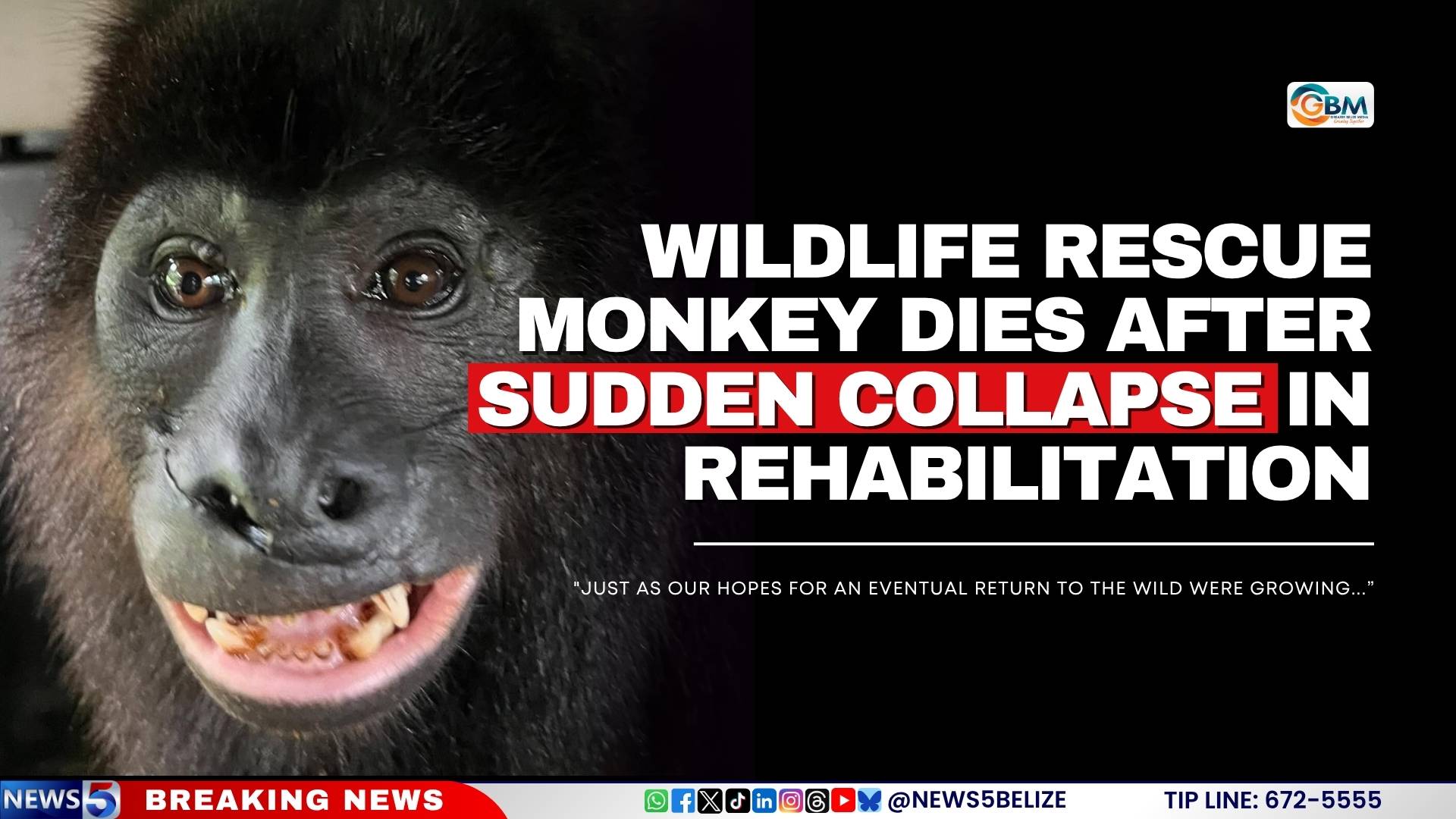
For wildlife conservation teams working to return injured native species to their natural habitats, every small victory is hard-won, and every loss cuts deep. That harsh reality was driven home in late May 2026, when a beloved rescued howler monkey named Georgie died suddenly during the final stages of his rehabilitation in Belize, just months after he beat overwhelming odds to survive a devastating parasitic infestation.
Georgie’s journey to recovery began in 2025, when he was first brought to the Belize Wildlife & Referral Clinic. The young howler monkey had been infested by thousands of New World Screwworm maggots, the parasitic larvae of Cochliomyia hominivorax — a species that feeds on the living tissue of warm-blooded animals. Infestations as severe as Georgie’s are rarely survivable, and even animals that do pull through often face long-term, hidden health complications, including permanent vascular and neurological damage.
Against all expectations, Georgie pulled through after nine months of round-the-clock intensive medical treatment at the clinic. His remarkable progress earned him a transfer to Wildtracks, a Belize-based rehabilitation organization that specializes in preparing the country’s two native howler monkey species for release into protected natural forests. For months, caretakers at the facility reported steady, encouraging improvement: Georgie was active, participated in the signature howling sessions that define howler monkey social life, and even engaged in social bonding with female monkeys at the sanctuary.
“At that time, all looked well, he transferred into rehab, enjoyed howling sessions and flirting with the females at Wildtracks,” the Belize Wildlife & Referral Clinic shared in a social media post announcing Georgie’s death.
But nearly 10 months into his rehabilitation, as teams were finalizing plans for his long-awaited release back to the wild, tragedy struck. Georgie collapsed suddenly and began experiencing severe seizures. Veterinary staff fought frantically to save him, but the monkey could not be resuscitated. Caretakers currently suspect that a stroke caused his sudden death, though official results from a necropsy are still pending to confirm the underlying cause.
The loss has hit the conservation community in Belize hard. For many on the Wildtracks team, Georgie’s death ranks among the most difficult losses the rehabilitation program has ever faced. Even so, staff say they take small comfort in the knowledge that Georgie spent his final months surrounded by care.
“Just as our hopes for an eventual return to the wild were growing, Georgie showed us the real risks of long-term consequences of severe injuries,” the clinic noted in its statement, echoing a quiet truth that all wildlife rehabilitation teams must confront: even after survival, recovery does not always erase the damage done by severe trauma and illness. “In a statement, staff said they took solace in knowing Georgie spent his final months surrounded by monkeys and people who cared.”