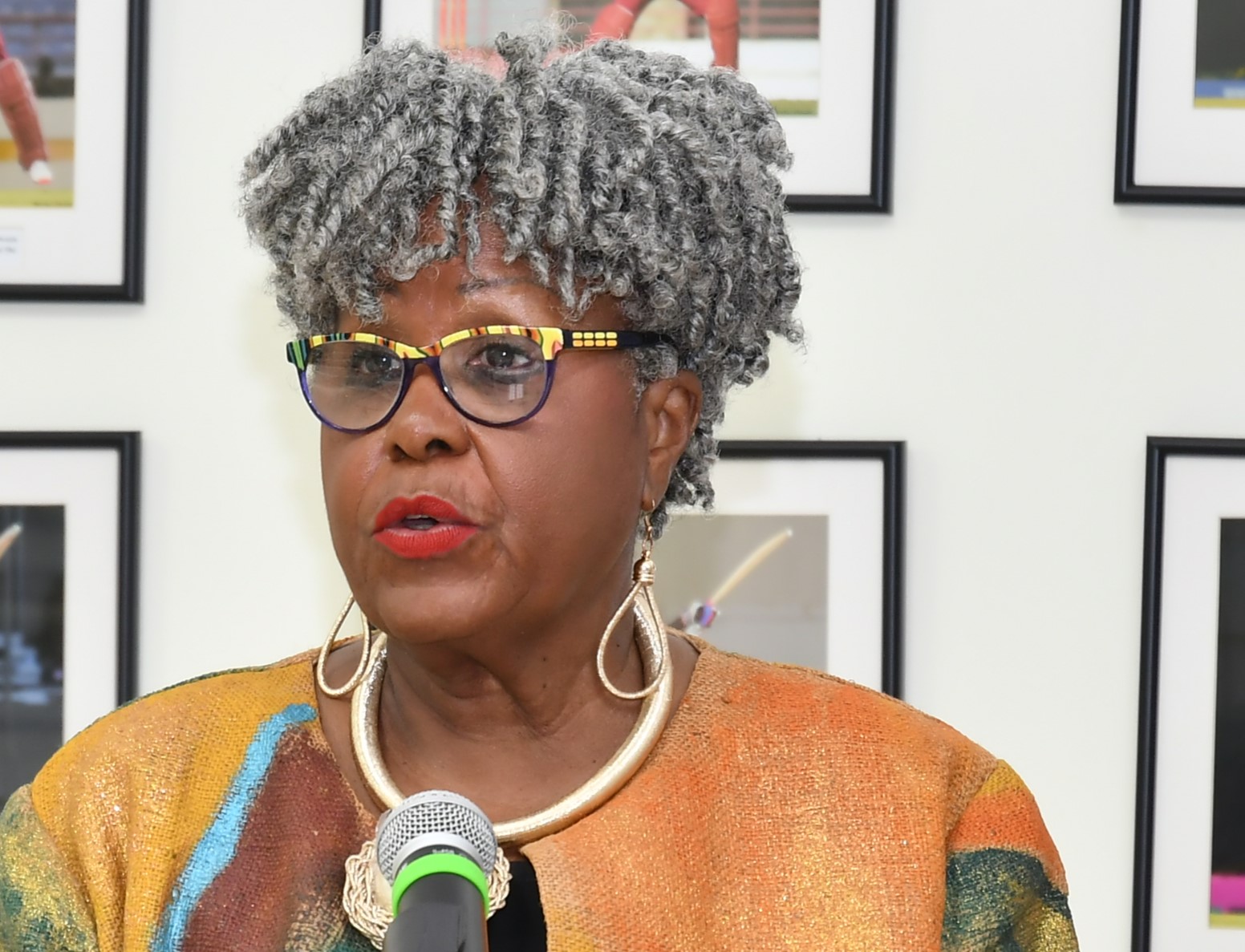
As Barbados moves forward with landmark legislation to protect the rights and well-being of its aging population, the island nation’s leading advocacy group for retired people has offered a measured welcome: praising the bill as a long-overdue milestone while cautioning that robust implementation and enforcement will determine its real-world impact. \n\nThe Older Persons (Care and Protection) Bill, which was tabled before Barbados’ lawmakers this week, marks a historic shift in how the country frames the value of its senior citizens, according to Marilyn Rice-Bowen, president of the Barbados Association of Retired Persons (BARP). In comments on the proposed legislation, Rice-Bowen emphasized that the bill fills a critical gap in national policy, finally enshrining in law the principle that older Barbadians deserve full state protection as they enter their later years. \n\n“This bill challenges the harmful, outdated narrative that seniors are a societal burden or an economic liability,” Rice-Bowen explained. “Ageing is a natural stage of life that we can only hope to reach, and it comes with a lifetime of contribution to our nation. The legislation recognizes that reality. It moves us past the dehumanizing idea that older people are a drain on resources, and instead affirms their role as living reservoirs of intergenerational knowledge and cultural experience.”\n\nAt its core, Rice-Bowen said, the bill is about honoring the decades of work and sacrifice that current seniors gave to build modern Barbados. “Every older person in this country gave their time, their labor, and their love to our communities and our families over a full lifetime. This legislation isn’t just a set of rules—it’s a promise that they can age with dignity, financial security, and a sense of purpose, knowing the state has their back.”\n\nBut while BARP has welcomed the framework laid out in the proposed law, the organization’s leader stressed that good legislation is only as useful as its enforcement. The bill includes financial penalties for elder mistreatment, which Rice-Bowen said serve an important deterrent purpose—but penalties without follow-through and resourcing will not deliver meaningful change. \n\n“Penalties send a clear signal that elder abuse is unacceptable, but laws on paper don’t protect anyone if they aren’t enforced,” she noted. “Effective implementation depends on so much more than just passing legislation: it requires consistent, long-term funding for the social agencies that will support vulnerable seniors, it requires hiring and training a dedicated workforce to respond to reports of abuse, and it demands sustained public education to shift cultural attitudes. Without those investments, even the most carefully written bill will achieve very little.”\n\nRice-Bowen also reflected that the need for punitive measures in elder protection is a disappointing sign of shifting social norms in Barbados. “It’s a poor reflection on where we are as a society that we have to put stiff fines in law just to make sure people treat their elders with basic respect,” she said. “Our ultimate goal should be a return to the cultural values that once defined our communities: a Barbados where elders are revered, cared for, and loved within extended families, where abuse never happens at all, so we never need to punish anyone for it.”\n\nTo get to that point, Rice-Bowen argued, the country must first be open and honest about the problem of elder mistreatment, rejecting vague language and euphemisms that hide abuse and protect perpetrators. She called for clear, explicit definitions of all forms of elder abuse, saying direct language is the foundation of public awareness and accountability. \n\n“We can’t afford to cloak abuse in soft, fancy terms,” she contended. “When someone talks about ‘unfairing’ a senior, we need to call that what it is: abuse. Naming it correctly is the first step to making sure everyone recognizes it, and it sends an unambiguous message that this behaviour will not be tolerated. Euphemisms don’t help victims—they only help the people who are harming seniors get away with it. Plain language is what protects vulnerable older people.”\n\nOutlining the key pillars that will make the bill effective once enacted, Rice-Bowen reiterated that implementation requires intentional planning and resourcing. She said the law must include clear, accessible reporting mechanisms for people to report suspected abuse, adequate sustained funding for frontline social services, specialized training for personnel who work with older populations, and widespread public outreach to educate both seniors and caregivers about their respective rights and responsibilities under the new framework.\n\nsummary: “This news covers the reaction of the Barbados Association of Retired Persons (BARP) to the newly tabled Older Persons (Care and Protection) Bill. BARP President Marilyn Rice-Bowen praises the bill as a long-overdue step that affirms the dignity of older Barbadians and rejects harmful narratives that frame seniors as societal burdens. However, BARP stresses that the legislation’s success depends entirely on robust enforcement, adequate funding for social services, trained personnel, public awareness, and clear, direct definitions of elder abuse, noting that unimplemented laws will deliver little meaningful protection for vulnerable seniors.