分类: society

  • CDPF announces traffic changes for Independence Walk Through Parade

    CDPF announces traffic changes for Independence Walk Through Parade

    As the Commonwealth of Dominica prepares to mark its national independence with the 2026 Opening of the Independence Walk Through Parade, local law enforcement has rolled out a set of temporary traffic regulations to accommodate the major public event. Scheduled to run from 4:00 PM to 8:00 PM on Saturday, September 26, 2026, the parade will be hosted at the island’s iconic Botanic Gardens, bringing together crowds of residents and visitors to celebrate the national occasion.

    The Commonwealth of Dominica Police Force (CDPF), the agency coordinating traffic management for the event, has outlined key restrictions that will go into effect for the duration of the parade. Most notably, through traffic will be fully banned on Valley Road, covering the stretch between its intersection with Elmshall Road and its connection to Bath Road. Additionally, general through travel will not be permitted within the Botanic Gardens grounds themselves, though the CDPF has confirmed that local access will be preserved for staff members working at offices located inside the Gardens.

    To help motorists navigate the restricted zones without major disruption, police have issued clear alternative route guidance. Drivers who regularly commute to and from the neighborhoods of Bath Estate, Elmshall, and the Valley are being directed to reroute via the Link Road that connects the Bath Estate Bridge to the New East Bridge.

    Along with travel restrictions, the CDPF has also implemented a full no-parking rule across multiple high-traffic areas near the event venue. The restricted parking zones include: both sides of Valley Road from the Bath Road intersection to the Bath Estate Bridge; the main Botanic Gardens Road stretching from the East Gate to the South Western Gate on Bath Road; the Link Road between the New Link Bridge and the Bath Estate Bridge; and Bath Road between the Independence Street intersection and the Morne Bruce Junction/Public Cemetery.

    To ensure clear navigation for road users, the CDPF notes that visible temporary traffic signage will be installed in all affected zones. Police are asking all motorists to pay close attention to these posted signs and follow any directions from officers assigned to manage traffic flow during the event.

    In a public statement, the CDPF extended its gratitude to the Dominican public for their understanding and cooperation ahead of the national celebration. The agency also apologized in advance for any travel delays or inconveniences that the temporary traffic arrangements may cause. To help road users prepare, officials are urging all drivers to plan their trips around the restrictions in advance and share this official notice with other community members who use the affected roads.

  • Cement Mixer Truck Overturns on Crabbs Main Road; Driver Taken to Hospital

    Cement Mixer Truck Overturns on Crabbs Main Road; Driver Taken to Hospital

    A serious roadway incident shut down a key stretch of Crabbs Main Road on [date of incident, per original report] after a heavy-duty cement mixer truck lost control and overturned, sending the vehicle’s operator to a local medical facility for urgent care.

    Emergency response teams arrived on scene within minutes of the first 911 calls, according to local law enforcement officials. First responders worked to extricate the driver from the overturned vehicle before transferring him to awaiting emergency medical services personnel. As of the latest update, the driver’s condition has not been publicly released, though local hospital representatives confirm he is receiving ongoing treatment for crash-related injuries.

    The overturned truck blocked multiple traffic lanes on Crabbs Main Road, causing major travel disruptions for both commuter and commercial traffic through the area for several hours. Road crews and hazardous materials responders also attended the scene to address spilled cement and assess any risk to the surrounding roadway environment. Crews worked through the midday and afternoon to clear the wreckage and reopen affected lanes, with full access restored to traffic by early evening.

    Local law enforcement has launched an investigation to determine the root cause of the crash. Preliminary inquiries are examining whether factors like speeding, poor road conditions, mechanical failure, or driver fatigue contributed to the overturn. Authorities have not yet announced any findings from the ongoing probe, and are asking any witnesses who observed the truck or the moments leading up to the crash to contact the local police traffic division to share information.

  • Descendants of Dominicans in the U.S. cling to their roots

    Descendants of Dominicans in the U.S. cling to their roots

    NEW YORK — Fifty-two years ago, Juan Díaz relocated to the United States, where one of his earliest and most pressing priorities was mastering English. Two decades later, his son Juan Francisco was born on U.S. soil, and his greatest concern stands in stark contrast: holding onto his cultural ties to his family’s origin, the Dominican Republic.

    Juan, who built a career in business administration and now owns his own company, is currently semi-retired, while Juan Francisco pursues a degree in civil engineering. The Díaz family’s experience reflects a broader trend across the more than 2 million Dominicans who have built lives in the United States, where second-generation diaspora members are increasingly advancing into professional careers, higher education, government roles, and private enterprise.

    For decades, public discussion of the Dominican diaspora centered almost exclusively on small neighborhood businesses such as corner bodegas, family-owned restaurants, and local beauty salons. But demographic and social shifts over recent years have transformed that narrative, new data shows.

    According to 2025 figures from research group INDEX, more than 3 million Dominicans currently reside outside their home country, with the United States hosting the overwhelming majority of that population: 2,398,000 as of the end of 2024, the latest official count available. Research from the Pew Research Center confirms the striking generational advancement of this community: among U.S.-born Dominicans aged 25 and older, 33% hold at least a bachelor’s degree, a rate that nearly doubles the 18% attainment recorded among Dominicans who were born in the Dominican Republic.

    This upward mobility is visible across countless individual stories. Ana Mercedes Chireno, a Brooklyn native born to Dominican immigrant parents, earned degrees in philosophy and political science and now works in partnership with nonprofits and New York City government. Arelia Taveras, another U.S.-born daughter of Dominican immigrants, holds a doctorate in law, operates her own legal practice, and leads a regional Latin restaurant association. Charlie Núñez, an architecture graduate, runs a diversified portfolio of businesses spanning event management, real estate, and hospitality.

    Across generations, the concerns of diaspora members vary widely, shaped by their place of birth and life experience. Ana Mercedes says she thinks often about the Dominican Republic, particularly its economic trajectory. Like many Dominican-Americans, she still has extended family relying on financial support from relatives in the U.S. “We all want to see the Dominican Republic develop in a stable, advanced way, because most of us hold onto the dream of returning one day,” she shared, her tone soft with nostalgia.

    For Arelia, the most pressing worries are rooted in daily life in the United States: access to quality employment, equal opportunity, and the soaring cost of living. “Prices have climbed far too fast,” she noted, adding that the restaurant industry — a long-standing entry point to the workforce for generations of Latino immigrants — is facing unprecedented strain that threatens that pathway for new arrivals.

    Charlie highlights ongoing shifts in U.S. immigration policy as the most critical issue facing the community today. “Right now, the biggest conversation is what’s happening with immigration enforcement,” he explained. “People live in fear of being here, of working openly, and the constant uncertainty of interactions with ICE.”

    Back to the Díaz family, their differing priorities underscore the generational divide. Juan emphasizes that fluency in English was non-negotiable for his generation of immigrants. “If you don’t learn the language, your opportunities are almost nonexistent,” he said, recalling a recent conversation with a man who has lived in the U.S. for 30 years and still speaks almost no English, leaving him locked out of most economic mobility.

    For Juan Francisco, who has spoken English since early childhood, the challenge is the reverse: actively working to preserve his connection to Dominican culture and Spanish language, even as he builds a life in the U.S. “The most important thing for someone whose father was born in the Dominican Republic is to hold onto that culture, that connection to our roots,” the young man explained, speaking Spanish with a noticeable English accent.

    One long-standing tradition of the Dominican diaspora has remained unchanged across generations: the regular flow of remittances to family back home. Data from the Central Bank of the Dominican Republic shows that between January and August 2025, the country received $8.4327 billion in remittances from abroad, marking a $511.7 million increase over the same period in 2015. The United States remains the single largest source of these critical funds.

    Juan estimates that his family sends an average of $800 back to the Dominican Republic each month. While he previously supported his late mother, he and his wife now cover living costs for other relatives and maintain the family home his mother owned in Moca. Carmen Hernández, who moved to the U.S. from Santo Domingo at age 5 and now works in arts programming in Brooklyn, says remittance culture is a core part of Dominican identity, regardless of how long a family has lived abroad. “Sending money home is just part of who we are, isn’t it?” she said. For most senders, she explained, the monthly amount falls between $200 and $300, covering basic needs: groceries, utility bills, and medication — which is prohibitively expensive for many families on the island. In addition to supporting daily needs, more diaspora members are now investing their money in Dominican real estate and small businesses. Ana Mercedes says her parents send monthly support for relatives’ basic needs, while other diaspora members Arelia works with are funding construction projects and business development in cities like Villa Tapia and Santiago. Juan already owns a fully furnished apartment in the Dominican Republic and is planning additional investments. Even so, Arelia notes that rising living costs in the U.S. have put pressure on this giving: when local expenses go up, the amount many can send or invest back home drops accordingly.

    For many Dominicans across generations, the idea of returning to their home country remains a powerful dream, even for those who never lived there. Ana Mercedes, the Brooklyn native, says she hopes to retire in the coastal Dominican towns of Samaná or Las Terrenas. “I miss the sun and the warmth of our country,” she said, her tone brightening. Carmen echoes that sentiment, citing the island’s beaches, open culture, and cuisine as pulling her back. Charlie has made multiple trips to the country this year and is actively considering it as a retirement destination, while Juan already has his apartment waiting for him when he chooses to return.

    Juan Francisco has never lived in the Dominican Republic, though he has visited many times — his last trip was two years ago. When asked what draws him to his father’s homeland, he describes an immediate sense of belonging: “The atmosphere, the warmth, the feeling that when you’re there, it feels like home.”

    Juan left the Dominican Republic more than half a century ago, and his son was born thousands of miles away in New York. Yet both share a deep, unbroken connection to their Dominican identity, illustrating a simple truth for diaspora communities: a person may leave their country, but the country never leaves them — and Dominican identity is born wherever its people choose to call home.


  • Teenagers Natking Thomas and Dejonte Joseph Charged in Connection With Mordecai Francis Murder

    Teenagers Natking Thomas and Dejonte Joseph Charged in Connection With Mordecai Francis Murder

    Investigations into the fatal shooting of 60-year-old Swetes resident Mordecai Eleazar Francis have yielded new developments, with the Royal Police Force of Antigua and Barbuda announcing charges against two additional young suspects connected to the July 2026 killing. The homicide, which took place at Freeman’s Village, has been an active case for law enforcement for more than two months, and the latest arrests mark key progress in the inquiry.

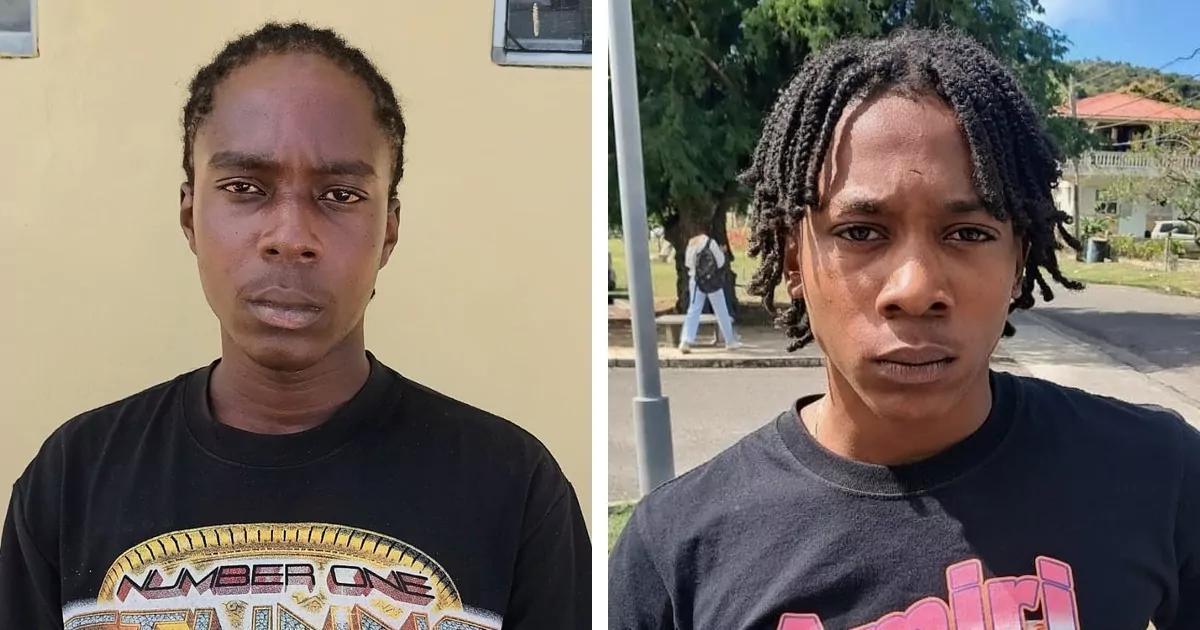
    On Thursday, September 24, police officers took 18-year-old Natking Thomas of Cashew Hill into custody, formally charging him with the murder of Francis. A second 18-year-old suspect, Dejonte Joseph from Bathlodge, was arrested on the same day and faces a charge of accessory to murder for his alleged role in the incident. Both accused are scheduled to make their first court appearance on Friday, September 25, the day after the arrests.

    Despite these major steps forward, the investigation remains incomplete, as law enforcement continues to search for a fourth suspect, Janiah Antoine, who is still at large as of the latest police update. In an official appeal issued as part of the public statement, authorities are urging Antoine to turn himself in voluntarily at the closest police station without further delay.

    The Police Administration’s Office of Strategic Communications noted in the media release that the ongoing progress of the investigation would not have been possible without consistent support from community members. Officials extended gratitude to the public for their ongoing cooperation, patience, and ongoing assistance as officers work to bring all connected individuals into custody.

    Law enforcement is asking any member of the public who has current information about Antoine’s location, or who holds details that could help investigators track the suspect down, to reach out to authorities immediately. Tips can be submitted by visiting any local police station, or by calling the anonymous Crimestoppers hotline at 800-TIPS (8477), where informants can share information without revealing their identity.

  • Haiti – South : Another distribution of equipment to fishermen, including fiberglass boats and motors…

    Haiti – South : Another distribution of equipment to fishermen, including fiberglass boats and motors…

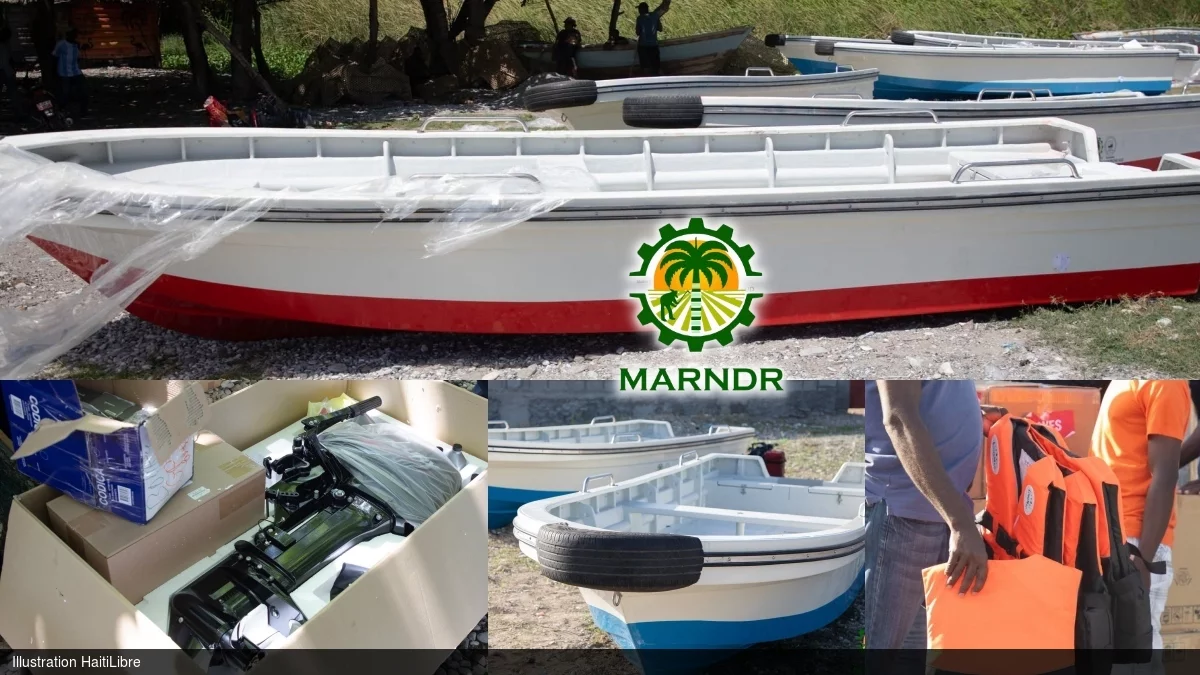
    On September 25, Haitian authorities launched a new round of critical equipment distribution for small-scale fishing organizations across the country’s South department, marking the second major rollout of fishing infrastructure support in recent months following a similar initiative in the Grand’Anse region.

    The distribution effort was led by Haiti’s Ministry of Agriculture (MARNDR) through its Program to Support Agricultural and Fisheries Productivity and Improve Rural Market Access Infrastructure (PAPAIR), a development initiative backed primarily by funding from the Inter-American Development Bank (IDB). Fisher associations from seven coastal communes—Chardonnières, Les Anglais, Tiburon, Saint-Louis-du-Sud, Aquin, Les Cayes, and Saint-Jean-du-Sud—were selected as beneficiaries for this round of support.

    In total, the distribution included 14 purpose-built fiberglass fishing vessels, 40 15-horsepower outboard motors, 7 solar-powered cold storage freezers, 40 engine repair toolkits, 80 complete fishing gear sets, and nearly 200 personal flotation devices. The handover ceremony was presided over by Haiti’s Minister of Agriculture, agronomist Marcelin Aubourg, in a public event highlighting the government’s commitment to growing the blue economy.

    Beyond the physical equipment, the IDB-funded PAPAIR program has also paired the distribution with targeted training for participating fisher associations. Laurent Merisier, lead agronomist and central coordinator of the national fisheries project, explained that training modules cover practical high-priority skills including assembly and deployment of fish aggregating devices (FADs), open water navigation, modern sustainable fishing techniques, and long-term equipment maintenance and management.

    Minister Aubourg emphasized that the updated tools are designed to transform working conditions for Haitian fishers, enabling them to expand operations, boost overall catch volumes, and capitalize on growing demand for seafood within and outside of Haiti. He noted that the fisheries sector carries untapped economic potential that goes far beyond its historical role as a subsistence activity for coastal communities. The improved income prospects offered by a modernized fisheries sector, Aubourg argued, are already drawing new workers into the industry—including people leaving other struggling sectors to pursue more stable economic opportunities in fishing.

    Beneficiaries have expressed widespread satisfaction with the new equipment, which addresses longstanding gaps in the infrastructure available to small-scale fisher associations across the South department. However, program officials from PAPAIR and the Departmental Directorate of Agriculture (DDAS) have stressed that the distribution comes with a clear responsibility for recipient groups to maintain and protect the assets, which represent a major public investment in the region’s long-term economic development. Officials urged beneficiaries to use the equipment transparently and responsibly, with the goal that it will serve entire coastal communities and act as a catalyst for inclusive economic growth across the South department.

  • PM Browne Congratulates Former Gang Members on ABICE Graduation

    PM Browne Congratulates Former Gang Members on ABICE Graduation

    In a landmark milestone for intervention and second-chance education in Antigua and Barbuda, a cohort of formerly school-disconnected young men with past ties to gang activity have crossed the graduation stage at the Antigua and Barbuda Institute of Continuing Education (ABICE), capping off a two-year rehabilitation and skills-building programme designed to redirect at-risk youth.

    Antigua and Barbuda Prime Minister Gaston Browne made the formal announcement of the graduation this past Thursday, extending heartfelt congratulations to the graduates while framing their successful completion of the programme as tangible proof that young people entrenched in gang life can be guided toward positive, productive paths through intentional education and consistent, targeted support.

    The programme itself grew out of urgent action to address rising community violence across the nation. After Prime Minister Browne held direct talks with active young gang members amid growing public concern over surging violence, the administration rolled out a targeted plan to reconnect out-of-school youth with learning opportunities. That plan centered on enrolling interested participants in vocational and continuing education tracks at ABICE, also widely known as the Harrison Centre.

    Unlike traditional academic secondary institutions, ABICE specializes in hands-on technical and vocational training that prepares graduates for immediate entry into skilled workforces. The institute offers accredited programming across a range of high-demand trades, including automotive repair, carpentry, electrical wiring and installation, plumbing, welding, and refrigeration and air conditioning maintenance. These skills provide graduates with a tangible foundation for stable employment and economic independence, key factors in supporting long-term desistance from gang activity.

    Speaking at the announcement, Prime Minister Browne emphasized that the successful graduation of this first cohort proves rehabilitation is achievable when communities invest in at-risk youth. He went on to call for expanded cross-sector collaboration, urging private sector businesses, faith institutions including churches, and broader civil society organizations to deepen their engagement with youth intervention programmes. Browne noted that more coordinated, multi-stakeholder action is necessary to address the underlying social and economic conditions that push vulnerable young people toward gang involvement, crime, and violence in the first place, framing the graduates’ success as a proof of concept for what scaled investment can achieve.

  • BREAKING: VIDEO | XPZ Supermarket Catches Fire Again Nearly Two Years After Reopening

    BREAKING: VIDEO | XPZ Supermarket Catches Fire Again Nearly Two Years After Reopening

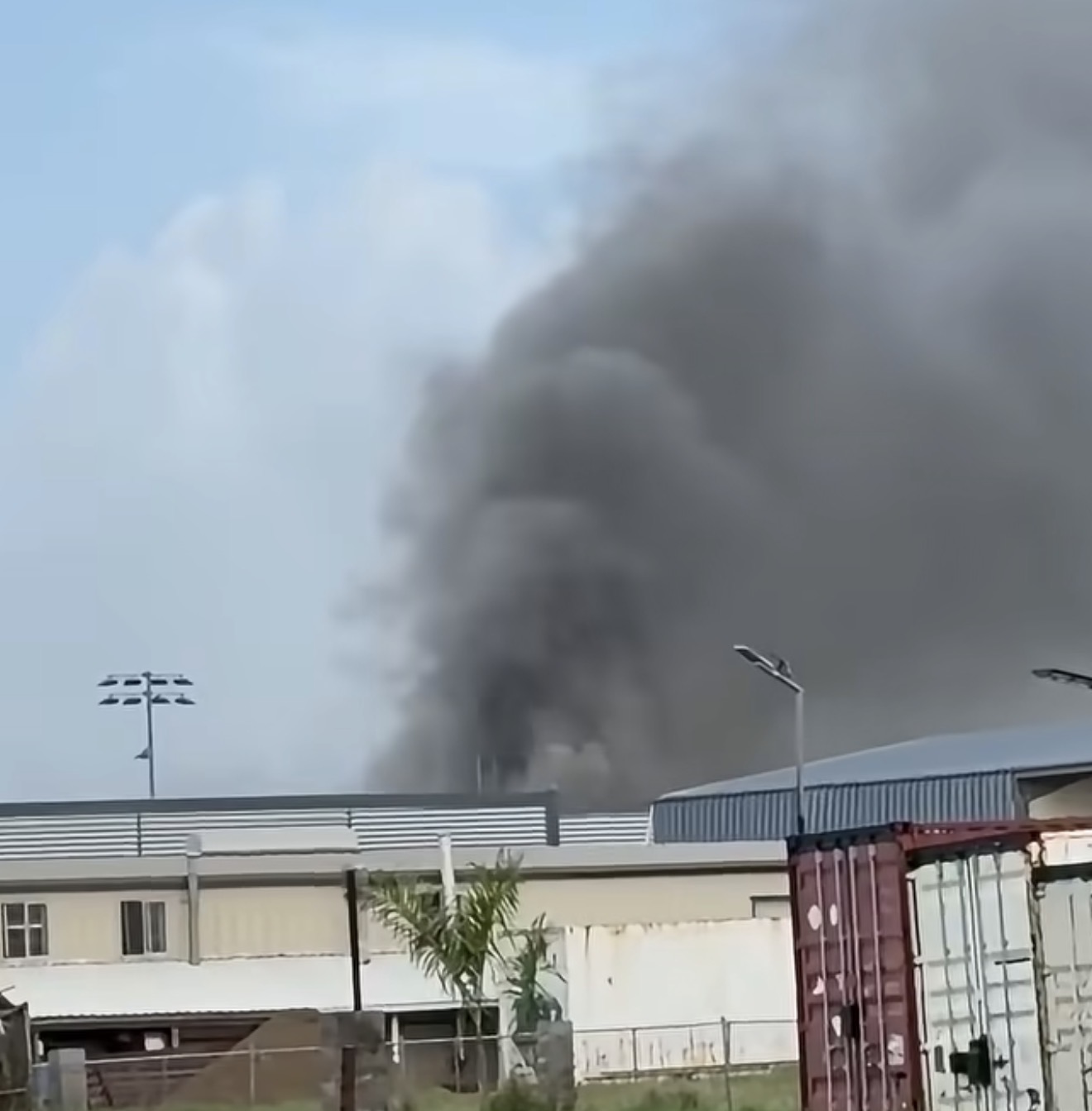
    On a Friday morning, emergency fire crews were dispatched to XPZ Supermarket, located along Sir Sydney Walling Highway, after reports of an electrical fire originating in the store’s commercial kitchen triggered a building-wide smoke emergency. As of initial public updates, first responders have not yet released details on the total scope of property damage from the incident, nor have they confirmed any reports of civilian or first responder injuries.

    This latest emergency comes at a particularly difficult moment for the supermarket, which only recently resumed operations at the same location following a catastrophic 2021 blaze that erased the original structure. That earlier fire, which caused an estimated EC$10 million in total economic damage, put dozens of out of work and left the popular local retailer without a home for nearly three years. A former XPZ employee, Tianzhao “Alex” Feng, ultimately pleaded guilty to arson for setting the 2021 fire.

    The rebuilt XPZ Supermarket held its grand reopening on October 18, 2024, marking a major milestone for the business and its returning staff. Investigators have stated that there is currently no evidence linking Friday’s accidental electrical fire to the deliberate 2021 arson attack.

  • St. Philip’s North to Host Fitness Jam and Free Health Fair Oct. 3–4

    St. Philip’s North to Host Fitness Jam and Free Health Fair Oct. 3–4

    Residents of St. Philip’s North and surrounding areas will soon have a new opportunity to prioritize physical health, connect with neighbors, and access critical health resources when a weekend of community-focused wellbeing events kicks off on October 3 and 4, 2026. The series of activities opens on the morning of Saturday, October 3, with the Sunrise Fitness Jam & Socarobics, an energetic group event organized by the ABLP St. Philip’s North Youth Arm. Hosted at the Willikies Basketball Court from 5:30 a.m. to 10:00 a.m. and emceed by popular entertainer Supa Dymond, the morning will blend high-energy movement and live entertainment. Guided socarobics sessions will be led by experienced instructors Timzo and Lynnique, with the St. Philip’s North Cheerleaders bringing additional high-energy performances to get attendees moving and excited. Built around the theme “Move. Vibe. Connect.”, the event is designed to bring community members together through shared physical activity, with organizers encouraging all participants to wear red and white clothing to show community spirit. Tickets for the Sunrise Fitness Jam are priced at $20 per person, and admission includes a full breakfast for attendees following the morning of activity. The focus on community health continues the next day, Sunday, October 4, with Hon. Randy Baltimore’s Health & Wellness Fair, hosted at the Glanvilles Polyclinic from 12:00 noon to 6:00 p.m. Unlike the active Saturday event, Sunday’s gathering centers on proactive health care, offering attendees free preventative health screenings to help catch potential health concerns early. Attendees are still encouraged to bring comfortable clothing and sneakers, as there will be light interactive activities for visitors to take part in throughout the afternoon. Combined, the two back-to-back events create a holistic approach to community wellbeing, bridging recreational fitness and accessible health care. Saturday’s fitness jam creates a casual, fun space for residents to get active, socialize with neighbors, and build healthy habits as a group, while Sunday’s wellness fair offers a dedicated, low-cost environment for people to ask clinical questions, get evidence-based health guidance, and invest time in checking in on their personal health. Organizers have extended an open invitation to all St. Philip’s North residents, as well as members of the general public from across the region, to join one or both events, framing the weekend as a chance to prioritize fitness, spend time with family, and strengthen broader community bonds. Anyone interested in purchasing tickets for the Sunrise Fitness Jam & Socarobics or seeking additional details about either event can reach out to organizers at (268) 775-7979 or (268) 770-2298, or connect with the ABLP SPN Youth Arm for updates.

  • Jury to hear murder case next week

    Jury to hear murder case next week

    Nearly five years after Kevin Atherley was found dead with multiple stab wounds in rural Barbados, his accused killer Joel Philemon Maynard will have his case laid out before a 12-member jury when testimony begins next Monday at the country’s Supreme Court.

    Maynard, a 38-year-old resident of Padmore Village, has repeatedly maintained his innocence in the September 26, 2019 killing, entering a formal not guilty plea to the charge of first-degree murder. Atherley’s remains were discovered shortly after his death in Harrow Land, a district in the parish of St Philip, and coroners confirmed he had sustained several penetrating wounds before his death.

    Court officials completed empanelling the jury earlier this week, which is made up of seven women and five men. The high-profile case will be overseen by Justice Laurie-Ann Smith-Bovell at the Supreme Court’s No. 4 courtroom.

    Opening the prosecution’s case on Wednesday, Acting Director of Public Prosecutions Alliston Seale SC, who is working alongside acting Senior State Counsel Paul Prescod and State Counsel Tomeisha Sobers, told the court that the victim and the accused had a long-running friendship that deteriorated into conflict in the days leading up to Atherley’s death.

    According to the prosecution’s narrative, on the day of the killing the two men encountered each other on an isolated path, where a heated confrontation turned violent. The clash left Atherley with multiple fatal wounds across his body, Seale said.

    Law enforcement launched an extensive investigation immediately after the body was discovered. The probe wrapped up nearly 12 months after the incident, when authorities took Maynard into custody for questioning. He was formally charged with murder following the interview, Seale confirmed. Maynard’s legal defense is being led by attorney-at-law Sian Lange, who will challenge the prosecution’s evidence over the course of the trial.

  • The Chapman Challenge to officially launch on October 9

    The Chapman Challenge to officially launch on October 9

    Barbados’ President’s Trust has formally announced the launch of The Chapman Challenge, a groundbreaking national youth empowerment initiative operating under the patronage of the island nation’s President Jeffrey Bostic. As the first flagship programme launched by the trust since Bostic took office, the effort marks a key milestone in the administration’s pledge to deliver tangible, life-changing impact for ordinary Barbadians.

    President Bostic shared the origins of the programme in comments announcing the launch, noting that empowering younger generations has been a core priority since his election. “From the moment I took office as President of Barbados, my goal has been to advance initiatives that move the needle for our people,” Bostic explained. “The Chapman Challenge is the first of these efforts, and it stands as the flagship undertaking of the President’s Trust.”

    At its core, the programme is built on a simple but powerful vision: to open doors for every child and young adult in Barbados by providing the foundational support they need to turn their personal and professional goals into reality. “We built this initiative on the belief that every young Barbadian deserves the scaffolding to reach their own definition of success,” Bostic said. “We will deliver every tool necessary to help them map their unique path, stay on track through challenges, and cross the finish line to achieve their dreams.”

    Designed as a transformative developmental framework, The Chapman Challenge combines mentorship and structured support to nurture key traits among participants: a drive for excellence, strong leadership skills, personal growth, resilience in the face of adversity, and deep national pride. The three-tiered programme targets young people between the ages of 10 and 24, with a mission to help each participant unlock their full potential in whatever field or passion they choose to pursue. Beyond individual growth, the initiative also aims to cultivate a culture of community service, collaborative teamwork, and responsible, active citizenship across the island’s youth population.

    The programme aligns directly with the President’s Trust’s core mission: investing in Barbados’ people to create sustainable opportunities that drive long-term social and economic progress for the entire nation.

    The official public launch ceremony is scheduled for 11 a.m. on Friday, October 9, at the Garfield Sobers Gymnasium. As patron of the initiative, President Bostic will deliver the keynote address at the event. Prime Minister Mia Mottley will also join the ceremony to share remarks and signal the government’s support for the landmark national project.

    The launch is expected to bring together a cross-section of stakeholders, including senior government officials, local community leaders, programme partners and sponsors, registered participants, and grassroots supporters. Attendees will gather to mark the start of what many observers expect to become a transformative platform for youth development and community growth across Barbados.