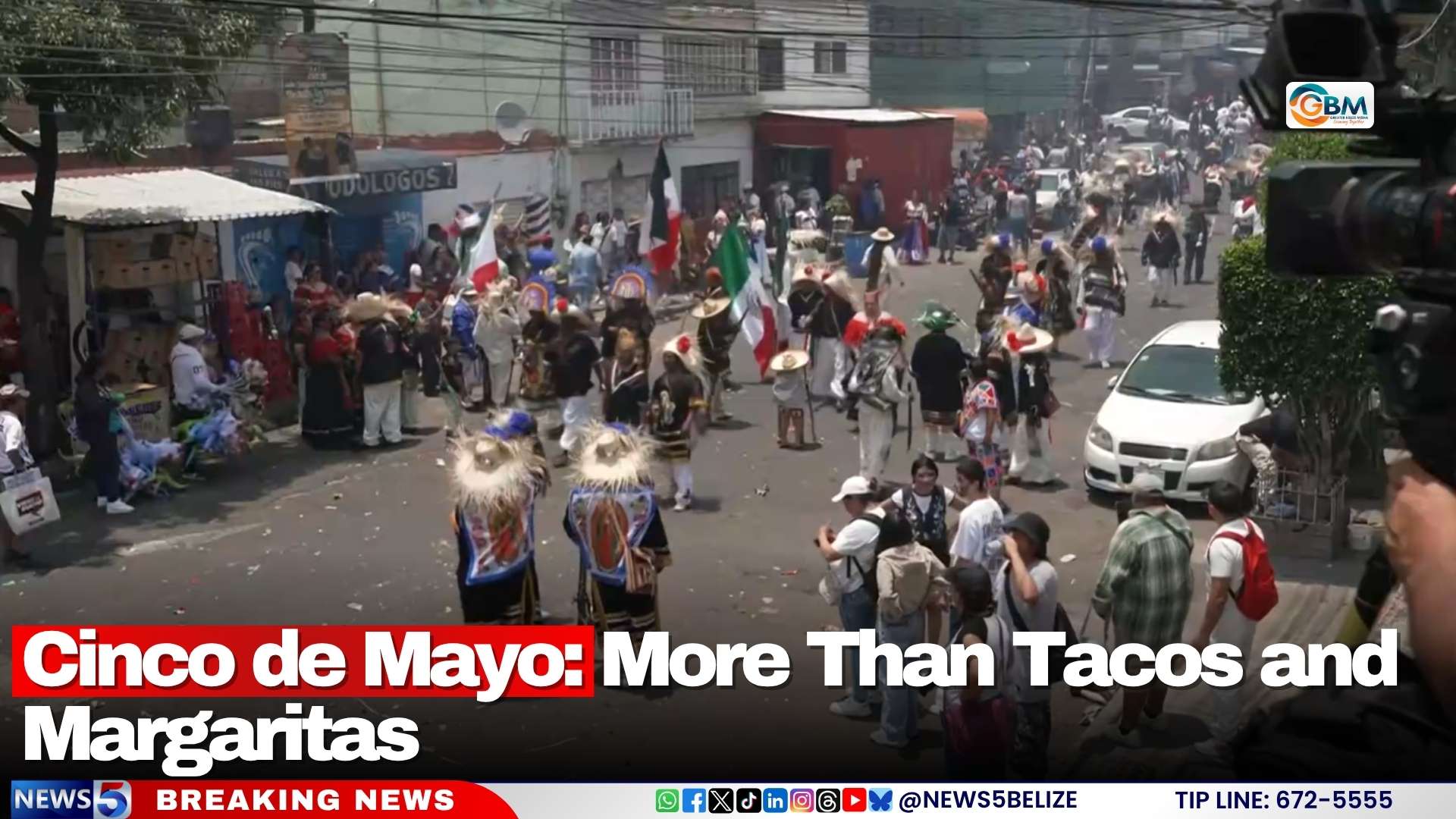
Every year on May 5, people across North America gather for street parties, plates of savory tacos, and icy margaritas to mark Cinco de Mayo — but for many celebrants, the deep historical meaning behind the date remains widely misunderstood. A common misconception frames the holiday as Mexico’s celebration of independence from Spanish rule, but the actual historical event it honors is far more specific, and far more remarkable: the 1862 Battle of Puebla, where an outnumbered Mexican force pulled off an upset victory against one of Europe’s most powerful armies.
Leading the ragtag Mexican militia was General Ignacio Zaragoza, who commanded a force of roughly 4,000 poorly supplied troops that stood against more than 6,000 well-trained, well-equipped French soldiers. At the time, France had invaded Mexico with plans to seize control of Mexican territory and install a European-backed puppet regime. Against all military expectations, Zaragoza’s troops defeated the French invasion force at Puebla, a major victory that became a enduring symbol of Mexican national resilience and resistance to foreign aggression.
Today, the holiday is observed with far less fanfare across most of Mexico, with large-scale celebrations concentrated almost exclusively in the city of Puebla where the battle took place. But across the border in the United States, Cinco de Mayo has grown into one of the most widely celebrated cultural holidays honoring Mexican-American heritage, transforming over more than 150 years into a vibrant showcase of Mexican art, music, food, and community identity.
Historical records show the earliest Cinco de Mayo celebrations in the U.S. date all the way back to the 1860s, just months after the Battle of Puebla. During the height of the American Civil War, Mexican communities living in California held organized gatherings to mark the victory, as both the U.S. and Mexico opposed French intervention in North America. Over the following decades, the holiday spread across the country, boosted in part by marketing efforts from food and beverage companies that turned it into a mainstream cultural event.
While modern celebrations are often centered around food and drink, historians and community leaders emphasize that the core meaning of Cinco de Mayo endures: it is a reminder of what marginalized, outnumbered communities can achieve when they stand together in defense of their sovereignty and identity, a legacy that still resonates with Mexican and Mexican-American communities today.