分类: society

  • Progress, but more to do

    Progress, but more to do

    PORT ANTONIO, Portland — A critical infrastructure crisis persists within Portland’s law enforcement facilities, with health authorities revealing that seven of the parish’s nine police stations remain in dire need of urgent rehabilitation. Despite commencing repairs at the severely dilapidated Port Antonio Marine Police Station, the overwhelming majority of facilities fail to meet satisfactory operational standards.

    Lorenzo Hume, Portland’s Chief Public Health Inspector, provided this concerning assessment during the recent monthly meeting of the Portland Municipal Corporation. While acknowledging ongoing renovation efforts at the marine station located at Errol Flynn Marina, Hume emphasized the extensive work required across the police infrastructure network. “Only two stations are currently considered satisfactory,” he stated, highlighting the systemic nature of the problem.

    The Inspector referenced previous communications regarding the Manchioneal Police Station, where authorities had committed to addressing sewage system issues by December’s end. Although these repairs remain incomplete, Hume expressed optimism that progress would accelerate following the holiday season.

    However, significant bureaucratic challenges continue to impede resolution efforts. Hume detailed frustrations in maintaining consistent communication with police leadership, citing frequent managerial changes that necessitate repeated re-engagement processes. This administrative instability, combined with jurisdictional ambiguities regarding facility maintenance responsibilities within the Ministry of National Security, has substantially delayed essential improvements.

    Amid these systemic challenges, a tangible achievement has emerged at the Port Antonio Marine Station. Following November 2024 reports by the Jamaica Observer that documented officers working under leaky roofs and in substandard living conditions, visible repairs were underway during a recent visit. Law enforcement personnel expressed relief and satisfaction with the improvements, with one officer noting: “This is long overdue and will make our working conditions better and more comfortable.”

  • From hurricane escape to flooded fate

    From hurricane escape to flooded fate

    Residents of Dover, St. Mary, are confronting severe flooding that has surpassed the impact of Hurricane Melissa, attributing the crisis to chronically clogged drainage systems. Following an initial reprieve from the hurricane’s full force last October, the community has been subjected to intense rainfall from an unstable weather system persisting into the new year, resulting in impassable roads and homes inundated with murky water.

    Eyewitness accounts reveal the sudden and alarming nature of the flooding. Latoya Hall described receiving a frantic call from her uncle, prompting her to discover her verandah submerged and water encroaching into her home. Immediate action to elevate appliances and belongings prevented destruction, but Hall emphasized this was an unprecedented event, with water levels exceeding those experienced during the hurricane.

    The persistence of the problem is evident days after the rains, with stagnant water pools remaining throughout the community. Investigations point to obstructed drains as the core issue. Laura Samuels explained the failure of local flood mechanisms, noting that a nearby gully, overwhelmed by volume and debris, overflowed for the first time since its construction. She and her neighbors manually extracted a significant pile of branches and sticks from the drains, which they identified as a primary cause of the water buildup.

    This sentiment is echoed across Dover, with multiple households reporting flood damage. Donnaree McIntosh shared that her home and business were affected, with water marks indicating ankle-high flooding inside her bar. She warned that the already saturated land could lead to worsening conditions with any additional rainfall.

    The community’s response includes urgent appeals for improved infrastructure management. Residents are calling for systematic and regular cleaning of drains and the riverbed under a key bridge, arguing that partial efforts are ineffective. An anonymous resident noted that overgrown vegetation under the bridge constricts water flow through culverts, exacerbating flooding. Additionally, the force of the water has damaged local pipes, disrupting the domestic water supply.

    While most blame poor maintenance, some, like Latoya Clemetson, propose structural solutions, suggesting that raising the height of drain channels at hillside bases could prevent water from overflowing into homes situated below road level. The collective experience has left the community of Dover advocating for comprehensive and preventative measures to mitigate future disasters.

  • Newsday’s departure a real loss

    Newsday’s departure a real loss

    In a poignant reflection on media freedom and editorial practices, Dr. Errol Narine Benjamin has expressed profound disappointment regarding the recent non-publication of his contributions in Trinidadian newspapers. The seasoned correspondent, who has maintained a three-decade writing relationship with Trinidad Express, now finds his perspectives increasingly sidelined by editorial decisions.

    Dr. Benjamin attributes this emerging censorship to his critical examinations of two particularly sensitive subjects: the conceptualization of national sovereignty within contemporary geopolitical contexts, and the Caribbean’s positioning as a theoretical zone of peace amidst growing American influence throughout the region. His analytical pieces have challenged conventional perspectives by evaluating how these established notions frequently diverge from practical realities, particularly regarding United States engagement in Caribbean affairs.

    Additionally, Benjamin’s commentary has addressed Opposition Leader Kamla Persad-Bissessar’s strategic alignment with American interests, presenting a nuanced assessment of potential long-term advantages contrary to prevailing anti-alliance sentiments. His analysis suggests that such partnerships may offer substantial benefits worthy of objective consideration beyond ideological opposition.

    The veteran writer acknowledges the complex landscape modern media organizations navigate, noting that publications inevitably serve specific interests and cater to their readership’s expectations. He draws parallels to polarized American media environment, where outlets like Fox News demonstrate overt Republican allegiance while CNN maintains opposing stances. Nevertheless, Benjamin highlights Newsday as a notable exception—a publication that has consistently demonstrated openness to publishing his liberal perspectives and critical insights, particularly regarding sensitive geopolitical matters affecting the Caribbean region.

    Through his published letter, Dr. Benjamin extends gratitude to Newsday for maintaining editorial pluralism and fostering diverse viewpoints, while simultaneously expressing concern about the narrowing spectrum of acceptable discourse in other Trinidadian media platforms.

  • Lawyer calls for permanent fix

    Lawyer calls for permanent fix

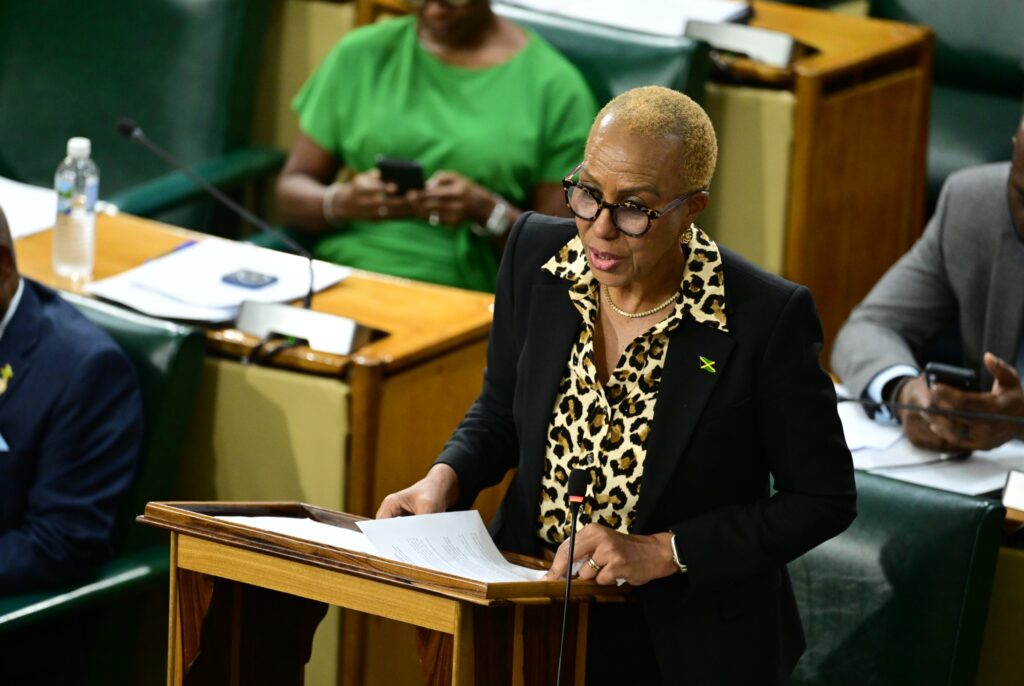
    Distinguished Jamaican attorney Peter Champagnie, King’s Counsel, has proposed establishing a Criminal Justice Board to address systemic inefficiencies within the nation’s legal framework. This recommendation follows recent tensions between correctional authorities and defense lawyers regarding electronic device access in prisons.

    The proposal emerges against the backdrop of a recent confrontation where Correctional Services Commissioner Brigadier (Ret’d) Radgh Mason appeared before the Supreme Court to address allegations that prison officials were preventing attorneys from bringing electronic devices to client meetings. Following vigorous arguments from defense attorneys Tamika Harris and John Clarke, the commissioner conceded, authorizing formal notices permitting electronic device access for attorneys, mirroring privileges already extended to medical professionals and investigative officials.

    Champagnie cites Belize’s successful implementation of a similar multidisciplinary board as a model for Jamaica. “Belize has established a Criminal Justice Board that meets regularly with representation from correctional services, judiciary, security forces, medical facilities, lawyers, and prosecutors,” Champagnie explained. “This collaborative body ensures all stakeholders operate under consistent protocols and can address implementation gaps when judicial directives aren’t properly followed.”

    The veteran legal expert emphasized that such a body could additionally serve as a mechanism for reviewing outdated legislation. He specifically referenced Jamaica’s Obeah Act, Unlawful Possession of Property Act, and aspects of the Firearms Act that inadequately address modern legal realities. Champagnie highlighted a 2017 case where alleged gang leader Tesha Miller received only a $100 fine for making false declarations to immigration officials as evidence of systemic inadequacy.

    The electronic access controversy stems from an April 2024 practice direction issued by Chief Justice Bryan Sykes authorizing electronic disclosure methods for criminal trials. Despite this judicial mandate, defense attorneys reported continued resistance from prison facilities when attempting to utilize electronic devices for client consultations and document sharing—a critical capability given the shift toward digital evidence management.

    Justice Vinette Graham-Allen, who originally advocated for the electronic disclosure reforms based on her Case Management Court experience, recently urged the Jamaican Bar Association to formally document these ongoing access issues, indicating persistent implementation challenges within Jamaica’s correctional system.

  • Tree-planting drive ‘strengthens’ environmental, food security goals

    Tree-planting drive ‘strengthens’ environmental, food security goals

    Barbados has demonstrated remarkable national commitment to environmental sustainability through recently concluded ecological initiatives, with officials highlighting the dual benefits of climate action and food security. On Friday, the National Botanical Gardens hosted an awards ceremony honoring participants of the National Tree Planting and Parish Home Garden competitions, which ran from mid-October through November 14.

    Competition Coordinator Dewyn Phillips emphasized that these initiatives align with both domestic environmental priorities and Barbados’ international obligations under the Paris Agreement, which the nation signed in 2015 and ratified in 2016. This global treaty, joined by over 190 countries, aims to mitigate climate change by limiting temperature increases.

    “The most inexpensive way to achieve this is through tree planting,” Phillips explained. “Trees are relatively easy to plant and maintain, yet they represent the fastest and most efficient method of sequestering carbon dioxide from our atmosphere.”

    The competition results showcased impressive participation. In the Parish Home Garden Beautification category, Hazel Lindo-Carrington of Christ Church claimed the top prize of $4,000, followed by Greta Wendy Collymore of St Philip ($3,000) and Marlene Cheeseman of St Joseph ($2,000). The Tree Planting Competition saw even more remarkable achievements: Jefferson Roberts secured first place and $10,000 for planting 1,088 trees, Michelle Seale earned $8,000 for 780 trees, and Ferne Austin received $6,000 for planting 640 trees.

    Beyond environmental benefits, Phillips highlighted how fruit trees specifically contribute to food security by improving access to affordable, nutritious produce rich in essential vitamins and minerals. This initiative directly addresses non-communicable diseases often linked to poor dietary habits.

    The program also fostered community development, with many participants collaborating to clear vegetation and transform plots of land. Phillips noted the enhanced community spirit and social cohesion resulting from these collective efforts.

    Looking forward, the socioeconomic impact of these planted trees—particularly fruit-bearing varieties like soursop and cherry, known for their antioxidant and anti-cancer properties—is expected to materialize within three to five years. Some participants already plan to utilize their produce for juice production and other value-added products, creating sustainable economic opportunities.

  • Miraflores Museum, a trip to ancient Kaminaljuyu in Guatemala

    Miraflores Museum, a trip to ancient Kaminaljuyu in Guatemala

    The Kaminaljuyu Archaeological Site Museum in Guatemala has transformed conventional historical education through an innovative technological approach to showcasing ancient Mayan civilization. Established in 2002 within the 5,030-square-meter complex, the institution provides visitors with a multisensory journey into the ancestral culture and pre-Hispanic history of the country’s central valley.

    Archaeologist Hari Castillo explained to Prensa Latina that the museum’s mission centers on public engagement and knowledge sharing. “Our intention is to reach the public, provide an engaging tour, and spark the interest of anyone, at any age,” Castillo stated, emphasizing the institution’s commitment to accessibility across generations.

    The museum focuses on Kaminaljuyu, which flourished from approximately 1500 BC through the Classic period. Its collections primarily derive from archaeological discoveries made during construction of the adjacent Miraflores Shopping Center, supplemented by private donations that have expanded the repository of artifacts.

    Describing the museum’s innovative methodology, Castillo noted: “We are a center that strives to be cutting-edge and engaging because that’s how you learn the most.” The exhibition encompasses multiple aspects of Mayan life including religious practices, agricultural techniques, cacao cultivation, architectural achievements, and craft traditions.

    The technological integration includes detailed reconstructions, ceremonial reenactments, virtual reality experiences, and interactive screens that allow visitors to discover their personal Mayan nahual (spiritual guide). An educational game based on the numerical system of the ancient civilization further enhances the learning experience.

    The museum continues to push technological boundaries with ongoing 3D modeling projects and immersive room installations. However, Castillo emphasizes that technological sophistication serves a greater purpose: “Above all, we want people to understand the connection between the past and the present.”

    The exhibition comprehensively explains Kaminaljuyu’s historical significance as a major political, economic, and ceremonial hub that influenced regional trade routes and maintained cultural connections throughout Mesoamerica.

  • Man detained less than 24 hours after wanted bulletin issued in Grays Farm shooting

    Man detained less than 24 hours after wanted bulletin issued in Grays Farm shooting

    Law enforcement authorities in Antigua and Barbuda have successfully apprehended Tevin Willock, a suspect wanted in connection with a serious shooting incident in the Grays Farm area. The arrest occurred Sunday within the same community where the alleged crimes took place, marking a swift conclusion to an intensive manhunt that lasted less than twenty-four hours.

    The Royal Police Force had previously issued an urgent bulletin to the public identifying Willock as a person of interest for firearm-related violations and additionally for escaping lawful custody. The police advisory specifically warned community members against approaching the suspect and instead encouraged his peaceful surrender to authorities.

    Following his detention, Willock remains in police custody where he is undergoing formal interrogation procedures. Investigators continue to pursue active lines of inquiry regarding the initial shooting event that prompted the widespread search. The police department has reaffirmed its commitment to resolving the case and maintaining public safety.

    Authorities are continuing to solicit information from the community and have provided multiple channels for confidential reporting, including direct contact with the Criminal Investigations Department (CID) at 462-3913, local police stations, or the anonymous Crime Stoppers tip line at 800-TIPS (8477). All information provided will be handled with utmost discretion and confidentiality.

  • Governor of Puerto Plata inspects areas affected by rains and floods; delivers supplies to families

    Governor of Puerto Plata inspects areas affected by rains and floods; delivers supplies to families

    Following recent heavy rainfall that caused significant damage across Puerto Plata, provincial governor Claritza Rochtte Peralta de Senior conducted a comprehensive assessment tour of affected areas in San Felipe de Puerto Plata and Sosúa. The inspection, carried out alongside personnel from the Fire Department and Civil Defense units, focused on evaluating the impact on local communities and coordinating relief efforts.

    Governor Rochtte engaged directly with community representatives and residents, gathering firsthand accounts of the most pressing needs while reaffirming the national government’s commitment under President Luis Abinader’s administration. “We have come to listen to the primary needs of those affected,” stated the governor, emphasizing the administration’s dedication to providing rapid responses during emergencies and ensuring community safety and welfare.

    In a practical demonstration of this commitment, the provincial government, through the Directorate of Social Assistance and Community Food (DASAC), distributed essential household goods to families whose homes suffered flood damage. The distribution ceremony at the Fabio Rafael González Sports Complex included the provision of beds, stoves, refrigerators, and other vital household appliances to beneficiaries in the Villa Progreso sector, with all assistance coordinated through central government support programs.

    The coordinated response highlights the multi-agency approach to disaster management being implemented in the region, combining immediate assessment with tangible support for recovery efforts.

  • Universiteitsinstituut Kinderrechten lanceert folder bescherming van kinderen

    Universiteitsinstituut Kinderrechten lanceert folder bescherming van kinderen

    The University Institute for Children’s Rights at Suriname’s Anton de Kom University has launched a groundbreaking informational brochure designed to empower communities in identifying and preventing child abuse and domestic violence. This comprehensive resource provides crucial guidance for recognizing warning signs and taking appropriate action when children are at risk.

    The newly published document offers detailed explanations of what constitutes domestic violence against children, outlining specific behavioral and physical indicators that may signal abuse. It provides step-by-step instructions for concerned citizens to follow when they suspect a child is in danger, including legal procedures for obtaining protective orders through the judicial system.

    Additionally, the brochure features an extensive directory of essential support services and emergency contacts. Key institutions highlighted include local police departments, the Victim Support Bureau, Family Law Affairs Bureau, and the national Mi-helpline (accessible by dialing 123). This centralized information aims to streamline access to critical resources during emergency situations.

    Professor representatives from the Institute emphasized the importance of community vigilance, stating: ‘We must collectively refuse to turn a blind eye to signs of child maltreatment. This initiative represents our commitment to creating protective networks around vulnerable children through education and accessible reporting mechanisms.’

    The resource has been specifically designed as an accessible tool for parents, caregivers, educators, and community members, providing clear, actionable information without technical jargon. The digital version remains available for public download, ensuring widespread accessibility across Surinamese society.

  • Hinche : OFATMA forces the closure of 3 construction sites

    Hinche : OFATMA forces the closure of 3 construction sites

    In a significant enforcement action, Haiti’s Occupational Health, Safety and Social Security Agency (OFATMA) has compelled the closure of three construction sites in the Hinche region for systematic non-compliance with labor regulations. The crackdown followed repeated refusals by site operators to register their workers with the national social security system, despite receiving multiple formal notices.

    The regulatory body characterized the operators’ conduct as deliberate resistance to legal obligations, prompting authorities to order immediate shutdowns. This decisive measure aims to terminate practices that violate Haiti’s social protection statutes and workplace safety standards.

    The enforcement operation was conducted under judicial supervision with support from officers of the Haitian National Police (PNH), ensuring adherence to legal protocols and maintaining public order throughout the process.

    OFATMA investigators reported that site operators exposed workers to substantial hazards by employing them without legal protection against occupational accidents and construction-related risks. The agency condemned this practice as a severe infringement of fundamental worker rights.

    The institution reaffirmed that Haitian legislation mandates all employers to formally declare their employees and fulfill corresponding social security contributions. Non-compliance coupled with defiance of regulatory authority subjects violators to stringent administrative sanctions and potential judicial proceedings.

    Legal actions are presently under deliberation, while any resumption of operations at the shuttered sites remains conditional upon complete regularization in strict accordance with existing legal frameworks.