分类: society

  • Crash survivor needs $20k for urgent overseas surgery

    Crash survivor needs $20k for urgent overseas surgery

    A devastating June 28 road crash on Shirley Street in Nassau claimed the lives of four young women, and left 21-year-old Shawn Thurston Jr. as a survivor fighting to recover with a long road ahead. As his family confirmed this week, Thurston remains hospitalized in stable condition, but is unable to be discharged. Currently, only a single pin stabilizes his severely injured leg, and the family is urgently crowdfunding $20,000 to send him abroad for specialized orthopedic care that is not available locally.

    Thurston suffered catastrophic injuries in the collision: a broken femur, a fractured lower leg, and multiple broken bones in his foot, details confirmed on the GoFundMe page his family launched to cover care costs. His stepmother, Floydena Thurston, shared that while the young man has survived the crash, his recovery will be an extended process. The accident has left a trail of grief across two Bahamian islands, Cat Island and New Providence, tearing through multiple families.

    The $20,000 fundraising target is set to cover every associated cost of Thurston’s care: specialized surgery, international travel, hospital stays outside the country, long-term rehabilitation, and other incidental expenses. The GoFundMe page notes that specialized orthopedic intervention, followed by intensive rehabilitative therapy, accessed overseas will give Thurston the best possible chance to make a full recovery. As of when the report was filed, the campaign had raised just over $2,000, leaving a significant gap in the funding needed for urgent treatment.

    In a tragic twist, the family is navigating dual burdens: they are joining in mourning with the families of the four young women killed in the crash, while also racing to secure life-changing care for their own loved one. Thurston had personal connections to everyone in the vehicle, his stepmother confirmed: he was friends with both the driver and the other male passenger, and knew the four young victims who died through community ties on Cat Island.

    A native of Cat Island, Thurston attended high school on the island before moving to Nassau for work. Before taking his recent position at Super Value, he worked alongside his father doing electrical work, and was still exploring his long-term career path at the time of the crash.

    Floydena Thurston also spoke out about the graphic videos of the crash scene that circulated widely on social media in the accident’s aftermath, including footage of the wreck and passersby recording at the site. She described the content as incredibly painful for the family to view, noting that no parent should ever have to see their child in such a condition. Even so, she acknowledged that the circulating footage answered lingering questions many community members had about the circumstances of the crash.

    The high-profile collision has drawn national attention across the Bahamas, due to the tragic loss of four young lives in the incident. For Thurston’s family, every day delayed in getting the specialized surgery means more uncertainty about his long-term mobility and recovery, pushing the family to appeal to the public for support.

  • Pearly Eusebe hits 102; three other centenarians share June birthdays

    Pearly Eusebe hits 102; three other centenarians share June birthdays

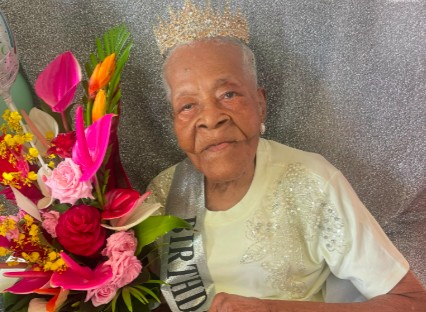
    On June 30, 2024, Pearly Paulina Ferdinand Eusebe — affectionately known to all as Auntie Pearly — marked her 102nd birthday, capping a century of life defined by unshakable resilience, quiet compassion, and a decades-long commitment to turning her childhood dream into reality. Born exactly 102 years ago in the small Dominican community of Delices, Auntie Pearly grew up as the second of seven siblings, her early years shaped by the humble, often harsh realities of rural life in the 1920s and 1930s.

    Even at age five, Auntie Pearly walked three miles barefoot to reach her local school, carrying her daily lunch in a repurposed butter tin. Her route crossed multiple rushing streams; during seasonal heavy rains, the crossings became impassable, forcing her to miss classes entirely. It was at this school that a young Auntie Pearly first learned of the Second World War: her strict headmaster, Teacher Didier, read daily newspaper updates to students, discussing Hitler, Churchill, and the conflict’s global reach. Back in the village, entire communities gathered at the local church every afternoon to pray for an Allied victory, reciting the collective chant “Down with Hitler.”

    Auntie Pearly’s lifelong calling to nursing emerged during a childhood trip to the village clinic for a vaccination. As she watched the nurse calmly care for patients, she knew immediately that she wanted to dedicate her life to helping others — a dream she would hold close through decades of setbacks. When she left school at 15, Teacher Didier helped her submit an application to a local hospital, but she never received a response. Her mother, resigned to the barriers facing poor rural girls, was not surprised. Refusing to accept her fate, Auntie Pearly moved to Dominica’s capital Roseau to live with relatives, taking a job as a live-in domestic servant that she openly disliked.

    A year later, her good character caught the attention of Cissie Caudeiron, a Dominican woman married to a French engineer based in Venezuela. Caudeiron hired Auntie Pearly as a nanny for her five children, and when Caudeiron relocated to Venezuela permanently, she left the young nanny to care for the children in her absence. When the order came to bring the children to Venezuela, 20-something Auntie Pearly set off alone on a multi-leg sea journey, first to Grenada, then to Trinidad. The ship’s captain was stunned by her youth, exclaiming, “But you are only a child!”

    Even as she cared for Caudeiron’s children through years of international relocation, first in Venezuela and later in Trinidad, Auntie Pearly never abandoned her dream of nursing. Multiple applications were met with silence, rejection rooted in her humble origins. In Venezuela, she even survived being caught in the crossfire of the national revolution; soldiers and rebels paused their fighting to let the stranger pass, a small moment of grace amid chaos that she would remember for the rest of her life. While in Trinidad, she joined the local church choir, where her soaring voice and command of Latin hymns won her widespread admiration.

    Decades after she first dreamed of becoming a nurse, Auntie Pearly finally got her chance. After stints working in Dominica and Curaçao, she moved to England to join her sister, who worked at a London hospital. Now in her early 40s, she feared she was too old to train, but a doctor she met through her sister encouraged her, telling her: “Once you have life and are prepared to learn, nothing is impossible.” Auntie Pearly threw herself into studying anatomy and physiology alongside students half her age, passed every exam, and officially qualified as a registered nurse in England.

    Her career was a testament to her warmth and devotion: patients affectionately called her “Mama,” explaining to the hospital matron that she was far more than a nurse — she was a caring maternal figure to all who relied on her. To supplement her modest nursing salary, she took extra shifts through a medical agency on her days off, saving every extra penny to buy a home back in Dominica and support her parents and siblings back home. A devout Catholic, she relied on her faith through every challenge, often praying during her daily commute through London, calling God her constant protector.

    Today, at 102, Auntie Pearly remains sharp, lucid, and in good health, with a sharp sense of humor and a memory that retains every detail of her 10 decades of life. She still maintains her independence, cooking her own meals, cleaning her own catch of fish, making her favorite cocoa tea every morning, and tending to her own household. She loves talking about her nursing career, and delights in conversing in fluent Spanish with visiting doctors, a skill she picked up during her years in Venezuela. Though she regrets no longer being able to walk the local streets, and finds modern noise like loud motorbikes and music jarring, her attitude remains positive and warm.

    Auntie Pearly’s remarkable life story is now being captured in a biography written by author Mary Isidore, giving audiences the chance to learn more about her extraordinary journey. She is not the only centenarian from Dominica celebrating a milestone birthday this June: Mathew St. Rose of Kings Hill turned 100 on June 16, Margaret Andre of Goodwill marked her 101st birthday on June 12, and Lucille Pascal of Grand Fond celebrated her 100th birthday on June 22.

  • Graduates challenged to dream big

    Graduates challenged to dream big

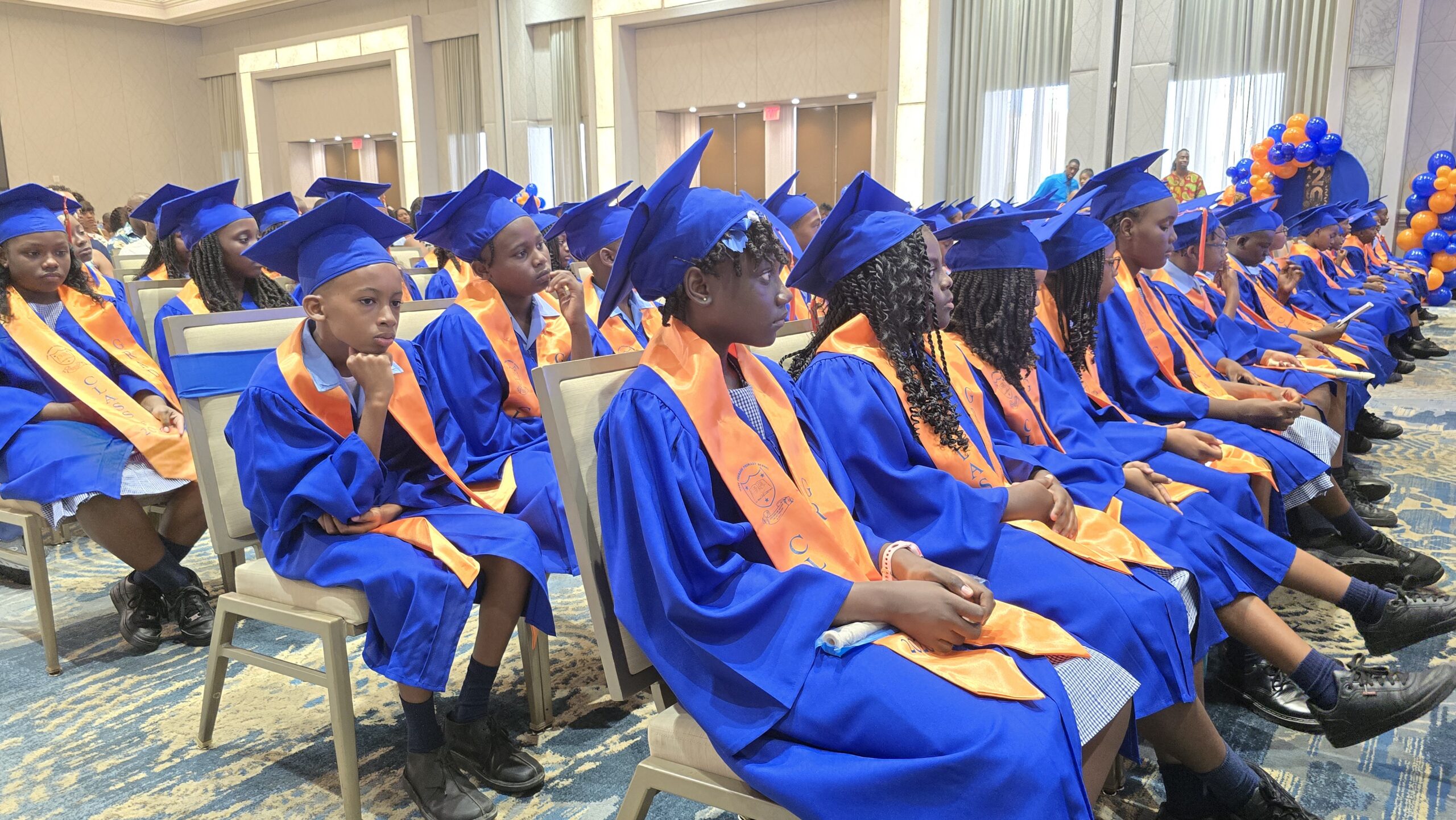
    Ninety graduating students of Barbados’ West Terrace Primary School stepped across the graduation stage at the Hilton Barbados Resort Tuesday, marking the end of their primary education and the start of a new academic journey as they prepare to enter secondary school. Addressing the ceremony, Minister of Technological and Vocational Training Sandra Husbands, who also serves as the Member of Parliament for St James South, delivered a call for graduates to welcome change amid a rapidly shifting global landscape reshaped by technological advancement.

    Husbands explained that Barbados’ ongoing national education transformation initiative is purpose-built to equip young learners with the full range of skills required to thrive in a future defined by technological innovation, constant adaptation, and lifelong learning. “As a government, as a nation, as educators and caregivers, our core responsibility is to prepare you for that vastly different world that awaits,” she told the crowd of graduates, families and educators. “We stand with you, we work alongside you, and we remain fully committed to helping you succeed no matter what challenges come your way.”

    Acknowledging that the transition from primary to secondary education brings growing pains for students, Husbands also noted the sweeping changes the education overhaul has demanded from the nation’s teachers. Educators have had to entirely reimagine their instructional approaches, she said, updating how they deliver content, adopting new methodologies for math instruction, and redesigning learning experiences to foster student growth — all while making considerable personal and professional sacrifices to implement these changes.

    Moving beyond traditional academic priorities, Husbands emphasized that modern education must center the unique individual strengths every child brings to the classroom. “We recognize that every child is gifted, but not in the same way. Each of you carries your own distinct set of talents to carry into the future: some are born leaders, some are creative innovators, some excel in athletics, some are visionary artists, skilled builders, talented musicians, compassionate caregivers, compelling communicators, sharp problem-solvers, or driven entrepreneurs,” she said.

    She reassured graduates that the reformed education system is structured to create pathways to success for every learner, even for talents that have not yet been identified. “Some of your gifts may still be undiscovered, and we are committed to building customized pathways to nurture those abilities too. When we reshape the education system to meet the needs of every child, every child gets the chance to succeed,” she added.

    Looking forward to the evolving job market, Husbands noted that employers are increasingly prioritizing practical soft skills alongside traditional academic credentials. “As technology evolves and industries transform, employers are seeking candidates who can think critically, communicate clearly, collaborate effectively, innovate quickly, and adapt to change. Future success will not rely only on what you know — it will depend on how well you can apply that knowledge in real-world contexts,” she explained.

    This shift in priorities is why the government is expanding opportunities for students to build practical skills, technical expertise, creative talent, leadership capacity, and entrepreneurial thinking, Husbands said. The end goal is simple: to ensure every student leaves school with meaningful, tangible options for their future.

    The minister also called on parents to adapt their own approaches to support their children through the transition to secondary school, noting that the next academic stage requires a new model of parental engagement. The Ministry of Education Transformation will be rolling out accessible parenting education resources to help caregivers navigate this shift, she said, equipping them to support their children’s growing independence. “Teenage learners moving toward independence will ask more questions, challenge existing ideas, seek greater responsibility, and occasionally make mistakes. This new phase requires a broader, more flexible set of parenting skills,” she added.

    West Terrace Primary School Principal Charmain Jones opened the ceremony with an overview of the school’s recent achievements, highlighting the institution’s focus on strengthening core literacy and numeracy skills while integrating technology into everyday classroom instruction. “Our core goal was to build strong reading proficiency and deepen mathematical understanding, with a target of outperforming the national average in both subjects,” Jones explained. “We also prioritized embedding educational technology across all subjects to enhance both teaching and learning.”

    Jones also shared the school’s strong performance on the national Common Entrance exam, noting that every graduating student had put forward their best effort. The school’s top overall performer was Riley Layne, who scored 88% in English and 99% in mathematics, while Tiago Renwick earned the highest score in English. The vast majority of students posted strong results in both core subjects: most English scores fell between 70 and 80 percent, demonstrating solid reading comprehension and written expression skills. Of the 91 graduating students, more than 81% — or 74 students — earned an A or B grade on their English essay assessment.

    Like Husbands, Jones urged parents to maintain intentional engagement as their children enter secondary school, advising them to balance support with space for growth. “Give your children room to develop, but stay connected. Secondary school brings greater independence, so let your child take on new responsibilities while checking in regularly on how they are adjusting,” she said. “Don’t only focus on grades — watch for signs of stress. Secondary school brings emotional as well as academic challenges, so pay attention to changes in mood, sleep or appetite, not just report cards.”

    Featured speaker Pastor John Yarde challenged graduates to pursue their ambitions with intentional planning and purpose. Using Disney’s *The Lion King* as the framework for his address, Yarde urged students to hold fast to their core values as they enter the new environment of secondary school, warning that they will encounter a wide range of outside influences that could pull them away from their goals and personal beliefs. “I challenge you to dream big, but also to plan big,” he told the graduates. “Write your dreams down, and share them with the trusted people in your life who can support you.”

  • National summer camps to expand to 51 sites

    National summer camps to expand to 51 sites

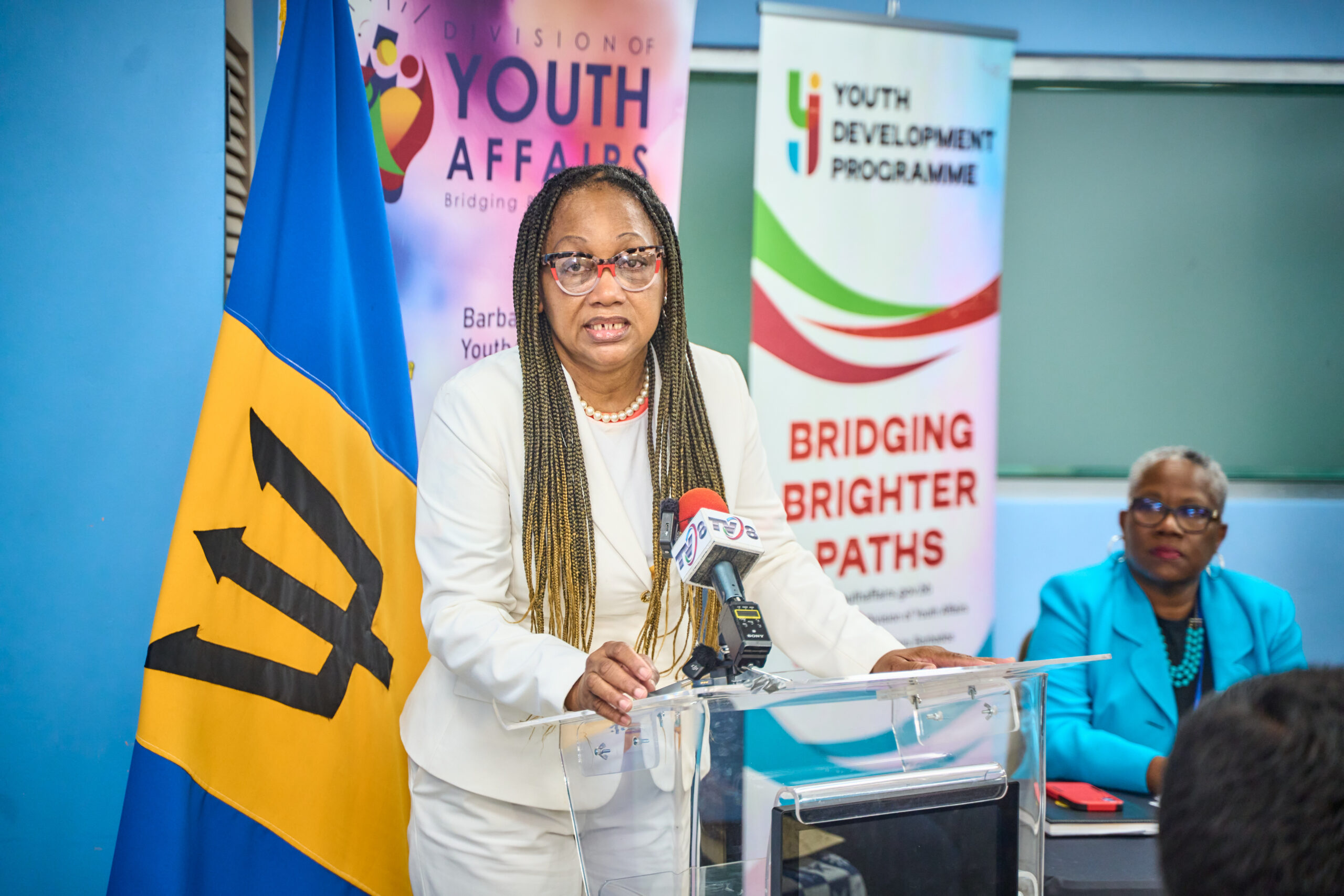
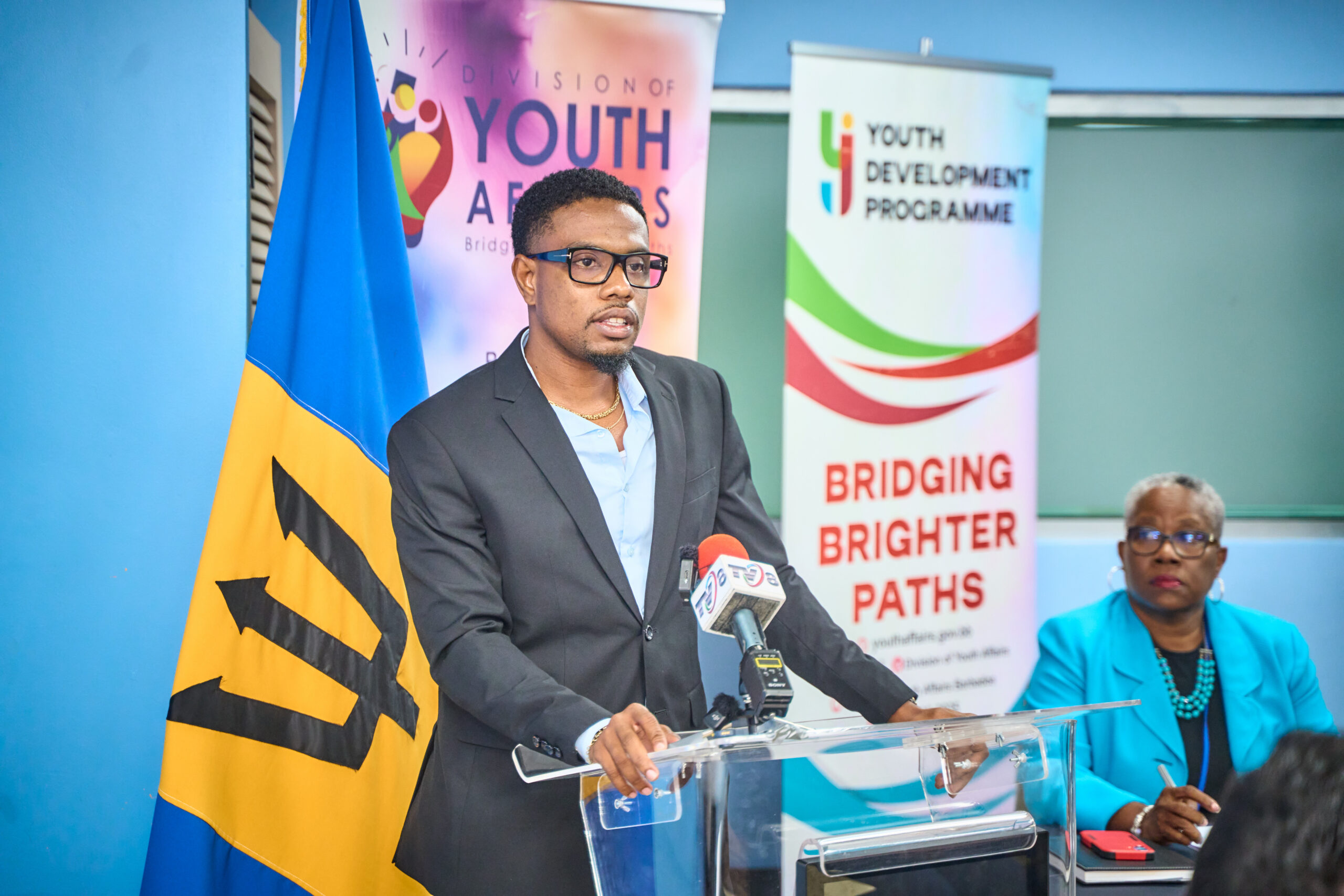
    Barbados’ annual National Summer Camps initiative is entering a transformative new phase this year, with a major expansion that will see the program hosted at up to 51 locations across the island, welcome roughly 3,500 young participants, and introduce long-requested financial compensation for camp leadership alongside upgraded public safety protocols. Youth and Culture Minister Senator Shane Archer officially launched the 2024 iteration of the program during a Tuesday event held at the Division of Youth Affairs located in Haggatt Hall’s Sky Mall, noting that this year’s redesign was crafted specifically to address feedback and concerns raised by participants and organizers in previous years.

    Archer confirmed that the six-week program will get underway on July 13 and wrap up its activities on August 21. A key change responding to years of repeated requests from program staff is the introduction of stipends for camp directors and assistant directors, a policy the minister framed as a long-overdue recognition of the work put in by camp leadership. “We are reintroducing something that has been asked for… the directors and the assistant directors must have some type of stipend,” Archer explained. In addition to leadership stipends, the government has also allocated funding to cover transportation costs for volunteer staff traveling to and from camp locations.

    Most camp sites will be based at existing primary and secondary school facilities across the island, but the program has added community centers and local churches as alternate venues to accommodate ongoing renovation work at many public school properties. “We are preparing to operate up to 51 camps across Barbados, and we are expecting around 3,500 campers,” Archer said.

    The minister emphasized that the summer camp program is far more than a recreational outlet to keep young people occupied during school break, framing it as a strategic long-term investment in Barbados’ next generation. “This is not simply a programme to occupy young people throughout the summer vacation. We must see this as an investment into our young people,” he said.

    Reflecting that investment, the 2024 program features a dramatically expanded curriculum that covers far more than traditional summer activities. Campers will have access to coursework and workshops in financial literacy, emotional regulation, science, technology, engineering and mathematics (STEM), sustainable agriculture, national heritage, cultural arts, online safety, public health and wellness, team sports, and foundational life skills. A brand-new Spanish language immersion track has also been added to the program, developed with financial and logistical support from the Colombian, Cuban, and Venezuelan embassies based in Barbados.

    Beyond daily camp activities, the 2024 calendar will include inter-camp tournaments for sports and creative projects, a sharp increase in guided national heritage tours, a island-wide cultural arts showcase, a national “Make a Book” creative writing project, and a special celebration of International Youth Day scheduled for August 12.

    Safety protocols have also received a major upgrade this year, in response to past concerns. Archer reported that the program has added additional frontline camp personnel, mandated expanded first-aid training for all staff, and contracted private security firms to supplement existing government-provided security at all camp sites. Nutritional access has also been improved: all campers will receive a free daily lunch through the Ministry of Educational Transformation’s school meals program, and additional distribution hubs have been added to eliminate the delivery delays that impacted the program in 2023.

    Registration for the 2024 summer camps opened earlier this year, and already roughly 1,800 young people have secured their spots. Program officials have reminded families that registration remains open, but each camp location has a fixed maximum capacity, so parents and guardians are encouraged to complete registration as soon as possible to avoid being waitlisted.

    Senior Youth Commissioner Elizabeth Bowen highlighted three specialized camp tracks designed for older adolescents aged 15 to 17, including the YES Camp and Camp Employing Minds. Unlike the general camps open to a wider age range, these specialized programs focus on targeted skills development for youth transitioning out of secondary school. “They are the ones which have some targeted age groups. We offer soft skills development and kind of help them start planning their roadmap, as they transition into early adulthood and start to think about their plans for whether it’s tertiary education or entering into the world of work,” Bowen explained. “So I am pleased this year, extremely pleased with the offerings.”

  • Ministry of Agriculture Doubles Summer Internship Programme in 2026

    Ministry of Agriculture Doubles Summer Internship Programme in 2026

    Antigua and Barbuda’s Ministry of Agriculture has marked a major milestone for its youth development initiative, welcoming the largest cohort of summer interns in the program’s history in just its second year of operation.

    Following the overwhelming success of the inaugural 2025 internship program, the ministry has more than doubled its intake capacity, growing from 15 positions last summer to over 30 openings for 2026. This rapid expansion is not a random adjustment: it directly responds to surging student interest in agricultural careers, while advancing the ministry’s long-standing mission to deliver high-impact, real-world work experience that nurtures emerging talent for both the agricultural sector and public service.

    Diversity is a defining feature of this year’s cohort, with participants drawn from 10 secondary and post-secondary institutions spanning both Antigua and Barbuda. Represented schools include Antigua Girls’ High School, Princess Margaret Secondary School, Pares Secondary School, Jennings Secondary School, Clare Hall Secondary School, Ottos Comprehensive School, All Saints Secondary School, Sir Novelle Richards Academy, Barbuda’s Sir McChesney George Secondary School, and the Antigua & Barbuda College of Advanced Studies (ABCAS), bringing together young people from diverse communities across the twin-island nation.

    One particularly encouraging sign of the program’s early success is the return of seven interns who participated in the 2025 cohort. Their choice to rejoin the program speaks volumes about the transformative positive experience they gained a year prior, and underscores how the internship delivers tangible value: building hands-on technical skills, boosting professional confidence, and helping young people clarify long-term career pathways in agriculture and public work.

    Over the course of the summer, interns will dive into a full schedule of immersive, practical activities designed to introduce them to every corner of the national agricultural sector. A core component of the program will be guided visits to working farms and agricultural facilities across Antigua, giving students on-the-ground insight into daily operations, modern farming practices, and supply chain management. These hands-on experiences are designed to do more than build skills: they aim to foster a deeper public appreciation for agriculture, while helping young people understand the sector’s foundational role in driving Antigua and Barbuda’s national economic and social development.

    Ministry leadership has emphasized its pride in the program’s explosive growth in just two years. By doubling participant numbers and expanding outreach to include schools from more communities across both islands, the institution has reaffirmed its commitment to investing in Antigua and Barbuda’s youth, and cultivating the next generation of leaders who will steer the nation’s agricultural future and public service sector.

    In closing, the Ministry of Agriculture extended a warm official welcome to all new and returning interns, extending its well wishes for an educational, rewarding, and successful summer as the group embarks on this professional development journey.

  • Judge slams delays in prisoner transport to court

    Judge slams delays in prisoner transport to court

    A senior High Court justice has issued a blistering rebuke of persistent systemic delays in Barbados’ judicial system, sparked by repeated late transportation of inmates from Dodds Prison to court hearings. On Tuesday morning, when Supreme Court No. 5 finally gaveled into session just before 11 a.m., Justice Pamela Beckles publicly called out the escalating problem that has thrown court scheduling into chaos for weeks.

    Acting Senior State Counsel Maya Kellman confirmed the entire delay stemmed from the court waiting for the named accused to be transported from the Dodds correctional facility to the Supreme Court complex. In unusually pointed public comments from the bench, Justice Beckles emphasized this issue is not an isolated oversight, but a growing crisis that has disrupted court work across the island’s judicial facilities for an extended period.

    She outlined the steady worsening of the delays: what once was a manageable 10-minute wait has stretched to 30 minutes, and on Tuesday, stretched past an hour after court staff and all other parties had arrived by 9:30 a.m. Justice Beckles added that the logjam is not limited to her courtroom, noting that other courtrooms across the judicial complex were also held up, with some having not yet received their scheduled inmates as of 11 a.m.

    Calling the ongoing disruption unacceptable, Justice Beckles appealed to the senior authorities responsible for prison transportation and inter-agency coordination to intervene immediately to fix the broken system. She expressed hope that bringing public attention to the crisis will push the relevant decision-makers to implement the changes needed to restore timely court proceedings for all parties.

  • Summer camps seek volunteers as minister warns of decline in community service

    Summer camps seek volunteers as minister warns of decline in community service

    As Barbados prepares to mark two major national milestones – its 60th year of Independence and fifth anniversary as a republic – the island’s government is sounding the alarm over a fading culture of community service, launching a public appeal to young people and private enterprises to revitalize volunteering through the 2026 National Summer Camps programme.

    During the official launch of the initiative at the Division of Youth Affairs’ Sky Mall office in Haggatt Hall on Tuesday, Youth and Culture Minister Senator Shane Archer issued a direct call to action, targeting tertiary students in particular. Drawing on his own experience as a beneficiary of government-funded higher education, Archer stressed that students who have accessed state-supported learning have a unique opportunity to give back to the communities that invested in them.

    “I wanted to use the opportunity to really make a call to the students in the tertiary education system. We really need the volunteers to really step forward and to give back,” the minister said, addressing enrollees at all of Barbados’ leading post-secondary institutions, including the Barbados Community College (BCC), the University of the West Indies (UWI) and the Samuel Jackman Prescod Institute (SJPI).

    Archer’s appeal comes amid growing concern that voluntarism across Barbados has fallen to an all-time low, eroding the long-held community spirit that has defined Barbadian national identity. The minister framed the revival of service culture as a critical national priority, particularly as the country gathers to celebrate its foundational national milestones. “Voluntarism in this country is at an all-time low, and we really need to work together to go back to the community spirit and the spirit that is really Barbadian,” he added.

    Beyond appealing to young prospective volunteers, Archer also extended a call to the island’s private sector to deepen investment in youth development through partnerships with the National Summer Camps programme. He highlighted existing support from major financial institutions including Republic Bank and CIBC, but expressed hope that more businesses would step forward to fill gaps in programme resources. In particular, he noted that the initiative is seeking sponsors to cover essential camp supplies, including branded apparel for participants and volunteer staff.

    “I hope that next year we can have a sponsor who will put their name on the shirts. This is also a call to those in the private sector to really invest into what it is that we’re doing,” Archer said. He added that expanded private sector backing would not only strengthen the current programme but also enable it to expand its reach and deliver more enriching experiences for young campers across the island.

  • Eight Years On, Carlisle Bay Robbery Suspect Still at Large

    Eight Years On, Carlisle Bay Robbery Suspect Still at Large

    It has been eight years since a brazen heist shook the exclusive Carlisle Bay Resort in Antigua and Barbuda, and law enforcement officials are still actively searching for the man they accuse of masterminding the multimillion-dollar theft. Anthony “Thug Life” Govia, the alleged ringleader of the scheme that stole more than 98,000 Eastern Caribbean dollars from the luxury property, remains at large eight years after the 30 June 2018 incident, topping the country’s most wanted list.

    Investigators have pieced together that the plot was a joint conspiracy between Govia and Kathy-Ann Isaac, a long-tenured accounts clerk who had served the resort for 14 years. Initially, the robbery was staged to look like the work of a lone armed intruder. The story that unfolded from security camera footage told a different truth: two insiders had first withdrawn cash from the resort’s on-site safe, before a masked gunman entered the location and fled with the stolen funds. For a time, Isaac was counted among the victims of the crime, with investigators suspecting no internal involvement at first. That changed as the case deepened, and police ultimately brought conspiracy charges against her. She entered a guilty plea in 2019, and was handed a 30-month prison sentence the following year, a penalty she has already fully completed.

    Govia, by contrast, is believed to have fled Antigua within days of the robbery pulling off, and no arrest has ever been made in his case. As the eighth anniversary of the heist approaches, local police have renewed their public appeal for any tips or information that could lead to his capture. Officials have issued a clear warning to the public: anyone found knowingly aiding Govia by providing shelter or assistance will face criminal prosecution themselves.

    The unsolved Carlisle Bay Resort robbery retains its status as one of the most high-profile unresolved theft investigations in Antigua and Barbuda’s recent history, with authorities stressing that the manhunt for the alleged mastermind remains an active priority for the force.

  • POSGH Central Block at ‘97%’

    POSGH Central Block at ‘97%’

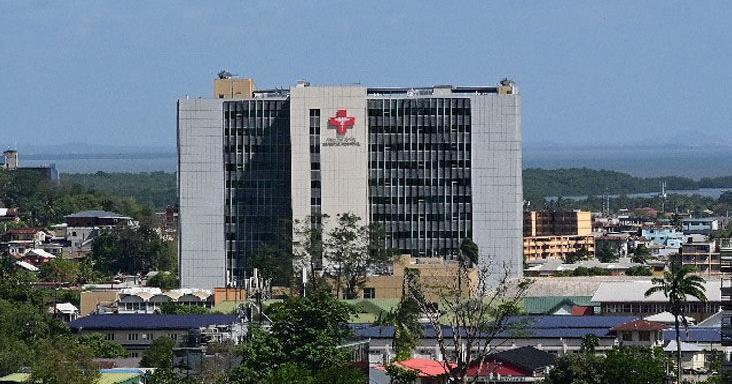
    Years of delays and unforeseen disruptions are drawing to a close for one of Trinidad and Tobago’s most high-profile public infrastructure projects, with the long-awaited Central Block expansion of Port of Spain General Hospital now entering its final construction phase. Officials confirmed this week that the $1.3 billion, 540-bed facility is 97% complete as of June 23, 2026, and is on track to reach substantial completion by the new target date of July 14.

    The update came in an official response from Trinidad and Tobago’s Ministry of Works and Infrastructure to local outlet *Express*, which had requested confirmation on whether the project had met its earlier revised completion deadline of June 30.

    Project management lead, the Urban Development Corporation of Trinidad and Tobago, has set the July 14 milestone for the completion of all core structural and utility work, including mechanical systems, electrical wiring, plumbing, and information and communications technology infrastructure — all required pre-requisites before the facility can be formally handed over to health authorities for operational setup.

    In a statement, the ministry highlighted that the project has made meaningful progress in transforming what was long a half-finished, underutilised construction site into a functional healthcare space nearing active service. Preparations for handover are already well underway, with the entire new wing having undergone a full deep cleaning to prepare for the arrival of clinical teams and patients. Once substantial completion is certified, the Central Block will be transferred officially to the Ministry of Health to launch full clinical operations.

    First approved for construction by the previous Trinidad and Tobago government back in 2017, the project has faced a cascade of setbacks that pushed its completion far beyond initial timelines. Two of the most impactful disruptions were a 6.9 magnitude earthquake that struck the region in 2018, which caused construction delays and required structural reassessments, and the global Covid-19 pandemic that disrupted supply chains, slowed worker availability, and paused work on site for extended periods. The project’s progression towards completion marks a major win for public healthcare access in the region, addressing years of unmet demand for expanded hospital capacity.

  • Advocate slams Govt’s delay explanation

    Advocate slams Govt’s delay explanation

    Migration and human rights activists in Trinidad and Tobago are pushing back against the government’s official justification for widespread delays in processing migration and residency applications, arguing that the policy punishes law-abiding migrants who have followed all regulatory requirements to gain legal status. The criticism comes in direct response to recent remarks from Minister of Homeland Security Roger Alexander, who blamed the backlog on undocumented migrants crossing the country’s porous borders to sneak into the ongoing registration exercise, falsely claiming long-term residency in the nation.

    Speaking via telephone with the Express on Thursday, leading migrant rights advocate Sofia Figueroa-Leon rejected Alexander’s explanation as logically inconsistent and fundamentally unfair. She emphasized that there is no connection between the alleged illegal entry of new arrivals and the thousands of migrants who already completed all pre-requisite steps for registration, including submitting online applications and attending mandatory in-person appointments.

    Figueroa-Leon argued that if the government is facing operational challenges in securing its borders or managing the registration process, those issues should be addressed directly rather than shifting the burden onto compliant applicants. “If they lack sufficient staffing or the capacity to manage the process, that is an administrative failure on the government’s part, not a problem that migrants should have to bear,” she noted. “Migrants came forward voluntarily to complete the registration process because they want to live legally in this country. They fulfilled their end of the agreement, so it is the government’s responsibility to hold up its end. Putting all applications on hold because of border control failures is unprofessional and not a serious policy response. The ball is now firmly in the government’s court to move forward with processing.”

    Her criticism was echoed by other migrant support leaders and registered applicants, who echoed the call for the government to separate border enforcement from the processing of lawfully completed applications. Angie Ramnarine, coordinator of the Romaine Migrant Support Group, noted that it was predictable that registered migrants would encourage family members to join them after the government launched the regularization exercise, adding that securing national borders has always been the government’s core responsibility. “Rather than punishing people who already followed all the rules, the government should focus on doing its job to stop unauthorized new arrivals,” Ramnarine said.

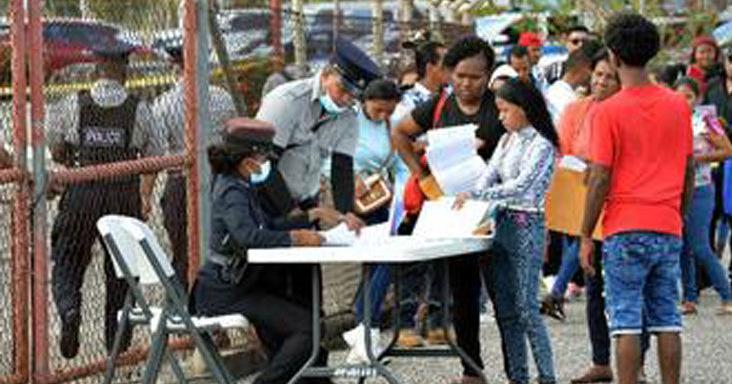
    Gabriela Alvarado, a 40-year-old migrant who completed her registration years ago and has lived in the country with her family for more than a decade, also called Alexander’s comments unfair. “I stood in long lines, filled out all the required paperwork, paid my $700 fee, and did everything by the book, and we are still waiting for approval,” Alvarado said. “It’s unjust that we have to pay for the government’s failures.”

    The controversy comes as the country’s first-ever Migrant Registration Framework wraps its initial phase, which has already drawn nearly 30,000 applications from people representing more than 60 nationalities. Venezuelan nationals make up the overwhelming majority of applicants, with children accounting for more than half of the total registered population. The regularization program grants approved applicants temporary legal status to live and work in Trinidad and Tobago through September 2026.

    Even before the latest delay controversy, the program has faced widespread criticism from civil society groups. After the initial online registration portal closed earlier this year, hundreds of undocumented migrants who missed the deadline due to system glitches or a lack of clear public outreach pleaded with authorities for a final extension to sign up. Civil society organizations have also raised ongoing concerns about a lack of transparency from national security officials, documenting multiple cases where migrants who visited immigration offices to ask for application updates were instead served deportation orders.