分类: society

  • Sport ‘can help steer’ youth away from crime

    Sport ‘can help steer’ youth away from crime

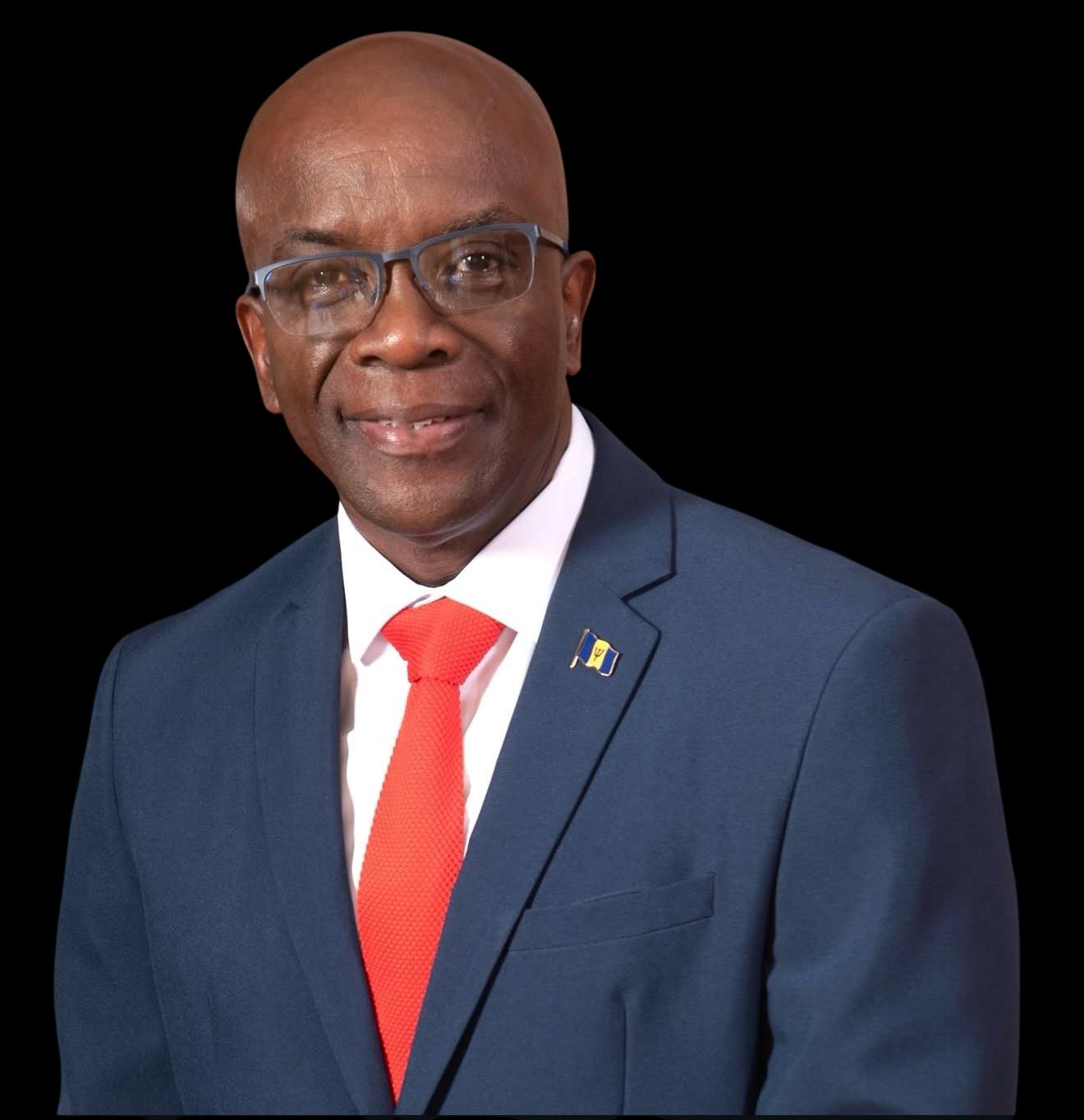
    Barbados is grappling with a sharp upward trend in violent crime, and the island nation’s top sports official is calling for sport to be positioned as a core strategy to steer at-risk young people away from violence and toward life-changing positive opportunities. Charles Griffith, Minister of Sports and Community Empowerment, laid out his vision in an official statement emphasizing that while law enforcement remains a critical pillar of public safety, meaningful crime prevention must start long before any offense is committed — by strengthening family and community structures and opening tangible, accessible pathways for youth.

    Griffith acknowledged the widespread anxiety that the recent crime wave has sparked across all segments of Barbadian society. As of the current year, the country has recorded 28 homicides, a toll that has left dozens of families grieving lost loved ones, communities shaken by pervasive fear and uncertainty, and the entire nation engaged in urgent reflection on how to reverse this troubling trajectory. Offering his sincere condolences to all households affected by the killings, Griffith stressed that the moment calls for solution-focused action rather than despair. “This is not a moment for despair. It is a moment for action, reflection and collective responsibility,” he said.

    The minister pushed back against the idea that increased policing alone can resolve Barbados’ ongoing crime crisis. “While we fully support the efforts of the Barbados Police Service and all agencies involved in maintaining law and order, we must recognise that building a safer society requires more than enforcement alone,” Griffith explained. “Crime prevention begins long before an offence is committed. It starts with strong families, supportive communities, positive role models and meaningful opportunities for our people, particularly our young people.”

    Against that backdrop, Griffith made the case that sport holds unique transformative power to shape the trajectories of young Barbadians and reinforce community cohesion. Beyond athletic achievement and competition, he argued, sport instills core life values that support positive development: discipline, collaborative teamwork, mutual respect, adaptive leadership and persistent perseverance. These foundational skills create space for intentional personal growth and cross-generational social connection, while offering consistent structure, a clear sense of purpose, and a feeling of belonging for young people who may otherwise lack access to supportive networks. Most importantly, Griffith noted, sport provides young people with a positive outlet to channel their energy, talent and ambition, rather than pushing them toward harmful, violent activity.

    Many Barbadians across generations have already attested to sport’s stabilizing impact, Griffith shared, with countless residents crediting athletic programs with helping them stay focused during personal and communal hardship, while opening doors to higher education, professional careers, and lifelong mentorship relationships.

    Building on that proven impact, the Ministry of Sports and Community Empowerment will continue expanding investments in community-centered programs, youth outreach initiatives, accessible sporting opportunities, and personal development workshops, all designed to build confidence and transferable life skills for the island’s young people. Griffith clarified that these investments are far more than investments in recreation: “These efforts are not simply about recreation. They are about building character, encouraging responsibility and providing positive alternatives to the influences that can sometimes lead young people down the wrong path.”

    In a direct appeal to Barbadian youth, Griffith urged young people to reject violence as a solution and actively leverage the public and community opportunities available to them. “Your future is worth protecting. Do not allow anyone to convince you that violence is a pathway to respect or success. Real strength is found in discipline, real confidence comes from achievement, real leadership comes from making positive choices, even when faced with challenges or adversity,” he said. He encouraged all young residents to join local sports clubs, participate in community programming, connect with trusted mentors, nurture their unique talents, and pursue their personal and professional goals with intentionality and determination.

    Griffith also extended a call to collective action across all sectors of Barbadian society, urging parents, teachers, sports coaches, faith-based organizations, community leaders and private sector businesses to collaborate to support the nation’s youth. He emphasized that sustained reduction in crime and violence requires a whole-of-society commitment that extends far beyond government action.

    Closing his statement, Griffith reaffirmed the ministry’s ongoing commitment to partnering with communities and cross-sector stakeholders across Barbados to expand youth-accessible opportunities that foster participation, personal empowerment and inclusive growth. The ministry’s core goal, he said, is to encourage young people to choose purpose over violence, achievement over criminal activity, and empowerment over hopelessness.

  • The Latest Upgrade for Toledo Farmers

    The Latest Upgrade for Toledo Farmers

    For agricultural producers across Trio Village and its surrounding communities in southern Belize’s Toledo District, a long-awaited infrastructure upgrade has dramatically simplified daily work, cutting a grueling two-hour commute to their fields down to a mere 10 minutes.

    The transformation comes following the official completion of the new Trio Bridge, a development highlighted by Dr. Osmond Martinez, the area’s representative for Toledo East. Prior to the project’s completion, farmers faced a lengthy, arduous journey between their home village and agricultural plots, a barrier that ate into working hours and raised operational costs for small-scale producers.

    “In the past, the farmers used to take about two hours from the village to the farm. Now it’s only taking them about five to ten minutes to get there,” Martinez explained in a statement confirming the project’s handover to local communities.

    The infrastructure initiative was delivered as part of the Resilient Rural Belize Programme, a broader development scheme focused on improving livelihoods for agricultural communities across the country. Funding for the bridge project came from multiple partners: the Green Climate Fund provided core financing, matched by counterpart funding from the Government of Belize, with additional in-kind and financial contributions from local beneficiaries who stand to gain from the upgrade.

    Martinez emphasized that the impact of the project extends far beyond the new bridge itself. As part of the scheme, contractors have also paved nearly four miles of rural roadway connecting Trio Village directly to outlying farm plots, eliminating the muddy, uneven routes that slowed travel during rainy seasons for decades.

    Looking ahead, plans are already in motion to expand the connectivity gains. “Now we are in the process of getting the finance from CDB to do the upgrading of the road from the village to the southern highway, which will be paved as well,” Martinez added. The upcoming upgrade will connect the improved local road network to Belize’s main southern arterial highway, opening faster, more reliable routes for farmers to transport their harvests to regional markets and export hubs.

  • Digicel Guyana offers free unlimited calls to Venezuela following earthquakes

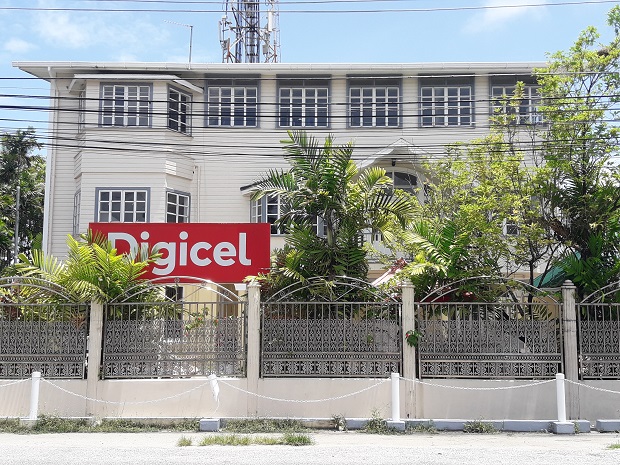
    Digicel Guyana offers free unlimited calls to Venezuela following earthquakes

    In the wake of catastrophic twin earthquakes that hit northern Venezuela in late June 2026, a major regional telecommunications provider has stepped forward to support cross-border connection for families and communities grappling with the disaster. Digicel Guyana announced Tuesday that it is immediately rolling out a complimentary unlimited calling offer for its customers to reach contacts in Venezuela, as rescue efforts continue amid rising casualty numbers.

    The disaster, which struck on June 24, began with a 7.2-magnitude foreshock that was followed within seconds by a stronger 7.5-magnitude mainshock. The powerful back-to-back quakes have left a trail of widespread destruction across northern regions of the country, with the capital Caracas and the coastal city of La Guaira reporting the most severe damage. As search and rescue teams work around the clock to locate survivors trapped in collapsed structures, official death toll has climbed into the thousands, with thousands more injured and hundreds of people still reported missing.

    For Guyana, a neighboring Caribbean nation with extensive cross-border personal, social and economic ties to Venezuela, the disaster has left many residents anxious to check on the safety of loved ones and business partners. In a statement announcing the new initiative, Digicel Guyana emphasized that as a neighbor, the company and the country stand in full solidarity with Venezuela through this ongoing crisis. Company leadership noted that access to affordable, reliable communication has become the most urgent need for many Guyanese with connections to earthquake-impacted areas.

    “In moments like these, connection is everything,” said Deonarine Gopaul, Chief Executive Officer of Digicel Guyana and Suriname, in a press statement. “We want our customers to be able to check on their loved ones, offer support, and stay close to the people who matter most without worrying about the cost of a phone call.”

    The free unlimited calling service went into effect immediately following the announcement, and Digicel has urged its customers to take advantage of the offer to reach out to affected contacts, share updates, and provide much-needed emotional comfort to those navigating the aftermath of the disaster. As rescue operations extend into their second week, the initiative is expected to remove a major financial barrier for families desperate for information about their loved ones across the border.

  • Ariza renames secondary schools scholarship in honour of Merryl Baptiste-Lord

    Ariza renames secondary schools scholarship in honour of Merryl Baptiste-Lord

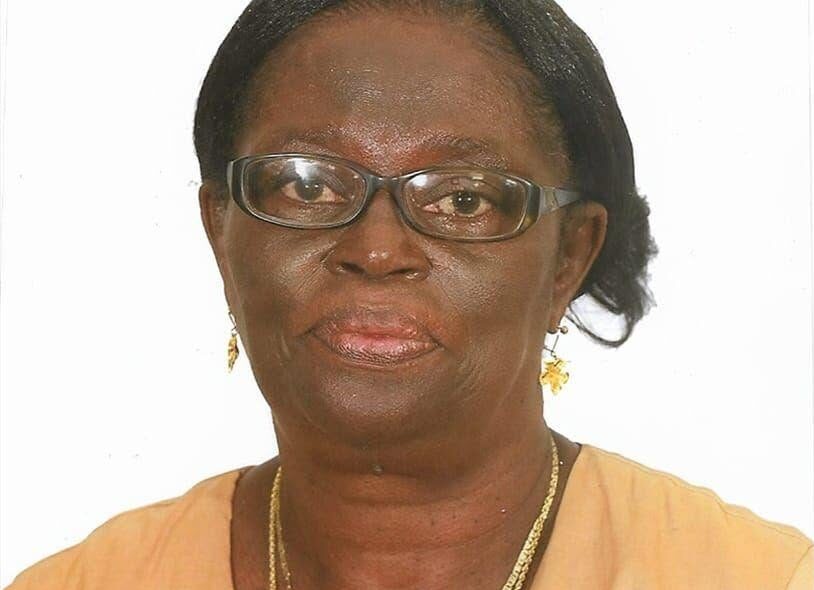
    Grenada’s Ariza Credit Union has announced a meaningful change to one of its key community programs, rebranding its existing secondary school scholarship as the Merryl Baptiste-Lord Memorial Scholarship. The renaming pays tribute to the late Merryl Baptiste-Lord, a long-serving volunteer whose lifelong dedication to education and youth empowerment left a lasting legacy across both the credit union and the broader Grenadian community.

    Baptiste-Lord, affectionately known as Sister Baptiste-Lord by her colleagues, contributed more than 20 years of service to Ariza’s Scholarship Awards Committee. She stepped into the role of committee chair in 2012, a position she held steadily until her passing in April 2026. Widely admired for her relentless commitment to expanding educational access for young Grenadians, she played a foundational role in refining the scholarship program’s structure and supporting hundreds of students as they navigated their secondary education journeys.

    A lifelong educator by calling, Baptiste-Lord dedicated the vast majority of her professional and volunteer work to teaching, mentoring, and uplifting Grenada’s youth. Through her work on the Scholarship Awards Committee, she built personal connections with nearly every scholarship recipient and their families, offering consistent encouragement, practical guidance, and motivation as students worked toward their academic goals. Her warm, rousing speeches at annual scholarship award ceremonies became a beloved tradition, where she repeatedly highlighted education’s unique power to transform lives and open new opportunities. These addresses earned her deep respect from both Ariza members and the student community alike.

    In a statement released by the credit union, Ariza Board of Directors President Sister Alana Twum-Barimah praised Baptiste-Lord’s enduring impact. “Merryl Baptiste-Lord was the epitome of a dedicated educator,” Twum-Barimah said. “She exemplified every one of Ariza’s core values, and never missed an opportunity to emphasize how critical education is at every stage of life. Her passion for seeing students succeed shone through in every task she took on.”

    Beyond her work selecting qualified candidates each year, Baptiste-Lord went to extraordinary lengths to support recipients long after they received their awards. She maintained close track of students’ academic progress, followed their post-graduation professional achievements, and even retained the names of recipients from decades earlier, celebrating every milestone they reached with palpable pride. Her attention and care turned a simple financial award into a long-term support system for generations of young Grenadians.

    Today, the renamed scholarship continues the core mission Baptiste-Lord championed, carrying forward her values of commitment, academic excellence, perseverance, community service, and lifelong learning. Ariza Credit Union encourages all future recipients of the Merryl Baptiste-Lord Memorial Scholarship to embody these principles in their own academic and personal journeys.

    The scholarship provides five years of continuous financial assistance and institutional support to recipients throughout their secondary education, removing financial barriers that might otherwise prevent young people from reaching their full potential and achieving their academic dreams.

  • ABRSC Announces Winners of 2026 Essay Competition

    ABRSC Announces Winners of 2026 Essay Competition

    A long-running initiative to deepen public understanding of historical injustice and reparatory action in Antigua and Barbuda has reached its latest milestone, with the Antigua and Barbuda Reparations Support Commission (ABRSC) officially announcing the winners of its highly anticipated 2026 national essay competition. This year’s contest centered on the timely, thought-provoking theme “Reparatory Justice: Reflection and Projection,” drawing submissions from a diverse cross-section of learners across the country’s education system.

    Unlike many academic competitions that limit participation to a single educational tier, the 2026 essay contest opened its doors to entrants across four distinct groups: primary school students, secondary school students, learners at the Antigua and Barbuda College of Advanced Studies (ABCAS), and undergraduate and graduate students at the University of the West Indies Five Islands Campus. Organizers reported that the range and quality of submissions far exceeded expectations, with entries showcasing exceptional creativity, rigorous scholarly research, and a nuanced, mature grasp of the complex topic of reparatory justice.

    Dr. Lenworth Johnson, the coordinator tasked with overseeing the 2026 competition, offered high praise for all participants who took the time to develop and submit their work. In remarks following the judging process, Johnson highlighted that every top-placed essay met and exceeded the competition’s four core judging standards: clarity of argument, depth of historical awareness, logical structural organization, and command of language. “These essays were far more than academic exercises,” Johnson noted. “They were imaginative, deeply insightful pieces, enriched with vivid personal and contextual imagery that brought the topic of reparatory justice to life for readers.”

    Winners were selected across two primary competitive categories to match the different educational levels of participants. In the university student category, Elena Etinoff claimed the top prize, followed by Neilisha Maragh in second place and Makkedah Lawrence in third. For the combined category of ABCAS learners and secondary school students, Shemika David of Clare Hall Secondary School took first place, with Uriah Francis from ABCAS’s Dr. Alister Francis Campus earning second place and Ariana Goodluck of ABCAS’s Eustace Hill Campus securing third place.

    In addition to public recognition, all winners received a combination of cash prizes and educational books. For university category winners, first place takes home EC$600, second place receives EC$400, third place gets EC$250, and all three top finishers receive a curated collection of books focused on Caribbean and African history. For the ABCAS/secondary school category, first place earns EC$500, second place gets EC$300, third place receives EC$150, paired with the same set of educational books.

    On behalf of the full commission, Chair H.E. Dorbrene O’Marde extended warm congratulations to every winner, as well as sincere gratitude to all participants and partnering educational institutions that supported the competition. The ABRSC emphasized that the essay competition is a core part of its broader mission to advance public education, encourage critical thinking, and build widespread awareness of reparatory justice and the shared history of African Caribbean people across Antigua and Barbuda. Commission members noted they hope the contest will continue to inspire new generations of learners to engage with this critical national and regional topic in years to come.

  • Liberty Caribbean zero-rates calls to Venezuela

    Liberty Caribbean zero-rates calls to Venezuela

    In the wake of a series of destructive earthquakes that have struck Venezuela, regional telecommunications provider Liberty Caribbean has rolled out an emergency initiative to eliminate all calling charges for mobile voice calls placed to the South American nation. The waiver applies to both prepaid and postpaid customers across the company’s entire operating footprint, and went into effect immediately upon announcement, running through July 6.

    The move is designed to remove financial barriers for customers who are seeking to check in on family members, friends and loved ones impacted by the seismic events, addressing the urgent need for reliable connectivity in the aftermath of a natural disaster. Britta Reinhardt, Chief Commercial Officer of Liberty Caribbean, explained the core motivation behind the emergency program, noting that connection is the top priority for communities when disaster strikes.

    “When natural disasters upend communities, the very first impulse for most people is to reach out to the people they care about. In these fragile moments, even a single phone call can deliver much-needed reassurance, a sense of hope, and critical comfort to people grappling with uncertainty,” Reinhardt stated. “We want our customers to understand that during this extraordinarily difficult time, staying in touch with their loved ones in Venezuela should be one less source of stress they have to handle.”

    As a regional telecom leader, Liberty Caribbean operates three major consumer and business brands across the Caribbean: Flow, Liberty Business, and BTC. Reinhardt emphasized that as a Caribbean-based company, the firm understands firsthand the fear and uncertainty that follows catastrophic natural events, and stands in solidarity with all those affected by the Venezuela earthquakes.

    “As a company rooted in the Caribbean, we are no strangers to the crippling uncertainty and overwhelming anxiety that comes in the wake of disasters like this,” Reinhardt added. “Our thoughts are with every person impacted by these earthquakes, especially our colleagues, our customers, and the broader Venezuelan community across our region who are waiting anxiously for news of their loved ones. This is exactly the moment when reliable connection matters more than anything else.”

    The zero-rate calling program is open to all eligible prepaid and postpaid mobile subscribers across Liberty Caribbean’s markets, covering calls made to Venezuelan phone numbers through the end of the support window. This report was carried by NOW Grenada, which notes that it is not responsible for the content or views shared by external contributors, and provides a channel for users to report any abusive content.

  • Charles Rowe Bridge folk warn of flood threat as drains remain blocked

    Charles Rowe Bridge folk warn of flood threat as drains remain blocked

    As the 2025 Atlantic hurricane season gets underway, the St. George community of Charles Rowe Bridge in Barbados faces a growing, life-threatening crisis: long-unaddressed flaws in drainage infrastructure and damaged utility systems have left the low-lying area acutely vulnerable to catastrophic flooding, local residents and business owners have warned. The urgent calls for action come nearly 12 months after a deadly flash flood in November 2024 that claimed the life of 58-year-old Terry Kellman, a tragedy that remains a searing reminder of the district’s long-documented susceptibility to extreme rainfall.

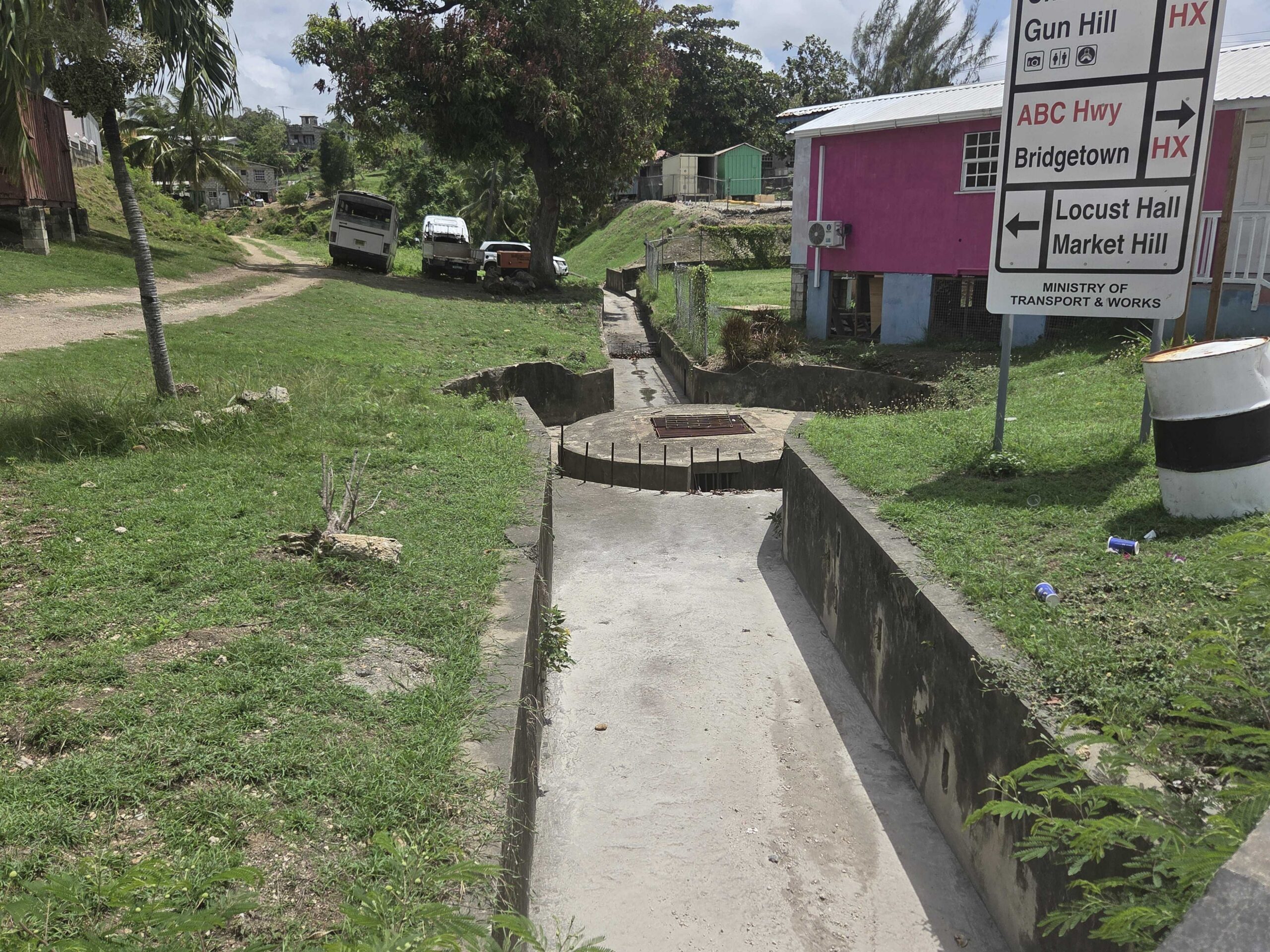
    Geographically, Charles Rowe Bridge functions as a natural collection basin for stormwater runoff that cascades down from a chain of elevated surrounding villages, including Gun Hill, Newbury, Market Hill, Cottage and Constant. For decades, the area has borne the full force of intense tropical downpours, but community members say core vulnerabilities have been left unaddressed despite repeated warnings.

    While a recent joint cleanup effort by the Ministry of Transport and Works and the National Conservation Commission removed visible debris and discarded waste from the area’s main gully — leaving the surface looking visibly improved — residents stress that the most critical underground drainage components remain severely compromised.

    Local businessman Peter Yearwood, who has long advocated for infrastructure upgrades in the area, explained that a central drainage well, which handles runoff from at least seven different catchment points across St. George, has not undergone full desilting in multiple months. Though surface gullies now look clean, hidden underground infrastructure has been neglected, he said. “I requested that they clean this well during the dry season, four or five months ago, because that is where the risk really builds up,” Yearwood told reporters. “Any unmaintained well accumulates thick layers of silt and debris at the bottom, which drastically cuts its capacity to hold stormwater. They did an excellent job clearing out the gully itself over the past few weeks, removing old fridges and accumulated rubbish, but the job is only half done. We need the grates and all underground drainage lines fully cleared to prevent catastrophic flooding.”

    During a tour of the area with Barbados TODAY, Yearwood pointed to a large drainage tunnel that remains completely blocked by overgrown thick grass, compacted mud and accumulated debris, leaving it completely useless as hurricane-driven rains approach. Compounding this hazard is a utility pole positioned alongside the drainage channel, where past floodwaters have eroded away all surrounding earth support. If another major flood hits, the pole could collapse, bringing live power lines into floodwaters and putting residents at severe risk of electrocution.

    “Water flows all the way here from hills as far away as Gun Hill and High Hill, so this major blockage needs to be cleared as a matter of urgency,” Yearwood warned. “If another washout happens here, it will be a disaster. The pole’s support earth is completely exposed, and if it falls, people could be electrocuted. We cannot afford another event where power poles come down, cutting off critical services and even costing lives.”

    Anxiety runs especially high for residents who live directly adjacent to the area’s watercourses. Ian Holder, a local resident whose property sits directly in the path of potential floodwaters, is still waiting for repairs to a retaining wall that collapsed almost a year ago. Without the intact wall, there is nothing to stop rising floodwaters from surging directly onto his land and into his home.

    “The rainy and hurricane season is already here, and water from the main drainage well flows straight toward my house,” Holder said. “It’s been almost a year since the wall collapsed, and to this day, no one has come out to assess the damage or start repairs. When flooding hits, this won’t just be an unpleasant mess — people are going to get hurt. We are already bracing for a major flood event, and this unaddressed damage could turn a bad storm into a catastrophe. This wall needs to be rebuilt as quickly as possible.”

    Holder still vividly remembers the destructive force of last year’s flash flood, which swept heavy vehicles hundreds of meters through the community. “There were two palm trees right there; a vehicle parked next to them got washed all the way down to the doctor’s office near Lodge,” he recalled. “I pray we don’t get another major storm, but it’s a very real possibility. The drainage teams cleaned up a small portion on the other side of the area, and while this well can’t hold all the runoff, it needs to be cleared to handle at least some of it. I have children living here, so this is an immediate, critical safety concern.”

    The trauma of past flooding still lingers for many families in the community. One resident shared that her brother, who previously lived in the area, was permanently displaced after a traumatic flood event trapped her nephew inside a work vehicle against a retaining wall, with water rising rapidly past the vehicle’s windows. “The water was four to five feet deep, coming right through the windows,” she said. “It was a terrifying, life-threatening experience. My brother lost everything he owned in that flood. He tried to go back to save a few belongings, but going into electrified floodwater full of debris was far too dangerous. He will never live here again after what happened.”

    Many long-term residents argue that Barbados’ current approach to flood mitigation — which relies on reactive surface cleaning after major events — is not enough to protect Charles Rowe Bridge long-term, and that deliberate, large-scale engineering solutions are needed. David Connell, a resident from nearby Church Hill, says building a series of small dams and retention reservoirs in the upper gullies is the only sustainable way to stop repeated destructive flooding in the low-lying area.

    “To stop flooding down here, we have to plan to hold water further up in the gullies before it reaches our wells,” Connell explained. “If you trap the water upstream, you don’t get these massive, destructive surges hitting this low point all at once. A series of small dams would catch most of the stormwater, and only controlled overflow would flow into the existing drainage wells. That would drastically cut the volume of water hitting Charles Rowe Bridge during heavy rains.”

    Connell also criticized successive governments for failing to consult local communities when designing new infrastructure projects, noting that poorly aligned newly paved roads often divert stormwater into residential areas instead of into planned drainage catchments. “When the government builds new roads, they need to come out to the communities, talk to the people who live here, and map how water naturally flows before they start paving,” he said. “Right now, we have drainage wells that don’t even get runoff from the new roads because of bad alignment. If they talked to residents, they could add new wells to channel water away from residential streets. If you can hold the water upstream on the hills, this whole problem gets a lot better.”

    Longtime local business operators also carry vivid memories of narrow escapes from past floods. One shopkeeper who has worked in the area for decades recalled having to flee his shop mid-storm to avoid being trapped by rapidly rising floodwaters. “When the water came through, it was up to my chest,” he said. “If I hadn’t run out immediately, I would have been in serious trouble. Decades ago, we never had these massive, unexpected surges up here. I don’t know what changed, but now water just bursts out from the back lots. Water from the gully behind my shop and another large gully near the police station and St. George Secondary School all converges at the road tunnel right here at Charles Rowe Bridge. They need to find a way to divert some of that water elsewhere instead of letting all the runoff from Newbury, Market Hill and Constant flood this single spot.”

    Even though regional forecasters are predicting a less active than average hurricane season this year, residents say the risk is too high to delay critical repairs. They are calling on the Ministry of Transport and Works to immediately deploy heavy equipment to clear blocked underground drainage tunnels, desilt key collection wells, and repair damaged retaining walls before the first major storm system hits the island.

  • Charge death crash driver say relatives

    Charge death crash driver say relatives

    A devastating fatal car crash on Shirley Street in the Bahamas has left four teenage girls dead, and now their heartbroken families are demanding urgent accountability and criminal charges against the 19-year-old driver who survived the collision. Among the grieving relatives is Damien Stubbs, father of 17-year-old victim Diamond Stubbs, who says his sympathy for the young driver completely evaporated after a viral video filmed in the driver’s hospital room spread across social media.

    The tragic collision on Sunday claimed the lives of Diamond Stubbs, 18-year-old Betrica Brown, 19-year-old Stania Webb, and 19-year-old Evalena Johnson. Three of the four victims grew up together on Cat Island, and the driver was part of the same tight-knit local community, with deep personal ties to all of the deceased. According to Stubbs, he has known the driver since he was a small child, and their families have long been close.

    The widely circulated social media video shows the 19-year-old driver recovering in a hospital bed with a cast on his wrist. When prompted by the person recording, the driver turns toward the camera and smiles, a moment that has sparked widespread condemnation from the public and the victims’ families alike. For Stubbs, this footage was the final breaking point in his grief.

    Stubbs, who was preparing to send his daughter — a recent high school valedictorian and head girl — off to college this month, rejected an unverified apology letter circulating online that claimed to come from people featured in the video. He revealed that the driver’s family has not reached out to offer condolences since the crash, even noting that he shared a flight from Cat Island to New Providence with the driver’s father immediately after learning of the tragedy. Stubbs said he hugged the man before boarding, believing he had also lost a child, only learning later that his son had survived.

    “What am I supposed to do right now? I was supposed to be taking my daughter to college this month, not laying her in a graveyard,” Stubbs said in an interview. “He was my daughter’s friend. If he doesn’t care about my child, what kind of friend does that make him? He should never have played along with that insensitive video in the hospital when four of his friends were dead.”

    Other family members have echoed Stubbs’ anger and shock at the video. Betrica Brown’s aunt, Densandria Wright, called the footage “a punch in the gut”, saying the incident has left her questioning the emotional awareness of today’s younger generation. Betrica, who recently earned a college volleyball scholarship, had her whole life ahead of her, and her family says their only focus now is securing justice. Anthony Thompson, who raised Betrica from the age of nine after their mother passed away, said he cannot fathom how the driver could appear so unbothered after the crash. “Four people died while he was behind the wheel. If that were me, that would torment me for the rest of my life,” Thompson said.
    Bahamas Attorney General Wayne Munroe addressed the case this week, confirming that authorities are currently reviewing whether criminal charges are appropriate following the fatal collision. Under Bahamian law, all unnatural deaths are subject to a coroner’s inquest unless criminal charges are filed first. Munroe noted that possible offenses under consideration range from dangerous driving causing death down to careless driving, depending on the findings of the ongoing investigation.

    Across the Bahamas, public condemnation of the video has grown, with many residents saying the footage demonstrates a clear lack of remorse for the four young lives cut short. For the victims’ families, no outcome will ever bring their loved ones back. “Whatever sentence he gets, he will eventually get out of jail. But my daughter is going to be in the ground forever,” Stubbs said.

  • Indotel and Interior Ministry Partner on digital skills and community safety

    Indotel and Interior Ministry Partner on digital skills and community safety

    SANTO DOMINGO – Two key Dominican government institutions have joined forces through landmark cooperation agreements that aim to advance two critical public goals: expanding digital literacy for underserved groups and upgrading community security in a high-need neighborhood of San Cristóbal.

    The Dominican Institute of Telecommunications (Indotel) and the Ministry of the Interior and Police formalized the twin partnerships in a recent signing, outlining clear divisions of responsibility to bring the initiatives to life. Under the terms of the first agreement, Indotel will contribute a owned property in San Cristóbal’s Moscow neighborhood to host a new Citizen Prevention and Security Center, which will be operated entirely by the Ministry of the Interior and Police. The ministry will take on all costs and responsibilities related to renovating the facility, outfitting it with necessary equipment, providing ongoing maintenance, and managing on-site security.

    Once operational, the center will deliver a wide range of community-centered programming, from public services and safety awareness campaigns to violence reduction workshops that are designed to foster peaceful coexistence among local residents. This initiative marks a deliberate push to increase consistent, supportive state presence in a community that has faced elevated security challenges.

    The second agreement lays the groundwork for a national digital skills training initiative targeted explicitly at young people and vulnerable populations across the country. The program is structured to break down barriers to digital access, equipping participants with the technical skills needed to access higher-quality education and competitive employment opportunities that would otherwise be out of reach.

    Indotel President Guido Gómez Mazara and Interior Minister Faride Raful jointly emphasized that the cross-agency partnership is designed to deliver holistic social impact. By pairing digital inclusion work with community-centered crime prevention, the institutions frame technology as a core tool for equitable social development, rather than simply an infrastructural upgrade. Leaders of both agencies noted that expanding digital access for marginalized groups addresses a key root cause of social instability, while the new security center will create a local hub for ongoing public safety support that meets the unique needs of the Moscow neighborhood community.

  • Tears flow at candlelit memorial for crash victims

    Tears flow at candlelit memorial for crash victims

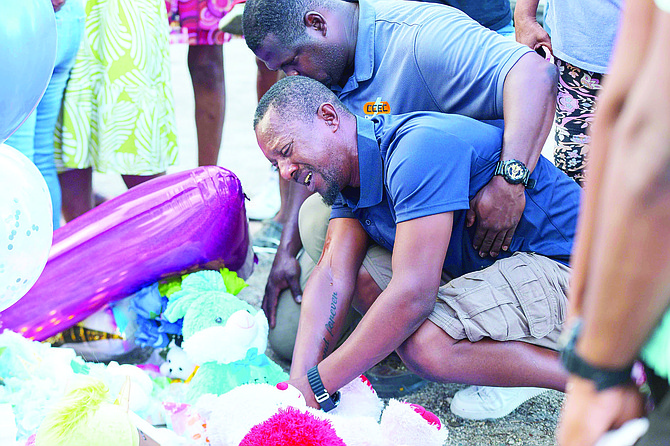
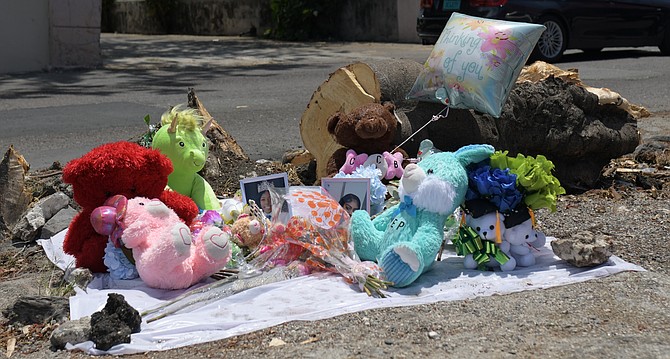
    A hush fell over Shirley Street in the Bahamas on Monday night as dozens of heartbroken family members, friends and neighbors clustered around the gnarled trunk of a tree that became the site of an unfathomable tragedy. Candles flickered against the dark, casting warm glows over bouquets of fresh flowers, soft teddy bears, and framed photographs of four young women whose lives were cut short in an early morning car crash 24 hours earlier. By the time hymns began to echo through the neighborhood, tears streamed openly down the faces of mourners, who had come together to turn a fatal crash site into a tender memorial for Diamond Stubbs, 17, Betrica Brown, 19, Stania Webb, 19, and Evalena Johnson, 19 – all originally from Cat Island, whose deaths have sent ripples of grief across the close-knit community.

    The four victims were among eight people packed into a rented Mazda sedan when the vehicle collided with the tree in the early hours of Sunday morning. As loved ones gathered to pay their respects, the air was thick with raw sorrow. Damien Stubbs, Diamond’s father, crouched at the exact spot his youngest child died, overcome with grief, while friends stepped in to steady him as he wept. Stanley Webb, Stania’s father, was similarly consumed by pain, surrounded by loved ones who tried to absorb some of his loss.

    Leading the evening’s prayers was Apostle Anthony Smith of Prophetic Voice of Victory Tabernacle, who had deep personal ties to two of the victims: Diamond was his cousin’s daughter, and Betrica had been a member of his congregation for nearly a decade. Smith shared that he had watched both young women grow from curious children into promising young adults, who served together in the church’s dance ministry for almost 10 years. He remembered them as devout, intelligent, and respectful young women who brought light to their community.

    “Diamond was like the mother of her friend group – she took care of everyone in her age group, always happy, always responsible,” Smith said. He recalled a bittersweet final interaction: Diamond had traveled from Cat Island to the mainland on Friday, and texted him to say she had brought a homemade box of flour cake for him, with plans to hand it over on Sunday. “Sunday never came,” he said quietly.

    Even as he grappled with the loss, Smith said his faith sustained his community through the pain. “This is hard for our family, our church, for the community. But we believe the same God that kept us before will keep us through this,” he said. “I believe that they did what they were supposed to do and made the impact in The Bahamas that they were supposed to make for God to take them at such an early age, but in all things we give thanks. We pray that this be a lesson to not just people at large, but the younger people.” He urged young drivers to exercise extreme caution on the road, noting that vehicles can slip out of control in a single moment.

    Anthony Thompson, who raised Betrica from the age of 9 after her mother passed away in 2015, shared the young woman’s dream of becoming a physical therapist. Fueled by her love of sports, Betrica planned to specialize in caring for injured athletes who could not afford treatment on their own. Thompson said his last conversation with Betrica was a casual exchange that now feels impossibly precious: he had asked her to bring back mangoes from her trip to Cat Island and reminded her to collect her student visa.

    “Everybody believes they have tomorrow,” Thompson said. “I was a teenager raising a teenager when our mom passed and God’s given me the grace to do so, but in the blink of an eye, you’re here today, gone tomorrow. And if you don’t know the goodness of God right now that you’re here and you’re steady and you have the right state of mind… all it takes is one negligence or one mistake and you’re gone.”

    For Stania Webb, remembered affectionately as “Nia” by her sister-in-law Ciara Nabbie, the 19-year-old had already packed more purpose into her short life than many people do in decades. A prodigy who skipped two grades in high school and enrolled at Langston University at 16, Stania was majoring in music, minoring in law, and played the saxophone in the university’s band. Nabbie had encouraged her sister-in-law’s law studies, with plans for the pair to become law partners one day.

    Described as “humble but sassy” with a clear vision for her future, Stania often used a favorite quote to encourage friends facing hardship: “Excuses are tools of incompetence used to build bridges to nowhere and monuments of nothingness, and those who use them seldom specialize in anything else.” Nabbie recalled how Stania personally lived by that mantra, calling a grieving friend every day for months after he lost his father, when he was ready to give up on his own future.

    Nabbie shared playful, warm memories that made the loss feel even more acute: Stania loved seafood boils and sushi, and would often use Nabbie’s credit card to order Uber Eats sushi runs, leaving Nabbie to joke that she was left eating noodles while her sister-in-law enjoyed her favorite meal. Whenever Stania came home from college, the whole house felt brighter, Nabbie said, and she often played saxophone for her two-month-old nephew. The last song she ever played for him was *Wind Beneath My Wings*.

    Just one day before the crash, Nabbie saw Stania, Diamond, and Betrica at her home. She reminded Stania to call if the group needed a ride at any hour, no matter how late. “She came in the room and she said to me ‘I’m leaving’ and I said okay, and then I walked out there and I said no matter what time, no matter what call me, no matter what time. Y’all need me, call me because they know that no matter the hour, I’m coming to get them,” Nabbie said. “She said when she come back, we can start ordering her stuff to go back to school, we were just preparing.” That plan never came to fruition, leaving a community grappling with a senseless loss and a reminder of how fragile life can be.