分类: society

  • School Honours Irene B. Lady Williams for a Lifetime of Service to Education and Community

    School Honours Irene B. Lady Williams for a Lifetime of Service to Education and Community

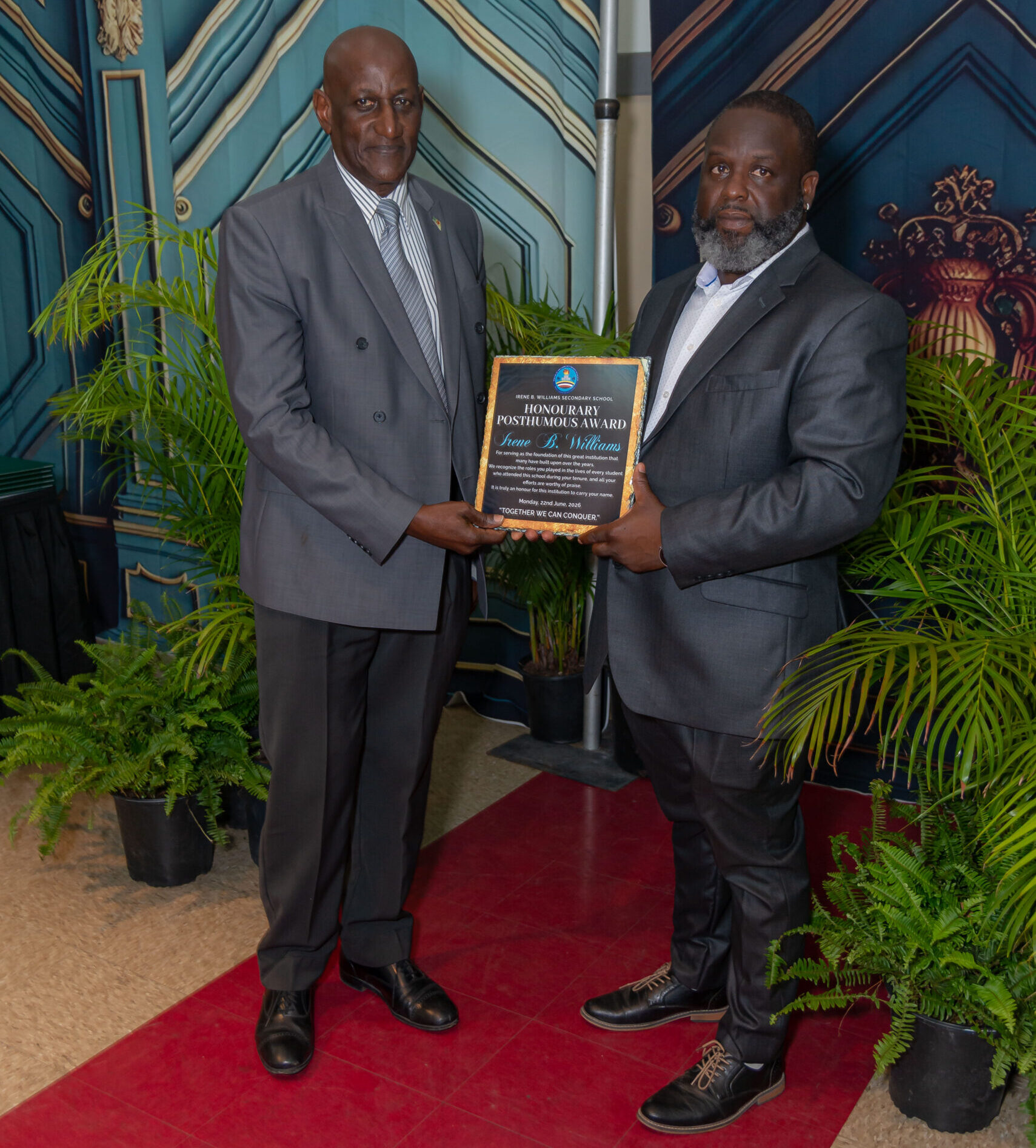
    On June 22, 2026, the Irene B. Williams Secondary School in Antigua and Barbuda honored one of the nation’s most beloved trailblazers in education and community development: Irene B. Lady Williams, bestowing an Honorary Posthumous Award to recognize her extraordinary contributions to learning, public life and national progress.

    The ceremony paid tribute to a woman whose vision, steady leadership, and unshakable commitment shaped countless generations of Antiguans and Barbudans, and whose life’s work continues to motivate every student who walks the halls of the campus that carries her name. The award’s official citation framed Lady Williams as the very foundation on which the school was built, highlighting her immeasurable impact on national education and emphasizing that the institution considers itself privileged to bear her legacy.

    His Excellency The Rt. Hon. Sir Rodney Williams, Governor-General of Antigua and Barbuda and Lady Williams’ son, could not attend the event due to scheduled overseas official duties. Deputy Governor-General Sir Clare K. Roberts stood in for the Governor-General, while Ewart Lee Williams, Lady Williams’ youngest son, accepted the honor on behalf of the entire Williams family. For the family, the award was far more than a ceremonial gesture: it was a deeply moving confirmation that Lady Williams’ decades of selfless service are still cherished and remembered by the school community and the nation she dedicated her life to.

    Born into an era of limited opportunity for women in education, Lady Williams’ 40-plus year career in education began at just 15 years old, made possible by her exceptional academic talent. After graduating from the Antigua Teachers’ Training College, she took up a teaching post in neighboring Montserrat before returning to her home country, where she served at multiple government primary schools including Swetes, All Saints, and Liberta. She eventually returned to Swetes Government School as its principal, leading the institution with tremendous distinction. That campus would eventually grow into the Irene B. Williams Secondary School, a permanent monument to her life’s work.

    Beyond her role as an educator, Lady Williams earned a reputation as a firm but caring disciplinarian, lifelong life coach, and dedicated humanitarian. She held firm to the belief that education was the single most powerful pathway to social and economic opportunity, and devoted every part of her life to ensuring that no child was denied the chance to succeed. She often went above and beyond the walls of the classroom: she would seek out children working long hours in local agricultural fields, meet with their parents to emphasize education’s importance, and persuade families to send their children back to school. Many of those young people grew to become successful professionals, educators, public servants, and community leaders, all of whom credit Lady Williams with altering the course of their lives for the better.

    Her service extended far beyond education. Affectionately nicknamed the “Village Nurse,” Lady Williams provided basic care to hundreds of local families, treating minor injuries and ailments when formal medical care was hard to access, while offering compassionate advice to all who sought her help. Local parents trusted her not just with minor medical care for their children, but for the moral guidance and disciplined upbringing that she was known for providing.

    A devout Christian, Lady Williams also poured her energy into the spiritual and social development of her community. She founded a Women’s Fellowship, a community support group, a church choir, and a village community choir. She taught home economics and culinary skills to young women, served as her parish’s Red Cross representative, and organized community initiatives like village garden competitions to strengthen family and community bonds.

    Lady Williams also held an unwavering commitment to justice and personal accountability. She never shied away from confronting young men who fathered children but refused to provide financial or emotional support, convinced that personal responsibility was the bedrock of strong families and strong communities. Her firm but empathetic approach earned her widespread respect, and led to tangible positive change in the lives of everyone she counseled.

    Renowned for her honesty, integrity, compassion, and boundless love for her community, Lady Williams led by example. Her strength of character and unwavering dedication to service won her the admiration of everyone who met her, and her outsized influence in Swetes Village earned her the affectionate title of de facto Mayor of Swetes, a reflection of the deep respect the community held for her.

    Speaking after the ceremony, Ewart Lee Williams expressed profound gratitude to Principal Ursula Willock, the school’s staff, current students, alumni, and the entire school community for their work to honor and preserve Lady Williams’ extraordinary legacy. He also extended the family’s thanks to Sir Clare K. Roberts for standing in for the Governor-General during his official overseas trip.

    Today, the award stands not just as a recognition of one woman’s extraordinary achievements, which transformed thousands of lives across Antigua and Barbuda. It also serves as a powerful reminder that true greatness is measured not by formal titles or public honors, but by a lifetime of devotion to lifting up others. For every student who passes through the school’s gates, the name on the building is more than just an institutional label: it is a permanent tribute to a remarkable woman who dedicated her life to educating, inspiring, and uplifting generations, and whose legacy continues to shape the future of Antigua and Barbuda. Under the leadership of Principal Willock, the school remains committed to upholding Lady Williams’ values by nurturing academic excellence, strong moral character, and a commitment to community service among every cohort of students.
  • Emancipation walk organisers expect up to 10 000 participants

    Emancipation walk organisers expect up to 10 000 participants

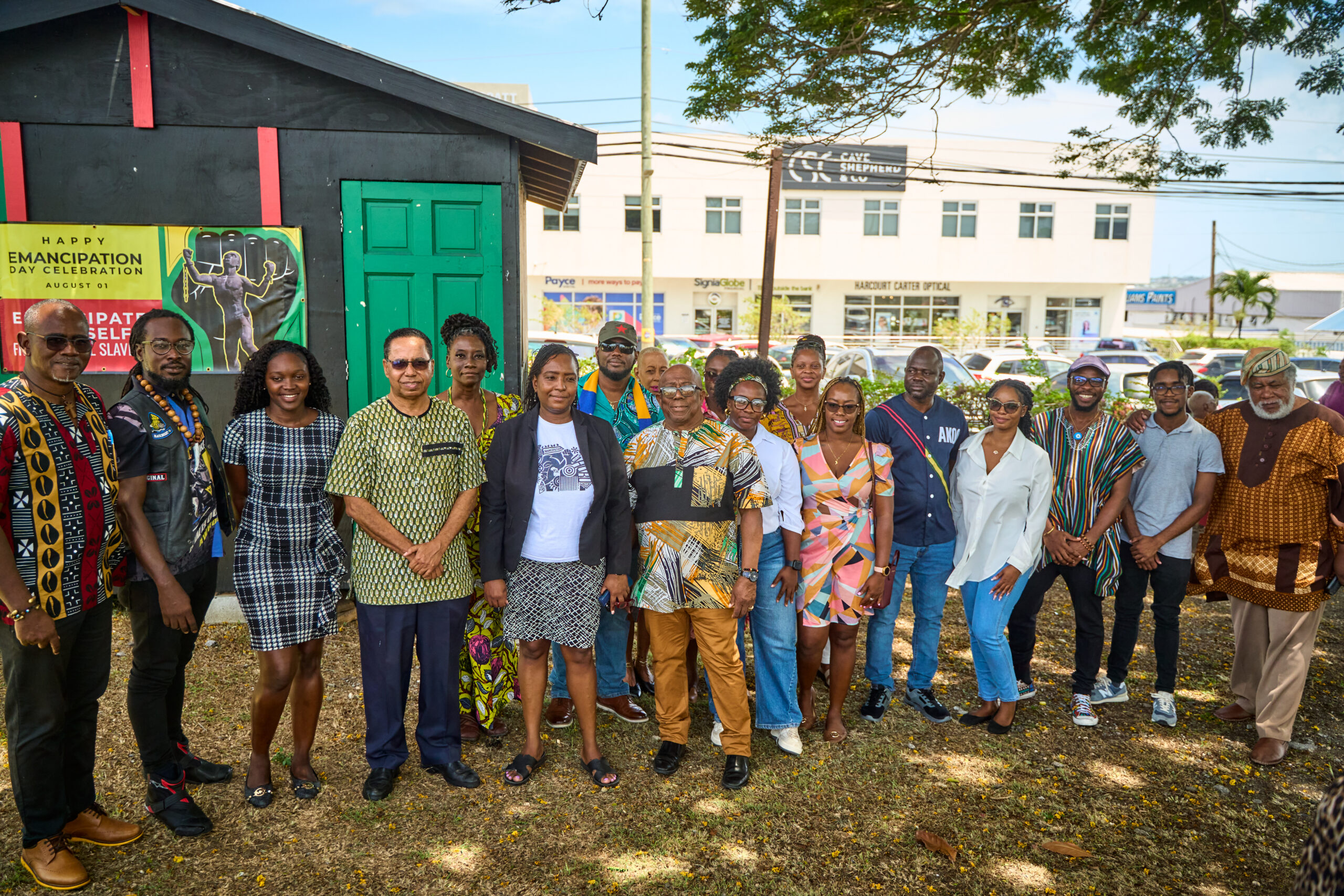
    As Barbados marks two landmark national milestones – six decades of independence and five years as a sovereign republic – organizers of the island’s annual Emancipation Walk and Concert are gearing up to host a historic turnout of attendees, projecting a crowd that could reach 10,000 people this year. Local officials frame the 2024 gathering as a critical turning point for collective national reflection on the island’s journey from enslavement to self-governance.

  • GSPCA announces temporary closure from 7 July 2026

    GSPCA announces temporary closure from 7 July 2026

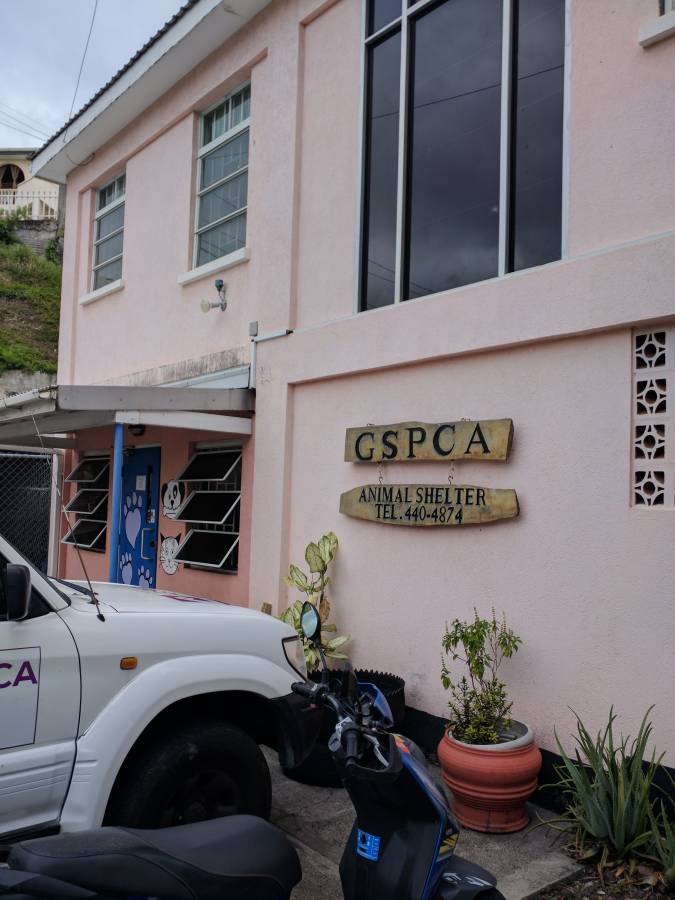
    Grenada’s only registered non-profit animal welfare organization and animal shelter, the Grenada Society for the Prevention of Cruelty to Animals (GSPCA), has announced plans to temporarily shut down its combined veterinary clinic and shelter starting July 7, 2026. The decision comes amid three pressing challenges: a current lack of a qualified veterinarian, urgent unmet funding needs, and the necessity to carry out a full restructuring of the organization’s day-to-day operations.

    Unlike many public welfare entities, GSPCA operates without any financial support from the Grenadian government, nor does it receive funding backing from St George’s University. For decades, the organization has relied entirely on two streams of revenue to keep its doors open: the voluntary generosity of private donors, and the small, limited income generated by its low-cost veterinary clinical services. These limited resources have allowed the organization to keep delivering life-saving and essential care to animals across the island of Grenada, but growing strain has made continued operations unsustainable in their current form.

    In recent years, GSPCA has faced a sharp surge in demand for its services, driven by a growing number of abandoned animal litters and an increase in complex, costly medical cases that stretch the organization’s tight budget and limited staffing capacity. To put this demand in perspective, the clinic treated more than 5,400 animal patients in 2025 alone — a figure that underscores the irreplaceable, critical role the organization fills for Grenada’s animal community and pet owners.

    As a foundational community institution that has served Grenada for decades, GSPCA is moving forward with the temporary closure while upholding its core responsibility to the animals already in its care. Even after the clinic shuts its doors to the public, the organization will continue to provide full-time care and support for the 90 animals currently housed at its shelter.

    GSPCA leadership has reaffirmed the organization’s unwavering commitment to its core mission of protecting animal welfare in Grenada, emphasizing that the continued support of local and international community members through donations, volunteer work, and promoting responsible pet ownership is more critical now than at any point in the organization’s history. To secure the long-term future of animal welfare services on the island, GSPCA stressed that it must develop a broader, more permanent funding model that can sustain its operations through periods of increased demand.

    As a vital community resource for Grenada, GSPCA’s long-term survival depends on collective commitment from government stakeholders, local community partners, and international supporters. Working together, these groups can help the organization restructure, resolve its staffing and funding gaps, and continue serving the island’s animal population for decades to come.

    *This note from outlet NOW Grenada: NOW Grenada does not take responsibility for opinions, statements, or media content shared by contributing organizations. To report content violations, follow the outlet’s designated reporting process.*

  • Dominica Council on Ageing celebrates nation’s centenarians as living national treasures

    Dominica Council on Ageing celebrates nation’s centenarians as living national treasures

    The Caribbean island nation of Dominica is marking a quiet but meaningful milestone, as the Dominica Council on Ageing Inc. (DCOA) has stepped forward to honor the country’s growing community of centenarians, framing these long-living residents as irreplaceable national treasures whose lives carry invaluable lessons for generations of younger Dominicans.

    In an official statement released to mark the occasion, the non-profit organization specifically highlighted two local residents who joined the exclusive ranks of centenarians in June 2026: Matthew St. Rose, a resident of the Kings Hill community, and Lucille Pascal, who calls Grand Fond home. Both recently celebrated their 100th birthdays, drawing attention to the island’s cohort of people who have reached the rare 100-year life milestone.

    With the addition of St. Rose and Pascal, Dominica now counts 15 centenarians across the country. The demographic breakdown of the group shows a notable gender gap, with 11 women and just four men making up the island’s community of people aged 100 and older.

    For the DCOA, these centenarians are far more than statistical curiosities. They perfectly embody the organization’s core mission, summed up in its official motto: “Empowering older persons to live life to the fullest.” DCOA officials noted that the centenarians stand as powerful, inspiring examples of three critical traits: lifelong resilience in the face of challenge, accumulated wisdom passed down through communities, and healthy longevity that reflects well on Dominica’s social fabric.

    Beyond honoring the centenarians themselves, the DCOA also used the statement to recognize the unsung work of the networks that support older Dominicans. The organization extended sincere gratitude to all those who help senior citizens maintain high quality of life, including paid professional caregivers, immediate family members, friends, residential care facilities, and other community and institutional partners that provide ongoing support to the island’s older population.

    To close out the announcement, the DCOA offered formal congratulations to all 15 of Dominica’s centenarians. The organization extended warm wishes for their continued good health and overall well-being, concluding with a prayer that they would continue to receive divine blessing in the years ahead.

  • Senator Shaquan O’Neil Donates Medical Supplies and Equipment to SLBMC

    Senator Shaquan O’Neil Donates Medical Supplies and Equipment to SLBMC

    In a generous move to strengthen local healthcare services, Senator Shaquan O’Neil has delivered a targeted donation of essential supplies to the Saint Lucia Better Mental Health Centre (SLBMC), reinforcing his long-term commitment to boosting care access for the surrounding community. During a short handover ceremony, the senator, known for his active engagement in local public welfare, reaffirmed that his support for the hospital and the region’s residents will extend beyond this single contribution to ongoing partnership.

    The donation package includes two key categories of materials: hygiene and cleaning products that address immediate operational needs across the facility, plus digital display screens that will serve the hospital’s system-wide public health education and staff training initiatives. These supplies fill critical gaps that the institution has faced as it works to upgrade its services for patients and visitors alike.

    Honourable Michael Joseph, the country’s Minister of Health, Wellness, The Environment and Civic Affairs, publicly acknowledged the senator’s contribution, extending his sincere gratitude and praising O’Neil’s consistent efforts to lift up local healthcare institutions. For its part, SLBMC leadership welcomed the donation amid the hospital’s ongoing push to elevate service quality and improve overall patient experiences. The facility’s Medical Director shared her excitement over the contribution, emphasizing that private and community partnerships are indispensable to helping public hospitals grow and better serve their populations.

    Hospital officials noted that the new supplies will directly improve daily care delivery at SLBMC, creating cleaner, safer environments for patients and expanding the institution’s capacity to educate both the public and clinical staff. The impact of O’Neil’s donation is expected to be felt by hundreds of patients and community members accessing the center’s services in the coming months.

  • Archer: Youth must lead tourism transformation

    Archer: Youth must lead tourism transformation

    The 2026 Barbados Tourism Youth Congress officially kicked off on Wednesday, bringing together dozens of ambitious young debate competitors from across the island at the Walcott Warner Theatre, located within the University of the West Indies Cave Hill Campus’ Errol Barrow Centre for Creative Imagination. Ahead of the official debate competition, Youth and Culture Minister Senator Shane Archer took the stage to deliver a rallying call to the assembled participants, urging young Barbadians to embrace leadership roles early and contribute their fresh perspectives to reimagining the country’s vital tourism sector.

    In his address, Senator Archer pushed back against the widespread misconception that leadership is reserved for older generations, emphasizing that the qualities that define strong leadership have no connection to chronological age. “Leadership is not determined by the number of birthdays that you have celebrated. It is determined by your character, your discipline, your preparation, and your willingness to serve,” he told the assembled students. He encouraged young people to set aside self-doubt rooted in age, claiming their rightful space in industry conversations and speaking their ideas with confidence.

    “Youth is energy. Youth is imagination. Youth is possibilities that others may have stopped seeing,” the minister said. But he also stressed that raw talent and untapped potential are not enough to drive meaningful change. Young leaders must put in intentional preparation and quiet work even when their efforts go unobserved, he argued, so that when opportunities arise, they are ready to step forward confidently and claim their moment.

    Senator Archer highlighted one of the government’s key initiatives to embed youth in tourism governance: the Junior Minister of Tourism programme. Created to guarantee young people a voice in decision-making spaces long before they reach formal positions of institutional authority, the programme rejects the idea that young people must wait to earn a title before their ideas are taken seriously. “Young people should not have to wait until they hold a title before their ideas are taken seriously. They deserve a seat at the table,” he said. He added that the programme has a proven track record of培育 emerging leaders; past participants have gone on to represent Barbados at regional international events, serving as strong young ambassadors for the island nation.

    This year, the top participants from the national congress will earn the opportunity to advance to the regional stage: they will travel to Guyana to join the Caribbean Tourism Organization (CTO) Regional Tourism Youth Congress, held in conjunction with the CTO’s State of Tourism Industry Conference. There, they will sit alongside CTO board members and industry directors, contributing to discussions that shape regional tourism policy across the Caribbean. “Just imagine that one of you will move from this stage at Cave Hill to a regional table in Guyana, carrying the voice, the ideas, and the pride of Barbados. That is not a small opportunity,” Senator Archer told the crowd.

    Beyond encouraging youth leadership, the minister worked to reframe public understanding of tourism itself, pushing beyond the common narrative that reduces the industry to just hotels and beachfronts. He explained that tourism is fundamentally a people- and culture-centered sector, built on the lived experiences and daily contributions of ordinary Barbadians across dozens of fields. “Tourism is culture. Tourism is people,” he said. “It is a taxi driver who gives a visitor the first real welcome. It is the chef who tells the story of Barbados through food. It is the artist, the musician, the farmer, the event producer, the environmentalist and a storyteller who helps turn a visit into a real experience.” For Barbados, he added, tourism is a unique space where local culture becomes a viable enterprise, creativity translates to tangible economic opportunity, and community stories can be shared authentically with the whole world.

    This year’s national debate centered on five timely themes that are shaping the future of global tourism: multi-generational travel, the role of social media in destination marketing, sustainable destination management, the intersection of tourism and cultural industries innovation, and the evolving identity of tourism professionals in the 21st century. A core overarching question guided all discussions: How can Barbados remain competitive in a crowded global tourism market without sacrificing its unique cultural identity?

    Senator Archer noted that emerging technologies, from artificial intelligence to digital storytelling to immersive virtual experiences, are already transforming how tourism operates around the world, and young people are the ones best positioned to lead the industry’s adaptation to these changes. He urged participants not to focus solely on fitting into the existing industry structure, but to challenge the status quo and imagine what a better, more inclusive future for Barbadian tourism could look like. “Do not spend all of your energy trying to fit into the tourism industry as it exists today. Ask how we can improve it. Ask what is missing. Ask how it can become more sustainable, more creative, more inclusive, and more authentically Barbadian,” he said. “The next great tourism experience may not begin in the boardroom; it may begin with an idea from one of you.”

    At the close of the national competition, Jahneil McKenzie of Daryll Jordan Secondary School claimed first place, with Yadira Roberts of Springer Memorial taking second place and Harrison College’s Talesa Boyce securing third place.

  • ECAB Ends Aspiring Leaders Scholarship After UWI Tuition Made Free

    ECAB Ends Aspiring Leaders Scholarship After UWI Tuition Made Free

    One year ago, the Eastern Caribbean Asset Holdings Limited (ECAB) launched a transformative initiative designed to cultivate emerging leadership talent across Antigua & Barbuda: the ECAB Aspiring Leaders Scholarship. This program was created to remove financial barriers for young people seeking higher education, offering a full tuition waiver covering the entire three-year period of an undergraduate degree at the University of the West Indies (UWI) Five Islands Campus.

    To qualify, candidates had to be between the ages of 17 and 25, and they had to be pursuing their first undergraduate degree in either the School of Business & Management or the School of Science & Artificial Intelligence, two fast-growing fields aligned with the nation’s economic and technological development goals. After a rigorous and highly competitive selection process that drew dozens of qualified applicants, Tajhere Browne was selected as the program’s first and only recipient. Since beginning his studies, Browne has already distinguished himself academically, earning a spot on the UWI Five Islands Campus Honour Roll during his first semester – an achievement ECAB has highlighted with particular pride.

    When the scholarship program was first designed, ECAB leaders planned to expand the initiative to support more young scholars over the coming years, building a pipeline of homegrown leadership talent for Antigua & Barbuda. However, a recent policy announcement from the Government of Antigua & Barbuda has fundamentally shifted the landscape for undergraduate higher education at the UWI Five Islands Campus. The government has confirmed that tuition for most first-degree programs at the campus, including the specific fields of study the ECAB scholarship supported, will now be fully covered by the state for eligible students, eliminating out-of-pocket tuition costs for first-time undergraduate learners.

    ECAB has publicly welcomed this landmark policy shift, noting that the organization shares the government’s core belief that education is a powerful, transformative force that should be accessible to all young people regardless of their financial background. But the policy change has also rendered the original ECAB scholarship’s core purpose obsolete. With tuition already provided for free by the government, the full tuition coverage that was the centerpiece of the ECAB initiative no longer serves a unique function. In response, ECAB has announced that it will officially discontinue the ECAB Aspiring Leaders Scholarship program moving forward.

    Despite ending the scholarship initiative, ECAB emphasized that its long-term commitment to youth development, educational access, and community investment in Antigua & Barbuda remains completely unwavering. The organization confirmed that it will continue to fulfill all existing commitments to Browne, supporting the remaining components of his scholarship agreement as planned. Looking ahead, ECAB is continuing its other community programming: this year marks the third consecutive year the organization will sponsor the popular Mr. and Miss Teenage Pageant, a core part of Antigua & Barbuda’s annual Carnival celebrations. The organization also confirmed that it is developing new, targeted youth initiatives that will fill new gaps in support for aspiring young leaders across the country, with more details expected to be announced in the coming months.

  • Police Urge Public to Be Vigilant After Jewellery and Phone Thefts

    Police Urge Public to Be Vigilant After Jewellery and Phone Thefts

    St. John’s, Antigua and Barbuda – July 2, 2026 – The Royal Police Force of Antigua and Barbuda has issued an urgent advisory to local residents, calling for heightened awareness and proactive security measures after a pair of recently reported theft incidents targeting personal valuables including jewellery and mobile phones.

    The first incident under active investigation is a residential burglary that took place in the Green Bay neighborhood just before midnight on Monday, June 29. Preliminary law enforcement findings outline that three unidentified males forced entry into a home occupied by a single woman. Before making their escape from the property, the suspects stole a range of personal items: multiple pieces of gold jewellery, silver chains, a mobile phone, a handbag, and a full jewellery box holding additional valuables.

    A second, separate theft is also being probed by police. In this case, a Samsung Galaxy A22 smartphone – valued at around 650 Eastern Caribbean dollars – was stolen between 4:30 p.m. and 5:10 p.m. on Tuesday, June 30, while its owner was in the Joseph Lane area of the island.

    In an official media release published through the force’s Office of Strategic Communications, police administration emphasized a key observation: criminal actors routinely target high-value, portable items that are left easily accessible or unattended in both private and public spaces. To help residents reduce their risk of falling victim to similar thefts, law enforcement has outlined a series of practical security steps for the public to adopt:

    First, homeowners should confirm all entry points including doors and windows are securely locked, particularly after dark and when no one is home. Second, properties should be outfitted with sufficient exterior lighting, and where feasible, security camera systems or intrusion alarms should be installed to deter intruders and aid investigations if a crime does occur. Third, the public is advised to avoid openly wearing or displaying expensive jewellery in public settings unless absolutely necessary. Fourth, mobile phones and other small valuables should be kept secured at all times, and never left unsupervised in public places. Fifth, residents should remain alert to their surroundings in crowded or public areas, and contact police immediately to report any unfamiliar individuals or activity that seems suspicious. Finally, law enforcement recommends that all residents record serial numbers and document unique identifying marks for all high-value personal items, a step that greatly improves the chance of recovery if property is stolen.

    Investigations into both the Green Bay burglary and the Joseph Lane smartphone theft remain ongoing. Police are asking any member of the public who may have information related to either incident – regardless of how small it may seem – to come forward to assist the investigation. Tips can be submitted directly to the Royal Police Force’s Criminal Investigations Department at 462-3913 or 462-3914, dropped off at the closest local police station, or submitted anonymously through the Crime Stoppers hotline at 800-TIPS (8477).

  • 16-Year-Old Critical After Christian Street Shooting; Teenager Also Wounded

    16-Year-Old Critical After Christian Street Shooting; Teenager Also Wounded

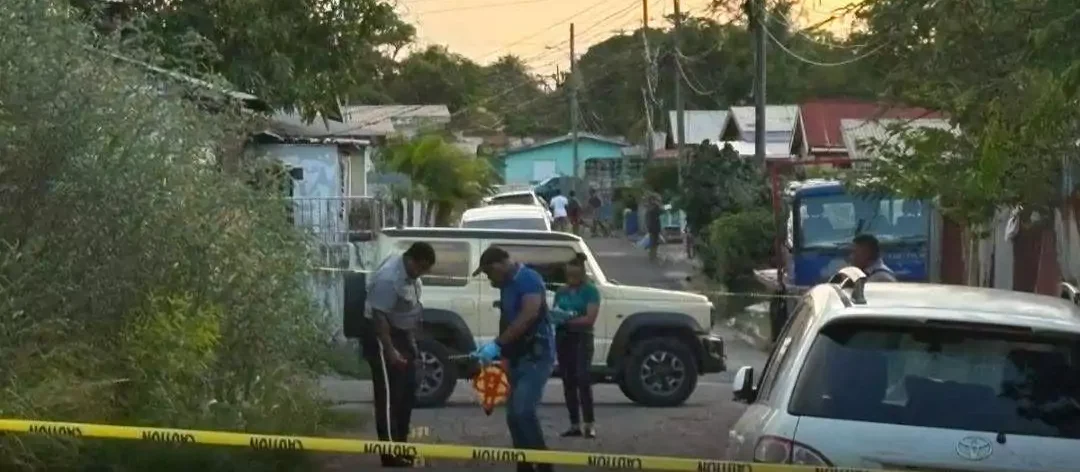
    On the evening of July 1, a brazen daylight shooting sent two teenage boys to area hospitals, leaving one in life-threatening condition and triggering a manhunt for a lone suspect still at large, local law enforcement confirmed Wednesday.

    First emergency dispatchers received calls about the shooting just after 5:30 p.m., with officers rushing to the Christian Street neighborhood in response to the active incident report. Preliminary law enforcement findings have outlined the sequence of events: the two young victims were out walking along Armstrong Road when an unidentified attacker stepped forward to confront them. The suspect, described by investigators as wearing all-black clothing with a covering concealing his face, opened fire immediately before running away from the scene on foot.

    Emergency medical teams quickly transported both teenagers to local medical facilities for urgent care. The younger of the two victims, aged 16, suffered a gunshot wound to the chest that required immediate intervention. As of the latest police update, he remains hospitalized in critical condition, with medical teams monitoring his condition closely. The second victim, a 17-year-old, sustained multiple gunshot wounds to both of his legs. While his injuries require ongoing medical care, doctors have confirmed his condition is stable and not considered to be life-threatening.

    Investigators have released a physical description of the suspect to aid public tips: the attacker is believed to stand roughly 5 feet 6 inches tall and has a slim build. The Criminal Investigations Department has taken the lead on the ongoing probe, and law enforcement is urging members of the local community with any relevant information – no matter how small it may seem – to come forward to assist the investigation.

    Members of the public have multiple channels to share information: they can reach the Criminal Investigations Department directly at 462-3913 or 462-3914, submit an anonymous tip through the national Crimestoppers hotline at 800-TIPS (8477), or contact emergency services at 911 with any immediate details about the suspect or the shooting.

  • Transplant law success hinges on cultural shift – senator

    Transplant law success hinges on cultural shift – senator

    As Barbados’ long-awaited Human Tissue Transplant Bill undergoes debate in the country’s Senate, a leading independent senator and medical specialist has issued a stark warning: the groundbreaking legislation will only deliver on its life-saving promise if the nation confronts long-held religious and cultural objections to organ donation, backs it with sufficient public investment and upgrades care standards at its main public hospital. Dr. Kenneth Connell, an internal medicine expert and medical educator at the University of the West Indies (UWI), laid out his vision for rolling out the new framework during senate deliberations, emphasizing that shifting public mindsets is the most critical first step to expanding access to life-saving transplants for Barbadians.

    In remarks to fellow lawmakers, Connell argued that the island nation must undergo a widespread cultural shift around organ donation, moving past deeply ingrained religious beliefs that frame removing organs after death as a violation of divine will. He shared a personal anecdote to illustrate the scope of the cultural barrier: a dying relative once told him she wanted to return to her creator in the same physical state she was born in. “This speaks to our religious background,” Connell noted, adding that it is past time for Barbadian society to evolve beyond this limiting perspective. “We now have to change our entire culture. How do we change that culture so that the average Barbadian citizen doesn’t see this as an act against God, but sees this as the ultimate act of giving?” he asked.

    While Connell is a vocal supporter of the new transplant legislation, he backed the decision to launch the program with an opt-in consent model, which requires citizens to actively agree to have their organs donated after death, rather than adopting an opt-out system like the one used in the United Kingdom. He explained that the island needs years of sustained public education to build public trust and understanding before it can make the jump to a default consent framework. “You can’t bring a new legislation… and say, oh, by the way, from tomorrow, by default, every single Barbadian citizen must opt out,” he said. “Many of us will rush and say: ‘Well, I ain’t ready for this yet.’”

    The senator also highlighted the deep resource gaps that threaten the success of the new law, even after it passes. Connell, who has decades of experience as a medical educator, praised UWI’s critical contributions to Barbados’ healthcare system, revealing that nearly 20 percent of consultant physicians at the Queen Elizabeth Hospital (QEH) – the country’s main public care facility – are full-time UWI faculty. But he stressed that the nation currently has only one fully qualified transplant surgeon, and faces a critical shortage of kidney specialists, at a time when chronic lifestyle diseases have driven soaring demand for kidney transplants and dialysis care across the island.

    Beyond staff shortages, Connell called for urgent reforms to improve patient dignity and care standards at the QEH, calling out the lack of privacy for patients waiting for dialysis treatment. “Think about the impact that has on the 27-year-old who must sit on the bench waiting to enter the dialysis unit with all of his friends seeing him,” he said, pushing for the creation of a private, air-conditioned waiting lounge specifically for these patients. He also criticized a glaring public health misstep at the facility: vending machines stocked full of sugary carbonated drinks are placed directly adjacent to the dialysis unit, a contradiction of the hospital’s mission as a space for health and healing. “The hospital is a health space,” Dr Connell stated. “And if we can’t get this one space right, then how do we speak to the wider environment?”

    Connell acknowledged that the proposed bill has a number of gaps that will need to be addressed over time, including the need for stronger cybersecurity protections for the national organ donor registry and streamlined legal processes to speed up organ retrieval after a donor’s death. Even with these shortcomings, he urged his fellow medical professionals across the country to back the legislation, framing it as a critical first step toward building a fully functional organ transplant program that saves hundreds of lives in the years to come. “See this bill as a starting point and not the end or destination,” he urged.