分类: society

  • Over $115 million paid out to Hurricane Melissa beneficiaries under ROOFS programme

    Over $115 million paid out to Hurricane Melissa beneficiaries under ROOFS programme

    KINGSTON, Jamaica—The Jamaican government has disbursed more than $115 million in housing recovery grants to citizens affected by Hurricane Melissa through its Restoration of Owner Occupant Family Shelters (ROOFS) initiative. The Ministry of Labour and Social Security confirmed that 1,305 households have received financial assistance through various payment channels, with systems now fully operational to expedite nationwide disbursements.

    The assistance program categorizes damage into three tiers: minor damage ($75,000 for structurally sound homes with roof, window, or door damage), major damage ($200,000 for homes with compromised structural elements), and severe damage (up to $500,000 for properties requiring complete reconstruction).

    As of January 30, distribution figures show 1,235 households received $75,000 each via direct deposit totaling $92.625 million. Fifty beneficiaries in the severe damage category received up to $500,000 each through digital vouchers amounting to $25 million, while twenty recipients obtained prepaid cards totaling $1.5 million.

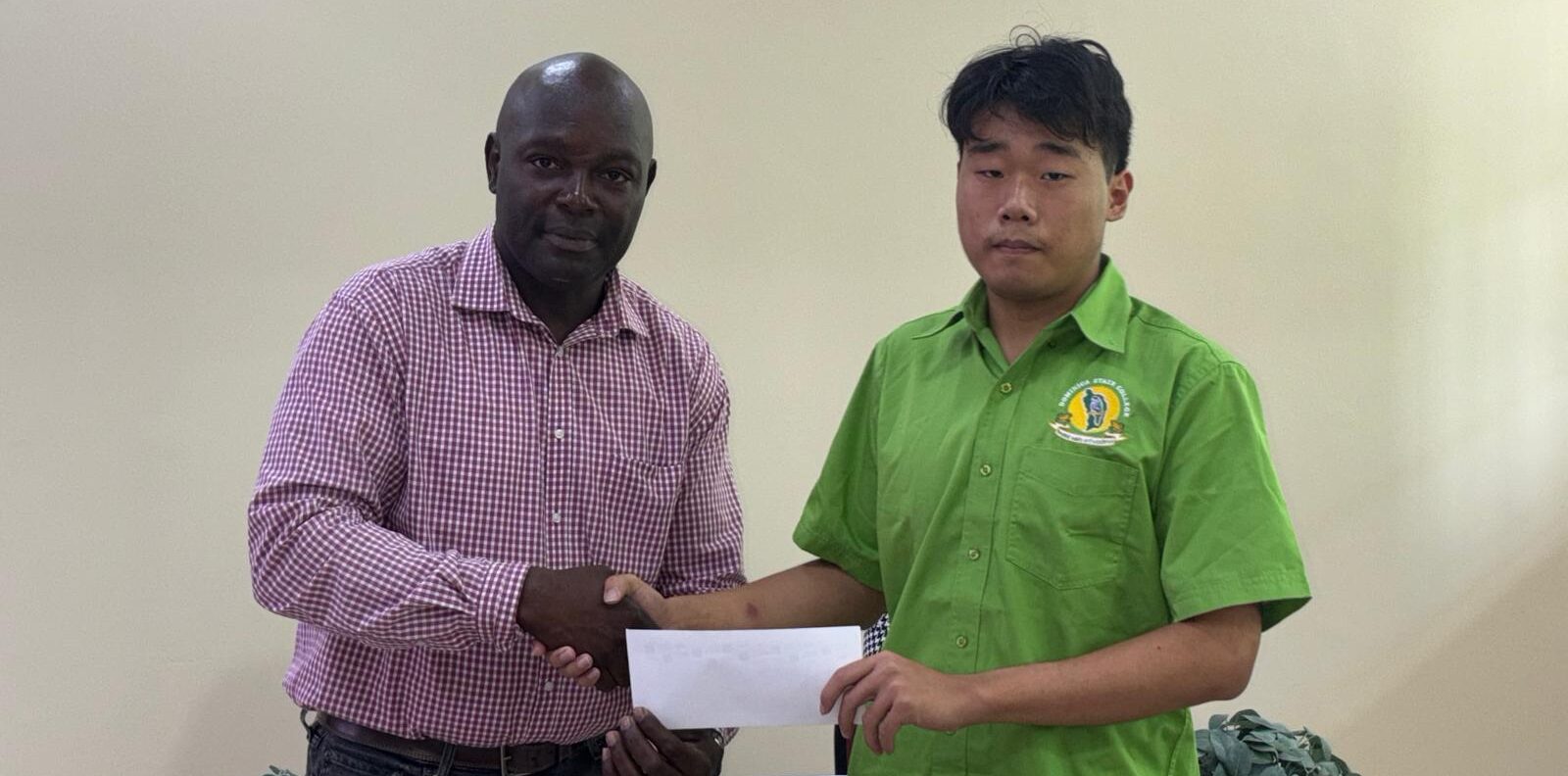
    At a recent handing-over ceremony in Santa Cruz, Minister of Labour and Social Security Pearnel Charles Jr acknowledged the extraordinary efforts of over 400 volunteers and approximately 300 staff members who completed 87,876 home assessments enabling these payments. “Their compassion and tireless service have proved invaluable to the national recovery effort,” Minister Charles stated.

    The Minister emphasized the government’s commitment to responsible stewardship, warning that “fraud will not be tolerated, because every misused dollar deprives another family of help.” He clarified that grants are exclusively for home restoration purposes and announced established support systems including help lines and technical guidance for beneficiaries.

    Minister Charles offered reassurance to those awaiting assistance, confirming that assessments and verifications continue across all fourteen parishes. “No eligible family will be left behind,” he declared, referencing Prime Minister Andrew Holness’s January 15, 2026 pledge that every Jamaican who lost a home to Hurricane Melissa would receive rebuilding support.

  • Nope! We’re not coming back!

    Nope! We’re not coming back!

    A prominent Jamaican healthcare professional who migrated to the United States has issued a stark rebuttal to Health Minister Dr. Christopher Tufton’s appeal for overseas nurses to return home amid staffing shortages. Dr. Cheryl Morgan, who left Jamaica in 2009 after graduating from The University of the West Indies, articulated why financial incentives and improved infrastructure alone cannot reverse the brain drain.

    Having built a distinguished career in the United States—earning doctoral credentials, authoring a memoir titled ‘Jamaican Born,’ and establishing herself as a businesswoman—Dr. Morgan emphasized systemic issues within Jamaica’s healthcare system. She cited chronically low wages, inadequate resources, and societal disregard for nursing professionals as primary reasons for the exodus.

    Minister Tufton, during recent visits to US cities including Washington, DC, New York, and Miami, promoted repatriation by highlighting infrastructure upgrades, crime reduction efforts, and increased disposable income opportunities. He proposed incentives for relocation and mentioned a housing program for healthcare staff.

    However, Dr. Morgan countered that these measures fail to address deeper institutional flaws. She described nurses in Jamaica struggling with poverty, inability to afford mortgages or vehicles, and public criticism when advocating for better pay. By contrast, international recruitment offered competitive salaries, professional advancement opportunities, and improved living conditions.

    Citing specific deficiencies, Dr. Morgan noted outdated hospital facilities, insufficient medical equipment like IV pumps, reliance on families to supply medications, and inadequate ambulance services. She proposed alternative solutions, such as leveraging diaspora expertise for telemedicine initiatives, satellite clinics, and systemic reforms—without physical return.

    With approximately 20 years of experience and licenses to practice in multiple US states, Dr. Morgan now operates a clinic focusing on type 2 diabetes care and runs a philanthropic foundation. She urged the government to focus on retaining new graduates and reforming the healthcare system rather than seeking repatriation of those who have established lives abroad.

  • COMMENTARY: The quiet guardians of Caribbean integration – A salute to Warren Smith

    COMMENTARY: The quiet guardians of Caribbean integration – A salute to Warren Smith

    The Caribbean community mourns the passing of distinguished Jamaican economist Dr. William Warren Smith, who died on January 30, 2026. Dr. Smith’s remarkable career spanned leadership roles at LIAT (Leeward Islands Air Transport) and culminated in his presidency at the Caribbean Development Bank (CDB), where he established himself as a pivotal figure in regional advancement.

    Colleagues and journalists remember Dr. Smith as embodying a rare breed of Caribbean public servant—one who approached complex development challenges with grace, intellectual clarity, and unwavering respect for all stakeholders. His communication style demystified intricate economic matters without condescension, treating media professionals as collaborative partners rather than adversaries in the narrative of Caribbean progress.

    This tradition of servant leadership, which Dr. Smith exemplified, traces back to the 1940s integration movement. These technical architects of regional cooperation typically operated behind the scenes, making consequential decisions that stabilized economies, preserved vital transport networks, financed critical infrastructure, and fortified Caribbean societies against external shocks. Their work, though seldom celebrated publicly, fundamentally shaped livelihoods across the region.

    The hallmark of this leadership paradigm includes profound respect regardless of status, generous knowledge sharing, brutal yet tactful honesty, and unwavering commitment to marginalized communities. These officials frequently absorbed unfair criticism to protect their institutions and missions, prioritizing organizational integrity over personal recognition.

    During Dr. Smith’s tenure at LIAT, he navigated the highly scrutinized regional aviation sector with measured competence. Later at CDB, he balanced complex development financing with patient, long-term strategic thinking. Throughout both roles, he demonstrated that transparent communication and respectful engagement strengthen rather than diminish leadership effectiveness.

    His passing invites reflection on the numerous unsung professionals continuing this tradition within regional institutions. Their collective legacy remains essential to the Caribbean project’s resilience amid contemporary challenges and increased global scrutiny. Dr. Smith’s life reminds current leaders that sustainable development intertwines technical proficiency with meaningful public engagement.

  • Jacmel community mourns death of 10-year-old Amelia Isidore

    Jacmel community mourns death of 10-year-old Amelia Isidore

    The tranquil community of Bois d’Inde in Jacmel has been plunged into profound mourning following the tragic death of 10-year-old Amelia Isidore, who succumbed to a medical emergency during a routine Physical Education class at her school earlier this week.

    According to preliminary reports, the young student experienced a sudden health crisis while participating in regular school activities, prompting immediate intervention from school personnel. Despite rapid transportation to a medical facility where emergency teams administered extensive lifesaving measures, Isidore could not be revived.

    The devastating incident has triggered an outpouring of grief throughout the close-knit community and drawn an official response from Saint Lucia’s Minister for Education, Kenson Casimir. In a carefully worded statement shared via social media, Minister Casimir expressed profound sorrow while emphasizing the need for cautious deliberation pending formal investigations.

    “I am deeply saddened by the passing of Amelia Isidore, a young scholar at Roseau Combined School,” Casimir stated. “As the details surrounding this tragedy remain subject to verification, the ministry will await conclusive findings from both medical and legal authorities before making definitive pronouncements.”

    The Education Minister extended spiritual condolences to the bereaved family, classmates, educators, and all affected by the loss, invoking divine comfort during this period of unimaginable grief. Community members have similarly mobilized support networks, with one resident noting the particular poignancy of losing someone so young amidst recent community losses.

    Isidore, remembered by those who knew her as exceptionally kind, joyful, and affectionate, attended Roseau Combined School where she had built meaningful relationships with staff and peers alike. The school administration has reportedly implemented counseling services to help students and faculty process the traumatic event.

  • Attorney Explains Why Defendants Often Plead Not Guilty Even When Guilty

    Attorney Explains Why Defendants Often Plead Not Guilty Even When Guilty

    Legal expert Warren Cassell has clarified the constitutional foundation behind a fundamental yet often misunderstood aspect of criminal defense: the practice of attorneys advising clients to plead not guilty even when they have privately admitted to an offense. This strategy, frequently perplexing to the public, is not an attempt to circumvent justice but is deeply rooted in the core principles of constitutional law.

    Cassell, an attorney-at-law, emphasized the critical role of Section 15(2)(a) of the Antigua and Barbuda Constitution, which enshrines the presumption of innocence—a guarantee that an individual is considered innocent until the state proves their guilt conclusively. He noted that this foundational right is mirrored in legal frameworks across the Caribbean region, including Montserrat’s Constitution Order.

    The cornerstone of this practice lies in the distribution of the burden of proof. In criminal proceedings, the entire onus rests on the prosecution to establish each element of the alleged crime beyond a reasonable doubt. A defendant is under no legal obligation to prove their innocence. By entering a not guilty plea, a defendant compels the state to meet this rigorous evidential standard, serving as a crucial safeguard against convictions based on weak, flawed, or insufficient evidence.

    Cassell further elaborated that a guilty plea effectively serves as an admission to all charges, eliminating the prosecution’s duty to prove its case and immediately exposing the defendant to the full maximum penalties. Conversely, maintaining a not guilty plea preserves all of an accused person’s constitutional rights and provides essential time for their legal counsel to engage in negotiations with prosecutors. This period can be used to secure more favorable outcomes, such as a reduction in charges or an agreement on a lighter sentence, through plea bargaining.

    To promote greater public understanding of these legal rights and criminal procedures, Cassell announced plans to delve deeper into the subject in an upcoming season of his program, *This Is the Law*. The show is scheduled to broadcast on Observer Radio and ZDK in February 2026.

  • Youth Ambassador Launches Agriculture Initiative with Girl Guides

    Youth Ambassador Launches Agriculture Initiative with Girl Guides

    ST. JOHN’S, Antigua – A groundbreaking agricultural initiative targeting youth engagement has been inaugurated by National Youth Ambassador Shacia A. in collaboration with the 10th Antigua Girl Guides. The program, titled ‘Plant the Seed, Grow the Future,’ employs mentorship and experiential learning methodologies to reconnect young generations with agricultural practices.

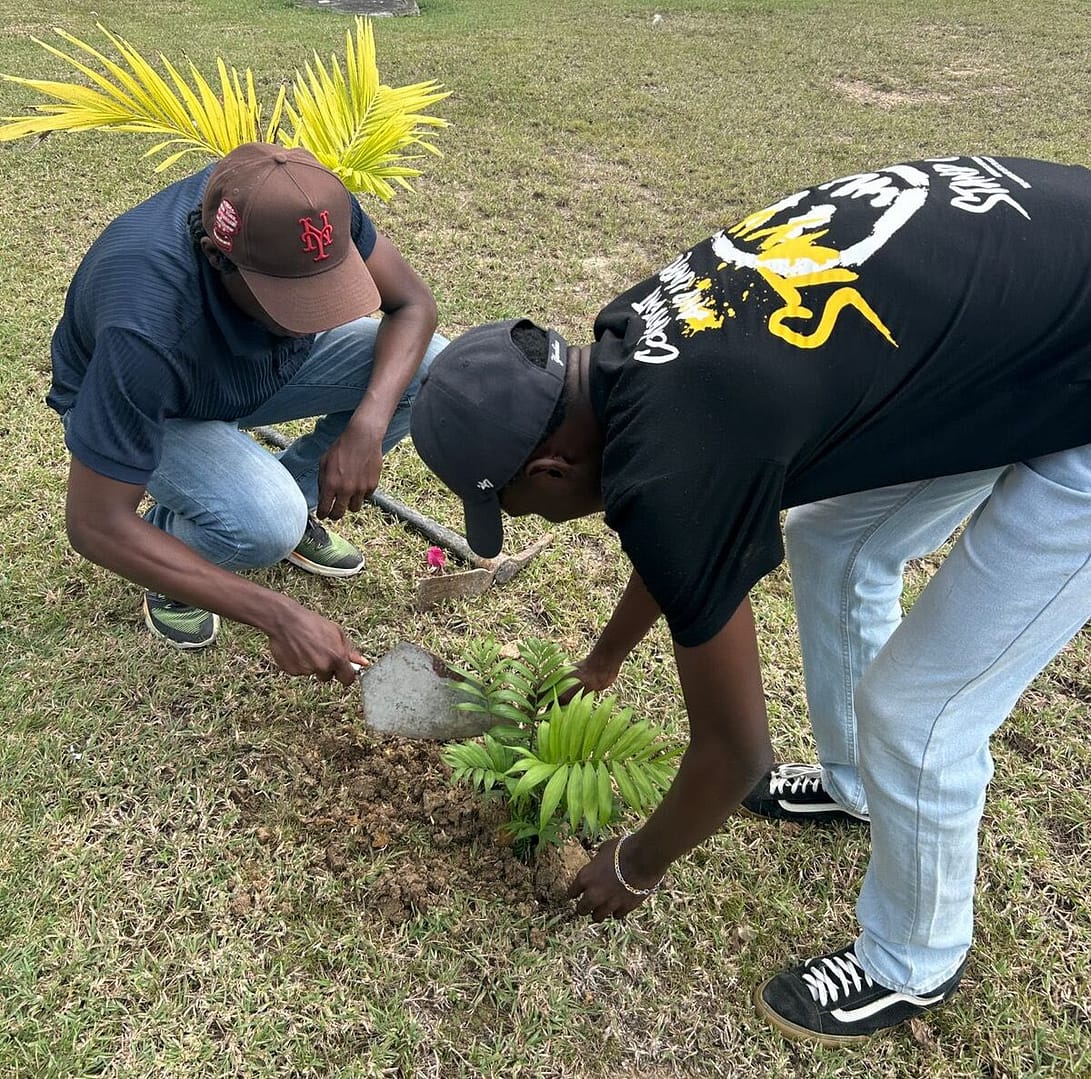
    The innovative scheme positions agriculture as a dynamic field intersecting with science, technology, and innovation sectors. Beyond basic food production, the curriculum emphasizes agriculture’s critical role in sustainable development frameworks. Participants recently engaged in hands-on activities including succulent planting ceremonies, symbolizing youth’s capacity to cultivate sustainable community futures.

    Program architects have strategically designed the initiative to bridge traditional farming techniques with contemporary technological approaches. Core values being instilled include environmental stewardship, patience cultivation, and disciplined leadership development.

    The Ambassador confirmed the program’s alignment with Antigua and Barbuda’s National Youth Policy priorities on environmental sustainability. Additionally, it directly supports multiple United Nations Sustainable Development Goals, particularly Zero Hunger (SDG 2), Life Below Water (SDG 14), and Life on Land (SDG 15).

    Organizers characterize ‘Plant the Seed, Grow the Future’ as a longitudinal commitment to youth empowerment through agricultural channels, anticipating measurable impacts on both personal development and national sustainability indices.

  • HAPI Expands to Working on Multiple Homes at Once

    HAPI Expands to Working on Multiple Homes at Once

    The Government of Antigua and Barbuda has significantly scaled up its Home Assistance Program for the Indigent (HAPI) with a strategic expansion into Briggs Village, transitioning from individual home repairs to multi-household projects. This operational shift aims to dramatically accelerate the pace of home restoration and repairs for vulnerable communities, enabling simultaneous assistance to numerous families rather than proceeding through a sequential, single-home approach.

    This scaled initiative has been made possible through an unprecedented inter-agency collaboration. Key government figures including Prime Minister Gaston Browne, Housing Minister Rawdon Turner, Cabinet Senator Michael N. Freeland, and officials from the Social Protection Board have provided foundational support. Notably, the program has also incorporated contributions from the Antigua and Barbuda Defence Force, coordinated by Chief of Defence Staff Telbert Benjamin, and Her Majesty’s Prison, where participating inmates are involved in rehabilitation-focused community service.

    HAPI’s core mission focuses on critical repairs and improvements to residences of indigent and at-risk citizens, transforming living conditions while serving as a national model for efficient social assistance. Government authorities emphasize that this coordinated partnership framework demonstrates how multi-sector cooperation can rapidly amplify the impact of welfare programs. With the successful Briggs Village rollout serving as a blueprint, officials confirm that similar multi-home projects are being planned for additional communities as HAPI continues its nationwide implementation across Antigua and Barbuda.

  • Guyanese activist and co-founder of leading Black publishing houses in Britain dies

    Guyanese activist and co-founder of leading Black publishing houses in Britain dies

    Eric Huntley, the Guyanese-born co-founder of Britain’s seminal black publishing house Bogle L’Ouverture and a lifelong campaigner for racial equality, has passed away at age 96. Alongside his wife Jessica, Huntley established the radical publishing venture in 1968 from their West London living room, creating a crucial platform for underrepresented black authors and intellectuals.

    The publishing house, named after Jamaican national hero Paul Bogle and Haitian revolutionary Toussaint L’Ouverture, rapidly evolved from a makeshift printing operation into both a respected publishing imprint and community hub. The Huntleys’ Ealing-based bookshop became an informal advice center and gathering place for London’s black community, championing writers including Linton Kwesi Johnson, Valerie Bloom, and Beryl Gilroy.

    Beyond publishing, Huntley dedicated decades to racial justice activism. He played instrumental roles in the Caribbean Education and Community Workers Association and the Black Parents Movement, organizations formed to combat systemic racism in education and policing. His activism extended to organizing the 1981 Black People’s Day of Action following the New Cross fire tragedy that claimed 14 young black lives.

    Born in 1929 Georgetown, British Guiana, Huntley’s political consciousness developed early through his involvement with the People’s Progressive Party and Marxist leaders Cheddi and Janet Jagan. His activism led to imprisonment in 1954 for curfew violation during British colonial rule’s state of emergency.

    Seeking stability, Huntley migrated to Britain in 1957, working as a postal sorter while saving to bring his family from Guyana. The couple’s publishing venture began distributing speeches by influential Guyanese scholar Walter Rodney, growing into a respected imprint that published groundbreaking works despite repeated racist attacks during the National Front’s peak influence.

    The Huntleys’ archives now reside at London Metropolitan Archives, preserving their legacy of cultural activism. Eric Huntley continued community advocacy into his tenth decade, maintaining that ‘the struggle never ends.’ He is survived by two children, nine grandchildren, and numerous great-grandchildren.

  • Vincy history book strengthens case for reparation — UWI professors

    Vincy history book strengthens case for reparation — UWI professors

    A groundbreaking historical publication examining St. Vincent and the Grenadines has emerged as a pivotal academic contribution to the Caribbean reparations movement. The comprehensive volume, titled “St. Vincent and the Grenadines – A General History to the Year 2025, Volume One,” presents meticulously researched evidence of African enslavement and indigenous genocide during European colonization.

    Authored by distinguished Vincentian scholars Dr. Adrian Fraser, Dr. Cleve Scott, and Dr. Garrey Dennie, the work adopts an indigenous perspective that challenges traditional colonial narratives. The publication meticulously documents the systematic displacement and suffering of the Kalinago and Garifuna peoples, whose resistance against European land appropriation forms a central theme throughout the historical account.

    During the official launch at the University of the West Indies Cave Hill Campus in Barbados, academic leaders emphasized the work’s significance. Dr. Rodney Worrell, Head of the Department of History, Philosophy and Psychology, highlighted the publication’s timely contribution to reparations advocacy, noting that it provides crucial evidence precisely when global attention focuses on historical justice.

    Dr. Henderson Carter, Senior History Lecturer, detailed the work’s compelling findings, including the forced relocation of approximately 5,000 indigenous people to the barren island of Balliceaux in the 1790s—an act described as deliberate genocide due to the lethal conditions imposed. The publication further reveals how sugar production expansion directly correlated with the importation of approximately 16,000 enslaved Africans between 1791-1795.

    The historical text incorporates primary source accounts, including testimony from enslaved individuals like Ashton Warner, who documented the brutal working conditions that caused numerous deaths during crop seasons. These firsthand narratives provide unprecedented insight into plantation operations from the perspective of the enslaved.

    Academic authorities assert that this research strengthens the reparatory justice framework advanced by both the African Union, which has declared 2026-2036 as the Decade of Reparations, and the CARICOM Reparations Commission’s 10-point action plan. The work represents a significant advancement in historical scholarship that supports legal and moral claims for reparations through documented evidence of historical atrocities.

  • Cold front and trough bring downpours; Greater Santo Domingo and six other provinces on green alert

    Cold front and trough bring downpours; Greater Santo Domingo and six other provinces on green alert

    Meteorological authorities in the Dominican Republic have escalated emergency preparedness measures as a significant weather system approaches the Caribbean nation. The Emergency Operations Center (COE) has activated green alert status across eight provinces in response to a trough linked to an advancing cold front expected to generate sustained moderate-to-heavy rainfall throughout Sunday.

    The alert encompasses La Altagracia, San Pedro de Macorís, La Romana, Hato Mayor, El Seibo, the National District, Santo Domingo, and San Cristóbal. This precautionary measure indicates meteorological conditions capable of producing hazardous events affecting population centers either partially or entirely.

    Maritime authorities have issued specific warnings for vessel operators along the Atlantic coastline. Operators of fragile, small, and medium-sized crafts between Manzanillo Bay and Cabo Francés Viejo have been instructed to remain in port, while those operating along other coastal areas must navigate with extreme caution within proximity to shorelines due to anticipated abnormal swell conditions.

    The Dominican Institute of Meteorology (Indomet) forecasts precipitation commencing in early morning hours across eastern, southeastern, and northeastern regions. Meteorological modeling predicts subsequent expansion of storm activity to Sánchez Ramírez, Duarte, María Trinidad Sánchez, Hermanas Mirabal, La Vega, Monseñor Nouel, San José de Ocoa, Santiago, Puerto Plata, Espaillat, San Juan, Elías Pina, Dajabón, Valverde, Santiago Rodríguez, and Monte Cristi throughout the daylight hours. These precipitation events may feature accompanying wind gusts.

    Emergency management officials strongly recommend that residents maintain communication with defense and relief organizations including Civil Defense, Armed Forces, Red Cross, National Police, Fire Departments, and the COE itself. Citizens residing in flood-prone areas are advised to implement protective measures against potential flash flooding and surge events. Authorities specifically warn against crossing rivers, streams, and ravines with elevated water levels and prohibit recreational swimming in all alert-designated provinces.

    Indomet anticipates persistent meteorological activity extending into nighttime hours with particularly concentrated rainfall expected across eastern and northern provincial territories as the cold front system continues influencing regional weather patterns.