
Authorities in Suriname have deployed all available investigative resources, including a specialized drone unit, to trace the whereabouts of 52-year-old Rodney Leysner, a prominent chief commercial officer and entertainment industry figure who has been missing for three days as of August 18. Leysner, a Dutch national who holds the senior commercial role at local company Rudisa, left his home on the afternoon of Saturday, August 15, and has not been heard from since. Both Leysner and his white Kia Sorento, bearing the license plate PP 21-35, remain unaccounted for.
分类: society
-

Circus: More questions than answers for Burke
A high-profile former Barbados sports and recreation leader is doubling down on fierce criticism of a controversial government decision to move a traveling circus to the island’s iconic Garrison Savannah horse racing venue, calling the approval process opaque and economically short-sighted. The circus in question, operated by the Suarez Brothers, was forced to shut down just one week ago by local authorities just after its first show at its original planned site in Belle, St Michael. The shutdown came after regulators flagged that the location sat too close to Barbados’ largest underground aquifer, creating an unacceptable risk of contamination to the nation’s drinking water supply.
Almost immediately after the first site was rejected, government officials began floating the Garrison Savannah—Barbados’ most historic and active horse racing facility that also hosts regular rugby and football matches—as an alternative replacement site. Even before the location was finalized, Duane Burke, a former director of the Barbados Turf Club and one-time chair of the venue, emerged as the most prominent opponent to the plan. Now that the relocation to the Savannah has been officially confirmed, Burke has maintained his staunch opposition, taking particular aim at the lack of transparent communication between decision-makers and the stakeholders that will be most affected by the change.
Burke explained that his criticism is rooted in publicly available information, because neither the Barbados Turf Club leadership nor national government agencies have kept impacted community members informed throughout the process. “Everything that I’m telling you is from a binocular view because the communication coming from the turf club or from the government has been very minimal,” Burke said. “I’m not understanding why because at this point in time you should be engaging all your stakeholders and basically anyone in the industry, not just owners and trainers.”
Beyond the flawed approval process, Burke warns that the decision will carry steep, long-lasting economic costs that regulators have failed to account for. The Barbados Turf Club has already scrapped its planned September 5 raceday to make room for the circus, and unexpected heavy rainfall on Monday has already put a crowded upcoming raceday this Saturday at risk. Burke argues that the full economic fallout extends far beyond just canceled races.
By his calculation, racehorse owners alone inject $750,000 into Barbados’ national economy every month through routine horse care and maintenance. On top of that permanent economic activity, the Garrison Savannah hires 150 extra temporary workers for every raceday to staff starting stalls, manage betting booths, and support other on-site operations. This does not include the wider ecosystem of independent equine industry workers—from large-animal veterinarians to hay and feed suppliers—who rely on racing events for steady income, all of whom will lose earnings from canceled events.
Burke also points to a largely unaddressed risk of permanent damage to the Savannah’s playing surfaces that could create ongoing long-term disruption after the circus leaves. “What also has not been divulged or indicated is, if there are damages to say the rugby pitch, or if there is damage to the turf, or if the repairs take on significant expense, a lot of people don’t really take this into consideration,” he noted. “What if the track is damaged and you can’t race when the circus leaves? What if the rugby field cannot be put back into use right away?”
The former venue chair also questioned the logic of displacing ongoing amateur and professional rugby and football events at the Savannah just to accommodate a short-term traveling attraction. While the Suarez Brothers Circus will only operate on the island for a limited run, the Garrison Savannah and the Barbados Turf Club contribute consistent annual revenue to the national economy year-round. He also raised concerns that the approval sets a dangerous precedent for all sporting organizations across Barbados: if the government can easily displace one long-standing sports venue for a temporary attraction, no organization is safe from similar disruptions in the future.
“How did this all transpire in the first instance? Does that mean that the next time the circus wants to come to Barbados, that horse racing and rugby has to be interrupted again to facilitate the circus?” Burke asked. “This is not just a horse racing or rugby association issue. This is an entire sports in Barbados issue because of the ease with which the government has done this to a sporting organisation. Every sporting organisation should be viewing this through the lens that this could happen to them. They need to understand that this is a real possibility.”
-

CBH Announces Food Handlers’ Training Sessions
Working individuals and aspiring professionals in food-related industries have been formally notified of a structured slate of mandatory training sessions organized by the Central Board of Health (CBH), a regulatory division operating under the national Ministry of Health. The educational programs, scheduled across the final three months of the year, are designed to uphold public health standards for all people who handle food in commercial and community food service settings.
All interested attendees must complete pre-session registration at the CBH’s Upper Church Street administrative office, a requirement that applies equally to first-time participants and returning food workers seeking to renew their certifications. Registration will only be conducted during morning operating hours, from 8:30 a.m. to 12:00 p.m., on the business days leading up to each scheduled session.
A set fee structure has been established for registration and rescheduling: all new and returning participants must pay a $50 base registration fee to secure a spot. For any candidate who cannot attend their originally assigned session and requests a rescheduled slot, an additional $25 administrative fee will apply.
The full session calendar breaks down into three dates per month across the upcoming quarter. September will host training sessions on the 3rd, 17th, and 24th of the month. October’s sessions are scheduled for the 8th, 15th, and 22nd, while the final round of November sessions will take place on the 5th, 12th, and 19th.
To ensure high-quality instruction and proper engagement with training materials, each session is capped at a maximum of 80 participants, meaning spots are limited and early registration is encouraged.
The CBH has outlined additional documentation requirements for two groups of attendees: all new applicants, and current food handlers whose official certification badges have expired, must submit two passport-sized photographs along with their registration forms. All registrants, regardless of their status, are required to bring a valid, government-issued photo identification card to complete their registration in person.
-

Police Seize 44 Illegal Firearms in Nearly Eight Months, PM Says Strategy in place
Antigua and Barbuda’s law enforcement agencies have pulled 44 illegal firearms off the nation’s streets in the first eight months of 2026, Prime Minister Gaston Browne has confirmed. The high volume of seized weapons has sparked urgent alarm among top officials, who warn that a far larger number of unregistered guns likely remain in circulation across the twin-island nation.
“If, after almost eight months, we have confiscated as many as 44, you can imagine how many illegal firearms remain on the streets,” Browne told reporters in a public address outlining the country’s current gun crime landscape. Alongside confirming the seizure figures, the prime minister revealed that firearm-related offenses have jumped 33% year-over-year, rising from 18 total cases recorded across 2025 to 24 already reported in the first eight months of 2026.
While Browne noted that the absolute number of gun-linked incidents remains far lower than the statistics reported in many other countries, he emphasized that this elevated level of gun violence is completely unacceptable for Antigua and Barbuda. The nation has long maintained low rates of street weapons activity, making the recent upward shift particularly notable. Illegal firearms have already been linked to multiple serious offenses including armed robberies and homicides, Browne added.
In response to the growing crisis, top national security authorities have completed an initial review of potential sources for the illicit weapons and developed targeted operational strategies to curb illegal gun trafficking and possession. However, Browne declined to share specific details of these operational plans, citing ongoing law enforcement activities and the need to protect sensitive investigative tactics.
-
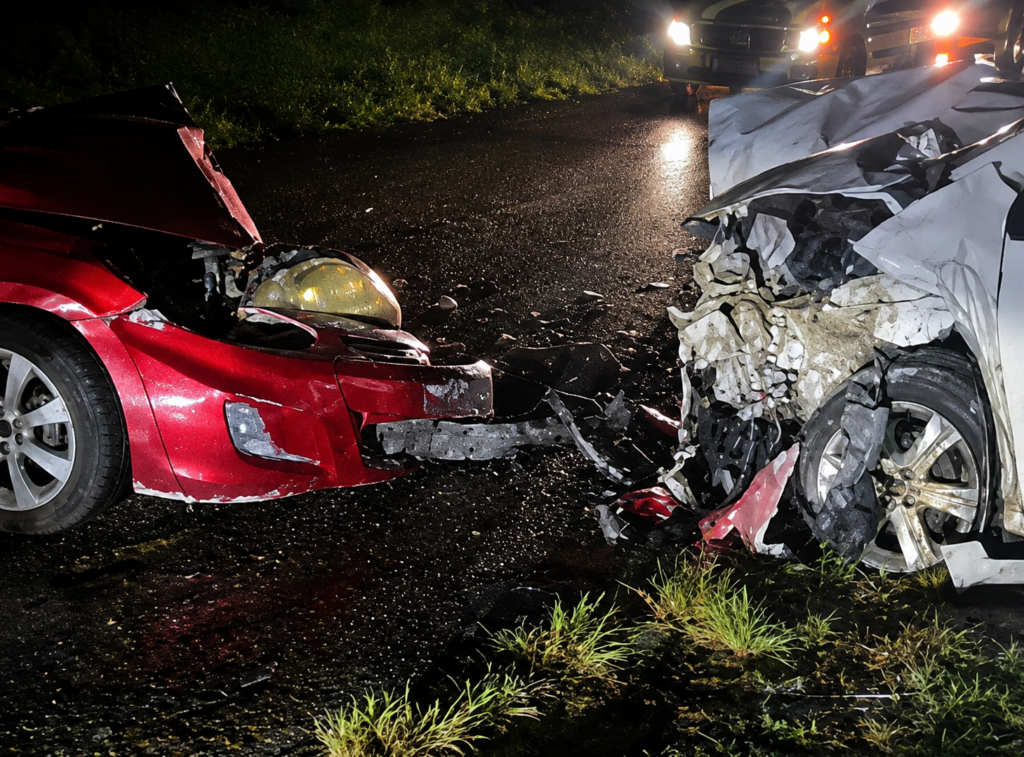
Occupants Seriously Injured in Head-On Collision on Jonas Road
A violent head-on traffic crash unfolded on Jonas Road during the late evening hours of Wednesday, leaving several individuals with severe, life-threatening injuries, local first responders confirmed. Emergency service teams were dispatched to the scene immediately after receiving reports of the collision, arriving quickly to extract trapped passengers from the wrecked vehicles involved. Once extracted, all injured occupants were rushed by ambulance to nearby medical facilities to receive urgent care for their traumatic injuries. As of Thursday morning, investigating authorities have not yet released additional details about the crash, including the exact number of people hurt, the identities of those involved, potential contributing factors such as inclement weather or impaired driving, or the current condition of the injured patients. Local law enforcement has indicated that a full investigation into the incident is ongoing, and updated information will be released to the public as soon as it becomes available.
-
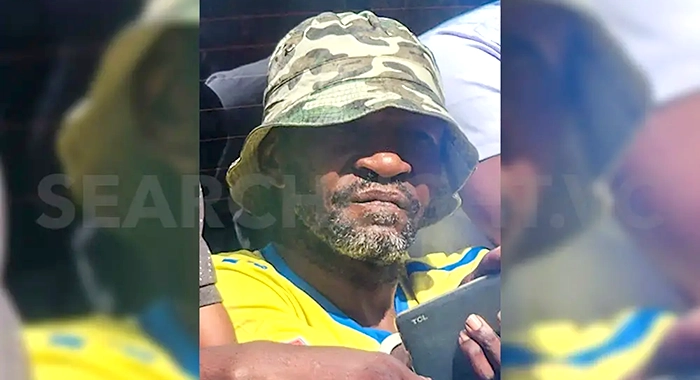
Man shot, killed in abandoned building near prison in Kingstown
A fatal shooting early Tuesday morning has left one man dead in Kingstown, St. Vincent and the Grenadines, marking the latest in a string of violent incidents that have pushed the country’s annual homicide toll to a new high. The incident unfolded around 1 a.m. at the derelict former Cinerama building located on White Chapel Road, just a short distance from His Majesty’s Prison.
Local law enforcement and news sources have identified the victim as 54-year-old Mark Shallow, who maintained ties to both Georgetown and Kingstown. Shallow was among a group of unhoused people, many struggling with substance abuse, that had been occupying the long-abandoned property.
Shallow was no stranger to the country’s justice system: court records show he accumulated more than 30 criminal convictions over the years, with most of his charges tied to cocaine trafficking and violent offenses. Most recently, in January 2025, Shallow was handed a prison sentence after authorities apprehended him in possession of 127 individual cocaine wrappings totaling 22 grams, found near Kingstown’s Central Police Station. That arrest marked just one in a long line of run-ins with the law: in October 2024, he received a two-year suspended prison sentence with a one-year probation period on a wounding charge. Two years prior, in August 2023, he was charged with two separate counts of unlawful wounding. Prosecutors claimed Shallow attacked a 41-year-old female vendor from Campden Park with a knife during an altercation on White Chapel Road, slicing her forehead and inflicting a wound above her right eye.
According to reliable sources close to the investigation, the attacker remains unidentified. The assailant gained entry to the abandoned building before opening fire, striking Shallow in the head while he slept on a makeshift bed positioned some distance from the building’s entrance. Shallow died at the scene from his injury, and the shooter fled the area in the direction of McKies Hill, leaving few immediate clues for responding officers.
Shallow’s killing comes on the heels of three separate shooting incidents across Kingstown that left two people wounded just over the previous weekend. Nationwide, the death pushes St. Vincent and the Grenadines 2025 homicide count to 32, and this slaying marks the fourth fatal gun-related killing in the capital in just 30 days. The most recent prior shooting deaths occurred on July 17, when three men — Claude John of Redemption Sharpes, 35-year-old Karon “Twin” Bowens, and 24-year-old Giovannie Grant, both residents of Ottley Hall — were gunned down in Kingstown’s Chinatown district. That commercial area, situated directly across from Central Police Station between the Solidarity Carpark and the city’s fish market, is a busy hub for local retailers and businesses.
Notably, Tuesday’s killing is the first homicide to occur under the new leadership of the Royal St. Vincent and the Grenadines Police Force. It comes just after Trevor “Buju” Bailey and Junior Simmons assumed their new roles as acting commissioner of police and acting deputy commissioner of police, respectively, placing new attention on the force’s ongoing efforts to curb rising violent crime across the islands.
-
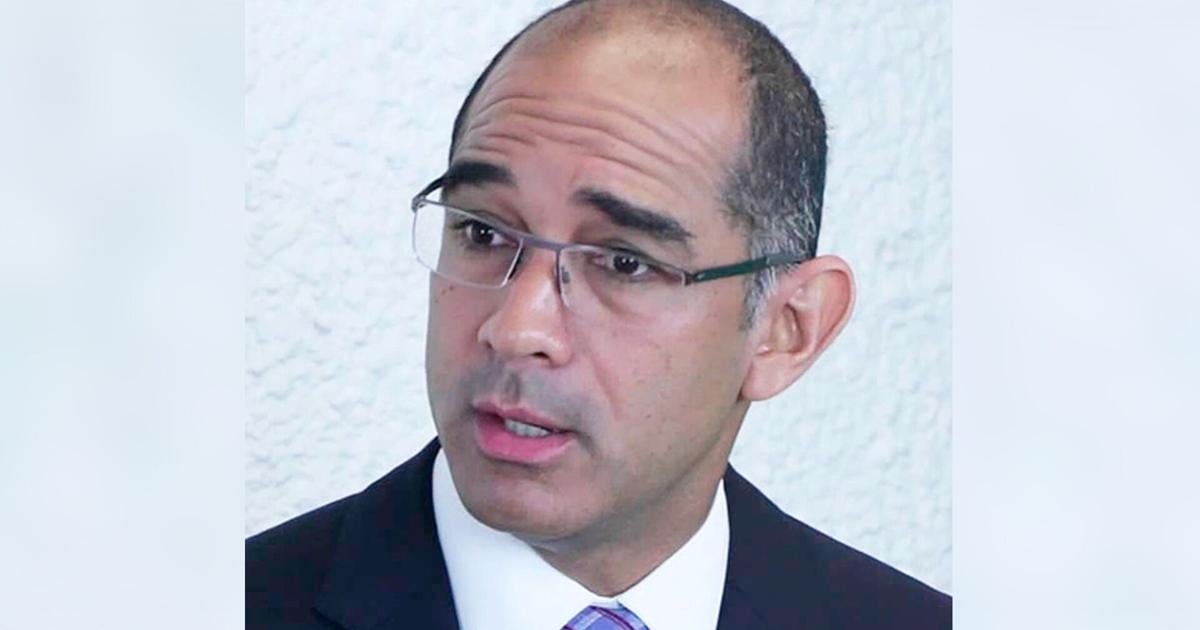
PCA refers 4 police misconduct cases
An independent police oversight agency has moved forward with formal disciplinary referrals for four separate allegations of police misconduct, most tied to allegations of gross neglect of duty during ongoing and high-stakes criminal investigations. The Police Complaints Authority (PCA), which oversees allegations of wrongdoing among law enforcement officers, announced the referrals alongside the public release of its quarterly disciplinary referral summary covering the first part of the April–June 2026 reporting period, published across the agency’s official social media channels.
PCA Director David West confirmed in an interview with local outlet Express that the bulk of the latest batch of referrals center on claims that officers failed to fulfill their core law enforcement duties. Following the authority’s investigative recommendations, West noted, senior police leadership typically follows through on review, and disciplinary action is delivered against officers in found in violation of department rules in a subset of cases.
To protect the privacy of parties involved while cases remain pending outside of court proceedings, all complainants and responding officers are referenced only by pseudonyms in the public summary.
The first case under referral stems from a 2024 reported assault where a complainant, identified only as Mr X, alleges he was attacked by an individual wielding a cutlass, sustaining three chop wounds to the head and significant damage to his personal vehicle. Mr X told investigators he visited the local police station more than 10 times to push for progress on his case, but no official action was ever taken. A log entry in the station’s official diary confirms two officers responded to the initial report, and a specific assigned officer (named only as Officer A) was appointed to lead the investigation. The PCA reached out multiple times to the local Senior Superintendent’s office to request updates on the case, but received no reply, even after escalating the inquiry directly to the Office of the Commissioner of Police. When the PCA sent formal correspondence to Officer A directly in October 2025, the officer also failed to respond. A search of the Trinidad and Tobago Police Service’s Versadex database returned no records related to the incident, prompting the authority to refer the matter for disciplinary review.
The second referral involves mishandling of another assault with wounding reported at the Chaguanas Police Station in March 2024. Complainant Ms A told investigators she was chased by an individual identified as Mr B, who threw a bucket of water at her before striking her in the face with the bucket. Ms A followed officer instructions to obtain a medical evaluation, which confirmed she had suffered a soft tissue injury from the attack. Corporal C told the PCA he had assigned Constable D to conduct the investigation and submit a formal progress report. But when questioned by the oversight body, Constable D denied ever receiving the assignment. The PCA found no documentary evidence to back up Corporal C’s claim of an assignment – no records of when the task was assigned, what specific instructions were delivered, or any confirmation the task was accepted. This lack of progress and documentation led the authority to conclude neglect of duty may have occurred, resulting in a disciplinary referral.
The third and most serious of the four cases involves the stalled investigation of a sexual offense against a 14-year-old minor. The girl’s mother first reported the abuse in March 2020, after finding incriminating messages on her daughter’s tablet. Weeks later, she discovered her daughter was pregnant, and the minor identified a man named Mr Z as the father, alleging he had given the teen money and threatened her to stay silent about the abuse. Statements were collected from the victim, her mother, and other witnesses, and Sergeant A was assigned as the lead investigator on the case. A progress report filed by Sergeant A in September 2024 claimed the investigation was still active. But repeated follow-ups by the PCA found no evidence of any meaningful investigative work having been completed over the multi-year period of the probe. When Sergeant A was questioned under formal caution in November 2025 and ordered to turn over his complete investigative file, he failed to produce the document. The authority said the lack of a complete case file and years of apparent inaction in a child sexual abuse case raised severe red flags about the handling of the investigation, leading to a neglect of duty referral for Sergeant A.
The final referral involves an incident of unlawful trespass and search, where officers executed a search warrant at the wrong address. The complainant reported that in March 2024, officers arrived at her home shortly after midnight, claiming they were searching for an individual named “Stevie” and demanded entry. The officers said they held a valid search warrant before forcing their way onto her property. The PCA’s investigation confirmed the warrant officers held only authorized a search of address No. 5925 for firearms and ammunition – the complainant lived at the adjacent address, No. 5924, which was never named or described in the warrant, and there was no evidence connecting the complainant or her home to the investigation that prompted the search.
-

Belize City Shooting Claims Life of Tyrel Robinson
On August 17, 2026, a deadly shooting incident unfolded in close proximity to the Belize City Bus Terminal, marking a violent outbreak that has shaken the local community. Local law enforcement agencies have launched a full investigation into the attack, which ended the life of Belize City resident Tyrel Robinson, the only identified victim of the incident.
As first responders and criminal investigators work to reconstruct the sequence of events that led to the shooting, very few concrete details have been released to the public at this early stage of the probe. Authorities have not yet confirmed any potential motives for the killing, nor have they announced any persons of interest connected to the shooting.
This breaking development was first reported in an evening live television broadcast, with this article published as an official transcript of that on-air report. The outlet notes that any statements delivered in Kriol during the original broadcast have been transcribed using a standardized spelling system to preserve accuracy for online readers.
Local news consumers can access the full unedited video of the evening newscast via a link provided on the publication’s website, and the organization has stated that it will share updated information on the investigation, alongside community reaction to the killing, in its scheduled newscast tomorrow.
-
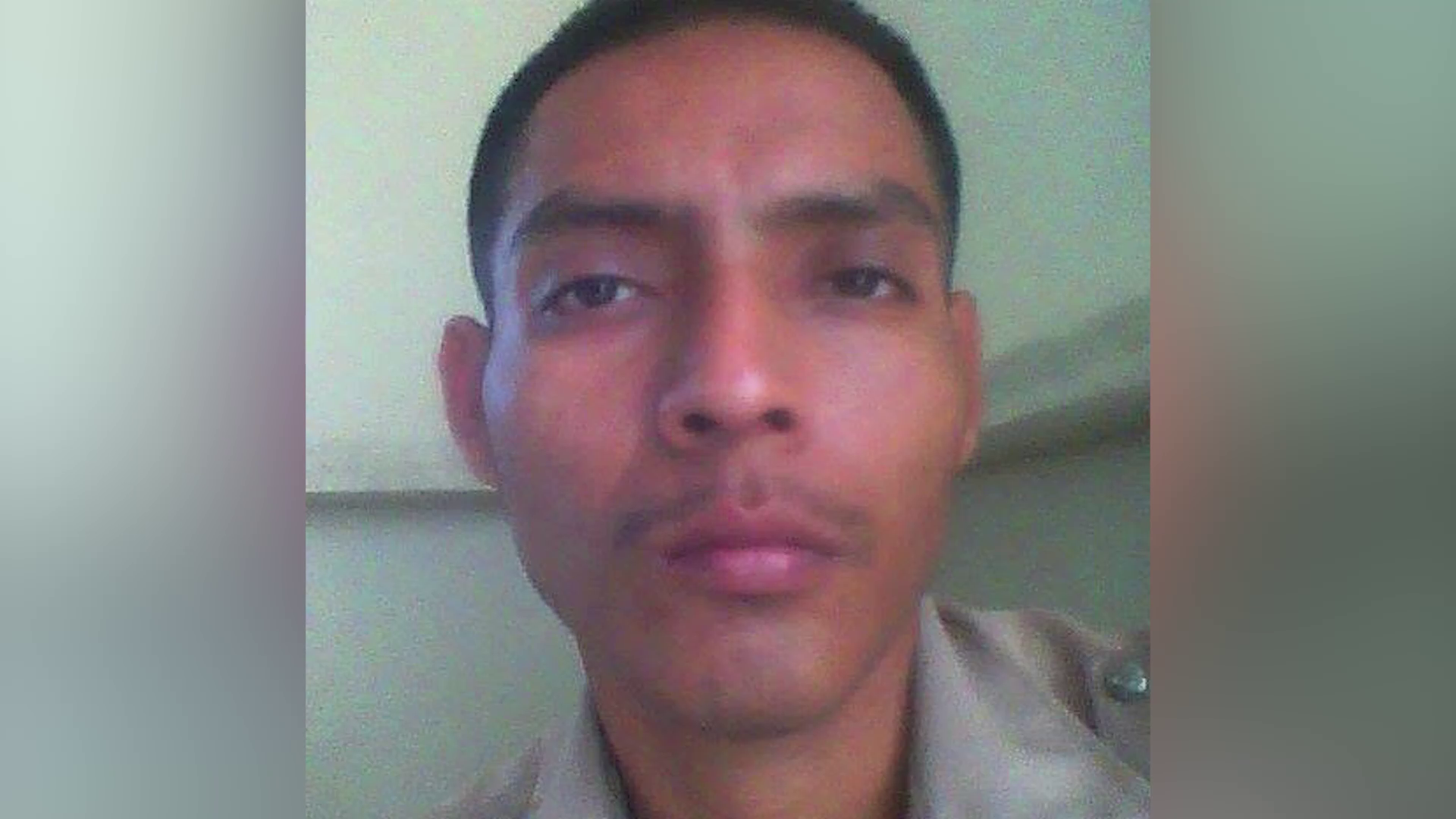
BPD Mourns Loss of Constable Armando Toledano
The Belize Police Department is grieving the unexpected death of one of its most dedicated long-serving members, 24-year veteran Constable Armando Toledano, who lost his life in a tragic traffic collision while commuting to work on Saturday, August 15, 2026.
Toledano was riding his Lifan motorcycle from his home district of Orange Walk toward his assigned post at the Raccoon Street Police Station in Belize City when the crash occurred just after 2:30 p.m. near the 27-mile marker on the Philip Goldson Highway. The collision took place between Toledano’s motorcycle and a Ford Explorer traveling in the opposing direction, leaving the seasoned officer with fatal injuries he would not recover from.
In the immediate aftermath of the incident, first responders closed the highway stretch near Biscayne Village for nearly two hours to clear the scene and allow crash investigators to document evidence, causing widespread travel delays for motorists in the area.
Assistant Superintendent of Police Stacy Smith, Staff Officer for the department, released an official statement on behalf of the Belize Police Department and the Ministry of Home Affairs and Enterprise extending deep condolences to Toledano’s family, friends, and colleagues. “PC Toledano was a serving member of the Belize Police Department for twenty-four years up to the time of his passing and he was posted at the Eastern Division, where he inspired his colleagues and gained the confidence of the public that he served,” Smith said.
As the investigation into the exact cause of the collision progresses, law enforcement officials have served the driver of the Ford Explorer with a formal notice of intended prosecution. Smith confirmed that the driver has remained in full cooperation with investigators, and has already provided a urine sample for toxicology testing as part of standard procedure in serious fatal crash probes.
In response to questions about the department’s staffing policy regarding posting officers close to their home districts, Smith explained that the agency works to balance competing priorities to accommodate officer commutes. “The department certainly strives to have officers posted as nearest to their homes. However, you would know that a vast majority of the staffing of the police department requires to, you know, be work placed in Belize City Eastern Division. And there is also a policy of not wanting to have people be in communities that they are too familiar with,” Smith explained, adding that the department continues to adjust placement and arrange alternative transportation support where possible to ease commuting burdens for officers.
News of Toledano’s passing has sparked an outpouring of tributes and condolences from community members and fellow first responders across Belize’s social media platforms, as the department and local public mourn the loss of a respected officer who spent nearly half his life in public service.
-

Man Detained After Fatal Billy White Village Crash
Authorities in Cayo District have taken a 26-year-old man into custody following a deadly three-vehicle crash that left one cyclist dead and another motorist injured early Sunday morning, local law enforcement confirmed this week. The fatal incident, which unfolded on a curved stretch of road near Billy White Village shortly after 2 a.m. on August 16, 2026, claimed the life of 37-year-old Marcello Moh, a resident of nearby Santa Familia Village. A second victim, 26-year-old Aidan Humes—also from Santa Familia Village—survived the crash with non-fatal injuries, police confirmed.
According to official statements from Assistant Superintendent Stacy Smith, Staff Officer for the investigating unit, responding law enforcement was alerted to the collision within minutes of it occurring, launching an immediate probe into the circumstances of the crash. Initial findings from the investigation outline a clear sequence of events: the detained suspect was operating a Ford F-150 pickup truck traveling from Billy White Village toward Santa Familia Village when the vehicle reached a curve in the road. At that point, the pickup collided with both Humes’ motorcycle and Moh’s bicycle, which were traveling in the area at the time of the incident.
Both road users were rushed to receive emergency medical care immediately following the crash. Moh, who sustained severe life-threatening injuries in the impact, did not recover and passed away while undergoing treatment. Humes, meanwhile, was treated for his injuries and remains in care as of the latest update from law enforcement.
As of Tuesday, August 17, authorities have not released additional details about potential charges, the condition of Humes, or contributing factors such as speed, weather, road conditions or impairment. Smith confirmed that the full circumstances surrounding the collision remain an active and ongoing investigation, with police working to piece together all details of the fatal incident. This report is based on a transcribed broadcast from local news outlets, updated to reflect the latest official information released by law enforcement.