分类: society

  • Moederdag in het water: De prijs van jarenlang verval en politieke laksheid

    Moederdag in het water: De prijs van jarenlang verval en politieke laksheid

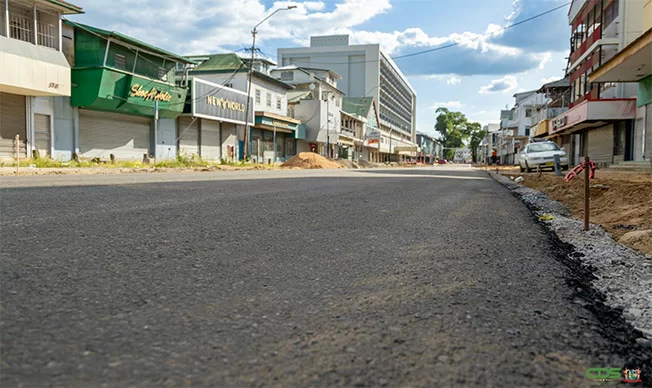
    On May 10, widespread flooding paralyzed large swathes of Suriname, as weeks of continuous monsoon rainfall turned urban streets into rushing rivers, submerged residential yards, and destroyed entire agricultural harvests. What makes this disaster particularly devastating for local communities is that it was entirely avoidable: the annual rainy season arrives on schedule every year, yet systemic neglect of critical water management infrastructure has turned a routine seasonal event into a humanitarian and economic crisis.

    Residential neighborhoods across the country are grappling with waist-deep floodwaters that have seeped into homes, trapping many residents indoors and forcing them to salvage belongings amid rising tides. In the northern district of Suriname, resident Esselien described the crisis as the worst she has ever experienced, as floodwaters poured through the doors of her property. Another local, Kiran, had prepared special Mother’s Day treats to deliver to her mother, but was forced to abandon the plan after her street became a stagnant, lake-like floodplain.

    The damage extends far beyond residential disruption, hitting small business owners and agricultural producers the hardest. Farmers across rural Suriname have watched months of cultivation work disappear underwater, with entire vegetable crops rotting in the fields before they could be harvested. Many farmers point to longstanding failures in regional water management: one grower lamented that sluice gates are often not opened during low tide to allow floodwater to drain out to sea. Others note that regional drainage ditches have been left unmaintained for decades, becoming choked with overgrown weeds, illegal waste dumping, and debris that blocks water flow entirely. Even as floodwaters rise, these long-unaddressed infrastructure gaps prevent any effective drainage of inundated land.

    Small businesses that rely on the annual Mother’s Day shopping rush have also been ruined by the disaster. Vendors across the country had already set up temporary street stalls to sell flowers, baked goods, holiday treats, and gifts for the occasion, investing thousands of dollars in inventory ahead of the busy sales weekend. But with streets submerged and residents focused on protecting their homes from flooding, no customers have arrived. Perishable goods including fresh flowers and baked goods are already spoiling, leaving vendors facing crippling losses with no path to compensation.

    Local residents and analysts alike blame the crisis on decades of administrative indifference and broken political promises. Every election cycle, candidates vow to renovate outdated drainage infrastructure and clear clogged waterways, but once votes are counted, the sense of urgency evaporates. This year, the disaster comes just days after Suriname marked 160 years of representative democracy, a bitter irony for flood victims who note that parliamentarians, most of whom live on high, flood-free ground, have shown little empathy for their struggle.

    Beyond government inaction, the crisis is also exacerbated by growing public carelessness toward the living environment: illegal dumping of plastic, household waste, and large debris across the country has slowly turned drainage ditches into informal landfills, leaving nowhere for excess rainwater to go. Suriname has fallen into a dangerous pattern of only responding to flooding after neighborhoods are already submerged, relying on last-minute emergency fixes instead of proactive, long-term infrastructure maintenance.

    But floodwaters do not wait for committee meetings, official memos, or public tender processes. When critical maintenance is delayed for decades, the public always ends up paying the price. Today, that cost is being borne by farmers who have lost their livelihoods, small business owners who have lost their holiday income, and working families who have lost their homes and belongings to floodwaters. As rain continues to fall, a shared anger has grown across affected communities: this is not a natural disaster. It is the entirely predictable result of years of institutional neglect, and no one has stepped forward to compensate victims for their losses.

  • COMMENTARY: Hearing her voice every day

    COMMENTARY: Hearing her voice every day

    Even on ordinary days, there are few sounds as grounding as the familiar lilt of my mother’s voice. Today, that voice rarely stretches into long conversations; most often, it ends with her soft, familiar refrain: “God bless you, Amen.” That quiet line is enough, though, to pull me straight into reflection as Mother’s Day approaches, calling my mother’s life, her quiet strength, and the subtle shifts time and geographic distance have carved into my family into sharp focus.

    For as long as I can remember, the simple knowledge that she existed, just a call away, was a quiet comfort. She never claimed to fully understand every part of my life, but that was never the point—her steady presence was enough. As I grew into adulthood, I learned to give that same presence back to her: joining her on the trips she loved, and savoring the good meals that have always brought her joy.

    My mother’s later years have been marked by unthinkable hardship. Five years ago, we lost my brother at just 50 years old, and a deep, enduring grief has settled around her ever since. Still, she refused to stop moving forward. Grief, however, does not stay confined to the heart—it seeps into the body, slow and unrelenting, changing her in ways I could not see from afar.

    It had been years before I could travel home to see her, and when I finally did, two years ago, the visit overlapped with both Mother’s Day and her 80th birthday. Standing across from her, I saw the weight of years in the lines on her face, the slower cadence of her steps, and the quiet, unshakable resilience that has always defined her.

    In the years since that visit, her declining health has demanded more and more daily care. Like thousands of other families separated by international borders, distance complicates every part of our journey—it strains us emotionally, and creates practical barriers that feel impossible to overcome. The hardest part of this separation is not the miles between us. It is the constant, heavy knowledge that I cannot always give her the level of gentle, consistent care she deserves in her final chapter.

    This struggle is not unique to our family. It is a shared reality for millions of cross-border households: when formal care support is limited, and access to reliable care depends on proximity and local networks, the weight of responsibility falls disproportionately on families already stretched thin across continents.

    Over time, I have also had to accept that our daily routine of calls at the same time each day is gone. Our conversations are fewer and further between now, but they have also grown deeper, more intentional. Every exchange carries more weight, more gratitude, more focused presence than the casual check-ins we shared for decades.

    Even with all the ache of distance and grief, gratitude is what I feel most. I am grateful she has a dedicated caregiver to stand by her each day. I am grateful I can still pick up the phone and hear her voice. I am grateful that even when connection changes, it never fully breaks.

    My sister and I both built our lives outside our home country. We did not leave for political asylum or economic opportunity—we left to build our own families, to follow love. My brother stayed behind to be close to our mother until his passing, and our father died years before he did.

    When I look at my mother, I see a woman who lived every bit of her life fully. She was always active, endlessly social, engaged with her community, and brimming with energy for even the smallest daily moments. Now, like so many other elderly people, her world has grown quieter. The phone rings far less often than it once did.

    But this is not just my mother’s story. It is the story of millions of aging parents, millions of scattered families, millions of adult children building lives thousands of miles from the home they grew up in. And if we are honest, it will likely be our story one day, too, when our own children grow and build their lives across borders.

    That is what makes Mother’s Day so much more than a commercial celebration of mothers. It is a reminder: to show up for the people we love, to cherish the connections we still have, to appreciate the simple gift of hearing a loved one’s voice on the other end of a line.

    It is a reminder to live fully, to feel deeply. To value the people who are still with us, today. To extend forgiveness, and to accept it when we need it. To give love without keeping score of what we get in return. Because at the end of the day, that is all love ever really is.

  • Cynthia Thomas: Historic ‘Stampgirl’ from Dominica and beloved matriarch in her 90th year

    Cynthia Thomas: Historic ‘Stampgirl’ from Dominica and beloved matriarch in her 90th year

    Nearly seven decades after an unplanned childhood moment secured her a permanent place in Dominica’s national identity, Cynthia Thomas, the face of one of the Caribbean nation’s most iconic postage stamps, has celebrated her 90th birthday, surrounded by loved ones and decades of warm memories.

    Born in Dominica on March 7, 1936, Thomas spent her formative years at the Nuns’ Industrial School on the island, a setting that would unexpectedly shape her lasting legacy. It was the 1950s, when the Dominican government was developing a new series of postage stamps intended to showcase everyday island life to the world. Officials commissioned a professional photographer to capture authentic scenes of local daily activity, and during a school visit, the photographer snapped a series of shots that included a young Thomas weaving traditional mats.

    Of all the frames captured that day, the image of teenage Thomas at work stood out. It was selected for the final stamp issue, appearing on both the 3-cent and 48-cent denominations released in 1957. That small print turned a local schoolgirl into a globally recognized symbol of Dominican culture, seen by letter senders and collectors across every continent.

    After completing her schooling, Thomas left Dominica to live and work first in St Kitts and Antigua, before relocating to London, United Kingdom, in 1961. In London, she built a decades-long professional life, holding roles at a Harrods bank and later at car manufacturer Vauxhall Motors, while raising her only son, Stephen. She would go on to become a proud grandmother to two grandchildren, Damani and Jamilah.

    Out of respect for Thomas’ age and limited mobility, her 90th birthday celebration earlier this year was kept small and intimate, held at her London home. Close family members traveled to gather with her, bringing fresh flowers, her favorite Caribbean takeaway meal, a custom birthday cake, and a playlist of the classic music she loves to sing along to.

    Music has remained one of Thomas’ core lifelong passions, and in a testament to her enduring creativity, she even released a full album of her work just a few years ago. For Thomas, the stamp that made her a part of Dominican history remains a source of constant joy and pride. Relatives say she still reflects fondly on the 1950s photo shoot, often describing the experience as unexpected and deeply meaningful. She also regularly shares warm reflections of her time at the Nuns’ Industrial School with younger family members, advising them that school days are among life’s most precious gifts, even when they are not fully appreciated in the moment.

    Decades after that photo was taken, and thousands of miles from the island where she was born, mention of the iconic stamp still lights Thomas up. The small, accidental moment of her teenage years has grown into an enduring piece of Dominica’s cultural heritage, bridging geographic distance and multiple generations to remain a beloved part of the nation’s visual identity.

  • Faith and heartbreak on Mother’s Day

    Faith and heartbreak on Mother’s Day

    For Sharon Vasquez-Rochard, this Mother’s Day brings no quiet celebration—only a heavy heart, as she waits by the hospital bed of her 28-year-old son Christon Battersby, a Caribbean Airlines first officer who has remained on life support for nearly 14 months after a catastrophic diving accident. What began as a casual day out with friends in March 2025 turned into an ongoing battle for survival that has tested her family’s resilience, faith, and financial stability, prompting an urgent public appeal for support to access life-changing specialized care abroad.

    The fateful accident unfolded on March 15, 2025, at Tobago’s popular Pigeon Point Heritage Park. Battersby, a resident of Maracas Valley, St. Joseph, was socializing with friends near the jetty when he dove into shallow water and struck his head against an unseen submerged object. He was pulled unconscious from the water immediately by on-duty lifeguards, who began cardiopulmonary resuscitation (CPR) right away. Two visiting tourists—Sarah Persson from Sweden and Anna Hospedales from Canada—stepped in to assist with ongoing resuscitation efforts, a moment captured in a widely circulated video that spread across local social media. By the time emergency responders arrived, Battersby had already suffered a broken neck, cardiac arrest, and near-drowning; his heart had stopped beating, he had no pulse, and he was not breathing. Yet the quick action of bystanders saved him long enough to reach care, and he was first transported to Scarborough General Hospital before being transferred to the Intensive Care Unit (ICU) at Port of Spain General Hospital, where he has remained ever since, dependent on a mechanical ventilator to breathe.

    In the 14 months that have followed the accident, Vasquez-Rochard says the entire experience has been an unrelenting ordeal that has strained her family in every possible way. “Watching my son fight for his life after such a devastating diving accident in Tobago has been the most painful experience we have ever faced,” she shared in an interview with the *Sunday Express* ahead of this year’s Mother’s Day. Despite the overwhelming severity of his injuries and the emotional drain of more than a year in the ICU, Battersby has never stopped fighting. Vasquez-Rochard says he has already shown small but meaningful signs of progress that keep the family’s hope alive. He can eat normally, shrug his shoulders, and make small voluntary movements of his neck. He remains fully mentally alert, with unimpaired brain function, and is deeply engaged in his own recovery process. “He is fully mentally alert and aware, and very knowledgeable about what is happening to him. He is like a doctor right now,” his mother said.

    Still, his condition remains extremely complex. Prolonged immobility has led to persistent nerve pain, frequent muscle spasms, and progressive muscle atrophy. The advanced, integrated neurological and physical rehabilitation he needs to make meaningful recovery is not available in any single local medical facility. Two specialized international centers—one in Panama and one in Colombia—have evaluated Battersby’s case and confirmed they can provide the comprehensive care he requires, including intensive physical therapy, respiratory rehabilitation, neurological therapy, and mobility training tailored specifically for high cervical spinal cord injuries. When factoring in treatment costs, travel, accommodation, medical equipment, and ongoing rehabilitation, the total price tag comes to more than US$400,000 (equivalent to roughly TT $2.72 million), a sum far beyond what Battersby’s family can cover on their own. Insurance coverage has not materialized as the family expected, forcing them to turn to public fundraising. Vasquez-Rochard launched a GoFundMe campaign, alongside a dedicated bank account for direct donations, to raise the required funds in time to begin treatment as soon as possible. “I believe timely, specialised care at an international institution can maximise his chances of recovery, independence and quality of life,” she said.

    For the family, every small improvement is a milestone worth celebrating. Battersby has already been able to speak briefly through a tracheostomy valve, shown improvements in sensory function, and demonstrated consistent small neurological responses to stimulation. “These are small steps, but they give us hope,” Vasquez-Rochard said. “Every small improvement is a victory for us and a reminder that progress is still possible. With God’s grace and mercy, anything is possible through faith.”

    This Mother’s Day marks 14 months since the accident, and Vasquez-Rochard acknowledged the emotional weight of the moment, noting that the crisis has impacted her family emotionally, physically, spiritually, and financially. Still, she says faith has been the family’s anchor through the most uncertain moments. “There were many moments of fear and uncertainty, especially in the early months. But we have had to remain strong for Christon and continue encouraging him every single day,” she said. “We say to each other daily, ‘I love you,’ and we trust God completely.”

    The family has extended heartfelt gratitude to the many groups and individuals who have supported them since the accident. They thanked the medical staff at Port of Spain General Hospital for their consistent care, Christon’s colleagues at Caribbean Airlines, the Trinidad and Tobago Airline Pilots Association (TTALPA), their local church community, and prayer groups across Trinidad and Tobago. They also reaffirmed their thanks to the tourists and bystanders who saved Battersby’s life on the day of the accident, whom Vasquez-Rochard has long called “angels.” “Angel Sarah, angel Anna, and the other angels who came and rescued, revived, and gave back life to my son—I want to say thank you from the bottom of my heart,” she said.

    Just before the accident, Battersby had gained social media attention for sharing a video documenting his journey to become a commercial pilot at a young age, a dream he still holds onto today. Now, his family is asking the public to stand with them to give him a second chance to achieve that dream. Members of the public can contribute to Battersby’s recovery fund via the family’s GoFundMe campaign or through direct deposits to Republic Bank savings account 3500 2188 9031.

  • ‘Crime is bigger  than race and colour’

    ‘Crime is bigger than race and colour’

    A public debate over race, crime and systemic inequality has erupted in Trinidad and Tobago after Homeland Security Minister Roger Alexander made targeted comments calling on young Black men to reject a life of criminality. The remarks came in the immediate aftermath of a fatal police shooting of four Black men suspected of carrying out a string of home invasions, putting the long-simmering conversation over how to address crime and racial stereotyping back into the national spotlight.

    In his public address, Alexander urged young Black men to abandon criminal activity, framing collective action within the community as a path to national and familial pride. “To the young black men, life does not revolve around crime and criminality. We must not be seen as a threat to humanity. We can do better than that,” Alexander said, adding that young people should choose to build stable foundations rather than become part of troubling crime statistics.

    But community and academic leaders across the country have pushed back on the minister’s framing, arguing that the conversation about crime must extend far beyond racial targeting to address the underlying systemic and social conditions that drive violent offending.

    Reverend Kwame Clarke was among the first to respond, acknowledging that Alexander had every right to speak publicly on rising crime but emphasizing that the problem is far more complex than surface-level discussions about race allow. “I think that as a minister, it is within his purview to comment on the impact of crime on both the community and in the lives of those involved in criminal activity,” Clarke noted. However, he argued that concentrated economic disadvantage and failing social systems are the true catalysts for criminal behavior, noting that “the issue is more tied to economics and socialisation. It is a fact that communities which are considered oppressed by dysfunctional family structures, little to no income in the home, or insufficient social support infrastructure are the farm houses for gang culture and criminalisation.”

    Clarke added that solving the national crime crisis requires a collective “whole village approach” that brings together all segments of society to contribute resources and solutions to the multifaceted problem, rather than focusing on a single demographic.

    David Muhammed, founder and director of the Black Agenda Project, shared that while he understands the minister’s concern over rising violent crime, he worries that narrowly targeting Black youth reinforces harmful, unfounded stereotypes that paint an entire community as inherently dangerous. He compared the framing to unfair generalizations made against other ethnic groups, such as stereotypical assumptions linking Syrians to drug trafficking or Indo-Trinidadian men to domestic abuse.

    Muhammed also pointed out that the outsized focus on street crime committed by poor Black people often overshadows the far greater economic damage caused by white-collar crime, which is predominantly committed by non-Black Trinidadian citizens. “The impact of white-collar crime by non-Africans still has much more of a consequential effect on our economy than all the crimes committed by poor black people all put together,” he said. He further criticized the repeated politicization of Black youth, noting that politicians from all parties regularly deploy these comments to score cheap political points, with little sincerity behind the calls for change.

    Criminologist Kerron King added his expertise to the debate, arguing that crime statistics should be used to investigate root causes, not to stigmatize an entire group of people. He noted that while Black men are overrepresented as both perpetrators and victims of violent crime in national statistics, the vast majority of young Black men in Trinidad and Tobago never engage in criminal activity. “The vast majority of young black men in our nation are not involved in crime, and whilst it’s true that they are over-represented in violent crime statistics as both perpetrators and victims of violent crime, we must use this statistic to ask why,” King said.

    King outlined multiple well-documented social risk factors that push youth toward crime: poor academic performance, low civic engagement, association with criminally involved peers or family members, and a lack of consistent adult supervision during adolescence. To address these gaps, he called for a sweeping overhaul of the national education system, from primary to secondary school, with a core policy goal of ensuring every child completes secondary education. “We must adopt a policy that no child, boy or girl, must be left behind. Every child will graduate, every child will cross the stage. This should be our mantra. It’s such a low-hanging fruit with such great returns. We’re not too far gone—we just need to be smart on crime and not tough on crime,” King said.

    Rhondall Feeles, president of the Single Fathers Association of Trinidad and Tobago, echoed the critique of the minister’s broad comments, noting that the speech overgeneralized a problem that is specific to gang-related crime, not all Black communities. Feeles pointed out that every ethnic group in Trinidad and Tobago is stereotypically linked to specific types of crime: gang-related murder is most often associated with Afro-Trinidadian communities, while domestic murder is more prevalent in Indo-Trinidadian communities, and drug and arms trafficking stereotypes are frequently attached to Syrian and Hispanic communities.

    Crucially, Feeles emphasized that no ethnicity is inherently predisposed to crime, arguing that environmental factors are the primary shaper of criminal behavior. “Someone is not born criminal. If you are in a location where gang affiliation is prominent and strong, and you don’t have the right mentorship and the right person to harness that young mind in a positive way, then you will end up with someone with gang affiliation,” Feeles said. He extended this logic to all types of crime, noting that exposure to domestic abuse cultivates domestic abusers, and growing up around corrupt unethical parents often produces people who engage in white-collar crime.

    Feeles also raised a critical underdiscussed point: the street-level gang members that are the focus of public attention are rarely the ones behind the large-scale importation of illegal weapons and narcotics that fuel gang violence. He argued that focusing solely on Black street gang members ignores the larger transnational criminal networks that supply the weapons driving the violence, many of which are led by people of other ethnicities.

    To truly eradicate crime, Feeles said, the country must focus on preventing the development of criminal minds by transforming vulnerable communities through a collaborative two-pronged approach that pairs state institutions with local non-governmental organizations. This strategy would center on empowering marginalized communities with critical skills: financial literacy, small business development, digital literacy, emotional and psychosocial support, and trade training, giving residents viable alternatives to criminal activity and reducing the systemic conditions that drive offending.

  • Matter involving Neilon Franklyn to proceed to Coroner’s Inquest

    Matter involving Neilon Franklyn to proceed to Coroner’s Inquest

    The Royal Grenada Police Force (RGPF) has officially announced the completion of its investigation into the passing of former Grenadian Senator Neilon Franklyn, updating the public on the next steps in the legal process.

    After holding comprehensive consultations with the Office of the Director of Public Prosecutions, law enforcement officials confirmed that the case will move forward to a formal Coroner’s Inquest to further examine the circumstances surrounding Franklyn’s death. This procedural step follows standard legal protocol in Grenada for suspicious or unattended deaths, allowing for a public, thorough review of evidence collected during the police investigation.

    In a public statement released from the Office of the Commissioner of Police, the RGPF extended its gratitude to members of the Grenadian public for their patience, tips, and ongoing cooperation throughout the duration of the investigative work. Law enforcement noted that public support was instrumental in moving the case through its initial stages.

    This announcement marks a key transition in the handling of the high-profile case, which has drawn public attention since Franklyn’s death. The upcoming inquest will give the coroner and any participating jury the opportunity to review all gathered evidence and make a formal determination regarding the cause and circumstances of the former senator’s death.

  • Eerste officieel erkende verpleegassistenten stromen door naar zorgsector

    Eerste officieel erkende verpleegassistenten stromen door naar zorgsector

    Suriname’s labor development foundation Stichting Arbeidsmobilisatie en Ontwikkeling (SAO) marked a historic milestone for the country’s healthcare sector on Friday, when it graduated the first officially state-recognized cohort of nursing assistants, opening up new career advancement pathways for entry-level care workers that were previously out of reach.

    The achievement comes after the Surinamese Ministry of Public Health, Welfare and Labor granted formal accreditation to SAO’s nursing assistant training program. In addition to 14 nursing assistants, 16 graduates in household management received their official diplomas and certificates during the graduation ceremony. SAO’s full nursing assistant curriculum integrates modules in both household management and core clinical nursing assistance skills.

    For years before the accreditation, SAO issued only internal institutional certificates to program completers, even though many graduates had already secured roles in hospitals and other care facilities across the country. The lack of formal government recognition created a major barrier to professional growth: these workers were ineligible to apply for advanced healthcare training programs, including courses offered at the respected Elsje Finck Sanichar College COVAB. That barrier is now eliminated with the new accredited status, granting graduates nationally recognized credentials that strengthen their position in the labor market and clear the way for specialized further training in the healthcare field.

    Speaking at the ceremony, Minister of Public Health André Misiekaba and Deputy Minister Raj Jadnanansing emphasized that the accreditation is a transformative moment for both graduates and Suriname’s entire healthcare system. Officials noted that this development is a key step to reverse the persistent “brain drain” of healthcare workers from Suriname, by giving locally trained nursing assistants viable, rewarding career paths to build their careers at home instead of seeking opportunities abroad.

    Graduates will also receive dedicated support to secure placements in healthcare facilities across the country. The push to expand the pool of trained nursing assistants comes as Suriname continues to grapple with severe, ongoing healthcare staffing shortages. To maintain consistent care delivery, the ministry has already begun rolling out plans to bring in more nursing assistants and retired nursing professionals to fill gaps in care teams.

    The milestone aligns with the ministry’s 2025–2030 strategic framework, which includes wide-ranging plans to improve working conditions and roll out a revised pay scale for all healthcare workers. Moving forward, the ministry, COVAB and SAO will hold ongoing collaborative talks to further streamline the transfer process for nursing assistants pursuing advanced training.

    SAO leadership, including director Joyce Lapar, board chair Naomi Esajas-Friperson and Jolanda Verwey, reflected on the years of advocacy and program development that led to this formal recognition. They noted that accreditation does more than just guarantee consistent training quality: it delivers a much-needed boost to Suriname’s healthcare system at a time when the sector continues to face widespread staffing shortages and the ongoing outflow of skilled professionals to foreign markets.

  • Juvenile charged with Non-Capital Murder

    Juvenile charged with Non-Capital Murder

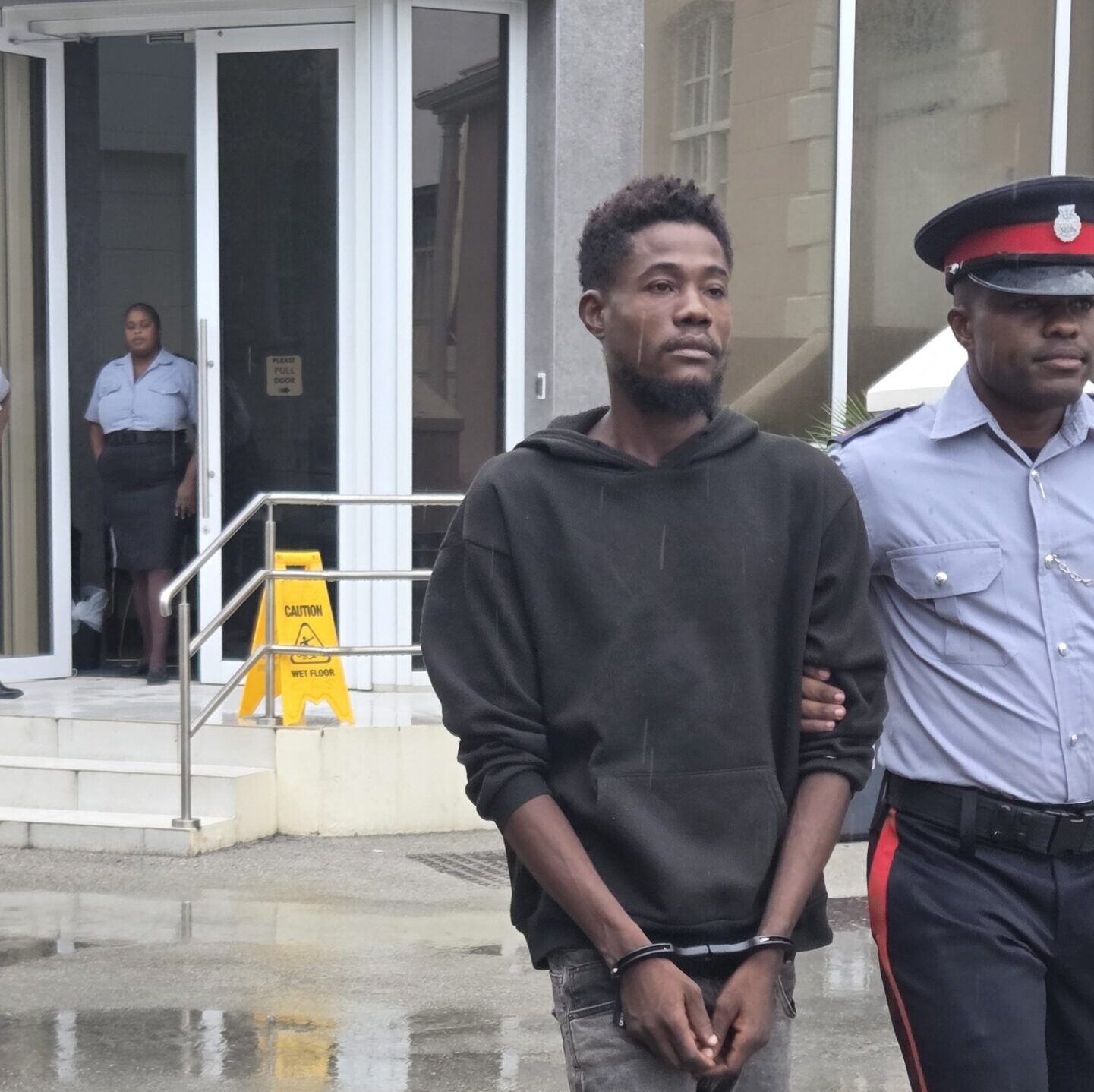
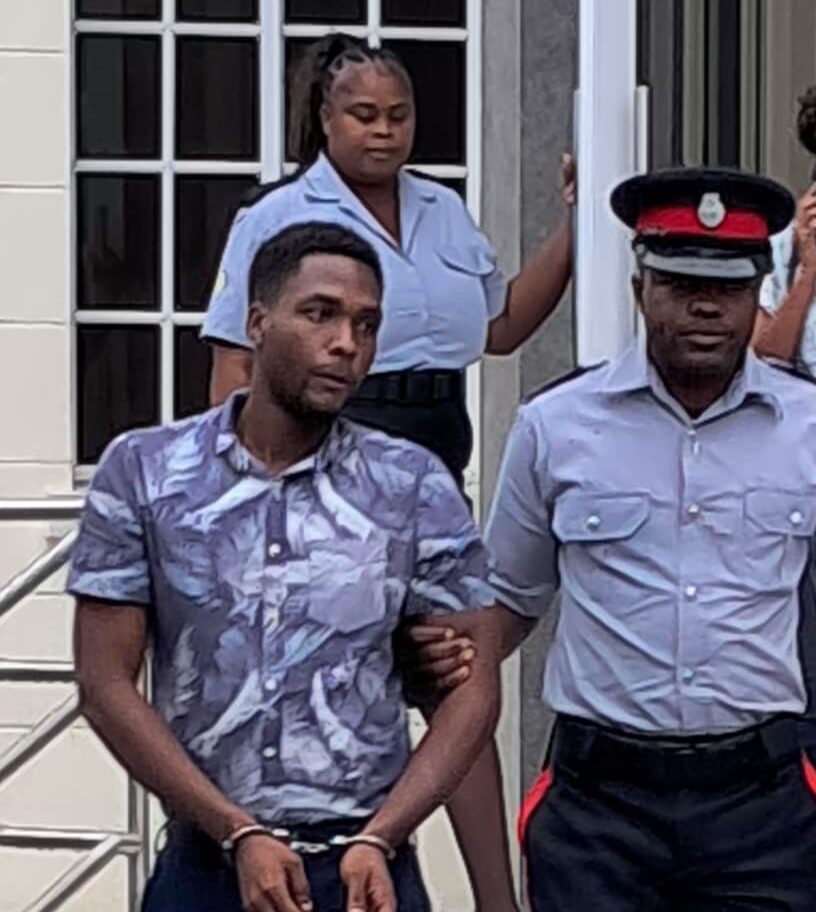
    Authorities in Grenada have formally charged a 16-year-old male resident of Sabb, St Andrew with non-capital murder in connection with the violent death of 66-year-old Melvar Wharwood. Prosecutors confirm the charge stems from evidence that the teen caused Wharwood’s death through unlawful harm, according to official statements released by the Office of the Commissioner of Police of the Royal Grenada Police Force. The criminal proceeding was launched after police launched a full investigation into the grim discovery: Wharwood’s unresponsive body was found in the Mirabeau area of St Andrew on Sunday, May 3, 2026. As a juvenile accused of the serious offense, the teen is scheduled to make his first initial court appearance at the Grenville Magistrate’s Court on Monday, May 11, 2026, where the first procedural steps of the legal process will get underway. No further details about the motive or circumstances surrounding the incident have been released to the public as the investigation remains ongoing. This report is based on official police documentation, and NOW Grenada disclaims responsibility for any third-party contributor content hosted on its platform.

  • Award‑winning author delights young readers at library event

    Award‑winning author delights young readers at library event

    On a vibrant Saturday morning in Bridgetown, more than 30 young children converged on the Barbados National Library Service located on Fairchild Street for an interactive Caribbean Storytime session led by acclaimed author Yolanda T. Marshall.

    Marshall, a Canadian writer with mixed Barbadian and Guyanese heritage, brought a curated selection of her most beloved children’s works to the event. The lineup included fan favorites *Sweet Sorrel Stand*, *What’s in the Cookie Tin?*, and *A Piece of Black Cake for Santa*, alongside her latest release, *Marching North*—a picture book centered on Bajan cultural identity.

    Though crafted for a young audience, each of Marshall’s stories weaves in nuanced themes tied to the lived experience of the Caribbean diaspora. Food traditions, musical heritage, cultural belonging, and the sacrifices that shape migrant journeys all emerge as core threads running through her work, creating stories that resonate with both children and adult attendees.

    In an interview with Barbados TODAY conducted on the sidelines of the reading, Marshall opened up about the deep personal meaning this event held for her. Long before her in-person visit, she had discovered through online research that her titles were part of the Barbados National Library’s permanent collection, and she had made a promise to herself that she would visit the institution to host a reading on her next trip to the island.

    “I’m so happy to be in the national library. For many years, I’ve looked online and seen that my books are housed here, and I promised myself that when I visited Barbados, I had to come here and do a reading,” Marshall shared.

    A seasoned literary event host who leads hundreds of reading sessions each year across Canada, the United States, and multiple Caribbean nations, Marshall emphasized that this Bridgetown gathering stood out among her hundreds of annual engagements.

    “Today was extra special to be present in Barbados, where my books have a home in the National Library. It was wonderful to interact with the kids who, like myself, are Caribbean-born children, and it was a wonderful day to celebrate literacy,” she added.

  • Man injured in Brittons Hill shooting

    Man injured in Brittons Hill shooting

    A violent shooting incident in the Brittons New Road neighborhood of Brittons Hill, St. Michael, has left one man wounded and in ongoing medical care, as law enforcement in Barbados launches a full investigation and calls on the public for critical tips to catch the attackers.

    The attack unfolded shortly after 9:10 p.m. local time on Friday, when the unidentified male victim was approached by a group of suspects near a local commercial business, according to official statements from the Barbados Police Service. After being confronted, the victim attempted to escape the encounter, but the group of armed assailants chased him down and opened fire, striking him with at least one bullet.

    Rather than waiting for emergency medical transport, the injured man was rushed to the Queen Elizabeth Hospital in a private vehicle by associates. As of the latest police update, he remains admitted at the facility, where clinical teams continue to treat him for his gunshot injuries.

    The investigation into the shooting is currently being led by detectives assigned to the Hastings/Worthing Police District. To advance the case and identify and apprehend the attackers, law enforcement officials are urgently asking any member of the public who may have been in the area Friday night, witnessed the confrontation or shooting, or has any other information related to the incident to come forward.

    Tipsters can share information anonymously through the Crime Stoppers hotline at 1-800-8477, contact the 24/7 police emergency line at 211, or reach investigators directly at the Hastings/Worthing Police Station through the dedicated contact numbers 430-7612 and 430-7608. Police have not yet released additional details about possible motives for the attack or descriptions of the suspects as the inquiry remains ongoing.