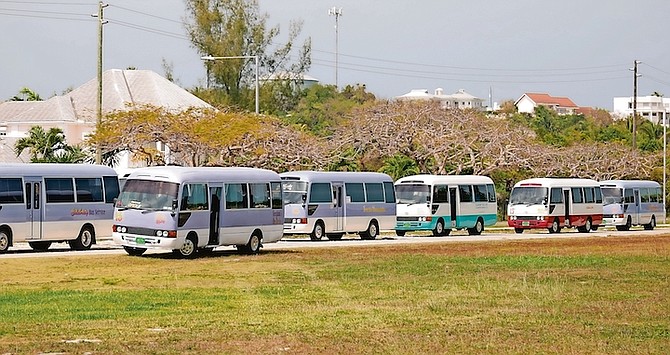
Bus operators across the Bahamas are intensifying their campaign for substantial fare increases amid escalating operational expenses, with union representatives declaring the current pricing model economically unviable. Rudolph Taylor, President of the Bahamas Unified Bus Drivers Union, characterized the recent 25-cent fare adjustment implemented in 2024 as grossly inadequate, describing it as merely “a drop in the bucket” compared to the financial pressures facing drivers.
The sector has consistently advocated for a comprehensive fare increase to $2 per ride, a request that has reportedly been disregarded through multiple governmental administrations. Mr. Taylor revealed that daily operational expenses now routinely exceed $100 per vehicle, primarily driven by diesel prices that have surged beyond the $5 per gallon threshold.
This financial strain has been exacerbated by global market disruptions following Middle Eastern conflicts, which pushed oil prices above $100 per barrel and prompted warnings from local fuel retailers about further cost increases. Prime Minister Philip Davis acknowledged the situation, indicating government monitoring of developments while emphasizing existing reform measures designed to mitigate impacts.
Beyond fuel expenditures, bus operators face mounting costs across all operational aspects. Mr. Taylor detailed significant price increases for brake components, dealer parts, and tires—with quality tires now costing approximately $150 each. Despite these challenges, some passengers have voluntarily offered payments above the standard $1.50 fare in recognition of the service provided.
The union leader emphasized the public service commitment of bus drivers while challenging public perceptions about transportation necessities. “Persons feel as if the buses are not needed,” he noted. “Some persons are very judgmental about the buses…but they need to have their facts and see what bus drivers do on a daily, weekly, monthly and annual basis for the public.”