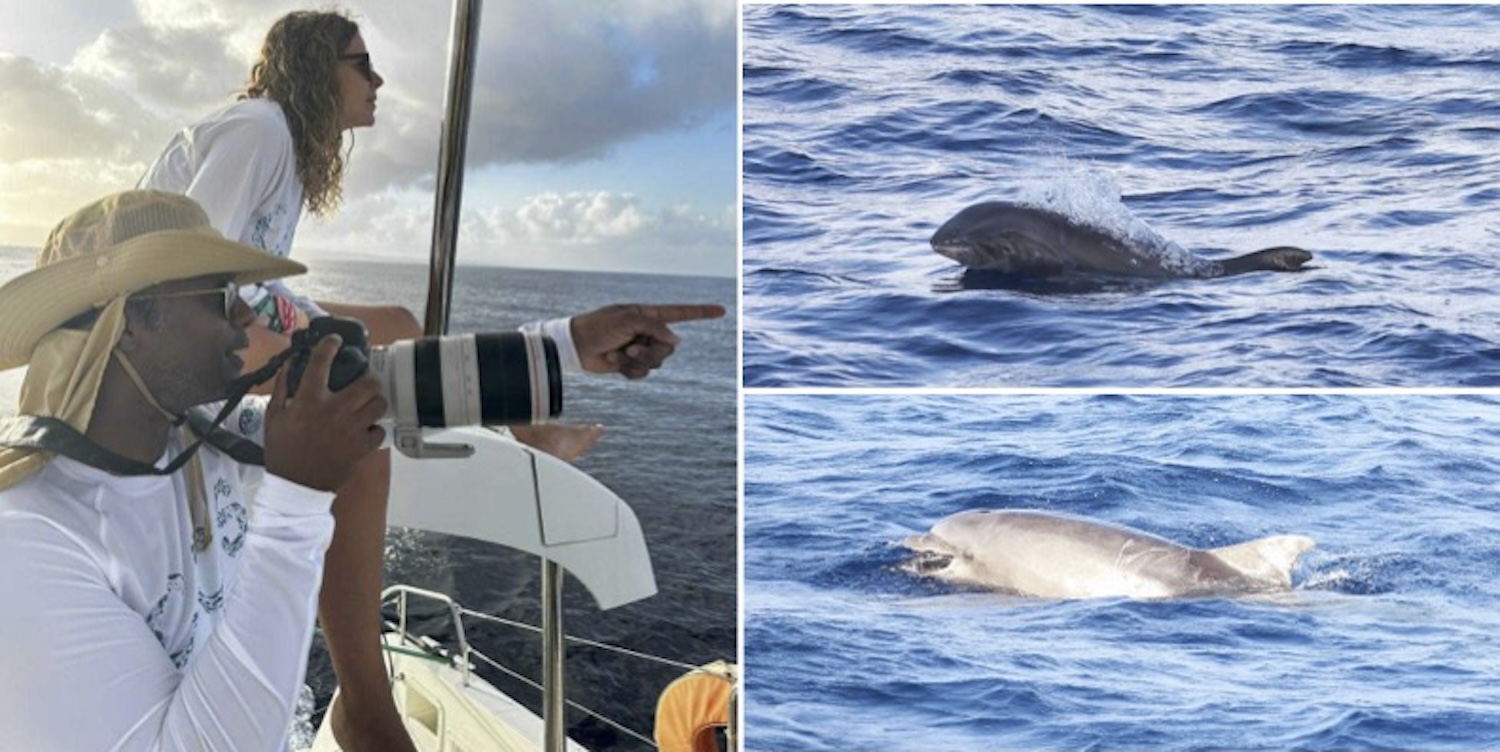
Preliminary findings suggest that Barbados could be home to a population of bottlenose dolphins, a discovery with significant implications for the island’s marine conservation efforts and eco-tourism industry. Richard Suckoo, Deputy Project Manager of the Barbados Marine Spatial Plan, described the potential presence of these dolphins as a “critical discovery” that could position them as “true local ambassadors for the island’s marine biodiversity.” Bottlenose dolphins, known for their intelligence, playful nature, and complex social structures, could elevate Barbados’ status as a biodiversity hotspot if their residency is confirmed. Unlike the mahi-mahi fish commonly referred to as ‘dolphin’ in Barbados, bottlenose dolphins are marine mammals. Systematic surveys conducted in February, March, and earlier this month as part of the Barbados Marine Spatial Plan and the Caribbean Cetacean Society’s Ti Whale An Nou Programme have provided the first comprehensive data on these species in Barbadian waters. The initiative, endorsed by UNESCO’s Ocean Decade, spans over 20 Caribbean islands and aims to study and protect regional whale and dolphin populations. Early analysis indicates the presence of bottlenose dolphins, including juveniles, predominantly along the island’s west coast. The surveys also documented other species, such as sperm whales, melon-headed whales, and the elusive Kogia species, while acoustic recordings detected short-finned pilot whales and humpback whales up to 50 nautical miles offshore. However, the research revealed that 11% of dolphins showed injuries likely caused by human activities, such as discarded fishing gear or boat collisions. Suckoo emphasized the need for continued surveys to better understand the dolphins’ population, distribution, and behavior, with the ultimate goal of establishing management zones and guidelines to ensure their protection and thriving presence in Barbadian waters.
分类: science
-
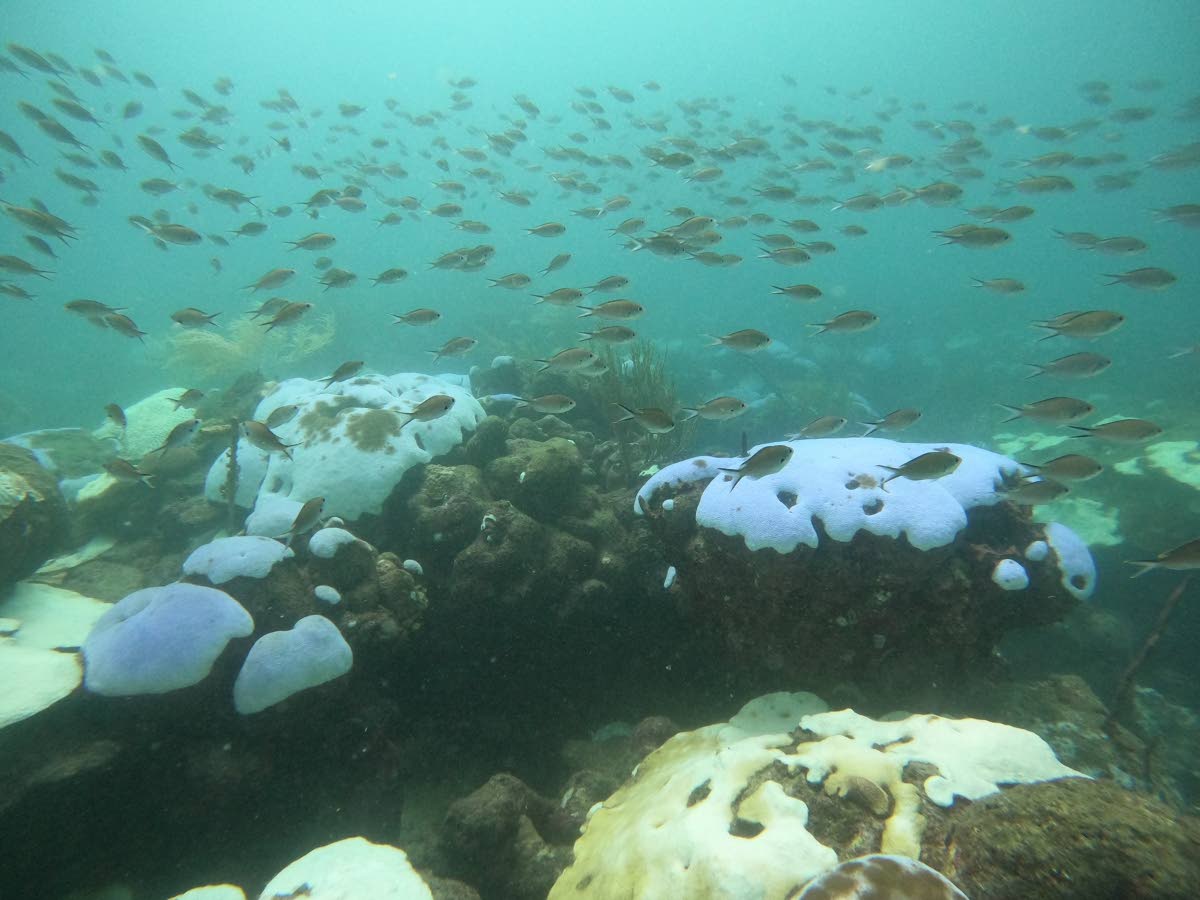
On track to climate disaster
As the world gathers for COP30 in Brazil, Dr. Anjani Ganase highlights the escalating climate crisis, with global temperatures nearing the critical 1.5°C threshold set by the Paris Agreement. Trinidad and Tobago, as a small island nation, must play its part in mitigating these impacts. Currently, the planet has already warmed by 1.4°C above pre-industrial levels, with severe consequences for marine ecosystems. Coral reefs, which support over 25% of marine biodiversity, are particularly vulnerable, with a tipping point reached at 1.2°C. This has led to widespread coral bleaching, threatening fish stocks, food security, and coastal protection. The Global Tipping Points Report 2025, released by the University of Exeter and the Stockholm Resilience Centre, warns that without urgent action to limit temperature rise to 1.5°C, coral reefs may transition to algae-dominated systems, with only a few hope spots remaining. Polar ice sheets are also at risk, with the Western Antarctic Peninsula expected to experience significant ice loss, impacting polar marine life and accelerating sea level rise. These cumulative effects increase the vulnerability of small island nations, particularly in the Pacific, which face the risk of becoming uninhabitable. The report also highlights the potential collapse of the Atlantic Meridional Overturning Circulation (AMOC), which could lead to severe droughts in the Amazon and Caribbean, and harsher winters in Europe. For Trinidad and Tobago, the combined impacts of climate change on marine ecosystems and coastal areas will be costly. Despite international funding, there has been little progress in marine management over the past 40 years. The country’s new climate change policy aims to reduce carbon emissions and build resilience, but effective implementation of legislation and marine protections is urgently needed. The report also identifies positive tipping points, with some countries shifting away from fossil fuels towards renewable energy. At COP30, Trinidad and Tobago must advocate for adherence to the Paris Agreement and take concrete actions domestically to address the climate crisis.
-

Hitler likely had micropenis, according to DNA study
LONDON, United Kingdom — Groundbreaking DNA analysis has revealed that Adolf Hitler likely suffered from Kallmann Syndrome, a genetic condition that can cause undescended testicles and a micropenis. This discovery, made by an international team of researchers and documentary makers, also dispels the long-standing myth that Hitler had Jewish ancestry. The findings are part of a new documentary titled ‘Hitler’s DNA: Blueprint of a Dictator,’ set to air on the UK’s Channel 4 this Saturday. The research, which utilized a blood sample from Hitler’s suicide sofa, indicates a ‘high likelihood’ of Kallmann Syndrome and places him in the top one percent for genetic predispositions to autism, schizophrenia, and bipolar disorder. However, the team emphasized that these conditions do not justify or explain his warmongering or racist policies. The DNA analysis also confirmed that Hitler did not have a Jewish grandfather, debunking rumors about his grandmother’s pregnancy. Geneticist Turi King, who worked on the project, noted that Hitler’s genetic profile would have classified him as a target for his own eugenics policies. The documentary aims to provide a deeper understanding of the dictator’s life and the genetic factors that may have influenced his behavior.
-
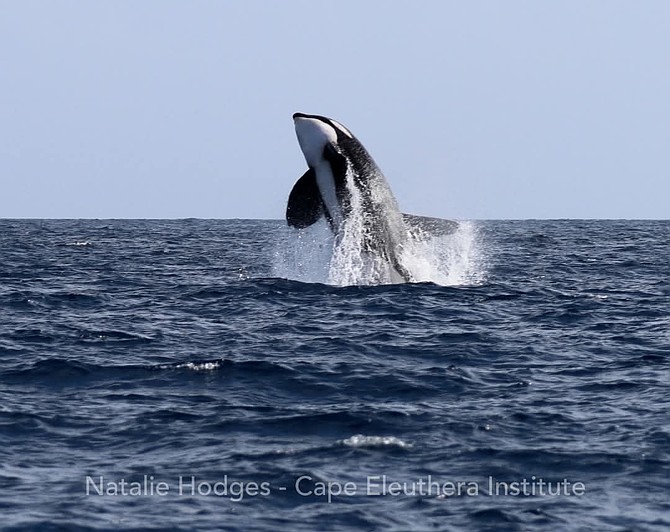
Rare killer whale sighting recorded in Exuma Sound
A rare encounter with orcas, commonly known as killer whales, has recently been documented by researchers off the coast of Eleuthera, The Bahamas. The sighting, which included two individuals previously recorded in the region, has sparked both excitement and concern among scientists. Natalie Hodges, a researcher at the Cape Eleuthera Institute (CEI), led the team that observed the orcas during a deep-sea survey focused on beaked whales in the Exuma Sound. Hodges described the experience as “really exciting” and highlighted the cultural significance of orcas, particularly her personal connection from her time in British Columbia. One of the orcas identified has been visiting Bahamian waters since 1995, underscoring the area’s ecological importance. The orcas are believed to be mammal-eating ecotypes, preying on smaller whale species, which Hodges noted as a positive indicator of a thriving ecosystem. However, the sighting also revealed a concerning detail: one of the orcas appeared to be entangled in fishing gear, a condition that has persisted for some time and poses significant risks to the animal’s health. Hodges’ research aims to understand the distribution and habitat use of deep-diving toothed whales in the Exuma Sound, a region home to 14 documented species. Her work has gained urgency due to the ongoing SpaceX Falcon 9 booster landings in the area, which introduce industrial noise that could disrupt marine life. A recent stranding of a Gervais’ beaked whale, occurring just one week after a SpaceX landing test, has raised alarms about the potential impact of noise pollution on these sensitive species. Historical mass strandings in The Bahamas have been linked to naval sonar activity, further emphasizing the vulnerability of marine mammals to anthropogenic noise. Despite these concerns, the orca sighting serves as a testament to the richness of Bahamian marine biodiversity and the need for continued conservation efforts.
-
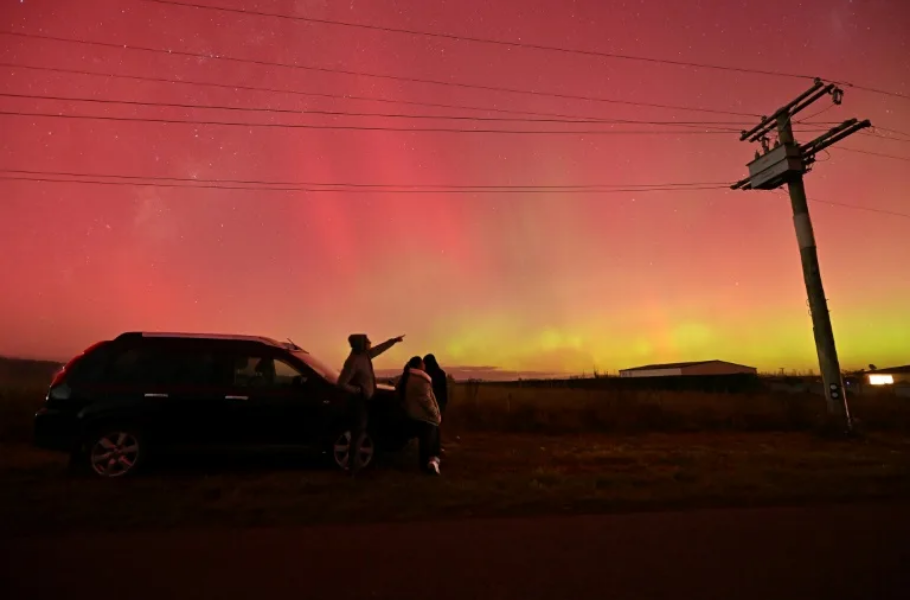
Solar storm brings new chance of vivid auroras, signal disruptions
Unprecedented auroral displays, typically confined to polar regions, have illuminated skies at unusually low latitudes this week, captivating observers worldwide. The phenomenon, driven by intense solar activity, is expected to persist into Thursday, according to the US National Oceanic and Atmospheric Administration (NOAA). These breathtaking light shows are the result of coronal mass ejections (CMEs) — massive bursts of solar particles that trigger geomagnetic storms upon reaching Earth. On Tuesday, a level four geomagnetic storm (on a scale of five) occurred, with another CME potentially causing a repeat on Thursday. Skies as far south as Mexico were adorned with faint pink and green hues, offering a rare treat for those who would typically need to venture closer to the poles to witness such spectacles. Last year, a level five geomagnetic storm — the first in two decades — produced similarly stunning views of the Northern and Southern Lights. However, these solar storms are not without consequences. They pose significant risks to communication systems, satellites, and power grids, potentially causing widespread disruptions. The impact of this week’s solar event has already been felt, with Blue Origin, the space company founded by Jeff Bezos, postponing the launch of its New Glenn rocket on Wednesday. For those eager to witness the aurorae, experts recommend seeking darker skies away from urban light pollution and using cameras or smartphones to capture the lights through long-exposure photography, especially if they are not visible to the naked eye.
-

Candice Dookree mapping change, inspiring growth
Dr. Candice Dookree, a 30-year-old scholar from Trinidad and Tobago, has recently achieved a significant milestone by earning her doctorate in geoinformatics from the University of the West Indies (UWI), St. Augustine. Her groundbreaking research focuses on the spatio-temporal dynamics of urban growth in San Fernando, utilizing advanced technologies such as satellite remote sensing, Geographic Information Systems (GIS), and logistic regression. This statistical technique allows for the prediction of urban expansion based on factors like distance to roads, population density, and elevation. Her findings highlight the critical role of infrastructure decisions in shaping urban development and environmental sustainability, offering valuable insights for policymakers and urban planners in Small Island Developing States (SIDS). Born and raised in Preysal, Dookree’s journey to academic excellence was fueled by a childhood filled with curiosity and exploration. Initially aspiring to study civil engineering, she found her passion in geomatics engineering, a field she initially knew little about. Her doctoral journey, though challenging, was marked by resilience and the unwavering support of her family, friends, and mentors. As a woman in a male-dominated field, Dookree is committed to inspiring more young women to pursue careers in science and technology. Currently working with the Ministry of Finance’s Valuation Division, she integrates geospatial technologies into property valuation processes, modernizing data collection and analysis. Her vision for the future includes expanding her research into smart-city development and AI-driven geospatial analytics, while also contributing to academia as a lecturer. Dookree’s story is a testament to the power of perseverance, innovation, and the transformative potential of geospatial science in addressing the unique challenges faced by Caribbean nations.
-
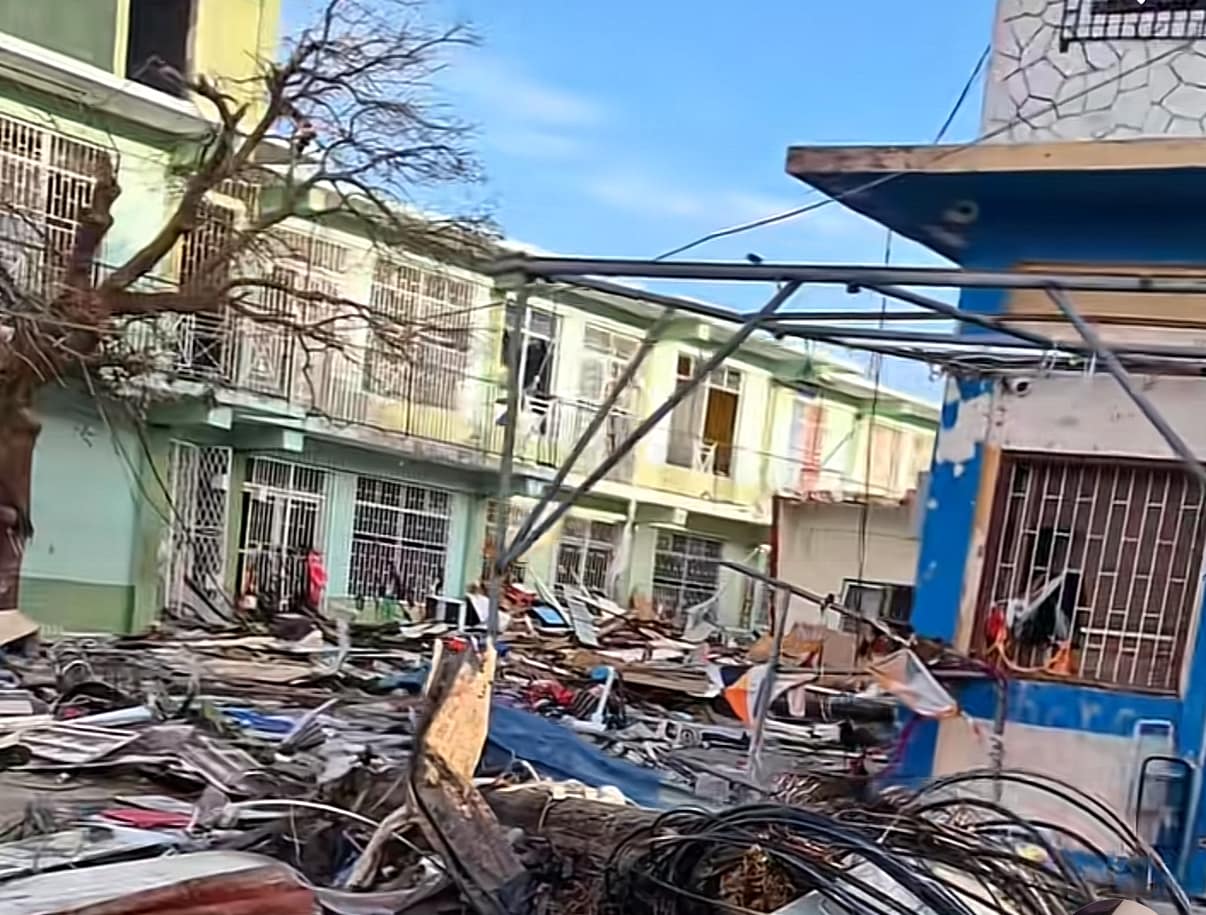
UWI Scientists Co-Author Study That Finds Climate Change Enhanced Hurricane Melissa’s Intensity
A groundbreaking study led by scientists from The University of the West Indies (The UWI) has confirmed that human-induced climate change significantly intensified Hurricane Melissa, making it one of the most destructive storms to hit the Caribbean in recent history. The research, conducted in collaboration with the World Weather Attribution (WWA), analyzed data from Jamaica and eastern Cuba, revealing that climate change made the atmospheric and oceanic conditions behind the storm six times more likely. Hurricane Melissa, which struck the region in late October 2025, rapidly intensified from 68 to 140 miles per hour within a single day, leaving at least 75 people dead, displacing thousands, and causing billions of dollars in economic losses. The study, involving 20 researchers from institutions across Jamaica, Cuba, Ireland, the Netherlands, the United Kingdom, the United States, and Austria, utilized advanced modeling techniques to assess the storm’s rainfall, wind speeds, and environmental conditions. Findings indicate that climate change increased Melissa’s maximum wind speeds by 7% and extreme rainfall by 16%. Historical data also shows that maximum rainfall over five days in Jamaica and eastern Cuba is now 20-50% higher than in pre-industrial times. Dr. Jayaka Campbell of The UWI Mona Campus emphasized the urgency of the findings, calling for Melissa to serve as a turning point in climate action. Co-author Friederike Otto of Imperial College warned that without significant reductions in fossil fuel use, such storms will push vulnerable communities beyond adaptation limits. The UWI scientists are now working to ensure their findings inform regional negotiators ahead of COP meetings, advocating for resilient infrastructure and adaptation strategies to mitigate future disasters.
-
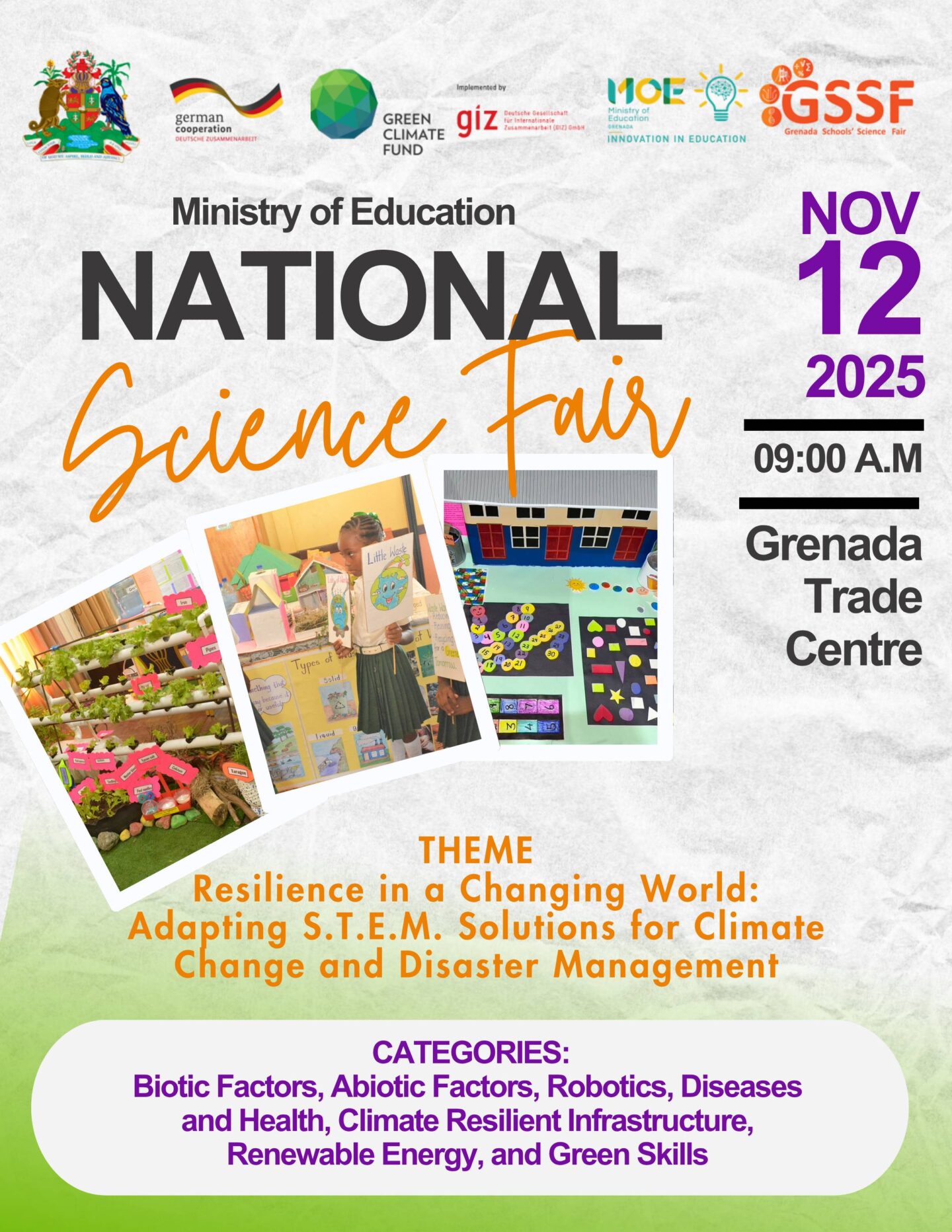
Ministry of Education National Science Fair: 12 Nov 2025
In an era marked by escalating climate challenges, the Ministry of Education in Grenada is spearheading efforts to harness STEM (Science, Technology, Engineering, and Mathematics) solutions for climate resilience and disaster management. The initiative, highlighted during the recent National Science Fair, showcased groundbreaking projects in renewable energy, robotics, and sustainable technologies, underscoring the critical role of STEM in addressing global environmental crises. The Grenada Trade Centre served as the hub for these innovations, where young minds presented creative approaches to mitigate the impacts of climate change and enhance disaster preparedness. The Ministry emphasized the importance of integrating STEM education into national strategies to foster innovation and equip future generations with the tools to tackle pressing environmental issues. This forward-thinking approach aligns with global efforts to combat climate change and build resilient communities. While NOW Grenada disclaims responsibility for contributors’ opinions, the platform continues to amplify discussions on critical topics, encouraging public engagement and awareness.
-
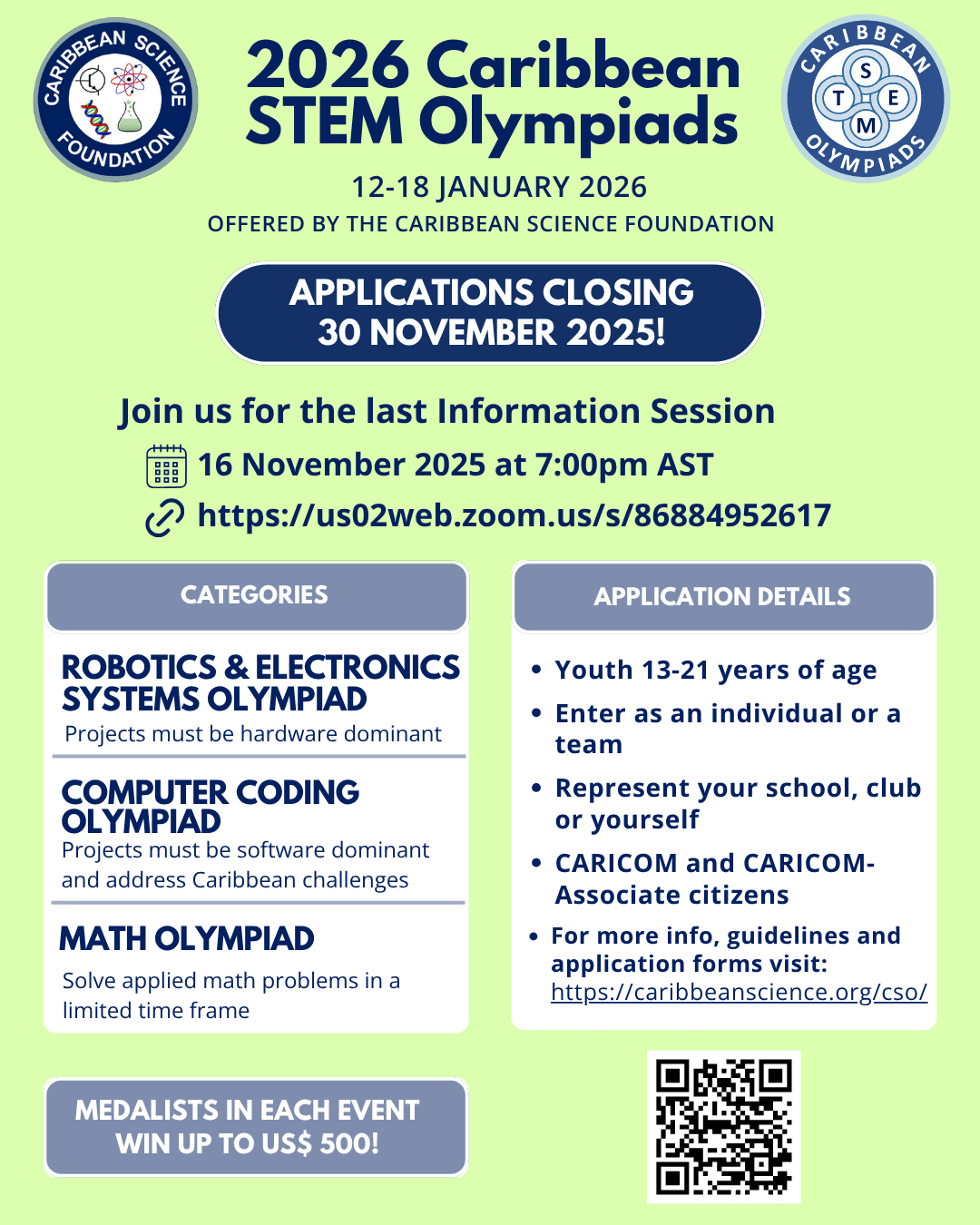
Final Information Session Announced for 2026 Caribbean Science Olympiad
The Caribbean Science Foundation (CSF) is gearing up for the highly anticipated 2026 Caribbean Science Olympiad (CSO) with its final preparatory session scheduled for Sunday, November 16, 2025, at 7:00 p.m. AST. This virtual event, hosted on Zoom, aims to provide comprehensive guidance to aspiring participants, covering essential details such as competition rules, entry requirements, and the judging process. Attendees will also have the chance to address any queries or concerns directly with organizers.
The CSO, a flagship event for science and technology in the region, welcomes individual competitors and teams from schools, clubs, and associations across the Caribbean. Participants can compete in three distinct categories: Robotics & Electronic Systems, Computer Coding, and Mathematics. The competition is divided into three age groups: Level 1 (13–15), Level 2 (16–18), and Level 3 (19–21). Winners will be awarded platinum, gold, silver, and bronze medal certificates, along with cash prizes.
Preliminary elimination rounds are set for mid to late December 2025, with the grand finals taking place from January 12 to 18, 2026. The CSF has been actively promoting the event through media appearances, including interviews with Professor Cardinal Warde on platforms like Antigua Barbuda Today and Mornin’ Barbados. This November session is the fourth and final installment in a series of briefings designed to equip participants for the prestigious competition.
For more details and to join the session, visit the official website: caribbeanscience.org/cso or use the Zoom link: https://us02web.zoom.us/s/86884952617.
-
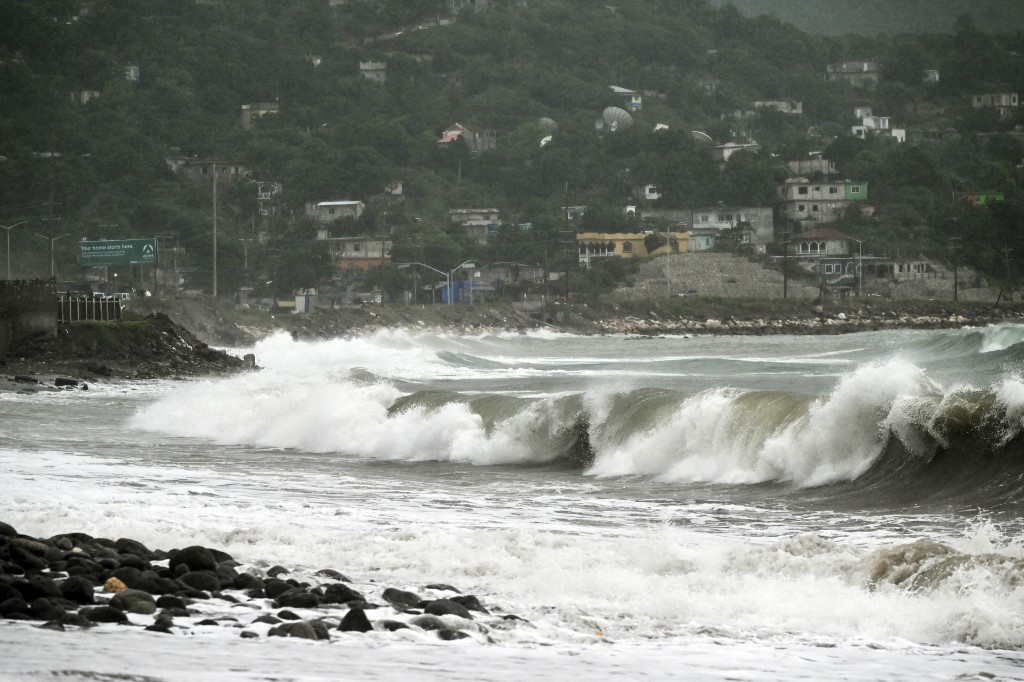
Climate change made Hurricane Melissa four times more likely
A groundbreaking study by scientists at Imperial College London has revealed that human-induced climate change significantly increased the likelihood and intensity of Hurricane Melissa, one of the most powerful storms ever to hit Jamaica. Published on Wednesday, the rapid analysis found that global warming, primarily driven by fossil fuel emissions, made such a catastrophic event four times more probable.