分类: politics

  • Nassief on backing Lugay for Roseau North: Choose the ‘right people ‘

    Nassief on backing Lugay for Roseau North: Choose the ‘right people ‘

    As the Caribbean island nation of Dominica counts down to the highly anticipated Roseau North by-election, two key opposition figures have outlined bold visions for national renewal, targeting perceived failures of the current administration and calling on voters to seize this pivotal moment for change.

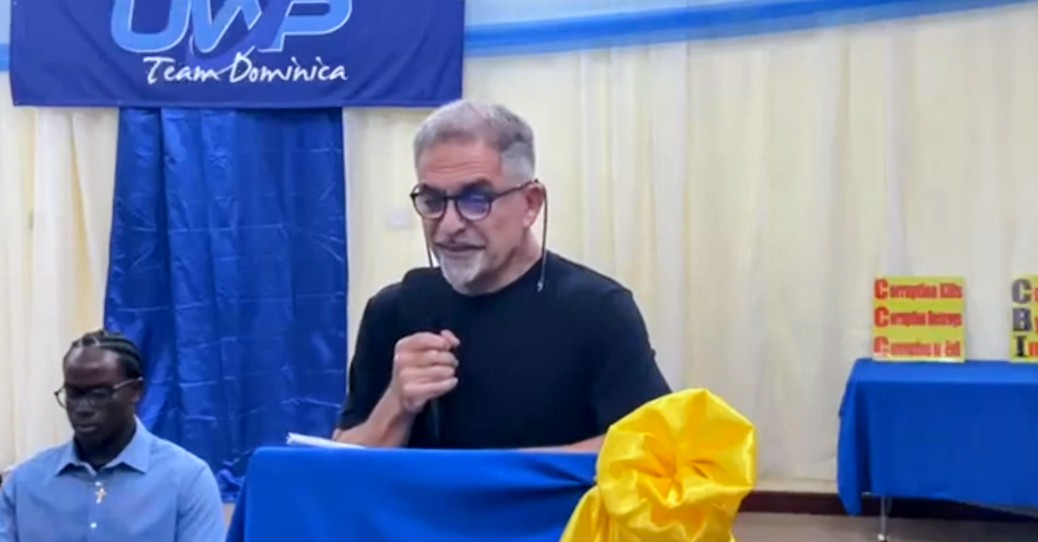
    Prominent local businessman Gregor Nassief, owner of the high-end Secret Bay resort, used a recent gathering of the United Workers Party (UWP) at Goodwill Parish Hall to deliver a fiery address calling for cross-community unity to redirect Dominica toward a future rooted in accountable governance, fiscal transparency, and broad-based economic recovery. Nassief, who has recently emerged as a leading public critic of Prime Minister Roosevelt Skerrit and the ruling Dominica Labour Party (DLP) over their handling of electoral reform and the country’s signature Citizenship by Investment (CBI) program, emphasized that the by-election carries stakes far beyond the single constituency.

    “This isn’t just about one seat in Parliament — it’s about the entire future direction of our country,” Nassief told attendees. “We need to put Dominica first, ahead of party loyalties, ahead of personal ambitions for leaders. It’s the people of this country who must come first.”

    Nassief’s core message centered on the urgent need for legislators who will uphold democratic principles, including free and fair elections, freedom of speech and peaceful assembly, and expanded economic opportunity for all Dominican citizens. He argued that Parliament has lacked robust oversight of the DLP administration, calling for representatives unafraid to demand accountability from the executive branch. “We need people in Parliament who aren’t afraid to ask ‘why’,” he said. “We need people who will stand up and demand answers on behalf of every single citizen. That’s why Danny Lugay is the right choice for Roseau North.” He closed his remarks by urging all supporters to mobilize: “We all need to put our gloves back on, step into the ring, and fight for our future. We have to take responsibility for the direction of our country.”

    In his own address to the meeting, UWP by-election candidate Danny Lugay echoed Nassief’s call for change, laying out concrete policy priorities focused on the most pressing concerns of Roseau North constituents, from public health to local economic development.

    Lugay reaffirmed his flagship proposal to develop a new commercial hub spanning from the public works property to the Dominica Banana Marketing Corporation (DBMC) building, a project that would integrate the Dominica Export Import Agency (DEXIA) warehouse and existing home industry sites. If elected, he says the development will unlock new opportunities for local small and medium businesses and drive sustained regional economic growth.

    A central plank of Lugay’s campaign is addressing the decades-long public health crisis stemming from the aging Fond Cole landfill. For more than 20 years, residents across Roseau North communities including Simon Boulevard, Stock Farm, and Yampiece have been exposed to toxic fumes and smoke from frequent uncontrolled fires at the site, which release carcinogenic pollutants into the air residents breathe daily. Lugay described the landfill as a “major health hazard” that has outlived any usefulness, and pledged to relocate the facility to a safer, more suitable location if elected. He also committed to addressing widespread frustration with poor municipal waste collection services, noting that uncollected garbage often piles up for weeks, damaging the local environment and lowering residents’ quality of life.

    Beyond environmental and public health issues, Lugay identified healthcare access and quality as a top priority, calling for upgraded services at local hospitals, improved working conditions for frontline medical workers, and consistent access to essential medical supplies and equipment.

    Like Nassief, Lugay closed his remarks by urging voters to set aside narrow partisan interests and vote for a leadership focused on tangible progress and accountable governance. The Roseau North by-election, he emphasized, represents a once-in-a-cycle opportunity for Dominican voters to shift the country toward a healthier, more prosperous, and more democratic future — and called on every eligible voter to turn out and make their voices count.

  • Taiwan Int’l Youth Ambassadors shine at the Taiwan-SVG cultural night

    Taiwan Int’l Youth Ambassadors shine at the Taiwan-SVG cultural night

    On August 27, a milestone cultural exchange event unfolded at Kingstown’s Peace Memorial Hall, bringing 24 selected Taiwan International Youth Ambadors together with their peers from St. Vincent and the Grenadines (SVG) for the Taiwan-SVG Cultural Night, a celebration timed to the 45th anniversary of formal diplomatic relations between the two nations.

    The 24 young Taiwanese delegates were chosen from a pool of more than 600 competitive applicants, and arrived in SVG for a five-day visit from August 26 to 30, led by head of delegation Andy Liu and deputy head Pei-Fen Hsieh. The high-profile cultural night drew a roster of senior SVG officials, including Governor General Sir Stanley John, Deputy Prime Minister St. Clair Leacock, Foreign Affairs Minister Dwight Fitzgerald Bramble, Youth, Sports, Culture and Creative Industries Minister Kaschaka Cupid, and Education, Vocational Training, Innovation, Digital Transformation and Information Minister Phillip Jackson. In total, more than 230 attendees filled the venue, ranging from Acting Commissioner of Police Trevor Bailey and other senior government representatives to artists, cultural figures, local students, and media representatives.

    In her opening address to the gathering, Fiona Fan, Taiwan’s ambassador to SVG, emphasized that the youth delegation’s visit carries special meaning amid the 45th anniversary celebrations. Over more than four decades, the deep-rooted friendship between the two countries has translated into tangible progress across SVG, including flagship infrastructure projects such as Argyle International Airport and Kingstown’s new port development. Fan noted that youth empowerment has long remained a core shared policy priority for both governments, with Taiwan actively advancing the Taiwan Global Pathfinder Initiative to create opportunities for young people to pursue collaborative goals across its allied nations. She added that cultural exchanges in music, performance, and traditional arts cut through geographical distance, forging deeper personal connections between the two peoples and strengthening the foundation of bilateral friendship.

    Deputy Prime Minister Leacock, who visited Taiwan earlier this year, shared his first-hand impressions of the island, praising Taiwan’s remarkable development, social order, rich cultural heritage, and strong community resilience. He urged young delegates from both countries to build lasting cross-border friendships that will continue to grow alongside the enduring diplomatic ties between their nations.

    The evening’s performance lineup showcased the diverse cultural identity of Taiwan through three curated programs: “Melodious Island Sounds”, “The Beauty of Taiwanese Folklore”, and “Shine Shine Taiwan”. The Taiwanese youth ambassadors presented a dynamic range of acts, from traditional Hakka cultural performances and Taiwanese opera to martial arts demonstrations, folk songs, contemporary rap, street dance, and even rally tunes celebrating Taiwan’s baseball culture. In a reciprocal display of cultural exchange, Vincentian performers took the stage to share traditional African-Caribbean dance, and delighted the audience by arranging popular Taiwanese songs for performance on the iconic Caribbean steel pan.

    The highlight of the night came when the Taiwanese delegation joined local performers for a joint rendition of SVG’s traditional Tin-Go-Lay and Maypole dances. Remarkably, the young Taiwanese participants had only a few hours of rehearsal earlier the same day to prepare, a testament to the speed and warmth of connection forged through youth exchange. The cultural night is just one part of a full schedule of activities organized by the Taiwan Embassy in SVG during the delegation’s visit, which also includes official courtesy calls, youth networking sessions, basketball exchange activities, and site visits to ongoing bilateral cooperation projects.

    During a pre-event briefing with the delegation at the Taiwan Embassy, Ambassador Fan reiterated the importance of shared values in bilateral relations, noting that the longstanding steadfast friendship between Taiwan and SVG is rooted in their shared commitment to freedom and democracy. She outlined Taiwan’s ongoing efforts to deepen collaborative development through the Diplomatic Allies Prosperity Project, and encouraged the young ambassadors to engage openly with Vincentian youth to advance people-to-people diplomacy.

    Shortly after their arrival in SVG on August 26, the delegation held an official courtesy call with Foreign Minister Bramble, who also holds portfolios for foreign trade, foreign investment and diaspora affairs. Bramble extended a warm welcome to the delegation on the occasion of the 45th diplomatic anniversary, expressing his expectation that the visit will deepen mutual understanding and connection between the two countries’ populations. The following day, the delegation paid a courtesy call to Governor General Sir Stanley John, where they performed traditional Taiwanese folk tunes on native instruments and held in-depth exchanges with local young people. Sir Stanley encouraged the visiting youth to leverage their creativity and connections to shape the next chapter of bilateral relations.

  • PSU Demands Pause on Revenue Authority Bill

    PSU Demands Pause on Revenue Authority Bill

    As Belize’s Senate prepares to take up the controversial Belize Revenue Authority Bill next week, a heated standoff has emerged between the country’s largest public sector union and the incumbent government, rooted in clashing visions of administrative modernization and worker protection.

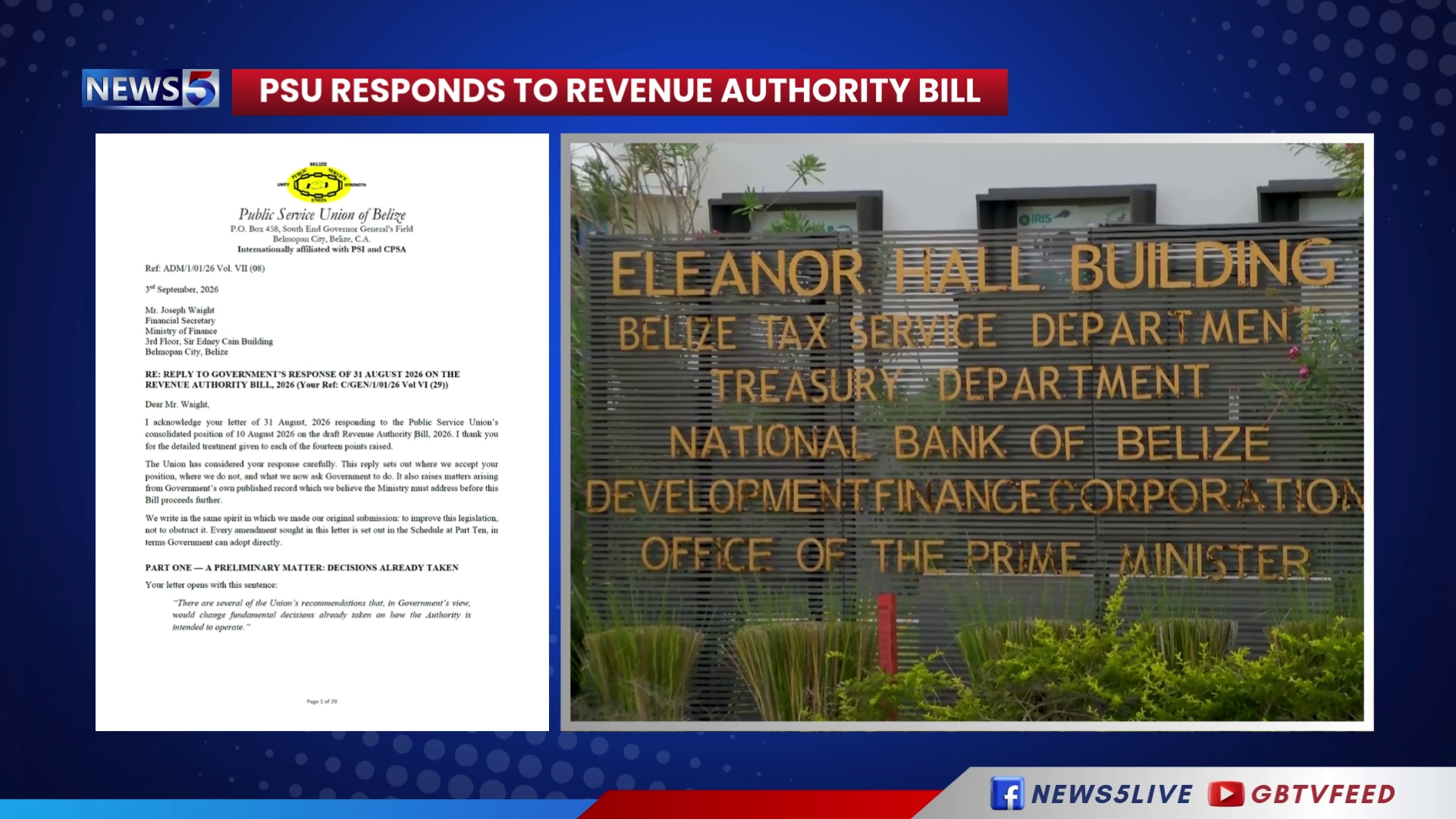
    The Public Service Union (PSU) has emerged as the most vocal opponent of the proposed overhaul, demanding an immediate halt to the legislative process and a full redraft of the bill before any further votes are taken. PSU president Dean Flowers has outlined multiple core grievances with the legislation, starting with its lack of binding guarantees for existing government tax workers. According to Flowers, the bill fails to codify job security, protect long-held pension rights, or preserve established union privileges, leaving hundreds of tax officers in limbo unsure whether they will be forced to reapply for the positions they already hold. He accused the government of cutting workers out of negotiations, ramming the legislation through the legislative process without meaningful, good-faith consultation with the stakeholders who would be most affected by the change.

    Beyond worker protections, Flowers has raised alarm over what he describes as a dangerous concentration of power in the bill. He argues that the legislation removes existing oversight mechanisms for nearly one billion Belize dollars in public funds, concentrating all authority over spending, procurement, and contract awarding in the hands of a single political appointee. In a scathing rebuke to House of Representatives members who supported the bill’s initial passage, Flowers questioned the commitment of elected officials who backed the proposal, arguing it can only be explained by failure to read the bill, failure to understand its implications, or a willingness to put party interests ahead of the Belizean public. He has called on ordinary citizens to review the legislation and reject it, and is actively lobbying independent social partner senators to vote down the bill when it reaches the upper chamber. While the government has sought to dismiss this lobbying effort, framing the bill as a money bill that must pass through the lower house per constitutional rules, Flowers says pushback from the public is still critical to forcing change.

    For its part, the government has defended the proposed reform as a much-needed upgrade to Belize’s public revenue system, rejecting the PSU’s characterization as a power grab that endangers worker rights. Finance ministry officials frame the creation of the semi-autonomous Belize Revenue Authority not as a simple rebranding of the existing Tax Department, but as a comprehensive overhaul designed to modernize how the country collects, manages, and safeguards public funds. According to Financial Secretary Joseph Waight, the reform will deliver a more efficient, transparent, and technology-forward revenue institution that can attract specialized professional talent and improve services for taxpayers across the country.

    Waight has pushed back on the union’s claims about job and pension insecurity, clarifying that existing tax officers will receive first preference for open positions at the new authority. Any permanent public employee who is not selected for a role will be reassigned to other positions within the broader public service, he said. He also confirmed that workers will retain all pension benefits they have already earned, and employees who transfer to the new authority will be covered by a new, still-developing pension plan. While the government has rejected several of the PSU’s proposed amendments to the bill, officials say they remain open to clarifying language around worker protections, alternative reassignment pathways, and the continuing oversight role of the Auditor General. They stressed that the new semi-autonomous authority will still operate under the framework of Belize’s Constitution and remain subject to standard government scrutiny, while gaining the operational flexibility needed to strengthen tax collection and protect public funds for all Belizeans.

    With the Senate debate scheduled for the coming week, the standoff between the union and government is set to come to a head, as both sides continue to mobilize support for their positions ahead of the vote.

  • Missing Immigration Money Trail Leads to Treasury

    Missing Immigration Money Trail Leads to Treasury

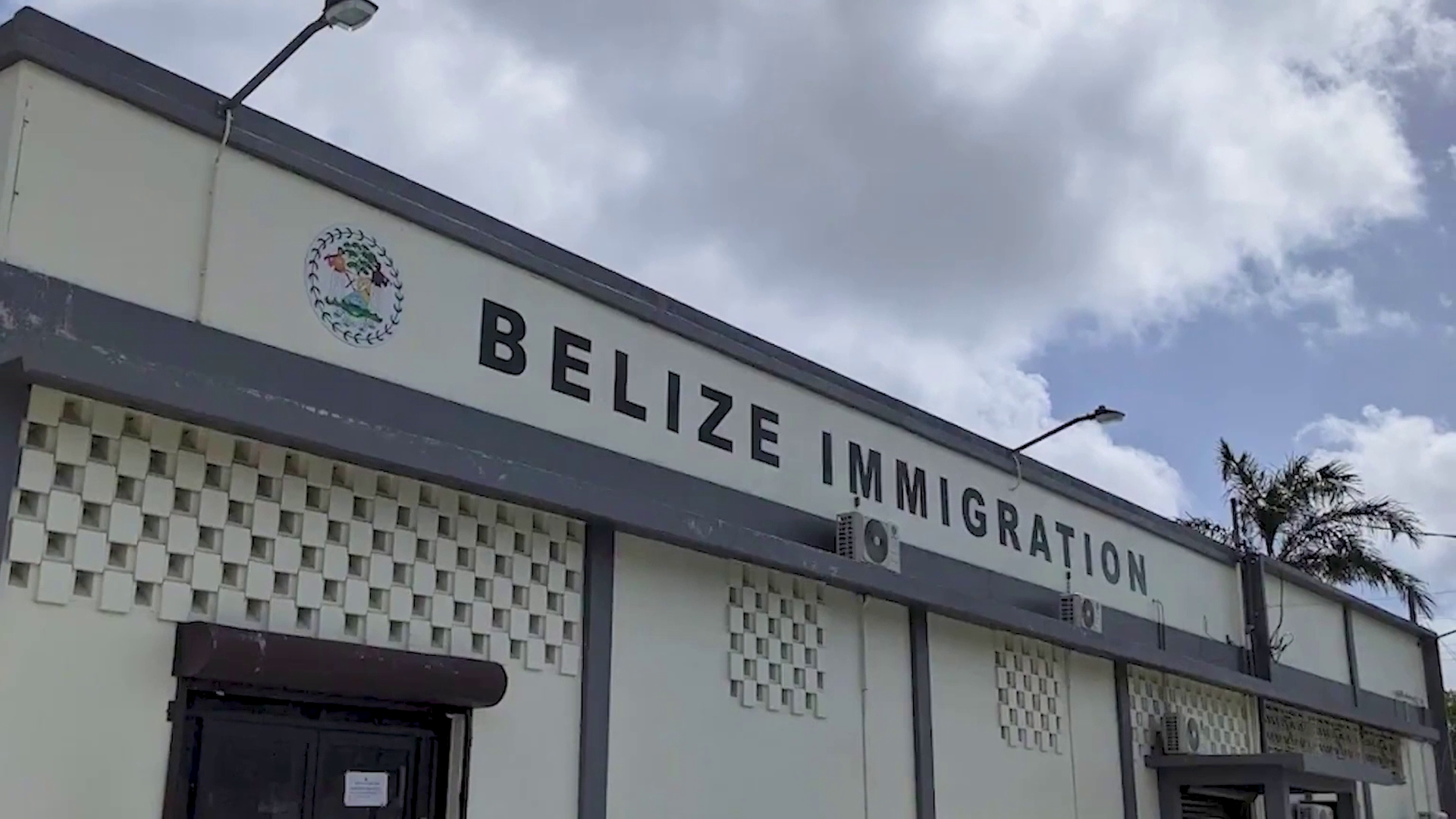
    A public corruption and financial mismanagement investigation into the disappearance of up to $150,000 in public funds from the Belize City headquarters of Belize’s Immigration Department has expanded beyond the agency, with auditors now turning to the national Treasury Department for critical evidence, top auditing officials confirmed this week.

    The probe was first launched in late June, after the Ministry of Immigration requested the Office of the Auditor General conduct a formal investigation into how the public funds vanished and which personnel may be implicated in the missing money. In an interview with local outlet News Five, Auditor General Maria Rodriguez explained that her investigation team was forced to take the extraordinary step of accessing Treasury and Accountant General Department records because the Immigration Department failed to produce critical paper trails and receipts tied to the missing funds.

    “From our review of the department’s internal documentation, management did not have the required receipts for these funds on hand,” Rodriguez told reporters. “Unfortunately, that left us no option but to reach out to the Treasury Department and the Accountant General Department to pull their official copies of the transaction records. As three consecutive annual audit reports have already made clear, the Immigration Department’s records management system is still not functioning at an acceptable standard. That is why our team is now on-site at the Treasury collecting the documentation that should have been secured and stored by the immigration agency itself.”

    When asked if these alternative official records would finally help investigators uncover answers about the missing cash, Rodriguez confirmed that the records held by the Accountant General — which are copies of transaction documents sent from the immigration department to the national accounting body during routine administrative processes — should fill critical gaps in the investigation. “That should give us the clarity we need. We are working off the centralized copies held by the accountant general, rather than the incomplete copies that were supposed to remain on file at the Ministry of Immigration,” she added.

    To date, investigative authorities have focused their primary scrutiny on Jason Flowers, a former employee of the Belize City Immigration Department office where the funds went missing. As of this report, no formal charges have been filed, and the investigation remains ongoing.

    This report is based on a transcript of a local television evening news broadcast, published online September 4, 2026.

  • New U.S. Ambassador Andre Bauer Arrives in Belize

    New U.S. Ambassador Andre Bauer Arrives in Belize

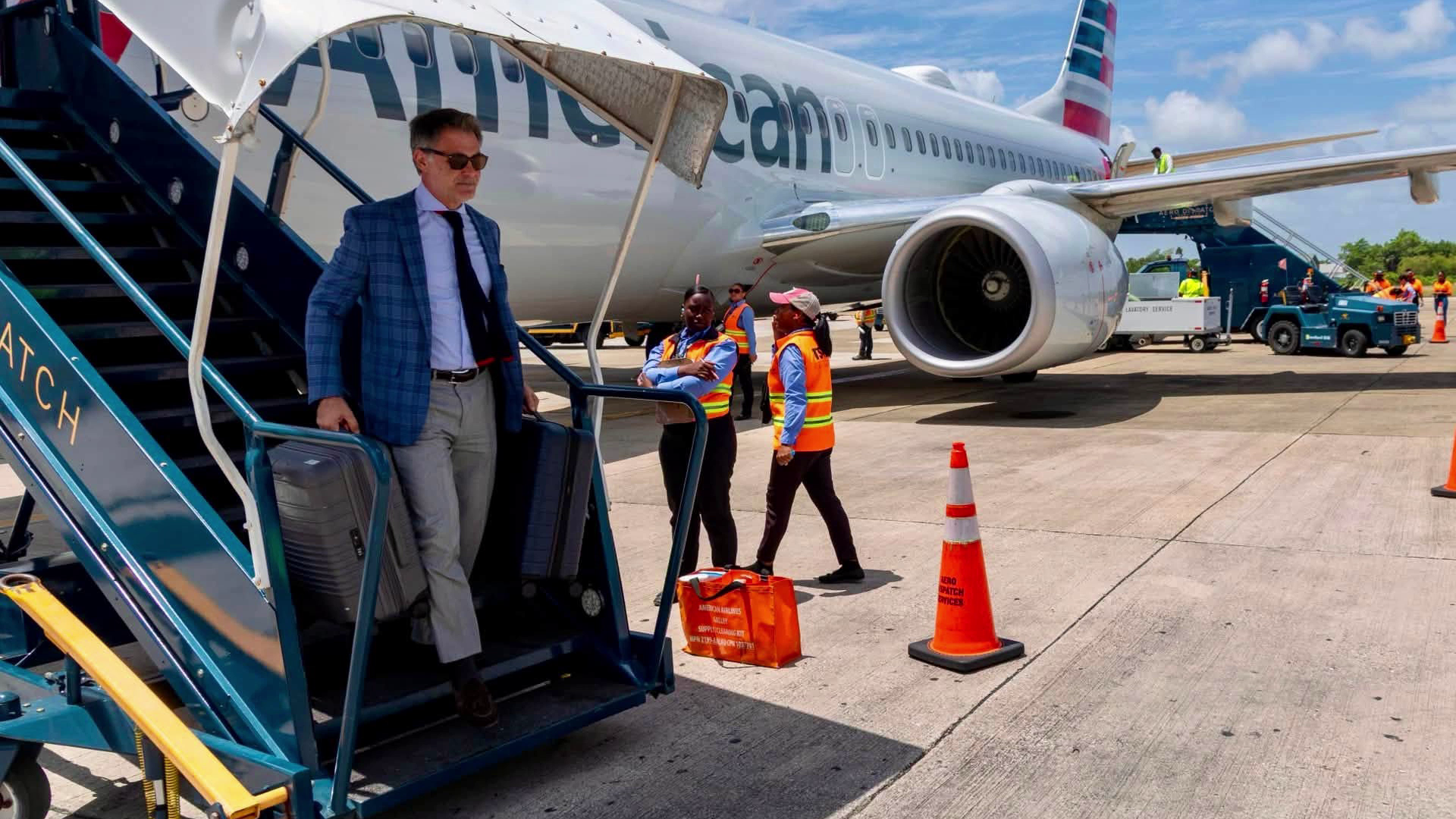
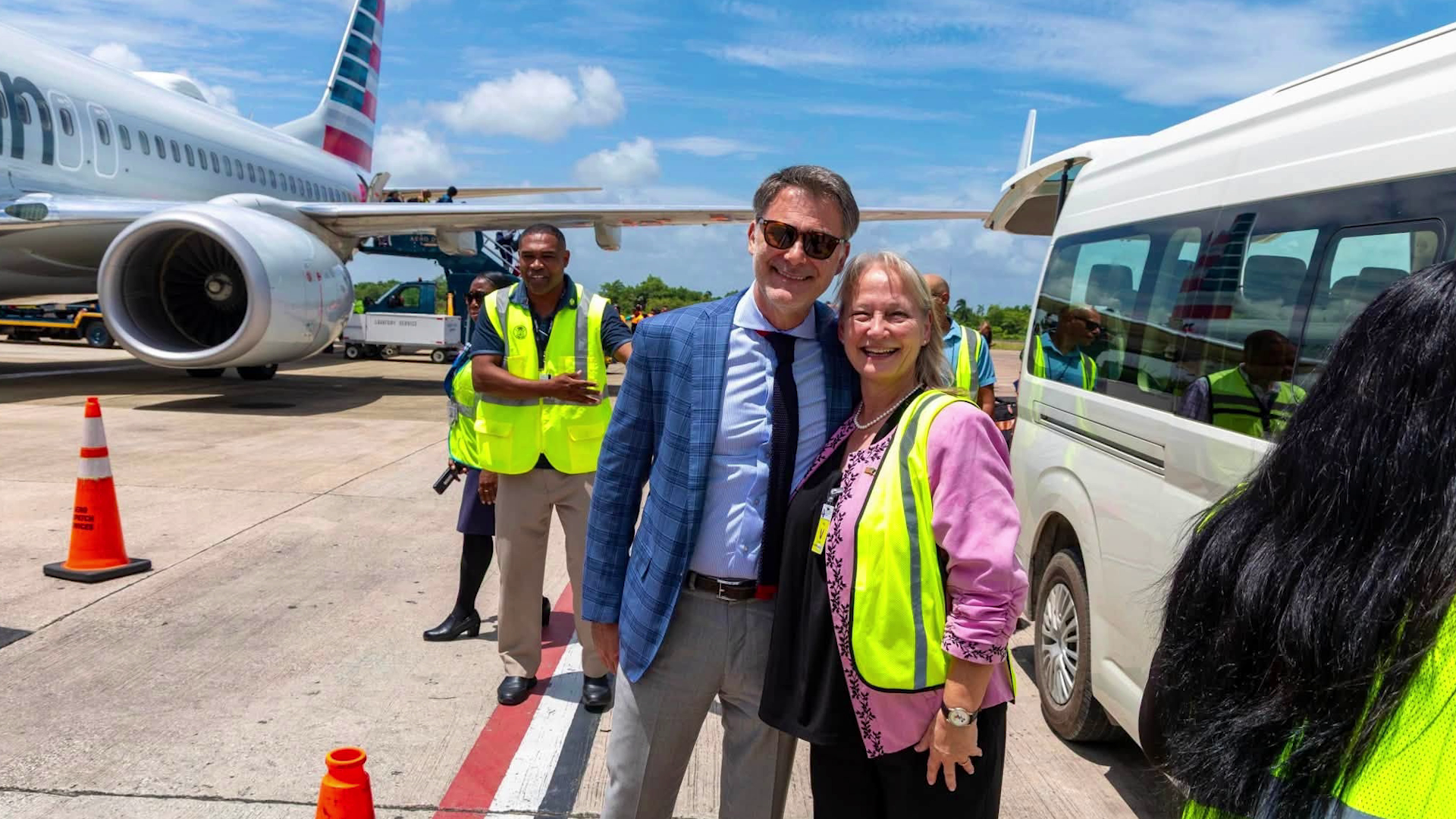
    On September 4, 2026, Andre Bauer, the newly appointed United States Ambassador to Belize, touched down at Philip Goldson International Airport shortly after midday, marking the official start of his diplomatic posting. He was accompanied by his wife and children, and immediately engaged with local reporters within minutes of exiting his aircraft, delivering his first public address to the Belizean public ahead of a press question-and-answer session.

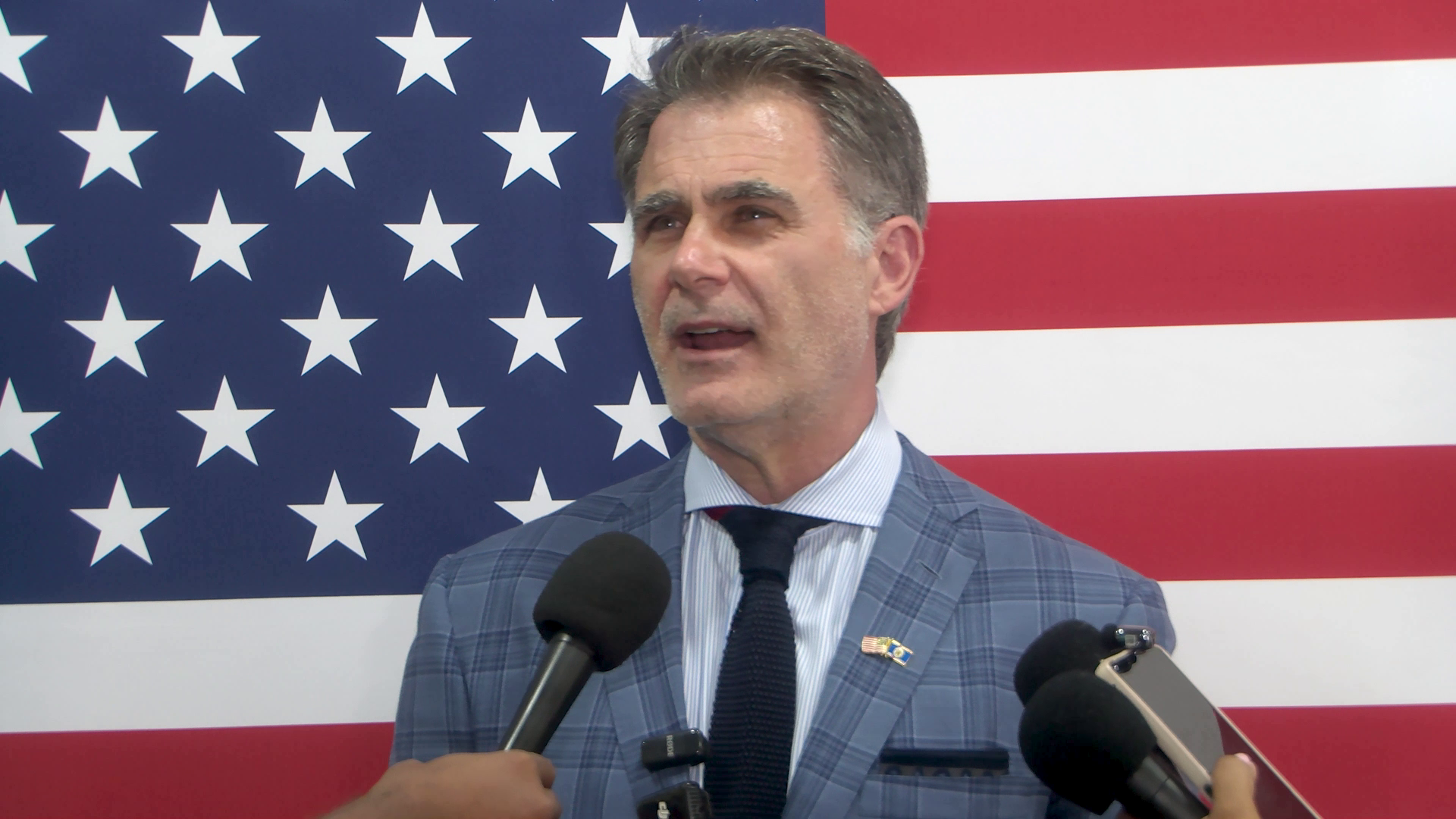
    In his opening remarks, Bauer emphasized the enthusiastic anticipation he and his entire family hold for their time in the Central American nation. “I can’t tell you how excited my family and I are to be here,” Bauer stated, noting that his young son is already eager to integrate into local community life. “More than anything we look forward to being a part of this community and this country.”

    Bauer referenced the longstanding, robust diplomatic relationship between the U.S. and Belize, which has spanned multiple decades, and highlighted the wide range of shared interests that bind the two nations together. He pointed specifically to ongoing projects under the U.S. Millennium Challenge Corporation (MCC) as a key example of collaborative work that will deliver tangible benefits to Belizean citizens while advancing mutual goals for both countries. “There are exciting things that are going help the people of this country and help our country and move opportunities forward for so many Belizeans,” he said. “So, I am excited to be a part of that.”

    Outlining his core priorities for his tenure, Bauer confirmed that U.S. President Joe Biden tasked him with advancing three key objectives: boosting public safety, strengthening national security cooperation, and expanding economic opportunity for citizens of both nations. As a former business leader with private sector experience, Bauer noted his appointment brings a unique perspective to bilateral diplomatic work, aligned with the administration’s goals for deepening the U.S.-Belize partnership.

    This report is adapted from a transcript of a televised evening news broadcast, with original Kriol-language remarks standardized to conventional spelling where applicable.

  • Ambassador Bauer Wants to Meet Everyday Belizeans

    Ambassador Bauer Wants to Meet Everyday Belizeans

    On September 4, 2026, Andre Bauer, the newly appointed U.S. Ambassador to Belize, opened his tenure with a departure from traditional diplomatic norms, announcing a people-centered mission that prioritizes direct engagement with ordinary Belizean citizens over closed-door official interactions.

    While the standard length of a U.S. ambassadorial posting is roughly three years, no official end date has been confirmed for Bauer’s term. In his first public remarks since taking office, the ambassador made clear that connecting with everyday Belizeans will be a core priority throughout his time in the country. Rather than limiting his interactions to government officials and diplomatic circles, he plans to travel widely across Belize to host open community meetings, where local residents — including many who have never met a sitting ambassador — will have the opportunity to ask questions, share concerns and engage in open dialogue, even when disagreements arise. Bauer noted that thoughtful, well-reasoned perspectives from community members have changed his mind on issues in the past, and he welcomes honest exchange.

    Beyond grassroots engagement, Bauer outlined his key policy priorities for the bilateral relationship between the United States and Belize. A central goal, he said, is expanding economic opportunity for Belizean people and strengthening public trust in the U.S.-Belize partnership. He specifically highlighted the implementation of projects under the Millennium Challenge Corporation (MCC), a U.S. foreign aid program focused on sustainable economic development. According to Bauer, MCC investments in critical infrastructure — including national power grids and energy production — will deliver tangible benefits to local communities and create new pathways to prosperity for residents, giving them greater hope for the future.

    Another top item on Bauer’s agenda is advancing public safety by cracking down on cross-border illegal drug trafficking, an issue that has long impacted community well-being and economic development in Belize. Ultimately, Bauer said he aims to leave his post with more Belizeans viewing the United States as a reliable, close ally that partners with Belize across multiple sectors to deliver shared progress.

    This report is adapted from a transcript of an evening television newscast, with original Kriol language remarks formatted using a standardized spelling system for publication.

  • New US Ambassador’s Controversial Past Resurfaces

    New US Ambassador’s Controversial Past Resurfaces

    As the newly confirmed U.S. Ambassador to Belize Andre Bauer settles into his diplomatic post, a years-old inflammatory comment from his early political career has resurfaced, stirring public debate ahead of his tenure in the Central American nation. The controversy dates back to a 2010 public town hall focused on U.S. government public assistance policy, when then-state-level politician Bauer drew a widely criticized comparison between cash aid for low-income Americans and feeding stray animals. The remark sparked immediate backlash from political opponents at the time, and as Bauer begins his new diplomatic role, renewed attention to the comment has left some Belizean citizens questioning the new envoy’s core values. In a recent on-the-record interview with local reporters, Bauer addressed the growing public concern, acknowledging that the framing of his original comment by media could leave any casual reader with a negative impression. “If I did not know the background and the way the press tried to present it, I would feel the same way they did,” Bauer told reporters. He went on to clarify the broader context of his 2010 remarks, pushing back against claims that the comment reflected disregard for low-income communities. Bauer, who grew up in a broken home and personally qualified for free school lunch as a child, noted his argument was never about cutting support for vulnerable people entirely, but rather challenging the structure of long-term cash-only aid policies that he argues do little to help people build self-sufficiency. “America is about opportunity. It is about giving people a vehicle, pathway to better themselves and their family,” Bauer explained. He emphasized his support for targeted, empowerment-focused support: investments in access to healthcare, reliable transportation for working people, and childcare for students pursuing education, all designed to help people move out of poverty rather than remain dependent on government assistance. “I am all about access, opportunity and lifting people up. Not saying hey, here is where you are always going to be,” Bauer said. He added that pushing for meaningful policy change often requires having uncomfortable conversations that draw criticism from political opponents and media, rather than pursuing the politically popular path of expanding untargeted cash giveaways. Bauer ultimately reaffirmed his position that his critique of existing aid structures was rooted in a desire to reduce long-term dependence on government support and create more upward mobility for low-income people. As he begins his diplomatic work in Belize, the lingering controversy over his decades-old comment remains a point of discussion that will shape early public perceptions of Washington’s new representative in the country. This report is adapted from a transcript of an evening television news broadcast.

  • Is the U.S. Embassy Belize’s External Watchdog?

    Is the U.S. Embassy Belize’s External Watchdog?

    For decades, the United States has leveraged tools like visa restrictions and official public designations to signal condemnation of corruption and official misconduct in nations across the globe. In Belize, this longstanding practice has fostered a widespread public perception: that the U.S. Embassy in Belmopan functions as an external accountability mechanism, stepping in to apply pressure when domestic institutions fail to rein in corrupt behavior among public officials.

    As the country welcomes a new U.S. ambassador to this Central American nation, local observers and residents have been eager to learn whether Andre Bauer, the newly appointed envoy, embraces this de facto watchdog role as part of his official mission. In a recent on-the-record interview conducted ahead of his full diplomatic induction, local journalists pressed Bauer on the core question: should the U.S. Embassy play an active role in holding Belize’s public officials accountable and shielding the country’s governance systems from systemic corruption?

    Bauer’s response offered no clear confirmation of the embassy’s continued engagement in anti-corruption oversight, instead leaning into standard diplomatic framing of bilateral relations. “I don’t know that I have a direct answer for you on that,” Bauer stated. “We as a country value the relationship here. That is why we have an embassy here and a large investment and we want to continue to improve any relationship we have.”

    The ambassador emphasized that constructive diplomatic ties are built on recognizing mutual national priorities, noting that open dialogue between diplomatic representatives and local leadership creates space for productive exchange. “So, we have certain things that are important to our country and you have certain things that are important to your country and that is why you try to have really good diplomatic relations,” he explained. “If leaders in your country break bread with me and we spend time together, I think we will get a mutual understanding of places that maybe we don’t agree and places that we do agree, and some of those places where, maybe from a different perspective given to me, we can say ok, well maybe I haven’t thought about it like that. And that is really what you have a diplomat for.”

    This report is a transcribed excerpt from a primetime local television newscast originally broadcast on September 4, 2026. Any comments originally delivered in Belizean Kriol were transcribed using a standardized spelling system for accuracy. The full unedited broadcast is available for viewing on the outlet’s official digital platform.

  • Belize, Taiwan and the Washington Connection

    Belize, Taiwan and the Washington Connection

    In a recent on-the-record interview with local media conducted in September 2026, new U.S. Ambassador to Belize Andre Bauer addressed key questions surrounding the small Central American nation’s diplomatic relationship with Taiwan, and how that alignment intersects with Washington’s long-held foreign policy framework. The conversation comes against a nuanced global diplomatic backdrop: while Belize extends full formal diplomatic recognition to Taiwan, the United States has for decades maintained its official One China policy, which recognizes the People’s Republic of China as the sole legitimate government of China, and only maintains unofficial, people-to-people and economic ties with Taipei.

    This mismatch in diplomatic postures has long sparked speculation among regional policy analysts: does Belize’s formal recognition of Taiwan help it deepen its bilateral partnership with Washington, and what priority does the U.S. place on this particular diplomatic alignment for Belize? When put to Ambassador Bauer directly, he leaned into personal experience rather than formal policy pronouncement to frame his response.

    Bauer noted that both the U.S. and Belize place significant emphasis on their respective connections with Taiwan, drawing from his own background as a former politician from South Carolina. He recalled personal visits to Taiwan, and pointed to a Taiwanese manufacturing facility that operates in his home state, highlighting the positive economic impact the investment has had on the local community.

    “I have actually been to Taiwan personally. I have spent time with the Taiwanese in South Carolina. They have a manufacturing plant. We have a very good relationship with the Taiwanese and we prioritize that relationship and I am very thankful that Belize has prioritized that relationship as well and I look forward to continue to facilitate that relationship with the Taiwanese,” Bauer said in the interview.

    When reporters pressed Bauer on the core contradiction of why Belize must maintain formal recognition of Taiwan when the U.S. itself adheres to a One China policy that recognizes mainland China, the ambassador deflected calls for a formal policy position, emphasizing that he does not set diplomatic policy for either Belize or the U.S. He again circled back to his first-hand observations of Taiwanese investment, noting that in his experience, Taiwanese stakeholders have operated in good faith, created much-needed jobs in his home state, and proven to be collaborative partners.

    Beyond the Taiwan question, Bauer also addressed another point of regional diplomatic concern: he confirmed that Belize’s current stance on the ongoing Israel-Hamas war in Gaza will not negatively impact or strain the bilateral relationship between Belize and Washington.

    This report is adapted from a transcribed broadcast of a local evening news program, which originally published the full interview alongside an option to view the complete newscast online.

  • Team Mohamed’s Facebook page deleted, as Opposition Leader’s phones remain in police possession- lawyer

    Team Mohamed’s Facebook page deleted, as Opposition Leader’s phones remain in police possession- lawyer

    As of Friday evening, September 4, 2026, a major political development has unfolded in Guyana: the official Facebook page of Team Mohamed, linked to opposition leader Azruddin Mohamed that boasted over 500,000 followers, has been permanently removed from the platform. This incident comes as Mohamed’s personal mobile devices remain in police custody, part of an ongoing investigation into allegations he operated an unauthorized drone near President Irfaan Ali’s private residence in Leonora, on the West Coast of Demerara. Details of the missing page were formally communicated to Police Commissioner Clifton Hicken by Mohamed’s legal representative, Attorney-at-Law Eusi Anderson.

    In his official statement to the country’s top law enforcement official, Anderson confirmed that the Team Mohamed page, which was primarily managed via one of the mobile devices now held by the Guyana Police Force (GPF), was no longer searchable or accessible on Facebook as of 5:00 p.m. that same day. The attorney deliberately stopped short of directly accusing the police force of orchestrating the page’s deletion, but made clear that Mohamed had no role in removing the platform himself. Anderson emphasized that Mohamed did not access any account to modify, disable, or delete the page, and called the sudden disappearance a disturbing violation of his client’s constitutionally protected civil liberties that cannot be allowed to continue unchecked.

    The Team Mohamed Facebook page served as a key digital outreach tool for Mohamed to advance the policy and political agenda of his We Invest in Nationhood (WIN) party, which secured its position as Guyana’s official main opposition following the 2025 general and regional elections held one year prior. In recent months, Mohamed had used the high-traffic page to publish a series of explosive corruption allegations targeting multiple sitting government ministers, as well as President Ali himself – a one-time close personal ally of the opposition leader. All named individuals have forcefully denied the accusations leveled against them.

    Anderson has issued a formal demand to Commissioner Hicken for the immediate return of all seized personal property, which includes not just Mohamed’s two mobile phones, but also a child’s laptop, personal keys, a driver’s license, and other items. The attorney warned that prolonged detention of the electronic devices poses severe risks to the anonymous whistleblowers who shared sensitive information with Mohamed in his oversight role as opposition leader. Anderson explained that the devices store a wealth of confidential, evidence-rich materials, including documentary and video proof of what Mohamed claims is large-scale corruption and fraud perpetrated by senior public officials.

    Should this evidence be tampered with, altered, or removed while in police custody, Anderson argued, Mohamed’s ability to fulfill his core constitutional duty of holding the sitting government accountable would be irreparably harmed. Unlike standard digital records, many of these materials are one-of-a-kind submissions from confidential sources, and cannot be recreated or replaced if lost.

    The current tensions between Mohamed and President Ali mark a sharp break from their formerly close relationship, which deteriorated rapidly in June 2024. That year, the United States Treasury Department’s Office of Foreign Assets Control imposed sanctions on Azruddin Mohamed and his father over allegations they evaded more than US$50 million in taxes owed to the Guyanese government, connected to smuggling of over 10,000 kilograms of untaxed gold. Today, the father-son pair are fighting an extradition request from the United States, where they face charges of money laundering, wire fraud, and mail fraud. To date, they have lost multiple legal challenges aimed at suspending or canceling ongoing extradition hearings in Guyana.