分类: politics

  • Bruce wants Taiwan IT expertise to tackle praedial larceny in SVG

    Bruce wants Taiwan IT expertise to tackle praedial larceny in SVG

    In a significant diplomatic ceremony held in Kingstown, St. Vincent and the Grenadines (SVG) has formally requested Taiwan’s technological assistance to address the persistent challenge of predial larceny—the widespread theft of agricultural products and livestock that has plagued local farmers. SVG’s Minister of Agriculture, Israel Bruce, articulated the urgent need for digital solutions during an event where Taiwan donated substantial humanitarian aid, including a fire truck, 198 tons of rice, and two containers of charitable goods.

    Minister Bruce, who also oversees forestry and rural transformation, emphasized the devastating impact of agricultural theft on farmer livelihoods and economic investment. He recounted a recent incident where a Marriaqua farmer discovered most of his harvest stolen—an experience that represented both financial devastation and profound emotional distress. Bruce highlighted how such incidents erode trust in agricultural systems and discourage sector participation.

    The proposed collaboration centers on implementing Taiwan’s renowned information technology capabilities to establish comprehensive traceability systems. Bruce envisions digitally tagged produce that can be monitored from farm to market, creating accountability mechanisms that would deter theft. This technological intervention represents a crucial component of SVG’s agricultural modernization efforts and broader economic development strategy.

    Addressing Taiwan’s Ambassador to SVG, Fiona Huei-Chun Fan, Bruce positioned this cooperation as part of a larger pattern of bilateral support. Beyond immediate theft prevention, the partnership envisions expanded collaboration in agricultural technology, food security enhancement, climate change resilience, greenhouse production, livestock development, and sustainable environmental practices.

    The minister concluded that integrating Taiwan’s IT expertise would not only protect farmers but also strengthen the four pillars of SVG’s economy—agriculture, tourism, services, and the blue economy—creating synergistic development across sectors while restoring dignity and confidence to the agricultural community.

  • MP Simon Concerned About Visa Restrictions on Antiguan Athletes and Students (+VIDEO)

    MP Simon Concerned About Visa Restrictions on Antiguan Athletes and Students (+VIDEO)

    Kelvin Simon, an opposition lawmaker, has launched a scathing critique against the Antiguan government, accusing its policies and inaction of creating a national crisis in human resource development. Speaking in parliament, Simon articulated that systemic failures are severely compromising the educational and athletic prospects of the nation’s youth at a pivotal stage in their development.

    The core of the issue, according to Simon, lies in the diminished international standing of the Antigua and Barbuda passport. He described it as a ‘red flag’ in visa application processes, creating significant uncertainty and disadvantage for students seeking to study abroad. This is particularly critical given the limited academic offerings at local institutions like the University of the West Indies, which Simon noted fails to cover ‘many areas of study,’ making overseas education unavoidable for numerous students pursuing specialized careers.

    Simon highlighted concrete consequences, pointing to visa delays and denials that are already disrupting educational pathways and athletic careers. He supplemented his argument with data from the Open Doors Report, noting that 183 Antiguan students are currently in U.S. higher education institutions, whose futures remain uncertain regarding visa renewals and degree completion.

    The lawmaker further criticized the domestic sports infrastructure, stating that local shortcomings compound these external barriers. He directly challenged Prime Minister Gaston Browne to address what he characterized as a national emergency, emphasizing that investment in youth must become an urgent priority.

    Simon concluded that while the government cannot control foreign visa policies, it bears full responsibility for protecting citizens from their impact and for developing comprehensive strategies to overcome these challenges, stating that the current situation is ‘preventing us from being as competitive as we should in order to drive this country forward.’

  • WATCH: Malaka Parker Says PDV CAB Has Been Politicised Under ABLP

    WATCH: Malaka Parker Says PDV CAB Has Been Politicised Under ABLP

    In a recent political address, Malaka Parker, the United Progressive Party’s candidate for St. John’s Rural North, launched sharp criticisms against the ruling Antigua and Barbuda Labour Party administration. Parker asserted that the PDV CAB social safety-net initiative has undergone a fundamental transformation from its original design as an impartial protection system to a politically-motivated assistance scheme.

    The program, initially established during the UPP’s previous administration, was conceived as a rules-based social protection mechanism aimed at cushioning vulnerable households against volatility in global oil markets. Parker emphasized that the program’s original architecture supported over 10,000 households through a transparent framework that operated independently of political influence.

    According to the opposition candidate, PDV CAB derived its funding from savings and dividends generated through oil procurement rather than conventional taxation methods. This financial structure, she contended, created an insulated system where beneficiaries received support without requiring political endorsements or discretionary approvals from government officials.

    The program specifically prioritized female-headed households, elderly pensioners, children, and grandparents raising grandchildren—demographics that aligned with the UPP’s social protection philosophy under former Prime Minister Baldwin Spencer’s leadership.

    Parker criticized the current government for dismantling this structured approach, arguing that its replacement with voucher-based assistance and discretionary distribution has made essential support contingent upon political engagement rather than objective need. This shift, she maintained, compromises the dignity, fairness, and predictability that vulnerable citizens should expect from social safety programs.

    The ABLP government has previously justified its social support initiatives as necessary responses to economic challenges and escalating living costs, though specific rebuttals to these latest allegations have not yet been issued.

  • No official U.S. notice on reported visa pause, Antigua and Barbuda ambassador says

    No official U.S. notice on reported visa pause, Antigua and Barbuda ambassador says

    Ambassador Sir Ronald Sanders, Antigua and Barbuda’s top diplomat to the United States, has clarified that his nation has received no formal communication from the U.S. Department of State regarding potential visa processing suspensions. This statement, released on Tuesday, addresses circulating media reports suggesting Washington is contemplating a temporary halt for applicants from approximately 75 countries, including several Caribbean nations.

    Upon learning of these reports, which specifically named Antigua and Barbuda, Ambassador Sanders immediately sought clarification from senior State Department officials. While these discussions revealed that the consideration stems from a new White House-directed requirement, Sanders emphasized that the scope of the measure has been significantly overstated in international media coverage.

    The proposal under review would not constitute a blanket suspension but would be specifically targeted at immigrant visas, commonly known as green cards. This limited pause, potentially lasting up to 60 days, would allow for a review of existing screening and vetting procedures. Ambassador Sanders stressed that all information remains preliminary, as no written directive has been circulated to affected embassies.

    Concurrently, the Government of Antigua and Barbuda continues its diplomatic engagements with U.S. officials. These ongoing representations aim to have the country removed from lists subject to various partial visa restrictions, including specific bond requirements for certain applicants. Sanders reiterated that decisions on U.S. immigration applications reside solely with American authorities and individual applicants, with countries of nationality holding no legal or administrative role in the approval process.

  • VIEW POINT: The Caribbean’s Opportunity for a Brain Gain

    VIEW POINT: The Caribbean’s Opportunity for a Brain Gain

    Premier Mark Brantley of Nevis has articulated a strategic vision for transforming the Caribbean’s migration challenges into developmental opportunities. Recent immigration policy shifts in the United States, including suspended visa processing for certain Caribbean nations and forced acceptance of deportees from third countries, have generated significant regional concern. Rather than perpetuating what Brantley characterizes as counterproductive “hysteria” and diplomatic hand-wringing, he proposes a fundamental reimagining of Caribbean migration dynamics.

    The longstanding phenomenon of ‘brain drain’ has seen developed nations including the United States, Canada, and the United Kingdom benefit substantially from the migration of the Caribbean’s most talented citizens. This intellectual and professional exodus has simultaneously deprived the region of critical human capital necessary for sustainable development.

    Brantley’s comprehensive strategy centers on converting this brain drain into ‘brain gain’ through targeted incentives and emotional appeals to the Caribbean diaspora. Specific policy recommendations include making land available at symbolic prices (such as EC$1 per square foot for returning graduates in Nevis), developing fiscal incentives, and encouraging financial repatriation. The Premier explicitly calls for diaspora members to transfer financial assets from international institutions to Caribbean banks, invest in regional stock exchanges, and relocate their entrepreneurial ventures and professional expertise to their home nations.

    This approach reframes current immigration challenges as an unprecedented opportunity for reverse migration and regional development, urging Caribbean citizens to return home with their accumulated wealth, education, and innovation capabilities.

  • Pringle Says UPP Has Already Begun Outreach to U.S. to Restore Relations

    Pringle Says UPP Has Already Begun Outreach to U.S. to Restore Relations

    In a decisive move signaling proactive diplomatic engagement, United Progressive Party (UPP) Leader Jamale Pringle has announced the initiation of high-level talks with the United States. The opposition party is spearheading efforts to repair Antigua and Barbuda’s strained international relationships ahead of potential political change.

    Addressing supporters during a virtual public rally, Pringle emphasized that his party is pursuing international dialogue rather than awaiting electoral outcomes. “We assure you that the United Progressive Party is not sitting idly,” Pringle declared. “We have already made moves to sit down with our international partners, starting with the United States, to discuss how trust can be restored and our relationships can be improved.”

    The opposition leader’s statement comes amid growing concerns over the nation’s diplomatic standing, visa restrictions, and increased international scrutiny. These issues dominated the virtual rally’s discourse, reflecting public anxiety about the country’s global position.

    Pringle also addressed the contentious Citizenship by Investment Programme (CIP), signaling potential significant reforms. The UPP plans to consult extensively with taxpayers and stakeholders regarding the program’s future direction. The party leader issued a stern warning that the program must demonstrably serve public interests, stating unequivocally that failure to meet this standard would result in the program’s termination.

    The announcement marks a strategic positioning by the opposition party to demonstrate governance readiness and international diplomatic capability, potentially reshaping the political landscape as the nation addresses complex foreign relations challenges.

  • Voorstel in DNA: halve vergoeding bij structureel ontbreken quorum

    Voorstel in DNA: halve vergoeding bij structureel ontbreken quorum

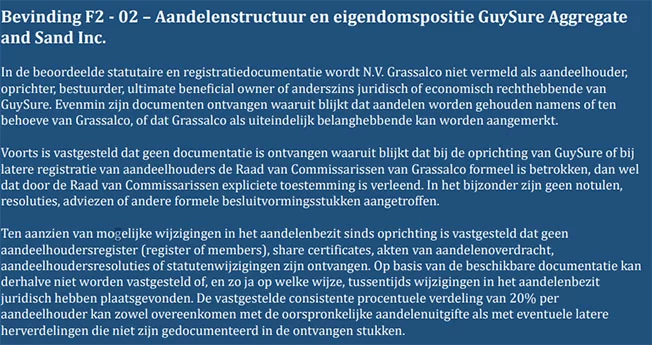
    In a significant move to address chronic parliamentary absenteeism, Surinamese Assembly members Bronto Somohardjo and Silvana Afonsoewa have submitted a formal proposal to amend the standing orders of De Nationale Assemblée (DNA). The initiative targets the persistent lack of quorum that has repeatedly paralyzed legislative and oversight functions, undermining both parliamentary efficiency and public trust in the nation’s highest representative body.

    The core provision of the proposed amendment would introduce Article 32a under the heading ‘Quorum Responsibility,’ establishing that any legislator absent without valid justification from two consecutive quorum-required meetings would be classified as structurally absent. Such members would face temporary suspension of fifty percent of their compensation for the following month, with automatic reinstatement upon resuming their attendance duties.

    Valid exemptions would include documented illness, official government duties, and circumstances of force majeure. Assembly Chair Ashwin Adhin, who received the formally registered proposal on Tuesday, would be empowered to implement the salary withholdings following consultation with the clerk, while also maintaining transparent records of absences and providing periodic reports.

    The proponents emphasize that the measure is not intended as punitive but as a proportional corrective mechanism. ‘Providing quorum is not a favor to the coalition or opposition—it is a duty to the people,’ stated Somohardjo. Both legislators assert that the initiative transcends political gamesmanship, seeking instead to reinforce institutional credibility and professional responsibility among elected representatives.

    The proposal now awaits formal consideration and scheduling by the National Assembly, potentially marking a transformative step toward greater parliamentary accountability in Suriname’s democratic processes.

  • Dominican Republic unveils first armored military vehicle assembled locally

    Dominican Republic unveils first armored military vehicle assembled locally

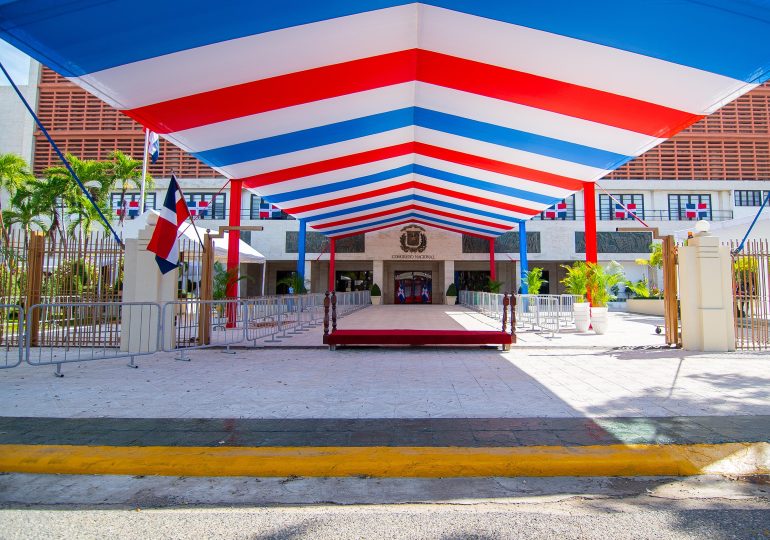
    The Dominican Republic has achieved a significant milestone in national defense sovereignty with the official unveiling of its first domestically assembled armored military vehicle. President Luis Abinader and Defense Minister Lieutenant General Carlos Antonio Fernández Onofre presided over the landmark presentation ceremony, marking a transformative moment in the nation’s military industrial capabilities.

    The newly revealed FURIA armored vehicle (designated VBD-1 Dominican Armored Vehicle) represents a strategic advancement in the country’s defense autonomy. Built on a Ford Super Duty F-250 chassis, the all-terrain combat vehicle boasts capacity for 11 military personnel and features Level 3 ballistic armor protection. Its sophisticated defensive systems include high-resistance steel construction, multilayer ballistic glass capable of withstanding 7.62 mm ammunition, run-flat tires, and reinforced suspension.

    Defense officials emphasized the operational and economic benefits of domestic production, noting that international market equivalents cost approximately $400,000 per unit, while local assembly reduces expenses by nearly 50%. The vehicle’s advanced tactical features include a 360-degree rotating turret, perimeter surveillance cameras, GPS navigation systems, advanced lighting, and climate control capabilities.

    The development forms part of a comprehensive expansion strategy for the Dominican Military Industry, which recently attained formal status as a state-owned public company through Presidential Decree No. 221-25. Authorities announced subsequent models already in development, including the VBD-2 for nine personnel and the VBD-3 with capacity for 22 troops.

    This initiative substantially enhances the operational readiness of Dominican security forces while generating significant technological transfer, workforce development, and industrial growth. The project demonstrates the government’s commitment to reducing foreign dependency in defense equipment while strengthening national security infrastructure through innovative domestic manufacturing solutions.

  • On the yoke, 32 stars

    On the yoke, 32 stars

    In a poignant national reflection, Cuba mourns the loss of thirty-two citizens described as martyrs who sacrificed their lives in defense of their homeland against perceived imperial aggression. The emotional tribute, authored by Laura Mercedes Giráldez and published in Granma, examines the profound legacy left for future generations.

    The narrative centers on children who lost fathers during what the author terms ‘this fatal January’ – a period marking traumatic separation through what is characterized as ‘the murderous claw of the empire.’ These children, the article suggests, will ultimately reject conventional superhero mythology in favor of reverence for frontline defenders who embody honor and duty to the Cuban cause.

    The piece enumerates the heartbreaking absences created by these losses: interrupted promises of reunion, morning coffee rituals forever altered, vacant chairs at family gatherings, photographic records missing paternal presence, and the devastating silence of unanswered safety messages. These voids now permanently inhabit thirty-two Cuban families.

    Described as ‘lions of Martí’s lineage,’ the fallen are portrayed as embodying the revolutionary spirit of Cuban national hero José Martí. Their sacrifice is presented as both warning and inspiration – thirty-two reasons to resist foreign influence on American soil and thirty-two reminders of the ferocity with which defenders allegedly confronted superior forces at point-blank range.

    The article concludes with forward-looking resolution, acknowledging that while less traumatic times will inevitably come, the transformation of grief into collective consciousness represents the ultimate validation of sacrifice. This consciousness, the author contends, must recognize America as more than geographical territory but as a concept worth protecting from external greed, with the fallen heroes having taken their position ‘on the yoke, holding the star that illuminates and kills.’

  • INFORMATION FROM THE REVOLUTIONARY GOVERNMENT

    INFORMATION FROM THE REVOLUTIONARY GOVERNMENT

    In a solemn national tribute, Cuba has honored 32 military personnel who died during duty in Venezuela with posthumous promotions. The decision was announced hours before public commemorations began for the fallen soldiers, recognizing their service with what authorities described as “a fitting and well-deserved tribute.

    The remains of the deceased personnel arrived at José Martí International Airport in Havana at dawn on Thursday, where an official reception ceremony was led by Army General Raúl Castro Ruz, leader of the Cuban Revolution, and President Miguel Díaz-Canel Bermúdez. The military honors ceremony marked the return of the soldiers who perished on January 3, 2026, during what Cuban media characterized as “an attack on Venezuela by the United States.”

    Following the airport ceremony, a funeral procession transported the remains to the Ministry of the Armed Forces headquarters, where public tributes commenced at 10 a.m. The Cuban government has declared nationwide commemorations, with Havana holding ceremonies on Thursday followed by provincial and municipal tributes across the country on Friday.

    The incident represents one of the most significant military losses for Cuba in recent years and highlights the country’s ongoing military cooperation with Venezuela. The posthumous promotions reflect the government’s commitment to honoring those who die in service to Cuba’s international military missions.