分类: politics

  • St. Kitts and Nevis adds biometric verification to Citizenship by Investment program | Biometric Update

    St. Kitts and Nevis adds biometric verification to Citizenship by Investment program | Biometric Update

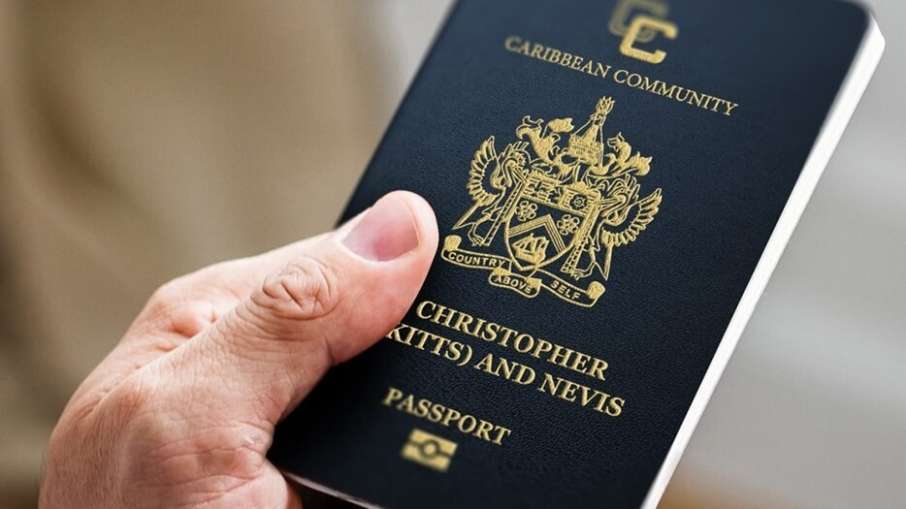
    The Federation of St. Kitts and Nevis has announced a significant upgrade to its Citizenship by Investment (CBI) program, implementing mandatory biometric data collection for all new applicants. The new security protocol, scheduled for implementation before the conclusion of Q1 2026, will require fingerprint and facial biometric verification as part of the application process.

    Executive Chairman of the Citizenship Unit, H.E. Calvin St. Juste, emphasized that this biometric initiative demonstrates the nation’s “unwavering commitment to maintaining the integrity and reputation of St. Kitts and Nevis as a responsible global partner.” The enhanced security measures aim to align the Federation’s travel documents with international civil aviation and border security standards, mirroring biometric protocols already established in the European Union, United States, and United Kingdom.

    Notably, the biometric requirement extends beyond new applicants to include existing citizens who obtained nationality through the CBI program, though they will benefit from an extended transition period. Native-born nationals remain exempt from these new verification requirements.

    The technological advancement follows a November visit by a Taiwan Technical Mission that engaged with stakeholders to advance the Digital Identity Authentication Project. This initiative forms a crucial component of the nation’s e-government roadmap, establishing a secure, standards-based digital identity infrastructure to support smart governance and trusted online services.

    The Citizenship Unit has committed to providing detailed guidance to both applicants and existing program citizens in the coming weeks, ensuring a smooth transition to the enhanced verification system.
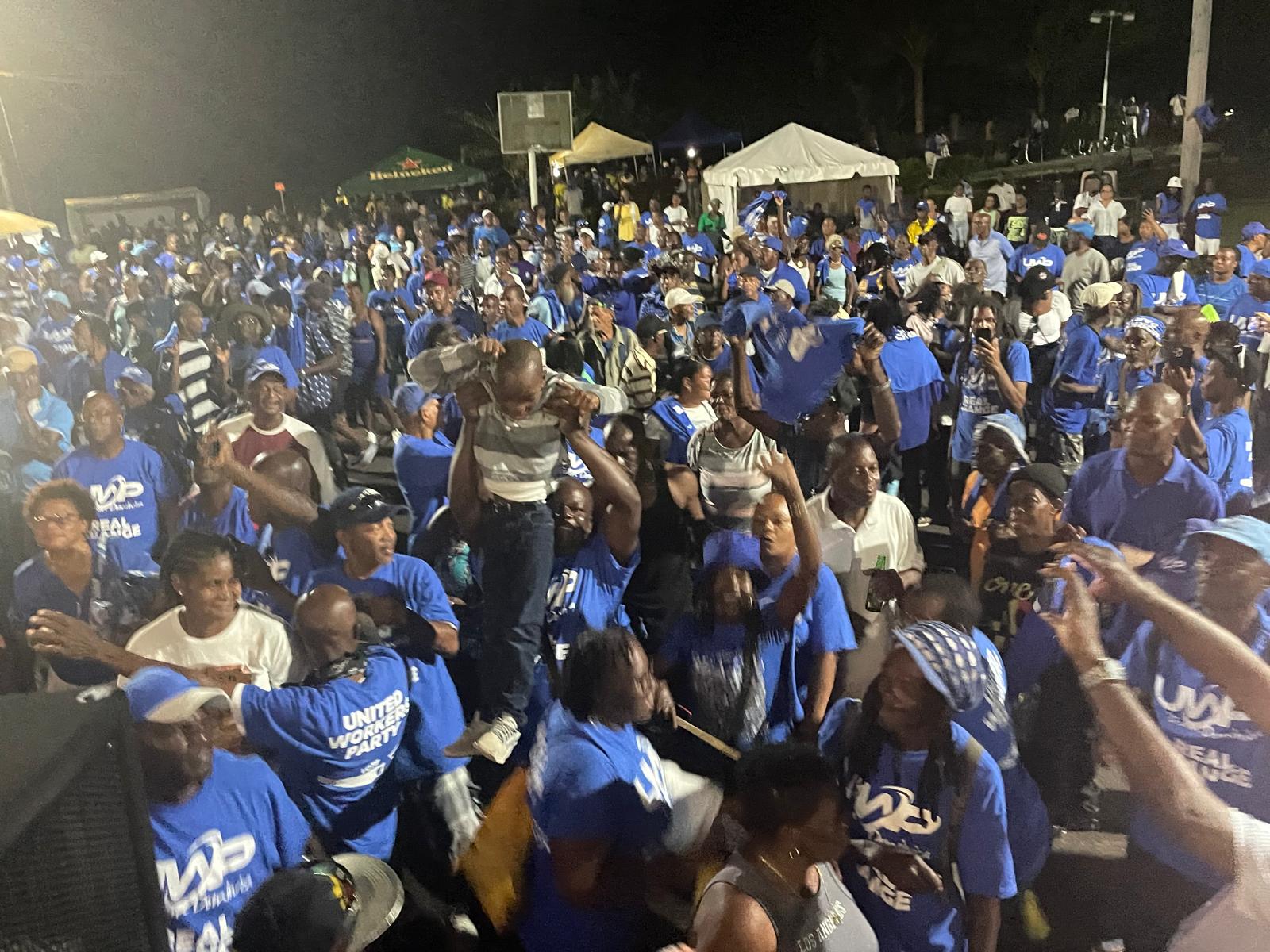
  • IN PICTURES (WITH VIDEO): UWP rally Sunday 1st February 2026

    IN PICTURES (WITH VIDEO): UWP rally Sunday 1st February 2026

    The political landscape in Dominica has been significantly reshaped following the abrupt resignation of two prominent opposition figures. Rosie Felix, the former Deputy Political Leader of the United Workers Party (UWP), and Edlyn Harris, the former Deputy Speaker of the House of Assembly, have both stepped down from their respective positions, sending shockwaves through the nation’s political sphere.

  • PM Skerrit to attend summit for world governments in Dubai

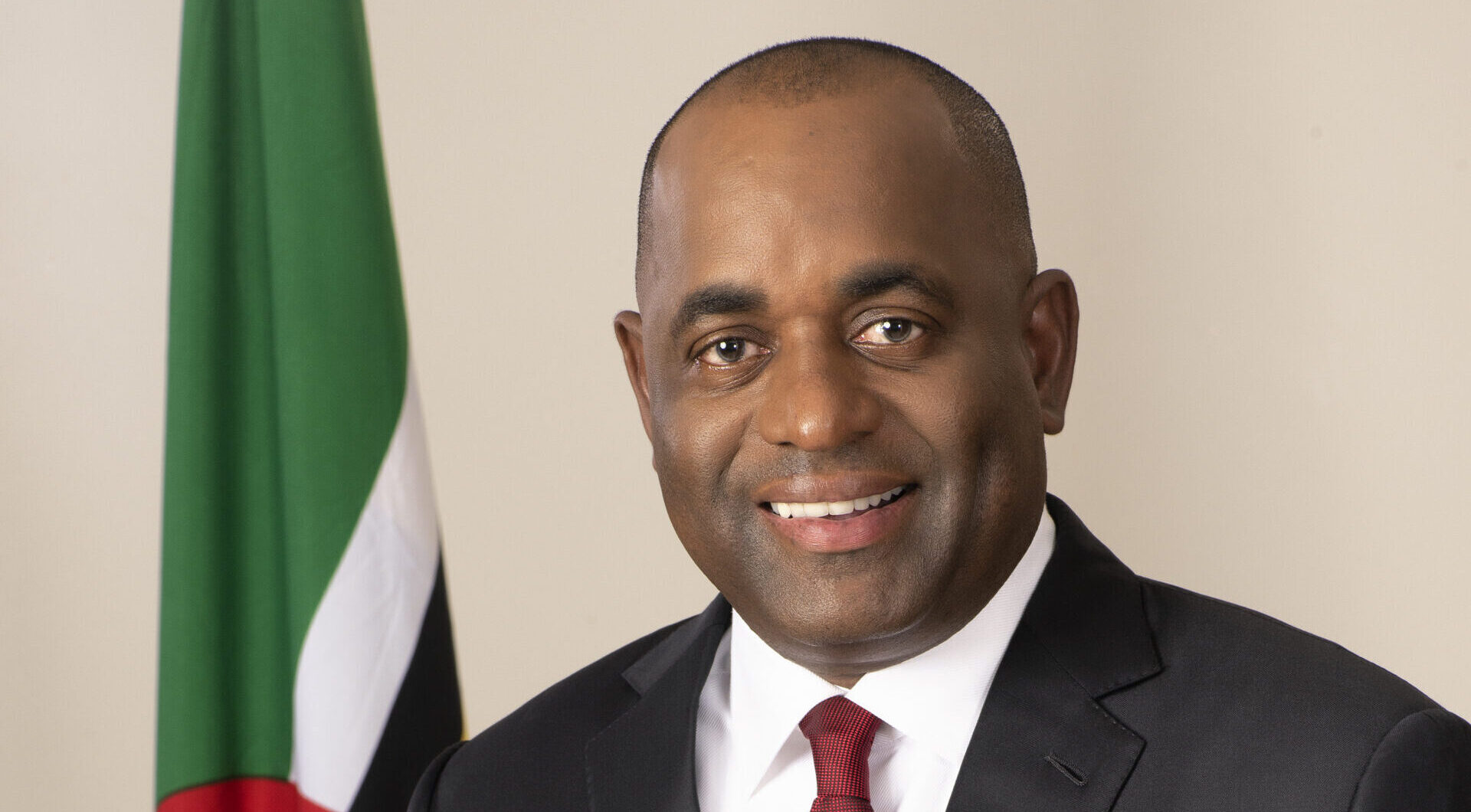
    PM Skerrit to attend summit for world governments in Dubai

    Prime Minister Roosevelt Skerrit of Dominica will represent the nation’s interests at the prestigious World Governments Summit in Dubai, United Arab Emirates, from February 3-5. The high-level gathering, themed “Shaping Future Governments,” brings together global leaders to address pressing international challenges through innovative governance solutions.

    During the summit, Prime Minister Skerrit will actively participate in two critical roundtable discussions focusing on global investment trends and the transformation of international tourism. His involvement is strategically positioned to highlight Dominica’s unique perspective as a small island developing state facing disproportionate climate vulnerabilities.

    The Dominican leader’s agenda emphasizes four key developmental pillars: climate-resilient infrastructure, sustainable investment frameworks, renewable energy transition, and inclusive economic growth. This participation underscores Dominica’s commitment to positioning itself at the forefront of global discussions concerning sustainable development and climate justice.

    While Prime Minister Skerrit attends the Dubai summit, domestic governance responsibilities will be temporarily assumed by Hon. Dr. Irving McIntyre, Minister for Finance, Economic Development, Climate Resilience, and Social Security, ensuring continuous governmental operations during the Prime Minister’s diplomatic mission.

  • PM Friday says official residence a fire hazard

    PM Friday says official residence a fire hazard

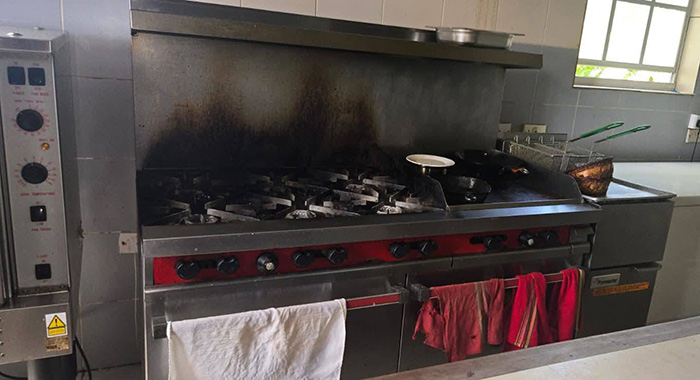
    Prime Minister Godwin Friday has disclosed alarming safety hazards at the official prime ministerial residence, describing the property as fundamentally uninhabitable due to critical structural failures. During parliamentary debates on the national budget, Friday defended the allocation of EC$1.5 million for urgent repairs, revealing that the roof structure has severely corroded, electrical systems present fire hazards, and guardrails have deteriorated to dangerous conditions.

    The revelation sparked immediate criticism from former Prime Minister Ralph Gonsalves, who vacated the property following his party’s electoral defeat last November. Gonsalves contested the assessment, asserting the residence remained “liveable” during his tenure and questioning the substantial funding allocation, suggesting costs would inevitably “balloon” beyond projections.

    Financial records reveal significant historical allocations for residence maintenance, with EC$540,000 budgeted between 2022-2025 for “enhancement” projects, though only EC$241,747 had been expended by November 2024. The previous administration approved EC$75,000 annually in 2021-2022 for improvements, followed by EC$250,000 in 2023 for furniture and minor works.

    Friday detailed his unexpected discovery of the property’s condition post-election, initially anticipating minor cosmetic updates but finding comprehensive structural deficiencies requiring complete electrical system replacement and roof reconstruction. The national infrastructure agency BRAGSA conducted assessments confirming the severity of deterioration.

    Additionally, Friday highlighted deplorable living conditions for security personnel stationed at the residence, describing overcrowded quarters with four officers sharing bunk-style accommodations in single rooms. National Security Minister St. Clair Leacock corroborated these concerns following nationwide inspections of police facilities.

    The Prime Minister emphasized the residence represents national heritage requiring preservation, proposing institutional management through BRAGSA or specialized units to prevent future deterioration. He expressed confidence in securing private sponsorship for heritage conservation, aiming to alleviate taxpayer burden for maintaining historically significant government properties.

  • 42 militairen bevorderd; uitvoering defensiebeleid

    42 militairen bevorderd; uitvoering defensiebeleid

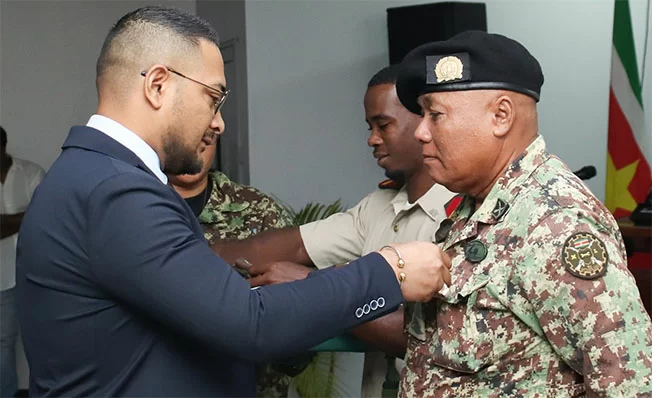
    In a significant move to strengthen national security infrastructure, Suriname’s Defense Ministry has elevated 42 military personnel to higher ranks during a formal ceremony presided over by Defense Minister Uraiqit Ramsaran. The February 2nd promotions represent a concrete implementation of the country’s 2026 defense policy focused on organizational reinforcement from within.

    Minister Ramsaran emphasized that these advancements serve dual purposes: recognizing individual dedication and discipline while demonstrating tangible execution of announced policy initiatives. The minister specifically highlighted the improvement of military legal status as a cornerstone of the ongoing modernization efforts, with additional promotions scheduled throughout the coming months.

    Army Commander Werner Kioe A Sen reinforced the gravity of these advancements, stating that rank elevation signifies increased responsibility rather than mere privilege. Many promoted personnel have served under challenging operational conditions, including deployments in remote interior regions and along national borders.

    Military leadership articulated that motivated and valued personnel form the foundation of a professional, reliable, and resilient defense force—essential components for maintaining Suriname’s national security and stability. The promotions align with broader strategic goals to enhance operational capacity through investment in human capital and institutional strengthening.

  • St. Lucia Bars Medical Studies in Cuba, PM Cites U.S. Pressure

    St. Lucia Bars Medical Studies in Cuba, PM Cites U.S. Pressure

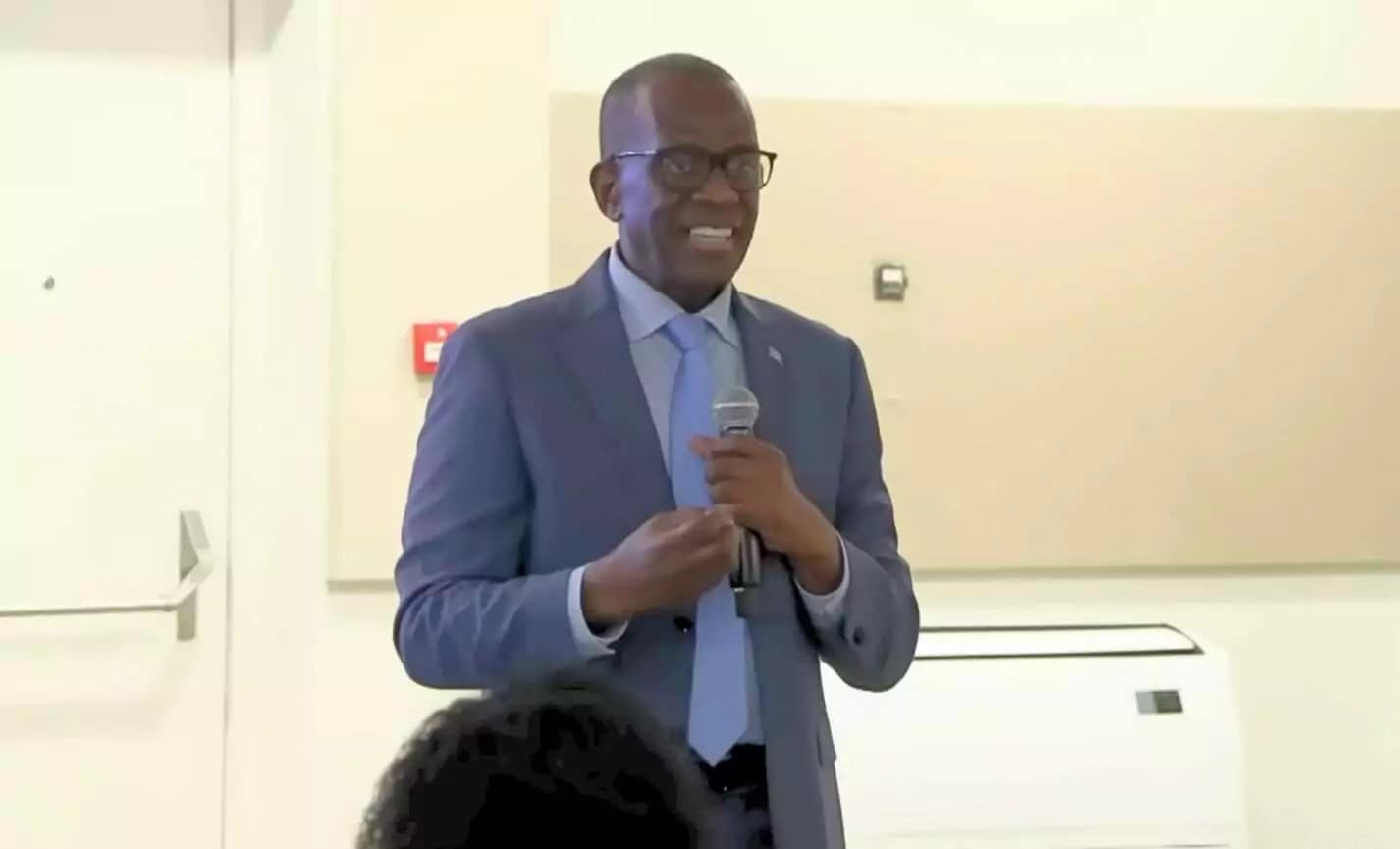
    In a significant policy reversal driven by geopolitical pressures, Saint Lucia’s Prime Minister Philip J. Pierre has announced the termination of the nation’s medical student program in Cuba. The decision, revealed during the Second World Congress on Racial and Ethnic Health Disparities, marks the end of a decades-long educational partnership that has trained numerous Caribbean physicians.

    Pierre characterized the move as “unprecedented but unavoidable” given current international relations, directly attributing the change to mounting diplomatic pressure from the United States. This development disrupts a longstanding regional arrangement that provided medical education opportunities for St. Lucian students through Cuban scholarship programs.

    The sudden policy shift has created substantial uncertainty for aspiring medical professionals and raised alarms about potential shortages in the future physician workforce. Prime Minister Pierre acknowledged the gravity of the decision while emphasizing the government’s constrained options in balancing educational needs against broader diplomatic and economic considerations.

    In response to the emerging crisis, Pierre issued an appeal to the St. Lucian diaspora—especially those in medical fields—to contribute through mentorship, financial investment, and professional support. Simultaneously, government officials are exploring alternative pathways including international medical school partnerships, enhanced regional cooperation, and strengthened domestic training capabilities.

    Healthcare administrators are urgently evaluating the potential consequences for hospital staffing and long-term service capacity, cautioning that delayed policy adaptations could exacerbate existing systemic strains. Government representatives have promised to unveil details regarding replacement programs and transitional measures for affected students within coming weeks.

  • Heftig interruptie debat hervorming OM: ‘Er is geen vertrouwen in de pg’

    Heftig interruptie debat hervorming OM: ‘Er is geen vertrouwen in de pg’

    A contentious parliamentary session in Suriname’s National Assembly has exposed deep divisions over proposed constitutional reforms affecting the judicial system and Office of the Attorney General. The debate, which unfolded during Friday’s session, revealed fundamental disagreements between governing and opposition parties regarding the future of Suriname’s legal framework.

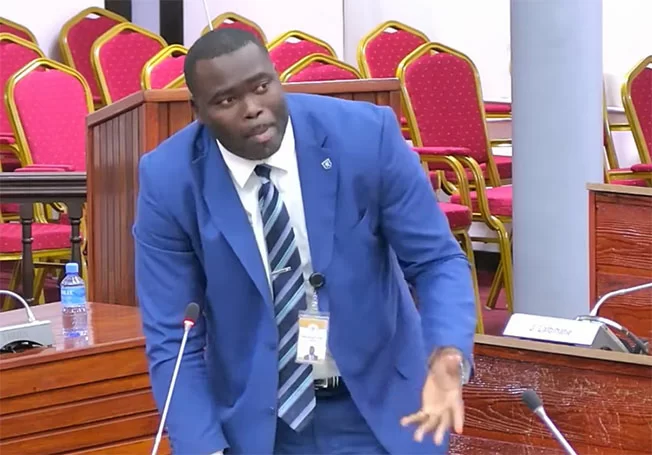
    NDP Assembly Member Michael Marengo delivered the most striking criticism, declaring that Surinamese society has lost confidence in the current Attorney General and warning that the nation faces a profound “crisis of trust” in its judicial institutions. This blunt assessment set the tone for a heated exchange that crossed party lines.

    The core disagreement centers on two competing visions: the governing NDP faction advocates for establishing a domestic third judicial instance, while the opposition VHP party supports joining the Caribbean Court of Justice (CCJ). NDP Member Ann Sadi expressed concerns that CCJ membership would primarily benefit wealthy Surinamese citizens due to high costs and accessibility barriers, creating a two-tier justice system.

    VHP representative Krishna Mathoera pressed for concrete details about the proposed College of Attorneys General, questioning how many members it would contain, what safeguards would prevent political influence, and how the organization would function practically. Meanwhile, NDP members Jennifer Vreedzaam and Tashana Lösche argued that systemic reform is necessary to strengthen institutions rather than target individuals, suggesting that a distributed responsibility model could reduce vulnerability to pressure and selective enforcement.

    The most vehement opposition came from VHP Assembly Member Mahinder Jogi, who characterized the proposed college as a form of “political interference” that would increase pressure on the Office of the Attorney General. Jogi asserted the concept was unsuitable for Suriname’s context and would ultimately prove unworkable.

    In response to the emotional debate, initiator Raymond Sapoen (NDP) emphasized that constitutional amendments require pragmatic rather than emotional approaches. He clarified that the reform seeks to modernize an outdated system centered on a single Attorney General—a model he described as “no longer of this time”—while explicitly denying any personal targeting of current officeholders. Sapoen indicated that specific operational details would be established through subsequent legislation, with the current focus being on creating constitutional flexibility for future restructuring.

  • SKN reaffirms support for Taiwan joining WHO and its Executive Body

    SKN reaffirms support for Taiwan joining WHO and its Executive Body

    WASHINGTON, DC — In a significant diplomatic move, the Federation of St. Kitts and Nevis has reaffirmed its strong advocacy for Taiwan’s integration into the World Health Organization (WHO) and its Executive Body. This position was formally articulated through an official government statement released on Monday, February 2, 2026.

    The Caribbean nation emphasized that global health challenges transcend political boundaries, arguing that Taiwan’s exclusion from WHO proceedings undermines international public health architecture. The Federation specifically called for Taiwan’s ‘meaningful participation’ in the WHO’s work and meetings, including the upcoming 158th Session of the WHO Executive Board and the forthcoming World Health Assembly.

    ‘We firmly believe that issues including pandemic preparedness, communicable and non-communicable diseases, mental health, maternal and child nutrition, and universal health coverage require inclusive cooperation and collective engagement of all capable partners,’ the government statement read.

    The Federation highlighted Taiwan’s demonstrated expertise in public health advancement, healthcare delivery systems, digital health innovation, and international medical initiatives. ‘Taiwan’s experience in disease prevention, universal health coverage, and health technology innovation represents valuable knowledge that can benefit the wider international community,’ the statement added.

    This diplomatic stance places St. Kitts and Nevis among the most vocal supporters of Taiwan’s international participation, despite consistent opposition from China, which claims sovereignty over the island territory. The Federation maintains that Taiwan’s inclusion aligns with the universal right to health and global objectives of ensuring health security for all peoples.

    The government concluded by reiterating its commitment to working with international partners to advance a ‘resilient, equitable, and effective global health system’ guided by common good rather than political considerations.

  • President Abinader arrives in Dubai for World Governments Summit 2026

    President Abinader arrives in Dubai for World Governments Summit 2026

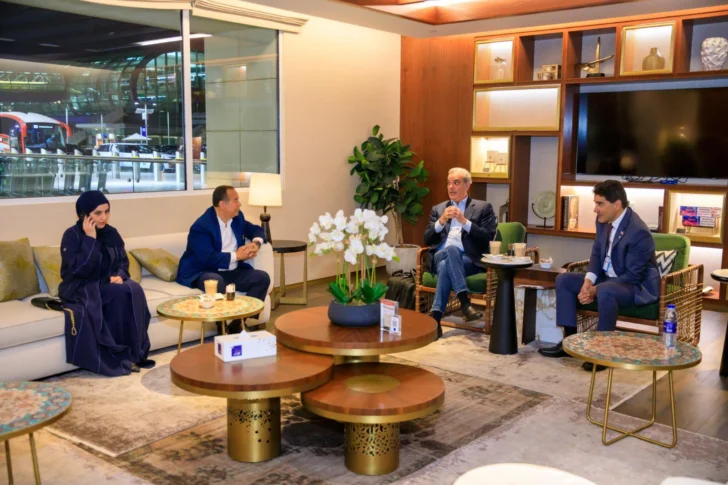
    DUBAI, UAE – Dominican Republic President Luis Abinader has commenced his diplomatic mission in Dubai, where he will participate in the prestigious World Governments Summit (WGS) 2026. The high-level gathering, scheduled from February 3-5, convenes under the forward-looking theme “Shaping the Future of Governments” and brings together heads of state, senior government officials, and global business leaders to address pressing governance challenges.

    President Abinader received an official welcome upon arrival from Huda Al Hashimi, UAE Minister of State for Government Development and the Future, alongside Renso Antonio Herrera Franco, the Dominican Ambassador to the UAE. The presidential delegation comprises key cabinet members including the Ministers of Finance, Public Administration, and Housing, in addition to senior representatives from national planning, investment agencies, and the Presidential Office.

    The summit agenda for President Abinader includes bilateral discussions with international counterparts focused on enhancing economic development, identifying emerging global opportunities, and strengthening multilateral cooperation. Additional engagements are planned with South American leaders and members of the Dominican diaspora residing abroad.

    Since its establishment in 2013, the World Governments Summit has evolved into a premier global platform dedicated to fostering innovation, technological advancement, and future-oriented governance strategies. The event facilitates critical dialogue on public policy innovation and governmental transformation in response to rapidly evolving global dynamics.

  • Mexicaanse president Sheinbaum belooft humanitaire hulp naar Cuba te sturen

    Mexicaanse president Sheinbaum belooft humanitaire hulp naar Cuba te sturen

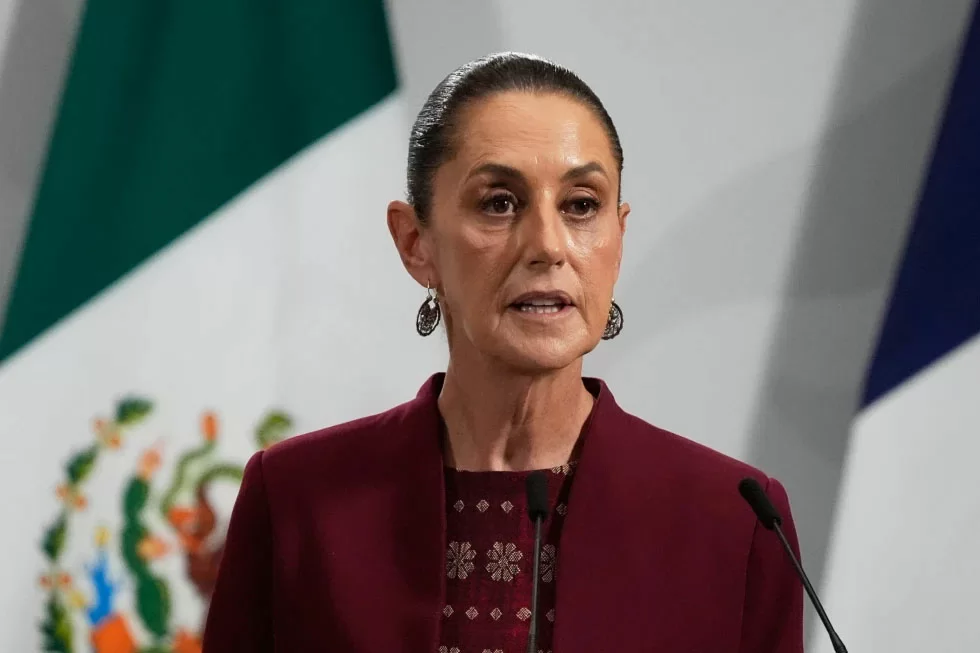
    Mexican President Claudia Sheinbaum has declared her administration’s intention to dispatch humanitarian assistance to Cuba this week, including essential food supplies and other critical aid materials. This announcement came shortly after former U.S. President Donald Trump claimed to have instructed the Mexican leader to suspend oil deliveries to the Caribbean nation.

    Speaking at a public engagement in the northern state of Sonora on Sunday, President Sheinbaum clarified that her Thursday telephone conversation with Trump did not involve discussions regarding Cuban affairs. She emphasized her government’s commitment to resolving “all matters pertaining to oil shipments to Cuba through diplomatic channels for humanitarian considerations.”

    This diplomatic stance emerges against the backdrop of shifting energy dynamics in the region. Following the U.S. military operation in early January aimed at ousting Venezuelan President Nicolás Maduro, the South American nation suspended its declining oil exports to Cuba. This development subsequently elevated Mexico to Havana’s primary supplier of both crude oil and refined petroleum products.

    Mexican oil has long served as a crucial economic lifeline for Cuba. According to the most recent Pemex report, Mexico shipped approximately 20,000 barrels per day to Cuba from January through September 30, 2025. However, satellite tracking data analyzed by University of Texas Energy Institute expert Jorge Piñon indicates that following U.S. Secretary of State Marco Rubio’s September visit to Mexico City, these shipments decreased to roughly 7,000 barrels daily.