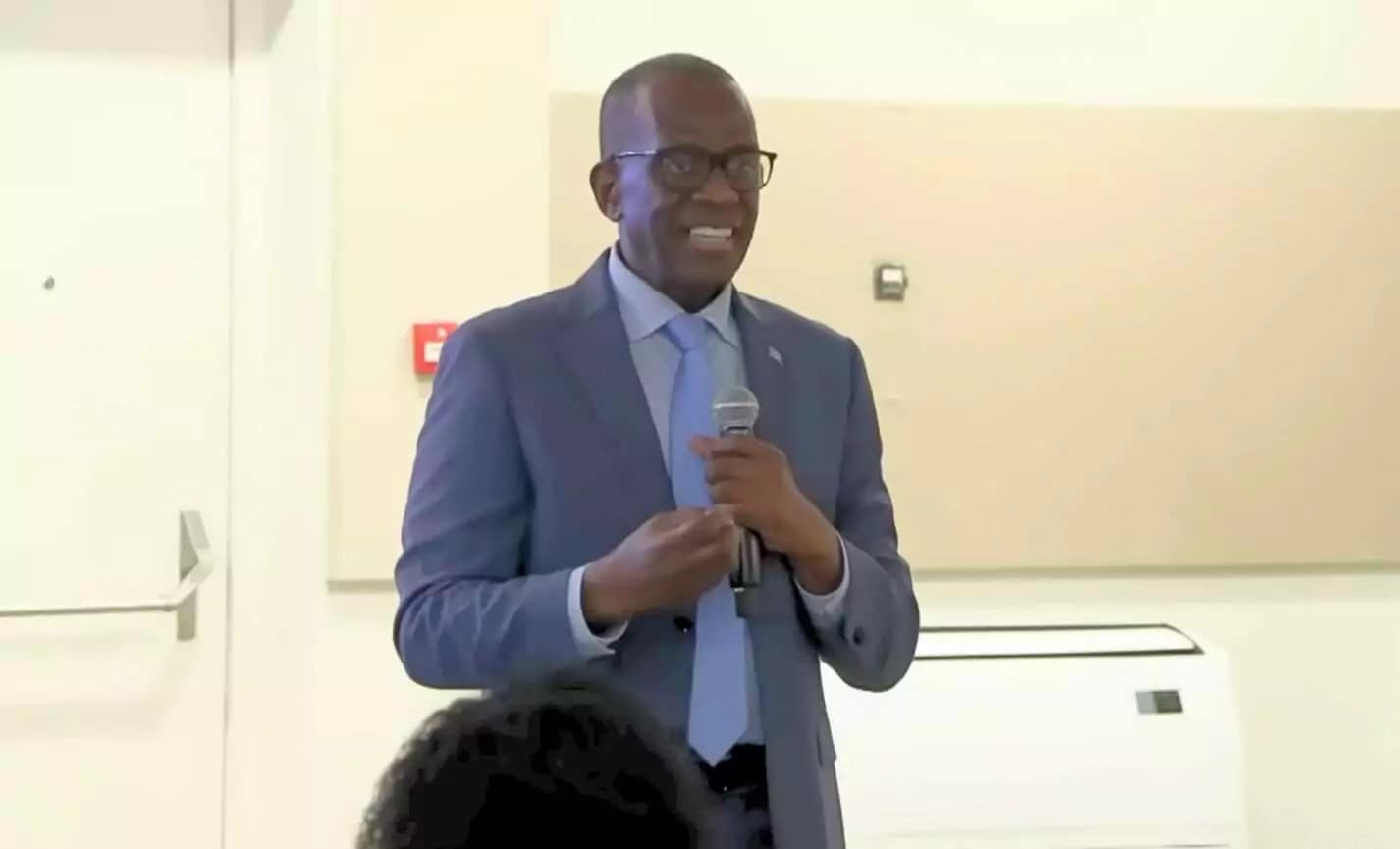
In a significant policy reversal driven by geopolitical pressures, Saint Lucia’s Prime Minister Philip J. Pierre has announced the termination of the nation’s medical student program in Cuba. The decision, revealed during the Second World Congress on Racial and Ethnic Health Disparities, marks the end of a decades-long educational partnership that has trained numerous Caribbean physicians.
Pierre characterized the move as “unprecedented but unavoidable” given current international relations, directly attributing the change to mounting diplomatic pressure from the United States. This development disrupts a longstanding regional arrangement that provided medical education opportunities for St. Lucian students through Cuban scholarship programs.
The sudden policy shift has created substantial uncertainty for aspiring medical professionals and raised alarms about potential shortages in the future physician workforce. Prime Minister Pierre acknowledged the gravity of the decision while emphasizing the government’s constrained options in balancing educational needs against broader diplomatic and economic considerations.
In response to the emerging crisis, Pierre issued an appeal to the St. Lucian diaspora—especially those in medical fields—to contribute through mentorship, financial investment, and professional support. Simultaneously, government officials are exploring alternative pathways including international medical school partnerships, enhanced regional cooperation, and strengthened domestic training capabilities.
Healthcare administrators are urgently evaluating the potential consequences for hospital staffing and long-term service capacity, cautioning that delayed policy adaptations could exacerbate existing systemic strains. Government representatives have promised to unveil details regarding replacement programs and transitional measures for affected students within coming weeks.