分类: politics

  • US wants St Lucia to ban nationals from studying medicine in Cuba, says PM

    US wants St Lucia to ban nationals from studying medicine in Cuba, says PM

    CASTRIES, St. Lucia – Prime Minister Phillip J. Pierre has revealed that the United States government has formally requested that St. Lucia cease sending its nationals to Cuba for medical training, creating a significant diplomatic and public health challenge for the Caribbean nation. The announcement was made during the second World Congress on Racial and Ethnic Health Disparities held in St. Lucia over the weekend.

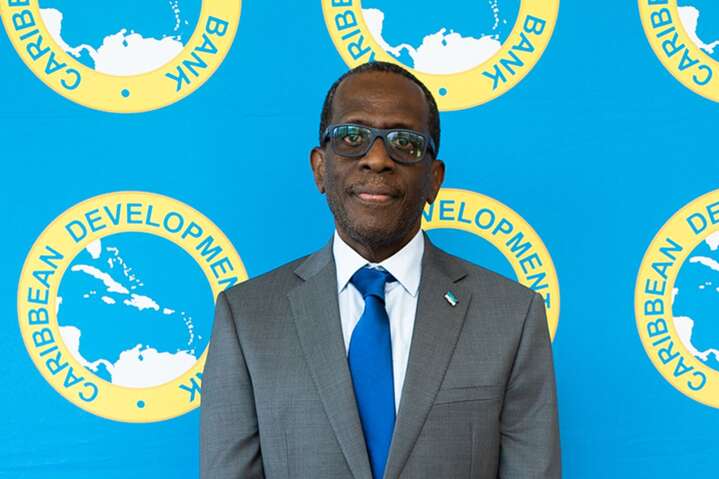
    Prime Minister Pierre characterized the US directive as a ‘major problem,’ emphasizing that a substantial portion of the country’s medical professionals received their education in Cuba. ‘Many of our doctors got trained in Cuba and now the great United States has said we can’t do that any longer,’ Pierre stated, adding that the policy also affects Cuban medical personnel working in St. Lucia.

    The Prime Minister identified geopolitical pressures from Washington as the primary driver behind this unprecedented policy shift, which he warned would exacerbate strains on the nation’s healthcare infrastructure. Pierre appealed to the diaspora and local innovation initiatives to help mitigate the impact of these developing challenges.

    This diplomatic development follows recent statements from the US Embassy in Barbados, which has intensified its criticism of Cuba’s medical missions program. US officials have condemned what they characterize as a system of ‘coercion and abuse,’ alleging that Cuban medical workers face withheld wages, confiscated passports, forced family separation, and excessive working hours under dangerous conditions.

    Washington has further escalated its rhetoric, describing the program as ‘forced labor’ that treats medical professionals ‘as commodities rather than human beings.’ The US government has committed to exposing what it terms injustices within Cuba’s medical export scheme and called for its termination.

    Despite these challenges, Congress Chair Sir Cato Laurencin, a US-based orthopedic surgeon and academic, suggested that St. Lucia possesses alternative options to address its medical training needs, though specific alternatives were not detailed in the proceedings.

  • Bill, Hillary Clinton to testify in US House Epstein probe

    Bill, Hillary Clinton to testify in US House Epstein probe

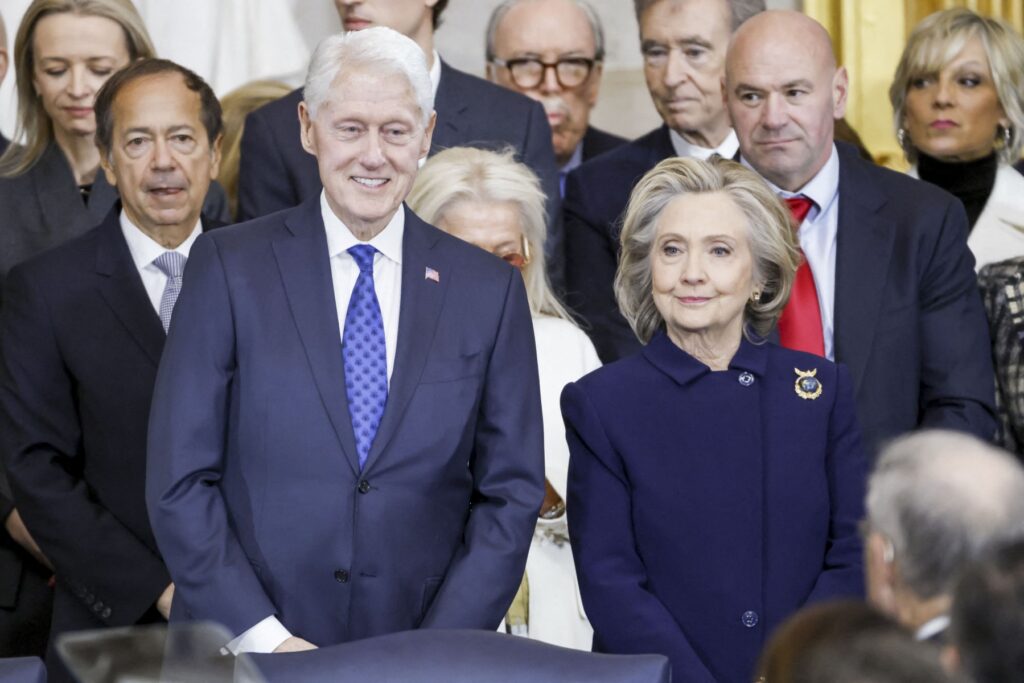
    WASHINGTON—Former President Bill Clinton and former Secretary of State Hillary Clinton will provide testimony before a congressional committee investigating the handling of investigations into Jeffrey Epstein, according to a spokesperson for the former first couple. This development comes as House Republicans had been preparing contempt resolutions against the Clintons for initially refusing to comply with subpoenas.

    The bipartisan House investigation examines how authorities previously handled cases involving the convicted sex offender, whose extensive connections with global business and political figures have created ongoing political ramifications. The Clintons had previously challenged the validity of the subpoenas, arguing they lacked clear legislative purpose, and instead submitted sworn written statements regarding their limited associations with Epstein.

    Angel Urena, spokesperson for Bill Clinton, stated on social media platform X: ‘The former President and former Secretary of State will be there. They look forward to setting a precedent that applies to everyone.’

    The Epstein case continues to generate significant political tensions in Washington, with Democrats alleging the investigation is being weaponized to target political opponents of former President Donald Trump—who himself had documented associations with Epstein but has not been called to testify. Trump had previously attempted to block the disclosure of investigative files related to Epstein for several months.

    In their submitted statements, Bill Clinton acknowledged using Epstein’s aircraft for Clinton Foundation humanitarian missions during the early 2000s but denied visiting Epstein’s private island. Hillary Clinton stated she had no meaningful interactions with Epstein and never traveled on his aircraft or to his properties.

    The resolution of this testimony dispute prevents a potential Democratic Party rift that might have emerged during contempt proceedings, as some Democrats believe no one should be immune from scrutiny regarding Epstein’s crimes, while others viewed the Republican effort as primarily partisan.

    The Justice Department recently released what it described as the final batch of documents related to the Epstein investigation, though the political implications continue to reverberate through Washington.

  • St Kitts and Nevis implements new initiative to safeguard CBI programme

    St Kitts and Nevis implements new initiative to safeguard CBI programme

    The Federation of St Kitts and Nevis has announced the implementation of mandatory biometric data collection for its Citizenship by Investment (CBI) programme, marking a significant enhancement to its national security infrastructure. This strategic initiative, scheduled for rollout before the conclusion of the first quarter, will apply to both new applicants and existing economic citizens, positioning the Caribbean nation alongside international security standards observed by the European Union, United States, and United Kingdom.

    Executive Chairman of the Citizenship Unit Calvin St Juste emphasized that the biometric measures reinforce the nation’s dedication to preserving the integrity of its citizenship programme while functioning as a responsible participant in global security efforts. The enhanced protocols will require all new CBI applicants to submit biometric identifiers during the application process. Existing economic citizens will be granted an extended compliance period to facilitate a seamless transition to the new requirements.

    Notably, the biometric mandate exclusively targets individuals who have obtained or are seeking citizenship through investment channels, with no implications for native-born citizens of St Kitts and Nevis. Detailed implementation guidelines and timelines for existing programme participants will be disseminated in the coming weeks.

    The government asserts that this advancement demonstrates its proactive stance toward evolving global security challenges and reinforces the international credibility of its travel documents. The Citizenship Unit has committed to providing comprehensive assistance throughout the transition period, ensuring both applicants and current citizens receive necessary support.

  • Trump urges ‘no changes’ to bill to end shutdown

    Trump urges ‘no changes’ to bill to end shutdown

    WASHINGTON (AFP) — U.S. President Donald Trump issued an urgent appeal on Monday, calling upon the House of Representatives to promptly pass a critical spending bill and terminate the ongoing three-day federal government shutdown. The legislative impasse stemmed from a breakdown in bipartisan negotiations, triggered by Democratic outrage over the fatal shooting of two protesters in Minneapolis by federal immigration agents.

    In a post on his Truth Social platform, Trump emphasized the necessity of immediate action: “I hope all Republicans and Democrats will join me in supporting this Bill, and send it to my desk WITHOUT DELAY.” He further cautioned against prolonged delays, referencing the record 43-day shutdown last summer, stating, “We cannot have another long, pointless, and destructive Shutdown that will hurt our Country so badly.”

    The Senate had previously advanced a legislative package late Friday, which included five funding bills to finance most federal agencies through September. Additionally, a two-week stopgap measure was approved to maintain operations at the Department of Homeland Security (DHS) while lawmakers continue contentious negotiations on immigration enforcement policy.

    However, the path forward in the House remains fraught with political challenges. Several conservative Republicans have expressed strong opposition to the Senate-backed deal, threatening to vote against it. This places House Speaker Mike Johnson, who leads a razor-thin Republican majority, in a precarious position. Johnson expressed optimism on Fox News Sunday, stating, “We’ll get all this done by Tuesday; I’m convinced.”

    His task was complicated further on Monday with the swearing-in of a new Democratic member from Texas, reducing the GOP’s already narrow margin. Potential Republican defections could force Speaker Johnson to seek Democratic support to pass the funding bill and conclude the shutdown.

    Should the House approve the Senate’s proposal, legislators would then face a tight two-week deadline to negotiate a comprehensive, full-year funding bill for DHS. Both parties acknowledge the political sensitivity of these forthcoming talks. Democrats are advocating for new restrictions on immigration enforcement tactics, while conservatives are pressing for their own policy priorities. Specifically, House Democrats are demanding reforms to DHS operations, citing concerns over heavily armed, masked, and unidentified agents who sometimes conduct warrantless detentions during immigration sweeps.

    A government shutdown results in the temporary freezing of funds for non-essential federal operations, compelling agencies to suspend services and furlough employees without pay or require them to work pending future compensation.

  • Belize PM calls for urgent international talks on Cuba in face of US aggression

    Belize PM calls for urgent international talks on Cuba in face of US aggression

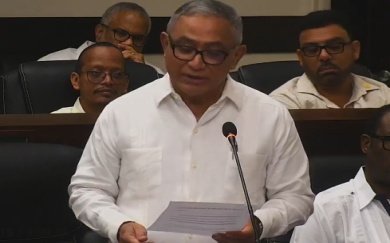
    BELMOPAN, Belize – Prime Minister John Briceño of Belize has issued a forceful appeal for immediate international negotiations to prevent an escalating humanitarian emergency in Cuba, triggered by critical petroleum shortages. Addressing a special joint session of the National Assembly during an official visit by Guyanese President Dr. Irfaan Ali, Briceño emphasized the Caribbean’s foundational principle as a zone of peace and non-interference in sovereign states’ internal affairs.

    Expressing profound concern over recent regional developments, Briceño specifically referenced a recently proclaimed executive order—an apparent allusion to U.S. policy measures—which he warned could precipitate severe consequences for the Cuban population. ‘The government of Belize stands in full solidarity with the Cuban people,’ he declared, characterizing the potential crisis as a ‘manufactured humanitarian disaster’ that is neither morally justifiable nor legally defensible.

    The Prime Minister’s statements highlight how drastically reduced oil deliveries to Cuba, resulting from recent U.S. military actions in Venezuela that led to the detention of President Nicolás Maduro and his spouse on narcotics and weapons charges, have created a precarious situation. These developments have severely constrained Cuba’s access to essential energy resources.

    In a significant regional response, Mexican President Claudia Sheinbaum has committed to dispatching humanitarian assistance to Cuba this week, directly countering mounting pressure from Washington to cease oil shipments to the island nation.

    Notably absent from President Ali’s parliamentary address was any reference to the Cuban situation, despite Guyana’s historical benefits from Cuba’s medical brigade program—an initiative the U.S. State Department has condemned as a form of modern-day slavery. Guyana’s recent strategic alignment with the United States, particularly in resisting Venezuela’s military claims to the Essequibo region, appears to have influenced its diplomatic positioning regarding Cuba.

  • Trump says Mexico will ‘cease’ sending oil to Cuba

    Trump says Mexico will ‘cease’ sending oil to Cuba

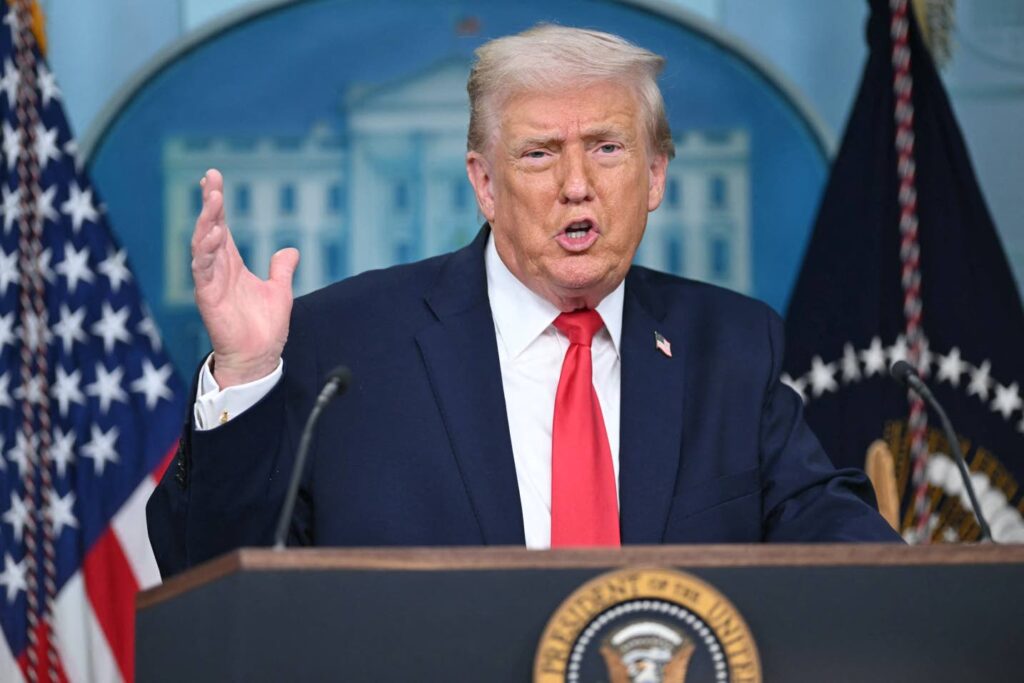
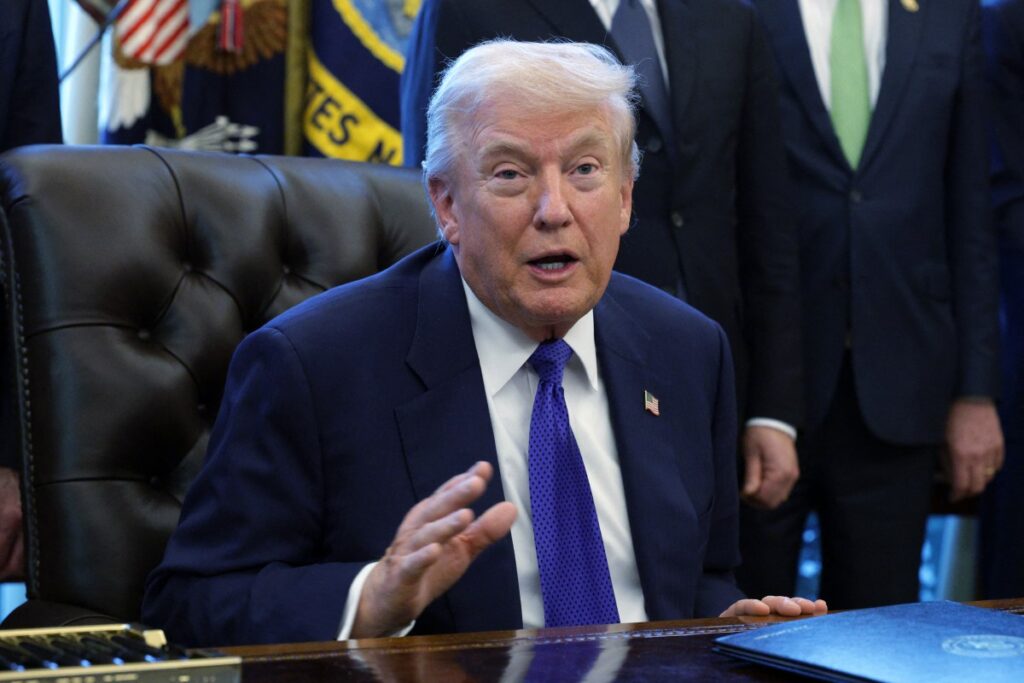
    WASHINGTON—President Donald Trump announced Monday that Mexico will cease oil shipments to Cuba, potentially exacerbating the island nation’s most severe economic crisis since the Soviet Union’s collapse in 1991. The declaration came during an Oval Office press briefing where Trump characterized Cuba as “a failed nation.”

    This development follows the earlier suspension of Venezuelan oil supplies after Nicolás Maduro’s ouster, which had previously sustained Cuba’s economy through subsidized energy imports. The termination of Mexican supplies would represent another critical blow to Cuba’s struggling infrastructure.

    Trump’s administration has implemented punitive tariffs targeting nations that continue oil trade with Cuba, effectively forcing trading partners to choose between engagement with the global economic powerhouse or the impoverished Caribbean island of 11 million people.

    Mexican President Claudia Sheinbaum had previously expressed reluctance to sever energy ties, warning of potential “far-reaching humanitarian consequences affecting hospitals, food distribution, and essential services for Cuban citizens.” However, with the United States serving as Mexico’s primary trading partner, potential tariff implications pose significant risks to Mexico’s already sluggish economic growth.

    Despite Sheinbaum’s assertion of “everlasting solidarity” with Cuba, she acknowledged during recent statements that “We don’t want to put our country at risk in terms of tariffs.” Notably, she claimed that Thursday’s phone conversation with Trump did not include discussions regarding Cuban oil supplies.

    Trump indicated ongoing communications with Cuban leadership, stating “I think we are pretty close, but we are dealing with the Cuban leaders right now,” though providing no specific details. This was partially corroborated by Cuban Vice Foreign Minister Carlos Fernandez de Cossio, who acknowledged intergovernmental communications while clarifying that no formal dialogue table currently exists between the nations.

  • Jamaica to attend 2026 Commonwealth Law Ministers Meeting in Fiji

    Jamaica to attend 2026 Commonwealth Law Ministers Meeting in Fiji

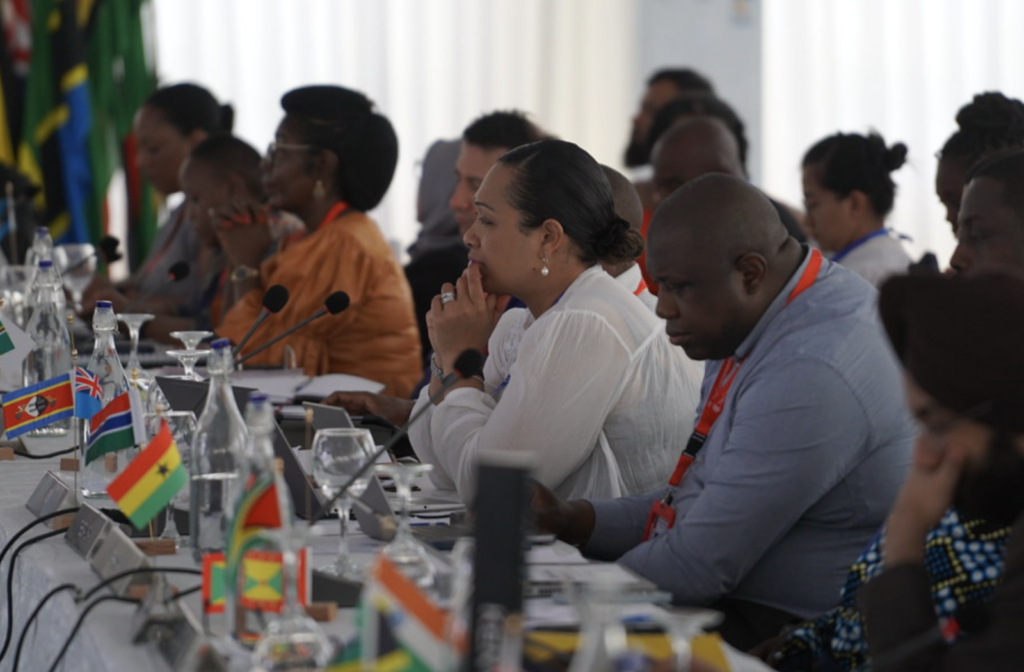
    Fiji will host the prestigious Commonwealth Law Ministers Meeting in Nadi from February 9-12, 2026, bringing together justice ministers and attorneys general from across the 56-member association, including representatives from Jamaica and other member states.

    The gathering occurs against a backdrop of concerning global deterioration in legal protections and judicial integrity. Over three days of intensive deliberations, ministers will examine how robust legal frameworks fundamentally safeguard democratic participation, economic fairness, and community safety. The agenda focuses on developing actionable strategies to enhance justice accessibility and reinforce legal institutions that underpin societal stability, equitable economies, and environmental governance.

    Commonwealth Secretary-General Shirley Botchwey acknowledged Fiji’s hosting role while emphasizing the critical timing of this convening. “The rule of law remains essential to peace, stability and development, yet it is under serious pressure globally,” Botchwey stated. “When legal protections weaken, ordinary citizens bear the heaviest consequences. For the Commonwealth, this isn’t about rhetoric but practical commitment and cooperation.”

    Fiji’s Minister for Justice and acting Attorney General Siromi Turaga will chair proceedings under the theme “Anchoring Justice in a Changing Tide: Strengthening the Rule of Law for a Resilient Future.” Minister Turaga outlined his aspirations for the meeting: “We hope to explore how Commonwealth nations can ensure justice systems remain flexible, inclusive and responsive while addressing challenges presented by climate change, digital transformation and regional cooperation.”

    The official program will incorporate five specialized side events featuring youth leaders, individuals with direct justice system experience, and disability rights advocates, ensuring diverse perspectives inform ministerial discussions. Outcomes from this high-level meeting are expected to directly influence the agenda for the upcoming Commonwealth Heads of Government Meeting (CHOGM) scheduled for later this year in Antigua and Barbuda.

  • Deputy Mayor of Mahdia resigns, former Mayor denies ministerial interference

    Deputy Mayor of Mahdia resigns, former Mayor denies ministerial interference

    The municipal governance of Mahdia, the capital of Guyana’s Region Eight (Potaro-Siparuni), has been plunged into a leadership crisis following the resignation of its Deputy Mayor, Akita John. Her decision comes merely days after Mayor Eslyn Romascindo-Hussain tendered her own resignation, creating a significant vacuum in the city’s administration.

    In an official resignation letter addressed to Local Government Minister Priya Manickchand, Ms. John cited overwhelming personal reasons for her departure, effective February 7, 2026. She articulated that the immense demands of the office had severely encroached upon her personal life, making it unsustainable to continue. “After careful reflection, I have determined that the demands of the position have become increasingly challenging and are taking away significantly from my personal life,” she stated, emphasizing her desire to prioritize her well-being and personal responsibilities.

    This move mirrors that of her predecessor, Mayor Romascindo-Hussain, who stepped down on February 1, 2026. The former Mayor also attributed her resignation to the detrimental impact the role had on her health, describing her three-year tenure as “very challenging” and detrimental to her physical and mental stability in a letter to Ministers Manickchand and Junior Minister Pauline Sukhai.

    The consecutive resignations had fueled widespread speculation of potential political interference, particularly targeting Junior Minister Sukhai. However, in a decisive public statement, former Mayor Romascindo-Hussain vehemently denied any such influence. She dispelled the rumors as “false information” and reaffirmed her unwavering commitment to the ruling People’s Progressive Party Civic (PPPC). She explicitly commended Minister Sukhai’s support, stating, “I have always been supported by the Hon. Minister… and have never had any interference when it came to the work of the council.”

    Both former officials expressed their continued support for the development and progress of Mahdia amidst this period of governmental transition.

  • PCP plans lower pension age for public, higher threshold for MPs

    PCP plans lower pension age for public, higher threshold for MPs

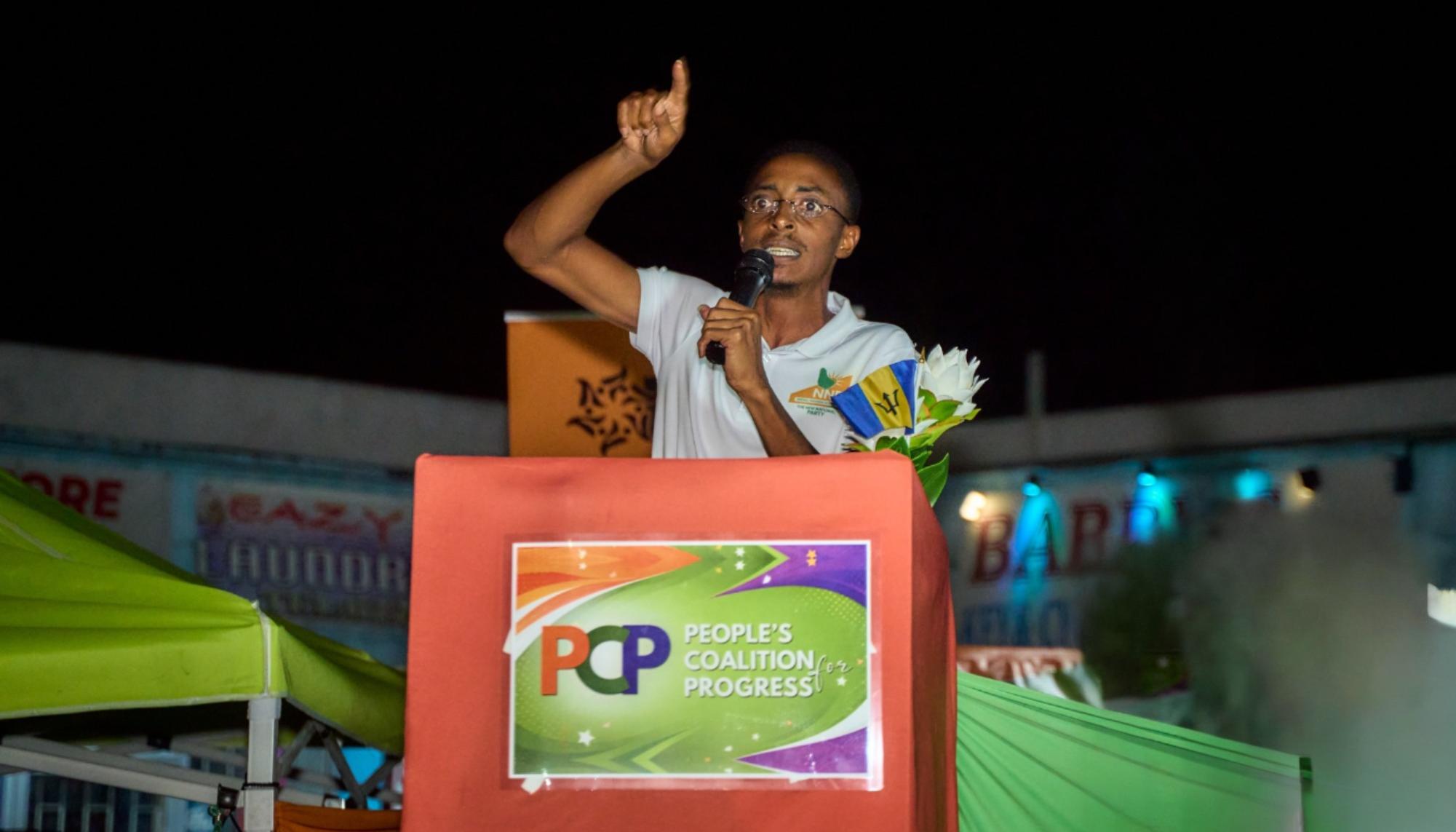
    In a significant policy announcement, New National Party leader Kemar Stuart has unveiled the People’s Coalition for Progress (PCP) plan to radically reform Barbados’ retirement system and tax structure. Speaking at a Saturday night rally in Baxter’s Road, Stuart declared the coalition’s intention to reverse pension age requirements by lowering the eligibility threshold for citizens while increasing it for parliamentarians.

    The proposed legislation would raise the pension age for Members of Parliament from 50 to 57 years, while simultaneously reducing the retirement age for the general public to 62. Stuart characterized this as a fundamental rebalancing toward equitable retirement policies. ‘We will be increasing the politician’s pension age from 50 to 57 as our first order of business,’ Stuart told supporters. ‘Meanwhile, we will be lowering the people’s age to 62 to ensure ordinary Barbadians enjoy the benefits of their National Insurance Scheme contributions.’

    The PCP leader sharply criticized current government policies that he claimed were pushing retirement ages toward 70-72 years, emphasizing his party’s commitment to allowing citizens to ‘enjoy your retirement, your life, your hard work.’ Stuart invoked the principle of fairness with the declaration: ‘If it’s good for the goose, it’s good for the gander.’

    In a related economic proposal, Stuart challenged Central Bank Governor Kevin Greenidge’s warnings against reducing the 17.5% Value Added Tax (VAT). Dismissing Greenidge’s concerns about economic stability as ‘a lie,’ Stuart revealed that VAT revenues between April and December 2025 reached $860 million, with projections exceeding $1 billion annually. He argued that a 2.5% reduction from an estimated $1.6 billion revenue pool—approximately $64 million yearly—would not adversely affect the national economy.

    Stuart positioned VAT reform as a cornerstone of the PCP’s economic agenda, asserting that the current revenue strength provides sufficient cushion for targeted tax relief aimed at addressing cost of living pressures faced by Barbadian citizens.

  • Costa Ricanen naar de stembus

    Costa Ricanen naar de stembus

    Costa Ricans headed to the polls on Sunday for a pivotal general election that could determine the nation’s approach to escalating drug-related violence that has shattered its reputation as a peaceful tourist haven. Pre-election surveys positioned Laura Fernández of the Sovereign People’s Party (PPSO) as the clear frontrunner with just over 40% support, potentially securing an outright victory and avoiding an April 5 runoff.

    Fernández, protégé and former chief of staff to incumbent President Rodrigo Cháves, has campaigned on continuing her mentor’s hardline security policies and anti-establishment messaging. Her closest competitors in the 20-candidate field include centrist economist Alvaro Ramos, representing Costa Rica’s oldest political party, and progressive coalition candidate Claudia Dobles, a former first lady whose husband presided from 2018-2022. Both trail significantly in polls but remain potential contenders for a second round should Fernández fall short of the 40% threshold.

    The election occurs against a backdrop of record homicide rates and multiple corruption investigations that have tested public confidence. Despite these challenges, President Cháves maintains a 58% approval rating according to University of Costa Rica’s CIEP polls.

    Fernández has additionally requested voters grant her party 40 seats in the 57-seat legislative assembly, which would provide the supermajority needed to implement constitutional reforms. The current administration holds only eight seats and attributes legislative gridlock to this minority status.

    Approximately one-quarter of the 3.7 million eligible voters remain undecided, with the largest undecided bloc comprising young adults (18-34) from coastal provinces Guanacaste, Puntarenas, and Limón—regions hardest hit by drug violence.

    Polls opened at 6:00 AM local time and closed at 6:00 PM, with initial results expected before midnight. Although consecutive reelection is prohibited in Costa Rica, Fernández has pledged to include Cháves in her administration, positioning her candidacy as continuity of his populist mandate.