分类: politics

  • Laura Fernández wins Costa Rica presidency

    Laura Fernández wins Costa Rica presidency

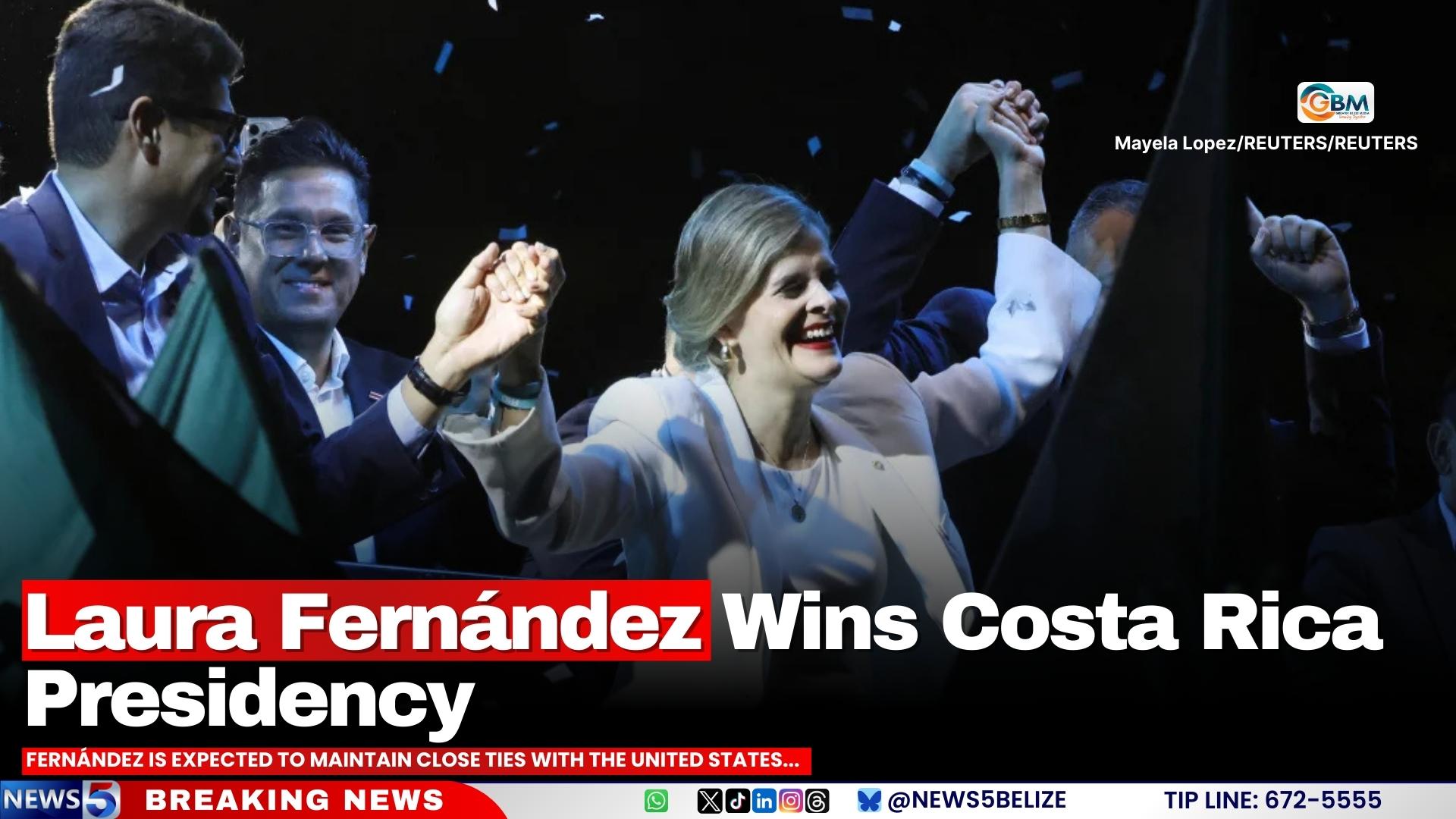
    Costa Rica has elected Laura Fernández of the governing conservative Sovereign People’s Party as its new president in a decisive first-round victory. The 39-year-old former chief of staff secured approximately 48% of the vote with over 88% of ballots counted, comfortably exceeding the 40% threshold required to avoid a runoff election.

    Fernández’s triumph reflects the electorate’s growing concerns about escalating crime rates in a nation traditionally considered one of Central America’s safest havens. Her campaign centered on strengthening the hardline security policies of outgoing President Rodrigo Chaves, who personally selected her as his political successor.

    The president-elect has committed to implementing states of emergency in regions dominated by transnational gangs and completing construction of a high-security prison modeled after El Salvador’s Cecot facility. Fernández emphasized that her security approach would remain firmly grounded in constitutional principles while addressing the drug-related violence that dominated campaign discussions.

    In her victory address, Fernández promised to govern through “dialogue and national harmony” while continuing her predecessor’s policies. She simultaneously criticized opposition parties for parliamentary obstructionism. Her party secured a legislative majority with 30 of 57 seats, providing stronger congressional support than President Chaves enjoyed during his term.

    Fernández is anticipated to maintain Costa Rica’s close diplomatic relationship with the United States, particularly regarding migration control and anti-narcotics cooperation. She will become the nation’s second female president when sworn in on May 8, following Laura Chinchilla’s 2010-2014 administration.
  • Brunswijk: onafhankelijkheid pg mag niet worden uitgehold

    Brunswijk: onafhankelijkheid pg mag niet worden uitgehold

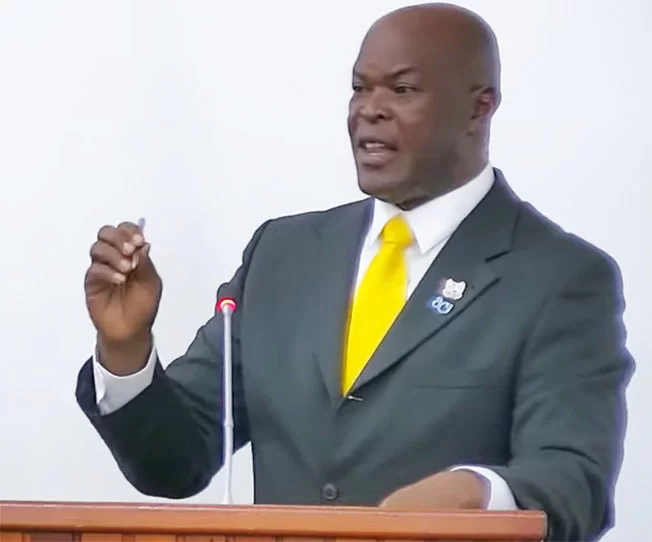
    In a significant parliamentary address today, Ronnie Brunswijk, Vice-Chairman of Suriname’s National Assembly and leader of the ABOP faction, issued a stern warning regarding proposed reforms to the country’s Public Prosecution Service. The prominent politician asserted that current legislative proposals risk undermining the independent position of the Attorney General, potentially compromising the nation’s judicial integrity.

    Brunswijk, serving on the committee of rapporteurs, articulated deep concerns during the parliamentary debate about measures that would weaken existing safeguards surrounding the appointment, authority, and continuity of the Attorney General’s position. He emphasized that the Public Prosecution Service was deliberately structured as a single, hierarchical entity led by a lifetime-appointed Attorney General specifically to shield prosecution decisions from political interference.

    The proposed elimination of institutional filters in the Attorney General’s appointment process drew particular criticism, with Brunswijk highlighting how such changes could jeopardize the legitimacy, authority, and internal stability of the entire prosecutorial system. While acknowledging the necessity of judicial reform, the parliamentarian insisted that changes to the judicial system and Public Prosecution Service must be approached comprehensively rather than through fragmented legislative proposals.

    Additional concerns were raised regarding proposals to lower the retirement age for Public Prosecution Service members and measures that would place time pressure on the Court of Justice during appointment advisory processes. Brunswijk argued these changes would undermine institutional continuity, experience, and balance within the judicial framework.

    Although expressing support for the introduction of cassation jurisprudence, the ABOP leader cautioned that essential choices regarding supervision, composition, and competencies remain inadequately anchored in the proposed reforms. He further questioned the establishment of a College of Attorneys General, suggesting this structure is ill-suited to Suriname’s scale and could create ambiguous responsibilities.

    Brunswijk concluded by calling for judicial reforms to incorporate lessons from other legal systems, emphasizing that respect for independence, political restraint, and clear division of responsibilities must form the foundation of any constitutional democracy.

  • Guyana, Belize to sign agreements on tourism, agriculture, technology

    Guyana, Belize to sign agreements on tourism, agriculture, technology

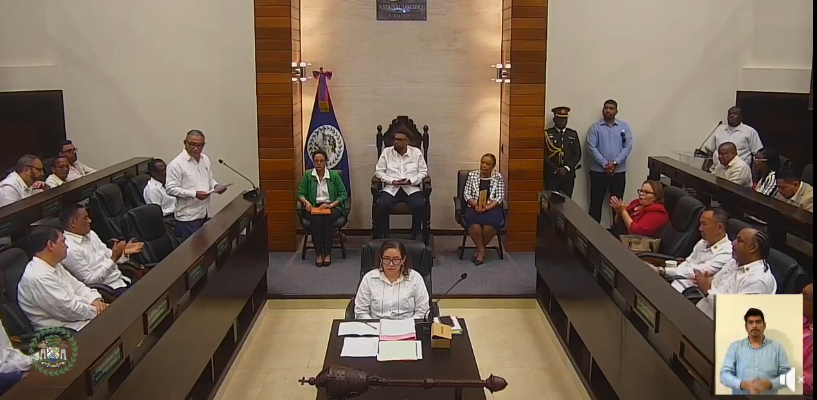
    In a significant move to strengthen regional cooperation, the Caribbean Community (CARICOM) nations of Guyana and Belize have announced a comprehensive partnership agreement spanning tourism development, agricultural collaboration, and technological advancement. The landmark announcement was made by Belizean Prime John Briceño during a joint session of the National Assembly attended by Guyanese President Irfaan Ali as part of his official state visit.

    Prime Minister Briceño revealed that Belize will extend its expertise in tourism development to assist Guyana in building its tourism infrastructure, capitalizing on their shared geographical similarities as countries with abundant water resources. In reciprocity, Guyana will provide technological assistance to support Belize’s digital transformation initiatives, leveraging Guyanese experience in digitization processes.

    The agricultural sector forms a critical component of the new partnership, with both nations committing to combined efforts in achieving CARICOM’s food security objectives. The leaders emphasized the importance of utilizing the Revised Treaty of Chaguaramas as the legal framework for facilitating free movement of agricultural goods within the regional bloc. Both countries, which share historical economic foundations in sugar production dating back to colonial eras, pledged to guarantee regional sugar supplies through refined sugar production facilities being established in both nations with American investment partnerships.

    Multiple Memoranda of Understanding are scheduled for signing, covering diverse sectors including education, tourism, digitization, and agricultural cooperation. President Ali emphasized the necessity of removing artificial trade barriers and establishing fair trading systems while advocating for substantial investments in human, financial, and technological resources to achieve regional food security leadership.

    The agreements represent a strategic alignment between two CARICOM members with complementary strengths, creating frameworks for knowledge sharing, private sector investment facilitation, and mutual economic benefit through structured collaboration across key socioeconomic sectors.

  • Iran Considers Talks with U.S. to Ease Tensions

    Iran Considers Talks with U.S. to Ease Tensions

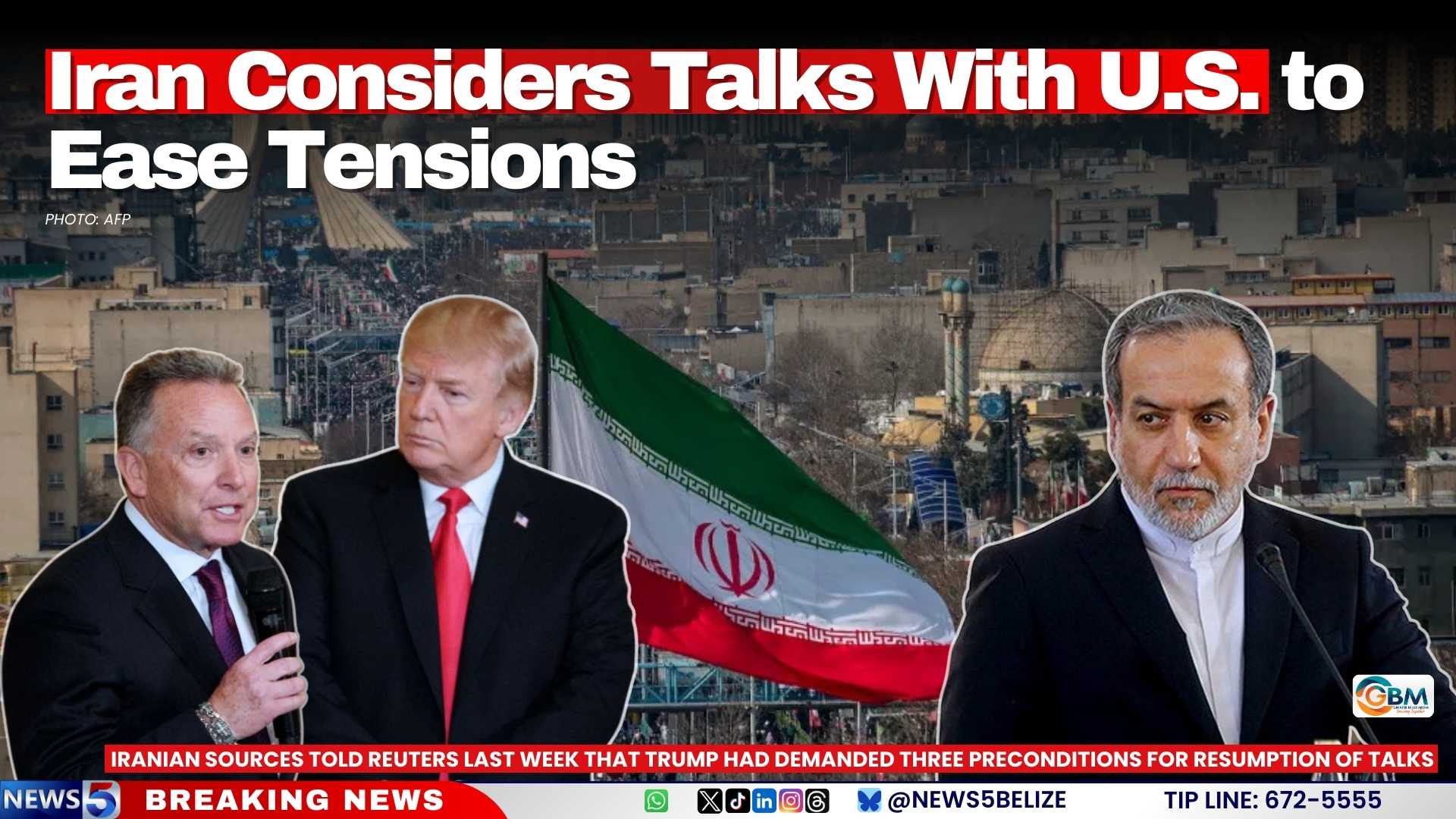
    In a significant diplomatic development, Iran’s foreign ministry confirmed on Monday that it is actively evaluating conditions for potential negotiations with the United States. This announcement comes amid heightened military posturing and suggests a possible breakthrough in the longstanding diplomatic stalemate between the two nations.

    According to Reuters, preliminary discussions are underway for a high-level meeting between U.S. Special Envoy Steve Witkoff and Iran’s Foreign Minister Abbas Araghchi, with Turkey emerging as the likely venue for these talks within the coming week.

    The diplomatic overtures occur against a backdrop of escalating regional tensions. The United States Navy has substantially reinforced its presence near Iranian territorial waters following last month’s violent suppression of anti-government protests within Iran. President Donald Trump has simultaneously issued warnings about potential military intervention while continuing to pressure Tehran to return to nuclear agreement negotiations.

    Previously disclosed preconditions from the Trump administration include three central demands: complete cessation of uranium enrichment activities, limitations on Iran’s ballistic missile program, and termination of support for regional armed groups. Iranian officials have historically rejected these conditions as violations of national sovereignty, though recent statements suggest potential flexibility regarding uranium enrichment levels while maintaining firm opposition to constraints on their missile capabilities.

    Regional mediators, particularly Turkey, are actively encouraging both nations to pursue diplomatic solutions. Turkish officials emphasize that renewed dialogue could serve as a critical mechanism for de-escalation and potentially avert further military confrontation in the volatile region.

  • Antigua and Barbuda to Attend Commonwealth Law Ministers Meeting in Fiji

    Antigua and Barbuda to Attend Commonwealth Law Ministers Meeting in Fiji

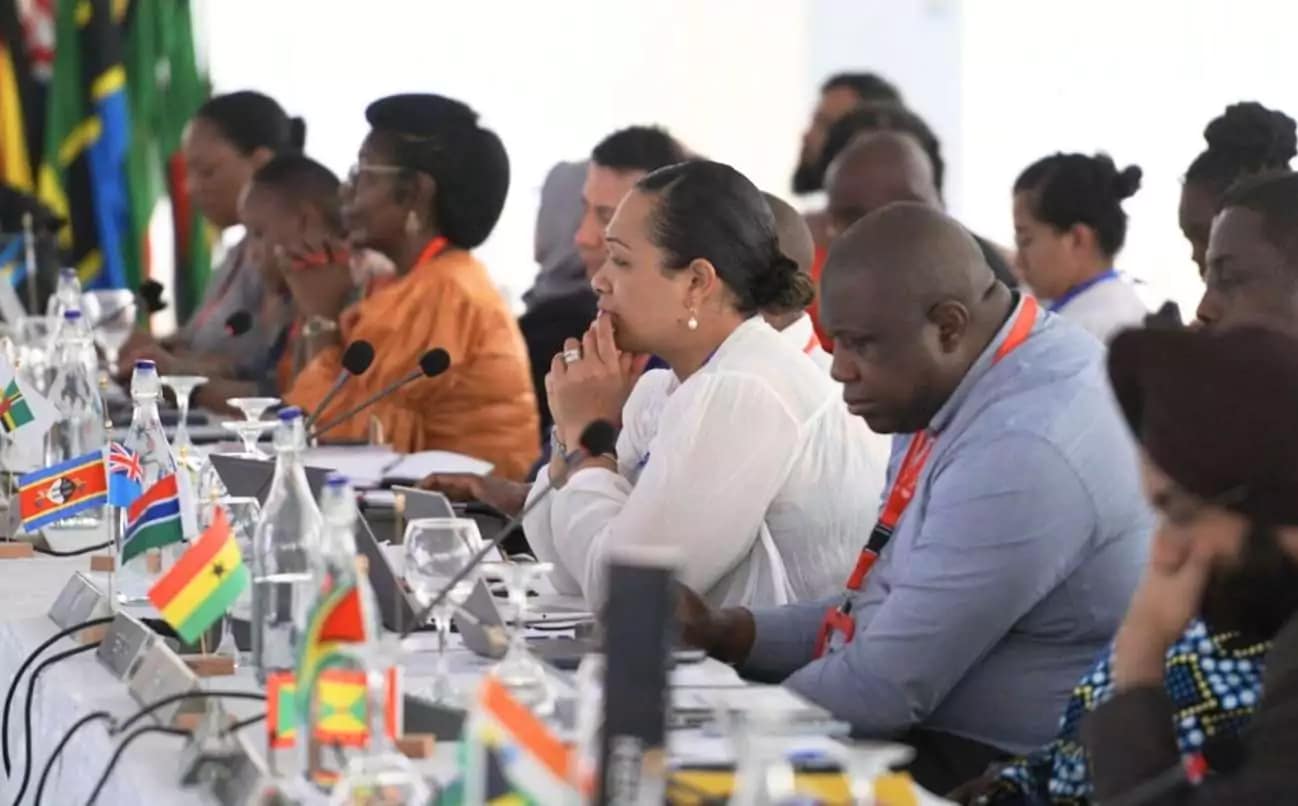
    Legal representatives from across the Commonwealth will assemble in Nadi, Fiji from February 9-12, 2026, for a crucial ministerial meeting addressing the global deterioration of rule of law principles. The gathering will bring together law ministers and attorneys general to confront mounting concerns about how weakening legal frameworks undermine democratic institutions, economic stability, and public security.

    The conference, chaired by Fiji’s Minister for Justice and Acting Attorney General Siromi Turaga, will operate under the thematic banner “Anchoring Justice in a Changing Tide: Strengthening the Rule of Law for a Resilient Future.” Delegates will examine mechanisms through which robust legal systems can safeguard democratic rights, ensure equitable economic opportunities, and build more secure communities.

    Commonwealth Secretary-General Shirley Botchwey emphasized the growing global pressures on judicial integrity, noting that ordinary citizens bear the heaviest burden when legal protections become compromised or inconsistently applied. “Our focus remains on cooperative solutions and tangible actions,” Botchwey stated, “particularly those shielding vulnerable populations from emerging challenges like climate change.”

    The agenda will incorporate diverse perspectives through side events featuring youth leaders, individuals with direct justice system experience, and disability rights advocates. Anticipated outcomes include concrete commitments to enhance access to justice and fortify legal institutions worldwide.

    These deliberations are expected to directly inform discussions at the forthcoming Commonwealth Heads of Government Meeting, scheduled to be hosted by Antigua and Barbuda later this year.

  • UDP Condemns US Pressure to Choke Cuba as “Collective Punishment”

    UDP Condemns US Pressure to Choke Cuba as “Collective Punishment”

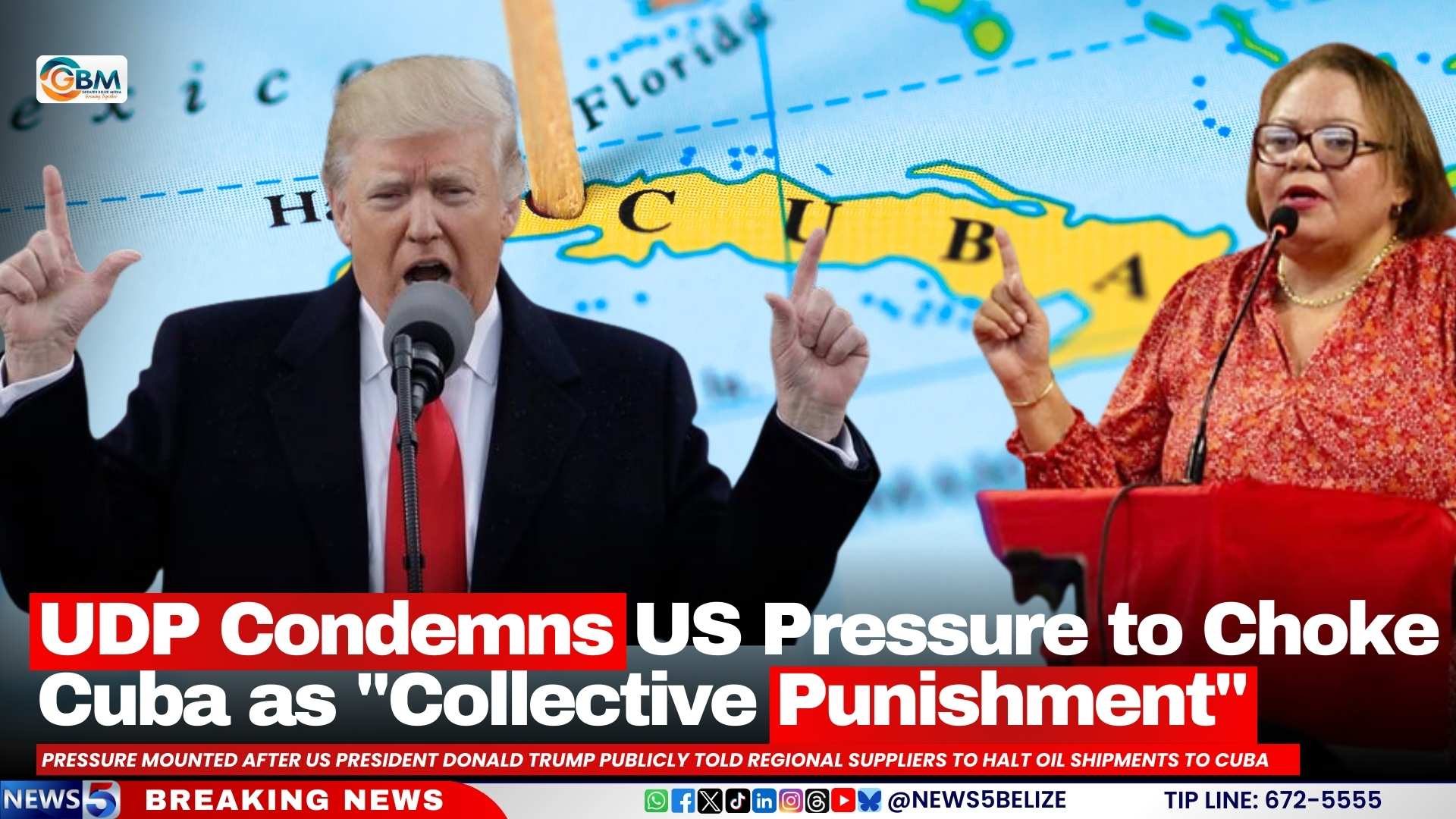
    Regional political forces are mobilizing against renewed United States efforts to sever Cuba’s energy supply lines, with opposition figures condemning the strategy as humanitarian coercion. Tracy Panton, a prominent opposition leader, characterized Washington’s pressure campaign to disrupt oil shipments to Havana as an act of ‘collective punishment’ that threatens devastating civilian consequences.

    The emerging confrontation escalated over the weekend when former US President Donald Trump publicly urged regional fuel suppliers to terminate petroleum exports to Cuba. This directive targets the island nation’s most critical infrastructure needs, potentially crippling healthcare systems, water purification facilities, food refrigeration networks, and transportation services.

    Panton emphasized that energy deprivation strategies inherently lack precision, arguing that ‘measures designed to cut off an entire population from power resources constitute indiscriminate collective punishment rather than targeted sanctions.’ The political leader warned that normalizing such coercive tactics creates dangerous precedents that could eventually threaten other nations.

    Mexico, currently serving as Cuba’s primary petroleum provider, confirmed Sunday its commitment to delivering humanitarian assistance while advocating for diplomatic resolution. Panton urged Belize to join regional allies in demanding negotiated solutions that prioritize civilian protection, stating that ‘political disputes must never be pursued through policies that risk mass human suffering.’

    The opposition leader called for coordinated action through the Caribbean Community (CARICOM) framework while reaffirming solidarity with both Cuban citizens and government institutions. This developing situation highlights growing regional resistance to extraterritorial sanctions policies and sets the stage for renewed diplomatic tensions in the Western Hemisphere.

  • PM to participate in high‑level panel at World Governments Summit 2026

    PM to participate in high‑level panel at World Governments Summit 2026

    Grenadian Prime Minister Hon. Dickon Mitchell is set to represent the Caribbean nation at the prestigious World Governments Summit (WGS) 2026, scheduled for February 3-5 in Dubai, United Arab Emirates. The Prime Minister’s participation will feature a significant appearance on February 4th during a high-level leadership panel examining the transformative forces reshaping governmental investment strategies worldwide.

    Prime Minister Mitchell will share the platform with two distinguished regional counterparts: Hon. Philip J Pierre, Prime Minister of St. Lucia, and Hon. Dr. Natalio D Wheatley, Premier of the Virgin Islands. Their collective discussion, titled ‘What Forces Are Reshaping Government Investment Decisions?’, will explore contemporary challenges and innovative approaches to public sector investment in an era of global uncertainty.

    Beyond the panel discourse, Prime Minister Mitchell’s itinerary includes an extensive series of bilateral engagements with international partners and strategic stakeholders. These diplomatic meetings will concentrate on fortifying cooperative alliances, identifying potential investment ventures, advancing climate adaptation projects, and strengthening Grenada’s multilateral relationships across critical development sectors.

    The Prime Minister’s involvement in the summit highlights Grenada’s dedicated approach to strategic, sustainable investment frameworks that bolster national resilience, improve public service delivery, and establish foundations for prolonged economic prosperity. His address will showcase Grenada’s distinctive experience in harmonizing tourism-centric economic expansion with climate preparedness initiatives, infrastructure modernization efforts, and responsible fiscal governance.

    During Prime Minister Mitchell’s international mission, governmental responsibilities will be temporarily assumed by Hon. Lennox Andrews as acting Prime Minister, ensuring continuous governance and administrative stability throughout this diplomatic absence.

  • Mexico Sends Aid to Cuba Amid Trump Threats to Halt

    Mexico Sends Aid to Cuba Amid Trump Threats to Halt

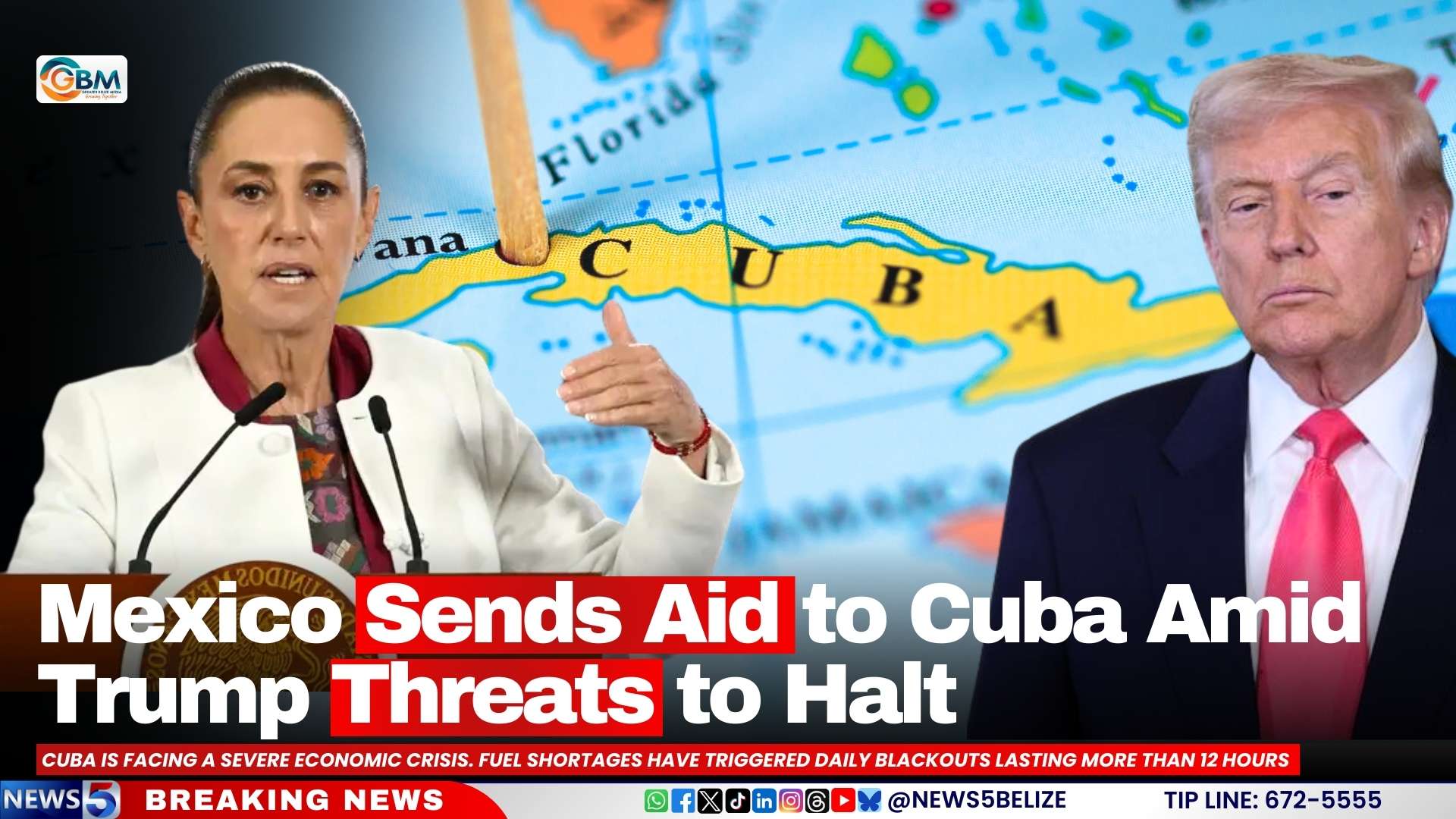
    In a bold geopolitical move, Mexican President Claudia Sheinbaum has declared her nation will dispatch critical humanitarian assistance to Cuba this week. This decision comes amid escalating pressure from the United States, which has publicly demanded the cessation of Mexican oil shipments to the communist-led island.

    President Sheinbaum unveiled the aid initiative during a public address on Sunday, explicitly refuting assertions that the matter was a topic of discussion in her recent 40-minute telephone conversation with U.S. President Donald Trump. This statement directly counters Trump’s Friday declaration, wherein he claimed to have instructed Mexico to halt its oil exports to Cuba and threatened punitive tariffs against any nation persisting in fuel deliveries.

    The Cuban populace is currently grappling with a devastating economic and energy catastrophe. Severe fuel scarcities have precipitated daily nationwide blackouts exceeding 12 hours, critically hampering medical facilities, disrupting food supply chains, and crippling essential public services.

    This crisis intensified significantly following a pivotal event in January: a U.S. military intervention that ousted Venezuelan President Nicolás Maduro. Subsequently, Venezuela, a historical ally and key benefactor, suspended its oil exports to Cuba. This vacuum propelled Mexico’s state-owned petroleum company, Pemex, to become Cuba’s primary oil provider, though recent data indicates a notable decline in shipment volumes, attributed to sustained diplomatic pressure from Washington.

    President Sheinbaum issued a stark warning, asserting that severing this vital supply line would risk precipitating a ‘large-scale humanitarian crisis’ for the Cuban people. This stance unfolds against the enduring backdrop of the comprehensive U.S. trade embargo, which has been enforced against Cuba since 1962.

  • US judge halts end to Haitian migrants’ protections

    US judge halts end to Haitian migrants’ protections

    A federal judge has issued a decisive injunction against the Trump administration’s attempt to revoke deportation protections for approximately 350,000 Haitian immigrants, whose Temporary Protected Status (TPS) was scheduled to terminate this Tuesday. In a comprehensive 83-page ruling, U.S. District Judge Ana Reyes delivered a stern rebuke to Homeland Security Secretary Kristi Noem, asserting she lacks the legal authority to dismantle these critical safeguards.

    The court document presented compelling evidence that Secretary Noem’s termination decision appeared “substantially likely” to have been predetermined and motivated by racial animus toward nonwhite immigrants. Judge Reyes characterized Noem’s actions as “arbitrary and capricious” while acknowledging her constitutional right to express controversial views about immigrants—but emphasizing that such personal biases cannot dictate policy implementation.

    This legal victory comes amid Haiti’s profound humanitarian crisis, where extreme poverty, rampant gang violence, and political instability have created unlivable conditions. Armed groups currently control significant portions of the country, including most of the capital Port-au-Prince. The nation’s transitional government remains exceptionally fragile, having held no elections in the past decade.

    In Florida—home to over 150,000 Haitian TPS recipients—community leaders and lawmakers cautiously celebrated the ruling while recognizing the likelihood of an administration appeal. Miami-based county legislator and Haitian-born activist Marleine Bastien characterized the decision as “breathing room” rather than permanent stability, noting the irony that while U.S. citizens are advised against travel to Haiti, the administration sought to forcibly return immigrants to the same dangerous conditions.

    The TPS program, designed to protect individuals from deportation to countries experiencing armed conflict, environmental disasters, or other extraordinary circumstances, has faced systematic dismantling under the current administration. Officials argue the program encourages undocumented immigration and has been improperly extended, particularly regarding Haiti’s designation following the catastrophic 2010 earthquake. The Biden administration most recently extended Haiti’s TPS designation in 2021.

  • Macron says work under way to resume contact with Putin

    Macron says work under way to resume contact with Putin

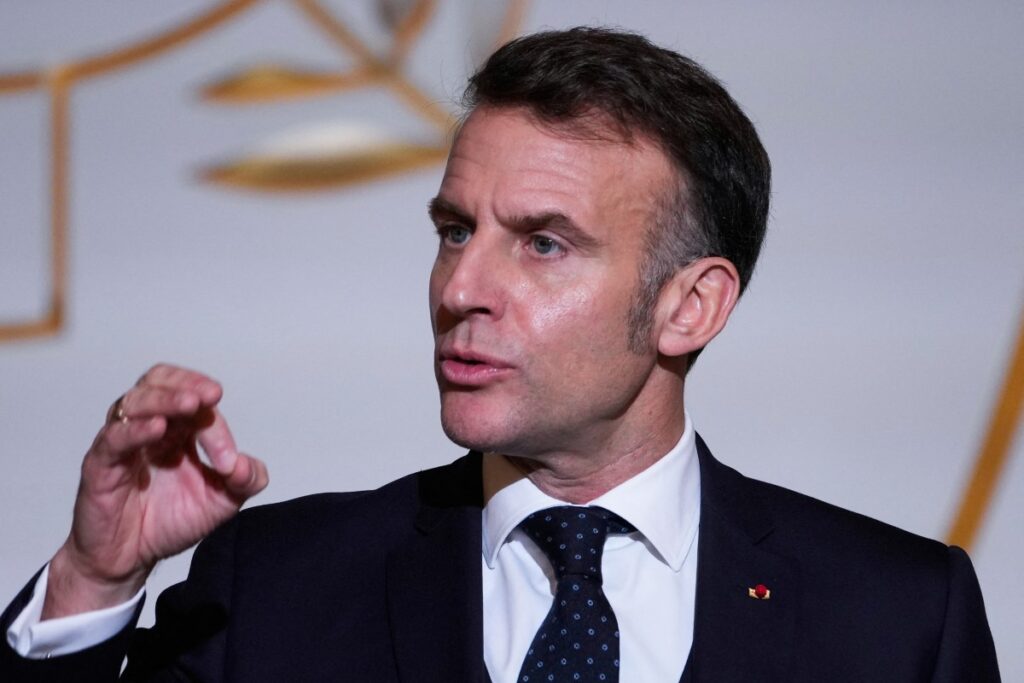
    PARIS — French President Emmanuel Macron revealed on Tuesday that France is undertaking technical preparations to reestablish diplomatic communications with Russian President Vladimir Putin, marking a potential shift in European engagement nearly four years following Russia’s full-scale invasion of Ukraine. During a visit to northeastern France, Macron emphasized that these preparations are being conducted with full transparency and in close coordination with Ukrainian President Volodymyr Zelensky and European allies.

    While affirming France’s unwavering support for Ukraine, Macron articulated the strategic necessity of reopening channels with the Kremlin to eventually negotiate post-war security arrangements. ‘In this context, it is important that Europeans restore their own channels of discussion,’ Macron stated, highlighting Europe’s role in establishing independent diplomatic pathways beyond U.S.-led initiatives.

    The French leader tempered expectations by acknowledging Moscow’s current reluctance toward genuine peace negotiations. ‘I think it would be useful, but I don’t think Russia is currently willing to conclude a peace agreement in the coming days or weeks,’ Macron commented, pointing to Russia’s continued attacks on Ukrainian civilian infrastructure and energy systems as evidence of lacking ‘genuine willingness to negotiate for peace.’

    This potential diplomatic overture represents a notable evolution in Macron’s approach. Initially maintaining contact with Putin during the early months of the invasion, the French president had subsequently suspended all dialogue while intensifying support for Ukraine. The European Union’s communication with Russia has remained virtually frozen since 2022, accompanied by extensive sanctions and travel restrictions.

    The Kremlin responded cautiously to Macron’s announcement, having previously characterized similar European calls for renewed dialogue as ‘positive’ in January. No specific timeline has been established for the potential resumption of high-level discussions between Paris and Moscow.