分类: politics

  • Italy outlines Arctic strategy amid US threats

    Italy outlines Arctic strategy amid US threats

    In a significant diplomatic development, Italian Defense Minister Guido Crosetto and Foreign Minister Antonio Tajani have articulated Rome’s nuanced position on Arctic geopolitics following a high-level meeting at Villa Madama. While explicitly affirming Italy’s recognition of Danish sovereignty over Greenland, the government simultaneously declared its opposition to deploying Italian troops to the region in response to escalating tensions.

    The cornerstone of Italy’s approach is a comprehensive strategic framework focused on security cooperation, scientific research, and sustainable development in the High North. Originally formulated in 2025, this policy document has undergone substantial revisions, expanding by approximately fifty pages to address emerging challenges. Official statements cited growing concerns over Washington’s perceived territorial ambitions regarding Greenland, characterizing these developments as a “clear threat” to regional stability.

    This updated assessment directly informs Italy’s decision to abstain from participating in “Arctic Resistance,” a Danish-proposed military operation designed to counter potential American maneuvers. Despite several European allies, notably France, pledging support for this initiative, Rome maintains that its contributions will align strictly with its multilateral obligations within NATO and the European Union.

    The Italian government emphasizes that Arctic stability constitutes a fundamental component of broader European security architecture and directly impacts the Atlantic Alliance’s strategic interests. Consequently, Italy intends to pursue a calibrated approach—enhancing defensive capabilities through diplomatic channels and research partnerships while avoiding direct military entanglements that could exacerbate tensions.

  • France defends troop deployment to Greenland

    France defends troop deployment to Greenland

    In a significant strategic maneuver, approximately fifteen French military personnel have been deployed to Danish territory, a region increasingly viewed as the critical Arctic gateway and a zone abundant with natural resources. This initial deployment represents the vanguard of a broader military commitment, with French President Emmanuel Macron pledging to augment this presence imminently through additional naval, air, and land assets.

    The operation, though currently low-profile, is integrated within the broader European ‘Arctic Endurance’ mission, which is formally scheduled to conclude shortly. Downplaying the significance of the initial troop numbers, Alice Rufo, the French Minister Delegate for Veterans Affairs and second-in-command at the Ministry of Defense, emphasized the strategic message over mere numerical strength. In a public statement on Franceinfo, Rufo articulated that the core objective is the ‘effect produced’ during such exercises, clarifying that France’s intent is not to intimidate but to unequivocally demonstrate its resolve and commitment to safeguarding European interests in a region of growing importance.

    This European mobilization occurs against a backdrop of renewed and heightened geopolitical interest in the Arctic. The deployment can be interpreted as a direct response to escalating pressures from other global powers. Notably, since his return to the White House, U.S. President Donald Trump has aggressively prioritized the acquisition of Greenland, a vast island territory of Denmark. To advance this ambition, the Trump administration has recently intensified its rhetoric, citing a spectrum of justifications that include perceived strategic threats from China and Russia in the region, as well as underscoring vital U.S. national security interests, such as maintaining early warning systems for potential missile threats.

  • Spain considers sending troops to Greenland

    Spain considers sending troops to Greenland

    The Spanish government has declared a position of deliberate caution regarding the potential acquisition of Greenland by the United States, opting to withhold a definitive stance until a comprehensive European assessment is complete. Foreign Minister Jose Manuel Albares, in televised remarks, emphasized that Madrid’s official response is contingent upon achieving a “well-defined understanding of the situation” through ongoing coordination with fellow European nations.

    Minister Albares highlighted that the prevailing sentiment among Greenland’s population is a desire to maintain its current sovereign status under Denmark, with a transfer of sovereignty to the U.S. not being a considered option. This aligns with prior comments from Spanish Defense Minister Margarita Robles, who similarly urged prudence while confirming the matter remains under active evaluation by authorities.

    Acknowledging the broader continental concern, Albares confirmed a series of diplomatic engagements are already underway. Spain is actively consulting with European partners to exchange intelligence and align perspectives on the geopolitical implications of U.S. President Donald Trump’s openly stated ambitions to acquire Greenland, which he has suggested could occur “one way or another,” including by purchase or force.

    European capitals are reportedly viewing these developments with significant apprehension. The potential annexation of a vast Arctic territory from a NATO ally is perceived as a move that could fundamentally alter the strategic balance and integrity of the North Atlantic Treaty Organization in its present form. Albares concluded that once all critical information is synthesized from these multilateral discussions, Spain and its partners will proceed with making concrete diplomatic decisions.

  • APNU to table motion for modern copyright legislation

    APNU to table motion for modern copyright legislation

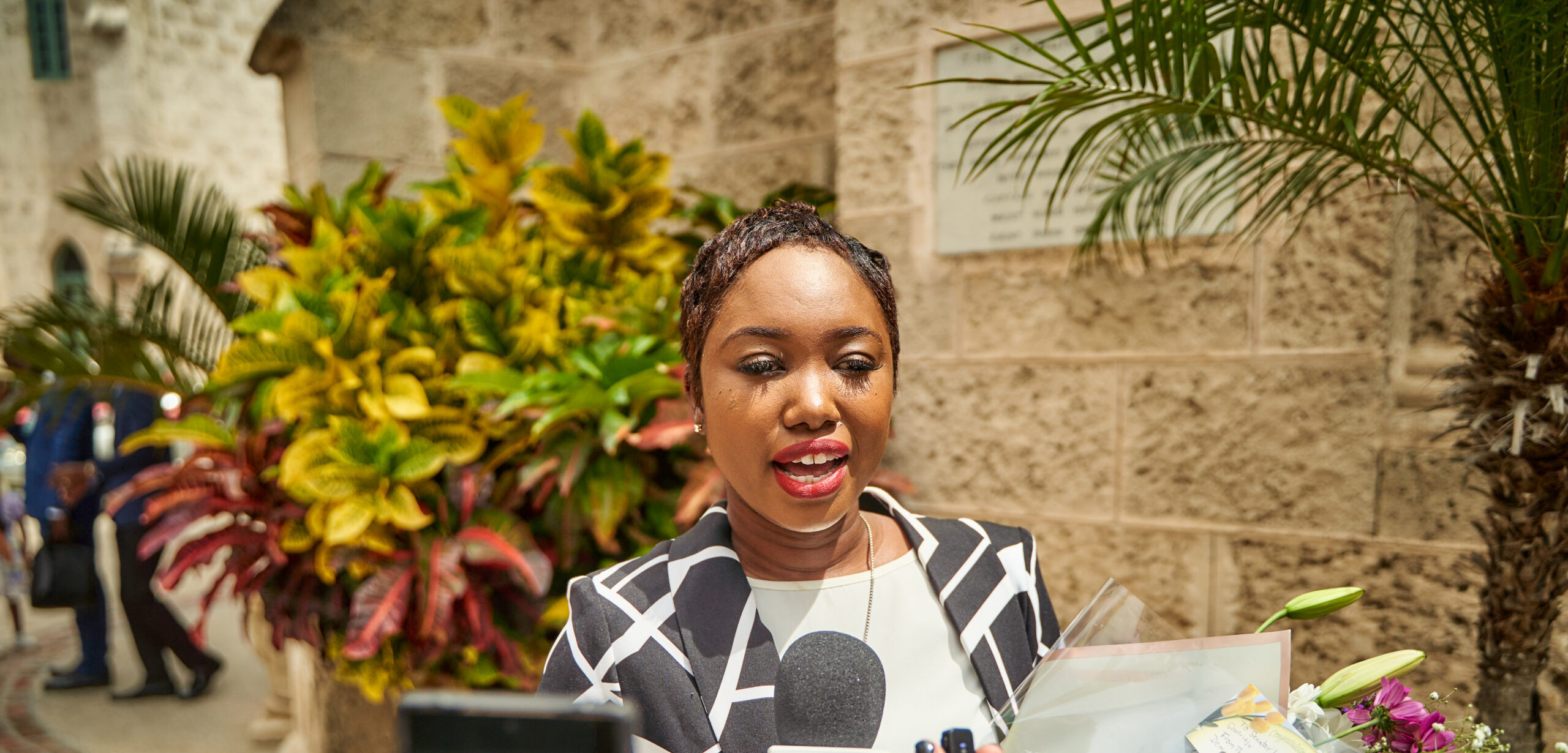
    In a significant legislative move, Guyana’s primary opposition coalition, A Partnership for National Unity (APNU), has announced it will table a parliamentary motion compelling the government to enact modern intellectual property and copyright legislation within a six-month timeframe. The initiative, spearheaded by parliamentarian Nima Flue-Bess, addresses what the party describes as critical deficiencies in the nation’s current creative rights framework.

    During APNU’s weekly press briefing on Friday, Flue-Bess articulated the motion’s dual objectives: first, to establish a special select committee tasked with comprehensively reviewing existing copyright laws, with particular emphasis on identifying gaps in digital rights protection and enforcement mechanisms. Second, the motion mandates extensive consultation with stakeholders across Guyana’s creative industries to ensure new legislation accurately reflects sector-specific needs.

    This legislative push carries historical significance, as both APNU and the ruling People’s Progressive Party Civic (PPPC) had included copyright modernization in their campaign platforms during the 2025 general elections. Guyana currently operates under the British Copyright Act of 1956, inherited upon independence in 1966, which provides limited recourse through private legal action but offers inadequate protection in the digital era.

    Flue-Bess characterized the situation as creating ‘demonstrable hardship for Guyanese creatives,’ noting that the ‘orange economy’ represents a substantially untapped economic growth sector. The proposed legislation aims to facilitate skill monetization for innovators and artists while holding the government accountable for what APNU views as its failure to prioritize comprehensive economic development across all societal segments.

    The motion is expected to undergo debate in the 65-seat National Assembly, where APNU holds 12 seats, setting the stage for potentially significant policy developments in Guyana’s creative and intellectual property landscapes.

  • Diaz-Canel: Unity of the Cuban people is key against imperialism

    Diaz-Canel: Unity of the Cuban people is key against imperialism

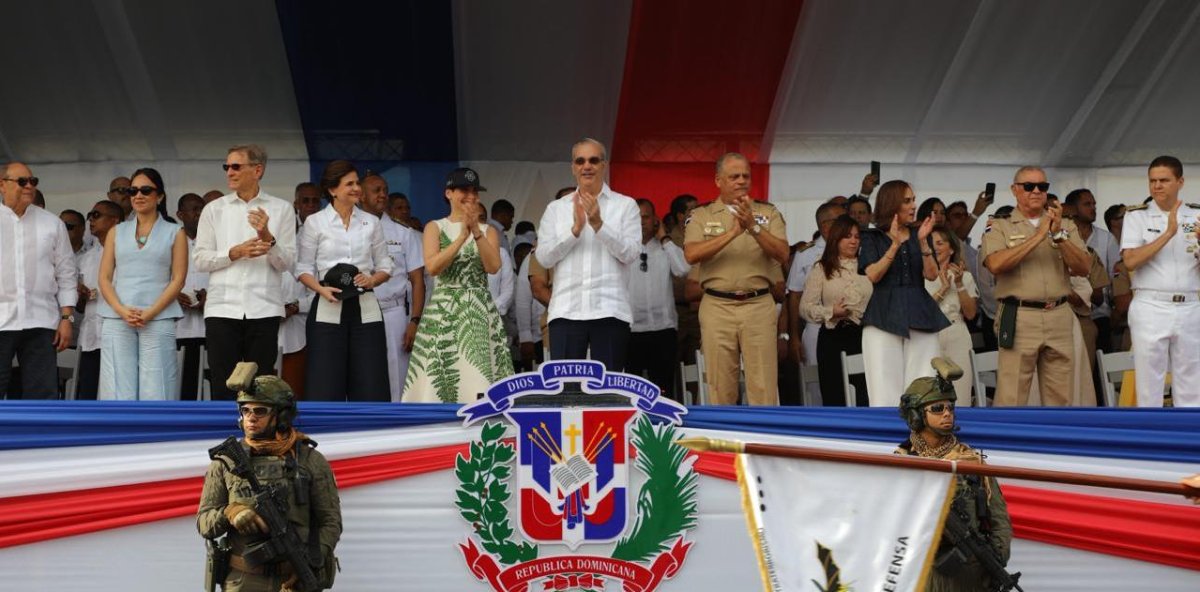
    Cuban President Miguel Díaz-Canel delivered a forceful condemnation of United States foreign policy during commemorations honoring 32 Venezuelan combatants killed in recent conflicts. Speaking before the Anti-Imperialist Tribune, the head of state characterized recent US actions as confirmation of imperialism’s predatory nature.

    The president articulated that Cuba’s anti-imperialist stance emerged not by default but as a direct response to imperialist aggression. “The Cuban people are not anti-imperialist by default; imperialism made us anti-imperialist,” Díaz-Canel stated before the assembled audience.

    He further predicted that such actions would galvanize global opposition, noting that violations of international norms would inevitably push the world toward anti-imperialist positions. The Cuban leader emphasized the critical importance of national unity, drawing historical parallels between solidarity and political victory.

    “All the victories of the Cuban people are associated with the strength of unity,” Díaz-Canel reflected. “Historical patterns demonstrate that division led to defeat while unity consistently produced triumph.” The president cautioned that external adversaries recognize this dynamic and actively seek to disrupt Cuban solidarity through various means.

    Díaz-Canel characterized current US threats as consistent with longstanding policies advocated by American “war hawks” across multiple administrations, suggesting a persistent pattern of aggression that transcends individual US presidential terms.

  • Top diplomats of Italy and Oman for talks to halt Iranian crisis

    Top diplomats of Italy and Oman for talks to halt Iranian crisis

    Italian Foreign Minister Antonio Tajani has publicly endorsed Oman’s diplomatic initiatives aimed at de-escalating tensions between Iran and the United States. This endorsement followed a detailed phone briefing from Omani officials regarding their recent high-level discussions in Tehran with Iranian President Masoud Pezeshkian.

    Minister Tajani formally expressed Italy’s appreciation for Oman’s mediating role in the ongoing regional crisis, emphasizing Rome’s support for continued diplomatic efforts. The Italian government specifically hopes these mediation channels will facilitate broader dialogue addressing critical issues, including Iran’s nuclear program, ultimately contributing to enhanced regional security and stability.

    In response to the volatile security environment, Minister Tajani convened an urgent meeting in Rome with key security officials. This included Italy’s Ambassador to Tehran, regional diplomatic mission heads, and representatives from the Defense Ministry and intelligence agencies. The high-level briefing focused on implementing comprehensive monitoring of the rapidly evolving security situation across the Middle East.

    A primary outcome of the meeting was the reaffirmation of citizen safety as Italy’s utmost priority. Italian officials reiterated previous advisories urging all nationals to evacuate Iran immediately due to mounting security concerns. The discussions also addressed operational security for approximately 900 Italian military personnel stationed throughout the region, including significant deployments in Iraq (500 troops) and Kuwait (400 troops). Precautionary defense measures have been activated to ensure their protection amid rising instability.

    The current crisis stems from widespread protests that erupted in Iran’s Grand Bazaar on December 28, which resulted in numerous casualties. Iranian authorities maintain that these demonstrations are externally orchestrated, specifically accusing the United States and Israel of instigating the unrest.

  • Venezuelan Opposition Leader Gives Nobel Peace Prize Medal to Trump

    Venezuelan Opposition Leader Gives Nobel Peace Prize Medal to Trump

    In a remarkable diplomatic encounter at the White House, Venezuelan opposition figure Maria Corina Machado presented U.S. President Donald Trump with her Nobel Peace Prize medal during a meeting on January 16, 2026. The event occurred nearly two weeks after American special forces successfully captured Venezuelan President Nicolás Maduro.

    The Oval Office meeting featured a photo opportunity before the Declaration of Independence, where President Trump displayed the framed medal with evident satisfaction. The gesture came despite Trump’s previous statements indicating he would not support Machado’s political aspirations in Venezuela’s leadership transition.

    Following the meeting, Trump expressed his appreciation on Truth Social, describing the encounter as a ‘Great Honor’ and praising Machado as ‘a wonderful woman who has been through so much.’ He characterized the medal presentation as recognition for his work in ending multiple conflicts, referencing his September 2025 United Nations speech where he claimed credit for terminating seven wars.

    Machado, awarded the 2025 Nobel Peace Prize for her advocacy of democratic rights and peaceful political transition in Venezuela, described the meeting as ‘excellent.’ She explained the medal presentation symbolized ‘recognition for his unique commitment with our freedom.’

    However, the Nobel Peace Centre promptly clarified on social media platform X that while the physical medal could change ownership, the title of Nobel Peace Prize laureate remains non-transferable according to Nobel Foundation regulations.

    In a consequential political development, President Trump has instead endorsed Delcy Rodríguez, Maduro’s deputy who was sworn in as interim president, citing Machado’s insufficient domestic support to lead Venezuela.

  • Naughty NLA

    Naughty NLA

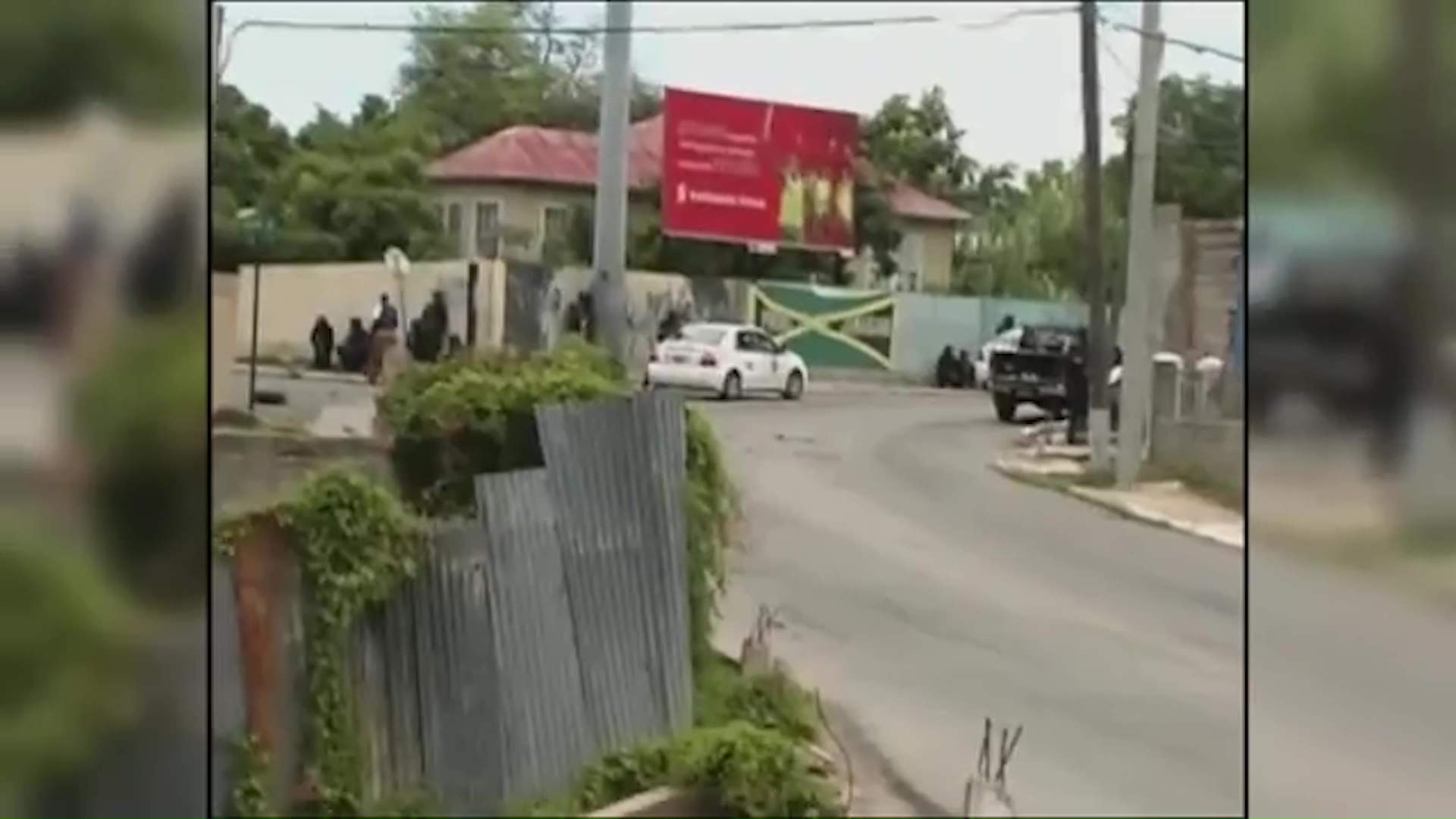
    A damning revelation from Jamaica’s Auditor General has uncovered severe financial governance failures at the National Land Agency (NLA), where basic accounting safeguards were neglected for nearly eight years. The 2024/25 Annual Report from Auditor General Pamela Monroe Ellis details how the agency responsible for managing Jamaica’s land administration system failed to perform regular bank account reconciliations, creating conditions where errors and potential fraud could remain undetected for years.

    The audit examination of the NLA’s 2011/2012 financial statements uncovered that reconciliation statements for five bank accounts were delayed by up to 92 months, with three statements completely undated, preventing verification of management review or approval. This critical lapse violated Section 8.7.1 (vi) of the Government’s Financial Instructions, which mandates monthly reconciliations to ensure cash balances match bank records.

    Beyond reconciliation failures, the investigation identified significant weaknesses in physical asset tracking. While the NLA maintained a master inventory valuing assets at $93.4 million, the system failed to incorporate additional acquisitions worth $10.6 million during the review period. This omission breached the Government’s Comprehensive Asset Management Policy, creating vulnerability to loss, theft, or misappropriation of public property.

    The NLA, which holds central responsibility for land titles, surveys, valuation services, and geographic data supporting Jamaica’s property ownership system, now faces heightened scrutiny over its financial controls. These deficiencies potentially undermine public accountability and confidence in the management of government assets.

    In response to the findings, the Auditor General recommended immediate strengthening of internal controls and full compliance with financial regulations. The NLA has indicated plans to address identified issues through process automation targeted for March 2027, though auditors caution that existing obstacles including unresolved reconciling items must first be resolved for successful implementation.

  • Holness and Rubio discuss hurricane recovery, ‘shared regional priorities’ – US Embassy

    Holness and Rubio discuss hurricane recovery, ‘shared regional priorities’ – US Embassy

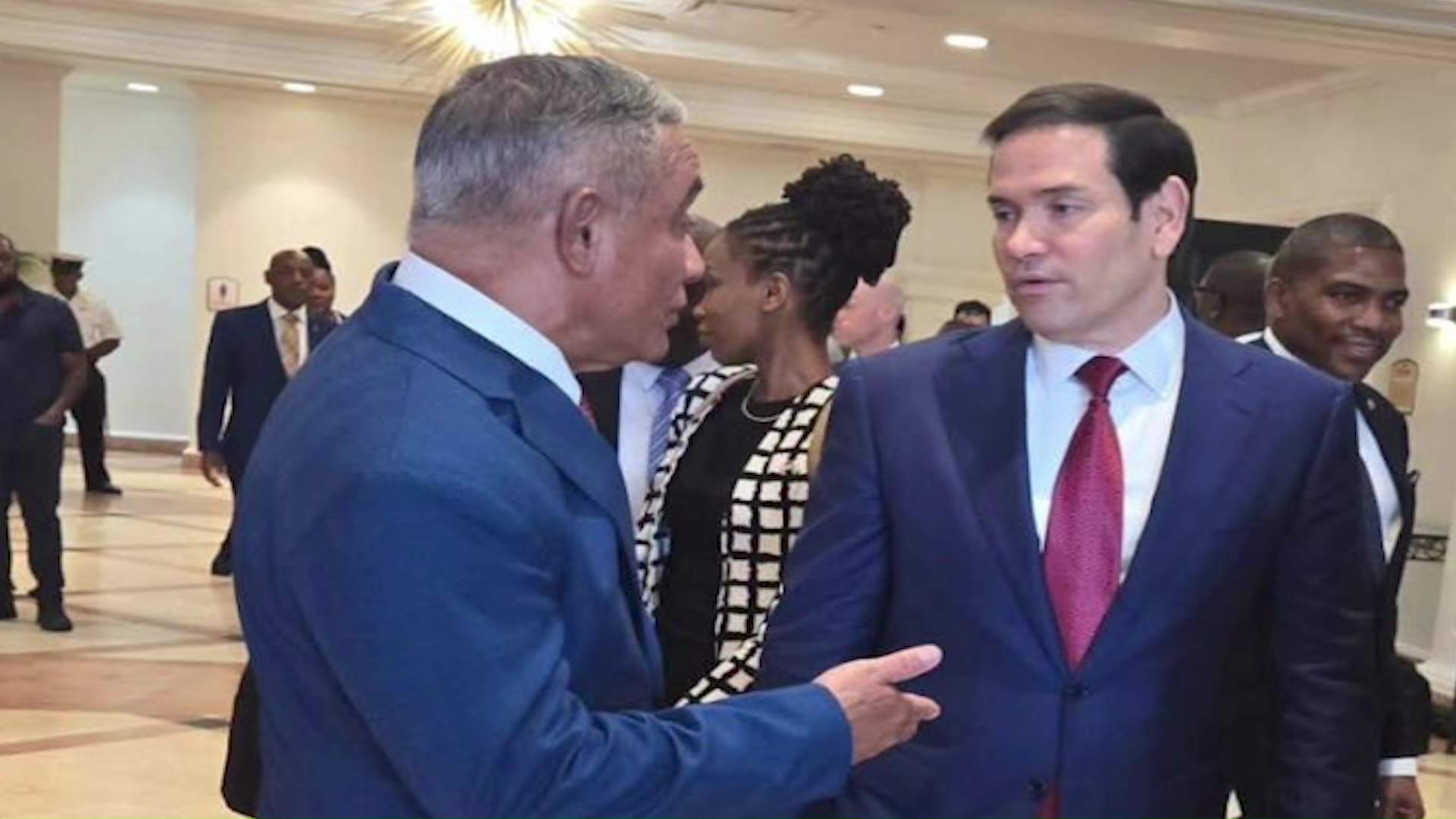
    In a significant diplomatic engagement, Jamaican Prime Minister Andrew Holness conducted a telephone conference with United States Secretary of State Marco Rubio this past Saturday. The discussion, confirmed by the US Embassy through an official release, centered on multifaceted bilateral concerns ranging from disaster recovery to regional security coordination.

    The dialogue commenced with Secretary Rubio reaffirming Washington’s commitment to supporting Jamaica’s ongoing reconstruction efforts following the devastating impact of Hurricane Melissa, a Category 5 storm that wrought substantial damage across the island in October 2024. This reaffirmation underscores the continued partnership in post-disaster rehabilitation between the two nations.

    A notable highlight of the exchange involved US recognition of Jamaica’s remarkable achievement in crime reduction throughout 2025. Secretary Rubio explicitly commended Prime Minister Holness for his governance, acknowledging Jamaica’s role as “a strong and reliable regional security partner.” The conversation further addressed mutual security concerns, particularly focusing on combating drug trafficking, illegal firearms proliferation, narco-terrorism, and transnational criminal networks. Both officials emphasized the critical importance of sustained security cooperation to address these challenges effectively.

    This high-level discussion occurred against a complex geopolitical backdrop characterized by rising regional tensions following recent US military operations in Venezuela that resulted in the capture of President Nicolás Maduro. Additionally, the talks took place amidst visa policy developments that saw Jamaica among twelve CARICOM nations—and seventy-five countries globally—facing suspensions in US immigrant visa processing. Notably, Guyana, Suriname, and Trinidad and Tobago remained exempt from these latest visa restrictions, creating a differentiated landscape within Caribbean-US relations.

  • PM welcomes upgrade in Jamaica’s travel advisory, reaffirms ‘shared commitment’ with US in talks with Rubio

    PM welcomes upgrade in Jamaica’s travel advisory, reaffirms ‘shared commitment’ with US in talks with Rubio

    In a significant diplomatic engagement, Jamaican Prime Minister Andrew Holness held a substantive telephone discussion with United States Secretary of State Marco Rubio on Saturday, marking a reinforcement of bilateral cooperation between the two nations. The dialogue, confirmed by Jamaica’s Office of the Prime Minister (OPM), centered on multiple strategic areas including post-hurricane reconstruction, regional security collaboration, and economic development initiatives.

    Secretary Rubio formally acknowledged Jamaica’s effective management of relief operations following the devastating Category 5 Hurricane Melissa, particularly noting the expedited restoration of essential services across impacted regions. Prime Minister Holness reciprocated by expressing profound gratitude for the sustained assistance provided by the United States throughout the emergency response and early recovery phases.

    The leaders engaged in detailed conversations regarding the complex reconstruction requirements ahead, emphasizing the critical need for developing more resilient infrastructure systems to support economic stability. Rubio reaffirmed Washington’s commitment to supporting Jamaica’s rebuilding and climate resilience endeavors through continued partnership mechanisms, including potential private sector involvement.

    A notable development highlighted during the exchange was the U.S. State Department’s decision to elevate Jamaica’s travel advisory status from Level 3 to Level 2, reflecting recognized improvements in public safety infrastructure. Holness emphasized how this upgraded rating would positively impact tourism revenue, foreign investment confidence, and bilateral citizen exchanges.

    The security dimension featured prominently in discussions, with Holness detailing Jamaica’s substantial crime reduction achievements in 2025 through comprehensive law enforcement strategies. Both parties reiterated their mutual dedication to addressing narcotics and firearms smuggling, transnational criminal networks, and emerging security challenges across the Caribbean region.

    Jamaica’s contribution to the multinational Gang Suppression Force in Haiti was recognized as evidence of its commitment to regional stability. Holness positioned Jamaica as a dependable partner for the United States in addressing complex issues spanning security coordination, energy development, economic growth, and immigration management.

    The concluding consensus confirmed both nations’ intention to maintain close diplomatic engagement as they work to deepen their longstanding partnership based on shared democratic principles and mutual economic prosperity.