分类: politics

  • Lashley secures BLP nomination to represent The City

    Lashley secures BLP nomination to represent The City

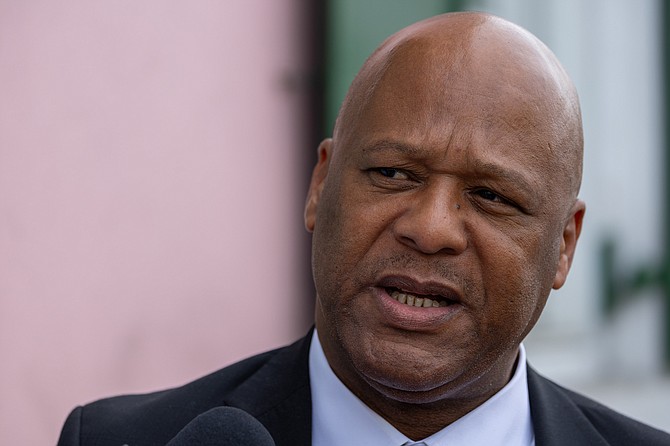
    In a significant political development, Michael Lashley has been formally confirmed as the Barbados Labour Party’s uncontested candidate for The City of Bridgetown constituency. The election, which concluded on Saturday without opposition, positions the seasoned attorney for a crucial role in the party’s electoral strategy.

    Addressing supporters during his acceptance address, Lashley expressed profound gratitude for the overwhelming endorsement from both constituency residents and senior party leadership. ‘I am truly humbled by the confidence placed in me,’ stated Lashley, acknowledging the significance of this political mandate.

    The newly selected candidate extended particular appreciation to constituents of St Philip North, recognizing their sustained backing throughout his dual career in legal practice and public service. Lashley emphasized his philosophical approach to governance, declaring: ‘My political engagements stem from genuine commitment rather than electoral calculations. Politics represents service above all.’

    In a compelling conclusion to his remarks, Lashley formally signaled his readiness to Prime Minister Mia Mottley with the declarative statement: ‘This is Michael Lashley reporting for duty.’ This ceremonial phrasing underscores his alignment with the current administration and reinforces party unity ahead of forthcoming electoral contests.

  • DLP calls out government ministers over QEH crisis

    DLP calls out government ministers over QEH crisis

    Barbados’ Democratic Labour Party (DLP) has launched a direct accusation against Health Minister Senator Dr. Jerome Walcott and Minister of Health and Wellness Davidson Ishmael, holding them personally accountable for the deteriorating situation at Queen Elizabeth Hospital (QEH). This political confrontation emerged following an urgent meeting convened by Prime Minister Mia Mottley with QEH medical consultants as the nation’s primary healthcare institution faces unprecedented strain.

    Senator Andre Worrell, the DLP’s health spokesperson, declared in an official weekend statement that the current hospital crisis represents the culmination of systemic failures within the Health Ministry rather than a sudden emergency. According to Worrell, numerous alerts from medical professionals, nursing staff, patients, and opposition representatives regarding critical shortages in personnel, medical supplies, equipment, and administrative coordination have been consistently disregarded.

    The opposition party reiterated several previously proposed emergency measures, including expanded operating hours at polyclinics, immediate staffing interventions, evening general practitioner clinics at QEH, and urgent financial injections to stabilize medical supply chains. A particularly emphasized recommendation involves reactivating the Harrison Point Facility to alleviate overwhelming patient overcrowding, a solution the DLP claims has been ignored despite worsening conditions.

    Beyond the immediate QEH crisis, the DLP highlighted systemic failures across Barbados’ healthcare infrastructure. Significant concerns include substandard conditions at the Geriatric Hospital on Beckles Road, postponed operational timelines for the Waterford facility (now delayed beyond its November 2025 target), critical staff deficiencies at the Psychiatric Hospital, and resource limitations throughout the polyclinic network that compromise nationwide healthcare delivery.

  • Legal Team Accuses Police Commissioner of ‘Gaslighting’ Public

    Legal Team Accuses Police Commissioner of ‘Gaslighting’ Public

    In a significant escalation of tensions within Belize’s law enforcement community, legal representatives for whistleblower “Mr. Pou” have delivered a scathing response to Police Commissioner Richard Rosado’s recent statements regarding the Budna kidnapping investigation.

    The controversy erupted when Commissioner Rosado, addressing allegations that officers were coerced into providing false statements, publicly encouraged individuals with evidence to come forward. This invitation was immediately characterized by Pou’s attorneys as “disingenuous” and part of a systematic pattern of institutional gaslighting.

    Legal counsel Nazira Uc Myles and Leeroy F. Banner issued a comprehensive rebuttal alleging that their client’s career has been systematically dismantled in retaliation for his refusal to remain silent about investigative irregularities. The legal team asserts that Pou had previously raised concerns through proper channels with both senior police officials and government authorities, only to encounter what they describe as “inaction and hostility.

    The statement particularly condemns what it characterizes as the Commissioner’s patronizing attitude toward Belizean citizens, stating: “Our client finds profoundly insulting the audacity of Dr. Rosado to treat the citizenry as an uneducated audience incapable of recognizing evidentiary manipulation.”

    In response to the perceived institutional failure, Pou’s legal representatives are demanding the immediate formation of an independent investigative body operating in conjunction with the Director of Public Prosecutions. They argue that the Police Department lacks the necessary impartiality to investigate itself when its highest-ranking officials and political affiliates face serious questions about their conduct.

    The escalating confrontation now places pressure on the Minister of Home Affairs to intervene, with Pou’s team urging the implementation of robust transparency protocols and protection mechanisms for whistleblowers within Belize’s law enforcement apparatus.

  • Dominica will not give up Cuban Healthcare Program, says PM

    Dominica will not give up Cuban Healthcare Program, says PM

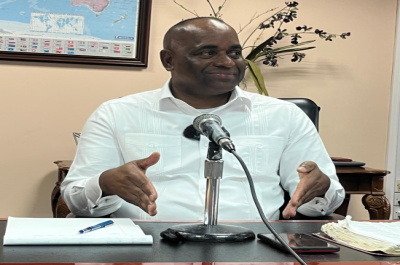
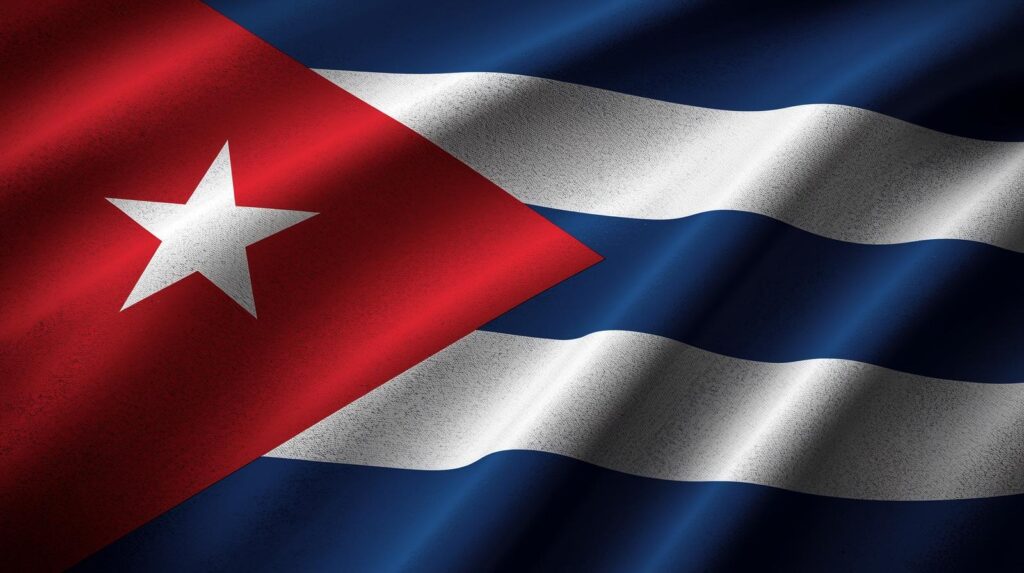
    In a definitive New Year’s address, Dominica’s Prime Minister Roosevelt Skerrit declared his nation’s unwavering commitment to the Cuban Healthcare Program despite mounting international pressure and allegations of forced labor within the initiative. The Thursday evening interview with journalists revealed the Caribbean leader’s firm stance against abandoning the medical partnership that he described as critical to national healthcare infrastructure.

    The program, currently under scrutiny by the Organization of American States and the Inter-American Commission on Human Rights, faces additional challenges from United States sanctions including visa restrictions on affiliated officials. Nevertheless, Prime Minister Skerrit emphasized the indispensable role of Cuban medical professionals, noting that 9 out of 11 practitioners in Dominica’s Intensive Care Unit originate from Cuba.

    Skerrit acknowledged ongoing discussions with both Cuban authorities and U.S. representatives to address concerns through program modifications while maintaining the essential medical collaboration. The Prime Minister contextualized the dependency within historical patterns of medical staffing, noting that previous sources of healthcare professionals from Nigeria and India have diminished due to recruitment by wealthier nations.

    The Caribbean leader concluded that without viable alternatives for medical staffing, Dominica would continue to benefit from Cuban medical expertise and training systems, albeit potentially under restructured arrangements that address international concerns.

  • Trump Says Countries Could Face Tariffs Over Greenland

    Trump Says Countries Could Face Tariffs Over Greenland

    In a significant escalation of diplomatic tensions, U.S. President Donald Trump has declared he may impose new tariffs on nations opposing his controversial proposal for American control of Greenland. The unprecedented threat emerged during White House remarks on Friday, marking the first time the administration has suggested using trade measures to advance territorial ambitions.

    Addressing reporters, Trump emphasized Greenland’s strategic importance: “I may put a tariff on countries if they don’t go along with Greenland, because we need Greenland… for national security.” The Arctic territory, currently an autonomous Danish constituent, has become the focal point of an international standoff with far-reaching implications for NATO alliances.

    The administration’s persistent campaign to acquire the strategically valuable territory has triggered swift military and diplomatic responses. Denmark has warned that any aggressive move against Greenland would effectively terminate NATO cooperation, while simultaneously expanding its military footprint on the island.

    European nations have responded with remarkable coordination. France, Germany, Sweden, Norway, and Finland have announced troop deployments to Greenland, creating an unprecedented multinational military presence in the Arctic region. Concurrently, Canada and France are establishing consular offices in Nuuk, Greenland’s capital, signaling strengthened diplomatic engagement.

    Despite these mounting tensions, diplomatic channels remain open. Danish Foreign Minister Lars Løkke Rasmussen confirmed the establishment of a high-level working group with U.S. officials to seek “a common way forward.” However, he acknowledged that fundamental disagreements persist between the two nations regarding Greenland’s sovereignty and strategic future.

  • Government to pay former private sugarcane farmers

    Government to pay former private sugarcane farmers

    The Trinidad and Tobago government has reached a landmark settlement to resolve a protracted compensation dispute with former private sugarcane farmers, concluding a decade-long legal battle stemming from the closure of Caroni (1975) Ltd during the Manning administration.

    This resolution emerged from a High Court hearing where the Attorney General’s Office consented to an order addressing 256 claims filed by former farmers seeking enforcement of a Cabinet-approved compensation package from December 2014. The original agreement authorized a $130 million settlement package structured in three tranches to address the 2007 transition out of the sugar industry.

    The compensation framework included an initial $27 million from European Union funds under the Sugar Protocol Programme, followed by $75 million upon receipt of 8 million euros from the EU in 2015, and a final $28 million payment in 2016. Despite receiving the European funds in 2015, the previous administration diverted the money into the Consolidated Fund for general government expenditure instead of compensating the farmers.

    Prime Minister Kamla Persad-Bissessar, whose administration originally approved the compensation package, had pledged during the recent election campaign that a UNC government would honor the commitment. The matter was finally resolved before Justice Gobin on January 16, with the state agreeing to implement the outstanding payments.

    Attorney Gerald Ramdeen, representing the former farmers, expressed appreciation for the resolution, stating: “I wish to thank the honorable prime minister and the attorney general for doing what should have been done ten years ago. The actions of the present Attorney General have brought ten years of discrimination by the PNM to an end.”

    The settlement concludes years of legal challenges, including unsuccessful state appeals and a 2019 Court of Appeal decision that favored six former sugarcane farmers. The farmers had rejected a 2016 government offer of $84 million instead of the promised $130 million, choosing instead to pursue full compensation through the judicial system.

  • Beckles: Amendment to THA laws will benefit Tobago

    Beckles: Amendment to THA laws will benefit Tobago

    In a historic parliamentary session, Opposition Leader Pennelope Beckles has affirmed her party’s unwavering support for Tobago’s developmental agenda during debates on the Tobago House of Assembly (Amendment) Bill, 2026. The PNM political leader emphasized her party’s longstanding commitment to advancing legislative measures that benefit all citizens of Trinidad and Tobago.

    Addressing the House of Representatives on January 16, Beckles provided historical context, noting that discussions regarding Tobago’s greater autonomy have persisted for decades. She revealed that the People’s National Movement had conducted extensive consultations with Tobagonians over the years, culminating in the previous Tobago Self-Government Bill presented to Parliament in 2020.

    Beckles addressed concerns raised by Prime Minister Kamla Persad-Bissessar regarding the discretionary powers granted to the THA Chief Secretary to expand secretarial positions within the assembly. The opposition leader clarified that such provisions were already incorporated within the 2020 legislation, indicating continuity between the previous and current bills.

    While acknowledging that Tobago didn’t receive all requested resources during the PNM’s administration from 2015-2025, Beckles highlighted several completed projects demonstrating her party’s commitment, including the Southwest Tobago Wastewater Project, Hillsborough Dam, and acquisition of the Cove Industrial Estate.

    The legislative process concluded with overwhelming bipartisan support, as the bill passed with 38 affirmative votes and no opposition or abstentions. This political consensus emerges following the Tobago People’s Party’s decisive 15-0 victory in the January 12 THA elections, which resulted in the PNM losing its sole representative seat for Darrel Spring/Whim.

    Both government and opposition leaders extended congratulations to TPP political leader Farley Augustine on his electoral triumph and assumption of the Chief Secretary role.

  • UNC PRO: Government policy formed at UNC headquarters

    UNC PRO: Government policy formed at UNC headquarters

    In a politically charged statement during a United National Congress (UNC) media briefing on January 18, party PRO Dr. Kirk Meighoo asserted that the Trinidad and Tobago government’s policy formulation occurs at the opposition party’s headquarters in Chaguanas. The controversial remarks have ignited debate about the separation between party operations and governmental functions in the Caribbean nation.

    Addressing journalists and online viewers at the UNC’s Mulchan Seuchan Road facility, Meighoo declared, “We are here at the UNC headquarters, which is where the policy of the government of TT has been formulated.” He characterized the UNC as “a national party open to all” with members “dedicated to making sure that everybody wins.”

    When questioned about non-governmental UNC members participating in policy development, Meighoo affirmed this practice occurs through party committees and manifesto formation processes. He defended the arrangement as normal democratic practice, stating, “The UNC forms the government, we were voted in by the majority and this is how democracy works.”

    The location and branding of government briefings have drawn public scrutiny, with observers noting the consistent use of UNC facilities and party banners rather than traditional government venues like the Red House or Diplomatic Centre in St. Ann’s. This departure from previous administrative practices has raised questions about the transparency and separation of party versus state activities in the current political landscape.

    Meighoo further positioned the UNC as “the largest organisation in TT and perhaps the English-speaking Caribbean,” asserting the party’s continued central role in the nation’s democratic processes despite its official opposition status.

  • Sturge tells PNM to stop playing the race card in ‘zones’ debate: Proud black men, women in National Security Council

    Sturge tells PNM to stop playing the race card in ‘zones’ debate: Proud black men, women in National Security Council

    In a contentious parliamentary session, Trinidad and Tobago’s Defense Minister Wayne Sturge has vehemently denied opposition claims that the newly passed Law Reform (Zones of Special Operations) Bill 2026 would enable racial targeting. The legislation, approved 27-11 in the House of Representatives on January 18, establishes special security zones while simultaneously announcing the termination of the current state of emergency effective January 31.

    Minister Sturge accused the Opposition PNM party of fabricating a ‘false narrative’ that Prime Minister Kamla Persad-Bissessar could unilaterally declare zones in PNM-controlled areas to target specific racial groups. He emphasized that any declaration of Zones of Special Operations (ZOSOs) requires consultation with both the Commissioner of Police and the Defense Force Chief of Staff, with a maximum duration of 180 days.

    To counter racial bias allegations, Sturge detailed the composition of the National Security Council, highlighting that key members including Attorney General John Jeremie, Homeland Security Minister Roger Alexander, and Works Minister Jearlean John are all ‘proud black’ officials. He further noted that Commissioner of Police Allister Guevarro and senior defense force commanders are predominantly of African descent.

    ‘The composition of the NSC should put to rest the divisive narrative that continues to be peddled,’ Sturge asserted during a news conference at UNC headquarters in Chaguanas. ‘Black and brown people are the majority in this country. This is not West Virginia, Kentucky, Mississippi.’

    Opposition MP Keith Scotland argued the bill would infringe constitutional rights including freedom of movement, property enjoyment, and due process, warning against ‘replacing one extraordinary security measure with another.’

    The legislation establishes social development components including a strategy committee to provide resources for vulnerable communities, aiming to create ‘equality of opportunity and social justice.’ Sturge defended the government’s elimination of make-work programs like the Unemployment Relief Programme, alleging they had funded criminal gangs.

    The bill now moves to the Senate where it requires 19 votes for passage. The government holds 15 senate seats, with Sturge expressing confidence that at least four independent senators would support the measure.

  • Europe scrambles to respond to Trump tariff threat

    Europe scrambles to respond to Trump tariff threat

    BRUSSELS — European leaders have launched a coordinated diplomatic offensive against U.S. President Donald Trump’s tariff threats targeting eight European nations, escalating tensions over his renewed pursuit of acquiring Greenland. The confrontation has triggered emergency meetings and warnings of transatlantic relationship damage.

    Italian Prime Minister Giorgia Meloni, despite maintaining positive relations with Trump, explicitly cautioned the American administration against economic retaliation. During her official visit to Seoul, Meloni revealed she personally conveyed to Trump that imposing new sanctions would constitute a significant miscalculation, while simultaneously attributing the dispute to communication failures between the allies.

    The controversy stems from Trump’s intensified campaign to acquire the autonomous Danish territory since returning to office, with recent weeks witnessing heightened claims that have destabilized NATO partnerships. On Saturday, the president threatened punitive 10% tariffs commencing February 1 on imports from Denmark, Norway, Sweden, France, Germany, the United Kingdom, Netherlands, and Finland—potentially rising to 25% by June absent Greenland’s transfer agreement.

    British Prime Minister Keir Starmer plans direct discussions with Trump regarding what UK Culture Minister Lisa Nandy termed “deeply unhelpful and counterproductive” measures. Meanwhile, French President Emmanuel Macron advocated deploying the EU’s unprecedented trade defense mechanism—the so-called ‘bazooka’ instrument designed to counteract coercive practices through import restrictions.

    European Commission President Ursula von der Leyen and European Council President Antonio Costa jointly warned that such tariffs would precipitate a dangerous downward spiral in transatlantic cooperation. Their statement preceded an emergency assembly of EU ambassadors in Brussels to formulate a coordinated response.

    Civil society has mobilized against potential annexation, with thousands protesting in Nuuk, Copenhagen, and other Danish cities. Danish Foreign Minister Lars Lokke Rasmussen announced imminent diplomatic visits to NATO partners Norway, Britain, and Sweden to reinforce Arctic security consensus.

    Dutch Foreign Minister David van Weel condemned Trump’s approach as “inexplicable blackmail,” while French Agricultural Minister Annie Genevard noted reciprocal economic damage would affect American farmers and industrialists. The EU previously secured a July agreement limiting most exports to 15% U.S. levies, now jeopardized by the Greenland dispute.