分类: politics

  • Free Secondary Education Moves Closer to Reality

    Free Secondary Education Moves Closer to Reality

    The Government of Belize, under Prime Minister John Briceño, has announced a comprehensive suite of major national investments set to transform key public sectors in the upcoming 2026-2027 fiscal year. This ambitious development agenda prioritizes human capital and national infrastructure, signaling a period of significant public investment.

    Central to this initiative is the dramatic expansion of the Education Upliftment Project (EUP). Launched in 2022 as a small pilot with 947 students, the program has experienced exponential growth, surpassing 1,000% expansion. It is now projected to encompass over 14,000 students across 27 government secondary schools, effectively achieving tuition-free secondary education for 100% of students in the national system and realizing a historic goal for the nation.

    Parallel to educational reforms, the National Health Insurance (NHI) scheme is undergoing its most significant expansion. A strategic investment of $57 million will extend universal primary care coverage to the entire Cayo District, one of Belize’s fastest-growing regions. This expansion is projected to increase NHI enrollment beyond 325,000 Belizeans nationwide. The funding also addresses critical infrastructure and staffing shortages, with planned upgrades to polyclinics and recruitment of additional medical professionals to ensure service quality matches expanded coverage.

    Complementing these social programs, the government has committed over $80 million to a nationwide infrastructure overhaul. Major projects include a $21 million upgrade of the George Price Highway, an $8 million enhancement of the Philip Goldson Highway, and the complete replacement of Belize City’s iconic Swing Bridge and BELCAN Bridge at costs of $3.8 million and $3.5 million respectively. An additional $46 million is allocated for comprehensive road maintenance across the country, alongside a $1.6 million investment in sports facility improvements.

    Prime Minister Briceño emphasized that these interconnected initiatives represent a holistic approach to national development, aiming to eliminate financial barriers to education, achieve universal healthcare access, and modernize critical transportation networks simultaneously.

  • USA : The Trump administration asks the Supreme Court to authorize the abolition of TPS

    USA : The Trump administration asks the Supreme Court to authorize the abolition of TPS

    In a significant legal maneuver on March 11, 2026, the Trump Administration petitioned the U.S. Supreme Court to authorize the termination of Temporary Protected Status (TPS) for approximately 350,000 Haitian nationals residing in the United States. This emergency motion seeks to overturn a lower court ruling that had blocked the administration’s attempt to dismantle the humanitarian protection program.

    The Justice Department’s filing directly challenges District Judge Ana C. Reyes’s decision that maintained TPS protections for Haitian immigrants. In her earlier ruling, Judge Reyes found substantial evidence suggesting the administration’s termination efforts were potentially influenced by ‘racial animus’ against the Haitian community.

    This legal confrontation emerges despite ongoing severe violence in Haiti that has displaced over 1.4 million people according to recent estimates. The administration’s position contradicts the U.S. State Department’s own travel advisory, which explicitly warns American citizens against visiting Haiti due to ‘kidnapping, criminal activity, terrorist operations, civil unrest, and inadequate healthcare infrastructure.’

    The policy dispute originated in November 2025 when then-Secretary of Homeland Security Kristi Noem determined that Haiti no longer faced ‘extraordinary and temporary conditions’ warranting continued protected status. This conclusion has since been challenged by multiple humanitarian organizations and legal advocates who argue that returning migrants would face dire circumstances in the destabilized Caribbean nation.

  • New Poll Reshapes Belmopan’s Power Picture

    New Poll Reshapes Belmopan’s Power Picture

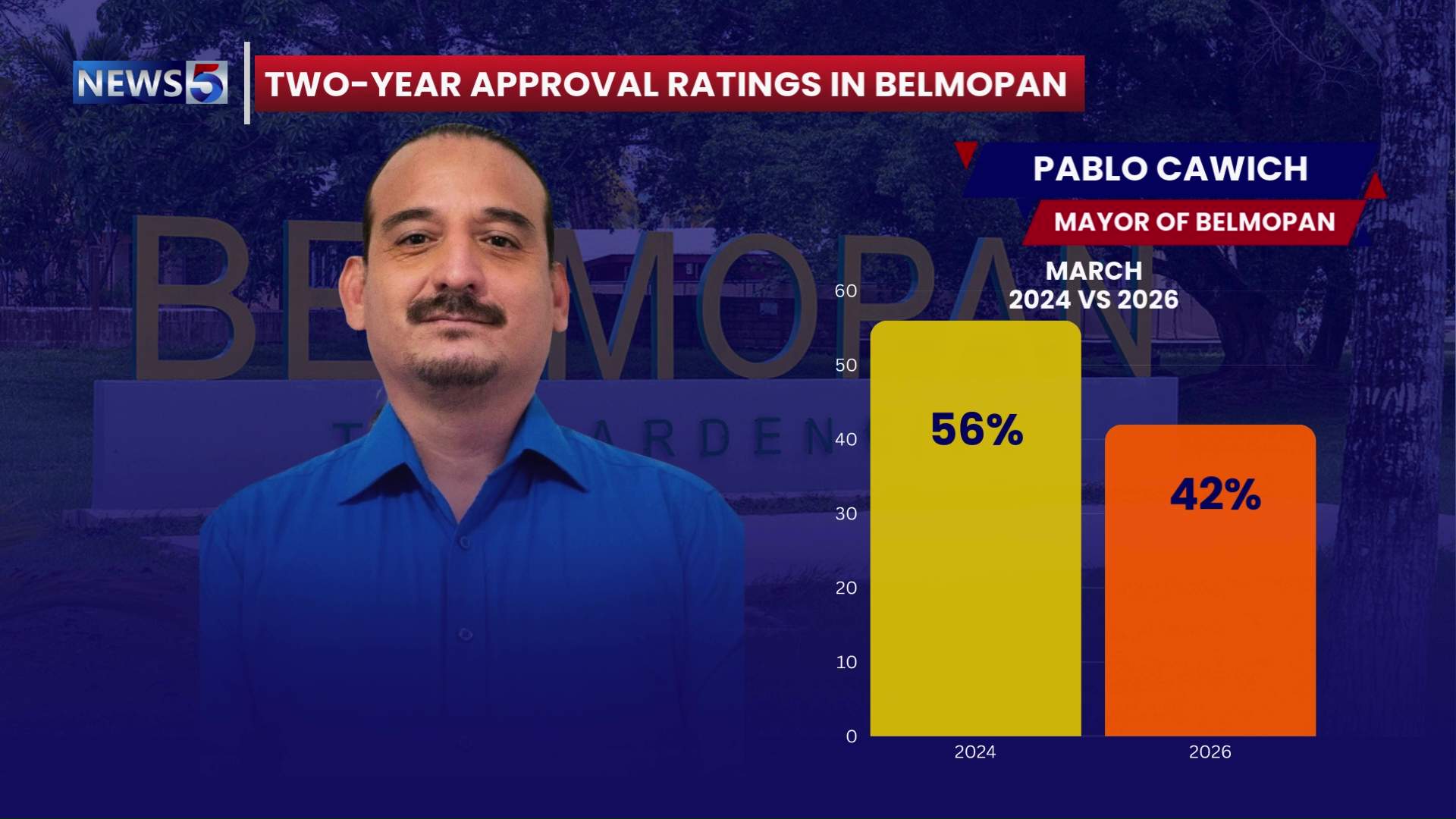
    A seismic shift is underway in Belmopan’s political arena, according to fresh approval rating data that reveals significant changes in public sentiment. Prominent pollster Dr. Phillip Castillo’s latest survey indicates Mayor Pablo Cawich has experienced a substantial decline in support, plummeting from his 56% election victory margin two years ago to just 42% currently. While the mayor remains technically ‘above water’ with approval still exceeding disapproval, a considerable undecided segment represents a critical vulnerability.

    In stark contrast, Area Representative Oscar Mira continues consolidating his position as what Castillo describes as ‘the undisputed powerbroker in Belmopan.’ Mira’s approval ratings have climbed from 65% to 67%, building on his consistent electoral performances of 60% in 2020 and 65% in 2025.

    Prime Minister John Briceño’s numbers show a complex picture—while failing to break the 40% threshold in Belmopan, he performs better here than in several other municipalities including Dangriga. Castillo attributes this relative strength to Belmopan’s superior socioeconomic indicators compared to national averages.

    Responding to the poll, Mayor Cawich maintained he was previously unaware of the survey but emphasized his administration’s focus on tangible outcomes rather than popularity contests. He highlighted innovative accountability measures including a developing GIS-based task management system that will enable residents to report and track municipal issues through citizen science. Additionally, the administration has launched a 675-TELL WhatsApp hotline to streamline communication between citizens and city officials.

    The diverging trajectories between these key political figures signal potentially significant ramifications for Belmopan’s governance dynamics and future electoral contests.

  • Chang, PM Spar Over Alleged Customs Kickbacks

    Chang, PM Spar Over Alleged Customs Kickbacks

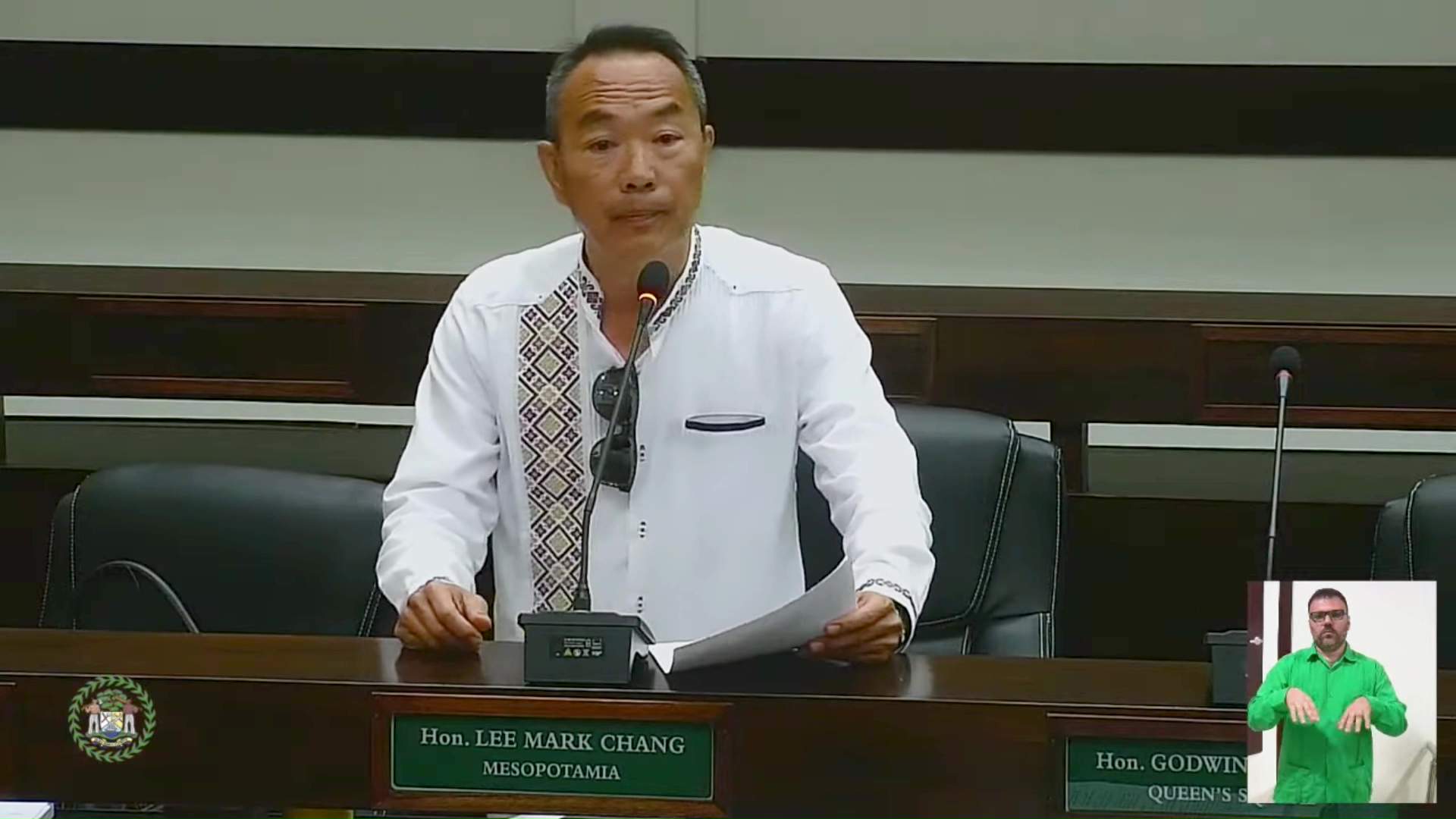
    A heated confrontation over systemic corruption allegations within Belize’s customs operations dominated parliamentary proceedings on Tuesday, March 11, 2026. Mesopotamia Area Representative Lee Mark Chang ignited the debate by revealing what he described as widespread bribery practices at border checkpoints, where importers allegedly pay off customs officers to secure reduced duties on imported vehicles.

    Chang presented a compelling case that exorbitant import costs are inadvertently fueling corruption networks. He advocated for structural reform through significant duty reductions, particularly for vehicles older than five years, arguing that such measures would eliminate the financial incentives driving corruption while making vehicle ownership more accessible for working-class citizens.

    Prime Minister John Briceño acknowledged the historical nature of these issues while defending his administration’s ongoing efforts to address them. He revealed that his government has already implemented assessment tightening measures and is actively working with the Ministry of Finance, Customs Department, and vehicle importers to establish a balanced solution.

    The Prime Minister outlined a forthcoming legislative initiative to amend the Customs Act, proposing that strategically reducing vehicle taxes could actually increase government revenue by eliminating corrupt middlemen. This approach, he argued, would create a more transparent system where the government collects appropriate duties directly rather than losing revenue to unofficial payments.

    The exchange highlighted fundamental differences in addressing systemic corruption, with Chang emphasizing immediate duty reductions and Briceño focusing on comprehensive legislative reform and enforcement improvements.

  • Government Doubles Penalties for Vehicle Insurance Violations

    Government Doubles Penalties for Vehicle Insurance Violations

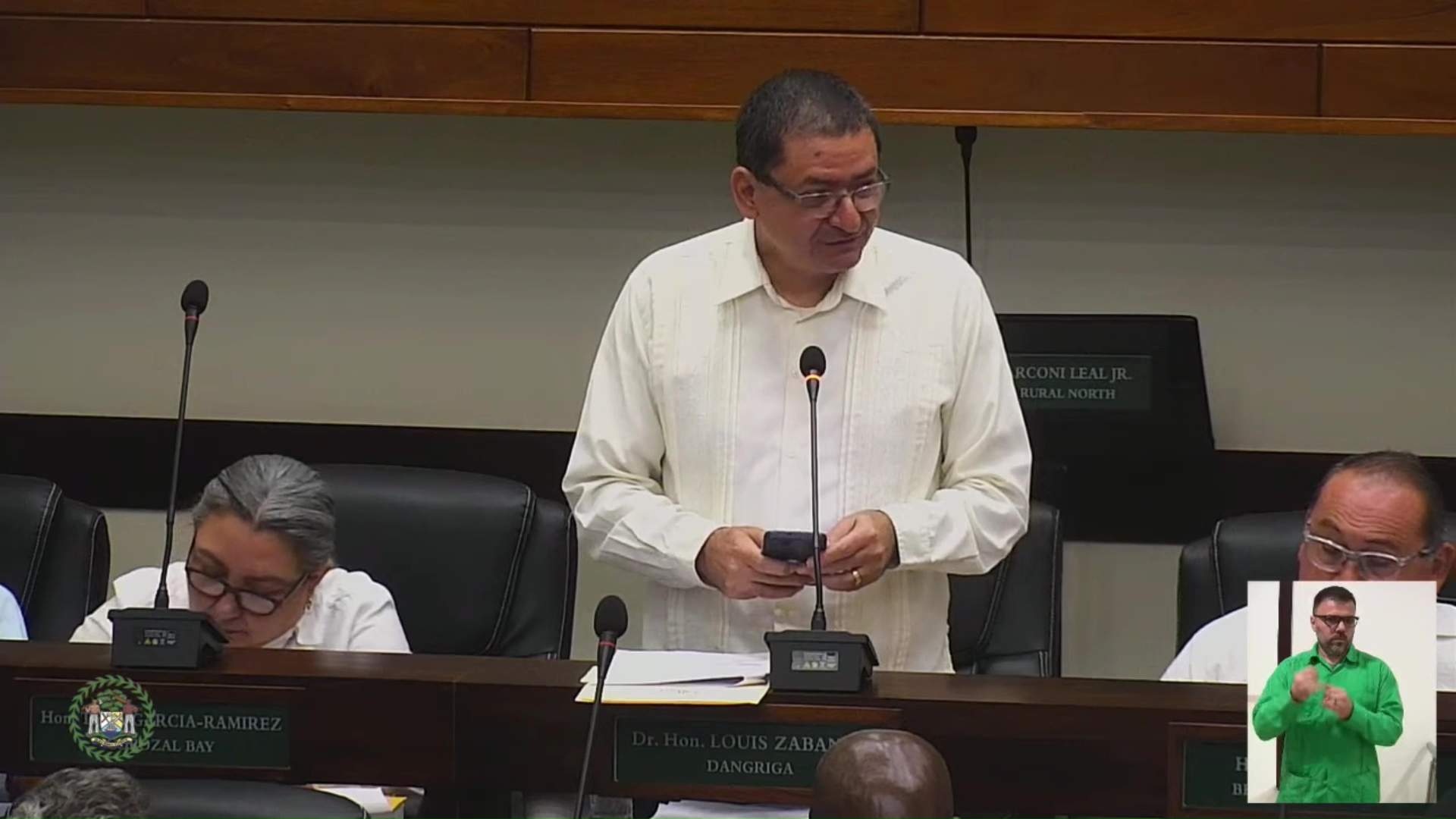
    The Belizean government has enacted sweeping reforms to its traffic enforcement legislation, substantially increasing penalties for motor vehicle insurance violations in a bid to modernize national road safety protocols. Transport Minister Dr. Louis Zabaneh presented the legislative amendments during a parliamentary session on Tuesday, marking the first update to insurance penalty structures since 1999.

    The revised legislation dramatically escalates consequences for operating uninsured vehicles, raising maximum fines from $400 to $1,000 while extending potential imprisonment terms from six to eight months. Minister Zabaneh emphasized that the previous penalty framework had become economically outdated and insufficient as a deterrent against insurance non-compliance.

    Concurrently, the amendments expand enforcement capabilities by granting traffic wardens from both national transport departments and municipal authorities enhanced powers to implement provisions under the Motor Vehicle Insurance (Third Party Risk) Act. This strategic empowerment of enforcement personnel represents a significant shift in Belize’s approach to traffic regulation.

    Government officials characterize these measures as essential components of a comprehensive initiative to strengthen regulatory compliance and improve overall road safety standards throughout Belize. The legislative changes reflect growing concerns about the adequacy of existing traffic laws and demonstrate the administration’s commitment to addressing road safety through strengthened legal frameworks and improved enforcement mechanisms.

  • House Debates Loan for Caye Caulker Wastewater Project

    House Debates Loan for Caye Caulker Wastewater Project

    The Belize House of Representatives engaged in vigorous debate on Tuesday regarding a proposed $25 million loan to fund Caye Caulker’s critically needed wastewater infrastructure project. While demonstrating rare bipartisan support for the environmental initiative, lawmakers clashed over financial implications and potential consumer impacts.

    The comprehensive wastewater system, long anticipated by the island community, will be partially financed through a $10 million loan from the Inter-American Development Bank complemented by a $2.25 million grant from the Global Environment Facility. The project encompasses construction of a modern sewage network and treatment plant addressing both environmental protection and tourism infrastructure needs.

    Opposition Leader Tracy Panton raised substantial concerns regarding the sovereign guarantee attached to the loan motion, highlighting potential contingent liabilities on public funds. ‘What is the current financial position of BWSL?’ Panton questioned during deliberations. ‘How will this new loan facility affect long-term financial sustainability and the rates passed on to consuming public?’

    Representing Belize Rural South, Area Representative Andre Perez passionately defended the project’s magnitude and necessity. ‘Environmentally it is very, very important, long overdue,’ Perez asserted. ‘The contribution of this small community to this country far justifies this investment, particularly regarding tourism industry impacts.’

    The parliamentary session revealed fundamental disagreements about debt allocation mechanisms, with opposition members seeking assurances that Belize Water Services Limited could manage additional debt without transferring financial burdens to ratepayers. Despite consensus on the project’s environmental and social value, the financing structure remains contentious, ensuring further legislative scrutiny before final approval.

  • Dedicated ‘gun court’ among new measures to speed justice

    Dedicated ‘gun court’ among new measures to speed justice

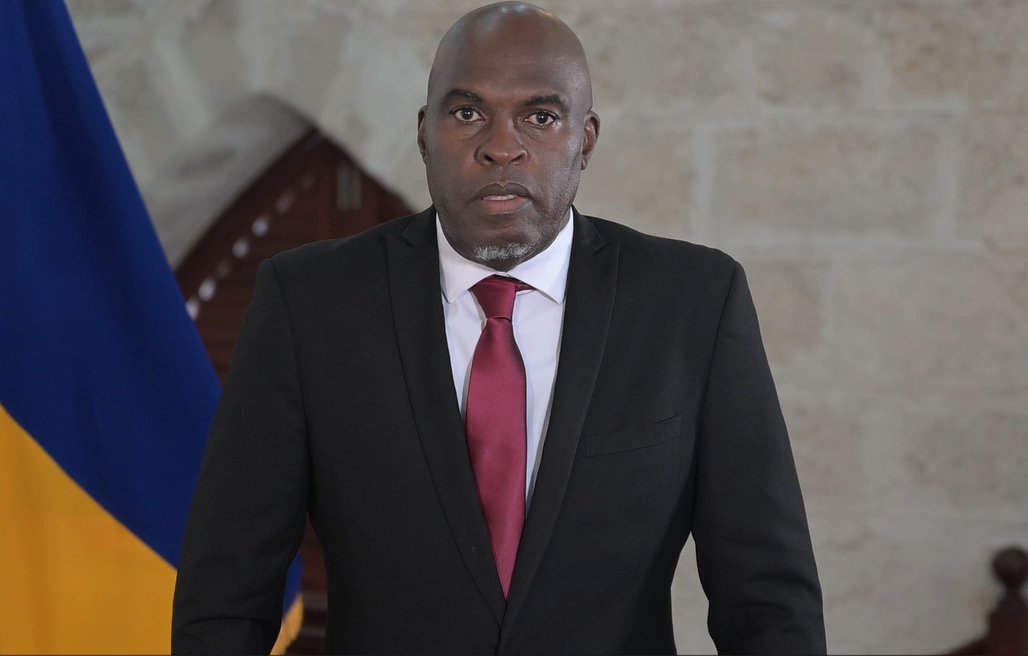
    Barbados is launching a sweeping modernization of its criminal justice system in response to a sharp increase in firearm-related homicides that have claimed ten lives already this year. Minister of Legal Affairs and Criminal Justice Michael Lashley SC announced the multi-faceted strategy following Monday’s double homicide in St. Michael that left two dead and several injured.

    The comprehensive approach combines immediate law enforcement support with long-term structural reforms. Minister Lashley emphasized that while operational decisions remain with police leadership, his ministry will ensure officers receive “every lawful tool, every piece of equipment, every policy support, every legislative support and every institutional support they need to execute their duties.”

    Key components include establishing a specialized gun court to accelerate firearms offense trials, implementing tougher penalties for those harboring violent offenders, and addressing root causes through targeted youth intervention programs. The minister identified ages 16-25 as a critical period for prevention efforts, stating authorities must “intervene early, reach them directly, give them support, direction or alternatives before negative influences take hold.”

    The strategy acknowledges emerging social factors driving criminal behavior, including mental health challenges, substance abuse, and synthetic drug use. Lashley described the approach as “layered” and “coordinated,” requiring collaboration across government agencies and society.

    Modernizing outdated systems forms a cornerstone of the reform. The minister criticized reliance on “practices and rules that were settled 50, 60, 70, or even 100 years ago,” pledging to create systems “fit for the third decade of the 21st century.” The administration promises rapid implementation, with Lashley vowing to “hit the ground running” in delivering tangible results rather than excuses.

  • Opposition Leader Slams Budget as “Incredulous”

    Opposition Leader Slams Budget as “Incredulous”

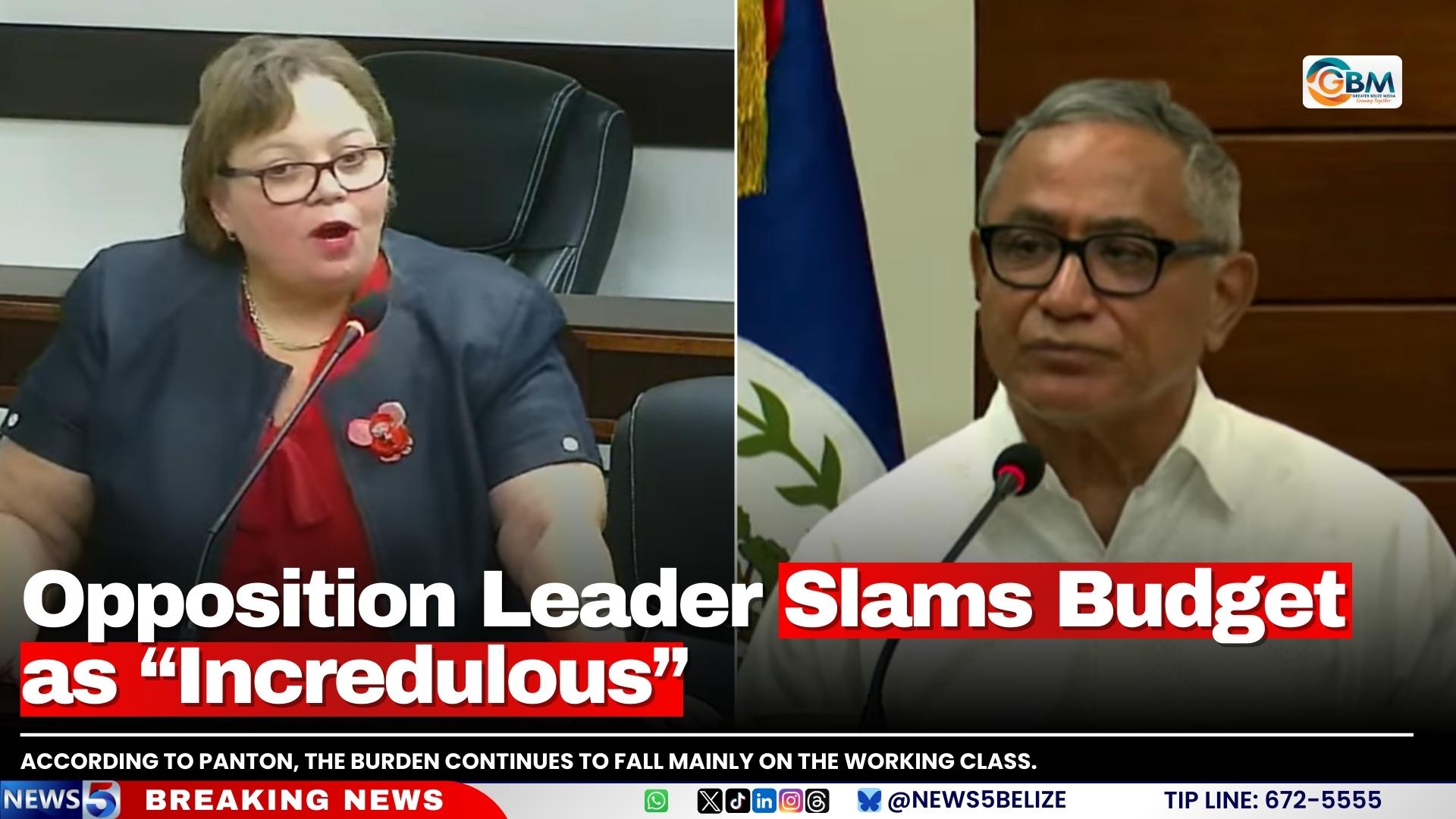
    In a scathing critique of the government’s fiscal agenda, Belizean Opposition Leader Tracy Panton has denounced the recently unveiled national budget as \”incredulous\” and fundamentally misaligned with the needs of ordinary citizens. The political leader delivered her assessment on March 11, 2026, asserting that the financial plan exacerbates economic pressures on working-class families while failing to mitigate the country’s escalating cost-of-living crisis.\n\nPanton specifically challenged the administration’s proclaimed theme of \”prosperity for Belizeans,\\” highlighting the nation’s staggering $4.63 billion public debt as contradictory context. Her analysis pointed to the allocation of approximately $450 million for port infrastructure development—representing nearly half of the annual budget—as particularly problematic given the broader economic challenges.\n\nThe opposition leader further questioned the government’s revenue projection methodologies, noting absent detailed explanations regarding how these financial targets would realistically be achieved. Panton emphasized that the fiscal framework continues to disproportionately burden the working class while overlooking critical socioeconomic issues including agricultural support, transportation infrastructure, and youth employment opportunities beyond call center positions.\n\nPanton directly contradicted the Prime Minister’s characterization of the budget period as one of \”milk and honey,\” asserting that only a select group of beneficiaries tied to major infrastructure projects would experience tangible financial gains from the current fiscal approach.

  • High Car Import Duties Fuel Border Corruption, Says UDP Area Rep.

    High Car Import Duties Fuel Border Corruption, Says UDP Area Rep.

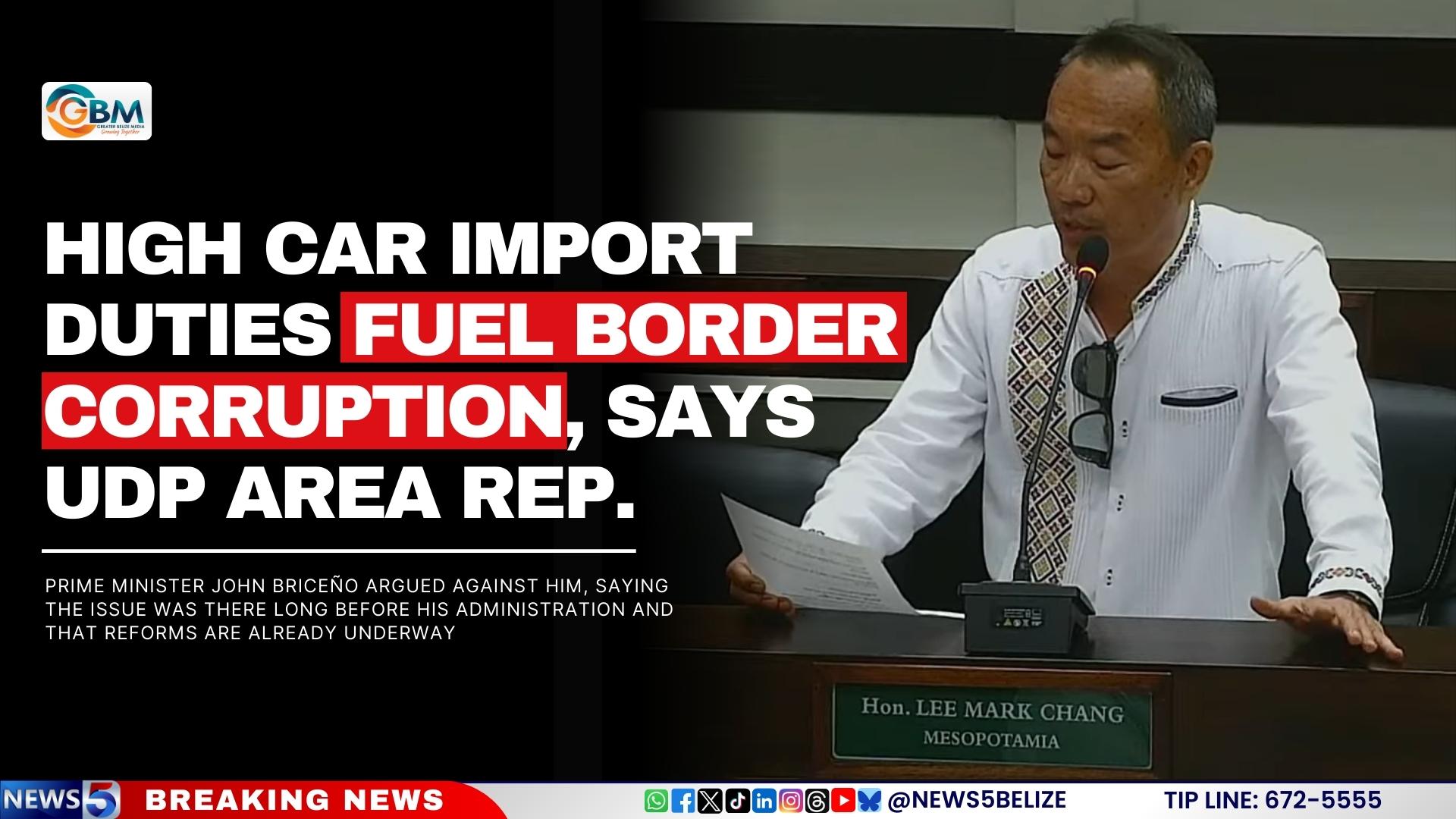
    BELIZE CITY – A contentious debate erupted in Belize’s House of Representatives on March 11, 2026, as allegations of systemic corruption at border customs checkpoints took center stage. Mesopotamia area representative Lee Mark Chang of the opposition UDP party presented claims that customs officers are accepting illicit payments from vehicle importers seeking reduced duty rates.

    Chang asserted that prohibitively high import taxes, particularly on vehicles older than five years, have created an environment conducive to corruption. “The fundamental solution lies in eliminating the incentive for corruption through substantial duty reductions,” Chang argued during the adjournment debate. “These older vehicles represent the primary transportation option for working and middle-class citizens, yet current policies push importers toward illegal arrangements.”

    Prime Minister John Briceño countered that the corruption predates his administration and highlighted ongoing reforms within the customs valuation system. “We’ve implemented adjustments that eliminate residual value calculations and empower customs officers to authorize legitimate discounts,” Briceño stated.

    The Prime Minister acknowledged rising compliance costs under the tightened system but emphasized collaborative efforts between the Finance Ministry, Customs Department, and importers to establish equitable solutions. Briceño presented a compelling economic argument that reducing official tax rates could potentially increase government revenue by diverting payments from illegal channels to legitimate tax collection.

    The exchange underscores ongoing tensions between revenue protection and corruption prevention in Belize’s import regulation framework, with significant implications for both governance integrity and consumer affordability.

  • $57 Million Dollar Expansion Coming to NHI

    $57 Million Dollar Expansion Coming to NHI

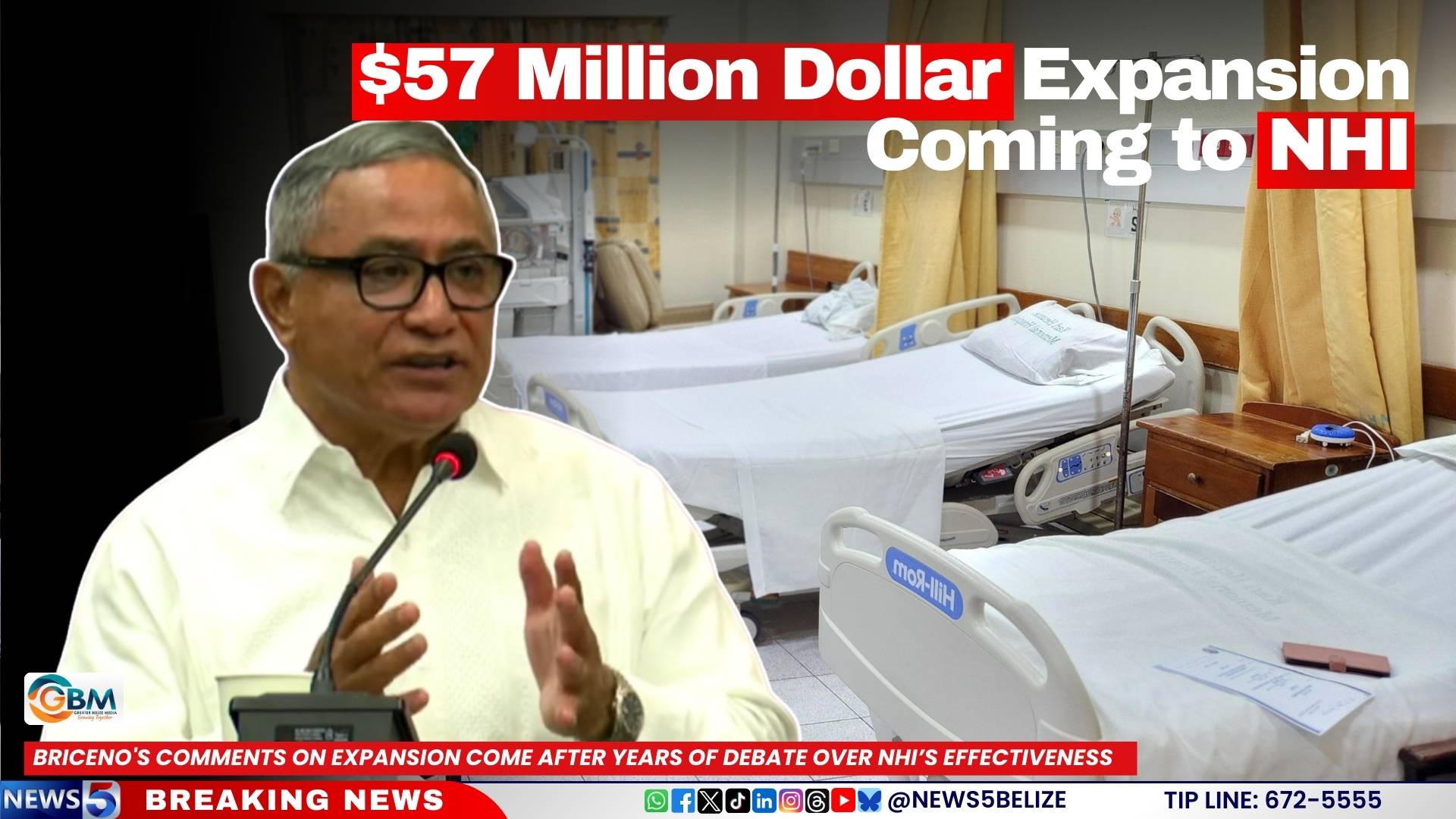
    The Belizean government has committed to a substantial healthcare investment with Prime Minister John Briceño announcing a $57 million expansion of the National Health Insurance (NHI) program during Tuesday’s parliamentary session in Belmopan. This strategic initiative marks a significant shift from stabilization to expansion phase for the 2026-2027 fiscal year.

    The comprehensive expansion plan will extend NHI coverage to the entire Cayo District, potentially increasing nationwide enrollment beyond 325,000 beneficiaries. Prime Minister Briceño emphasized the administration’s commitment to strengthening healthcare infrastructure, stating that “significant resources will be allocated to also strengthen the supply side.”

    The funding will facilitate substantial upgrades to polyclinics, enhance staffing capabilities, and establish strengthened partnerships with the Ministry of Health and Wellness. These measures are designed to ensure that healthcare services can adequately meet the anticipated surge in demand resulting from the expanded coverage.

    This development follows extensive national debate regarding NHI’s effectiveness since its inception 25 years ago as a pilot program in south Belize City. Originally conceived to establish healthcare as a fundamental right, the program has historically improved accessibility and reduced out-of-pocket medical expenses for citizens. However, questions have persisted regarding the system’s capacity to deliver consistent, reliable care across the nation’s diverse regions.

    The announcement represents the most substantial investment in the NHI program in recent years and signals the government’s renewed commitment to universal healthcare coverage.