分类: politics

  • Court Rejects Bid to Strike Out Bramble’s Challenge To Electronic Crimes Act Due To Late Filing

    Court Rejects Bid to Strike Out Bramble’s Challenge To Electronic Crimes Act Due To Late Filing

    In a significant judicial proceeding at the High Court of Antigua and Barbuda, Justice Renee Williams delivered a ruling that balanced procedural discipline with substantive justice in a constitutional challenge against the nation’s electronic crimes legislation. The court denied a motion by the Attorney General’s representative, Joy Dublin, to dismiss claimant Washington Bramble’s submissions for delayed filing, while simultaneously imposing financial penalties on both parties for procedural delays.

    The judicial hearing revealed a timeline of procedural infractions from both sides. The Attorney General’s office had previously been ordered to pay $3,000 in costs for taking nearly 20 months to respond to Bramble’s initial claim—a delay Justice Williams deemed substantial. In the current proceeding, Bramble faced similar scrutiny for missing filing deadlines by three months, though the court ultimately allowed the submissions to be entered into record.

    During proceedings, Bramble successfully requested permission to make an oral application for extension, overcoming objections from the AG’s representative who insisted on written submissions. Justice Williams’ ruling emphasized equity, noting that since the state had been penalized for its extensive delay, similar principles should apply to the claimant’s shorter delay, resulting in a $500 cost penalty against Bramble.

    The case centers on a constitutional challenge to Sections 4(1b) and 4(3) of Antigua and Barbuda’s Electronic Crimes Act, which criminalize the use of ‘offensive language’ online. Bramble’s submissions characterize the legislation as ‘vague, bogus, and violating free speech and other constitutional rights,’ arguing such provisions have no place in a civilized democratic society.

    The court has established an accelerated timeline for the landmark case, requiring the Attorney General to respond to Bramble’s submissions by April 13, with Bramble’s follow-up due by May 14. The matter is scheduled for trial in July 2026, setting the stage for a potentially precedent-setting decision on digital rights and free speech in the Caribbean region.


  • Belize Pushes Regional Agenda in El Salvador

    Belize Pushes Regional Agenda in El Salvador

    Belize is strategically positioning itself as a key regional player in Central American affairs following comprehensive diplomatic engagements in San Salvador on March 6, 2026. The high-level delegation, spearheaded by Dr. Osmond Martinez, Minister of State for Economic Transformation, alongside Ambassador Lou-Anne Burns Martinez and Climate Finance Unit Acting Director Leroy Martinez, conducted multifaceted discussions aimed at strengthening regional cooperation frameworks.

    The diplomatic mission yielded significant progress in bilateral relations with El Salvador, featuring substantive dialogues between Minister Martinez and Salvadoran Vice President Dr. Félix Ulloa. These negotiations centered on enhancing collaborative initiatives across agricultural development, trade facilitation, and educational exchange programs designed to foster cross-border knowledge transfer.

    Concurrently, Belize advanced preparations for its forthcoming Pro Tempore Presidency of the Central American Integration System (SICA), engaging with regional stakeholders to promote integrated connectivity infrastructure, sustainable tourism development, and streamlined trade mechanisms. These discussions aligned with broader regional objectives of economic harmonization and collective resilience building.

    The delegation further expanded its diplomatic outreach through technical consultations with the Council of Finance Ministers of Central America (COSEFIN), South Korean representatives, and UN Women. These tripartite engagements addressed critical areas including modernized cargo management systems, infrastructure modernization projects, and comprehensive women’s economic empowerment initiatives.

    According to an official government communiqué, these multilateral discussions have substantially strengthened Belize’s diplomatic partnerships while identifying concrete pathways for mutual cooperation and shared regional priorities across economic, environmental, and social development spheres.

  • Cuba Pulls Doctors from Another Caribbean Country

    Cuba Pulls Doctors from Another Caribbean Country

    A significant shift is underway in Caribbean healthcare partnerships as Guyana becomes the latest nation to see the withdrawal of Cuban medical personnel. Health Minister Frank Anthony confirmed on Monday that Cuba unilaterally decided to terminate this four-decade-old collaboration, not the Guyanese government.

    Anthony emphasized that Cuban medical professionals remain welcome in Guyana provided they meet standard local licensing requirements through the country’s medical and nursing councils. This development reflects broader regional reassessments of long-standing medical cooperation agreements with Cuba, largely prompted by intensified scrutiny from the Trump administration.

    US Secretary of State Marco Rubio has characterized these medical missions as ‘forced labor,’ accelerating regional reviews of compensation structures and employment terms. Jamaica recently ended its 50-year medical cooperation program after proposed reforms—including direct salary payments to doctors rather than through the Cuban government—were rejected by Havana.

    Multiple Caribbean nations including The Bahamas, Antigua, Dominica, and St. Lucia are now reconsidering their agreement terms. In Belize, where 105 Cuban medical professionals currently serve (including 45 specialized doctors), Health Minister Kevin Bernard acknowledged ongoing inter-ministerial discussions regarding the program’s future. The 30-year medical partnership between Belize and Cuba now faces uncertainty amid growing diplomatic pressure from Washington.

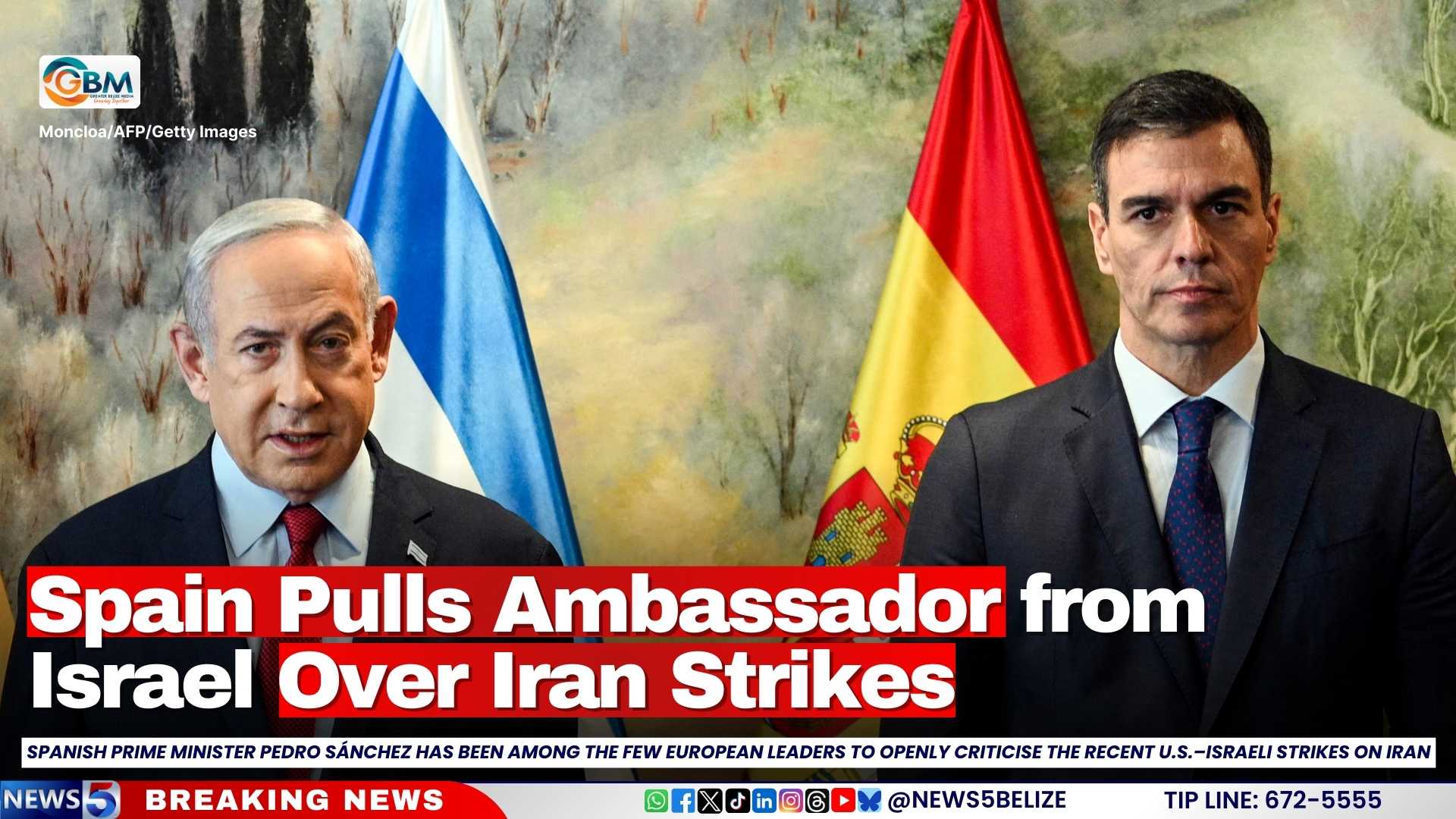
  • Spain Pulls Ambassador from Israel Over Iran Strikes

    Spain Pulls Ambassador from Israel Over Iran Strikes

    In a significant diplomatic escalation, Spain has permanently withdrawn its ambassador from Israel, effectively severing top-level diplomatic relations between the two nations. The decision, confirmed through an official government notice on Tuesday, represents the culmination of months of deteriorating relations over military actions in Gaza and Iran.

    Ambassador Ana María Sálomon Pérez, who had been recalled temporarily in September 2023 following Spain’s prohibition of weapon shipments to Israel through its ports and airspace, will not return to her post. The Spanish embassy in Israel’s capital will now operate under a chargé d’affaires, a lower-ranking diplomatic position. Notably, Israel’s embassy in Spain has been similarly managed since May 2023, when Israel withdrew its ambassador following Spain’s recognition of Palestinian statehood.

    Prime Minister Pedro Sánchez’s government has emerged as one of Israel’s most vocal European critics, characterizing recent US-Israeli strikes on Iran as ‘unjustifiable’ and maintaining a firm ‘no to the war’ position. This stance has been implemented through concrete policy measures, including Spain’s parliamentary approval in October 2023 of a permanent ban on weapons and military equipment sales to Israel.

    The diplomatic rupture reflects broader European divisions regarding Middle East policy, with Spain positioning itself at the forefront of nations advocating for alternative approaches to the region’s conflicts. The mutual reduction of diplomatic representation to charge d’affaires level signifies one of the most substantial deteriorations in EU-Israel relations in recent years.

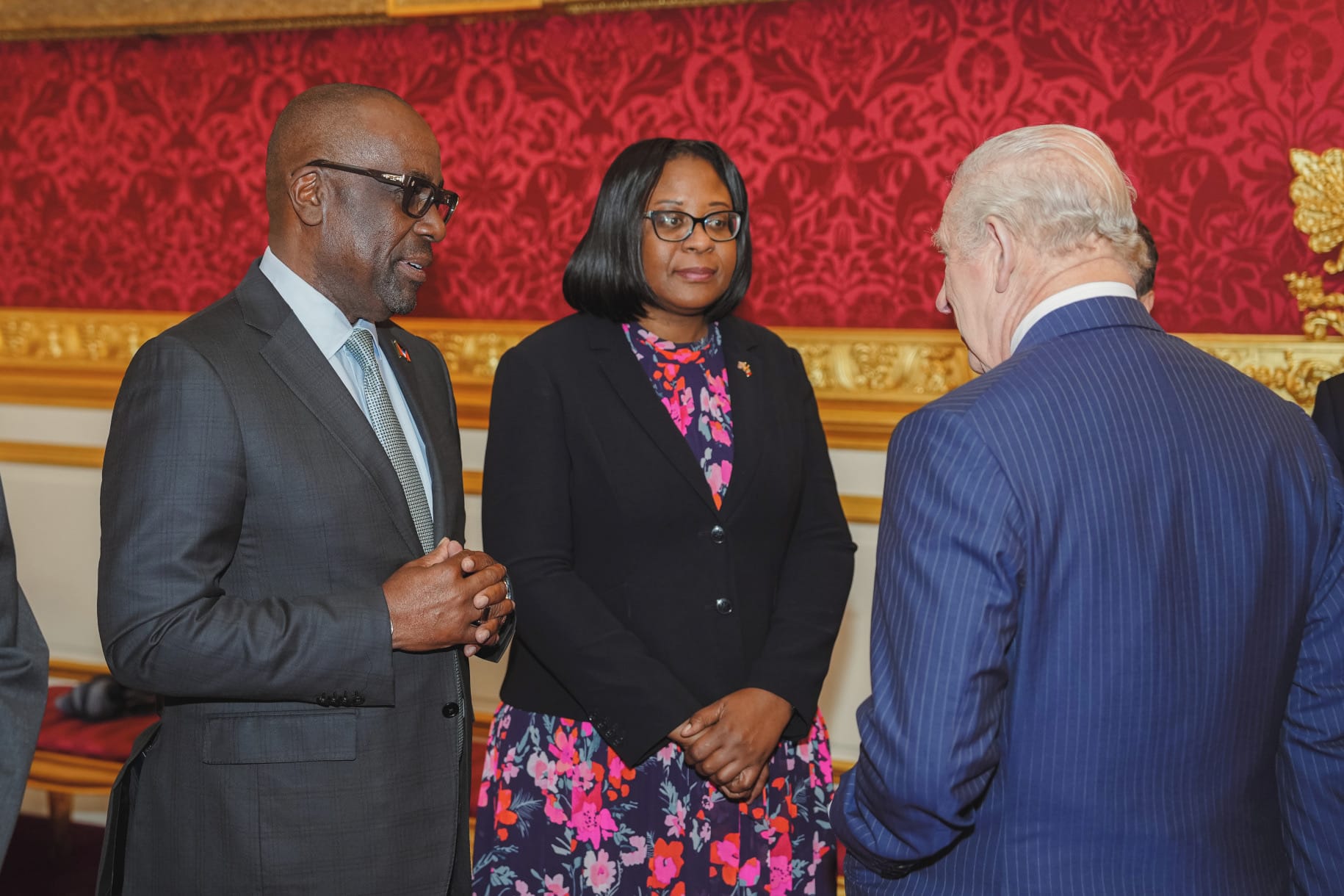
  • FM Greene Participates in Twelfth UK-Caribbean Forum

    FM Greene Participates in Twelfth UK-Caribbean Forum

    The Twelfth UK-Caribbean Ministerial Forum convened in London on March 10, 2026, bringing together foreign ministers and senior officials from Caribbean nations and the United Kingdom. The high-level dialogue served as a strategic platform to evaluate progress within the bilateral partnership and address critical areas of mutual concern.

    Honourable E.P. Chet Greene, Minister of Foreign Affairs, Trade, and Barbuda Affairs for Antigua and Barbuda, led his nation’s delegation. In his address, Minister Greene reaffirmed the Caribbean’s steadfast dedication to deepening collaborative ties with the United Kingdom to confront pressing global and regional challenges. A central pillar of his discourse was the advocacy for expanded trade relations and enhanced service exchanges between the UK and Caribbean nations.

    Minister Greene brought significant attention to the role of Antigua and Barbuda’s Citizenship by Investment Programme as a vital mechanism for economic development. Furthermore, he issued a compelling call for escalated international ambition on climate action, highlighting the critical need for improved access to climate finance for Small Island Developing States (SIDS), which remain on the front lines of the climate crisis.

    The Minister emphasized the urgent requirement for fortified cooperation in disaster preparedness and regional resilience. He pointed to the increasing severity of climate-induced disasters affecting Caribbean states and advocated for stronger partnerships to bolster early warning systems, emergency response capabilities, and long-term infrastructural resilience throughout the region.

    Looking ahead, Minister Greene expressed anticipation for hosting Commonwealth leaders later in the year and acknowledged the continued support from international partners, including the UK, in preparatory efforts for the upcoming event.

    The UK-Caribbean Ministerial Forum stands as a crucial diplomatic conduit for fostering economic collaboration and promoting initiatives aimed at sustainable development, regional security, and shared prosperity. The Antigua and Barbuda delegation included Her Excellency High Commissioner Karen-Mae Hill, Minister Counsellor Ms. Chantal Phillip, and Second Secretary Mr. Brent Scotland.

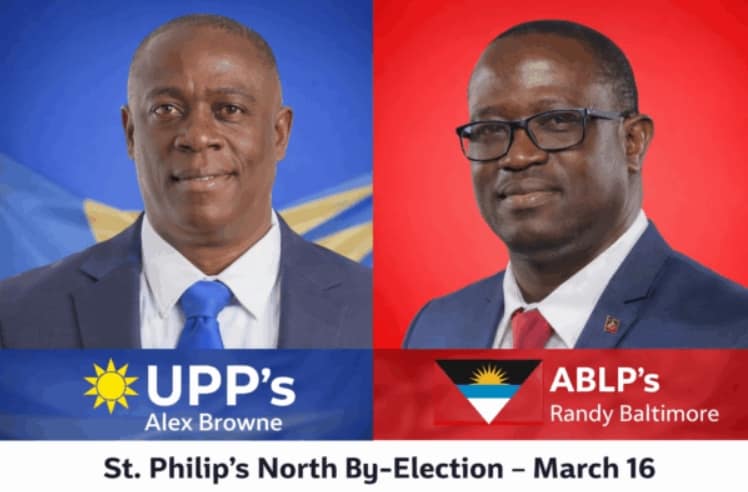
  • ABEC Issues Voting Guidelines Ahead of St Philip North By-Election

    ABEC Issues Voting Guidelines Ahead of St Philip North By-Election

    The Electoral Commission of Antigua and Barbuda (ABEC) has unveiled comprehensive electoral protocols for the upcoming St Philip North by-election scheduled for March 16, 2026. These measures are designed to safeguard electoral integrity and ensure transparent voting procedures throughout the constituency.

    Voting operations will commence at 06:00 hours and conclude at 18:00 hours across all designated polling stations. The commission emphasizes the mandatory requirement for all voters to present their official identification cards and strictly adhere to directives issued by presiding electoral officers.

    Electoral authorities have issued specific voting instructions: ballots must contain a single marked selection, with voters advised to meticulously verify party symbols before finalizing their votes. Election officials will provide assistance to any voter requiring clarification about the voting process.

    In a significant security measure, ABEC will implement strict technology restrictions within voting areas. All mobile communication devices and smartwatches will be collected upon entry and prohibited throughout the voting process.

    The commission has additionally established campaign-free zones, prohibiting the display of party colors or any electoral propaganda within a 100-yard radius of polling locations. These comprehensive regulations aim to maintain impartial voting environments and prevent undue influence.

    ABEC officials stated these preventive measures are essential for conducting a orderly, transparent electoral process that upholds democratic principles. The commission strongly encouraged all registered voters in the St Philip North constituency to exercise their democratic rights through active participation in this significant by-election.

  • Grenada reaffirms commitment to Commonwealth

    Grenada reaffirms commitment to Commonwealth

    Grenada’s Permanent Secretary for Foreign Affairs and Export Development, Roxie McLeish-Hutchinson, led a high-level delegation through a series of significant Commonwealth engagements in London from March 7-9, 2026. The diplomatic mission reinforced Grenada’s enduring commitment to Commonwealth principles and partnerships while advancing the nation’s foreign policy objectives on the global stage.

    The intensive three-day agenda commenced with the 72nd Commonwealth Ministerial Action Group (CMAG) meeting, where Grenada joined seven other member nations in deliberating critical issues of governance, democracy, and adherence to the Commonwealth Charter. As an active CMAG member, Grenada contributes to the group’s mandate of addressing serious or persistent violations of democratic principles, rule of law, and human rights across the Commonwealth.

    On March 8, attention turned to the Commonwealth Foreign Affairs Ministers Meeting (CFAMM), where discussions focused on enhancing cooperation, tackling global challenges, and strengthening the Commonwealth’s collective voice. Key agenda items included climate change mitigation, sustainable development initiatives, and building economic resilience—particularly vital concerns for vulnerable small island developing states like Grenada. Delegates emphasized the organization’s strategic relevance in countering contemporary threats to multilateralism and bridging global divides.

    The diplomatic activities culminated with Commonwealth Day observances on March 9, featuring solemn ceremonies and celebratory events. The day commenced with a flag-raising ceremony at the House of Commons, followed by a wreath-laying ceremony at Memorial Gates honoring Commonwealth service members from both World Wars. This year’s theme, ‘Women in War,’ paid special tribute to female contributions during conflicts, exemplified by figures like Noor Inayat Khan, a British Indian Special Operations Executive during WWII.

    Permanent Secretary McLeish-Hutchinson laid a wreath on behalf of Grenada’s government and people, honoring fallen service members including Caribbean air service personnel. The commemorations continued with the Commonwealth Day Service at Westminster Abbey, attended by over 2,000 participants including King Charles III, Commonwealth Secretary-General Patricia Scotland, and various dignitaries. Grenada was represented by Chevening Scholar Johnathan Andrew as flagbearer during the parade of flags from all 56 member states.

    The London engagements concluded with a reception at St James’s Palace featuring cricketing legend Sir Vivian Richards of Antigua and Barbuda, who serves as special envoy for the upcoming Commonwealth Heads of Government Meeting.

    For Grenada, these high-level meetings provided crucial platforms to amplify the nation’s voice, build strategic partnerships, and advocate for global action on issues disproportionately affecting small island states. In an increasingly complex geopolitical landscape, the Commonwealth remains an essential forum for dialogue, collaboration, and collective action—offering smaller nations meaningful participation in international decision-making processes.

    Permanent Secretary McLeish-Hutchinson emphasized Grenada’s steadfast support for Commonwealth initiatives, noting the organization’s value in providing capacity building, technical assistance, and policy collaboration that directly benefits small island developing states. Grenada’s active diplomatic engagement underscores its commitment to multilateralism and international cooperation while advancing national interests in sustainable and resilient development.

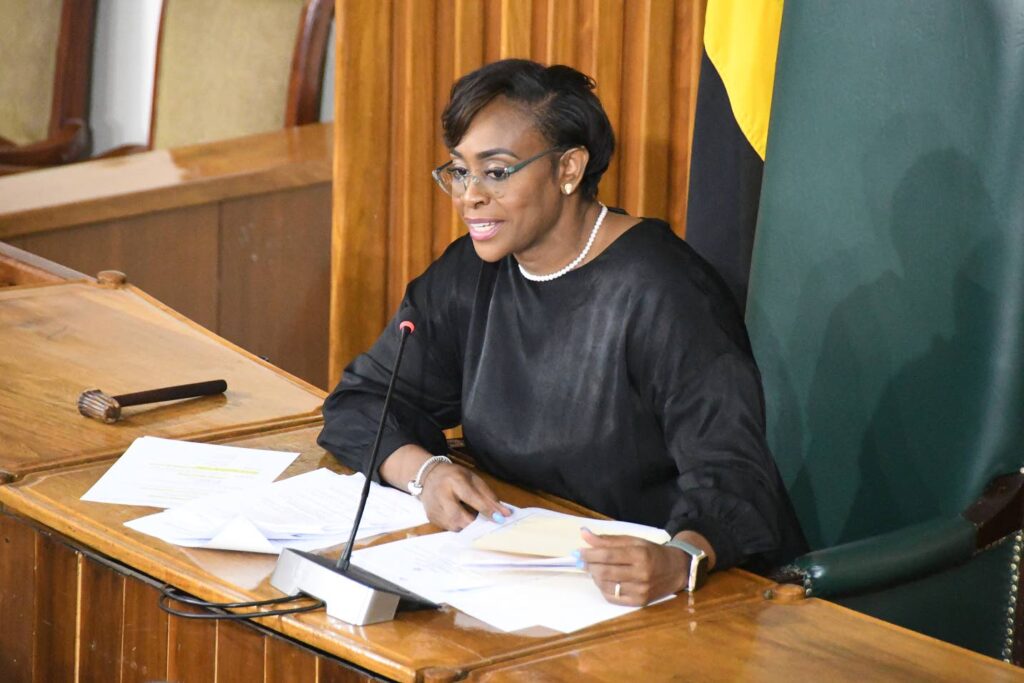
  • Holness accuses Bunting of bias as PAAC mandate squabble continues

    Holness accuses Bunting of bias as PAAC mandate squabble continues

    Jamaica’s parliamentary proceedings descended into renewed acrimony on Wednesday as tensions within the Public Administration and Appropriations Committee (PAAC) reached boiling point. Juliet Holness, Member of Parliament for St Andrew East Rural and Speaker of the House, launched a direct challenge against Committee Chairman Peter Bunting’s leadership, accusing him of systemic bias in managing committee proceedings.

    The confrontation emerged during deliberations about the fundamental scope and authority of the PAAC, with Holness contending the committee has progressively exceeded its mandated jurisdiction. She specifically criticized Bunting’s management approach, asserting his recognition of speakers demonstrated partiality rather than neutral procedural oversight. “I observed, for my first two meetings, I remember asking a question and being rushed while other members were allowed to extend their questioning indefinitely,” Holness stated.

    Beyond procedural concerns, Holness expressed profound frustration with what she characterized as widespread disrespect and inadequate preparation among committee members. She notably suggested some legislators rely on artificial intelligence tools rather than substantive understanding, remarking that “some fast learners continue to be stupid and use chatGPT for their questions.”

    The central constitutional question revolved around whether the PAAC should maintain narrow focus on expenditure review or expand into broader administrative efficiency examinations. Holness maintained the committee should concentrate exclusively on monitoring how approved public funds are utilized, particularly during budget cycles.

    Chairman Bunting vigorously defended his interpretation of the committee’s mandate under Standing Order 73A, arguing for a more expansive view of its responsibilities. He contended that jurisdictional overlap is inevitable when examining large-scale government programs that cross multiple sectors. Using hurricane recovery efforts as an example, Bunting explained such initiatives naturally encompass infrastructure, education, and other domains, making narrow jurisdictional boundaries impractical.

    In response to accusations of partiality, Bunting asserted his leadership maintains careful neutrality. “The fact that from time to time members on both sides may be upset with me suggests to me that I am achieving impartiality,” he countered, drawing parallels to Holness’s own responsibilities as House Speaker.

    The dispute represents an institutional crisis concerning parliamentary oversight mechanisms and the appropriate boundaries between specialized committees in Jamaica’s governance structure.

  • Budget Debate: What’s happening with NaRRA?

    Budget Debate: What’s happening with NaRRA?

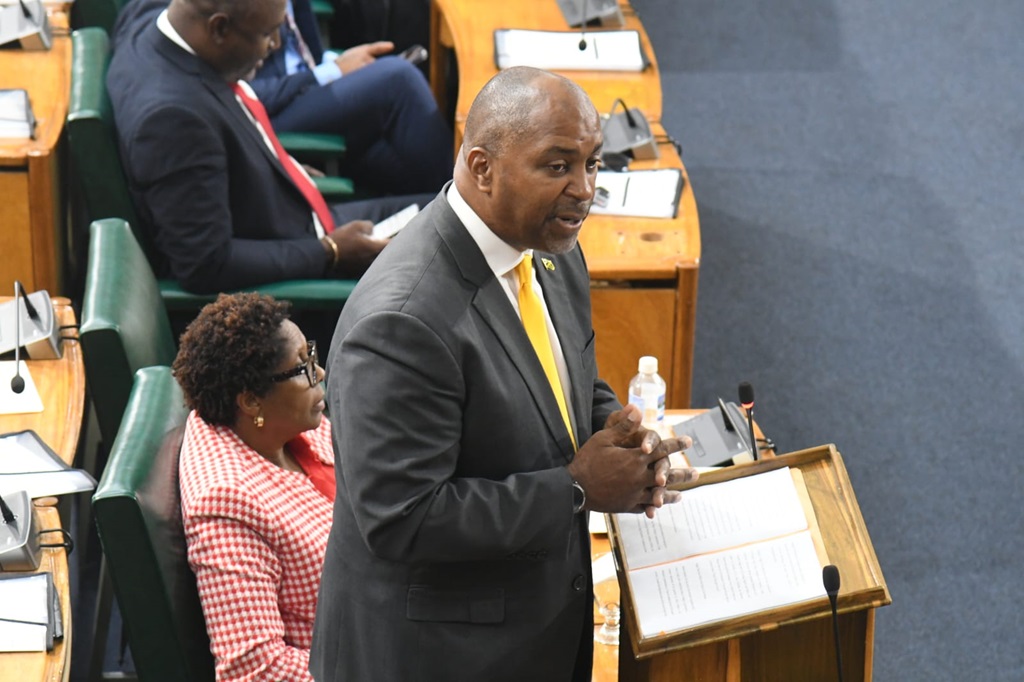
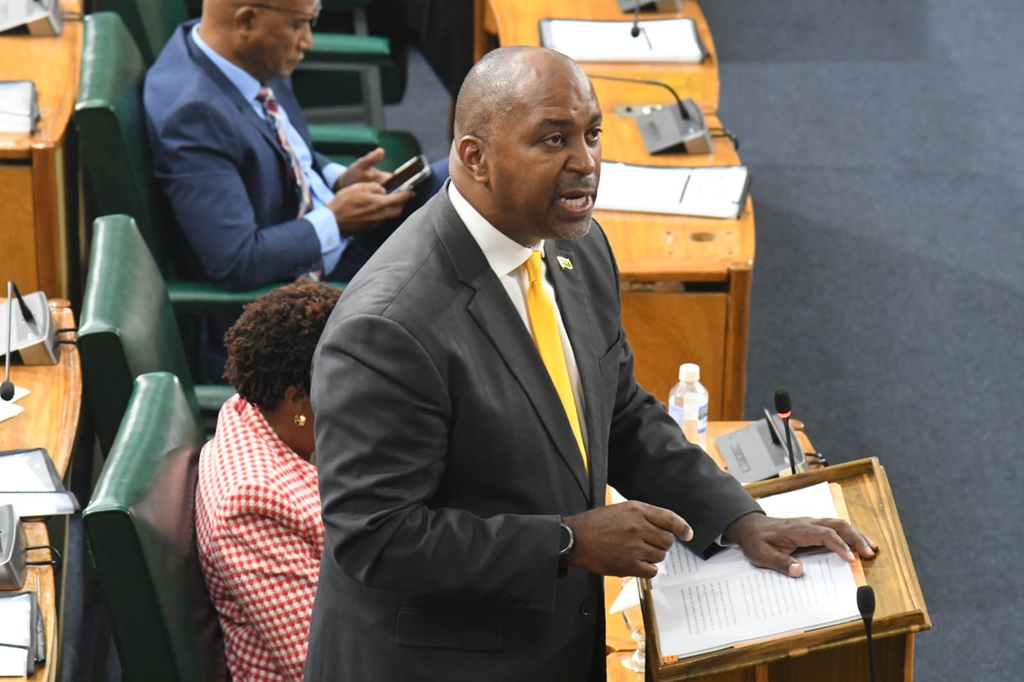
    Jamaica’s post-hurricane reconstruction efforts face mounting scrutiny as Opposition Finance Spokesman Julian Robinson raises critical questions about the government’s proposed recovery vehicle. During Thursday’s Budget Debate, Robinson challenged the operational status of the National Reconstruction and Resilience Authority (NaRRA), the central agency Prime Minister Andrew Holness promised would lead rebuilding initiatives.

    The opposition spokesman highlighted concerning delays in establishing NaRRA’s legal framework, noting that no legislation has been presented to Parliament to formally constitute the authority. This absence of legal foundation leaves the public without clarity regarding the agency’s operational mechanisms, specific functions, or implementation timeline.

    Robinson emphasized the urgency of moving beyond announcements to actionable plans, particularly given the widespread devastation across western Jamaica. He acknowledged the importance of the government’s $10 billion ROOF Grant program but declared it “simply insufficient” to address the scale of destruction caused by Hurricane Melissa.

    The Member of Parliament for St Andrew South Eastern detailed the extensive impact across multiple parishes, including severe damage in Westmoreland, St Elizabeth, St James, Hanover, Trelawny, St Ann, Clarendon, and Manchester. Nearly five months after the hurricane, thousands of Jamaicans remain without adequate shelter, raising urgent questions about the government’s comprehensive response strategy for long-term housing solutions.

  • Budget Debate: We don’t support the $18 billion tax package, says Robinson

    Budget Debate: We don’t support the $18 billion tax package, says Robinson

    In a forceful address to Jamaica’s Parliament during the 2026-2027 Budget Debate, Opposition Finance Spokesman Julian Robinson launched a severe critique against the government’s newly announced $18 billion tax package. Robinson characterized the imposition of fresh taxes following the devastation of Hurricane Melissa as fundamentally unconscionable, arguing it places unjustifiable pressure on citizens already grappling with recovery.

    Robinson detailed the direct impact on Jamaican households, noting that consumers will face immediately higher grocery expenses due to the administration’s fiscal decisions. The comprehensive tax measures, which target sweetened beverages, tobacco products, pure alcohol, and tourism-related activities, collectively approach $30 billion in new revenue generation.

    From an economic policy perspective, the opposition spokesman articulated a sophisticated critique, labeling the tax increases as a ‘procyclical response’ to economic contraction. Robinson explained that rather than countering economic slowdown, the government’s approach exacerbates existing challenges by applying pressure in the same direction as the economic decline. He emphasized that Jamaica’s tax base has been substantially weakened by a decade of limited growth under the current administration, further compromised by Hurricane Melissa’s impact.

    Robinson proposed an alternative economic strategy centered on countercyclical measures that would stimulate economic activity and create organic conditions for tax base recovery. He asserted that sustainable revenue generation emerges from economic growth rather than taxation of financially stressed populations.

    The opposition spokesman further highlighted the disproportionate burden falling on lower-income Jamaicans and elderly citizens, who continue to struggle with post-hurricane recovery. Robinson concluded with a cricket metaphor, stating that if his People’s National Party were governing, ‘this is not the shot we would have played,’ signaling fundamental disagreement with the government’s fiscal approach.