分类: politics

  • Abinader inaugurates four-lane highway at Samaná entrance

    Abinader inaugurates four-lane highway at Samaná entrance

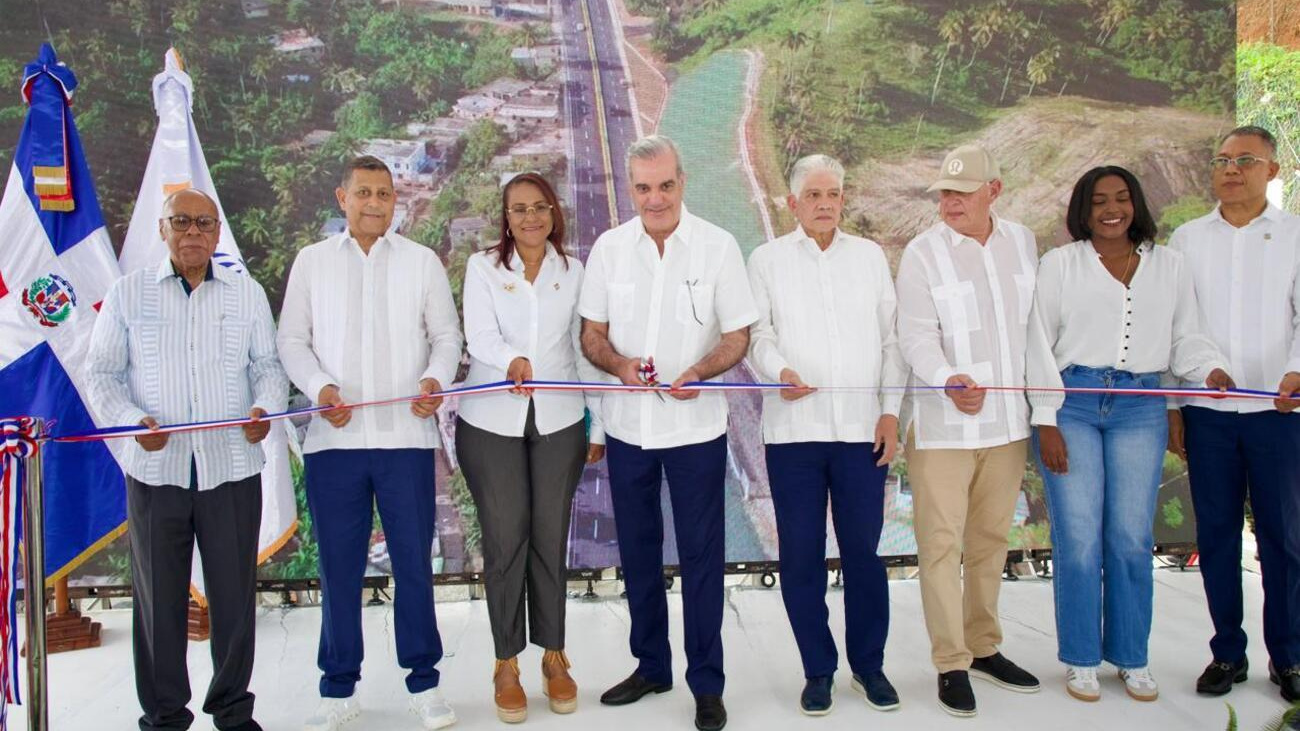
    In a major milestone for regional development in the Dominican Republic, President Luis Abinader has officially opened the upgraded four-lane highway at the main entrance of Samaná Province, a high-priority infrastructure project expected to lift quality of life for over 110,000 local residents and supercharge the region’s critical tourism sector.

    Overseen by the country’s Ministry of Public Works and Communications, the comprehensive modernization project went far beyond simple road widening. In addition to expanding the original route to four lanes, crews completed full asphalt rehabilitation across the entire stretch, installed upgraded drainage systems to mitigate flood risks, added new energy-efficient road lighting, built paved pedestrian sidewalks, and reengineered access points to improve flow for both vehicles and pedestrians.

    The completed upgrades deliver immediate, tangible benefits: improved road safety for all users, significant cuts to peak and off-peak travel times, and stronger, more reliable connectivity between scattered local communities. These changes also position Samaná as a competitive strategic hub for both tourism and logistics across the Dominican Republic.

    During the inauguration ceremony, President Abinader framed the highway project as one piece of a sweeping, long-term national development strategy for the region. The broader plan includes a portfolio of complementary initiatives: new port development projects, city-wide urban renovation works, and expanded land titling programs, all designed to attract new private and public investment and drive inclusive economic growth across the province.

    Regional and national authorities have underscored that the improved road infrastructure will create smoother access to Samaná’s most popular tourist attractions, streamline the transportation of local goods to regional and national markets, and support the sustainable expansion of the tourism sector. In the long term, these upgrades are expected to solidify Samaná’s reputation as one of the Caribbean’s top travel destinations.
  • Over $80M invested in road networks across St. Kitts and Nevis, highlights PM Drew  – WIC News

    Over $80M invested in road networks across St. Kitts and Nevis, highlights PM Drew  – WIC News

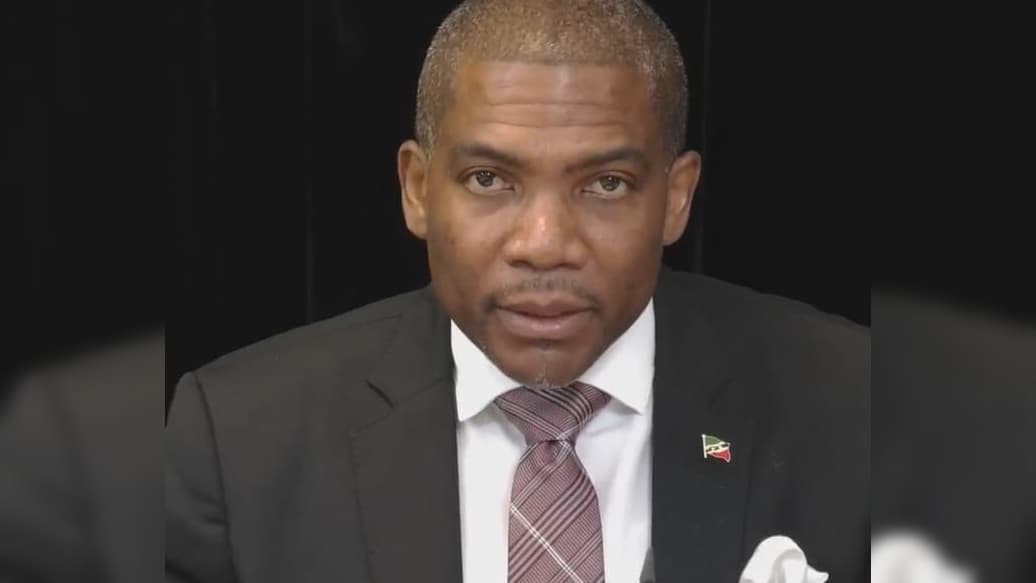
    In his opening address to the press for the first quarterly briefing of 2026, Prime Minister Dr. Terrance Drew of St. Kitts and Nevis laid out two core pillars of his administration’s current agenda: sweeping domestic infrastructure investment to advance people-centered development, and a new diplomatic push to deepen economic and cultural ties between the Caribbean federation and the African continent.

    Flanked by members of his Federal Cabinet at the briefing, Drew emphasized that the government’s policy agenda remains rooted in improving daily quality of life for citizens and unlocking broad-based economic opportunity. Two critical public works initiatives top the administration’s near-term infrastructure priorities: upgrading water access and expanding road networks across both islands of the federation.

    On water security, Drew confirmed that the government has allocated tens of millions of dollars to expand desalination capacity and upgrade aging distribution networks, framing reliable potable water access as a non-negotiable foundation for national progress. “No country can achieve long-term, inclusive success without guaranteeing its people consistent access to safe, reliable water,” he noted, adding that the upgrades form part of a broader national resilience strategy.

    For road connectivity, the prime minister revealed that more than $80 million has already been deployed to upgrade and expand the federation’s road networks, with additional investment planned for coming months. Drew stressed that these infrastructure projects are not standalone upgrades, but integrated components of the nation’s long-term sustainable island state development agenda. This framework guides every level of governance, from infrastructure planning and energy production to natural resource management and human capital investment, all aimed at building a resilient, future-focused economy for St. Kitts and Nevis.

    Beyond domestic policy, Drew detailed the outcomes of his recent trip to Abuja, Nigeria, to attend the Afro-Caribbean Investment Summit, a diplomatic mission he described as a key step in diversifying the federation’s global partnerships and positioning it to capitalize on shifting global economic trends.

    The summit yielded multiple tangible results for the small island nation. Drew confirmed that a new memorandum of understanding has been signed that will bring a major international film production to St. Kitts and Nevis in June 2026, a development that he says will help establish the federation as a leading regional hub for the creative economy. Notably, St. Kitts and Nevis also became the first country to secure formal access to a $2 billion U.S.-backed creative industries fund, opening new pathways for local creators to access financing, professional training, and global market opportunities.

    In a historic first for Caribbean-African connectivity, the summit delegation traveled via a direct charter flight originating in the Caribbean, marking the first time such a route has been operated. Looking ahead, Drew noted that formal follow-up mechanisms are already being arranged, including the potential appointment of a special envoy to advance the implementation of agreements reached during bilateral talks with Nigerian officials. Initiatives spanning trade expansion, cross-border investment, and cultural exchange were all discussed during the negotiations.

    The press briefing closed with an overview of the administration’s broader upcoming priorities, which include accelerating the transition to renewable energy, deepening regional cooperation across the Caribbean, and continuing targeted investments in core public infrastructure to support long-term growth.

  • Antigua and Barbuda Holds Key Meetings to Plan for 2026 Commonwealth Leaders Summit

    Antigua and Barbuda Holds Key Meetings to Plan for 2026 Commonwealth Leaders Summit

    The Government of Antigua and Barbuda has made significant strides in its preparations for the upcoming Commonwealth Heads of Government Meeting (CHOGM) 2026, as demonstrated during recent virtual liaison committee sessions held on March 26th, 2026. These coordinated meetings showcased the nation’s comprehensive planning framework for the high-level international gathering scheduled to take place in St. John’s from November 1st to 4th, 2026.

    The initial session convened essential national stakeholders, technical experts, and members of the specialized CHOGM Taskforce to evaluate progress across multiple operational domains. Detailed deliberations centered on critical aspects including venue preparedness, accreditation protocols, delegate transportation systems, security coordination measures, conference documentation, and overarching logistical strategies. Particular attention was directed toward enhancing inter-agency collaboration and maintaining strict adherence to established timelines preceding the crucial Advance Visits planned for St. John’s on April 28th-29th and May 5th-6th, 2026.

    Both committee sessions underscored the government’s dedicated approach to orchestrating a flawlessly executed and impactful CHOGM 2026. Maintaining robust collaborative relationships with the Commonwealth Secretariat and international partners remains fundamental to achieving exemplary standards in all operational and protocol requirements.

    E.P. Chet Greene, Minister of Foreign Affairs, Trade and Barbuda Affairs who also chairs the CHOGM Taskforce, commented on the meetings’ outcomes: “These engagements reflect the exceptional coordination, commitment, and national unity necessary to deliver a successful CHOGM. Our nation is fully mobilized across all sectors, working in close partnership with the Commonwealth Secretariat and international collaborators to ensure every component—from logistical arrangements to media interactions—meets the highest standards. We anticipate with great confidence welcoming the Commonwealth community to our shores in November.”

    The Liaison Committee Meetings and Media Liaison Committee Meetings constitute integral components of a structured engagement framework designed to monitor developmental progress, identify and address potential gaps, and strengthen coordination among all stakeholders involved in CHOGM 2026 planning and execution.

    Antigua and Barbuda eagerly anticipates hosting Commonwealth leaders, delegates, and international partners in St. John’s in November 2026 under the unifying theme: “Accelerating Partnerships and Investment for a Prosperous Commonwealth.”

  • Thousands Re-register Following PM’s Election Teaser In Final Days of March

    Thousands Re-register Following PM’s Election Teaser In Final Days of March

    A significant surge in voter registration activity has swept through Antigua and Barbuda during the final week of March, driven by the Prime Minister’s indication that a general election could be announced within 90 days. According to newly released data from the Antigua and Barbuda Electoral Commission, the period from March 23 to 28 witnessed substantial citizen engagement with the electoral process.

    The Commission documented 2,270 applications for voter ID replacements alongside 507 new voter registrations, demonstrating heightened public responsiveness to the evolving political timeline. Cumulative statistics reveal that electoral authorities have processed 22,700 applications to date, with March alone accounting for 3,517 submissions, indicating sustained civic participation throughout the month.

    Geographical analysis reveals notable disparities in registration progress across constituencies. All Saints West, St. Mary’s South, and St. Paul approach the midway point with approximately 48% completion rates. Meanwhile, St. Peter leads the nation with an impressive 80% re-registration rate, closely followed by St. Philip North (71%) and Barbuda (72%). In contrast, more densely populated areas including St. John’s Rural West (40%) and St. Mary’s North (39%) continue to trail behind national averages.

    The weekly data demonstrates peak activity occurring early in the reporting period, with replacement applications reaching a high of 471 on March 23 before gradually declining toward week’s end. This pattern suggests initial urgency following the Prime Minister’s announcement, with subsequent tapering as immediate demand was met.

    Electoral officials continue to emphasize the importance of timely registration updates as the nation moves closer to potential elections, underscoring the critical role of voter preparedness in maintaining electoral integrity and democratic participation.

  • ‘Gevaarlijke escalatie’: Wereld veroordeelt Israëlische doodstrafwet voor Palestijnen

    ‘Gevaarlijke escalatie’: Wereld veroordeelt Israëlische doodstrafwet voor Palestijnen

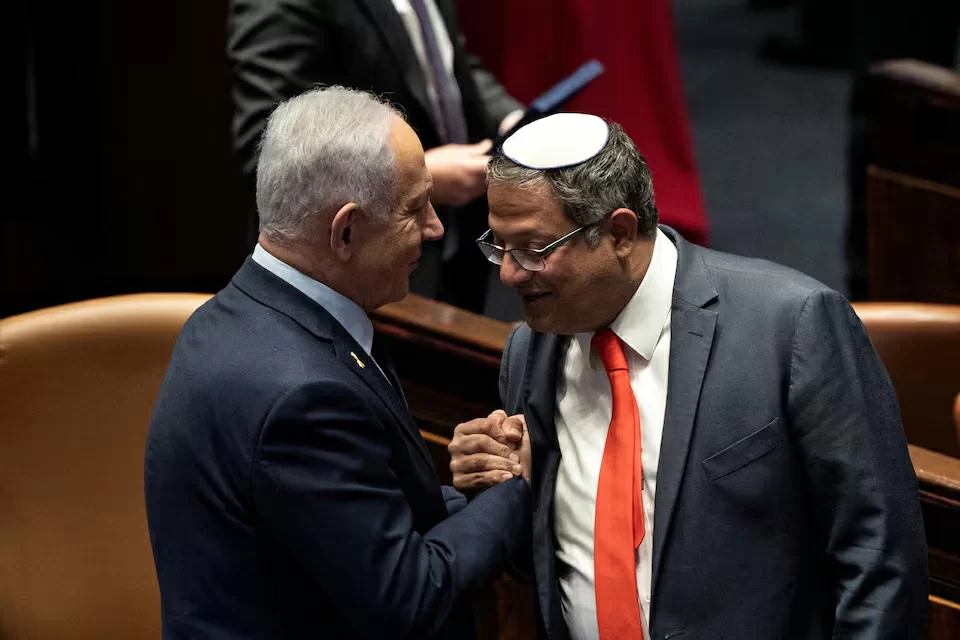
    The Israeli Knesset has approved a highly contentious legislation that institutionalizes capital punishment through hanging for Palestinians convicted of lethal attacks against Israeli citizens. The law, which applies exclusively to Palestinians from the occupied West Bank, has triggered widespread international condemnation and raised serious concerns about human rights violations.

    National Security Minister Itamar Ben-Gvir, a prominent right-wing nationalist, championed the legislation and was photographed celebrating its passage with champagne in the parliamentary chambers. Defying international criticism, Ben-Gvir declared: ‘We are not afraid, we will not submit.’

    The timing of this legislation coincides with escalating violence by Israeli military forces and settlers against Palestinians in the West Bank, accompanied by thousands of arrests amid Israel’s ongoing military operations in Gaza that some international observers have characterized as genocidal.

    Palestinian authorities have condemned the law as a ‘dangerous escalation,’ emphasizing Israel’s lack of sovereignty over Palestinian territories. Hamas has labeled it a ‘dangerous precedent’ threatening Palestinian prisoners’ lives and called for international intervention. Mustafa Barghouti, Secretary-General of the Palestinian National Initiative, warned the legislation specifically targets political prisoners and activists, representing what he called a ‘fascist shift’ within Israel’s governance system.

    International human rights organizations have responded with severe criticism. The UN Human Rights Office in Palestine demanded immediate repeal of the ‘discriminatory’ law, noting it deepens segregation and apartheid policies since it exclusively targets Palestinians who often face unfair judicial processes. Amnesty International described the legislation as ‘a public display of cruelty, discrimination, and contempt for human rights,’ highlighting patterns of extrajudicial executions and violence against Palestinians.

    Alain Berset, Secretary-General of the Council of Europe, characterized the development as a ‘serious regression,’ emphasizing that capital punishment represents an anachronism incompatible with modern human rights standards. European foreign ministers, including Ireland’s Helen McEntee and Italy’s Antonio Tajani, jointly condemned the law, with McEntee noting its ‘de facto discriminatory nature’ and Tajani calling for absolute respect for the value of human life.

    The legislation has intensified global scrutiny of Israel’s treatment of Palestinians and raised fundamental questions about compliance with international humanitarian law in occupied territories.

  • What is the blockade against Cuba, if not punitive?

    What is the blockade against Cuba, if not punitive?

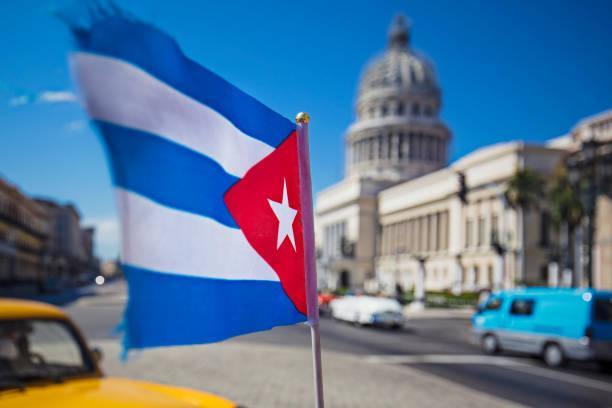
    In a pointed rebuke of recent statements from senior United States government officials, Cuba’s top diplomat has pushed back against claims that Washington has made no formal adjustments to its punitive sanctions regime against the island nation. Bruno Rodríguez Parrilla, who serves as both a member of Cuba’s Political Bureau and the country’s Minister of Foreign Affairs, issued a series of probing questions calling out Washington’s characterization of its decades-long economic pressure campaign against Cuba. The remarks were published by state-owned Cuban outlet Granma on March 31, 2026.

    Rodríguez Parrilla opened his critique by challenging the core claim from US officials that Washington has not implemented any new punitive actions against Cuba. “Now the U.S. government says it has not taken any ‘punitive’ action against Cuba. What is the economic blockade, if not punitive?” he asked, calling out the broad, decades-long trade and economic embargo that has crippled Cuban economic activity for generations. He went on to question a litany of other restrictive US policies that target Cuba’s ability to engage in normal international trade and commerce, asking what each qualifies as if not punitive action.

    His list of grievances includes US threats to impose secondary sanctions on any third country that exports fuel to Cuba, systematic financial persecution that blocks Cuban entities from completing legitimate financial transactions anywhere across the globe, harsh restrictions that bar foreign merchant ships that have called at Cuban ports from entering US territorial waters, and the long-standing prohibition on recreational travel from the United States to the island.

    Beyond the broad blockade framework, Rodríguez Parrilla also questioned the ongoing utility of what he described as selective and arbitrary blacklists maintained by the US government against Cuban entities and individuals. These include the notoriously controversial US State Department list of state sponsors of terrorism, which Cuba was controversially added to and removed from in recent years, alongside multiple other restricted entity and travel restriction lists that bar American entities and citizens from engaging with a wide range of Cuban institutions.

    The Cuban foreign minister also highlighted a recent wave of coercive diplomatic pressure that the US has exerted on governments across the Caribbean and Latin America, pushing regional states to abandon long-standing medical cooperation programs with Havana. These programs, which deploy thousands of Cuban medical specialists to low-income and underserved communities across the region, have been a key source of legitimate foreign export income for Cuba for decades. Rodríguez Parrilla noted that the US pressure campaign does not just harm Cuba’s economy by cutting off this legal income stream—it also inflicts direct harm on vulnerable populations across the region who are cut off from life-saving care provided by Cuban medical workers. He called this campaign nothing less than a deliberate, purely punitive action against the Cuban people and their neighbors across the Americas.

  • Dominican Republic nominated to lead 79th World Health Assembly

    Dominican Republic nominated to lead 79th World Health Assembly

    The Dominican Republic has secured a historic unanimous nomination from all countries of the Americas to serve as president of the 79th World Health Assembly, set to take place from May 18 to 23, 2026, at the World Health Organization (WHO) headquarters in Geneva, Switzerland.

    The selection aligns with WHO’s long-standing rotational leadership framework, which allocates the 2026 presidency to the World Health Organization’s Region of the Americas, represented regionally by the Pan American Health Organization (PAHO). The full backing from every regional delegation was formalized during a closed-door meeting of country representatives held in October 2025, and the final confirmation of the appointment will take place during the opening plenary session of the 2026 assembly.

    The official notification of the nomination was delivered in a formal letter addressed to Dominican Republic President Luis Abinader, which included a guarantee of full institutional support from PAHO and the American regional bloc as the country prepares to take on the leadership role.

    This milestone marks the first occasion in history that the Dominican Republic has been selected to lead WHO’s highest decision-making body, a development that is widely viewed as a major global vote of confidence in the Caribbean nation’s public health leadership and contributions to international health cooperation. The annual World Health Assembly brings together senior health and diplomatic representatives from WHO’s 194 member states to identify pressing global health challenges, negotiate collaborative response frameworks, and set binding policy priorities that guide global public health work for the coming years.

  • Chandrikapersad Santokhi: Van ‘The Sheriff’ tot Staatsman

    Chandrikapersad Santokhi: Van ‘The Sheriff’ tot Staatsman

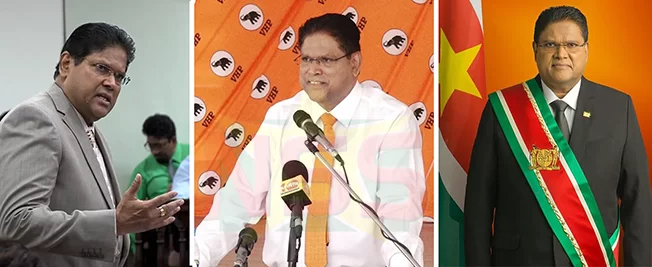
    Suriname and the Caribbean region mourn the sudden passing of President Chandrikapersad ‘Chan’ Santokhi on March 30, 2026. The 67-year-old leader from Lelydorp leaves behind a remarkable political legacy characterized by unwavering commitment to justice, economic reform, and regional cooperation.

    Santokhi’s journey from police academy graduate in Apeldoorn, Netherlands to national leadership was marked by exceptional dedication to law enforcement. His early career saw rapid advancement within Suriname’s police force, eventually becoming head of national criminal investigation and police commissioner. His tough-on-crime approach earned him the nickname ‘The Sheriff’ – a moniker he embraced, stating: ‘People want law and order. Hence the call for security, the call for sheriff.’

    As Minister of Justice from 2005-2010, Santokhi achieved significant milestones including removing Suriname from the U.S. blacklist of drug transit countries. His most notable contribution was initiating the criminal proceedings against former dictator Desi Bouterse for the December 1982 murders, demonstrating his steadfast commitment to accountability.

    Elected president in 2020, Santokhi ended the Bouterse era and inherited a financially exhausted nation. He implemented an unpopular but necessary IMF reform program, acknowledging communication shortcomings while maintaining his conviction: ‘We could have chosen a populist course aimed at winning elections. But that would have been irresponsible given our situation.’

    His regional leadership as CARICOM Chairman in 2022 strengthened Caribbean unity, particularly enhancing relations with Guyana. President Irfaan Ali of Guyana described him as ‘a brother forged by conviction’ who worked wholeheartedly for regional progress.

    Survived by his wife Mellisa Seenacherry and two children, Santokhi’s legacy extends beyond family to national transformation. His son Rishano remembered him as a man with strong legal vision whose principles continue to shape Suriname and the Caribbean.

    Santokhi’s philosophy centered on inclusive nation-building: ‘We cannot build a nation while tolerating major disparities. Structurally disadvantaged groups require targeted support strategies – not as favor but as duty.’ His passing creates a leadership void, but his exemplary dedication to justice and development endures.

  • Panton Claims Senator Pitts Silenced in Budget Debate

    Panton Claims Senator Pitts Silenced in Budget Debate

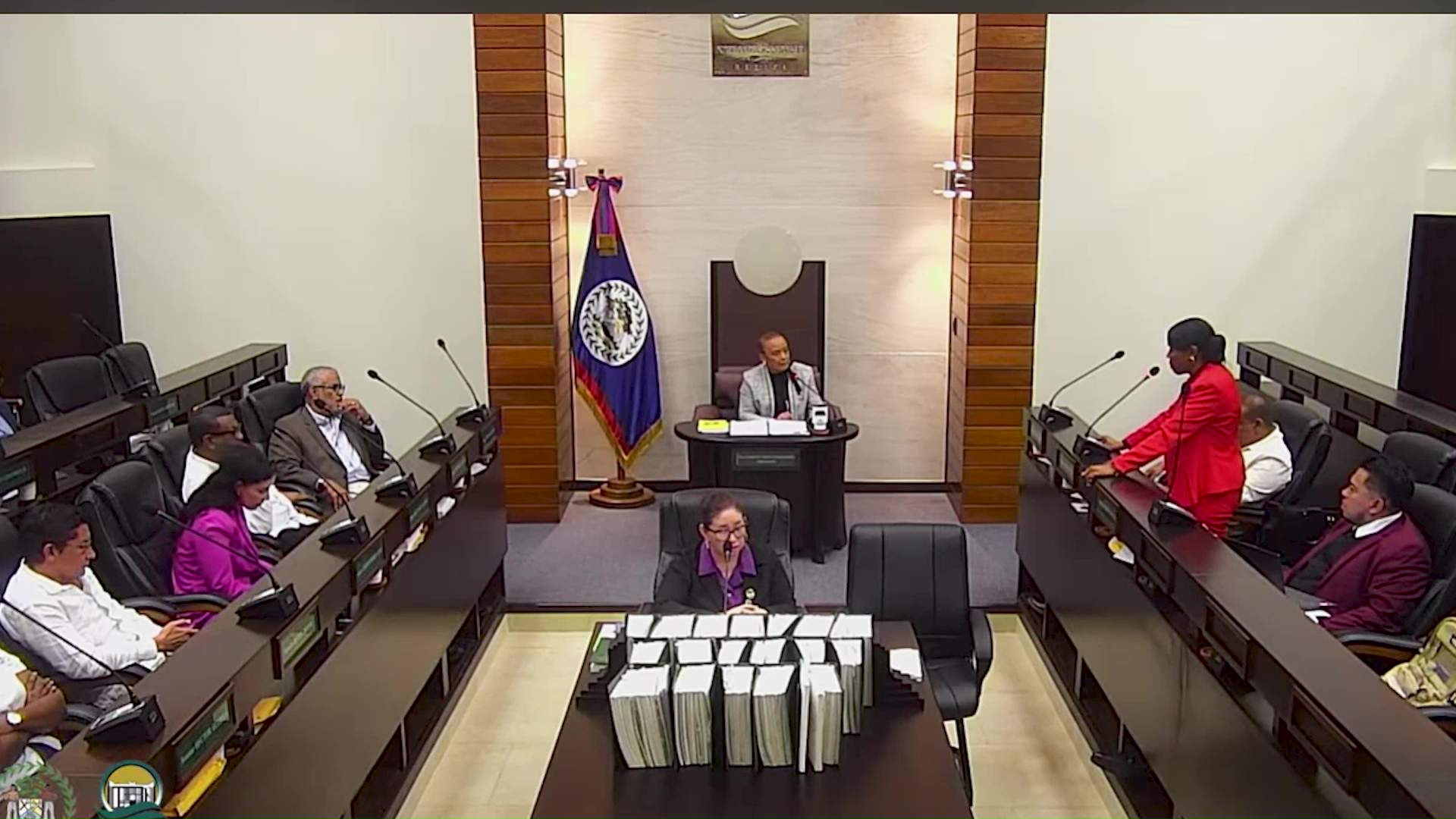
    A procedural dispute in Belize’s National Assembly escalated into a dramatic confrontation on Friday, with Opposition Leader Tracy Panton accusing the government of deliberately silencing UDP Senator Sheena Pitts during critical budget deliberations. The controversy erupted when Lead Government Senator Eamon Courtenay moved to conclude the debate while Senator Pitts awaited her turn to speak, prompting immediate objections from opposition members.

    The tension unfolded as Senate President Carolyn Trench Sandiford recognized Courtenay’s motion to close discussions, effectively preventing Pitts from delivering her planned remarks. Opposition senators protested vigorously, with Lead Opposition Senator Patrick Faber condemning the action as ‘unkind’ and alleging procedural unfairness. Despite repeated attempts to gain recognition, Senator Pitts was unable to secure the floor before the vote proceeded.

    In a subsequent exchange, President Sandiford defended her actions by stating she followed established protocol, noting that no opposition senators were standing to claim speaking time when she called for contributions. Senator Pitts countered that the President had been aware of her intention to speak prior to the debate, characterizing the incident as a deliberate exclusion that undermined democratic principles and women’s representation in leadership.

    The confrontation culminated in an opposition walkout before the session’s official adjournment, transforming a procedural disagreement into a symbolic protest. Panton has characterized the event as a ‘direct assault on democracy’ that contradicts national efforts to amplify female voices in political discourse. The incident has sparked broader discussions about representation, procedural fairness, and gender dynamics within Belize’s highest legislative chambers.

  • Taiwan Reinforces Belize Ties with Return of Ambassador Amino Chi

    Taiwan Reinforces Belize Ties with Return of Ambassador Amino Chi

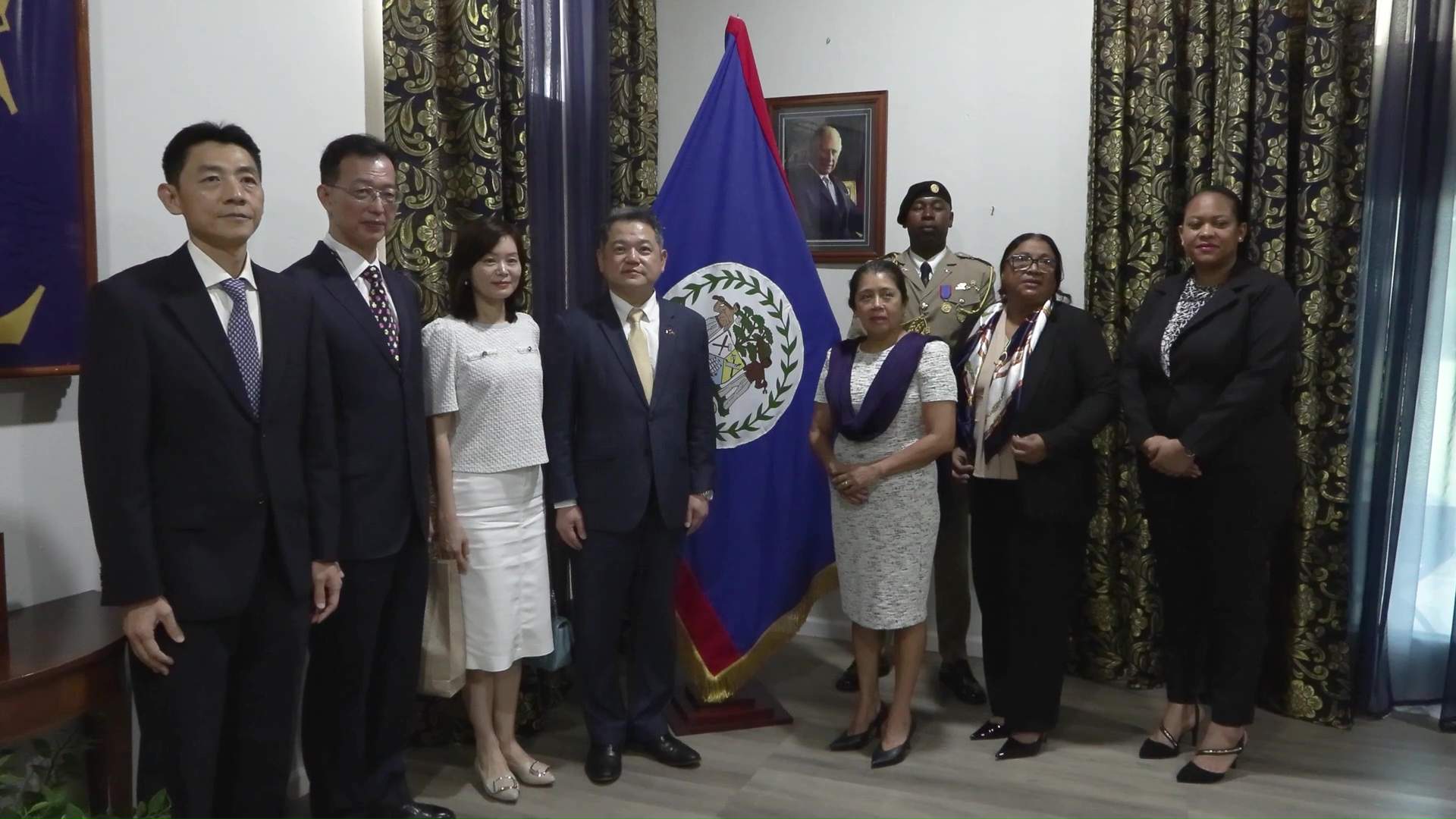
    In a strategic move to fortify its diplomatic network, Taiwan has reassigned seasoned diplomat Amino C.Y. Chi to Belize for his third ambassadorial term in the Central American nation. The ambassador’s arrival on March 26, 2026, marked a significant moment in bilateral relations, with representatives from the Taiwanese expatriate community, embassy personnel, and technical mission delegates extending a warm welcome at the Philip S.W. Goldson International Airport.

    Ambassador Chi promptly initiated diplomatic engagements by hosting an exclusive dinner for community leaders and key Belizean partners shortly after his arrival. This gathering established the foundation for enhanced cooperation across multiple sectors in the coming months.

    The diplomatic transition follows the conclusion of Ambassador Lily Li-Wen Hsu’s productive tenure, which spanned from 2023 through February 2026. During her service, Ambassador Hsu achieved substantial progress in strengthening the Taiwan-Belize partnership through various bilateral initiatives.

    The Taiwanese Embassy has characterized this leadership change as the commencement of a new chapter in the countries’ relationship. With Ambassador Chi’s extensive experience and existing regional connections, officials anticipate deepened collaboration in areas of mutual interest, reflecting Taiwan’s ongoing commitment to maintaining robust international partnerships despite increasing geopolitical pressures.