分类: politics

  • Alex Browne Sworn-in As UPP Senator, Again

    Alex Browne Sworn-in As UPP Senator, Again

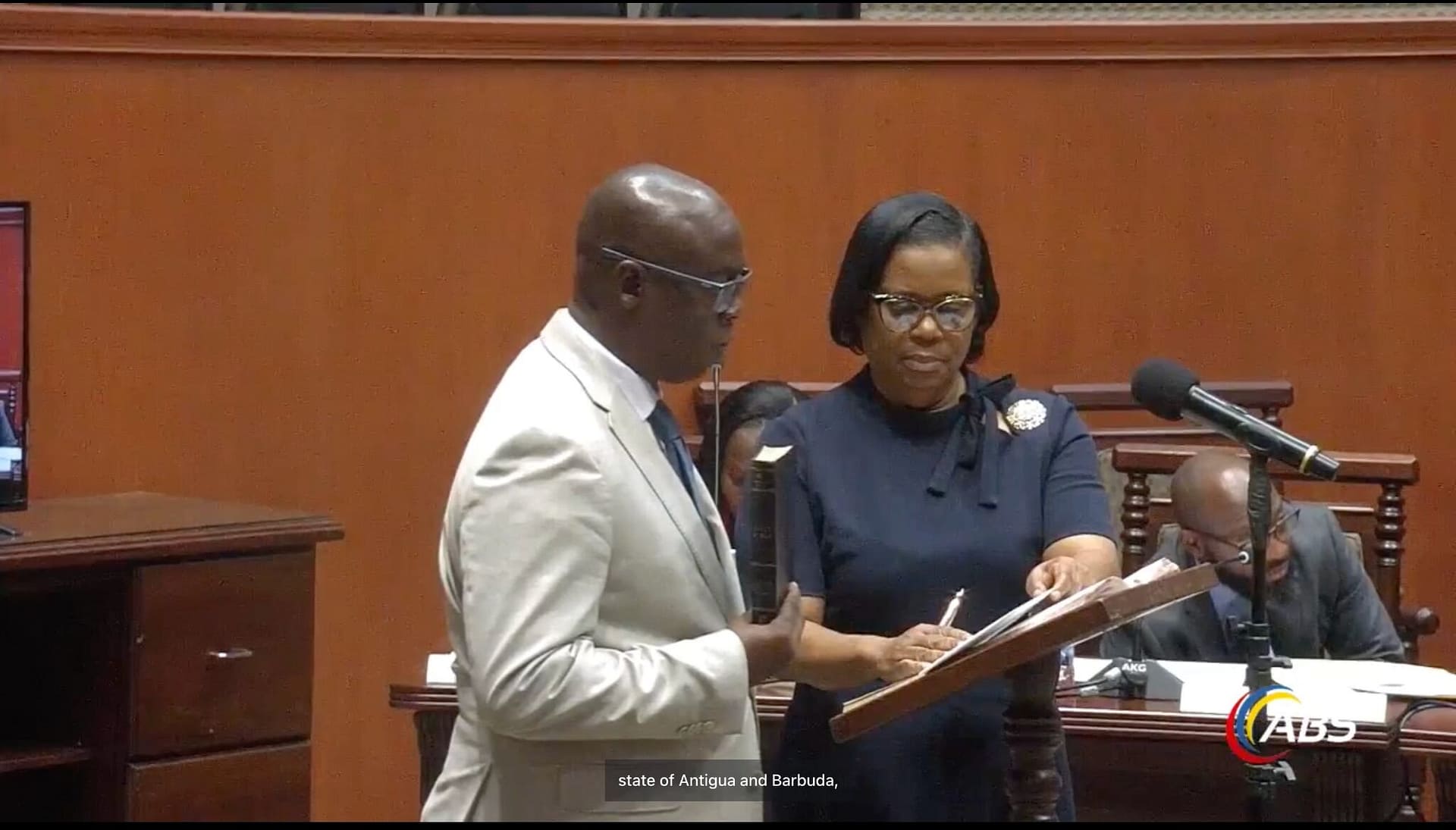
    In a notable development in Antigua and Barbuda’s political landscape, Alex Browne, the candidate who lost the 16 March 2026 St. Philip North by-election, has been formally reinstated to the nation’s Senate. Browne, who suffered a clear loss to the Antigua and Barbuda Labour Party (ABLP) candidate Randy Baltimore in the March contest, took his oath of office during a public swearing-in ceremony held on the morning of his return.

    During the oath administration, Browne made a formal pledge to remain faithfully and truly loyal to the state of Antigua and Barbuda, as well as to uphold the country’s foundational Constitution and all existing national laws. Following the conclusion of the swearing-in process, Browne received messages of congratulations from sitting senators representing both the ruling and opposition blocs in the upper legislative chamber.

    Among those offering well-wishes was government-aligned Senator Philip Shoul, who noted that he had held out hope that a younger opposition senator would be appointed to fill the vacant seat. Shoul’s comment referenced the opposition party’s stated public commitment to elevating younger people into its formal leadership structure. For Browne, this return to the Senate sets the stage for a rematch with Baltimore: Browne has already been selected as the United Progressive Party (UPP) candidate for the St. Philip North constituency in the upcoming general election, which is scheduled to take place before the end of the current month.

    This is not Browne’s first tenure in the Antigua and Barbuda Senate. He was first appointed to the upper house by Opposition Leader Jamale Pringle in the aftermath of the 2023 general election. That initial appointment came in recognition of Browne’s strong performance against veteran political figure Sir Robin Yearwood, who formally retired from parliament this month after an unprecedented 50 years of continuous service in the national legislature.

  • ABLP to Launch ‘Big Red Machine’ with Concert Event on April 7

    ABLP to Launch ‘Big Red Machine’ with Concert Event on April 7

    The Antigua and Barbuda Labour Party (ABLP) is poised to launch its 2023 general election campaign machinery, dubbed the ‘Big Red Machine,’ with a major concert event scheduled for April 7th. This strategic unveiling marks the official commencement of the party’s organized push toward the upcoming national elections.

    The concert-style launch event is designed to mobilize supporters and generate substantial public enthusiasm around the ABLP’s campaign platform. The ‘Big Red Machine’ terminology evokes imagery of a well-organized, powerful political operation running at full capacity.

    Political analysts note that such high-energy, entertainment-driven launches have become increasingly common in Caribbean politics as parties seek to engage younger voters and create viral momentum. The April 7th event is expected to feature prominent musical performers alongside party leadership, blending political messaging with popular culture.

    This campaign kickoff occurs within Antigua and Barbuda’s competitive political landscape, where the ABLP currently holds governing power under Prime Minister Gaston Browne. The concert launch represents the party’s effort to translate administrative achievements into electoral support through a modern, crowd-energizing approach.

    The ‘Big Red Machine’ branding consistently incorporates the party’s signature color scheme while projecting an image of strength and organizational cohesion. This campaign methodology emphasizes grassroots mobilization alongside spectacle-driven events to maximize both attendance and media coverage in the critical pre-election period.

  • Commissioner Jeffers Attends RSS Chiefs of Security Meeting in St. Lucia

    Commissioner Jeffers Attends RSS Chiefs of Security Meeting in St. Lucia

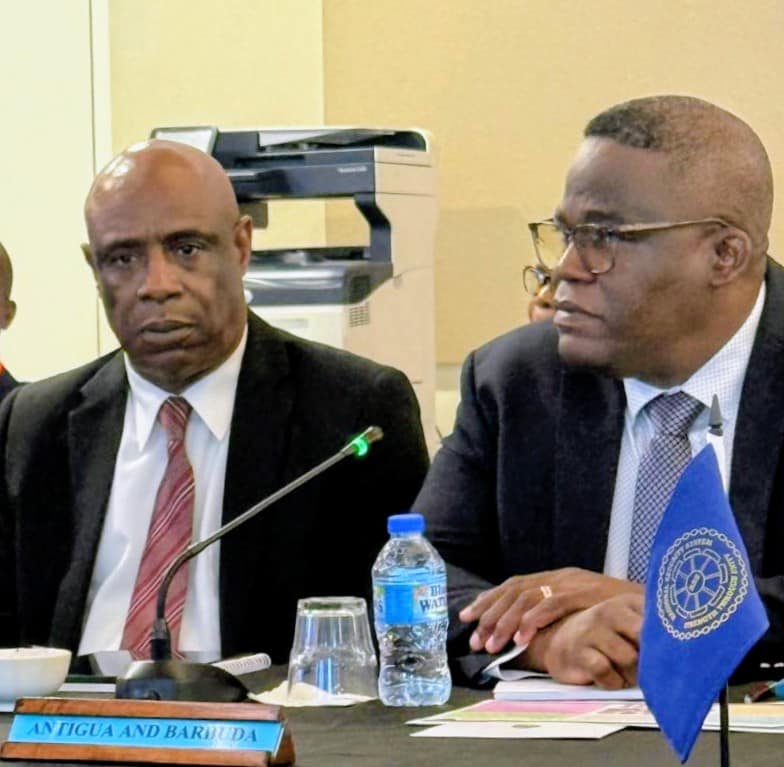
    Police Commissioner Everton Jeffers has concluded his inaugural regional diplomatic mission since appointment, returning to Antigua and Barbuda after participating in the high-level Regional Security System (RSS) Chiefs of Security Conference in St. Lucia. The strategic gathering, convened from March 25-26, 2026, brought together top security officials from across the Caribbean basin alongside international partners from the United States and United Kingdom.

    Chaired by St. Lucia’s Acting Police Commissioner Ronald Phillip, the summit facilitated comprehensive dialogues on multiple security fronts. Day one proceedings featured expert presentations from CARICOM IMPACS and the Caribbean Disaster Emergency Management Agency (CDEMA), establishing the framework for substantive policy discussions.

    Central to the agenda was the enhancement of maritime surveillance capabilities and the operational advancement of the RSS Logistics Hub through the Regional Maritime Sustainment Initiative. Participants also examined critical reforms to the Caribbean’s disaster management infrastructure, seeking to bolster regional resilience against climate emergencies and natural catastrophes.

    The conference further addressed legislative implementation strategies for the Justice Protection Act, examined artificial intelligence integration frameworks for law enforcement applications, and analyzed emerging challenges in regional energy security. RSS Directorate officials provided comprehensive briefings on current operational priorities and ongoing security initiatives.

    Commissioner Jeffers characterized the engagement as ‘instrumental in fostering collaborative security partnerships,’ emphasizing that the exchanged perspectives would significantly benefit both Antigua and Barbuda’s Royal Police Force and broader regional security architectures. The commissioner’s absence from March 24-27 saw Deputy Commissioner Louisa Benjamin-Quashie assuming acting command responsibilities during the interregnum.

  • LETTER: Kelvin “Shugy” Simon neglected branch office

    LETTER: Kelvin “Shugy” Simon neglected branch office

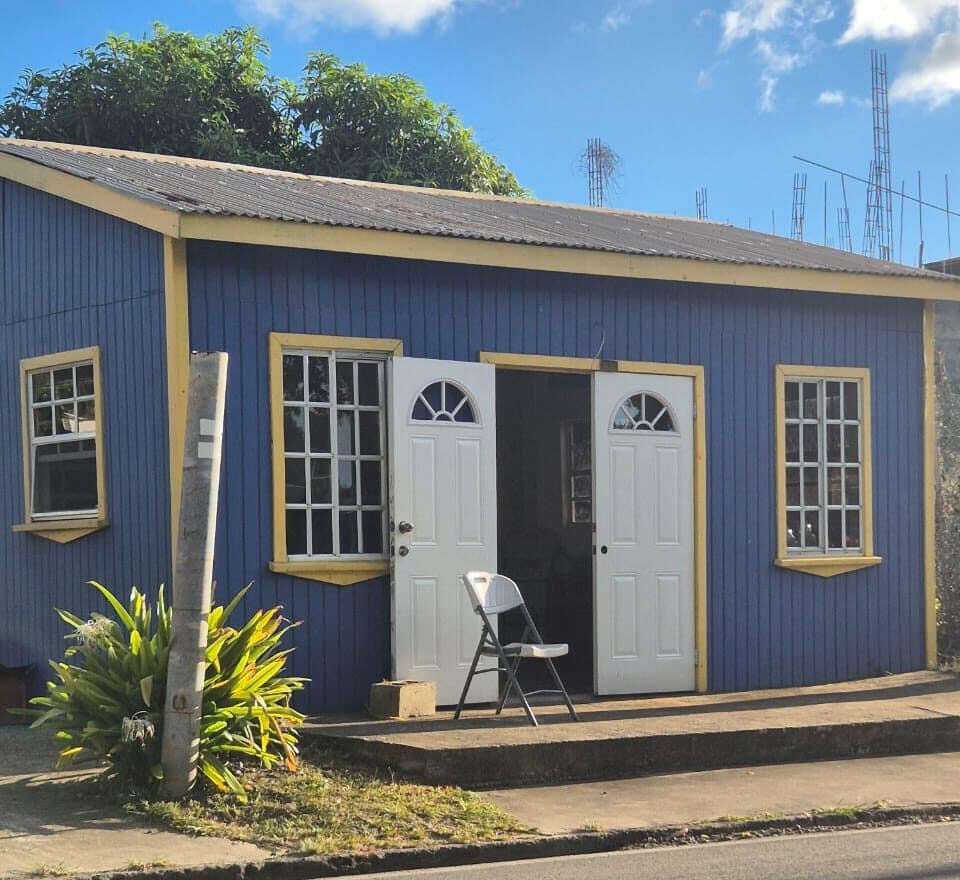
    In a striking case of political neglect, constituency representative Kelvin ‘Shugy’ Simon maintained a closed district office for more than two consecutive years, effectively abandoning his fundamental duty to serve constituents. Throughout this period, citizens were denied access to their elected official, with their concerns going unaddressed and their needs ignored.

    The prolonged absence of representation has sparked outrage as the office suddenly reopened coinciding with the approaching election cycle. Critics have condemned this move as a transparent political maneuver rather than genuine public service. The timing suggests a calculated attempt to create visibility after years of demonstrated indifference toward constituency responsibilities.

    Political analysts note that the abrupt operational shift reveals deeper issues in political accountability systems. The pattern of neglect followed by election-season engagement represents what governance experts describe as ‘transactional representation’ – where political attention becomes cyclical rather than consistent.

    Community members have expressed frustration with the last-minute accessibility, viewing it as an insult to their intelligence rather than a meaningful gesture of service. Many constituents report feeling disrespected by the implication that their political support could be secured through superficial engagement after extended abandonment.

    This situation highlights broader concerns about political accountability mechanisms and the erosion of trust in democratic institutions when representatives prioritize electoral cycles over consistent constituent service.

  • NPS eert Santokhi als toegewijde leider en bouwmeester van Surinames democratie

    NPS eert Santokhi als toegewijde leider en bouwmeester van Surinames democratie

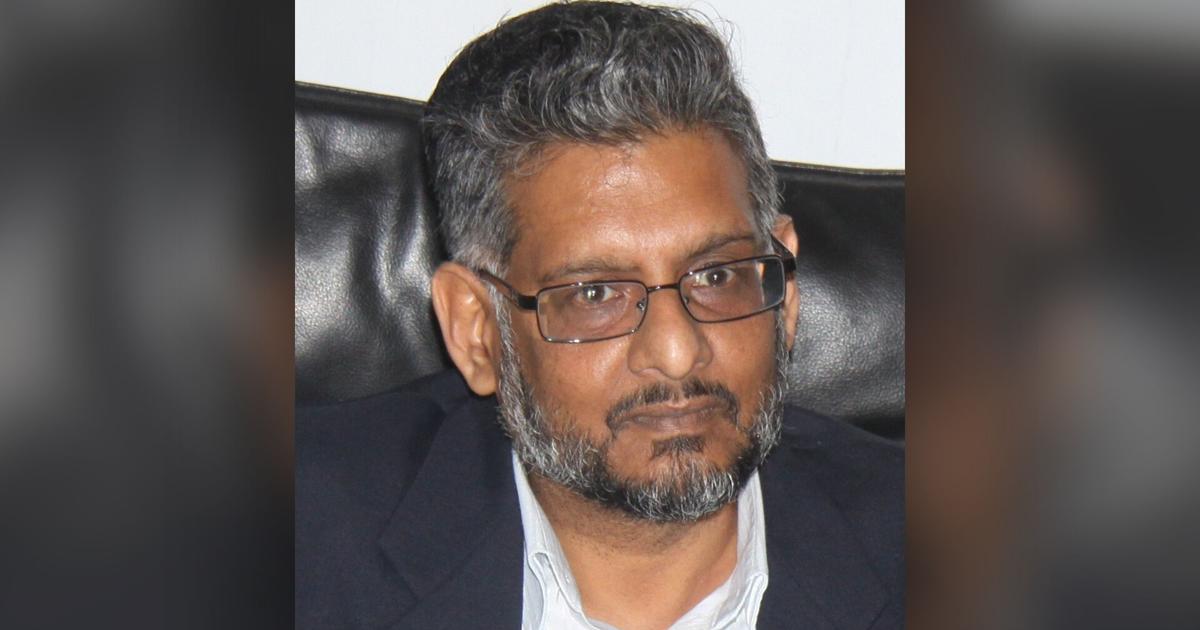
    Suriname’s political landscape is in mourning following the sudden passing of former President Chandrikapersad Santokhi on March 30. The esteemed leader, who also chaired the Progressive Reform Party (VHP), died at age 67 after suddenly falling ill, with medical assistance proving unable to save him.

    The National Party of Suriname (NPS) issued an official statement honoring Santokhi as a dedicated statesman whose entire career was committed to Suriname’s development and progress. The NPS leadership and membership recognized his pivotal role in strengthening democratic institutions, fostering international relations, and promoting sustainable growth throughout his tenure.

    Santokhi’s profound involvement in parliamentary processes and his strategic leadership within the VHP established him as a highly respected figure within Surinamese politics. The NPS acknowledged the significant void his death creates for both his political party and the nation’s broader society.

    Gregory Rusland, NPS Chairman, expressed the party’s solidarity with Santokhi’s family and loved ones during this difficult time, extending wishes for strength and comfort. “May the memory of his dedication, leadership, and contributions to Suriname continue to inspire all those working toward our nation’s welfare,” Rusland stated on behalf of the NPS executive board and membership.

    The NPS emphasized that Santokhi leaves behind an impressive legacy characterized by unwavering commitment, integrity, and public service—qualities that provide a foundational blueprint for future generations to build upon in continuing Suriname’s development journey.

  • VHP-Nederland prijst Santokhi als bruggenbouwer en toegewijd leider

    VHP-Nederland prijst Santokhi als bruggenbouwer en toegewijd leider

    Suriname and its diaspora communities are mourning the unexpected passing of President Chandrikapersad Santokhi, who died on March 30 at age 67. The Netherlands branch of the Progressive Reform Party (VHP) has honored him as a statesman of exceptional caliber whose visionary leadership fundamentally redirected Suriname’s political trajectory.

    Santokhi’s presidency was marked by his relentless campaign against criminality and unwavering commitment to the rule of law, which guided the nation through multiple crises including the COVID-19 pandemic and a severe financial downturn. His administration established critical foundations for economic recovery and future stability through successful implementation of an IMF program and the landmark investment decision by TotalEnergies that positions Suriname as an emerging energy producer.

    The late president revolutionized Surinamese politics by transcending traditional ethnic boundaries, opening his party to all citizens regardless of background. This inclusive approach earned overwhelming voter confidence in the 2020 elections, resulting in VHP emerging as the largest political party.

    Beyond economic reforms, Santokhi demonstrated profound social engagement through initiatives like the National Fund for Community Development (RVI) that ensured national wealth benefited all segments of society. His intellectual depth and connection to the diaspora were evidenced through ongoing engagements including the annual Jagernath Lachmon lectures.

    VHP-Netherlands has expressed deepest condolences to the family and all affected, urging continued dedication to Santokhi’s vision of “a just, united, and prosperous Suriname” according to board representative Lachman Soedamah.

  • Kamla: Secondary school is coming

    Kamla: Secondary school is coming

    Trinidad and Tobago’s Prime Minister Kamla Persad-Bissessar used the stage of the annual Spiritual Baptist Liberation Day Thanksgiving Service to make a major policy pledge, reconfirming her administration’s plan to build a dedicated secondary school for the Spiritual Baptist community in Moruga. The event, held Wednesday at the Moruga Multipurpose Youth and Sport Facility, brought together faith leaders, elected officials, and hundreds of congregants to honor the faith’s centuries-long legacy of resistance and resilience.

    The day of celebration began early, when local Member of Parliament Michelle Benjamin (representing Moruga/Tableland) led a vibrant parade through Moruga’s main streets. Accompanied by traditional drummers, folk dancers, and hymn singers, Benjamin joined Spiritual Baptist elders for the community’s sacred table-lighting ritual, a core practice of gratitude ahead of the main service. When Persad-Bissessar arrived later in the day, clad in traditional Spiritual Baptist attire, she was greeted with enthusiastic fanfare, as congregants pressed forward to greet her and worshippers lifted up traditional hymns. She was joined by a full contingent of her Cabinet, including House Leader Barry Padarath, Energy Minister Roodal Moonilal, Homeland Security Minister Roger Alexander, and Social Development Minister Vandana Mohit, all of whom joined her on stage for the keynote address.

    In her remarks, Persad-Bissessar framed the new secondary school as the latest step in a decades-long partnership between her United National Congress (UNC) administration and the Spiritual Baptist community. She recalled that during her 1996 tenure as Minister of Legal Affairs, under the late former Prime Minister Basdeo Panday, she first secured a land grant for the community. Later, as Education Minister, she championed the opening of a local primary school, and during her current term as Prime Minister, she delivered the St Barbara’s Spiritual Shouter Baptist Primary School and a new Early Childhood Care and Education (ECCE) centre. The secondary school, she emphasized, is the next critical milestone in expanding educational access for the community.

    “Land alone is not enough. The pathway out of poverty, to empowerment and dignity, is education. And now, God has brought me back into a position where I can once more deliver to this great community. On Friday, I announced in Parliament that your UNC Government will now establish your long-awaited secondary school,” she told the gathered crowd.

    She pointed to the region’s existing Cowen Hamilton Secondary School, founded in 1962 by leaders of the Fifth Company Baptist Church as the first secondary school serving rural Baptist communities, as proof of the transformative impact of educational investment. “More than a school, it was upliftment through education, built through sacrifice, organisation, and vision,” she said.

    Persad-Bissessar wove deep historical context and personal testimony into her address, highlighting the faith’s roots in resistance to colonial oppression. She reminded attendees that Spiritual Baptist traditions were forged by enslaved and free African people in Trinidad, and that for more than 30 years, practitioners were forced to worship in secret after British colonial authorities passed the 1917 Shouter Prohibition Ordinance, which criminalized their religious practices. “They prayed in the bush. They hid their bells. They muffled their voices. But they never stopped,” she said. “That resilience, that African resilience, is something every citizen of this country should honour and respect. They tried to silence you, but your faith grew stronger. They tried to diminish you, but your spirit became more deeply rooted in this land. And in that persecution, instead of extinguishing your light, they caused it to burn brighter.”

    Opening up about her own personal connection to the faith, the Prime Minister shared a moving story from her childhood: when she was nine years old, her father Lilraj fell inexplicably ill, spending weeks at San Fernando General Hospital without a diagnosis or improvement. After months of decline, the family was urged to seek prayers from a Spiritual Baptist congregation in Penal. “And as God is my witness, from the very first service he attended, his health began to improve. And his life was spared,” she said. Following the miracle recovery, her entire family joined the church, and Persad-Bissessar was later baptized in the faith at Quinam Beach in Siparia, where a Mother Elder gave her guidance that she has carried throughout her life: “From this day, put God in front and walk behind.”

    “I did not inherit this faith by ancestry. I was received into it by grace. And that, my brothers and sisters, is something I will never take for granted. The Spiritual Baptist Faith is a haven, a refuge. A place where an Indo-Trini girl from Siparia can be received, transformed, and be a beacon for the people,” she said.

    Persad-Bissessar also noted that it was the 1996 UNC administration that secured full official recognition for the faith, establishing Spiritual Baptist Liberation Day as a national public holiday, making Trinidad and Tobago the only country in the world to grant this level of official recognition to the tradition. Repealing the 1917 ban and creating the holiday, she said, was an act of long-overdue corrective justice that cemented the faith’s place as a core part of Trinidad and Tobago’s national heritage. Parallel 75th Diamond Jubilee celebrations for the faith were also held Wednesday in Balmain, Couva, drawing hundreds of attendees from across the country.

  • Heritage loses salaries appeal

    Heritage loses salaries appeal

    A landmark appellate court ruling has reignited debate over transparency standards for public-owned enterprises in Trinidad and Tobago, after judges overturned a lower court decision and ruled that state-run Heritage Petroleum Company Ltd unlawfully withheld employee salary and identity information from a Freedom of Information (FOI) request.

    The legal battle stretches back to 2018, when activist and former government minister Devant Maharaj submitted a formal FOI request seeking granular operational details from Heritage, including full names and exact remuneration packages for all employees. While the energy giant eventually released a limited set of data, it refused to disclose individual identities and specific salary figures, invoking a legal exemption that shields personal information from unreasonable public disclosure.

    Maharaj contested this refusal through judicial review. Though the High Court acknowledged that Heritage had broken procedural rules by failing to provide sufficient justification for its refusal and skipping a required public interest balancing test mandated under Section 35 of the Freedom of Information Act (FOIA), it ultimately ruled that the company had substantially met its legal obligations after releasing an anonymized “Annual Company Base Salary List”. This document only provided broad salary ranges grouped by job category, with no individual names or exact compensation details.

    On appeal, Maharaj’s legal team, led by prominent senior counsel Anand Ramlogan, argued that the generalized salary range document was no substitute for the specific information Maharaj had requested, and that the High Court had misinterpreted the FOIA by accepting the incomplete disclosure as compliant. Heritage defended its position, maintaining that its response satisfied all statutory requirements.

    Delivering the unanimous ruling from the three-judge panel consisting of Justices Nolan Bereaux, Mark Mohammed and James Aboud, Justice Bereaux rejected the High Court’s core reasoning, concluding that Heritage’s approach remained unlawful even after releasing the aggregated salary list. Justice Bereaux clarified that once a public body invokes the personal information exemption, FOIA explicitly requires a formal Section 35 balancing exercise: the body must weigh whether the public interest in disclosure of the requested information outweighs the potential harm to individual privacy. The appellate court confirmed that this mandatory assessment was never properly completed by Heritage.

    “The respondent clearly did not wish to disclose the document,” Justice Bereaux wrote in the judgment, adding that if the refusal was rooted in public interest concerns, the company was legally obligated to articulate those concerns and provide formal justification for its decision.

    The court also emphasized that the anonymized salary range document provided by Heritage was fundamentally different from the information Maharaj had requested. Where the original request sought individual-specific data, the company only offered generalized, aggregated ranges that failed to match the scope of the request. On this basis, the panel ruled the High Court erred in finding that the document met FOIA requirements or qualified as a permissible redacted disclosure under Section 16 of the Act.

    In its final order, the Court of Appeal allowed Maharaj’s appeal, set aside the High Court’s original ruling, and remanded the request back to Heritage for reconsideration. The company is now required to complete the mandatory public interest analysis and re-evaluate the request in full compliance with the FOIA. The judgment also underscored the core purpose of the FOIA: to advance governmental transparency and accountability, and requires that any denial of disclosure by a public authority must be rigorously justified on statutory grounds.

    In addition to the substantive ruling, the court ordered Heritage to cover all of Maharaj’s legal costs for both the High Court and appellate proceedings, with the total amount to be assessed by the court if the two parties cannot reach an agreement on the sum.

  • Gov’t establishes cost-of-living task force

    Gov’t establishes cost-of-living task force

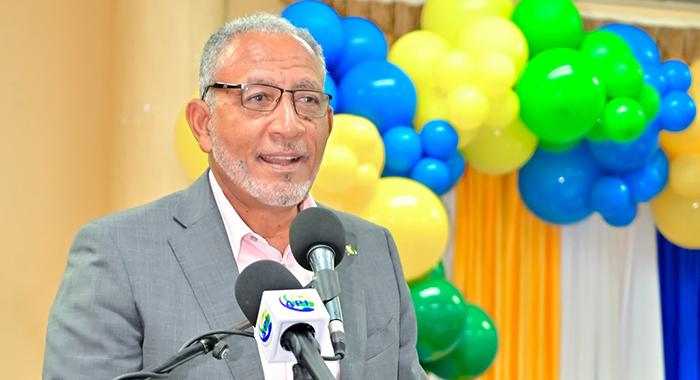
    In a decisive response to soaring global oil prices exacerbated by Middle Eastern conflict, the government of St. Vincent and the Grenadines has formally established the National Cost-of-living Task Force (NCLTF). Approved by the Cabinet, this strategic initiative marks a shift from reactive measures to proactive economic intervention.

    The Prime Minister’s Office announced that the NCLTF will pursue a dual mandate: providing immediate relief to citizens while implementing long-term structural reforms. Key strategies include advising on targeted tax relief measures, exploring alternative food sourcing through CARICOM partnerships with nations like Guyana and Brazil, and advancing energy cooperation and renewable projects to reduce utility expenses.

    This operational body emerges as a direct response to the systemic economic threat triggered by the closure of the Strait of Hormuz, which has driven Brent Crude prices to US$110 per barrel and sharply increased shipping risk premiums. The task force adopts a ‘whole-of-nation’ approach, breaking down traditional governmental silos by combining policy leadership from multiple ministries including Finance, Foreign Affairs, Agriculture, Blue Economy, and Tourism.

    The NCLTF’s composition reflects its comprehensive approach, incorporating technical experts from Customs, the Port Authority, and Argyle International Airport, alongside social partners from major labor unions. Private sector stakeholders including the Chamber of Industry and Commerce, key importers, and the state-owned electricity company VINLEC are also integral to the framework, demonstrating an unprecedented collaborative effort to safeguard economic sovereignty and protect vulnerable citizens from global market volatility.

  • Government to Shield Citizens as Global Fuel Prices Rise

    Government to Shield Citizens as Global Fuel Prices Rise

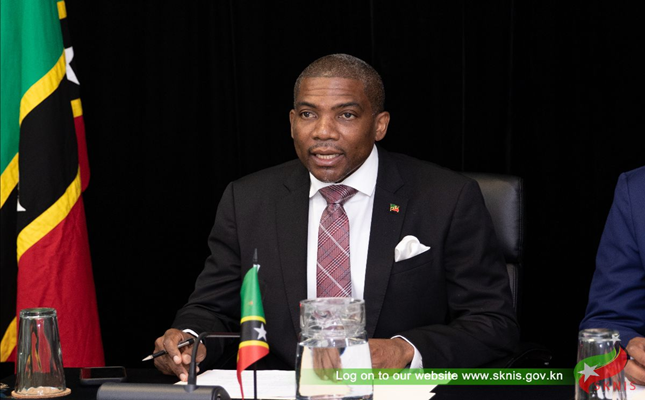
    BASSETERRE, Saint Kitts – March 31, 2026 – As global fuel markets face escalating prices driven by external international forces, Prime Minister Hon. Dr. Terrance Drew has publicly committed that the government of Saint Kitts and Nevis will deploy targeted, proactive measures to offset price volatility and safeguard household living costs for the nation’s citizens.

    Speaking at an emergency cabinet press briefing held on March 30, Drew emphasized that small island developing states like Saint Kitts and Nevis are uniquely vulnerable to shifts in global commodity markets. Even minor spikes in international fuel prices ripple through every segment of the domestic economy, raising costs for transportation, food, utilities, and other essential daily goods that residents rely on. The prime minister made clear that the administration is fully attuned to the financial strain these price increases place on working families and vulnerable groups across the federation, and is prioritizing immediate action to reduce that burden.

    “We recognize that rising fuel costs directly translate to a higher cost of living for our people,” Drew stated during the conference. “This administration will leave no stone unturned to prevent that economic shock from hitting our citizens full force.”

    Drew drew on the government’s successful track record managing economic instability following the COVID-19 pandemic to frame its current response, noting that the administration has already begun rolling out interventions to shield the public from the full impact of the global price surge. Just as it absorbed significant public costs to stabilize household finances during post-pandemic market disruptions, the government will once again prioritize absorbing as much of the current price increase as possible to protect residents.

    “We will carry as much of this burden as we are able, just as we did in the years after COVID,” Drew said. “That commitment to standing with our people through crises has not changed.”

    This approach, he added, aligns with the government’s core people-centered governing philosophy, which has guided its policy choices since the height of the pandemic. When global supply chain disruptions upended local economies across the Caribbean, Saint Kitts and Nevis took on substantial public debt and reallocated national budgets to ease cost-of-living pressures for citizens, a strategy the administration is continuing today amid the fuel price crisis.

    Beyond immediate relief measures, the prime minister used the briefing to reinforce the urgency of long-term systemic change, noting that repeated global energy shocks highlight the critical danger of the nation’s ongoing reliance on imported fossil fuels. To build lasting resilience against future price volatility, Drew reaffirmed the government’s commitment to advancing full national energy independence as a central pillar of its widely supported Sustainable Island State Agenda.

    “These shocks will keep hitting us again and again until we achieve energy independence, until we build the sustainable island state that allows us to produce all the energy we need right here at home,” Drew explained. “That is the only way to insulate our people from global market volatility permanently.”

    Moving forward, the government will maintain continuous close monitoring of global energy market developments, and will adjust its short-term relief measures as needed to protect citizens, with a particular focus on supporting low-income and otherwise vulnerable households. At the same time, it will continue advancing long-term policy and infrastructure investments to build out domestic renewable energy capacity and strengthen the nation’s overall economic and energy security.