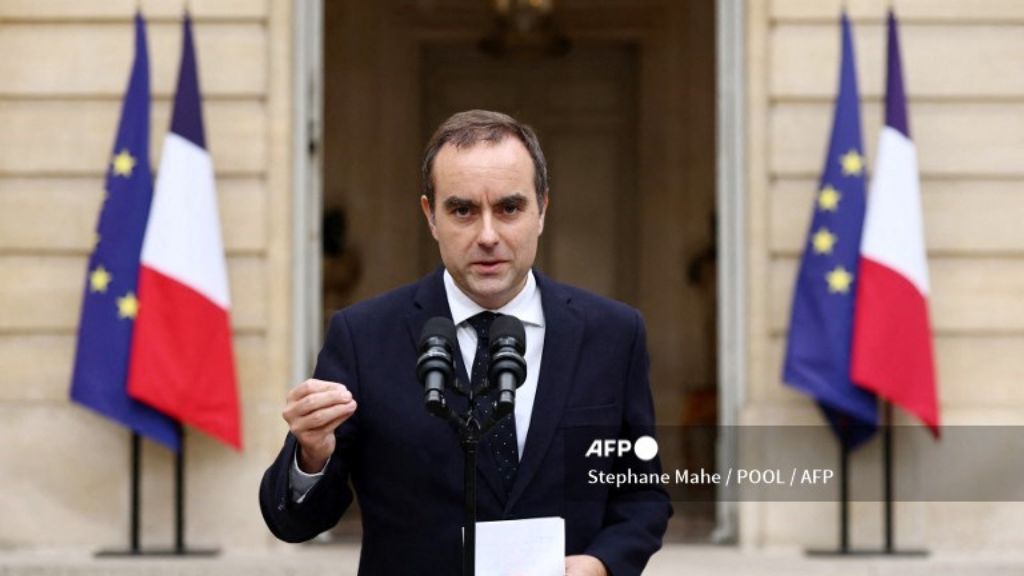
France has plunged deeper into political turmoil as Prime Minister Sebastien Lecornu resigned on Monday, merely 27 days after assuming office. His departure, the shortest tenure for a prime minister in modern French history, exacerbates the ongoing crisis that has gripped the nation for over a year. Lecornu cited unfulfilled conditions for his role, blaming ‘partisan appetites’ for his forced exit. His resignation came just 14 hours after announcing his government, which faced immediate backlash across the political spectrum and risked a no-confidence vote in parliament. The Paris stock market reacted negatively, with the CAC 40 index dropping 1.7% following the announcement. President Emmanuel Macron, who appointed Lecornu on September 9, now faces mounting pressure to navigate the crisis. Macron has resisted calls for snap legislative elections or his own resignation before his mandate ends in 2027. The political instability has reverberated across Europe, with Germany emphasizing the need for a ‘stable France’ to ensure continental stability. Lecornu’s government, largely unchanged from its predecessor, drew criticism, particularly from the right-wing Republicans, who accused it of lacking reform. The new cabinet included Bruno Le Maire as defense minister, a move seen as contradictory to Lecornu’s promises of change. France’s public debt has reached a record high, with its debt-to-GDP ratio now the EU’s third-highest, close to double the permitted 60%. Analysts warn that Macron’s options are fraught with risks, with snap elections potentially empowering the far right. The 2027 presidential elections loom as a pivotal moment, with Marine Le Pen’s National Rally eyeing its best chance to seize power. Macron’s next steps remain uncertain as he grapples with a fragmented parliament and a deepening fiscal and political crisis.
分类: politics
-
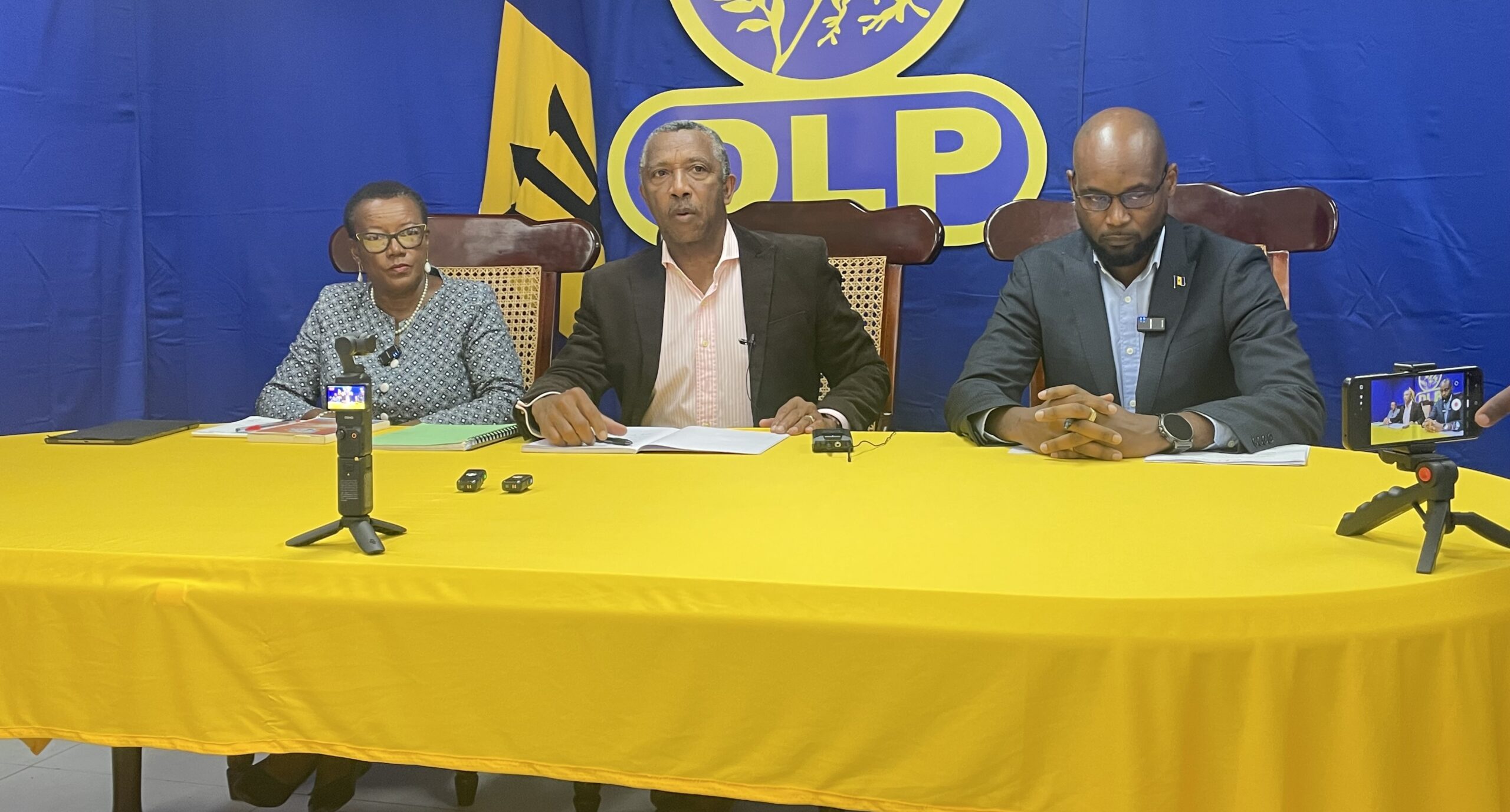
DLP raises red flag over free movement policy
The Democratic Labour Party (DLP) has raised significant concerns over the legality and timing of the Barbados government’s decision to allow CARICOM nationals from Belize, Dominica, and St Vincent and the Grenadines to live and work freely in Barbados starting October 1, 2025. Opposition Leader Ralph Thorne KC criticized the announcement as “tainted with illegality,” emphasizing that it lacked prior parliamentary approval. Speaking at a press conference on Saturday, Thorne reaffirmed the DLP’s support for regional integration and labor mobility but insisted that such policies must be firmly rooted in law. “Even a prime minister who believes she is all-powerful is still subject to the rule of law,” he stated, calling the decision an “arbitrary exercise of authority.” Thorne highlighted that the relevant immigration and citizenship bills are still under review by a Joint Select Committee on Governance, rendering any current actions by state agencies legally unsound. He urged government departments, including Immigration and the Barbados Revenue Authority, to refrain from implementing the policy until it is properly legislated. Former Minister of Foreign Affairs, Senator Maxine McClean, echoed these concerns, stressing the importance of legal frameworks for effective regional integration. She also questioned the implications of Citizenship by Investment Programmes (CBIs), particularly in Dominica, where the number of passports issued far exceeds the population. Attorney-at-law Corey Greenidge provided a legal analysis, pointing out discrepancies between draft legislation and public statements by Prime Minister Mia Mottley. He raised concerns about the reduced citizenship qualifying period of six months and its potential impact on voter eligibility. Thorne reiterated that the DLP’s stance is not anti-regional but pro-law, urging Barbadians to engage with the Joint Select Committee’s work and participate in public consultations. He warned that the party would consider seeking judicial review if the initiative violates the law.
-

VIDEO: PM Issues Warning to Car Dealers Over Police Broncos and vehicle sales without approval
Prime Minister Gaston Browne has issued a strong warning to car dealerships following the unauthorized acquisition of two Ford Broncos for the police force. Speaking on the *Browne and Browne Show* on Pointe FM, Browne revealed that the vehicles were taken from a local dealer and later discovered at the Langfords Police Station. The police claimed the SUVs were intended for “clandestine civilian operations,” but the purchases were made without Cabinet approval. Browne emphasized that such actions violate government protocols, stating, “If anyone gives any vehicles to any public servant without a Cabinet decision and the relevant documentation from the ministries, it’s going to be a gift because we’re not paying them.” The Broncos were subsequently reclaimed and reassigned to senior officers. Browne directed the Cabinet Secretary and Finance Secretary to issue formal notices reinforcing the rule that all government vehicle purchases must be explicitly approved by Cabinet. He stressed that this policy is not new but is being reemphasized to ensure accountability and prevent misuse of public funds. Cabinet Secretary Lee confirmed in a circular that any vehicle delivered to the government without explicit Cabinet approval would be deemed “null and void,” with no liability for payment. Browne also named specific dealers, including Hadeed and Harney, and warned, “We’ve warned them before, both privately and publicly. This time, I’m serious.”
-

NOT YET! Antigua and Barbuda PM says NO to Full CARICOM Free Movement, for now
Prime Minister Gaston Browne of Antigua and Barbuda has announced that the nation will not immediately join the newly established CARICOM agreement on full free movement. Browne emphasized that Antigua and Barbuda has long been a leader in facilitating regional migration, making formal accession unnecessary at this time. Speaking on the ‘Browne and Browne Show’ on Pointe FM, Browne highlighted the country’s decades-long practice of granting amnesties to Caribbean nationals, allowing them to settle, work, and integrate freely into society. He described Antigua as the ‘gold standard’ for free movement in the Caribbean, citing studies that show over half of intra-CARICOM migration in the past decade has been directed toward Antigua. Browne noted that nearly half of Antigua and Barbuda’s population consists of CARICOM nationals or their descendants, underscoring the country’s deep commitment to regional unity. However, he expressed concerns about the potential social challenges of formalizing free movement without safeguards. Browne explained that Antigua has requested a derogation from CARICOM to maintain control over migration rates, ensuring responsible management of the country’s large Caribbean diaspora. While reaffirming support for the spirit of free movement, Browne stated that Antigua and Barbuda may join the formal agreement in the future but will continue to prioritize managed migration for now. He concluded by asserting that Antigua’s track record of openness and regularization of migrants demonstrates a stronger commitment to regional integration than any formal declaration.
-
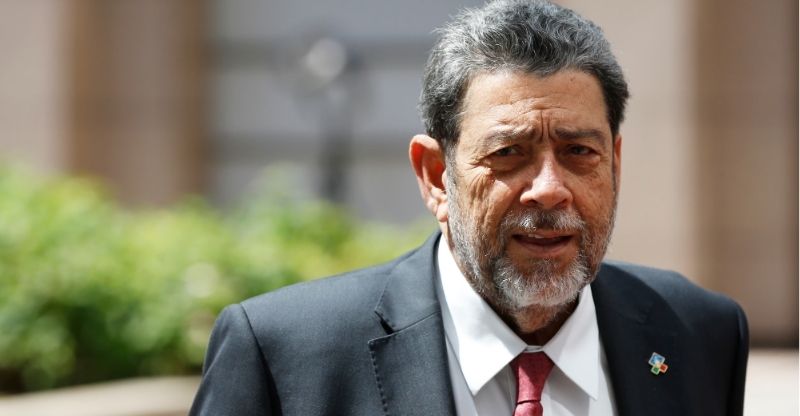
SVG minister calls for regional harmonisation of cannabis laws
Saboto Caesar, the Agriculture Minister of St Vincent and the Grenadines, has called on CARICOM and OECS member states to unify their cannabis legislation frameworks. Speaking at the Cannabliss 2025 Conference, Caesar emphasized that a harmonized legal approach would save time and resources for new entrants into the cannabis industry. He described such a framework as a ‘plug-and-play’ solution, enabling countries to avoid the costly and time-consuming process of drafting individual laws. Caesar highlighted the ‘Waiting to Exhale’ study by CARICOM as a foundational guide for national policy decisions, outlining three potential pathways for cannabis industry development: purely recreational, purely medicinal, or a hybrid approach. St Vincent and the Grenadines initially adopted a cautious, purely medicinal strategy with full religious tolerance, which allowed the country to attract early investor interest. However, Caesar noted that this wave of investment has since diminished, underscoring the urgency for regional collaboration. He criticized the double standards within CARICOM, where some member states import cannabis from North America while restricting exports from neighboring countries. Drawing parallels to the cooperative success of the banana industry in the Windward Islands, Caesar urged governments to adopt a collective approach. He also advocated for integrating cannabis into a broader health and wellness economy, emphasizing synergies with other natural products like turmeric and moringa. To achieve this vision, Caesar stressed the need to restructure industry management institutions, separating regulatory functions from research and development. He concluded by positioning cannabis as a cornerstone for a diversified Caribbean wellness sector, combining agriculture, culture, science, and tourism to transition from raw exports to global leadership in the wellness economy.
-
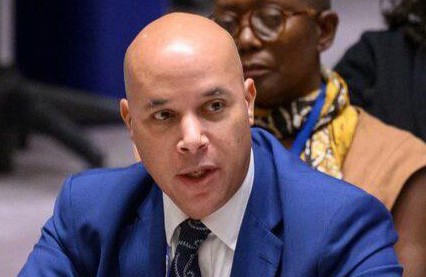
Barbados welcomes UN resolution creating gang suppression force for Haiti
Barbados and fellow CARICOM member states have expressed strong support for a recent United Nations Security Council resolution establishing a new Gang Suppression Force (GSF) comprising up to 5,500 personnel to be deployed in Haiti. The resolution, adopted on Monday, aims to bolster ongoing initiatives to stabilize Haiti’s security environment and facilitate the organization of elections. François Jackman, Barbados’ Permanent Representative to the UN, speaking on behalf of CARICOM, emphasized the resolution’s significance as a pivotal step toward creating conditions conducive to elections, delivering humanitarian aid, rebuilding institutions, and fostering long-term economic development in Haiti. Ambassador Jackman affirmed CARICOM’s commitment to collaborating with the Security Council to provide essential support to the Haitian people. He also called on the international community to intensify its efforts to end the prolonged violence and suffering endured by Haitians. The GSF, which replaces the Kenyan-led Multinational Security Support Force operational since 2023, is a more substantial and mission-focused force tasked with combating the rampant violence and chaos instigated by armed gangs in Port-au-Prince and other regions of Haiti.
-
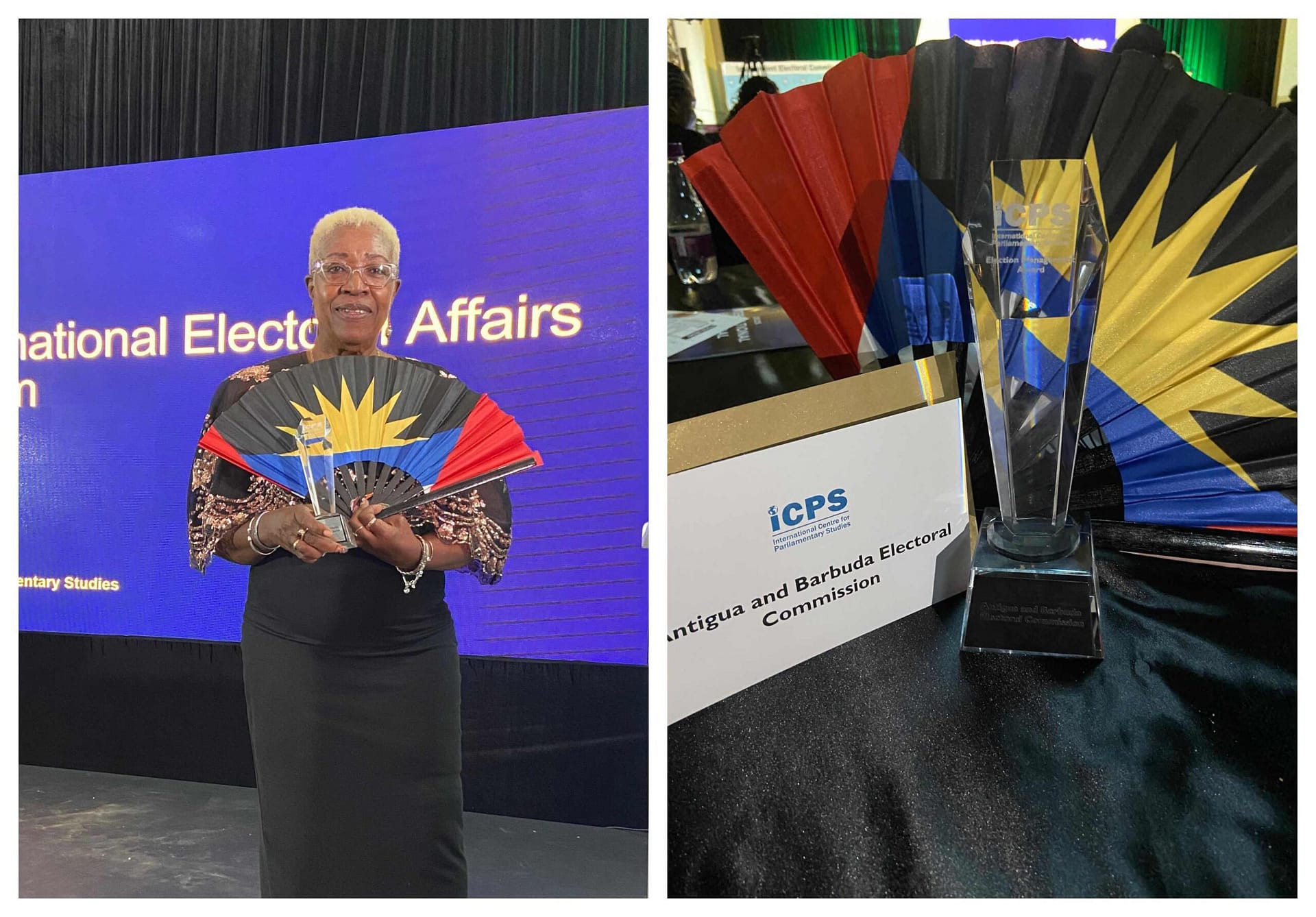
ABEC Wins Prestigious Electoral Management Award in Botswana
The Antigua and Barbuda Electoral Commission (ABEC) has achieved a historic milestone by winning the Electoral Management Award at the 21st International Electoral Awards ceremony held in Gaborone, Botswana. This marks the first time ABEC has secured the top honor in this prestigious category, highlighting its commitment to excellence in electoral administration. The event, part of the International Electoral Awards & Symposium, brought together electoral commissions, governance experts, and democracy advocates from around the globe. ABEC triumphed over formidable contenders, including the National Electoral Institute of Mexico and the Chhattisgarh State Electoral Commission of India. Representing ABEC at the ceremony were Mrs. Vernest Mack, Member of the Commission, and Miss Trissy Bowers, Executive Secretary, whose presence underscored the Commission’s dedication to transparency and best practices. In his remarks, Ambassador Arthur G. B. Thomas, Chairman of ABEC, emphasized that the award is a celebration of the people of Antigua and Barbuda and their unwavering belief in democracy. He stated, ‘This honor reaffirms our small nation’s ability to stand tall in integrity and fairness, demonstrating the strength and resilience of our democratic voice.’ Mr. Ian S Hughes, Supervisor of Elections, echoed this sentiment, attributing the award to the professionalism and dedication of the ABEC team. The Commission has pledged to leverage this recognition to further enhance electoral processes, foster stakeholder engagement, and uphold the highest standards of fairness and credibility in future elections.
-

OECS seen as key to unlocking regional cannabis industry
The Organisation of Eastern Caribbean States (OECS) is emerging as a pivotal force in harmonizing the fragmented cannabis regulations across the Caribbean, a move that could enhance regional trade, testing, and inclusivity. At the 2nd Cannabliss Conference in St Vincent and the Grenadines, regulators from various islands emphasized the urgent need for alignment to compete globally. Currently, each island operates under its own system, from Jamaica’s established cannabis authority to Saint Lucia’s pending legislation. However, this patchwork of laws has stifled investment and hindered the development of regional supply chains. Dylan Norbert-Inglis, Saint Lucia’s cannabis regulator, highlighted that harmonization is essential for creating a unified stance. A collaborative framework would enable Caribbean states to share testing facilities, facilitate cross-border trade, and ensure the participation of traditional farmers and small cultivators. The Caribbean Cannabis Forum has already laid the groundwork for cooperation, with regulators exchanging insights on issues ranging from pesticide use to sacramental practices. Barbados’ Shanika Roberts-Odle noted that while her country’s cautious approach reflects social realities, harmonization could lower barriers for small players, such as high fees and stringent security requirements. Jamaica, a pioneer in cannabis reform, has embedded its Alternative Development programme into regulations to support traditional farmers—a model other islands could adopt through OECS channels. Beyond licensing, regulators stressed the importance of harmonized testing and export standards. Antigua’s Regis Burton warned that without common benchmarks, inter-island trade would remain challenging. St Vincent’s investment in a modern laboratory underscores the need for a regional network to make such resources accessible to smaller states. Rastafari representatives urged regulators to prioritize social justice, emphasizing that the industry’s development should be inclusive and equitable. The consensus was clear: OECS-led coordination could provide the scale and coherence the region needs to thrive in the global cannabis market.
-
G2K slams Mark Golding for approach to constitutional reform
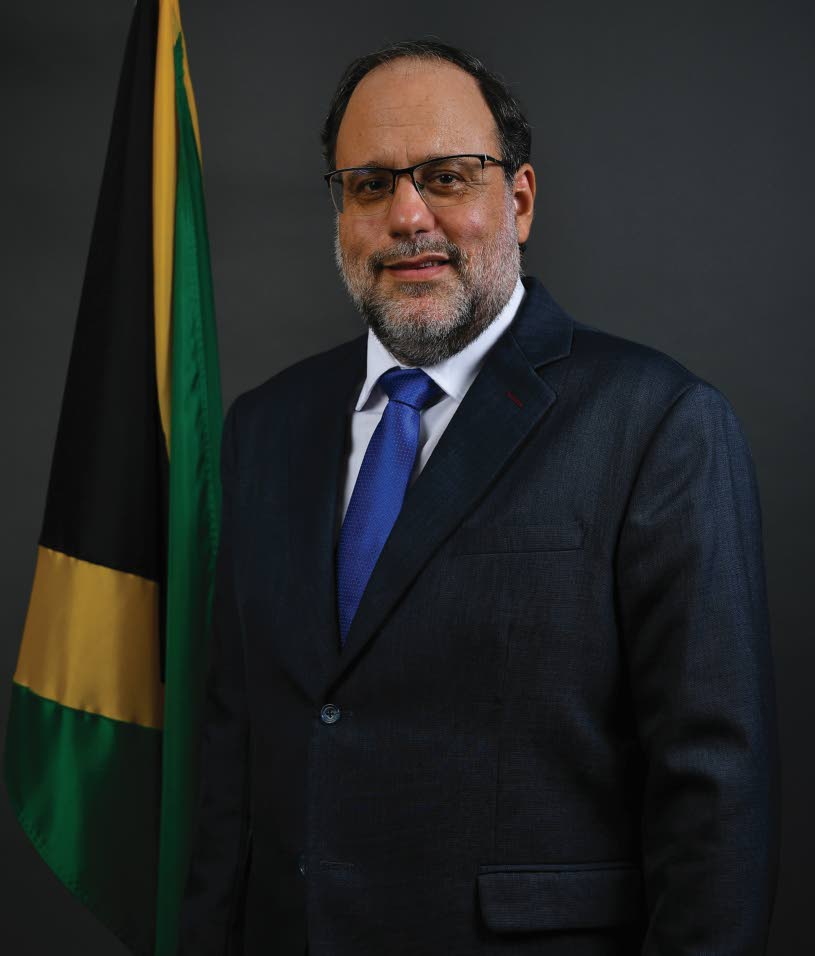
KINGSTON, Jamaica — The youth affiliate of the Jamaica Labour Party (JLP), Generation 2000 (G2K), has launched a scathing critique of Opposition Leader and People’s National Party (PNP) President Mark Golding, accusing him of adopting an ‘arrogant, entitled, and immature’ approach to Jamaica’s constitutional reform process. In a strongly worded statement released on Sunday, G2K highlighted Golding’s refusal to engage with Constitutional Affairs Minister Delroy Chuck unless Prime Minister Andrew Holness is present. This stance, according to G2K, undermines national unity and obstructs Jamaica’s transition to a republic, a move that would sever ties with the United Kingdom’s monarchy. The group further criticized Golding for his alleged inconsistency, noting that while he initially supported bipartisan efforts on constitutional reform, he later reversed his position as the government’s plans gained traction. G2K also accused Golding of repeatedly disrespecting Prime Minister Holness and the Office of the Prime Minister, citing instances such as his refusal to stand during Holness’s arrival at the recent swearing-in ceremony at King’s House. The group labeled Golding’s insistence on direct talks with the prime minister as ‘ironic,’ given his reluctance to engage with Minister Chuck, who oversees the constitutional affairs portfolio. G2K urged Golding to abandon what it termed his ‘entitled, immature, and classist’ behavior and to adopt a more cooperative stance to expedite Jamaica’s transition to a republic.
-
French PM under pressure to put together cabinet
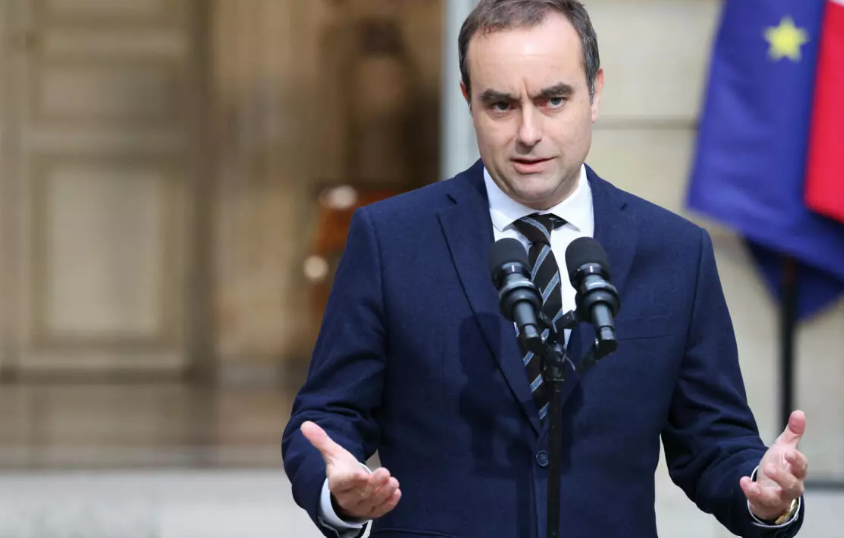
PARIS, France — France’s newly appointed Prime Minister Sebastien Lecornu is grappling with mounting pressure to assemble a cohesive cabinet as he navigates the complexities of a deeply divided parliament. The political landscape in France has been in disarray since President Emmanuel Macron’s decision to call snap elections last summer, a move intended to consolidate his authority but which instead resulted in a fractured legislature split among three rival factions. Lecornu’s predecessors, Francois Bayrou and Michel Barnier, were ousted amid a contentious standoff over the nation’s austerity budget, further exacerbating the political crisis. In early September, Macron appointed the 39-year-old Lecornu as his seventh prime minister, opting for a trusted ally rather than seeking broader political consensus. Over the past three weeks, Lecornu has engaged in extensive consultations with centrist allies and opposition leaders from both the left and right, aiming to secure a non-aggression pact and push through the budget. However, no single party holds a majority, forcing Lecornu to rely on fragile alliances. Centre-right Republican lawmakers, whose support is crucial, have demanded concessions and threatened to withdraw their backing. Similarly, the Socialists, a pivotal swing group, have also pressed for compromises. Lecornu has announced several concessions, including a pledge not to force the austerity budget through parliament without a vote, but opposition members remain unsatisfied. Far-right leader Marine Le Pen has adopted a wait-and-see approach, while left-wing parties, including the Greens, are considering a no-confidence motion. Greens leader Marine Tondelier has called for unity among leftist forces to challenge Lecornu’s leadership. With the deadline for announcing the new cabinet looming, Lecornu faces an uphill battle to stabilize France’s political turmoil.