分类: politics

  • Diaspora  wil uitvoering wettelijke verplichtingen na 50 jaar onafhankelijkheid

    Diaspora wil uitvoering wettelijke verplichtingen na 50 jaar onafhankelijkheid

    An internationally composed coalition of Surinamese diaspora representatives has issued a formal demand for the Surinamese government to finally implement constitutional obligations outlined in the 1975 Transfer Agreement. In an open letter addressed to President Jennifer Simons, the group asserts that the continued absence of a comprehensive national diaspora policy has become indefensible.

    The letter specifically references Article 5, Section 2 of the Transfer Agreement, which legally obligates the Surinamese state to provide equal treatment, access, and residency rights to persons of Surinamese descent regardless of their country of residence or nationality. Despite marking fifty years of independence, this constitutional commitment remains unfulfilled through coherent policy implementation, representing what the diaspora terms a persistent failure to execute state legal agreements.

    While acknowledging the existing PSA policy as a useful preliminary measure, the diaspora characterizes it as fundamentally insufficient due to its lack of an integrated, interministerial, and structural framework. The current approach suffers from institutional fragmentation, inadequate coordination, and insufficient legal certainty for diaspora members, primarily due to the absence of a designated policy authority.

    The coalition advocates for the immediate establishment of a Directorate for Diaspora Policy under the Ministry of Foreign Affairs, International Business, and International Cooperation. This proposed directorate would be led by an appointed director with explicit mandate to develop cohesive policies addressing access rights, nationality provisions, settlement procedures, labor regulations, and developmental engagement opportunities.

    Emphasizing that they are requesting compliance rather than special favors, the diaspora warns that further delay in implementing these obligations would constitute legal, administrative, and social irresponsibility. The group has made the full text of their open letter publicly available for download.

  • APNU, WIN quarelling about failure to hold collaboration talks

    APNU, WIN quarelling about failure to hold collaboration talks

    A significant political dispute has emerged between Guyana’s two main opposition parties, the Partnership for National Unity (APNU) and We Invest in Nationhood (WIN), regarding their inability to initiate collaborative discussions over the past two months.

    APNU Parliamentarian Ganesh Mahipaul publicly criticized WIN leadership for failing to confirm scheduling details for meetings initially proposed in November 2023. According to Mahipaul, both parties had progressed to selecting five-member delegations and establishing a preliminary agenda before negotiations stalled. He revealed that one planned meeting was canceled due to APNU parliamentary leader Dr. Terrence Campbell’s out-of-town commitments.

    Mahipaul, who also serves as an executive member of the People’s National Congress Reform (PNCR)—APNU’s largest coalition partner—asserted that subsequent attempts to reengage WIN leadership proved unsuccessful. The proposed agenda included critical parliamentary matters such as committee compositions, Public Accounts Committee chairmanship, shadow minister appointments, and sectoral committee leadership.

    The parliamentarian expressed frustration with WIN’s perceived lack of genuine interest in forming a unified opposition front against the ruling People’s Progressive Party Civic (PPPC). He specifically questioned WIN Leader Azruddin Mohamed’s motivations, suggesting his current focus centered on personal legal matters rather than parliamentary cooperation.

    In response, WIN Leader Azruddin Mohamed expressed strong disapproval of Mahipaul’s characterization, countering that his party had made substantial efforts to initiate talks. Mohamed accused Mahipaul of improperly demanding chairmanship of the influential Public Accounts Committee and referenced his family’s historical financial support for APNU and Mahipaul personally.

    Mahipaul acknowledged past financial assistance from Mohamed during a family health emergency but dismissed the relevance to current political discussions. Regarding the PAC chairmanship, Mahipaul clarified he had made a proposal—not a demand—based on APNU’s parliamentary experience, while offering support for WIN’s leadership of other committees.

    The conflict reflects deeper tensions between the parties, with APNU controlling 12 parliamentary seats compared to WIN’s 16 seats, and the Forward Guyana Movement holding one seat. This political friction dates back to the 2025 election campaign when APNU accused WIN of voter poaching through financial inducements in traditional APNU strongholds.

  • Shyne Vows to Serve Belize Despite Party Tensions

    Shyne Vows to Serve Belize Despite Party Tensions

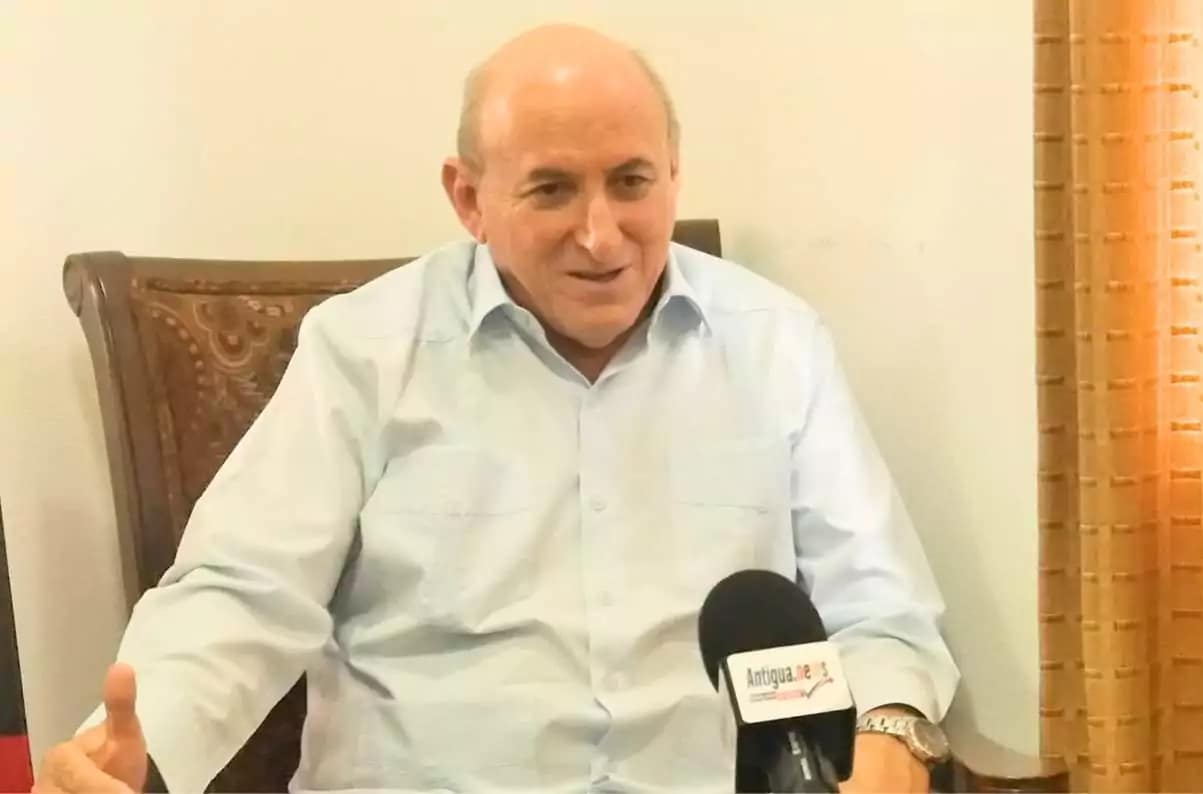
    Former United Democratic Party (UDP) leader Moses “Shyne” Barrow has reaffirmed his dedication to serving Belize while navigating ongoing political tensions within his former party. In an exclusive interview with News Five, Barrow outlined ambitious creative projects alongside his unwavering commitment to national service.

    The multifaceted politician and artist revealed plans for a significant 25th anniversary tour commencing in February, alongside numerous creative ventures including new album releases, film productions, a biographical television series, a motion picture project, and a personal memoir. Barrow confirmed active collaborations with prominent music producers Dr. Dre, Swizz Beatz, and Rvssian, primarily based in the United States.

    Despite his international creative engagements, Barrow emphasized his primary commitment remains with Belize and his parental responsibilities. “I’m not prepared to transplant my daughter to the United States at this point,” Barrow stated, highlighting his bi-monthly visits to maintain both familial and national connections. “Belize is always first,” he affirmed.

    When questioned about potential conflicts between his artistic pursuits and political standing, Barrow asserted his intention to contribute to Belize’s national discourse regardless of his formal position within UDP leadership structures. “Whether or not the leadership of the UDP welcomes my contribution, I will be contributing as a patriot, as a nationalist, as a proud, committed Belizean servant,” Barrow declared, underscoring his determination to serve beyond partisan politics.

  • Jesma Paul-Victor says reappointment as opposition leader beyond political allegiance or personal interest

    Jesma Paul-Victor says reappointment as opposition leader beyond political allegiance or personal interest

    In an unprecedented political arrangement, Dominica’s House of Assembly has witnessed the reappointment of Jesma Paul-Victor as Leader of the Opposition through a carefully negotiated power-sharing agreement between the nation’s only two elected opposition members. The Salisbury constituency representative assumed her position on January 16, 2026, following formal communication from Marigot MP Anthony Charles to the President of Dominica endorsing her appointment.

    The unique political landscape emerged from the December 2022 snap general election, which resulted in only two non-government members securing parliamentary seats. Both Paul-Victor and Charles entered the legislature as independent candidates, creating a constitutional impasse regarding opposition leadership since neither could command majority support among non-government MPs. This dilemma prompted their innovative solution: an 18-month rotational leadership agreement.

    Paul-Victor emphasized that their decision transcended political allegiances or personal interests, stating, ‘After careful consideration of the present circumstances facing our country, we exercised our constitutional responsibility to support the appointment of the leader of the opposition.’ She highlighted that Dominica’s significant economic and social challenges necessitate fully functional democratic institutions, warning that ‘the absence of a formally appointed legal public opposition would weaken critical national processes.’

    The opposition leader articulated multiple constitutional benefits stemming from their arrangement: ensuring parliamentary operations comply with constitutional requirements, enabling statutory bodies that require consultation with the opposition leader to function properly, and facilitating effective operation of parliamentary committees that enhance legislative scrutiny and accountability.

    The leadership transition hit a procedural snag in June 2024 when Paul-Victor’s initial term concluded. Despite her resignation submission, constitutional provisions under section 66 of the Commonwealth of Dominica Constitution required both opposition MPs to submit a joint letter indicating their leadership choice, preventing Charles from assuming the role as originally planned.

    Charles, who recently joined the newly formed United Progressive Party (UPP), had previously expressed readiness to assume the leadership role while emphasizing adherence to their rotational agreement. The political dynamics continue to evolve as both members maintain their independent status while navigating Dominica’s constitutional requirements.

  • PM Mitchell wanted 18 as starting age for use of cannabis/marijuana

    PM Mitchell wanted 18 as starting age for use of cannabis/marijuana

    In a significant legislative shift, the Grenadian Parliament has passed groundbreaking amendments to the Drug Abuse (Prevention and Control) Act, fundamentally altering the nation’s approach to cannabis regulation. Prime Minister Dickon Mitchell revealed during parliamentary debates that while he personally advocated for decriminalization at age 18—the established age of civil responsibility—he ultimately deferred to neurological experts who convinced him that 21 was the more appropriate threshold due to ongoing brain development in young adults.

    The comprehensive legislation, presented by Leader of Government Business and Health Minister Phillip Telesford, establishes a multi-faceted framework for cannabis regulation. The amendments decriminalize possession and use of small quantities while permitting regulated cultivation and use for medicinal, therapeutic, scientific, and religious purposes for citizens aged 21 and above.

    Prime Minister Mitchell acknowledged the complex duality of cannabis policy, stating: “There is always the bright side and the dark side. We recognize both the social injustices historically perpetuated against the Rastafarian community and the serious medical risks and societal challenges that exist regardless of criminalization status.”

    The legislative package includes robust protective measures featuring youth safeguards, rehabilitative programs for young persons, and provisions for expunging criminal records for minor cannabis-related offenses through amendments to the Rehabilitation of Offenders Act. Minister Telesford emphasized that the government explicitly prioritizes health and safety over potential economic benefits, noting that recreational use remains prohibited under the new framework. The implementation will be accompanied by strict regulations, public education campaigns, and strengthened enforcement against driving while intoxicated.

  • Chairman of CARICOM and Prime Minister of the Federation of St. Kitts and Nevis Dr. The Hon. Terrance Drew pays official visit to SVG

    Chairman of CARICOM and Prime Minister of the Federation of St. Kitts and Nevis Dr. The Hon. Terrance Drew pays official visit to SVG

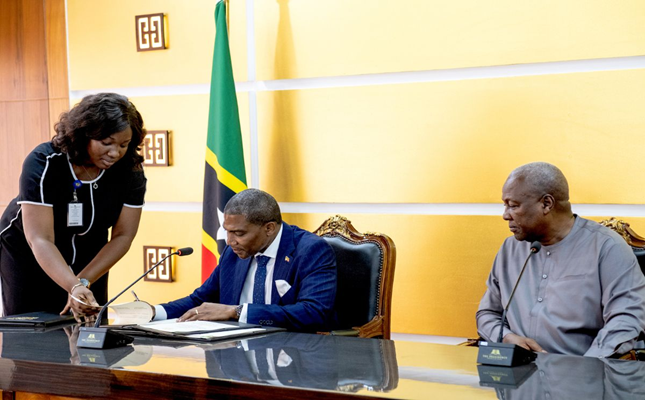
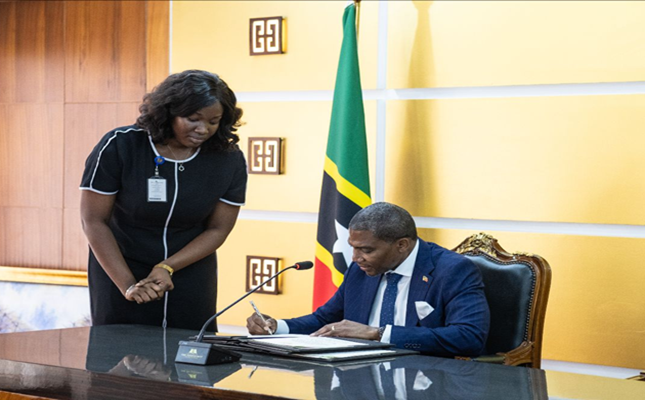
    In a significant diplomatic engagement highlighting Caribbean unity, Dr. Terrance Drew, Prime Minister of St. Kitts and Nevis and current Chairman of the Caribbean Community (CARICOM), commenced an official visit to Saint Vincent and the Grenadines on January 20, 2026. The high-level delegation was formally received at Argyle International Airport by Vincentian Prime Minister Dr. Godwin Friday alongside members of his cabinet.

    The bilateral meeting between the two leaders focused on pressing regional matters, shared strategic priorities, and enhanced cooperation frameworks within the CARICOM structure. This diplomatic exchange represents a concerted effort to address collective challenges and opportunities facing Caribbean nations.

    The visit serves to reinforce the robust and historically cordial relations between the Federation of St. Kitts and Nevis and Saint Vincent and the Grenadines. Both nations demonstrated renewed commitment to advancing regional integration initiatives and strengthening multilateral collaboration through the CARICOM mechanism.

    This high-profile engagement underscores the continuing importance of interpersonal diplomacy among Caribbean leaders in fostering regional solidarity. The meeting provided a platform for strategic dialogue on economic resilience, climate challenges, and coordinated policy approaches that benefit the broader Caribbean community.

  • Atherley rules himself out of February 11 election

    Atherley rules himself out of February 11 election

    In a significant political development, former opposition leader Bishop Joe Atherley has officially declared he will not stand as a candidate in Barbados’ upcoming general election, while simultaneously reaffirming his unwavering dedication to the nation’s political landscape. The announcement, made exclusively to Barbados TODAY on Monday, clarifies that while Atherley is stepping back from electoral contention, he remains deeply invested in serving Barbadian interests through alternative political channels.

    Atherley, who previously secured the St Michael West constituency for the Barbados Labour Party in 2018 before establishing the People’s Party for Democracy and Development (PdP) as the sole opposition voice, emphasized that his commitment transcends party affiliations. “My first suit is not a party label,” he stated metaphorically. “My first suit is the blue, yellow, gold—the Barbados colors representing the interests of its people.”

    The former parliamentarian articulated that his decision stems from a principled approach to public service, guided by his Christian values and ministerial profession. He expressed willingness to contribute to national interests wherever possible, provided such engagement aligns with his ethical framework.

    This development coincides with the formation of a new coalition—the People’s Coalition for Progress—comprising the United Progressive Party, New National Party, and Conservative Barbados Leadership Party. Notably, Atherley confirmed that neither he nor the PdP are participating in this alliance, distinguishing the current political realignment from the previous Allied Party for Progress coalition formed during the January 2022 elections.

    Atherley’s withdrawal marks a pivotal moment in Barbados’ opposition landscape, potentially reshaping electoral dynamics while underscoring his continued role as an independent political voice dedicated to national rather than partisan interests.

  • Zabaneh Meets Evangelical Church Leaders

    Zabaneh Meets Evangelical Church Leaders

    In a significant move to strengthen church-state collaboration, Belize’s Minister of Religious Affairs Dr. Louis Zabaneh convened with prominent evangelical church leaders this Monday. The high-level meeting served as a platform for candid discussions on pressing national issues, with particular emphasis on legislative developments and societal challenges impacting Belizean families.

    The dialogue encompassed a broad spectrum of critical topics including religious freedom protections, preservation of traditional family values, educational policies, and public health initiatives. Both governmental and religious representatives emphasized the necessity of maintaining open communication channels to effectively address community-level concerns while respecting constitutional guarantees of religious expression.

    According to official statements from the Ministry of Constitution and Religious Affairs, the administration remains committed to making decisions that serve the public interest while upholding fundamental religious freedoms. The meeting concluded with mutual recognition of the importance of sustained cooperation between governmental bodies and faith-based organizations.

    The Ministry further confirmed its intention to maintain ongoing engagement with various religious institutions across Belize, seeking to enhance collaborative efforts that support educational systems and community development programs nationwide. While specific policy measures discussed remain undisclosed, the meeting established a framework for future consultations on legislative matters affecting moral and social values in Belizean society.

  • Transport Ministry Plans Enforcement Expansion

    Transport Ministry Plans Enforcement Expansion

    The Cabinet has formally endorsed an ambitious proposal from the Ministry of Transport to significantly enhance its enforcement capabilities through strategic expansion of personnel and equipment resources. This initiative, designed to elevate road safety standards, reinforce regulatory adherence, and improve overall public service delivery, represents a critical step toward modernizing national transportation infrastructure.

    Despite receiving governmental approval, the ministry has clarified that financial backing for this expansion remains unsecured, preventing immediate commencement of recruitment activities. Officials are currently developing comprehensive implementation protocols, including detailed eligibility requirements, rigorous training standards, and specific qualification criteria for potential candidates.

    The ministry emphasized its commitment to ensuring all future hiring processes maintain transparency and adhere to merit-based selection principles consistent with national enforcement benchmarks. Public notification with complete application details and procedural timelines will be issued following the finalization of preparatory measures and successful acquisition of necessary funding.

    No projected timeline has been established for either funding identification or recruitment initiation, leaving the program’s activation contingent upon budgetary decisions.

  • President of Mexico receives Governor-General of Canada

    President of Mexico receives Governor-General of Canada

    Mary Simon, Canada’s inaugural Indigenous Governor General, arrived at Felipe Angeles International Airport in central Mexico yesterday alongside her husband, Whit Fraser. The distinguished visitor was formally received by Mexican Foreign Secretary Juan Ramon de la Fuente, marking a significant moment in bilateral relations between the two North American nations.

    According to an official statement released by Mexico’s Ministry of Foreign Affairs, the primary objective of this diplomatic mission is to reinforce the strategic partnership between Mexico and Canada. This visit builds upon the foundation established during Prime Minister Mark Carney’s official trip to Mexico City last September, with particular emphasis on enhancing dialogue regarding policies benefiting indigenous communities in both countries.

    Appointed in 2021, Governor General Simon has championed an ambitious agenda focused on social reconciliation—especially with indigenous populations—alongside mental health initiatives, welfare programs, diversity promotion, inclusion efforts, and environmental conservation. Her appointment represents a historic milestone in Canada’s political landscape.

    Canada operates as a constitutional monarchy with a parliamentary democracy framework, maintaining membership in the Commonwealth of Nations. Within this structure, King Charles III serves as the formal monarch, while Governor General Simon acts as his official representative both domestically and in international affairs.

    The Mexican Ministry detailed the extensive responsibilities of Canada’s Governor General, which include advising the Prime Minister and cabinet members, overseeing the installation and dissolution of Parliament, and serving as commander-in-chief of the Canadian Armed Forces throughout North America.

    The previous September meeting between Prime Minister Carney and Mexican leadership resulted in the elevation of bilateral cooperation to a comprehensive strategic partnership, establishing a new framework for enhanced collaboration across multiple sectors between the two nations.