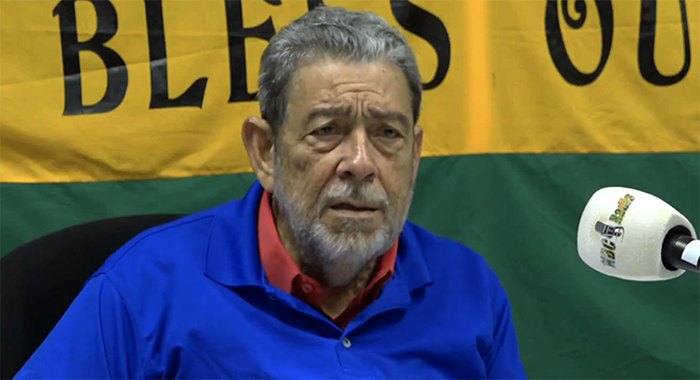
Prime Minister Ralph Gonsalves of St. Vincent and the Grenadines has revealed plans to announce a significant increase in Public Assistance during his Independence Day address on October 27, with the changes set to take effect in January 2026. This announcement comes amidst a heated political climate, as the opposition New Democratic Party (NDP) has pledged to raise monthly payouts to EC$500 if elected in the upcoming November elections. Currently, Public Assistance recipients receive between EC$275 and EC$300 monthly, depending on their age. Gonsalves criticized the NDP’s policy, labeling it as a desperate move influenced by foreign strategists. He emphasized that his government has already expanded the social safety net, including free or subsidized school meals, housing grants, and healthcare benefits. The Prime Minister also highlighted the NDP’s use of the term “Poor Relief” as demeaning, insisting on the formal term “Public Assistance.” Gonsalves further accused the opposition of misrepresenting the country’s social programs and warned of the risks of privatizing healthcare. The announcement underscores the intensifying political rivalry as the nation approaches a critical election.
分类: politics
-
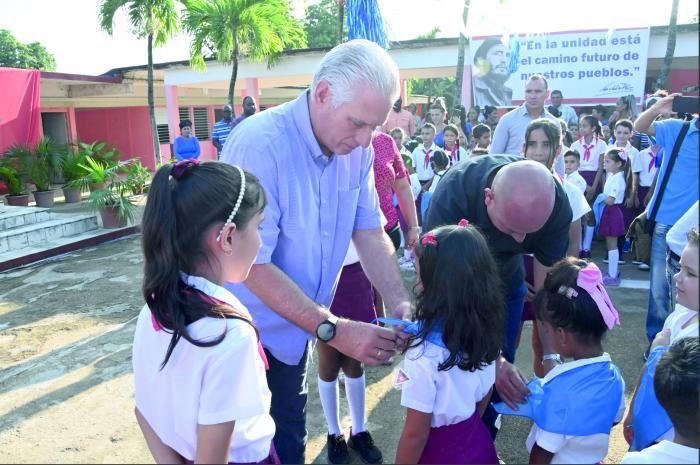
Scarves and furrows, for a better Cuba
Cuban President Miguel Díaz-Canel embarked on a significant tour across the municipalities of Ciego de Ávila and Sancti Spíritus on October 8, 2025, engaging in both educational and agricultural activities. The day began with a heartfelt ceremony at the Antonio Maceo primary school in Chambas, where Díaz-Canel participated in the traditional placement of blue scarves on first graders, symbolizing their entry into the Moncadista Pioneers. The school, boasting 100% teacher coverage and strong academic results, exemplifies Cuba’s commitment to education despite economic challenges. The President emphasized the importance of nurturing young minds as the foundation of the nation’s future. Following the school visit, Díaz-Canel inspected the Nguyen Van Troi Sand Production Plant, where he discussed the production of materials essential for infrastructure projects, including photovoltaic parks and housing. He highlighted the need for innovation and workforce stability amid the country’s energy crisis. The tour continued to the El Tesoro farm, a major rice producer, where Díaz-Canel underscored the goal of achieving self-sufficiency in rice to reduce imports and bolster the agricultural sector. He also visited the La Candelaria farm, which produces preserves and biofertilizers, and the Pina collection center, a key player in hydrocarbon extraction. In Sancti Spíritus, the President visited La Belkys Farm, focusing on crop diversification and food security. The day concluded with a visit to a sugarcane field and a machinery workshop, where Díaz-Canel emphasized the importance of agricultural machinery in supporting Cuba’s sugar industry. Throughout the tour, the President reiterated the government’s commitment to education, innovation, and agricultural self-sufficiency, drawing parallels to the legacy of Che Guevara in fostering a stronger and more humane Cuba.
-
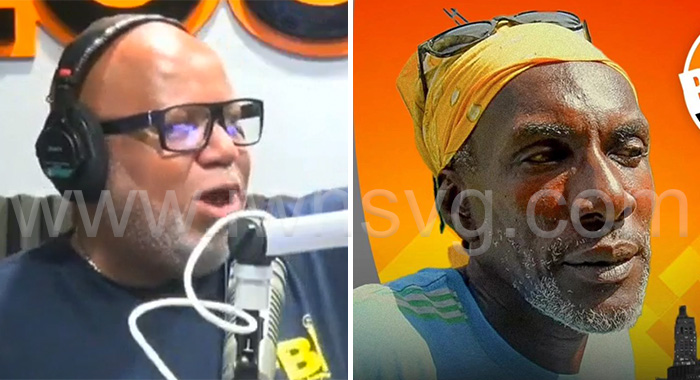
Ras John says Bing invited him on Boom; nobody paid him
In a recent political controversy in St. Vincent and the Grenadines, landscaper and activist Aster ‘Ras John’ John has refuted claims by Prime Minister Ralph Gonsalves that he was paid to appear on Boom FM’s OMG programme. John, a former supporter of Gonsalves’ Unity Labour Party (ULP), made headlines in August for his critical remarks about MP Saboto Caesar’s management of the agricultural sector. Gonsalves later alleged that both John and the radio station were compensated for the appearance, a claim John vehemently denies.
John stated that he was invited by the show’s host, Dwight ‘Bing’ Joseph, a personal friend, and did not receive any payment. He explained that his appearance was prompted by a public statement he made at a UWI Global Campus event, where he criticized Caesar’s handling of agriculture. Joseph confirmed that neither John nor lawyer Jomo Thomas, who also appears on the show, paid for their segments.
The controversy deepened when Thomas, a former ULP candidate and Speaker of the House of Assembly, threatened legal action against Gonsalves for suggesting that China was involved in efforts to unseat the ULP government. Thomas denied any involvement in such efforts and challenged Gonsalves’ claims as defamatory and politically motivated. He accused the Prime Minister of stifling dissent and resorting to desperate tactics to maintain power.
Thomas also addressed Joseph directly during his commentary, emphasizing that he had never paid for his appearances or facilitated John’s. He criticized Gonsalves for his intolerance of criticism and accused him of damaging the political discourse in St. Vincent. Thomas announced that he had instructed his lawyers to send a pre-action letter to Gonsalves, signaling potential legal repercussions for the Prime Minister’s statements.
John, meanwhile, reiterated his long-standing opposition to the ULP, citing dissatisfaction with the government’s agricultural policies since 2015. He emphasized that his criticisms were driven by a desire for the country’s progress, not financial gain. The ongoing dispute highlights the growing political tensions in St. Vincent as the ULP faces increasing scrutiny and opposition.
-
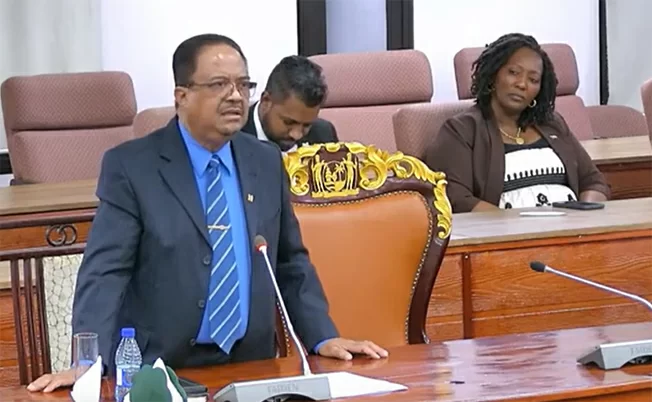
Rusland: Checks and balances versterken vertrouwen in financieel beleid
In a pivotal address to the National Assembly on Tuesday, Vice President Gregory Rusland underscored the critical importance of financial discipline, transparency, and oversight in managing Suriname’s state debt. Speaking during the deliberation on amendments to the State Debt Law, Rusland highlighted the shared responsibility of the government and parliament in fostering robust financial systems. ‘We must collectively strive to enhance our systems, particularly our financial framework,’ he asserted. ‘This requires society to implement the right measures to continuously improve.’ Rusland acknowledged concerns about granting the government unchecked borrowing power but reassured that the administration does not seek a ‘blank check.’ ‘Checks and balances are integral to any system. Oversight is not an act of hostility,’ he clarified, emphasizing the government’s openness to parliamentary scrutiny as a cornerstone of good governance. The Vice President expressed satisfaction with the bipartisan consensus achieved on the issue, noting that such collaboration reflects a commitment to national interests. ‘When it comes to matters vital to our country, we can find common ground. This was evident in the Electoral Regulation as well. This marks a hopeful beginning for joint decision-making in the national interest,’ he remarked. The amendment to the State Debt Law 2025 was passed with 36 votes in favor, including support from 25 coalition members and 11 opposition VHP members. The revised law grants the government temporary borrowing flexibility while strengthening oversight through a mandate for the Minister of Finance and Planning to submit an annual State Debt Plan alongside the budget. Rusland described the amendment as ‘a step toward bolstering macroeconomic stability, provided the new borrowing capacity is used responsibly.’ He concluded with a call to action: ‘Our future hinges on discipline and collaboration. Only then can we build a financially resilient Suriname.’
-
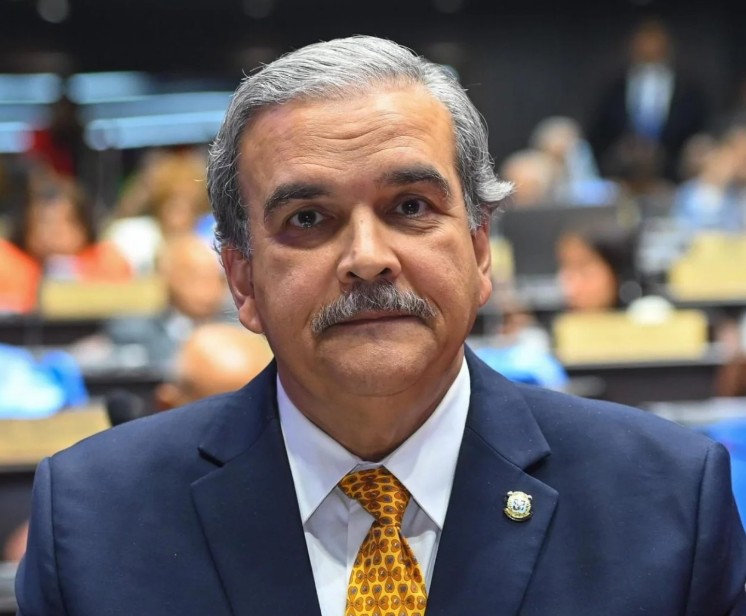
Deputy Elías Wessin announces bill to ban Sharia Law and Mosque construction in the Dominican Republic
In a bold move aimed at safeguarding national security and social cohesion, Representative Elías Wessin, leader of the Quisqueyano Christian Democratic Party (PQDC), has announced plans to introduce legislation banning the practice of Sharia law and the construction of mosques in the Dominican Republic. Wessin emphasized that the country “cannot afford that luxury,” expressing concerns over the potential risks posed by the coexistence of Islamic practices and voodoo to national unity. Drawing a stark comparison, he likened the possible outcomes to the 1994 Rwandan genocide, highlighting the dangers of ideological and cultural divides. While acknowledging anticipated opposition from legal experts and diverse political factions, Wessin asserted that “the security of the Dominican state, and therefore of all Dominicans, is above any other interest or right.” He pledged to unveil the full details of the initiative soon, framing it as a measure to protect the cultural and spiritual values integral to Dominican identity.
-
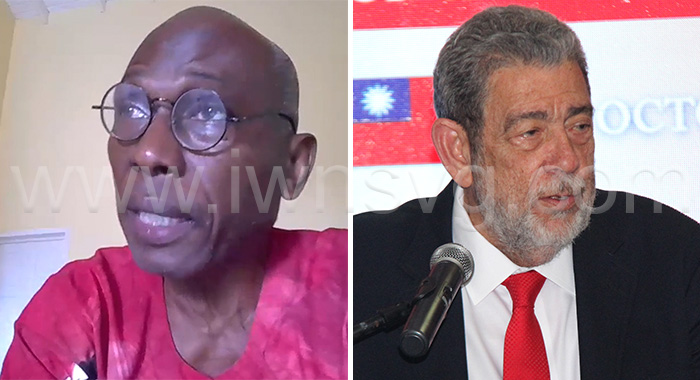
Jomo Thomas threatens to sue PM Gonsalves
Jomo Thomas, former Speaker of the House of Assembly in St. Vincent and the Grenadines, has announced his intention to sue Prime Minister Ralph Gonsalves over allegations of Chinese interference in Vincentian politics. Thomas, a prominent lawyer, journalist, and social commentator, claims that Gonsalves has made defamatory statements implicating him and his law firm in facilitating payments to media personnel allegedly funded by China. These accusations, according to Thomas, were made during a recent Unity Labour Party (ULP) event in West Kingstown and reiterated at Taiwan’s 114th National Day celebrations in Kingstown. Thomas vehemently denies the claims, stating that he has had no contact with Chinese agents or received any funds from China. He has instructed his attorneys to send a pre-action letter to Gonsalves, warning of legal consequences. Thomas also highlighted that Gonsalves has previously threatened to sue him but backed down due to lack of evidence. The former Speaker’s relationship with the ULP has been strained since he resigned from the party in 2019 and called for Gonsalves’ removal from office. Thomas continues to be a vocal critic of the ULP administration, which secured an unprecedented fifth consecutive term in 2020. The controversy underscores the deepening political tensions in the country, with accusations of foreign influence and defamation taking center stage.
-
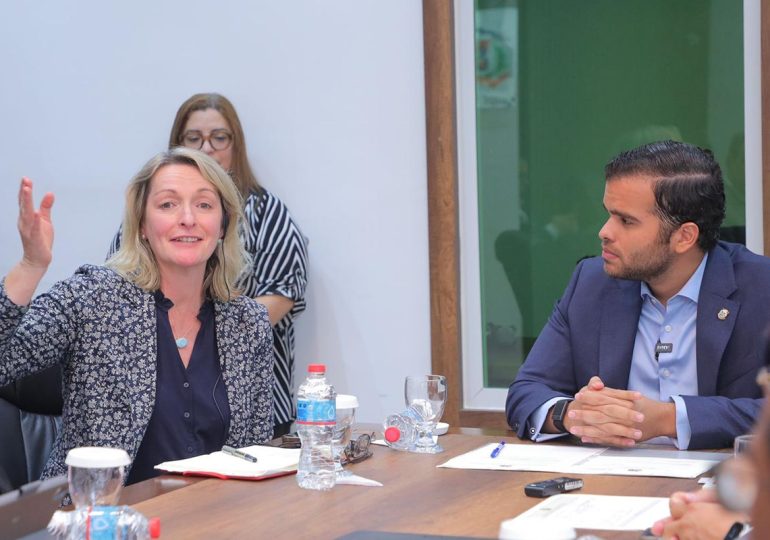
Dominican and British delegation discuss cooperation on technology
In a significant step toward fostering international cooperation, Representative Vicente Sánchez Henríquez, head of the Permanent Commission on Information and Communication Technology in the Dominican Republic’s Chamber of Deputies, convened with a delegation of British parliamentarians on Tuesday. The meeting, led by UK MP Jessica Morden, centered on enhancing collaboration in technology and digital governance. Both parties delved into critical areas such as digital transformation, technological innovation, and the reinforcement of parliamentary ties between the Dominican Republic and the United Kingdom. Sánchez Henríquez emphasized the pivotal role of innovation and digitalization in driving institutional progress and ensuring government transparency. The British delegation, in turn, expressed a keen interest in sharing legislative expertise and best practices, particularly in digital education, cybersecurity, and public-sector modernization. The discussions aimed to lay the groundwork for future joint initiatives that would yield mutual benefits for both nations.
-
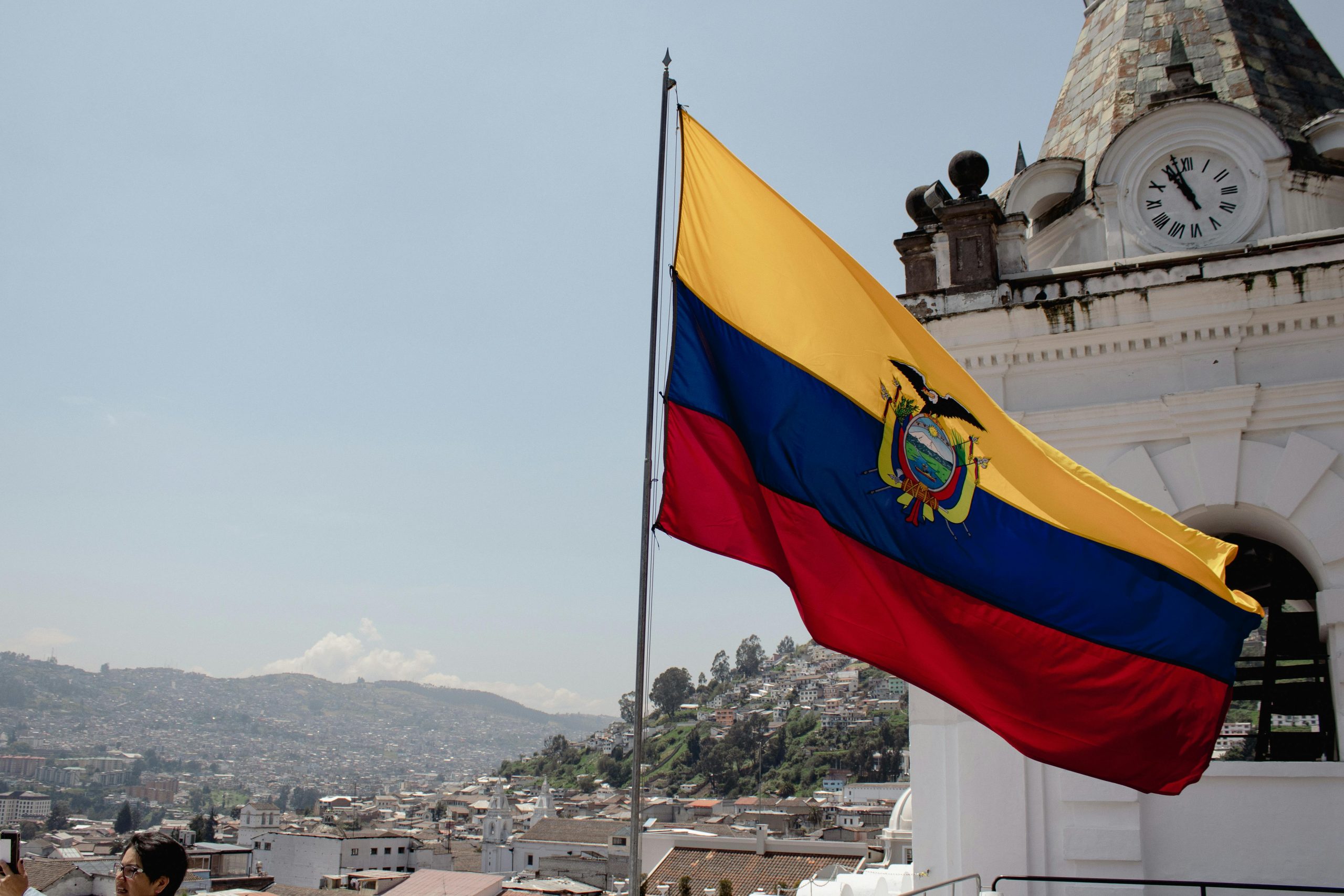
Dominican Republic condemns attack on Ecuadorian President Daniel Noboa’s convoy
The Dominican Republic has publicly denounced the violent assault on a convoy transporting Ecuadorian President Daniel Noboa, extending its solidarity to the people of Ecuador. In an official statement released via social media by the Ministry of Foreign Affairs, the Dominican government expressed its firm opposition to all acts of violence that jeopardize peace and democratic stability, reiterating its unwavering support for Ecuador in the wake of this alarming incident. The attack took place on Tuesday afternoon in the province of Cañar, where President Noboa was engaged in official duties. Reports indicate that his vehicle was targeted with bullets and stones while en route to an event in El Tambo. Despite the attack, the president emerged unscathed and proceeded with his scheduled activities. Ecuador’s Minister of Environment and Energy, Inés Manzano, subsequently lodged a formal complaint for attempted assassination, highlighting that the presidential vehicle had been struck by gunfire, though this was not distinctly evident in the official footage.
-
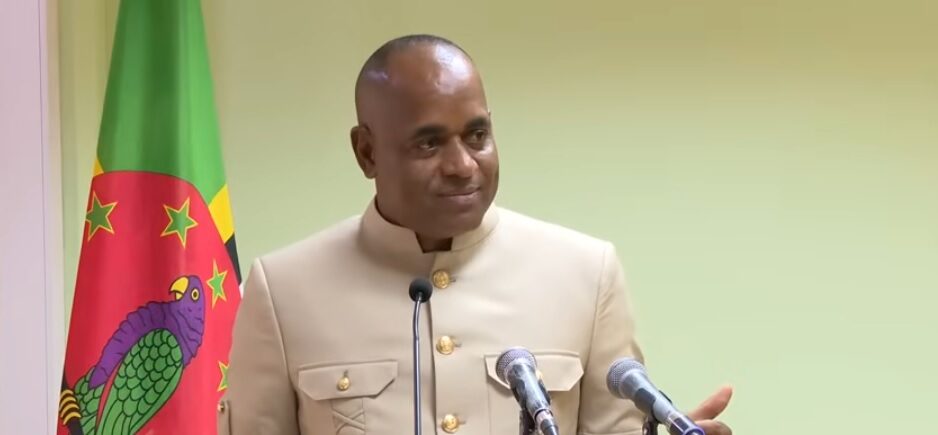
Gov’t continues to make case for restoration of visa-free travel to UK
Dominica is actively negotiating with the United Kingdom (UK) government to reinstate visa-free travel for its citizens, Prime Minister Roosevelt Skerrit revealed during a recent press conference. This development follows the UK’s decision in July 2023 to impose visa requirements on Dominica nationals, citing concerns over the island’s Citizenship by Investment Program (CBI). The UK Home Office expressed apprehensions about the misuse of the CBI scheme, particularly the granting of citizenship to individuals deemed a potential risk to the UK. Home Secretary Suella Braverman emphasized these issues in a statement to the British parliament, leading to the implementation of the new visa regime on July 19, 2023. Prime Minister Skerrit remains optimistic, highlighting ongoing discussions with the UK and the appointment of a new High Commissioner in London, who has been instructed to prioritize this matter. Skerrit expressed confidence in the strength of Dominica’s case for the restoration of visa-free travel, underscoring the importance of regional agreements and legislative measures in influencing the UK’s decision.
-
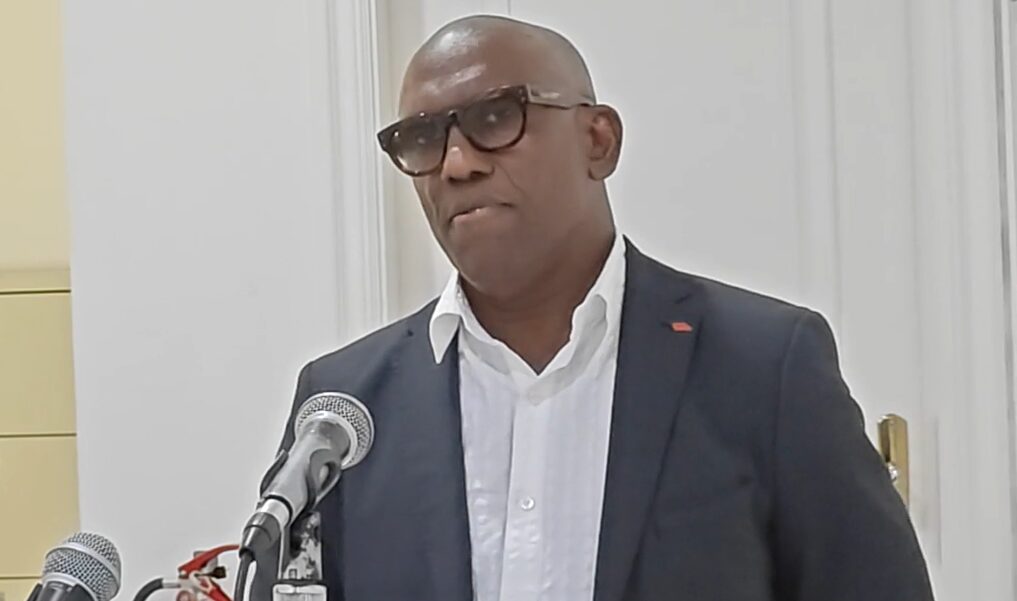
Dominica Electoral Commission confirms October 15 start for voter confirmation process
The Dominica Electoral Commission has unveiled plans to initiate a comprehensive voter confirmation process starting October 15, 2025, marking a pivotal moment in the nation’s electoral reform efforts. The announcement, made by Commission Chairman Duncan Stowe during a press conference on October 7, 2025, underscores the initiative’s role in restoring public trust in electoral institutions. Stowe described the process as a cornerstone of Dominica’s broader democratic modernization agenda, aimed at enhancing transparency, inclusivity, and efficiency in the electoral system. Since the enactment of the Electoral Reform legislation earlier this year, the Commission has focused on operationalizing these reforms through extensive staff training, system upgrades, and logistical preparations. Chief Elections Officer Anthia Joseph outlined the confirmation process, which will transition eligible voters from the existing register to a new one under the Electors Act of 2025. Only individuals listed on the May 2025 voters register are eligible to participate. The process will be conducted exclusively within Dominica, with designated centers established in each constituency. Overseas confirmation is not permitted. Enrollment officers, appointed and supervised by the Chief Registering Officer, will oversee the process. Applicants must present themselves at their registered constituency’s confirmation center, accompanied by a witness from the same polling district. Required documents include a valid Dominican passport, driver’s license, or social security card for Dominican citizens, while Commonwealth citizens must provide a valid passport and a secondary government-issued document. The confirmation process involves multiple steps, including document verification, data entry, and issuance of a receipt. Discrepancies, such as mismatched names, will be addressed through a hotline staffed by senior personnel. The Chief Registering Officer holds final authority over confirmation decisions, with grounds for refusal including inadequate documentation or absence from the May 2025 register. The announcement follows months of public scrutiny over delays in the confirmation timeline, initially set for September 1 but postponed due to legislative amendments. Prime Minister Roosevelt Skerrit emphasized the urgency of implementing these reforms, and despite earlier criticism, the Commission expressed confidence in its readiness to meet the October 15 deadline.