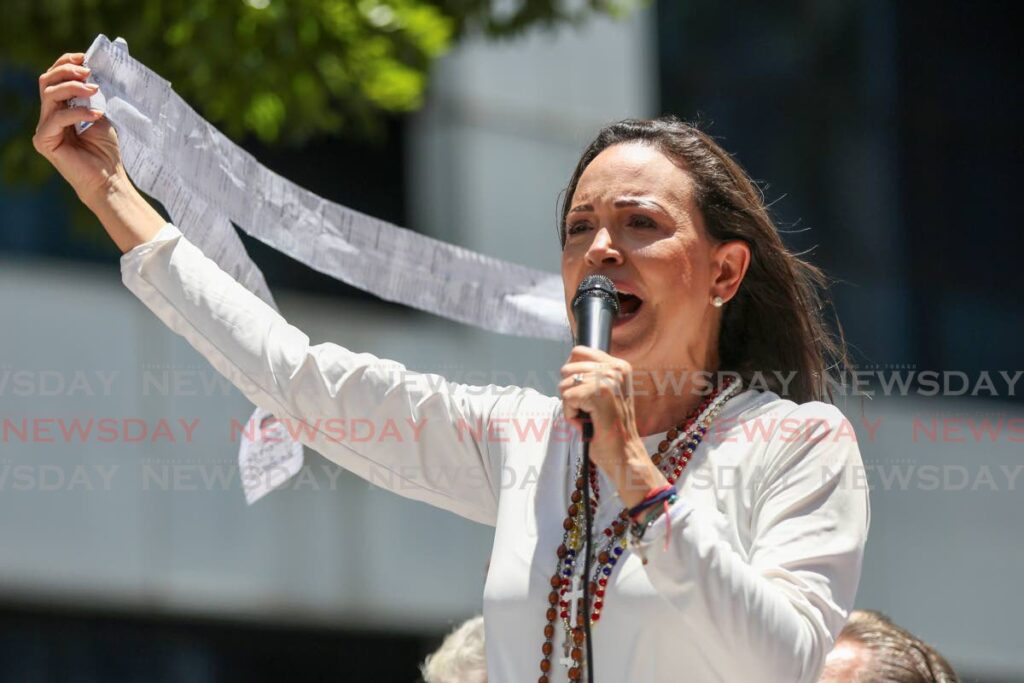
In a significant development for Venezuela’s political landscape, opposition leader María Corina Machado was awarded the 2025 Nobel Peace Prize on October 10. The Norwegian Nobel Prize Committee recognized her relentless efforts to promote democratic rights and her peaceful struggle to transition Venezuela from dictatorship to democracy. This recognition has been hailed by international relations experts as a potential catalyst for change in the South American nation. Professor Andy Knight of the University of Alberta noted that the award could amplify international pressure on the Nicolás Maduro regime, urging it to allow free and fair elections. Machado’s leadership, now bolstered by the Nobel Prize, positions her as a symbol of hope and resistance against authoritarianism, potentially inspiring more Venezuelans to join her movement. The Committee highlighted Venezuela’s transformation from a prosperous democracy to an authoritarian state grappling with humanitarian and economic crises. While the award has drawn global attention, it has also sparked controversy. U.S. President Donald Trump, who had been nominated for the prize earlier this year, expressed his dissatisfaction through his communications director, Steven Cheung, who accused the Committee of prioritizing politics over peace. Machado, however, acknowledged Trump’s support, dedicating part of the award to him and emphasizing the importance of international solidarity in achieving freedom and democracy in Venezuela.
分类: politics
-
Hot air in the House over ‘JP’ Bill
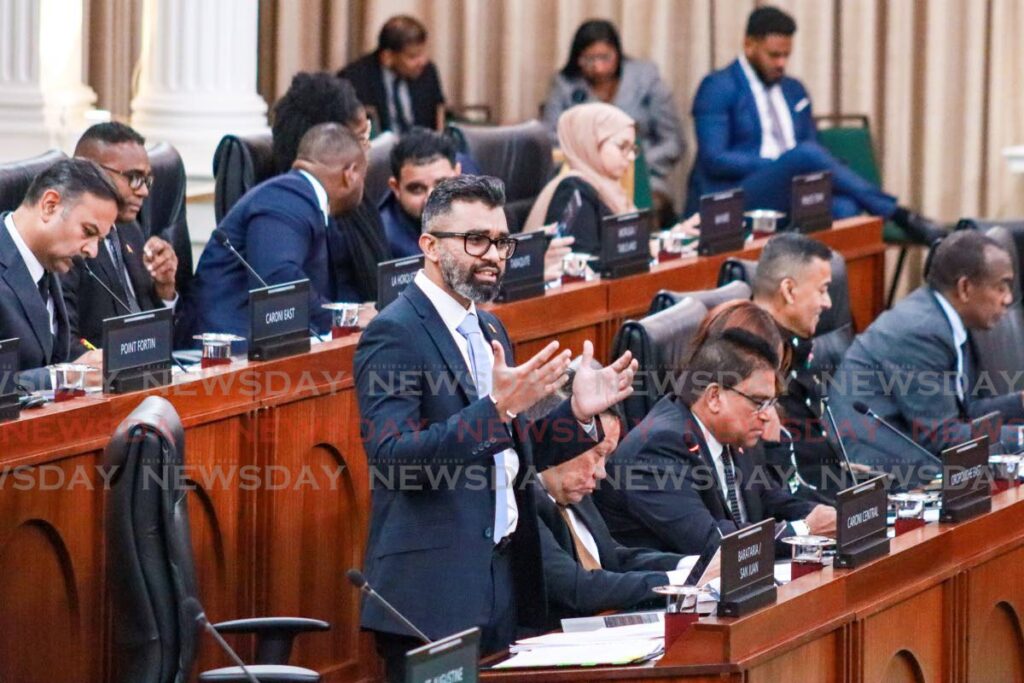
The House of Representatives in Trinidad and Tobago witnessed a heated and chaotic debate on October 10, 2025, over the Administration of Justice (Indictable Proceedings) (Amendment) Bill. The proposed legislation aimed to reinstate justices of the peace (JPs) and other legal officers with the authority to issue search warrants, a power previously removed in 2023. However, the session quickly devolved into a shouting match between government and opposition MPs, highlighting deep political divisions. Opposition MP Kareem Marcelle accused certain JPs of approving search warrants without proper details, alleging potential political persecution. House Leader Barry Padarath countered with procedural objections, leading to a prolonged and acrimonious exchange. Speaker Jagdeo Singh repeatedly intervened, urging decorum but to little avail. The bill eventually passed with 27 votes in favor and 12 against, but not without exposing the contentious nature of the issue. Minister of Land and Legal Affairs Saddam Hosein defended the bill, emphasizing the rigorous appointment process for JPs and vowing to address administrative shortcomings. The debate underscored the challenges of balancing judicial efficiency with constitutional safeguards in Trinidad and Tobago’s legal system.
-
Holness pens letter to Golding, calls for return to dialogue on Republic agenda
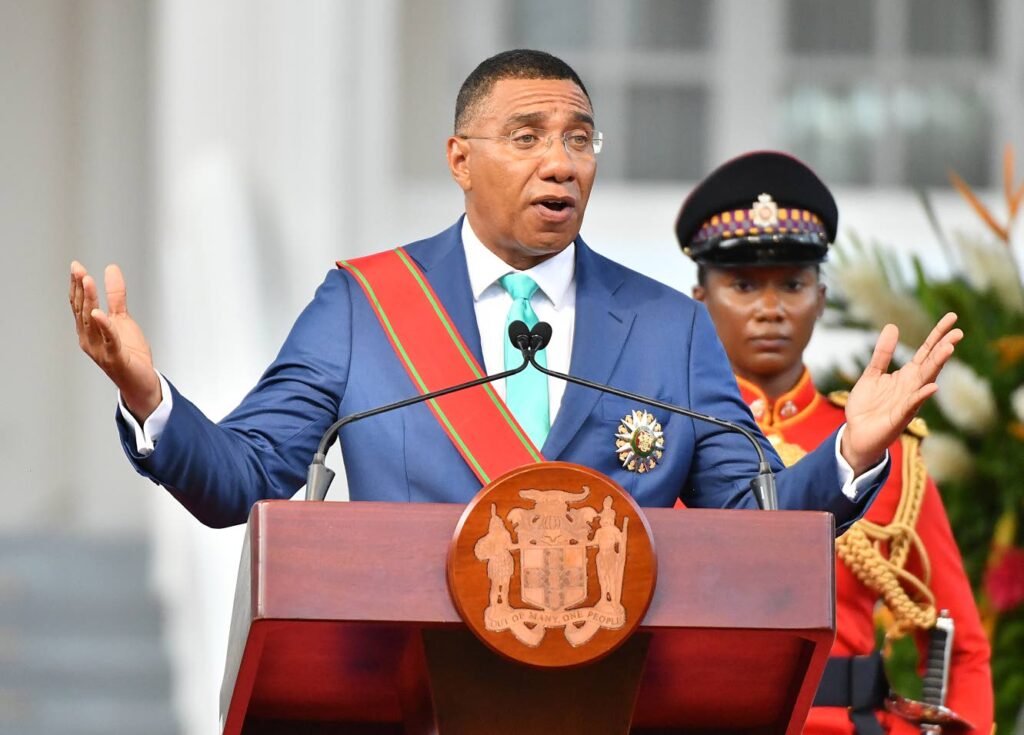
Prime Minister Andrew Holness has reiterated his appeal for cooperation with Opposition Leader Mark Golding to advance Jamaica’s transition to a republic. In a public letter, Holness emphasized the importance of collaboration and proposed reviving the Vale Royal Talks to facilitate constitutional reform. He urged Golding to engage with Justice Minister Delroy Chuck as a preliminary step, despite Golding’s insistence on direct talks between the two leaders. The letter outlines the historical context of the reform process, highlighting past agreements and recent disagreements over Jamaica’s final appellate court. Holness expressed hope for a renewed partnership to achieve the shared goal of transitioning Jamaica to a republic, emphasizing the need for unity and structured dialogue.
-
Rowley challenges government – ‘Reveal details of OFAC licence’
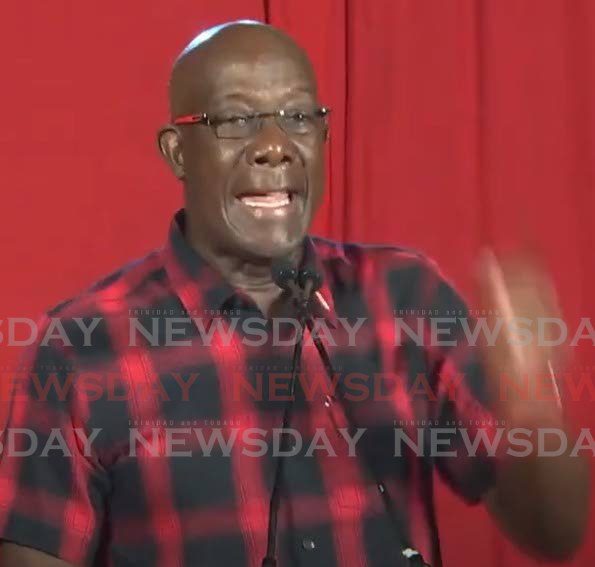
Former Prime Minister Dr. Keith Rowley has called on the current government to disclose the specifics of the six-month OFAC (Office of Foreign Assets Control) license obtained from the United States to negotiate a Dragon gas deal with Venezuela. Rowley emphasized that withholding such details could pose significant risks to Trinidad and Tobago, potentially endangering the future of its children. His statement came on October 10, following Attorney General John Jeremie’s announcement that the government had secured the license on October 8 to engage in negotiations with Venezuela. Jeremie clarified that the license, issued under specific executive orders, permits employees, affiliates, contractors, and service providers of TT, NGC, Shell PLC, and Futura Clara Ltd to conduct transactions with Venezuela’s state-owned energy company, PDVSA. However, Jeremie did not elaborate on the terms of the arrangement, only noting that it differed from the approach taken by the previous PNM administration. While the former government sought to license the entire project, the current administration has adopted a “tiered approach,” with the license extending until April 2026. Jeremie also highlighted that the license was secured at a cost of less than half a million dollars, a stark contrast to the PNM’s expenditure of over $120 million, which yielded no results after two years. Rowley criticized the government for not engaging directly with Venezuela, as his administration had done, and accused the current leadership of mismanagement and negligence since 2016. He also questioned the government’s reliance on Shell to negotiate the deal, expressing concerns about who would protect Trinidad and Tobago’s interests in the process. Rowley warned that the government’s handling of the matter could jeopardize the nation’s economic future, particularly its energy sector, and called for greater transparency and accountability.
-
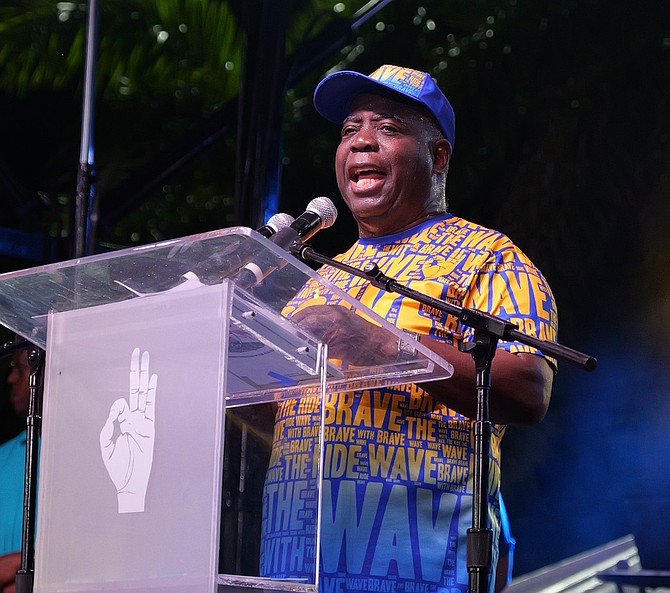
PM says interest in PLP nominations shows confidence in party
Prime Minister Philip ‘Brave’ Davis expressed optimism about the Progressive Liberal Party’s (PLP) future, citing the high caliber and significant number of individuals seeking nominations for the upcoming general election as evidence of renewed public trust in the governing party. Speaking to reporters, Davis confirmed that approximately eight aspirants presented themselves before the PLP’s Candidates Committee on Thursday night, though he refrained from disclosing their identities. ‘This demonstrates that we have regained the trust and confidence of the Bahamian people,’ Davis remarked. ‘People are eager to join us, and this reaffirms that our democracy remains vibrant.’ Among the notable candidates is Sebas Bastian, CEO of Island Luck, who announced his decision to step away from his gaming business to pursue the PLP’s nomination for the Fort Charlotte constituency. Bastian’s arrival at the party headquarters was met with enthusiastic support, with chants of his name echoing from the crowd. He expressed readiness to serve and confidence in the continued success of his business empire. The Fort Charlotte seat became available after incumbent MP Alfred Sears announced in May that he would not seek re-election. Sears has reportedly endorsed Bastian as his successor. Dolores ‘Red’ Archer Adderley, chair of the Fort Charlotte branch, highlighted Bastian’s philanthropic efforts and dedication to community development as key reasons for the branch executives’ recommendation. The PLP’s aspirants’ module, held in August, also featured prominent figures such as ZNS general manager Clint Watson, BACSWN founder Robert Dupuch-Carron, former PLP Senator Frank Smith, and Drumeco Archer, president of the Bahamas Association of Athletic Associations.
-
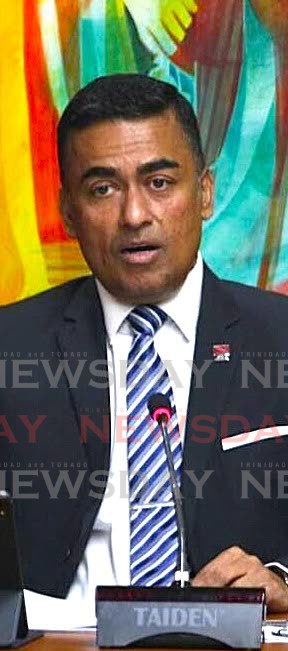
All must account for public funds
As Trinidad and Tobago prepares for the 2025/26 budget presentation on October 13, the Joint Consultative Council (JCC) has issued an open letter to Finance Minister Davendranath Tancoo, emphasizing the critical need for accountability and transparency in public procurement. The JCC highlighted the Public Procurement and Disposal of Public Property Act, enacted in 2015 under former Prime Minister Kamla Persad-Bissessar, as a transformative tool for ensuring responsible use of public funds. However, since its implementation in April 2023, the Office of Procurement Regulation (OPR) has reported uneven compliance across public sector agencies. Notably, the Ministry of National Security, which received nearly $7 billion in the last fiscal year, remains among the top non-compliant entities. The JCC stressed that such lapses risk eroding public trust and undermining the safeguards the Act was designed to establish. The Tobago House of Assembly (THA) has also been flagged for serious non-compliance. With budget discussions underway, the JCC urged the government to demonstrate decisive leadership by ensuring all public bodies adhere to the Procurement Act, thereby restoring confidence in the management of national finances.
-
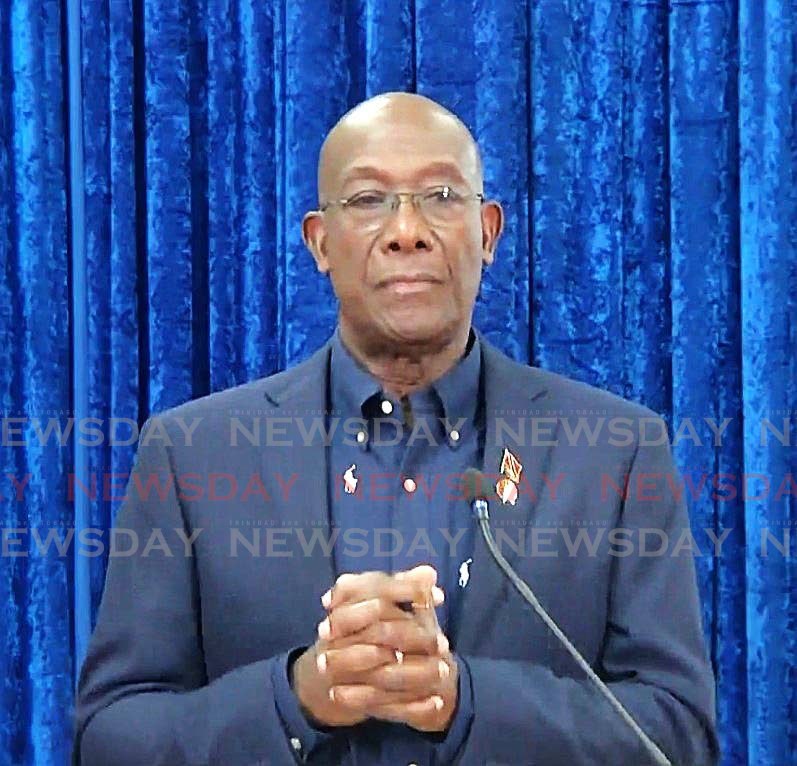
Dragon gas zombie
The United States has imposed a stringent six-month deadline for Trinidad and Tobago to renegotiate the Dragon gas deal with Venezuela, as per the October 8 OFAC license issued by the Donald Trump administration. This contrasts sharply with the two-year waiver granted under President Joe Biden in 2023 and the two-and-a-half-year extension sought by former Prime Minister Dr. Keith Rowley. The deal, described by some as “resurrected” and by others as “undead,” has become a political battleground, with the US aiming to exert pressure on the Nicolás Maduro regime while influencing Trinidad and Tobago’s foreign policy alignment.
For the ruling United National Congress (UNC), the situation offers a chance to validate recent diplomatic efforts and undermine the People’s National Movement (PNM)’s claims of energy policy success. Dr. Rowley’s resignation earlier this year and his endorsement of Stuart Young were driven by his desire to secure the Dragon deal. However, the UNC’s adept maneuvering has shifted the US stance, potentially eroding what could have been a cornerstone of Dr. Rowley’s legacy.
Dr. Rowley recently described the OFAC situation as “fluid,” expressing concern over the Prime Minister’s declaration that the deal was dead. Meanwhile, Mr. Young’s hasty press conference in April, following a meeting with US Secretary of State Marco Rubio and a critical tweet from Mr. Trump, further complicated matters. The UNC and PNM both face criticism for their lack of transparency, with Mr. Young’s reference to a “30-year license” misleadingly referring only to Venezuelan authorization.
Despite its significance, the Dragon deal’s political impact may be overestimated. Repeated appeals to citizens for credit on abstract future economic benefits, which may never materialize, offer limited political traction.
-
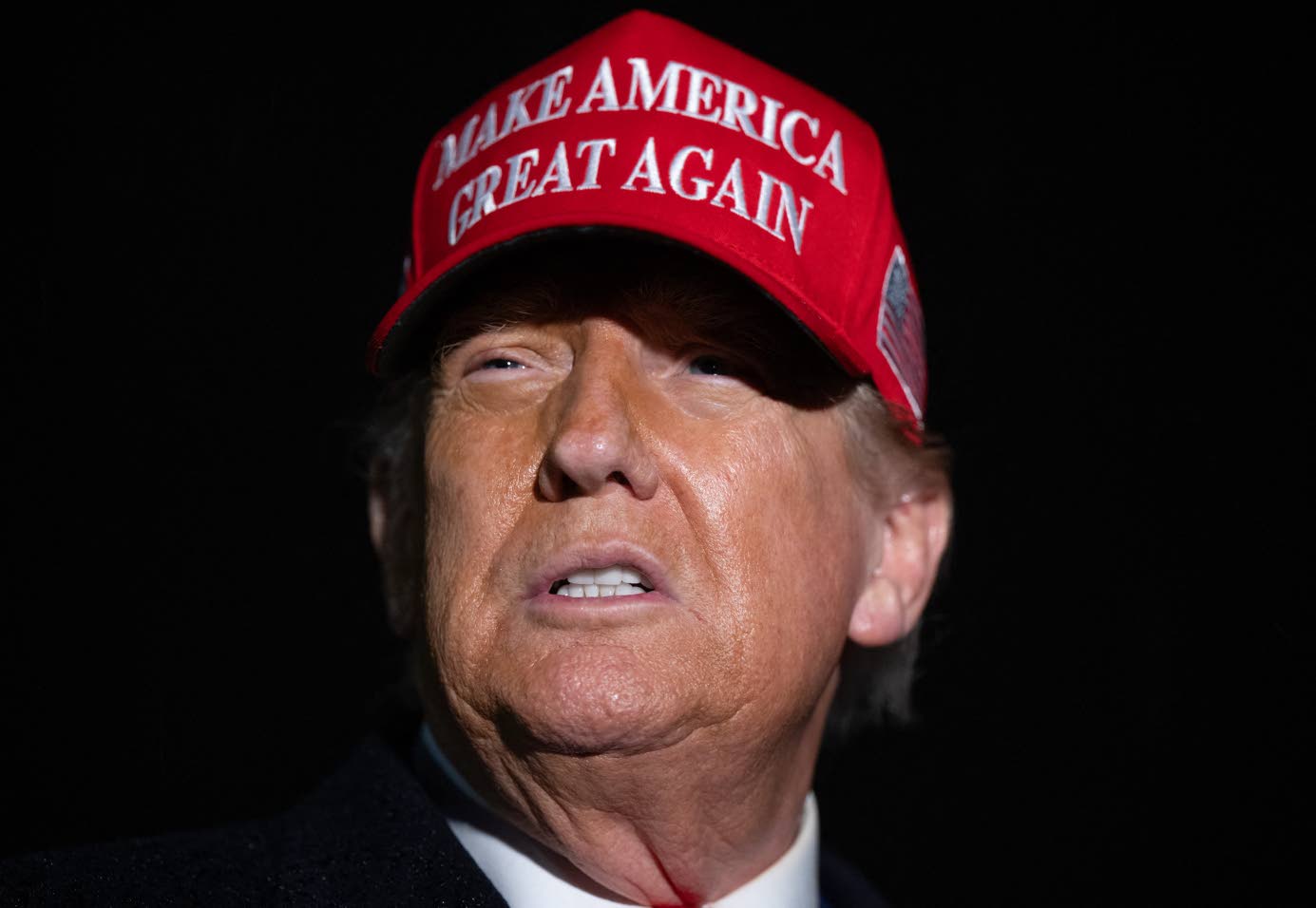
Trump issues order to pay military as shutdown drags on
In a significant move amid the ongoing government shutdown, President Donald Trump announced on Saturday that he has directed the Pentagon to ensure military personnel receive their paychecks next week. The shutdown, now in its second week, has left many civil servants working without salaries. Trump took to his Truth Social platform to declare that he instructed Defense Secretary Pete Hegseth to utilize all available funds to ensure troops are paid by October 15th. He also reiterated his criticism of Democrats, accusing them of jeopardizing national security by prolonging the shutdown. The impasse stems from Senate Democrats repeatedly blocking a Republican resolution to reopen federal agencies after the September 30 funding deadline. A key point of contention is the Republicans’ refusal to include provisions addressing expiring health insurance subsidies for 24 million Americans. Consequently, hundreds of thousands of government workers have been furloughed or forced to work without pay. Notably, 1.3 million active-duty military personnel were at risk of missing their scheduled pay on October 15th—a situation unprecedented in modern history. Meanwhile, the White House announced plans to lay off approximately 4,000 federal workers across various agencies, intensifying pressure on Democrats to resolve the shutdown, which has severely disrupted public services.
-
PM, Moonilal hail six month licence
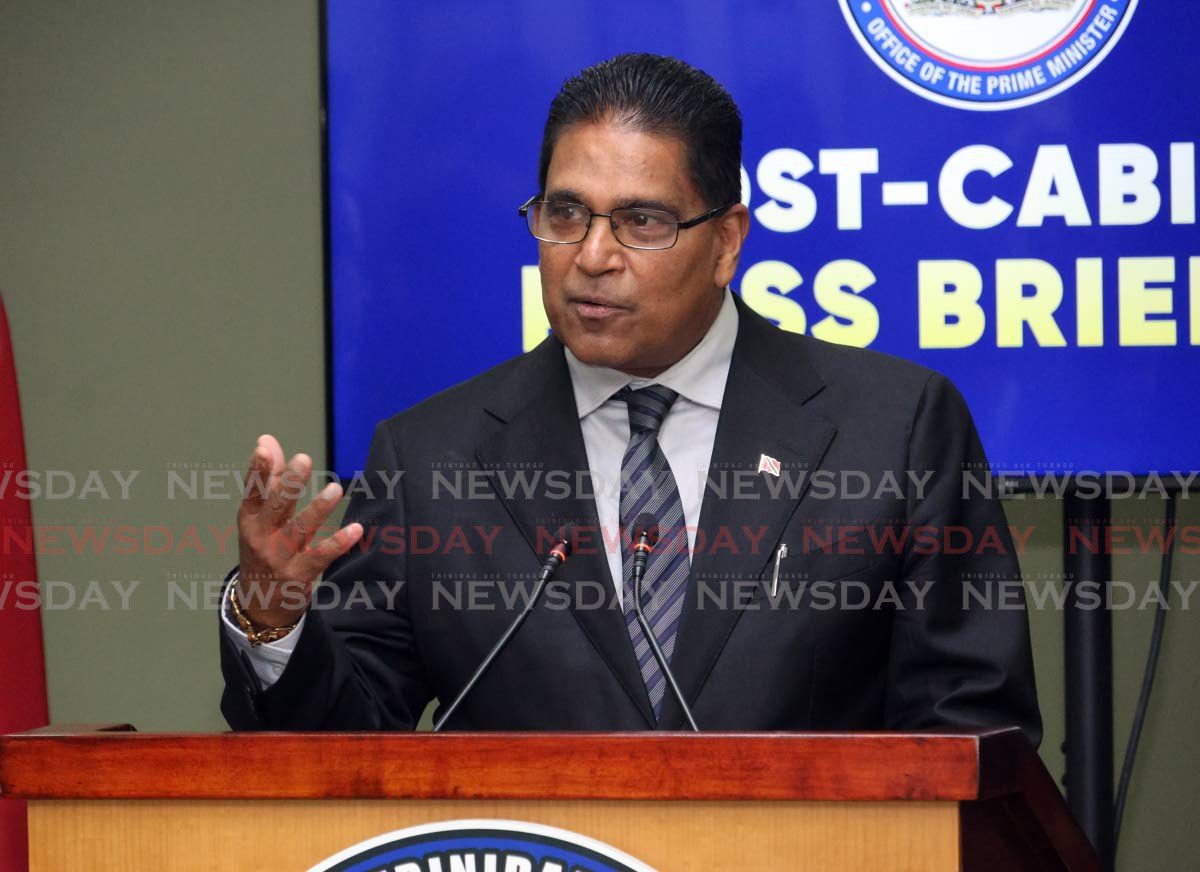
In a significant diplomatic and economic breakthrough, Trinidad and Tobago has secured a six-month Office of Foreign Assets Control (OFAC) license to resume negotiations with Venezuela on the Dragon gas project. Prime Minister Kamla Persad-Bissessar and Energy Minister Dr. Roodal Moonilal have both hailed this development as a testament to the government’s dedication and diplomatic efforts. Persad-Bissessar emphasized that the license, granted following her productive discussions with US Secretary of State Marco Rubio, marks a fresh start for the project, which had been stalled for years. She highlighted the mutual benefits for Trinidad and Tobago, the US, and Venezuela, describing the agreement as a win for regional partnership, energy security, and economic growth. Moonilal, in a separate statement, pointed out that the previous OFAC license had been revoked under the former administration, costing taxpayers over $120 million. He refuted claims by former Prime Minister Dr. Keith Rowley that the figure was $100 million. The renewed negotiations, facilitated by the OFAC license, aim to ensure that the project advances without breaching US sanctions, with specific terms in place to benefit all parties involved, including US companies and the people of Venezuela.
-
Young: Moonilal has not seen OFAC licence
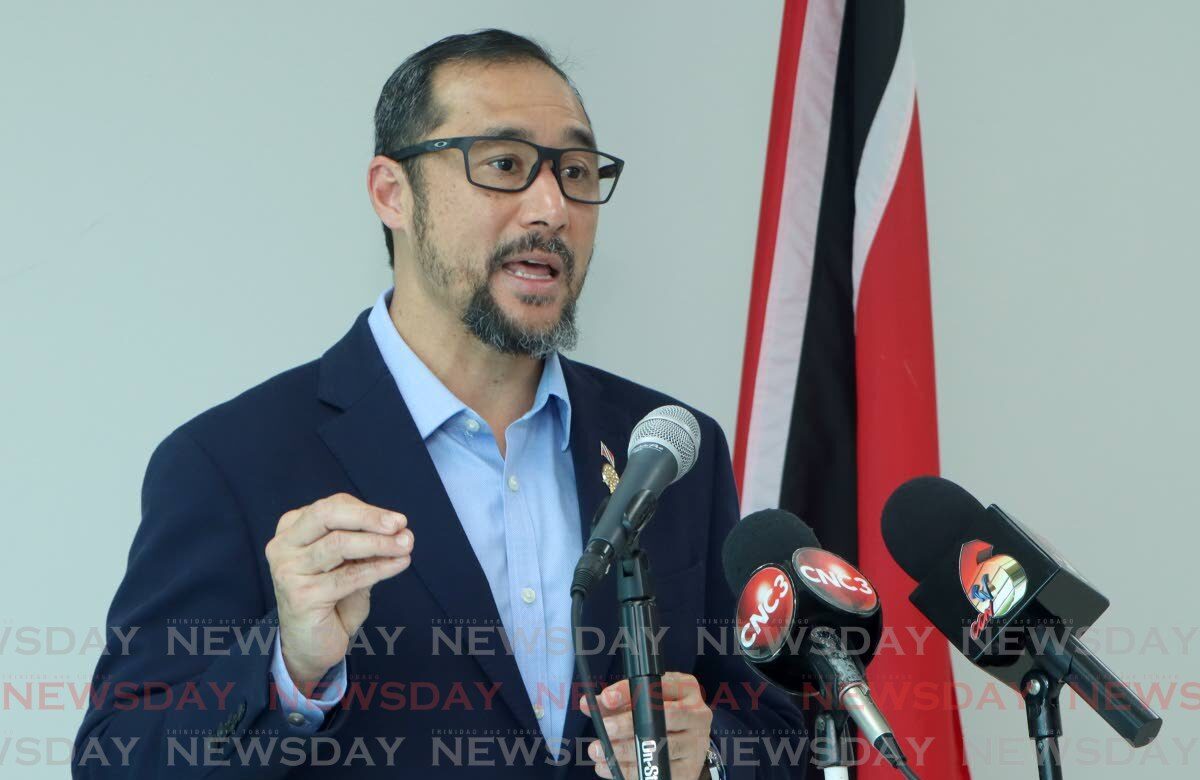
Opposition Member of Parliament (MP) Stuart Young has publicly criticized Energy Minister Dr. Roodal Moonilal for his apparent lack of understanding regarding the Dragon gas project negotiations with Venezuela. Young revealed that Moonilal confirmed his unfamiliarity with the details of a six-month provisional licence issued by the US Treasury’s Office of Foreign Assets Control (OFAC) during a statement on October 10. This licence is crucial for initiating discussions with Venezuela on the project. Young further emphasized that Moonilal’s ignorance was evident in his comments about ministry documentation being in Spanish, as well as his unawareness of the previous OFAC licences issued last December under the People’s National Movement (PNM) administration. Young clarified that OFAC licences are issued in English and that the National Gas Company (NGC) and its legal team had access to translated documents. He accused Moonilal of incompetence, stating that the minister’s lack of knowledge highlights the government’s inability to manage complex energy negotiations. Young also defended former Prime Minister Dr. Keith Rowley, who Moonilal had criticized earlier, by clarifying that Rowley’s statements were not based on official Energy Ministry documents. Additionally, Young pointed out that the recent transfer of former ministry permanent secretary Pennelope Bradshaw-Niles has left Moonilal without access to critical institutional knowledge. Young concluded that Moonilal’s exclusion from key energy negotiations is a direct result of his incompetence.