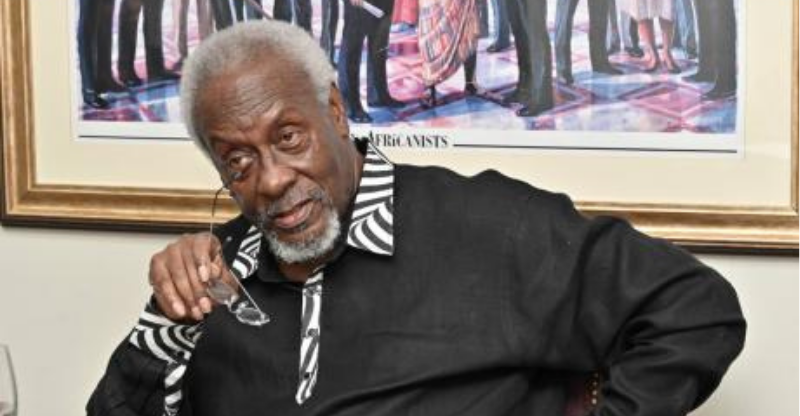
Former Jamaican Prime Minister P.J. Patterson has issued a stern warning against recent United States drone attacks on vessels in Caribbean waters, labeling them a “fundamentally dangerous and horrible erosion” of the region’s collective sovereignty. Patterson, who served as Jamaica’s leader from 1992 to 2006, expressed grave concerns over the US military’s confirmation of at least five such strikes since early September. He emphasized that these actions undermine the Caribbean’s longstanding commitment to being a zone of peace, a principle established during the region’s first integration meeting in 1972. The US administration, under President Donald Trump, justifies the strikes as targeting vessels suspected of transporting illegal drugs to the US, claiming 27 deaths so far, including six in the most recent incident on October 14. Patterson urged Caribbean heads of government to urgently convene and adopt a unified stance, referencing the 1997 Shiprider Agreement as a precedent for collective action. This agreement, enforced by Jamaica’s Maritime Drug Trafficking (Suppression) Act of 1998, permits US vessels to pursue and search suspected drug traffickers in Jamaican and international waters. The drone attacks have sparked fear among regional fisherfolk and maritime users, who fear becoming “collateral damage.” Patterson stressed that the strikes violate international law and pose a “clear and present danger to all maritime users,” urging CARICOM to reaffirm the Caribbean’s status as a zone of peace. Despite US claims, including one linking a destroyed vessel to the Tren de Aragua Cartel, no substantive evidence has been provided. Colombia’s president has disputed a US claim, stating a targeted boat was Colombian, not Venezuelan. Jamaica’s Minister of Foreign Affairs, Senator Kamina Johnson Smith, has yet to respond to inquiries on the matter.
分类: politics
-
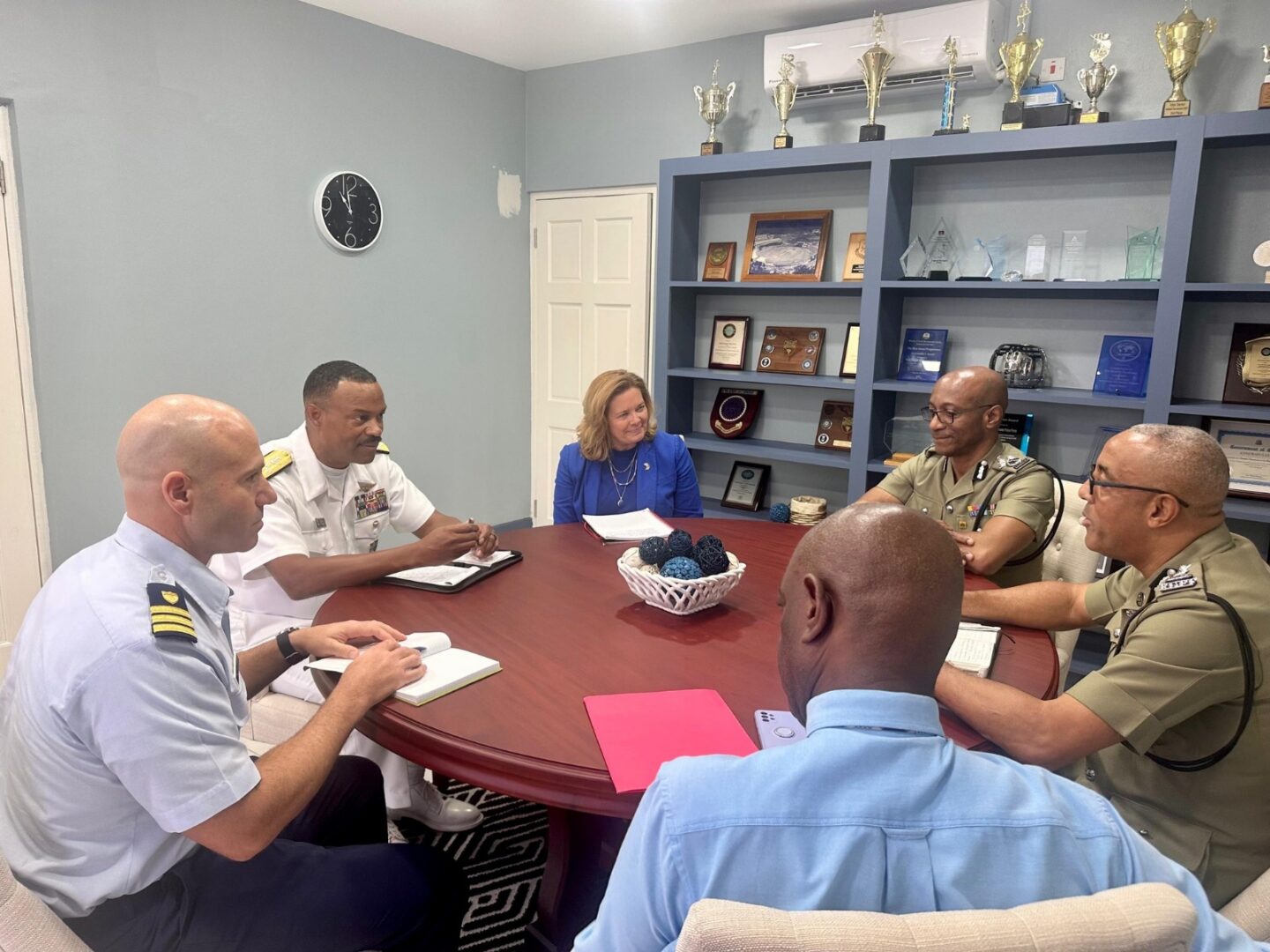
Technical and logistical support discussed between US military personnel and RGPF
In a significant diplomatic engagement, Admiral Alvin Holsey, Commander of the United States Southern Command, convened with senior officials of the Royal Grenada Police Force (RGPF) on October 15, 2025, at the Police Headquarters in St. George’s. The meeting underscored the deepening collaboration between the two entities, focusing on technical and logistical support, humanitarian aid, disaster relief, and the potential for future joint initiatives. This dialogue followed the recent visit of the US Navy’s Medical Ship, which highlighted the scope of bilateral cooperation. Admiral Holsey’s visit to Grenada marked one year since he assumed leadership of the US Southern Command, succeeding General Laura Richardson. The discussions also emphasized enhanced training opportunities for Grenadian law enforcement and joint exercises to bolster operational readiness. The meeting was hosted by Commissioner of Police Randy Connaught, alongside Deputy Commissioner Jessmond Prince, Assistant Commissioner Vannie Curwen, and National Security Advisor Wilan Thompson. US Ambassador to the Eastern Caribbean States, Karin Sullivan, accompanied Admiral Holsey. While the engagement was described as cordial and productive, Prime Minister Dickon Mitchell’s absence, despite being initially scheduled to attend, remained unexplained. This meeting is part of a broader regional tour by Admiral Holsey, aimed at reinforcing partnerships with Caribbean nations.
-
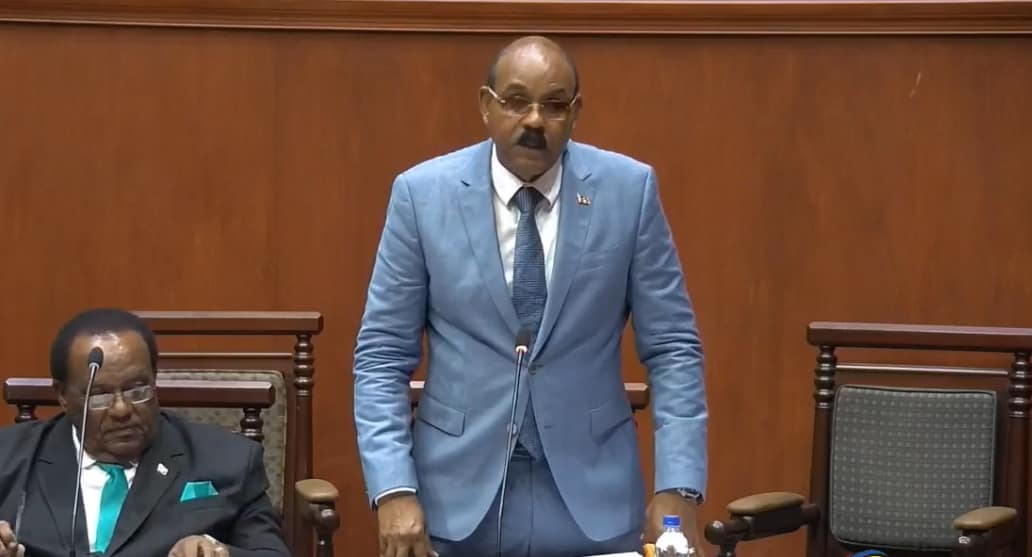
WATCH: Government Launches Systemwide Probe into Customs and Revenue Departments
Prime Minister Gaston Browne has announced a sweeping investigation into the Customs and Revenue Departments in Antigua, following mounting concerns over irregularities and potential corruption. Addressing Parliament, Browne emphasized that the probe will encompass all revenue-collecting entities, aiming to identify systemic weaknesses, eliminate misconduct, and restore public trust in government operations. The investigation will employ both internal audits and external oversight mechanisms to ensure transparency and accountability. Browne stated, ‘We are going system-wide, especially within Customs and other revenue areas. There will be further redeployments, rotations, and additional systems, including routine spot checks.’ The Prime Minister also revealed that private citizens will be enlisted to assist in random container inspections alongside customs officials, targeting merchants suspected of underreporting or evading duties. Additionally, the Antigua Public Utilities Authority (APUA) will face scrutiny, as the government suspects large entities, including supermarkets, may be bypassing electricity meters, resulting in revenue loss. To oversee these reforms, a ‘revenue czar’ will be appointed to work with the Inland Revenue Department, conducting forensic accounting and strengthening compliance. Browne highlighted the correlation between the cost of goods and duties paid, vowing to use financial statements and import data to verify tax liabilities. This initiative follows recent procedural breaches within government departments, including the Customs Division, which led to redeployments and the resignation of Comptroller of Customs Raju Boddu earlier this week.
-
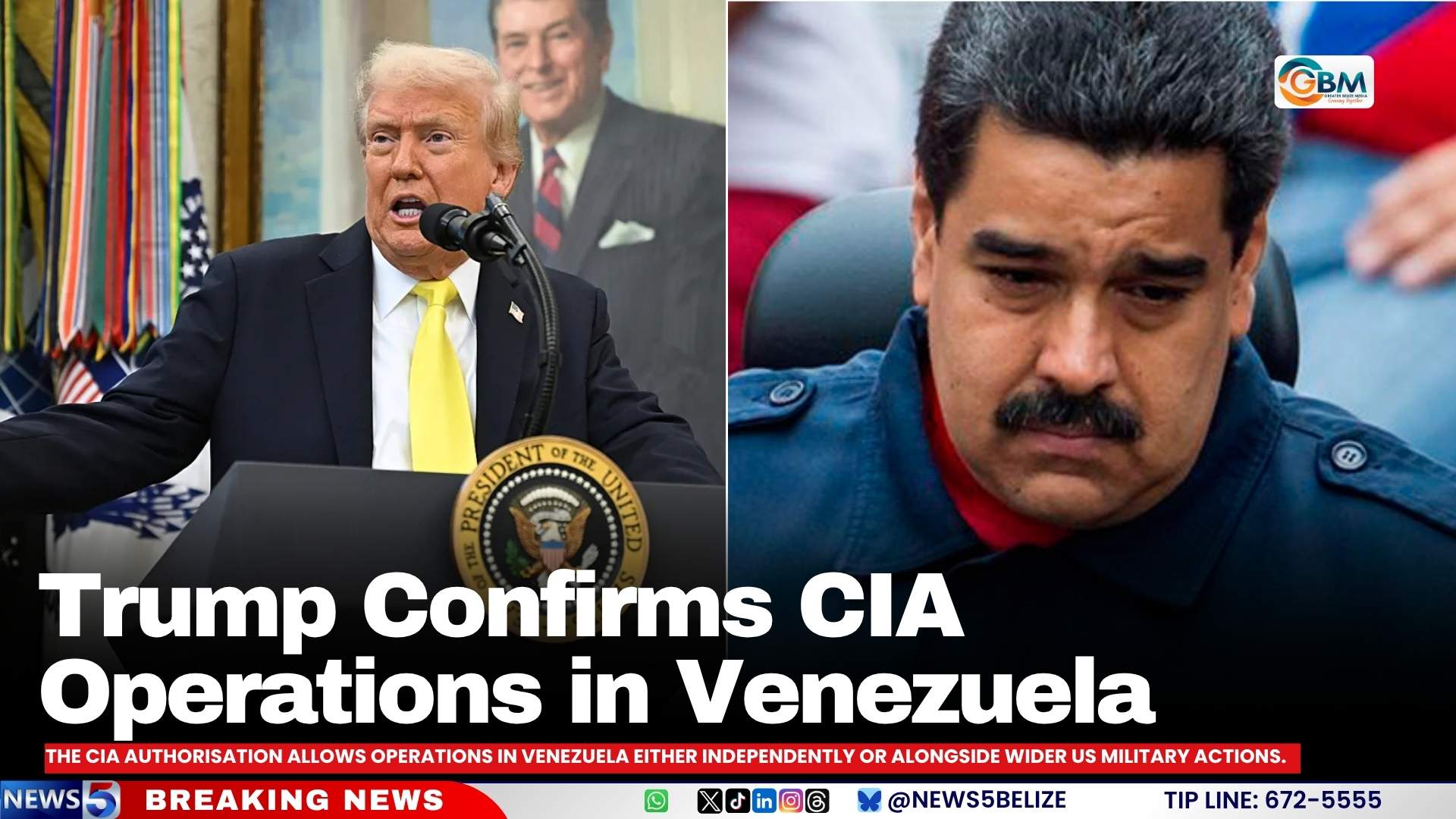
Trump Confirms CIA Operations in Venezuela
In a significant development, former US President Donald Trump has publicly confirmed his authorization of CIA operations within Venezuela. This admission has ignited a fierce response from Venezuelan President Nicolás Maduro, who denounced the move as part of a broader strategy by Washington to orchestrate coups in the region. Trump justified the decision by alleging that Venezuela had released prisoners into the United States and was a major source of drug trafficking. This revelation comes on the heels of recent US military strikes in the Caribbean, which targeted suspected drug vessels and resulted in 27 fatalities. United Nations experts have condemned these actions as ‘extrajudicial executions.’ In response, Maduro called for peace, declaring ‘no war, yes peace,’ and initiated military drills near Caracas. Venezuela’s foreign minister further criticized the US deployment of warships and fighter jets as acts of aggression and intimidation. According to The New York Times, the CIA’s mandate permits independent operations or coordination with broader US military efforts in Venezuela.
-
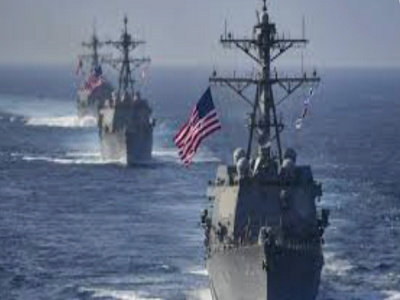
Venezuelan diplomat urges regional countries to speak out on US military buildup
In a fervent appeal to Caribbean nations, Venezuelan Ambassador to Dominica, Jose Durabio Moros Savelli, has called for regional solidarity in opposing the United States’ escalating military presence in waters near Venezuela. Savelli emphasized the critical importance of maintaining peace in the Caribbean, warning that any conflict initiated by the US could have devastating consequences for the entire region, including economic and humanitarian crises. The US has justified its military buildup by accusing Venezuelan leaders of involvement in illegal narcotics trade. On Thursday, the US military conducted a strike on a suspected drug-carrying vessel in the Caribbean, resulting in the first survivors being captured since President Donald Trump intensified military operations in the area. This marks at least the sixth such strike since August, with the death toll from these operations now standing at 28. Savelli expressed grave concerns over the deployment of nuclear submarines and other advanced military assets, urging Caribbean countries to uphold international law and prevent the outbreak of war. He also highlighted the importance of mobilizing international public opinion to pressure the US government to prioritize peace. The Trump administration has significantly increased its military presence in the Caribbean, deploying an amphibious squadron, nuclear-powered submarines, reconnaissance aircraft, and warships as part of its campaign against Latin American drug cartels.
-
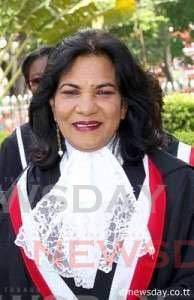
Judge strikes down law that prevented JPs from granting station bail
In a landmark ruling on October 15, Justice Carol Gobin of the High Court declared that Justices of the Peace (JPs) retain their authority to grant bail for indictable offences, overturning a government policy that had stripped them of this power. The decision came in response to a judicial review filed by Joel Alexander, who was detained in deplorable police cells for nearly 57 hours due to the policy. Justice Gobin ruled that Section 10 of the Administration of Justice (Indictable Proceedings) Act, 2011 (AJIPA) did not revoke JPs’ jurisdiction to grant station bail, calling the government’s interpretation of the law ‘null, void, and illegal.’ She criticized the policy for normalizing inhumane detention conditions and undermining constitutional rights to liberty and the presumption of innocence. Alexander was awarded $140,000 in damages, and the court ordered the immediate restoration of JPs’ bail powers. The ruling also emphasized the need for accountability in safeguarding citizens’ rights, echoing broader concerns about governmental overreach.
-
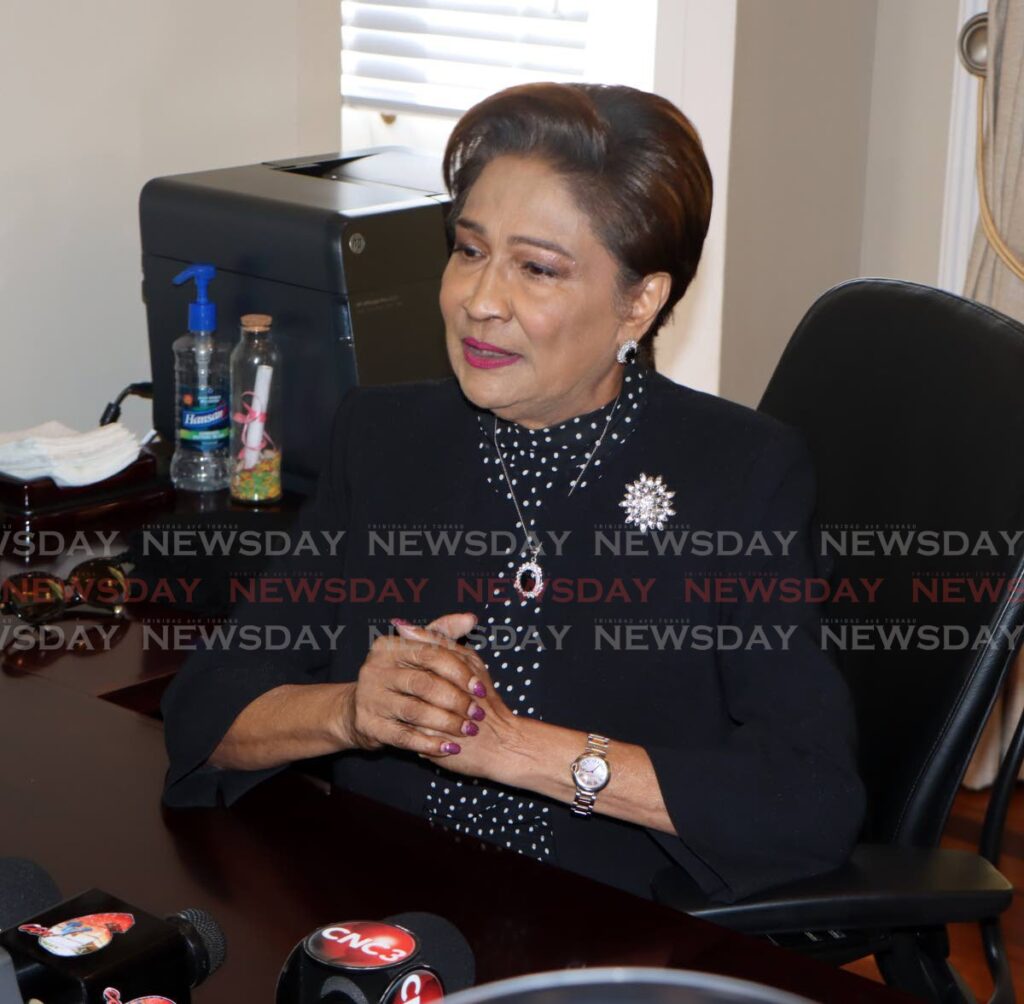
Cabinet mum on claim of TT deaths on ‘drug boat’
Prime Minister Kamla Persad-Bissessar of Trinidad and Tobago was in a hurry on October 16, leaving a land distribution ceremony for former Caroni (1975) Ltd workers at the Diplomatic Centre in St Ann’s to attend a virtual meeting of Caricom heads, followed by her weekly Cabinet meeting. Reporters had hoped to question her about allegations that two Trinidadian nationals were aboard a drug boat reportedly destroyed by the US military in the Southern Caribbean. They also sought her stance on US anti-narcotics operations, especially in light of President Donald Trump’s admission of authorizing CIA covert activities in Venezuela. However, the Prime Minister’s swift departure left these queries unanswered. Defence Minister Wayne Sturge was also seen rushing off from the event. Minister of Land and Legal Affairs Saddam Hosein, when questioned about the government’s position on the drug boat incident, declined to comment, citing the Prime Minister’s directive for ministers to ‘stay in your lane’ regarding their portfolios. Meanwhile, Jamaican Prime Minister Andrew Holness, who chaired the 41st Inter-Sessional Meeting of the Conference of Heads of Government, highlighted the meeting’s focus on regional integration, economic resilience, and collective security. While Holness did not specify whether discussions included the US military presence in the Caribbean, US Southern Command head Admiral Alvin Holsey’s recent visits to Grenada and Antigua and Barbuda raised questions about potential US radar base installations. Antigua and Barbuda’s Prime Minister Gaston Browne emphasized his country’s reluctance to host foreign military assets, while Grenada’s government stated that any decisions would prioritize sovereignty, public safety, and national interests.
-
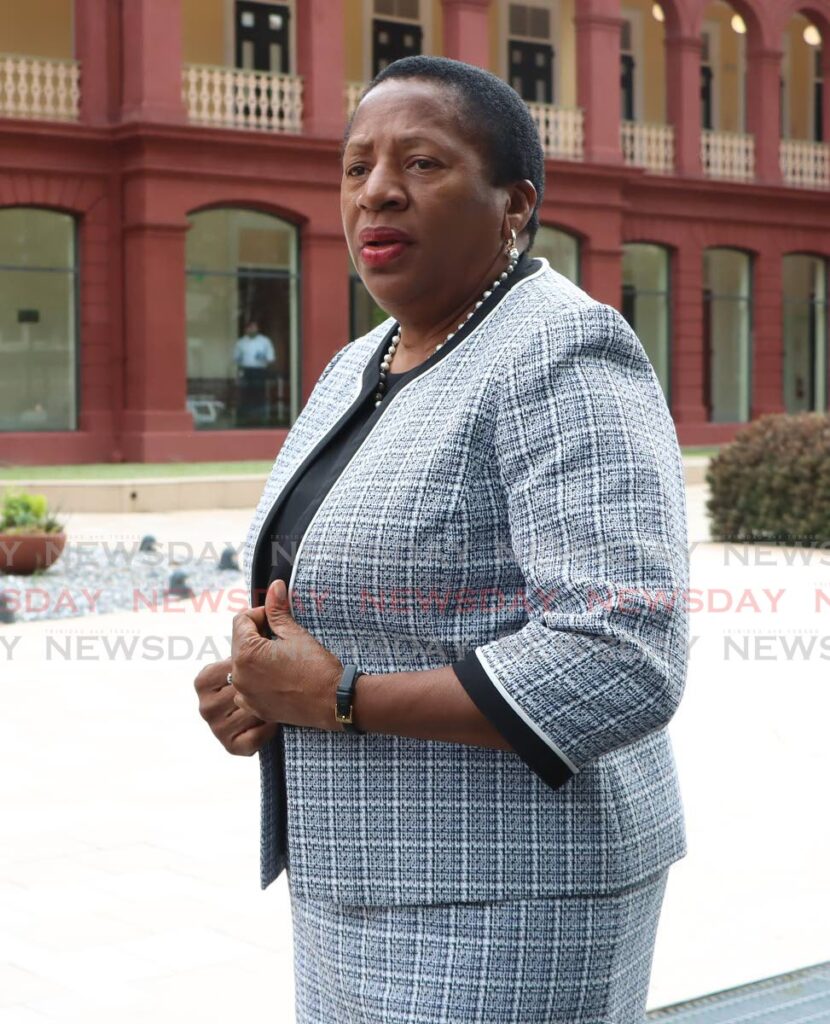
Beckles begins budget debate in House
Opposition Leader Pennelope Beckles is set to initiate the debate on Trinidad and Tobago’s $59.2 billion budget for the fiscal year 2025/2026. The session will commence at the Red House in Port of Spain on October 17 at 10 am. This marks Beckles’ first response to the budget since her appointment as opposition leader and PNM political leader on May 6 and June 22, respectively. Finance Minister Davendranath Tancoo, who presented the budget on October 13, delivered a three-and-a-half-hour address, setting the stage for Beckles’ equally lengthy response. Following Beckles’ contribution, other Members of Parliament, including the Prime Minister, will have up to 45 minutes to speak, with an optional ten-minute extension. Leader of Government Business Barry Padarath indicated that the debate could extend over four to five days, potentially including weekend sessions, with the Standing Finance Committee reviewing the budget over an additional five days. The government, holding 26 seats in the House, will determine the debate’s conclusion after all 13 opposition MPs have spoken. The Tobago People’s Party, with two MPs, has also expressed its intention to participate. Prime Minister Kamla Persad-Bissessar’s contribution is anticipated later in the debate. The Senate will subsequently review the budget, though it is barred from voting on money bills. Concurrently, the PNM will host a post-budget political meeting at the Belmont Community Centre on October 17, featuring Beckles and other prominent MPs as speakers.
-
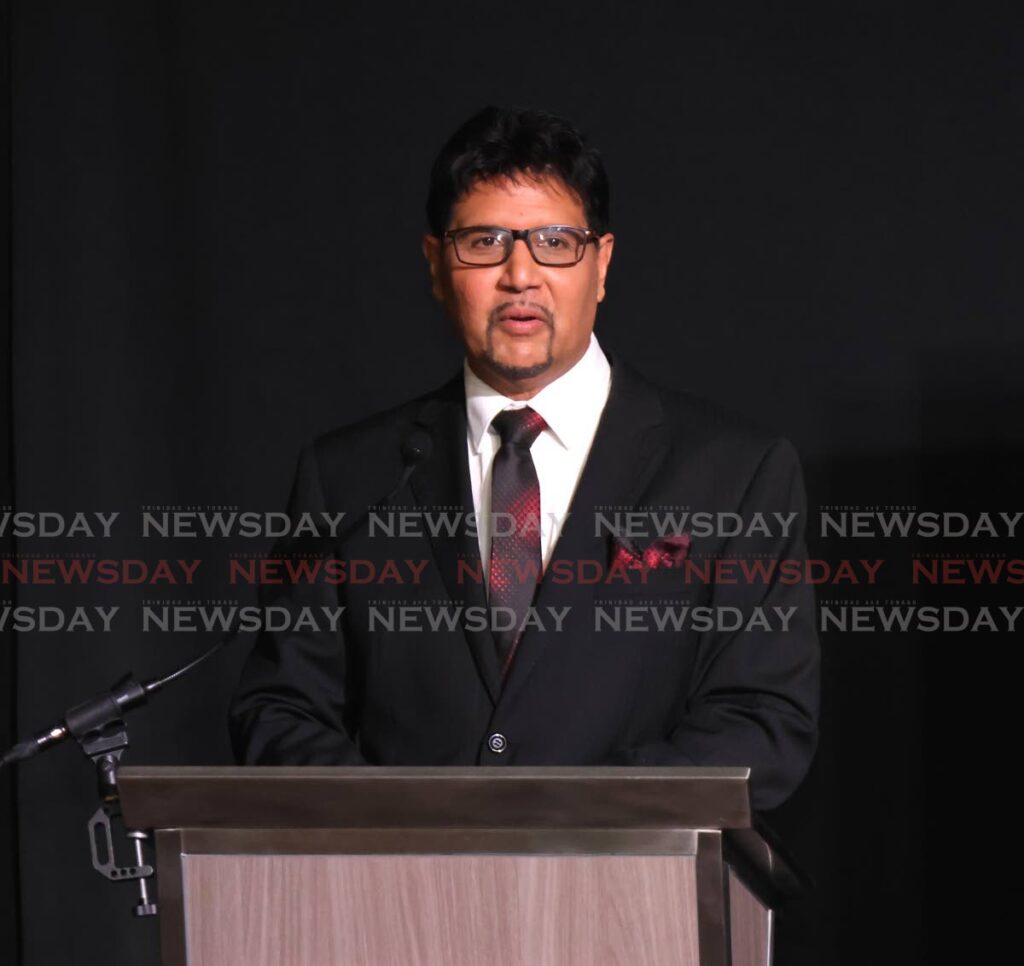
Judge stays lawsuit on SoE regulations on police detention powers
In a significant legal development, Justice Frank Seepersad of the High Court has suspended proceedings in a constitutional challenge against the Emergency Powers Regulations, 2025, awaiting a ruling from the Privy Council on a related case. The decision, delivered on October 16, highlights the judge’s concerns over the extension of detention powers to police officers, which he deemed “inherently inconsistent and wholly unnecessary.” However, Justice Seepersad acknowledged that his hands were tied by a prior Court of Appeal decision upholding the constitutionality of a similar provision under the 2011 regulations. The current case, brought by Mozam Edoo, challenges Regulation 13(3), arguing that it violates the separation of powers by granting police officers, as members of the executive, the authority to perform judicial functions. Justice Seepersad emphasized the importance of the matter, warning against administrative inefficiencies within the state’s civil law department and expressing alarm over the state’s previous non-appearance in court. He stressed that the court would not tolerate delays in cases concerning citizens’ rights. The judge also noted that the issue should not be left unresolved until the end of the current state of emergency, declared on July 18 and extended by parliament for three months, as it would render the matter “academic.” The case will remain in abeyance until the Privy Council delivers its ruling.
-
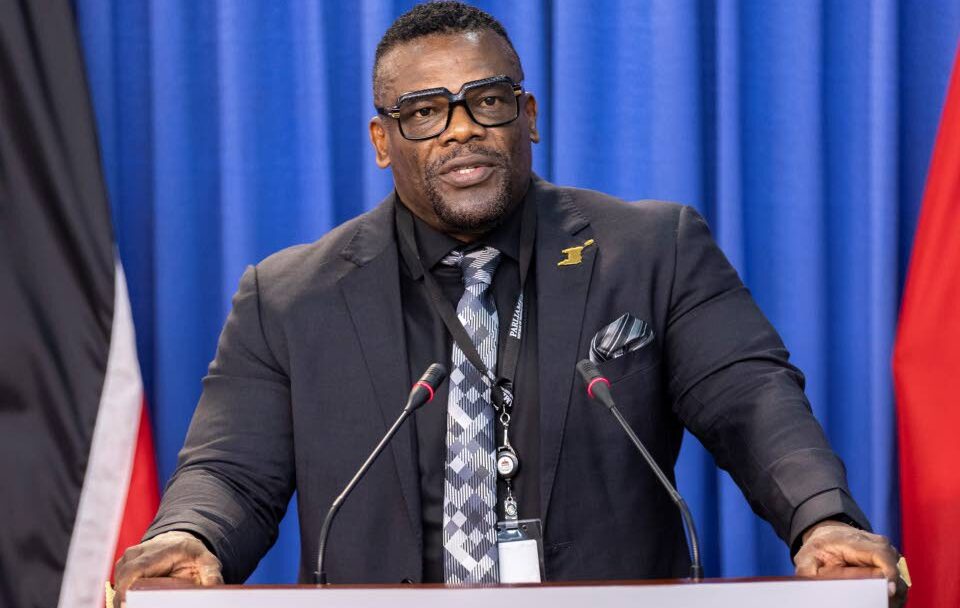
Alexander: File missing-persons report for Trinis allegedly killed on drug boat
In the wake of a controversial US missile strike targeting a suspected drug-trafficking vessel in international waters, Trinidad and Tobago’s Minister of Homeland Security, Roger Alexander, has called on the families of two Trinidadian nationals allegedly killed in the incident to file missing-persons reports immediately. The strike, which occurred on October 14, resulted in the deaths of six individuals, including a Las Cuevas man and another Trinidadian referred to as ‘Samaroo.’ This marks the fifth such operation by the US in its ongoing campaign against narco-trafficking in the southern Caribbean, which has claimed over 20 lives. Despite the severity of the actions, no concrete evidence of illegal drugs aboard the vessels has been publicly disclosed. US President Donald Trump and Secretary of War Pete Hegseth have defended the strikes, asserting the reliability of their intelligence. During an interview with i95.5FM on October 17, Alexander revealed that his ministry had not received official information about the incident and was relying solely on media reports. He emphasized the importance of families reporting their missing relatives to the police to initiate an investigation. ‘That is the first thing they should have done,’ Alexander stated. ‘Tell the police that their family member was in a specific location and has not been in contact. As it stands, there is nothing to work with—absolutely nothing.’ Alexander also questioned the nature of the ‘runs’ the men were reportedly making to Venezuela, expressing confusion over the media’s lack of inquiry into the specifics. He urged those with knowledge of the individuals’ activities to come forward and assist in the investigation. Additionally, Alexander referenced a 2018 incident involving one of the alleged victims, noting his familiarity with the individual’s past behavior and actions.