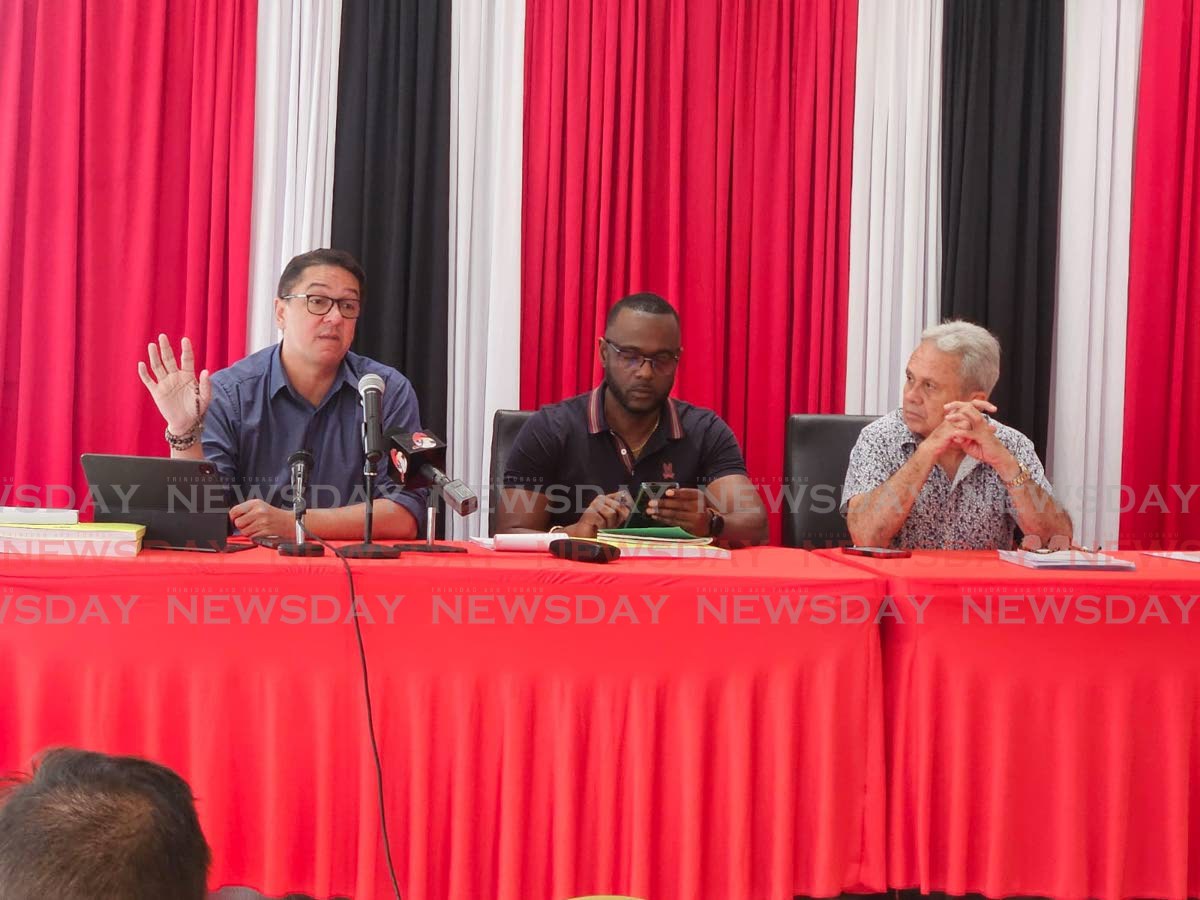
During a press conference held by the People’s National Movement (PNM) at Balisier House in Port of Spain on October 18, opposition MPs criticized the government’s 2025/2026 budget for alleged inconsistencies, inflated revenue projections, and biased allocations. Diego Martin North/East MP Colm Imbert highlighted discrepancies in the budget, including an overestimated oil price of $73.25 per barrel for 2026, compared to international agencies’ projections of $50-60. This, he argued, inflated revenue by at least $1 billion. Imbert also pointed out that the government understated debt service payments, allocating $7 billion instead of the actual $11-$13 billion required, which could lead to increased borrowing or cuts in planned expenditures. He further criticized the 45% increase in National Insurance contributions, arguing it was based on outdated actuarial reports from 2020 that failed to account for economic recovery. Arouca/Lopinot MP Marvin Gonzales accused the government of neglecting the North West Water Improvement Programme, diverting funds to other regions, and raising electricity rates despite campaign promises to the contrary. Diego Martin Central MP Symon de Nobriga highlighted biased allocations, with PNM-controlled constituencies seeing reduced funding while UNC areas received increased support. The opposition warned that these decisions would harm public services and impact upcoming local government elections.
分类: politics
-

Tobago trauma after French occupation
The French occupation of Tobago left a profound impact on the island, marked by humiliation and anxiety over potential recurrence. In the aftermath of its end in 1793, Tobago’s administration faced the urgent task of fortifying governance to prevent the infiltration of revolutionary ideas from France and its colonies. Lieutenant Governor George Poyntz Ricketts spearheaded efforts in 1794 to establish a constitution, proposing regulations for the Tobago House of Assembly and seeking royal approval for their implementation. The reforms aimed to create a free and independent legislative body while safeguarding against corruption and factional influence. The assembly’s structure included representatives from Scarborough, Plymouth, and seven parishes, with stringent eligibility criteria based on property ownership, race, gender, and age. Only white Protestant males over 21, possessing significant land or property, could participate. The electoral process emphasized loyalty to Britain, requiring oaths of allegiance and renunciation of foreign ideologies. These measures reflected broader concerns, including France’s lingering ambitions, anti-slave-trade sentiments, and the challenges posed by the island’s demographic and economic realities. The reforms sought to stabilize Tobago’s governance and secure its future amidst ongoing threats and internal resistance.
-

Birchwood: No apprenticeship programmes targeting at-risk youth in budget
In a passionate address during the House of Representatives’ budget debate on October 17, Laventille East/Morvant MP Christian Birchwood voiced his concerns over the 2026 national budget’s failure to include apprenticeship initiatives aimed at engaging youth from at-risk communities in state-funded projects. Birchwood, an engineer by profession, highlighted the Finance Minister Davendranath Tancoo’s acknowledgment of a significant contraction in the labor market, with nearly 70,000 jobs lost over the past decade and labor force participation dropping from 62% to below 55%. Birchwood argued that these statistics should serve as a benchmark to evaluate the government’s employment initiatives and hold them accountable. He questioned the absence of targeted apprenticeship programs and community job centers in the new budget, which he believes are crucial for connecting young people from high-need districts to state-funded projects. Birchwood urged Tancoo to ensure that residents from Laventille and surrounding communities are employed in infrastructure and development programs across the northwest corridor. He emphasized the importance of linking public spending to local participation to prevent the Employment Fund from becoming a mere line item rather than a tool for empowerment. Birchwood also called for measures to guard against bureaucracy and ensure fair access for single-parent households, micro-entrepreneurs, and youth start-ups as the country transitions from the Cepep and URP models to the Employment Fund. He concluded by stressing that infrastructure projects should bring dignity to the people on the ground, not remain abstract statistics.
-
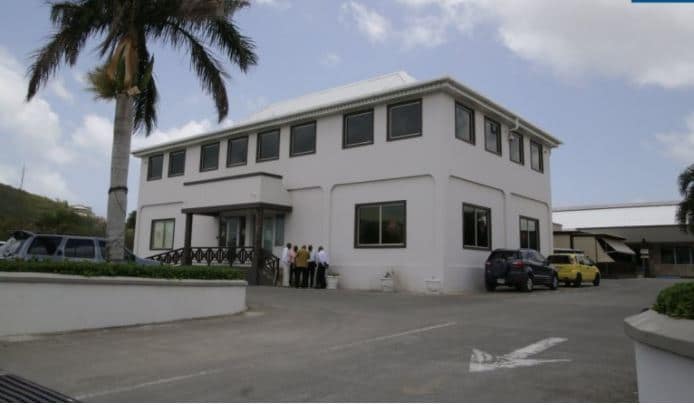
VIDEO: PM Says Social Security Surplus Exceeds $30 Million
In a significant parliamentary update, Prime Minister Gaston Browne revealed that Antigua and Barbuda’s Social Security Scheme has achieved a surplus exceeding $30 million. Addressing the Parliament, Browne emphasized that this figure is expected to grow as the government intensifies reforms aimed at ensuring the fund’s long-term sustainability. The announcement came in response to inquiries from the Opposition Bench, with Browne confirming that the audited financial statements and management accounts of the Social Security Board had been formally submitted to Parliament. Browne detailed the standard procedure, which involves sending these documents to the Ministry of Legal Affairs for inclusion on the parliamentary agenda. He assured that he had personally verified the inclusion of the latest financial records in the day’s agenda. When questioned further about the fund’s financial health, Browne described the surplus as a “moving target” that continues to improve due to ongoing government initiatives. This development underscores the administration’s commitment to bolstering the nation’s social security infrastructure and ensuring its resilience for future generations.
-
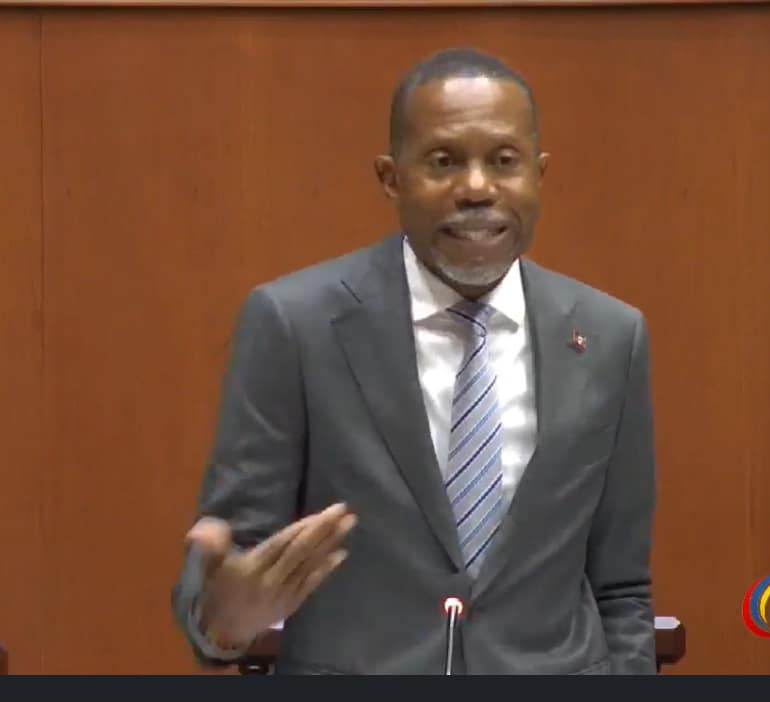
VIDEO: Walker Urges Reduced Reliance on the Citizenship by Investment Programme
Barbuda Member of Parliament Trevor Walker has issued a stark warning to the government regarding its heavy dependence on the Citizenship by Investment Programme (CIP). During a parliamentary session on Thursday, Walker highlighted the growing international scrutiny and pressure that could undermine the financial stability the CIP provides to Antigua and Barbuda. He emphasized that powerful nations perceive such programs as a threat to immigration control and geopolitical stability, potentially leading to coordinated efforts to dismantle them. Walker acknowledged the government’s efforts to protect the CIP but stressed the urgent need for economic diversification. He cautioned that the nation’s reliance on the $100 million generated annually from the CIP creates a significant vulnerability in the national budget. Walker urged the government to adopt a long-term strategy that reduces dependence on the program and explores alternative economic avenues. He also pointed out the hypocrisy of larger countries, such as the United States, which operate similar investment schemes while criticizing Caribbean nations for theirs. Walker concluded by advocating for contingency planning to safeguard the nation’s economic future.
-
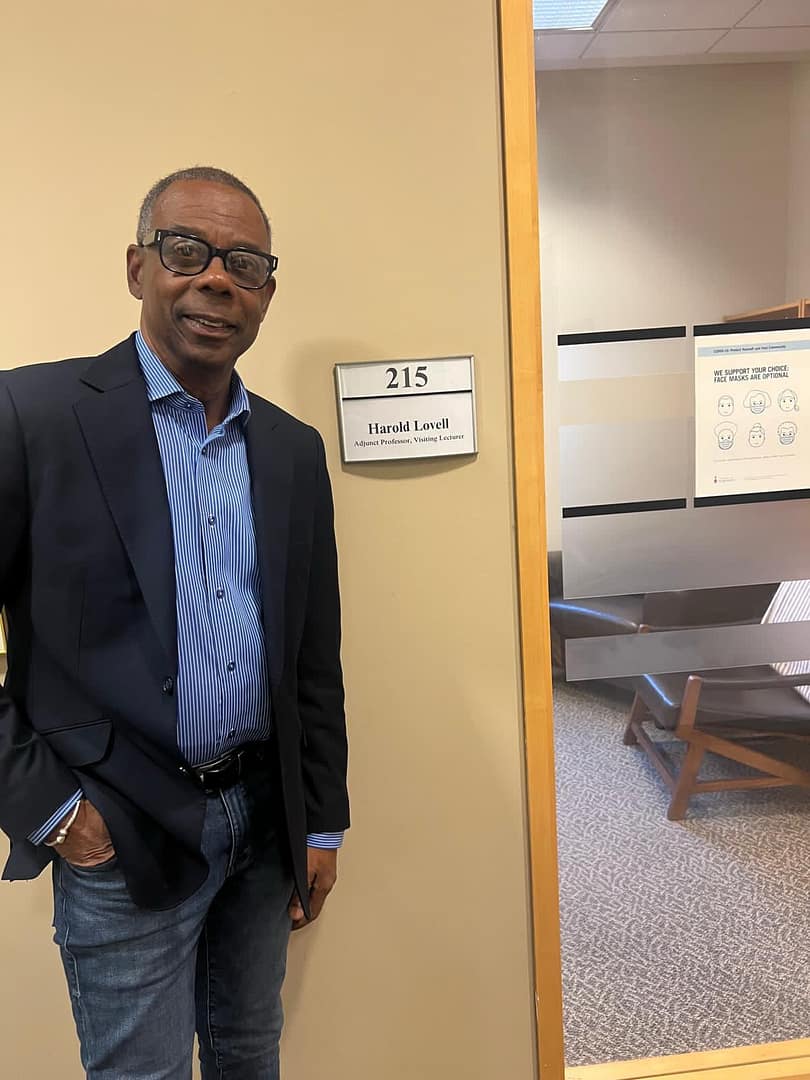
VIDEO: PM Says No Record of Harold Lovell’s Position on Climate Change
In a notable parliamentary session on Thursday, Prime Minister Gaston Browne of Antigua and Barbuda revealed his use of modern technology to address questions regarding climate change advocacy. During discussions on the nation’s leadership in global environmental initiatives, Browne disclosed that he conducted online searches using Google and ChatGPT to verify statements made by former Opposition Leader Harold Lovell. ‘I even did a test and went on Google and ChatGPT to see if Harold Lovell has ever articulated any position on climate change, and I could not find any,’ Browne stated. This remark came as part of a broader conversation about the country’s active participation in international climate conferences and the role of opposition members in these discussions. Browne emphasized the importance of unified national efforts in addressing climate issues, highlighting Antigua and Barbuda’s commitment to environmental advocacy on the global stage. The Prime Minister’s use of digital tools in parliamentary debates underscores the evolving intersection of technology and governance in contemporary political discourse.
-

Cabinet to Advertise Deputy Posts in Port and Parks Authorities
In a significant move to bolster transparency and oversight within the public service, the government has unveiled plans to advertise two new deputy positions. These roles will be established at the Antigua and Barbuda Port Authority and the National Parks Authority. The announcement was made during Friday’s post-Cabinet press briefing by Government Spokesperson Maurice Merchant, who emphasized that this initiative is part of a broader strategy to rotate officials and revamp key administrative frameworks. ‘The Cabinet has identified two departments where deputy positions will be opened for applications,’ Merchant stated. ‘One is at the Antigua Port Authority, and the other is at the National Parks Authority.’ This decision aligns with the Cabinet’s ongoing efforts to enhance accountability and foster professional growth within the civil service by rotating long-serving officers across various ministries and statutory bodies. The positions are set to be advertised in the coming weeks, with detailed notices outlining the requirements, application procedures, and deadlines to be released by the respective authorities. This step underscores the government’s commitment to improving governance and ensuring that public institutions operate with greater efficiency and integrity.
-
Acting Comptroller to Remain in Post Following Boddu’s Resignation amid Procurement Probe
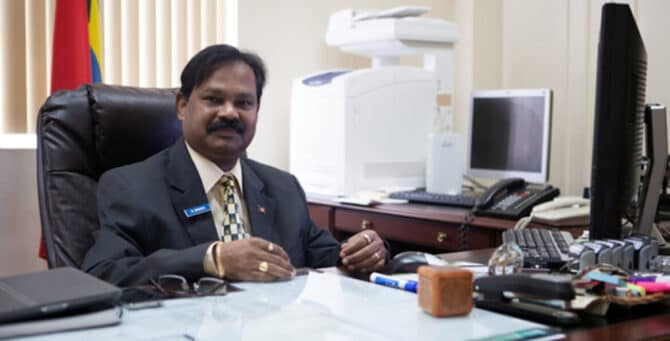
The government has announced that the acting Comptroller of Customs will retain the position following the resignation of Raju Boddu, who stepped down amid an ongoing investigation into procurement irregularities. During a post-Cabinet press briefing on Friday, Cabinet spokesperson Maurice Merchant confirmed the decision but did not disclose the acting officer’s name. Merchant indicated that Boddu’s resignation is likely linked to issues surrounding the collection of duties and taxes by the government of Antigua and Barbuda. The acting officer will remain in place until a permanent Comptroller is appointed. The resignation comes in the wake of revelations about unauthorized purchases of high-end vehicles, which the Prime Minister described as a case of ‘willful neglect.’ A comprehensive audit of all government-owned vehicles has been ordered to verify whether proper duties and taxes were collected. Additionally, the Ministry of Finance, through the Financial Secretary, has been tasked with meeting vehicle dealers to identify irregularities and recover potential revenue losses. While no evidence has yet emerged implicating public officials in personal gain, investigations are ongoing. The probe has spurred plans for broader staff rotations and enhanced oversight within the public service to bolster transparency and accountability.
-
VIDEO: PM Agrees to Provide Securities Information Following Parliamentary Question
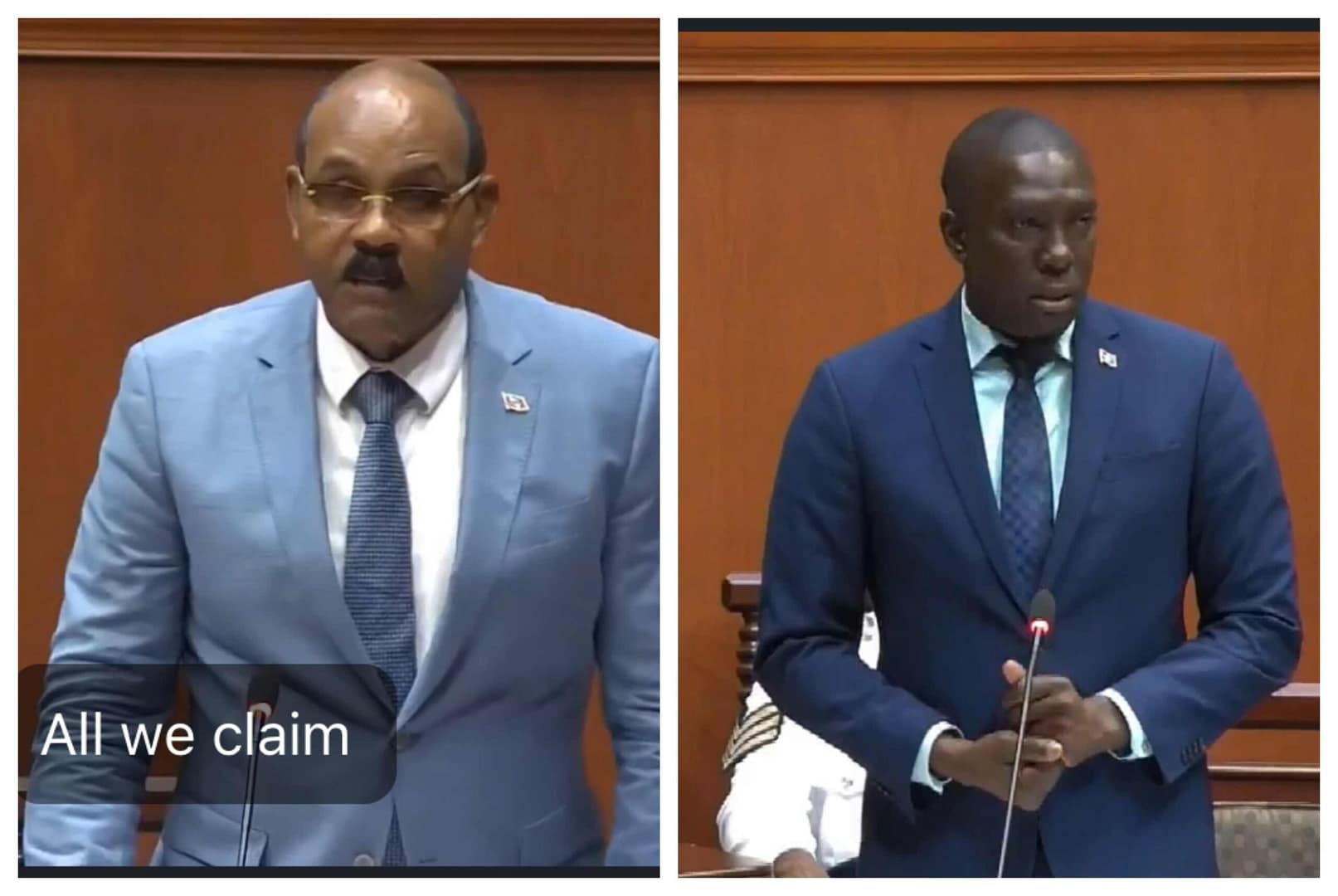
In a significant parliamentary session, Prime Minister Gaston Browne of Antigua and Barbuda has vowed to enhance the transparency of the government’s securities holdings. This commitment comes in response to persistent inquiries from the Opposition regarding compliance with the Finance Administration Act. During Thursday’s House of Representatives meeting, the Member for All Saints East and St. Luke questioned the Prime Minister’s adherence to Section 46(3)(a) of the Act, which mandates the Finance Minister to disclose full details of securities purchased. Browne acknowledged that while the government has historically omitted such filings, the information is publicly accessible through the Eastern Caribbean Securities Exchange (ECSE) and is included in the annual budget statement. He explained that the dynamic nature of securities trading—where bonds may be issued and repaid within short periods—makes frequent reporting cumbersome. However, Browne proposed a biannual update on the government’s outstanding securities to improve transparency. The Opposition also cited Section 46(3)(b), which requires the submission of all security purchase agreements. Browne clarified that such filings would establish a new precedent, as no previous government has submitted these documents to Parliament. He emphasized that the securities in question are publicly traded, not private transactions, and reiterated his administration’s commitment to transparency. When pressed about the government’s shareholdings in entities like Blue Ocean, West Indies Oil Company, and State Insurance, Browne expressed no objection to disclosing these details. He noted that such information is already publicly available through the company registry but affirmed his willingness to present it to Parliament if requested. The Prime Minister further distinguished between frequently traded securities, such as treasury bills, and permanent shareholdings in companies, confirming that the latter could be tabled in Parliament. This exchange marked a rare and substantive discussion on the transparency of government investments and securities reporting, underscoring the Browne administration’s pledge to uphold accountability.
-
Minister Straughn and Chinese Ambassador discuss areas of cooperation
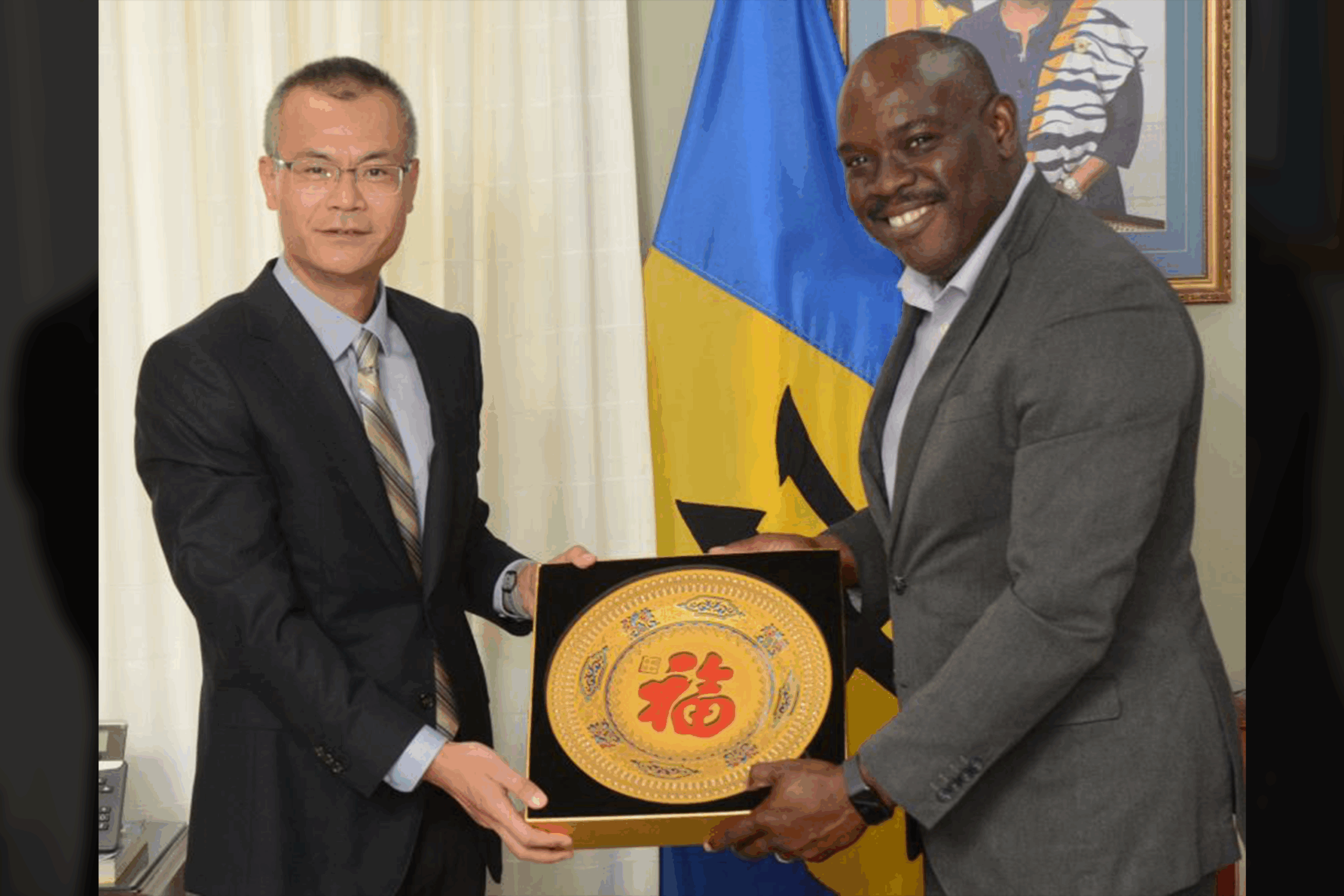
In a significant meeting held at Government Headquarters on Thursday, Minister in the Ministry of Finance, Ryan Straughn, and China’s Ambassador to Barbados, Zheng Bingkai, discussed pivotal projects aimed at enhancing bilateral cooperation. Among the key topics were the expansion of the Queen Elizabeth Hospital and the redevelopment of the National Stadium. Minister Straughn highlighted the invaluable contributions of Chinese medical teams, emphasizing their transformative impact on healthcare delivery in Barbados. He also provided updates on the National Stadium redevelopment, expressing optimism that the upgraded facility would promote physical activity and athletics by hosting major events. Ambassador Zheng commended Barbados for its declining debt-to-GDP ratio, attributing this achievement to the country’s resilience amidst the COVID-19 pandemic and geopolitical tensions. He also lauded the latest FITCH ratings, which reaffirmed Barbados’ B+ credit rating. The discussions further explored strategies to deepen the long-standing bilateral relationship, including the Scotland District Road Rehabilitation Project, additional investment opportunities, and initiatives to attract more Chinese tourists to Barbados. The diplomatic ties between the two nations, established on May 30, 1977, continue to flourish through these collaborative efforts.